Russell retweeted

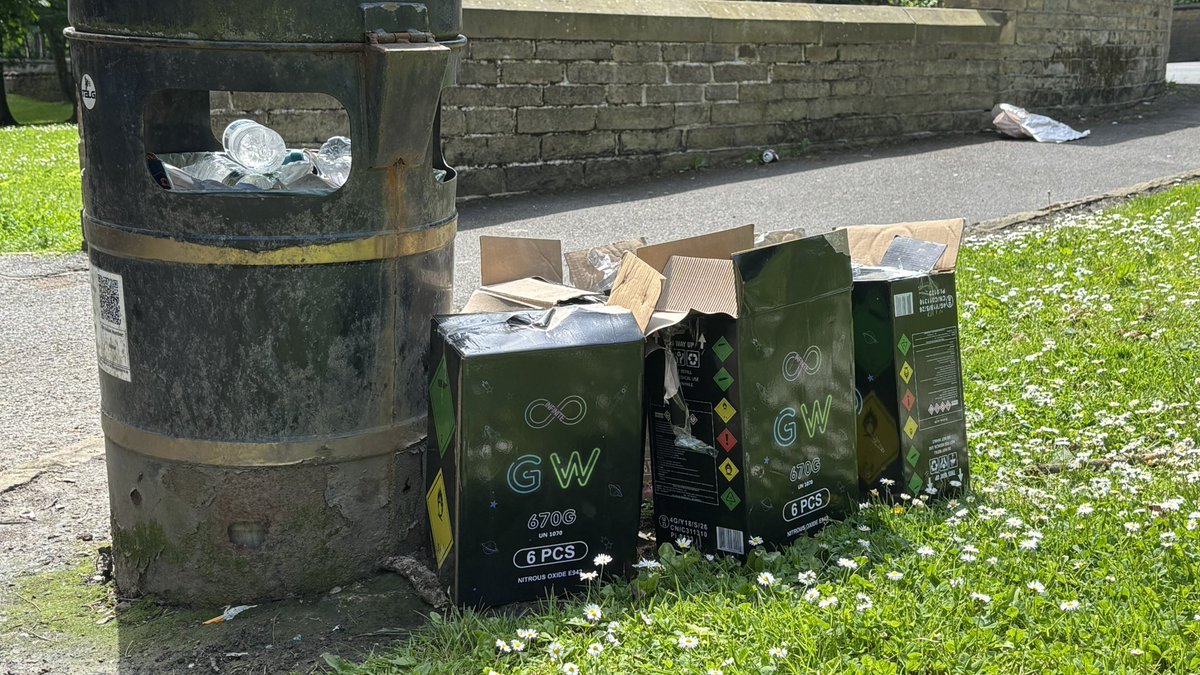
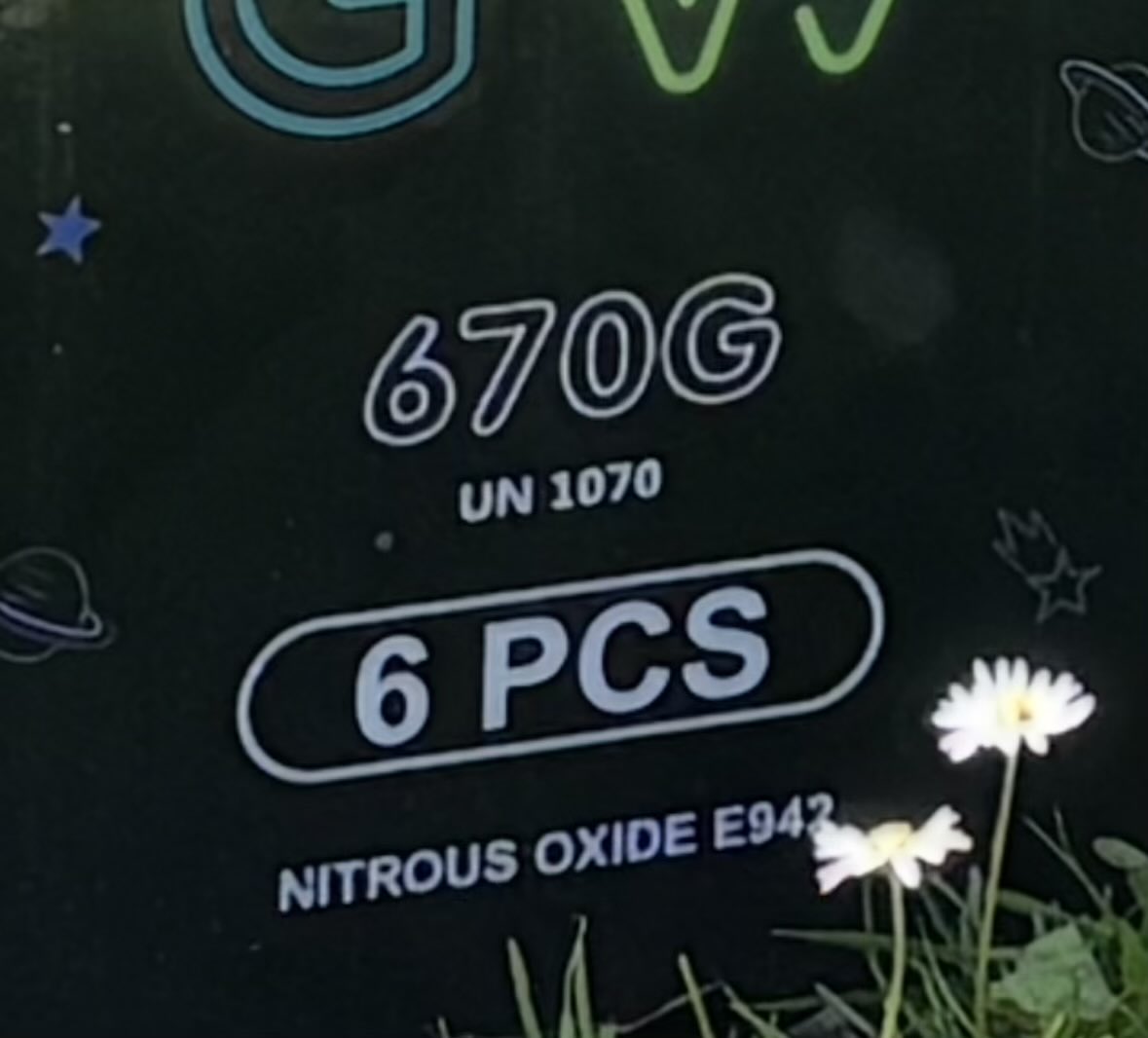
Here in Bradford the Muslims are huffing nitrous oxide from canisters designed for cars. These boxes containing 18 used cans were discarded next to Lister Park last week.
4
22
1,536

Username: Oxide
Getting myself more bags of $GLOOP if I win .
At these levels , I’ll just stack up crazy.
And tell people to stop comparing it to Kira , this is gem ! @KPsConviction



11
Miguel Angel Castillo retweeted

locked in 🔂 no sugar, no calories, just focus energy boosted with nitric oxide and elite flavor 🤌🏼 use my code TERANNBOGO for bogo free shipping 📬
drinknutralife.com/terann

1
1
22
187


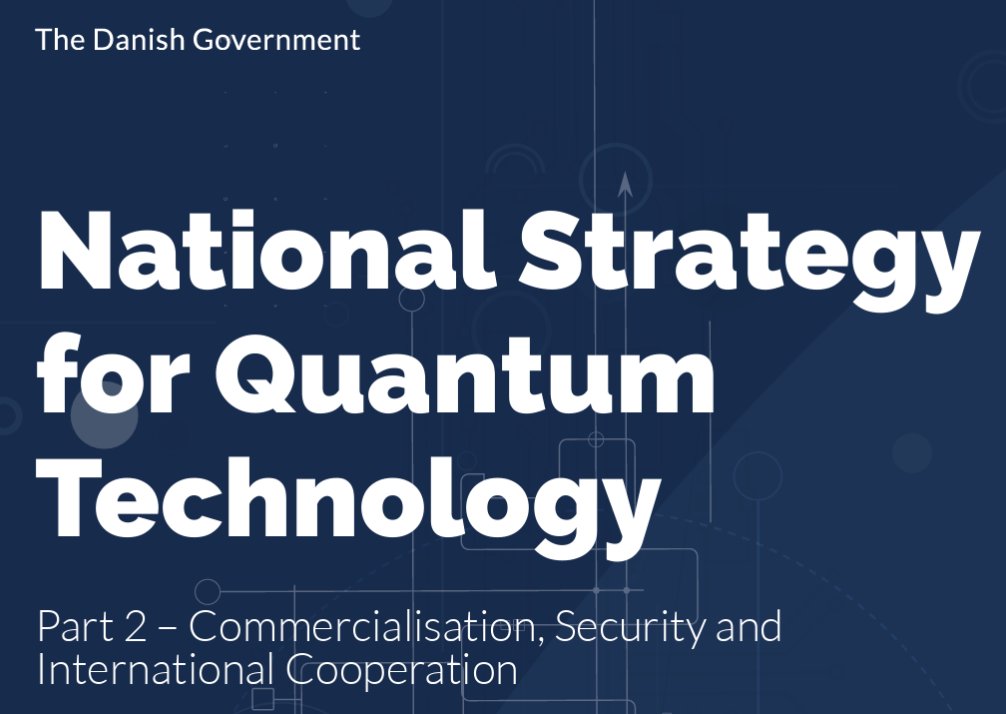
Other than Sweden, Denmark is pretty good at pushing quantum. They recently made significant investments in quantum technology and have also partnered with $NOVO to advance it further.
At the national level, they are spending about USD 200m over 2023-2027 on various initiatives.
The Danish Technology University has four quantum projects launched in July 2025:
- EQUAL: nano-photonic chips for cryptography and quantum networking.
- AccessQKD: scalable quantum key distribution.
- QLIGHT: high-efficiency light sources for photonic quantum computers.
- HyperTenQ: collaboration with Novo Nordisk Foundation’s program.
Novo Nordisk is additionally funding quantum research with USD 400m to build a quantum startup ecosystem and funding, with Denmark as the centre of gravity.
Novo and Denmark’s Export and Investment Fund are acquiring the world’s most powerful commercially available Level 2 quantum computer on a 50/50 basis. Expected operational for first tasks in 2026/27.
They funded a VC fund, 55 North Quantum Fund, to invest stage-agnostically across the full quantum stack.
The $ NOVO-funded quantum program NQCP is also helping $ALRIB Riberb with the qualification and industrialisation of their ROSIE platform (Riber Oxide Silicon Epitaxy). The first ROSIE unit was sold and delivered to NQCP.

While there’s been a lot of criticism of FinX toward Swedes, over their supposed $SIVE sales, I actually think Sweden has been one of the smartest countries at spotting the coming opportunity and capitalising on the AI buildout.
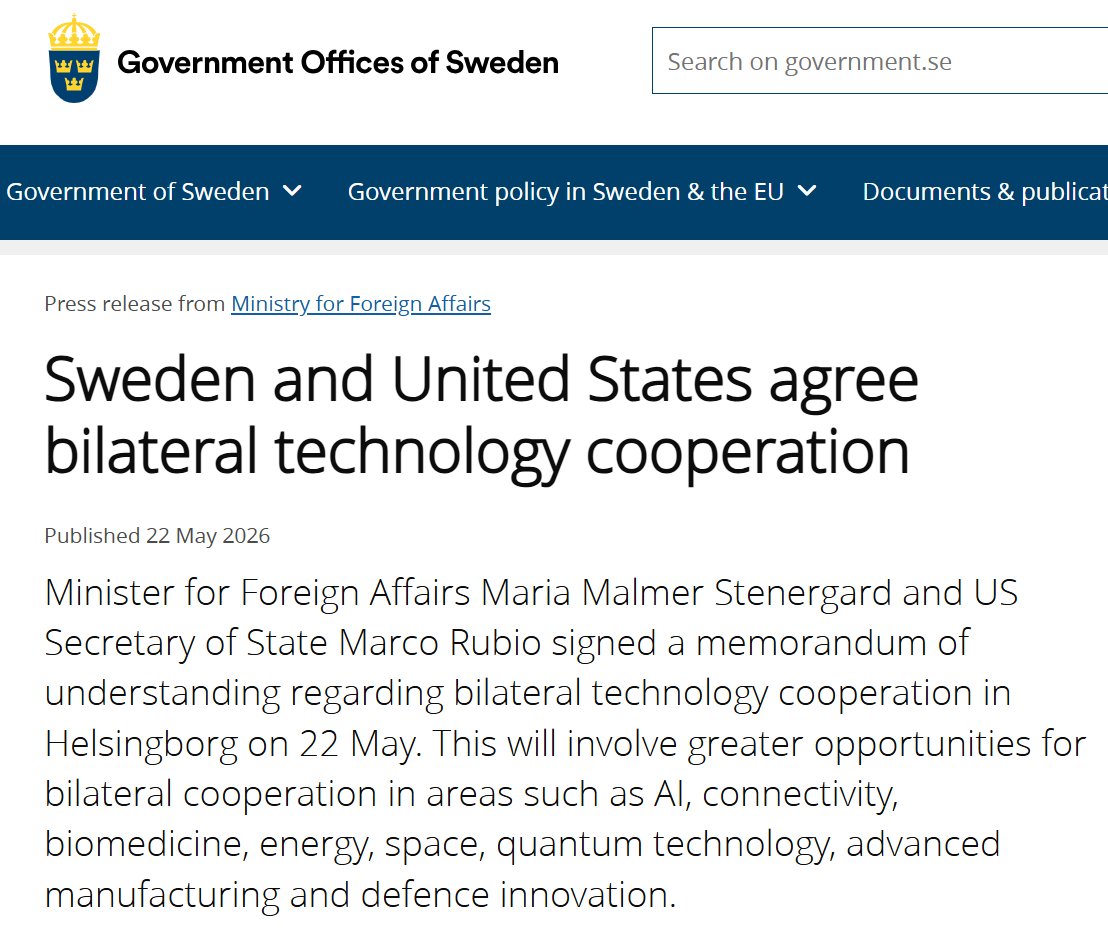
The Pax Silica* and the bilateral Technology Prosperity Deal MOU with the US were both clear wins.
Together, they cover AI, connectivity, biomedicine, energy, space, quantum technology, advanced manufacturing, and defence innovation, and they show the payoff of Sweden pursuing direct cooperation with the US outside the EU framework. government.se/press-releases…
I would prefer these deals to be structured and acceded to at the EU level first, but I can also understand the US preference for bilateralism (to divide and conquer/get the best deal). A fragmented Europe is easier for the US to manage, especially on sensitive topics like export controls and supply chain coordination.
Either way, these wins for Sweden mean tailwinds for their industry (and companies like $SIVE).
*Sweden was the first to enter Pax Sillica, but Finland, Greece, and the Netherlands also joined after.
1
1
197

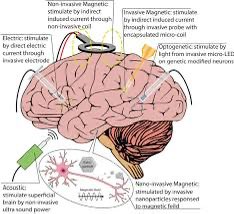
Endogenous ferromagnetism in the human body stems from biogenic magnetite (\(Fe_{3}O_{4}\)) nanoparticles (BMNPs). Found naturally in organs like the brain, heart, liver, and spleen, these particles—often formed via biomineralization—are actively studied for their roles in biomagnetism, cellular communication, and potential links to neurodegenerative diseases.
The relationship between these concepts in human biology and medical science breaks down as follows:
1. Ferromagnetism (Biogenic Magnetite)
•Natural Presence: The human body produces single-domain magnetite nanocrystals, which are permanently magnetic.
•Biological Function: Endogenous magnetite is believed to assist in magnetic field perception, transduction, and potentially as a regulator of iron homeostasis.
•Pathology: Elevated concentrations and abnormal clustering of these ferromagnetic nanoparticles are strongly associated with Alzheimer's disease and Parkinson's disease.
2. Electromagnetism in the Organism
•Endogenous Fields: The human body continuously generates electrical and magnetic fields, originating from heartbeats (magnetocardiography) and neuronal firing in the brain (magnetoencephalography).
•Interaction with EMFs: Exogenous electromagnetic fields (EMFs) are known to interact directly with intracellular iron and magnetite. These fields have been shown to modulate iron metabolism and affect pathways related to inflammation and cellular stress.
3. Nanoscale Superconductivity (Hypotheses)
•Microtubules: Theoretical frameworks propose the presence of "natural superconductivity" at the nanoscale in biological structures.
•Quantum Biology: Research suggests that structures like neuronal microtubules and mitochondria may utilize nanoscale superconductivity and Josephson junctions to achieve long-term memory, consciousness, and efficient ATP production. This remains an active area of quantum biology and biophysics research.
4. Applied Medical Nanotechnology
•Targeted Drug Delivery: Clinicians utilize engineered superparamagnetic iron oxide nanoparticles (SPIONs) (which act like ferromagnets when exposed to a magnetic field) coupled with external magnets to direct therapies—like chemotherapy—directly to tumor sites.
•Hyperthermia: By exposing these magnetic nanoparticles to an alternating magnetic field, they generate localized heat, which is used to target and destroy cancer cells.
12


Related and noting vegetables are the major source of nitrates in the diet, this paper piqued my interest
Also surprising that eNOS pathway nitric oxide didn’t attenuate these effects
‘Long-term dietary nitrite and nitrate deficiency causes the metabolic syndrome, endothelial dysfunction and cardiovascular death in mice’
3 months of the LND ( low nitrate diet) significantly elicited visceral adiposity, dyslipidaemia and glucose intolerance.
Eighteen months of the LND significantly provoked increased body weight, hypertension, insulin resistance and impaired endothelium-dependent relaxations to acetylcholine, while 22 months of the LND significantly led to death mainly due to cardiovascular disease, including acute myocardial infarction.
These abnormalities were reversed by simultaneous treatment with sodium nitrate, and were significantly associated with endothelial NOS down regulation.
These results provide the first evidence that long-term dietary nitrite/nitrate deficiency gives rise to the metabolic syndrome, endothelial dysfunction and cardiovascular death in mice, indicating a novel pathogenetic role of the exogenous NO production system in the metabolic syndrome and its vascular complications.’
link.springer.com/article/10…
1
9
Sophie Meadows retweeted

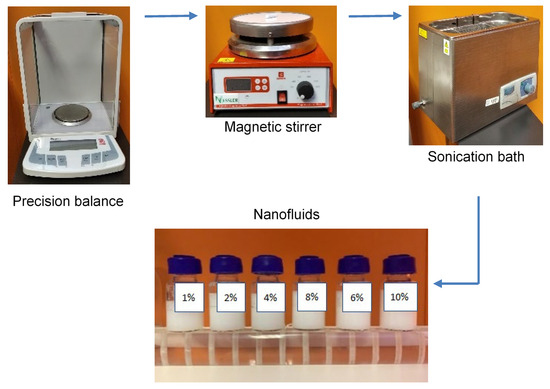
Read paper "Aqueous Theta-Phase Aluminum Oxide Nanofluid for Energy Applications: Experimental Study on Thermal Conductivity" from our EBM Prof. María Venegas (Carlos III University of Madrid, Spain). See more at mdpi.com/2076-3417/14/8/3225
3
3
31



Capitol agenda: Trump leaves Congress in dark on Iran deal
🛍️Buy EltaMD UV Clear Face Sunscreen SPF 46, Oil-Free Sunscreen with Zinc Oxide, Dermatologist Recommended with 30 days refund policy on Amazon
👇
tinyurl.com/5c83wjcr
8
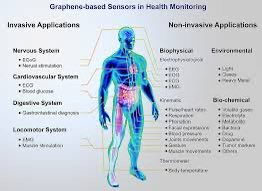
Graphene sensors are revolutionizing health monitoring by enabling continuous, real-time, and non-invasive tracking of vital physiological signals. Graphene's exceptional electrical conductivity, ultra-thin flexibility, biocompatibility, and high surface-area-to-volume ratio make it the ultimate material for next-generation medical wearables and implantable electronics.
Types of Signals Monitored
Graphene-based sensors broadly categorize into two diagnostic fields:
1. Biophysical Sensors
•Cardiovascular Trackers: Measures real-time blood pressure, heart rate, and electrocardiogram (ECG) data. Ultra-thin "graphene electronic tattoos" conform perfectly to the skin to measure bioimpedance changes inside arteries.
•Respiration & Motion: Tracks breathing patterns, sleep apnea, and subtle muscle movements via high-sensitivity strain gauges.
•Body Temperature: Disposable paper-based graphene sensors detect variations as small as 0.2°C with millisecond response times.
2. Biochemical Biosensors
•Sweat Analysis: Tracks glucose, cortisol (stress hormones), and metabolic waste like uric acid without needles.
•Interstitial Fluids: Extracts and evaluates low-concentration biomarkers down to femtomolar levels.
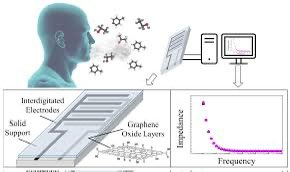
•Breathalyzers: Detects volatile organic compounds (VOCs) in exhaled breath to identify early signs of lung cancer, diabetes, and kidney disease.
Primary Material Variations
The industry relies on three primary form factors of the material:
•Pristine Graphene (G): Offers maximum electrical conductivity for electrophysiological tracking.
•Graphene Oxide (GO): Highly soluble and reactive, making it ideal for tracking moisture and biological compounds.
•Reduced Graphene Oxide (rGO): Restores conductivity while retaining chemically active sites for targeted molecule binding.
•Laser-Induced Graphene (LIG): A cost-effective alternative where lasers convert cheap polymers into patterned graphene circuits at room temperature.
12
Engineered graphene and its derivatives (e.g., graphene oxide) are researched for biomedical applications like targeted drug delivery and tissue engineering. Their impact on the human organism depends on exposure and material design.
Research highlights the following key aspects of graphene in biological systems:
•Toxicity Concerns: Certain raw or unmodified forms of graphene-family nanomaterials can cause oxidative stress, inflammation, or cell damage (necrosis/apoptosis) when interacting with primary human tissues and lung cells in high doses.
•Selective Safety: Controlled studies show that specific graphene derivatives, such as high-purity graphene oxide, are capable of distinguishing between cells. They can selectively disrupt the cell membranes of harmful bacteria while sparing healthy human cells, which makes them promising for medical textiles and antimicrobial use.
•Inhalation Safety: The first-in-human clinical inhalation studies by researchers, including the Graphene Flagship, indicate that short-term, low-concentration exposure to highly purified nanometer-sized graphene oxide nanosheets was generally well-tolerated with no overt detrimental effects on lung function or cardiovascular health.
16

"crouch down in thai basil grown from the light of helicopters. yam leaf lessons learned quick. garden glazed in carbon monoxide, formaldehyde, benzene, nitric oxide, soot."
—annakai hayakawa geshlider :: “Top Ten favorite places in los angeles”
alocasia.org/2025/05/01/anna…

1
6
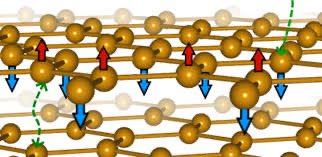
Graphene intrinsically exhibits diamagnetism. However, engineers and physicists actively functionalize, dope, or structure it to introduce ferromagnetism, paving the way for next-generation quantum devices, spintronics, and highly sensitive magnetic field sensors.
Key Applications & Research Areas
•Spintronics & Memory: By stacking and twisting graphene layers to specific "magic angles," researchers induce exotic magnetic states that can be toggled via electrical and magnetic fields. This opens the door to energy-efficient, flexible, and ultra-fast magnetic memory devices.
•Ultra-sensitive Sensors: Ultraclean graphene is currently being used to build superior, highly precise Hall effect probes to detect and map subtle variations in magnetic fields.
•Biomedical & Environmental: By anchoring magnetic nanoparticles (like iron oxide) to graphene, scientists create magnetic graphene foams and fluids. These are heavily utilized in targeted drug delivery, cancer hyperthermia therapy, and the absorption of heavy metals from water.
•Quantum Computing: Discoveries like magnetic and chiral superconducting graphene allow electrons to act as magnets through their orbital motion rather than just their spin. This provides a unique, highly sought-after platform for building robust topological quantum circuits.
How Magnetism is Induced
Because pure carbon is non-magnetic, specific techniques are required to break its symmetric electron bonds and generate net spins:
•Structural Modulation: Creating defects, vacancies, or sharp, zigzag edges in the carbon lattice.
•Atomic Doping: Introducing heteroatoms like nitrogen, or transition metals, into the graphene lattice.
•Proximity Coupling: Placing a graphene sheet on top of an insulating ferromagnetic substrate, which magnetizes the graphene without disrupting its native electronic pathways.
20

Manganese Super Oxide Dismutase (SOD2) takes super oxide (O²-) and hydrogen and makes hydrogen peroxide (H2O2), which lowers CYP11B2 (Aldosterone Synthase).
Suwa et al. (2005)
1
25