
Apr 15
Orcas look cuddly but are absolute menaces. They coordinate stealth attacks, waiting for prey on icebergs. Don't let the bobbing fool you – these are skilled hunters. #Orcas #Wildlife #OceanPredators
3
227

Jan 19
Unexpected guests on the boat! 😲🐻
This bear took a quick detour to! Don't miss this jaw-dropping moment.
#WildlifeAdventure #BearFacts #NatureLovers #BoatLife #OceanPredators
1
3
176

23 Nov 2025
FOR YOUR INFORMATION...
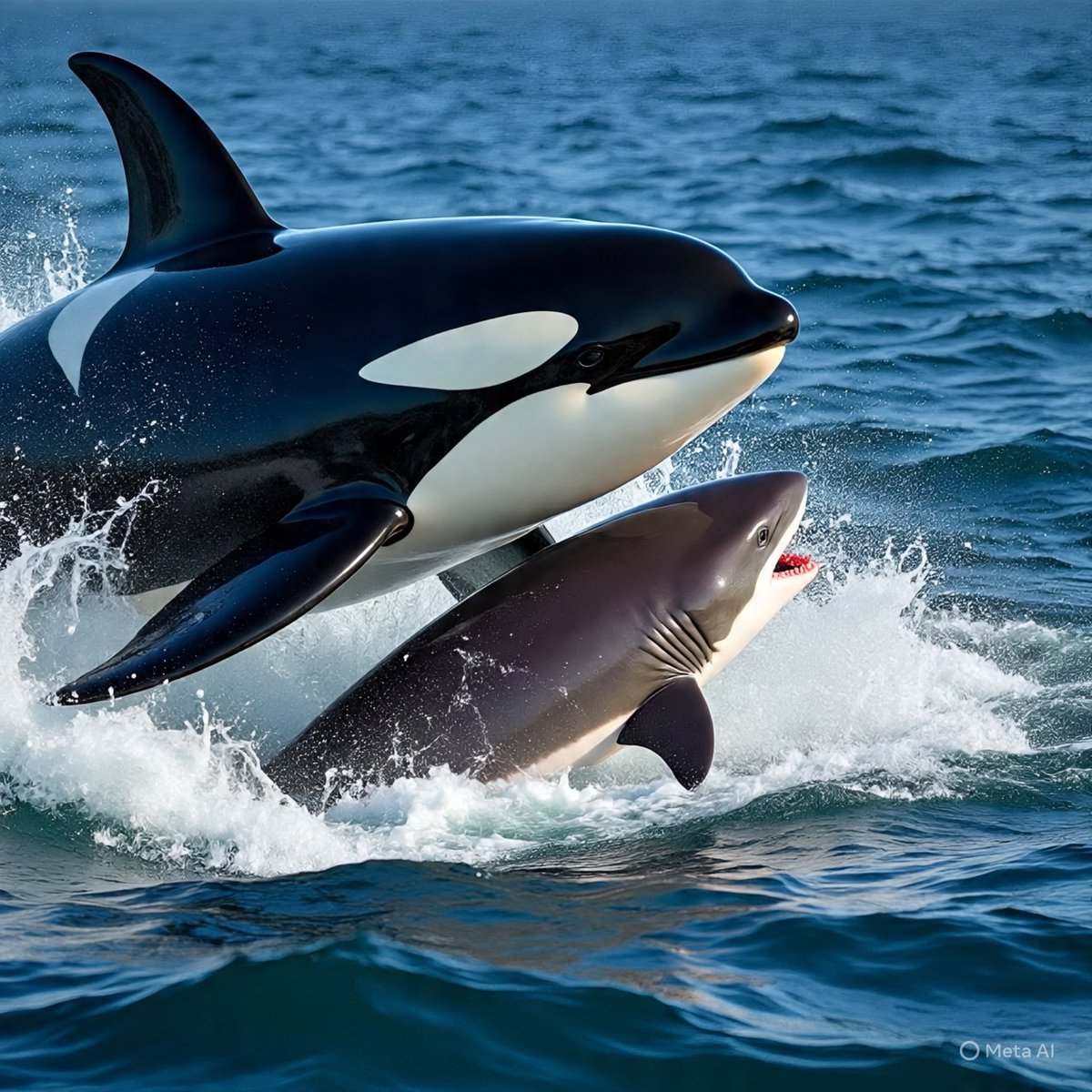
People call orcas killer whales
but most of the ocean has no idea how literal that name really is.
For years we watched them tear open great white sharks with the confidence of animals that know exactly where the weak point is.
Flip the shark.
Shut down the muscles.
Remove the liver like they have done it a hundred times.
That alone would put them at the top of the food chain.
But they are not done.
In the Gulf of California researchers documented a pod taking on juvenile whale sharks
animals so large and so armored that almost nothing hunts them.
Yeah almost.
The orcas attacked from below
hit the soft underbelly
bled the shark out
and went straight for the same familiar target
the liver
the ocean’s densest vault of calories.
Different prey
same extraction.
Different animal
same outcome.
This is not luck.
This is a system.
Orcas test strategies
refine them
and pass them through their families the way humans pass down trade skills.
They are intelligent enough to read a situation
coordinated enough to divide roles
and bold enough to treat every giant in the water like a puzzle waiting to be solved.
People fear sharks.
Sharks fear orcas.
That is the real hierarchy.
And here is the part most people never think about.
Orcas do not form super pods.
They stay in small family units.
They hunt with precision instead of overwhelming numbers.
But if they ever gathered the way pilot whales and dolphins do
the ocean would change overnight.
Every marine mammal would evolve a fear response before it evolved hunting tactic.
Every shark would move like something is following it.
Everything with a heartbeat would learn to listen for that black and white shape in the dark.
Orcas already dominate the sea.
The only thing preventing them from ruling it completely
is that they have not decided to.
📚Sources:
° Pitman et al., Marine Mammal Science 2022, Orca predation on whale sharks in the Gulf of California.
° Towner et al., Ecology 2023, Orca liver targeting in great white sharks.
° NOAA Southwest Fisheries Science Center, Orca predation reports and field observations.
---
@yourbetterhalfz
#Orca #KillerWhale #MarineBiology #SharkScience #OceanPredators #NatureFacts #WildlifeEducation
23 Nov 2025

FOR YOUR INFORMATION
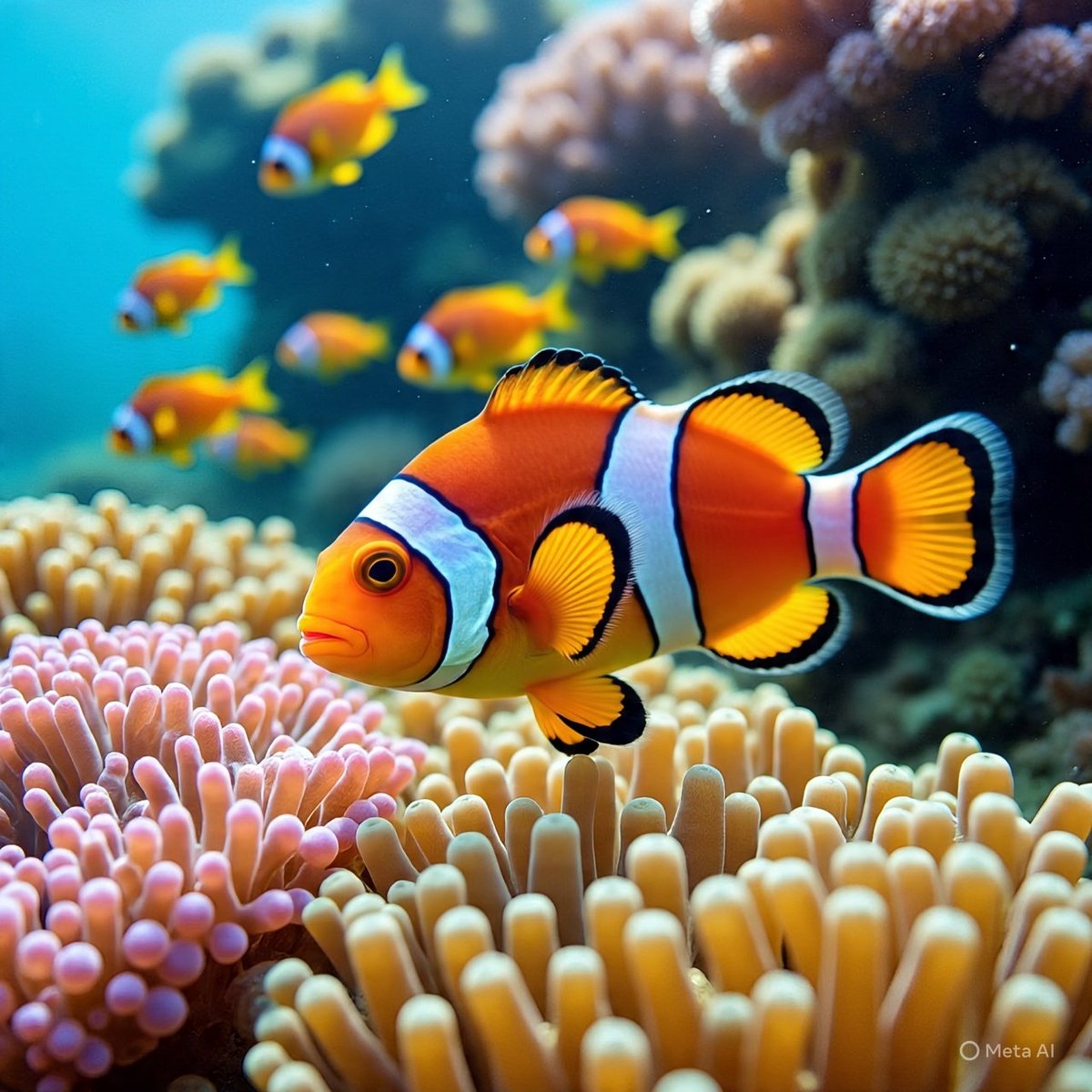
Clownfish live in tiny kingdoms ruled by one female, and she started life the same way as everyone else in the group: as a male. 🐠
Every clownfish is born male. Their social world is strict and layered. At the top sits the single breeding female. Below her is the dominant male. Beneath them are several smaller, nonbreeding males waiting for their chance to move up.
If the female dies, everything shifts. The dominant male changes sex and becomes the new female. The next male in line steps into the breeding role. No chaos. No fighting. Just a quiet biological reset that keeps the group stable.
This ability is called sequential hermaphroditism. For clownfish, it is not a rare event. It is their entire system of survival. Their partnership with sea anemones only strengthens it. The anemone offers protection, the fish defends it, and the hierarchy keeps the group balanced.
It is one of the cleanest examples in nature of how life adapts, reorganizes, and keeps moving forward without hesitation.
📚 Sources:
National Oceanic and Atmospheric Administration. "Clownfish Species Overview."
Fautin, D. G. "The Anemonefish Symbiosis: What is Known and What is Not." Integrative Zoology, 2010.
---
@yourbetterhalfz
#Clownfish #MarineLife #OceanFacts #Biology #WildlifeEducation #Nature #AnimalFacts #Zoology
7
9
26
612
23 Nov 2025
DO YOU KNOW...
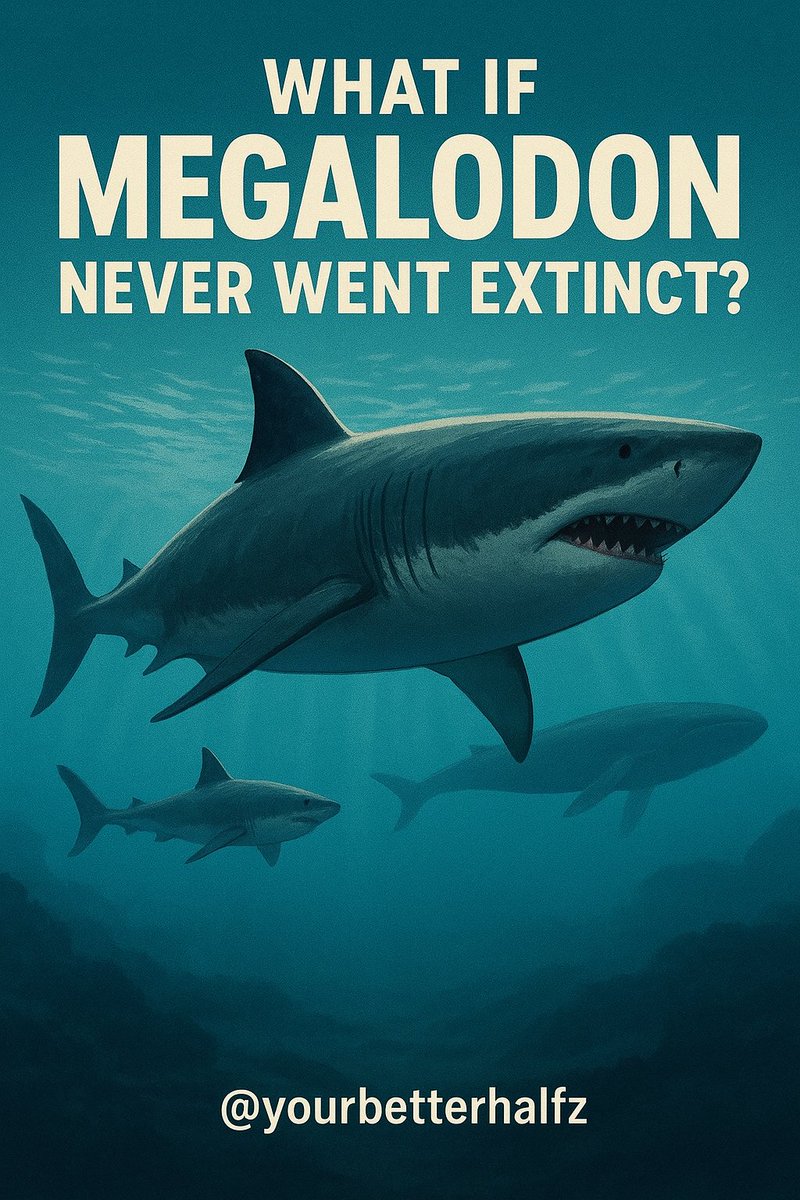
What if Megalodon never went extinct?
Not a movie plot.
Not a fear fantasy.
A serious scientific question with real consequences.
Start with scale.
A Megalodon was up to 18 meters long and weighed more than 60 tons.
A predator the size of a bus with the power of a collapsing building.
If it appeared in today’s oceans, everything would change immediately.
Great whites would vanish from any shared territory.
Blue whales would be hunted again after millions of safe years.
Migratory routes would shift.
The food chain would bend around a single apex predator.
Coastal waters would no longer be predictable.
Nurseries once used by whales and dolphins would become kill zones.
Shallow bays, warm reefs, and continental shelves would turn into hunting corridors.
Shipping routes would need real-time monitoring.
Submarines would avoid areas where pressure waves from a Megalodon strike could compromise hull integrity.
Tourism would collapse.
Whale-watching boats, diving tours, open-water swims
gone overnight.
No one risks sharing water with a predator that can sense heartbeats from meters away and strike with the force to crush steel.
And the strangest consequence?
Whales would pay the highest price.
They evolved after Megalodon’s extinction.
Today’s whales are massive, peaceful, poorly prepared.
They have no defenses against a predator designed to dismantle them.
The ocean would feel smaller.
Darker.
Older.
Because Megalodon wasn’t just big.
It was an ecological event.
A moving disaster zone.
A living pressure system that shaped entire marine ecosystems.
If Megalodon returned today, humans would adapt.
Ships would reroute.
Scientists would track.
Governments would panic.
But the ocean?
The ocean would remember exactly who used to rule it.
📚 Sources:
• Cooper et al., Royal Society B (2022) – Megalodon size and energy models
• Ferrón (2017) – Megalodon thermoregulation and predatory behavior
• Smithsonian Ocean Portal – Megalodon ecological impact
• Pimiento & Balk (2015) – Megalodon extinction and ocean structure
---
#Megalodon #YourBetterHalf #WhatIf #PrehistoricGiants #OceanPredators #SharkFacts #MarineScience #WildlifeEducation #NatureThoughtExperiment
14
15
23
351

30 Oct 2025
📢 Paper alert! 🚨
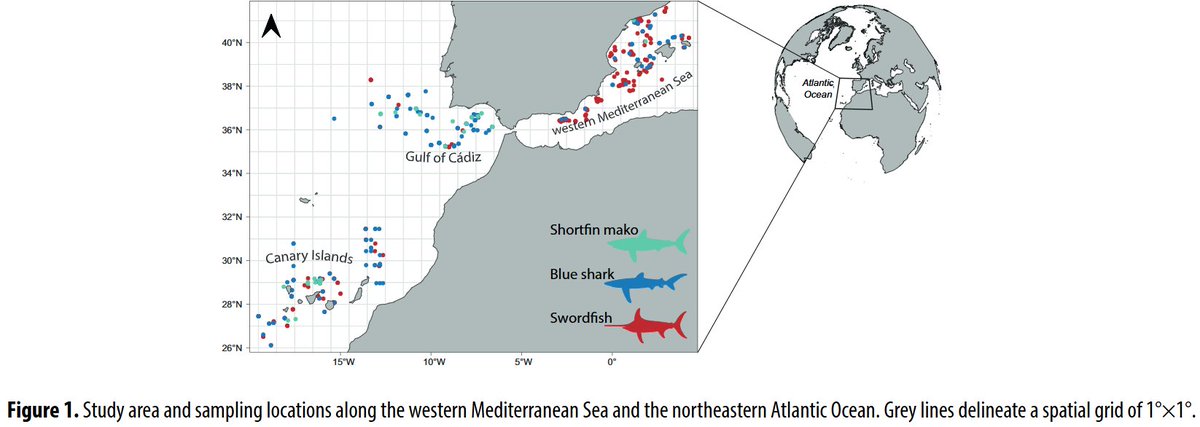
New study led by @ElenaFCorr reveals how pelagic productivity and competitor abundance shape trophic niche segregation among top ocean predators.
🔗 hhttps://short.do/ZsZpV7
#OceanPredators
@ICMCSIC
1
4
7
290

6 Apr 2025
Stealth mode: activated. 🐍 Eels are some of the ocean’s most underrated predators. Have you ever had a close encounter with one? 👀
🎥 IG 'neil84shah'
#ScubaDivingMag #PADI #ScubaDiving #Eel #MarineLife #UnderwaterContentCreator #OceanPredators
2
8
28
1,876

20 Feb 2025
🦈 Sharks are both amazing and dangerous - nature’s perfect predator!
#SharkLife #OceanPredators #AmazingCreatures #RespectNature #MarineWildlife #DeepBlueSea
1
112

9 Dec 2024
“🐟🎯 Watch as this tuna squad locks onto a fish even before it hits the water! 🔥 How do they see it so fast? Instinct, precision, and the ultimate hunter’s senses. 🌊✨ Nature never ceases to amaze!
#TunaPower #NatureSkills #FishingMagic #UnderwaterHunters #OceanPredators #FishingLife #WildHunt #SeaSpectacle #EpicCatch”
1
1
21
1,292

9 Dec 2024
Orcas, or killer whales, aren't exactly fish enthusiasts
They're more like the ocean's gourmet chefs, savoring everything from salmon to seals.
They're the apex predators with a taste for variety, making the sea their all-you-can-eat buffet. But don't worry, no fish was harmed in the making of this X post.
well, unless an orca got to it first! #OrcasLife #OceanPredators
6
290

14 Oct 2024
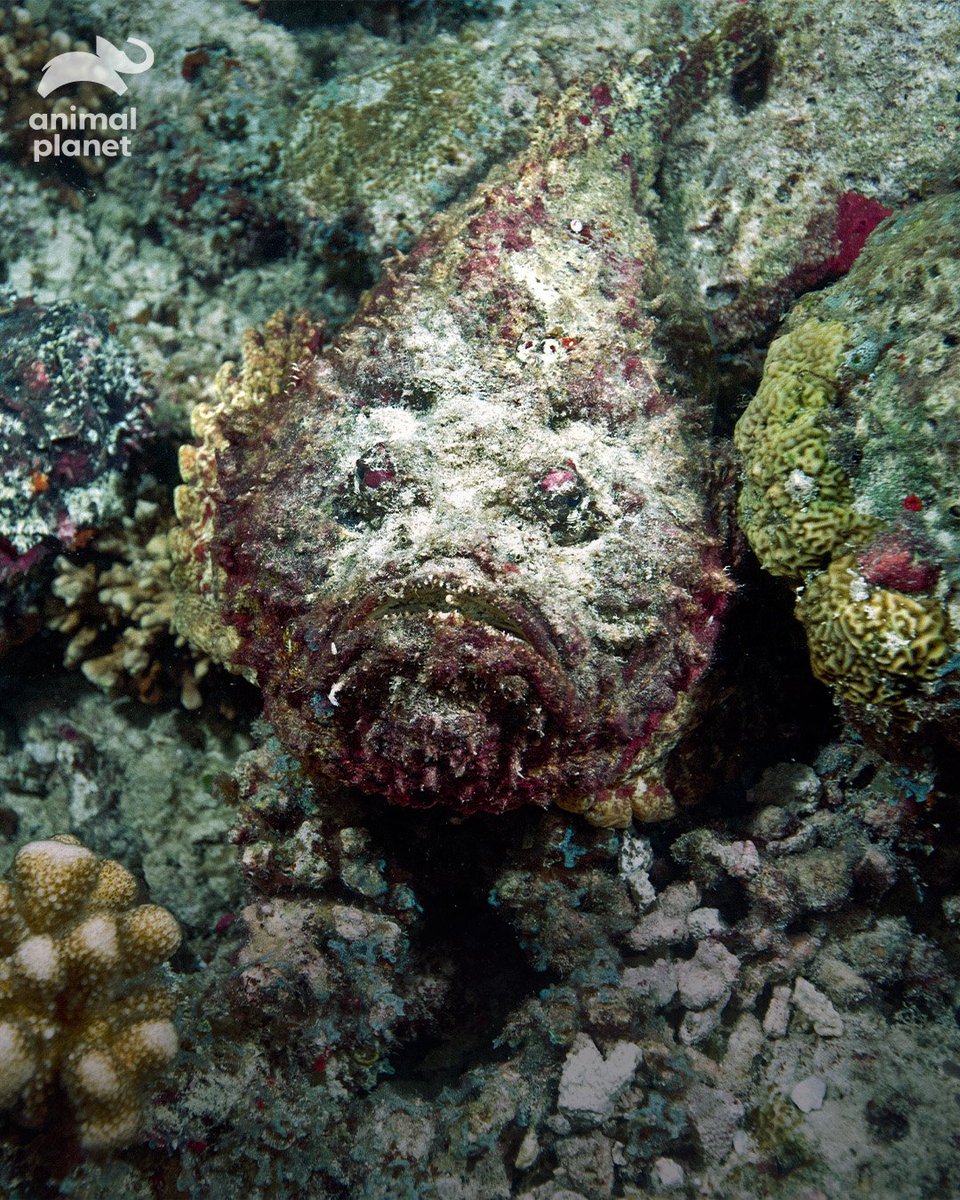
Meet the Ocean's Sneaky Ninja: the Stonefish! 🐡
This master of disguise is so good at blending in that you might just think it’s a rock or a piece of coral! Talk about stealth mode!
#AnimalPlanetIn #AnimalPlanetIndia #Animals #Animal #StoneFish #OceanPredators
1
6
179

13 Oct 2024
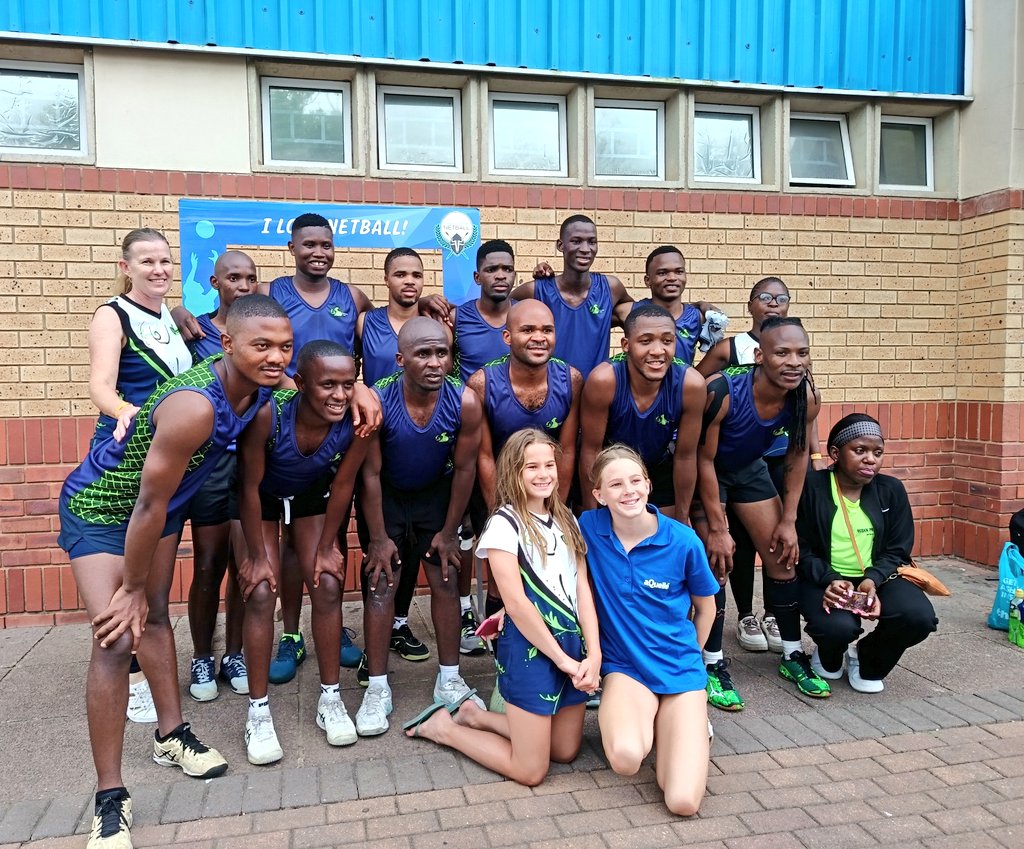
Ocean Predators reign supreme with six consecutive KZN Super League titles. They edged out Ziphozonke 40-33 in the thrilling grand finale. Unmatched excellence! #KZNNetball #SuperLeague #OceanPredators
1
3
218

22 Aug 2024
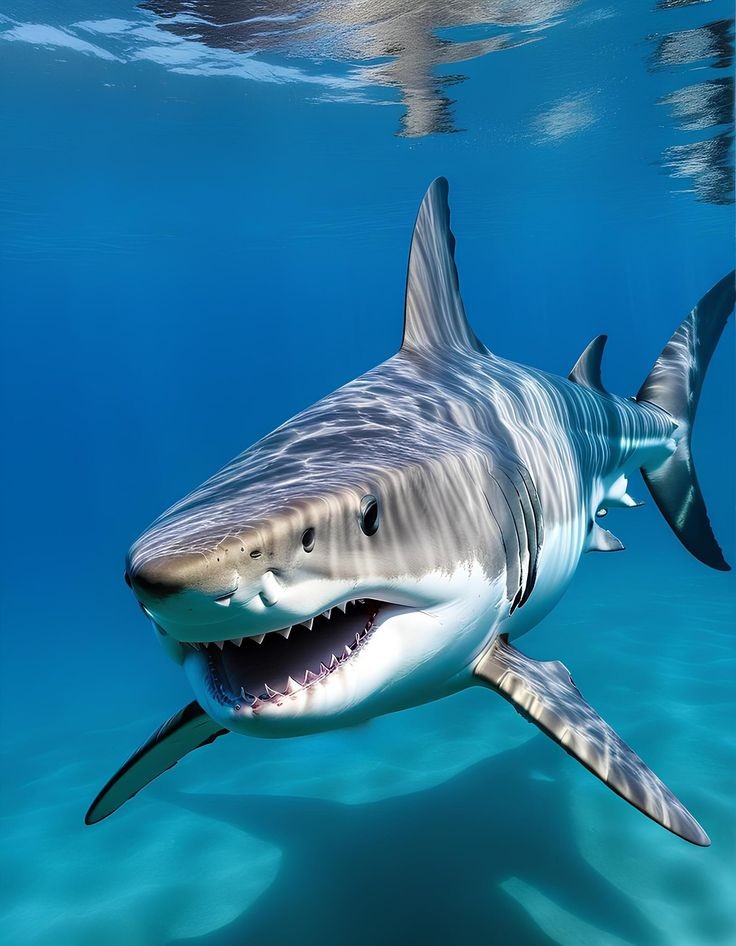
𝗚𝗿𝗲𝗮𝘁 𝗪𝗵𝗶𝘁𝗲 𝗦𝗵𝗮𝗿𝗸
How big do you think a Great White Shark can get?
Let’s dive into the world of the Great White Shark, one of the ocean’s most powerful predators! 🦈 Known for their incredible size, these sharks can grow up to 20 feet long and weigh over 5,000 pounds! Great Whites have a keen sense of smell and can detect a drop of blood in the water from miles away. Despite their fearsome reputation, they play a crucial role in maintaining the balance of marine life. With sharp teeth and powerful jaws, they are built for speed and strength in the ocean’s depths. 🌊
#OceanPredators #SharkFacts #MarineLife
107
14
72
1,204

5 Jul 2024
Sending prayers for the brave lady who survived a dangerous shark attack off the beach in South Padre Island, Texas. 🦈 Let's hope for her swift recovery! 🙏🏼 #SharkAttack #SouthPadreIsland #Texas #PrayersNeeded #Survivor #BeachSafety #StayStrong #RecoveryJourney 🌊🙌🏼
#sharkattack #southpadreisland #prayersforher #dangerouswaters #missingleg #beachsafety #sharkwarning #prayforrecovery #scaryencounter #oceanpredators #southtexassharkattack #beachdanger #watchoutforsharks #sharkterritory #swimcautiously #beachemergency #stayalert #sharkinfestedwaters #southpadresharks #survivingasharkattack #bravewoman #sharkencounter #fearlessswimmer #oceanscarysecrets #sharkterritorialwaters #protectouroceans #southpadresharkwarning
2
37
22,246

21 May 2024
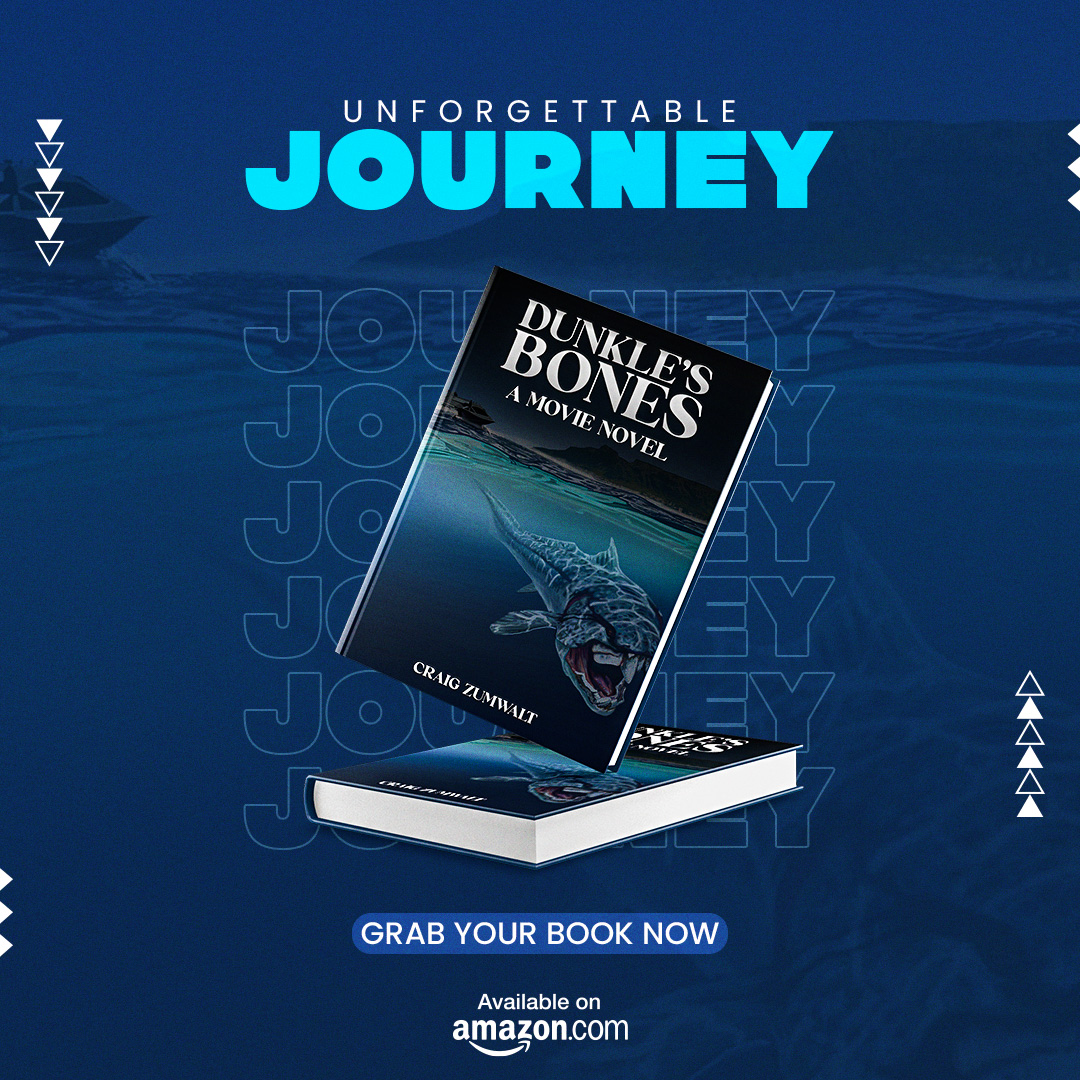
From forgotten nightmares to bone-armored predators, #DunklesBones will keep you on the edge of your seat.
Buy now: a.co/d/5KGEF4A
#ThrillingAdventure #ForgottenNightmares #OceanPredators #ExcitingRead #SuspensefulJourney #Books #ReaderCommunity #WritingCommunity #Read
1
2
81

10 Nov 2023
👾🌊 #DeepSeaDemon alert! El #AbyssalPhantoth con su #JawDropping bite está en nuestro último #YouTubeShort. ¡Prepárate para un viaje épico al fondo del mar! #OceanPredators #EpicUnderwater youtube.com/shorts/34gCC6LdK…
2
2
35

13 Sep 2023
This is the Peacock Mantis Shrimp (Odontodactylus scyllarus), a fascinating species found in the warm waters of the Indian and Pacific Oceans. It is known for its mesmerizing colors, exceptional hunting skills, and distinctive visual capabilities.
Beyond its beauty, the peacock mantis shrimp has some incredible physical characteristics with club-shaped raptorial appendages known for striking with the speed of a bullet, delivering the fastest recorded punch of any living animal.
This skilled hunter prefers gastropods, crustaceans, and bivalves. Using its powerful and swift punches, it relentlessly strikes the shells of its prey with great force until it can gain access to and consume the tender inner parts.
🎥 rafafdezjr
#PeacockMantisShrimp #OceanPredators #Nature
4
4
15
9,512
12 Aug 2023
This silent monster lurking in the depths, ready to strike!
Eunice aphroditois, also known as the bobbit worm or sand striker, is a type of marine bristle worm that resides in warm waters. It is found in the Atlantic Ocean and the Indo-Pacific and can reach up to 10 ft (3 m) in length.
This species of worm is a fascinating ambush predator. Despite lacking eyes, it relies on five antennae on its head to sense its prey. By burying itself in the ocean sediment, it patiently waits for detection through its antennae before swiftly attacking with its sharp teeth.
Isn't it truly astonishing how this predatory creature silently waits with patience in the depths of the ocean, ready to strike its prey with deadly precision?
#OceanPredators #Marinecreatures
Video: youtu.be/K_7ByiYbCYM
2
12
80
31,949

4 Mar 2022
Congratulations to Young Marine Biologist Member and Winner of the #YMBSummit2021 Writing Challenge (10 and Under age category) Alosha who did a fantastic job presenting 'Why Protecting Ocean Predator is Important?' for @TEDTalks #MBAMember #OceanPredators 👏👏🦈🤩
2 Mar 2022

Why Protecting Ocean Predator is Important? (Alosha Samaraarachchi | TEDxZahiraCollege) ted.com/talks/alosha_samaraa… via @TEDTalks
1
3

28 Nov 2021
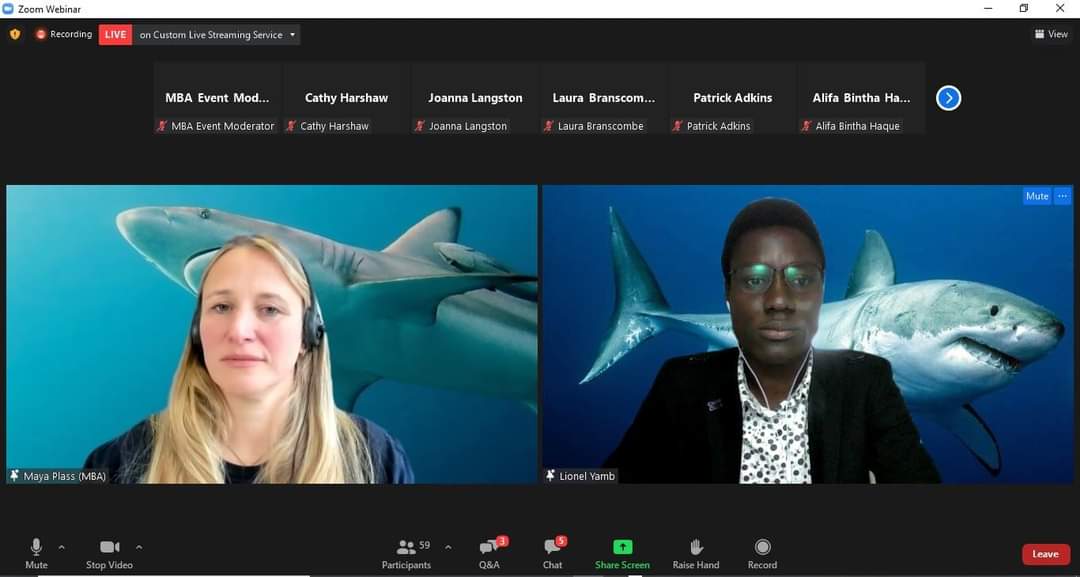
What a great Young Marine Biologist Summit this weekend !!😍🌊🦈
#YMBSummit2021
#OceanPredators
Thanks @thembauk @saveourseas
1
5
28 Nov 2021
If you loved learning about #OceanPredators & #MarineBiology at #YMBSummit2021, why not become a Young #MBAMember? You’ll have access to many of our exclusive events & resources to help start a career in marine biology. buff.ly/3nLsdMZ #JointheMBA buff.ly/3rhnNzC
4