Linda Jones retweeted

20 Jun 2025
It's officially #SummerinOhio! ☀️ 🏖️ 🎢 🏕️ 🍦
From hiking, fishing, and thrill seeking to art gazing, ice cream scooping, and festival hopping there's so much to see and do this summer in #OhioTheHeartofitAll!
Get inspired to make big moments at Ohio.org/Summer

4
4
692
Linda Jones retweeted
11 Nov 2025
Ohio has a proud legacy of service. This Veterans Day, we encourage everyone to celebrate that spirit by visiting the incredible museums and memorials that tell our veterans' stories - and by shopping small and supporting the veterans who call Ohio home.
14
26
192
81,433

Jun 13
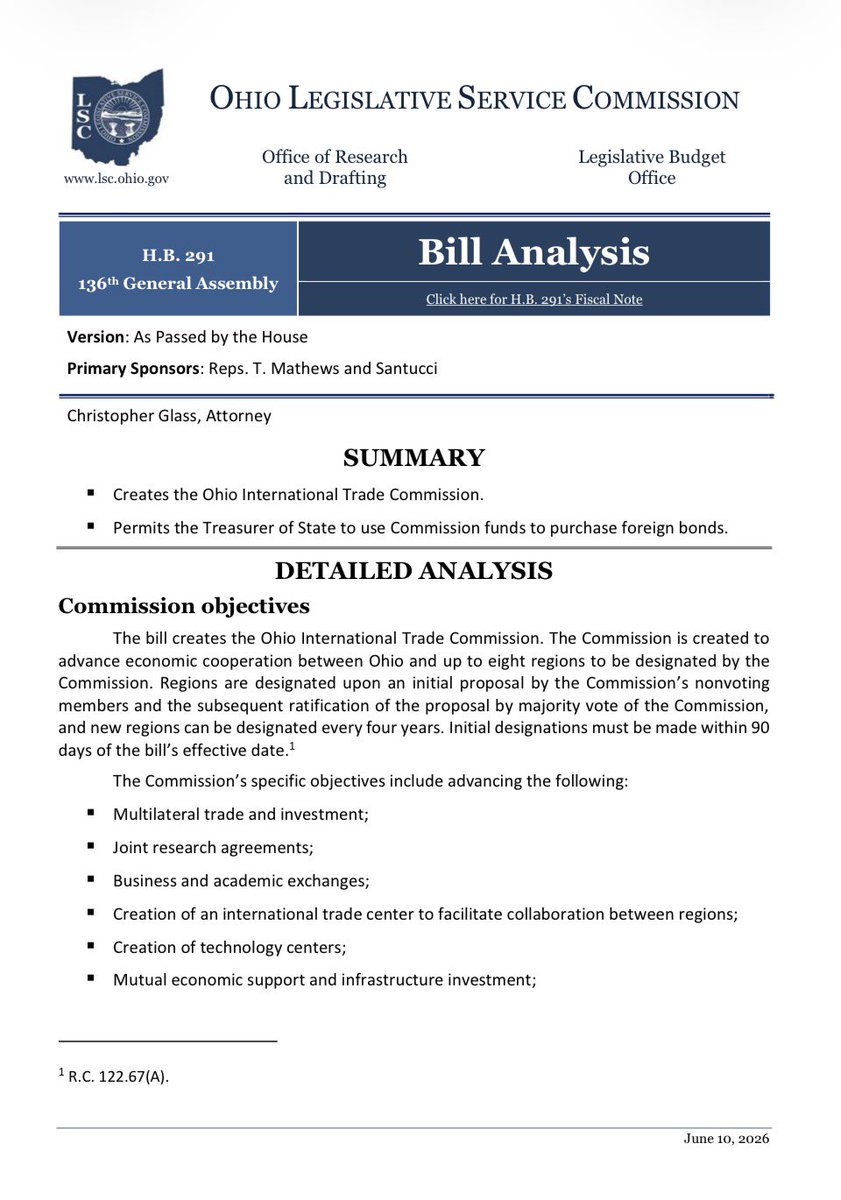
🚨If HB291 is such a great deal, why does it require a state commission, a state treasury fund, state-appointed members, state bond purchases, and state-facilitated financing? @NickSSantucci @matthuffman1 Why can’t the private parties involved simply do business directly? This arrangement has all the hallmarks of backroom cronyism.
🚨Look at the immense local friction we are already witnessing in Maineville/Mason (Warren County) regarding rapid labor migration shifts, suspicious commercial trucking setups, and serious federal smuggling investigations. If local residents are already deeply unsettled by these strains from ordinary migrants who are simply fleeing authoritarianism for economic survival. . imagine the intense social and political tension when our state leaders actively integrate an elite class of foreign personnel onto an un-elected public-private governance board, granting them unchecked influence over Ohio infrastructure solely for corporate profits and war manufacturing! @OhioChamber @OhioDevelopment
🚨But let’s be clear: this isn't just about unvetted labor growth… this is a fundamental question of state sovereignty and fiscal responsibility. Look at what the corporate tech and AI boom acceleration has actually delivered for everyday Ohioans: higher utility bills, strained infrastructure, reduced quality water and air, austerity cuts, and now a new bill threatens Ohio farmers with eminent domain seizures before getting paid!! (Thanks @ohiobrt 😡). We are already paying the price for corporate expansion.
🚨Now, under HB291, you want to rush through an international trade partnership that is highly asymmetrical. You are risking public taxpayer money and putting Ohioans on the hook to absorb 100% of the liability, all to fuel foreign private profits and war manufacturing. What are the exact terms of this partnership?
🚨Why is our state serving as a low-interest bank teller, staging ground, and risk-absorber? There are zero guardrails in this bill to protect local residents from being exploited. Ohioans are tired of funding shady, unvetted deals with zero ROI guarantees and zero public accountability.
⚠️Where are the guardrails for us? And what exactly do we gain?
CC: @amyactonoh @DavidPepper @DonCKissick
@lbischoff @jake_zuckerman
Jun 13

HB291 is basically the HB188 framework rebuilt under a new wrapper.
HB188 named specific foreign partner nations. HB291 strips the country names . . but keeps the structure: a public-private commission with voting seats reserved for foreign-nation representatives.
Structure in brief:
4 Ohio “pro-trade” legislators (split between parties)
8 voting members tied to “designated member nations”
Those 8 are selected through a layered appointment Senate confirmation process, not direct election
Nonvoting seats include the Ohio Chamber of Commerce and state agencies with international trade roles (including Agriculture and department of development)
Bottom line: same model as HB188, just anonymized. . and still weighted 8 foreign-nation voting seats vs 4 elected state legislators.
Original version listed Israel, Japan, and Ireland, plus two unnamed countries.
My read is those likely map to UAE and India… based on Beigelman’s testimony emphasis on UAE and linked data center development activity (DAMAC/EDGNEX in Ohio) and India’s growing strategic alignment signals following recent high-level meetings involving Modi, Netanyahu, Vance, and Vivek.
Net effect: the country names may have been removed, but the implied partner set likely stayed intact… just less visible.
2
11
9
441


Jun 10
I don’t speak for the legislature and I certainly wouldn’t want to speculate or comment on what the Speaker of the House says.
56

Why are lawmakers saying they're in the dark about this?
The House speaker, yesterday:
"I don't think the Department of Development should be signing 30 year contracts ***without the legislature knowing about that.***"
1
82
Ok, some of these have been released in a piecemeal faction, but how could anyone know the aggregate number? Has the Department published it somewhere?
For that matter, some of these stories understate the size of these credits. This was a $600m credit referenced as $81m???

1
145
Scott Ryan retweeted
Ohio Opportunity Zones 2.0 Nominations are now open! Interested local governments and economic development organizations can submit nomination forms now through July 10.
ALT Opportunity Zones 2.0 Take the Survey: Local governments and economic development organizations can fill out this form to nominate a census tract for designation. Oho Department of Development logo Image: state of Ohio flags outside
1
2
1
320
Jun 10
Nothing “secret” about any of it- contrary to reporting yesterday. @OhioDevelopment @DispatchAlerts @clevelanddotcom @SignalStatewide
1
4
570

Jun 4
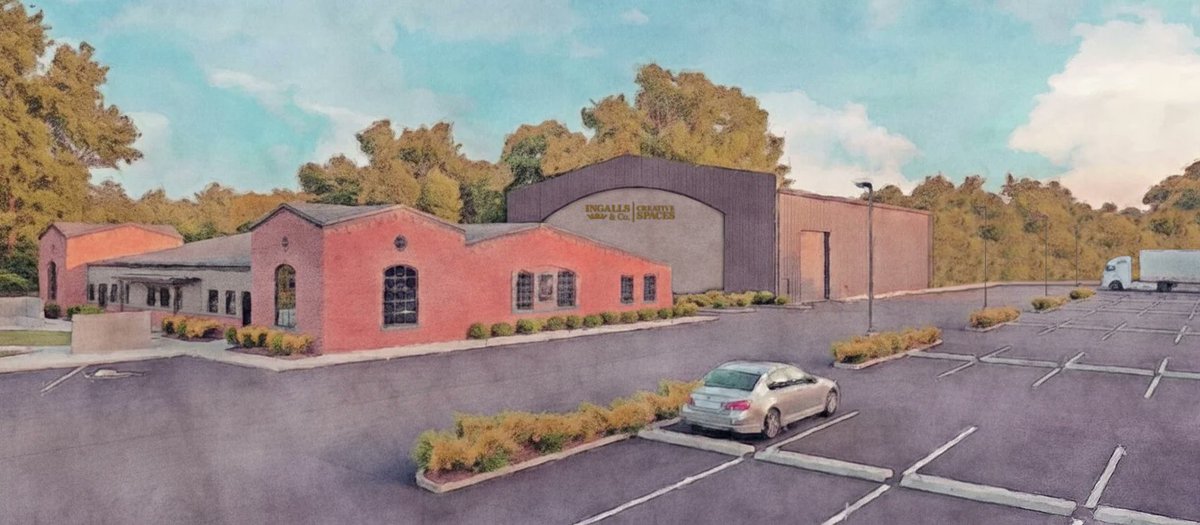
Film studio campus planned for Euclid
City to review studio plans next week
neo-trans.blog/2026/06/04/fi…
@cityofeuclid @JamesIngallsII @Cleveland_Film @GreaterCLE @OhioDevelopment @ColdWarPod @CuyahogaCounty @CuyahogaCounty @NOhioNAIOP @ClevelandULI
1
1
10
3,928

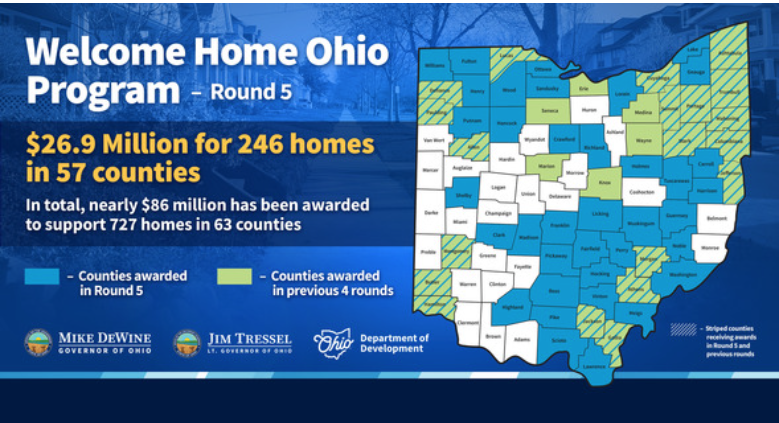
Thank you to @GovMikeDeWine and the @OhioDevelopment for supporting Greater Cleveland Habitat and 10 other Habitat affiliates with Welcome Home Ohio Funding! This was the first year Habitat’s were eligible to apply directly for this funding, and affiliates in both urban and rural communities embraced the opportunity to apply for much-needed support for homeownership opportunities.
In Greater Cleveland, we look forward to receiving $1.4 million to support homes in our 400-Home Initiative. Additionally, we were proud partners in the @Lorain County Land Reutilization Corporation’s application, which will receive $902,000.
Thanks as always to Governor DeWine, the Ohio State Legislature, and the Dept. of Development for their incredible partnership!
clevelandhabitat.org/news-ev…
1
2
129

How about finding the billions in Medicaid fraud you are responsible for!
12
52

May 27
What a sad legacy you leave. Most Ohioans hope you go to jail for your evil and corrupt deeds.
2
18

May 27
You know what would help accessibility?
Getting rid of migrants, H1-B's, Haitians a d somali refugees.
That would free up supplies for actual Ohioan
2
23


@OIIOrg dewine you are supposed to be a republican. You are supposed to care about people. @OhioDOTPhysical #Haitians are illegals. Repent
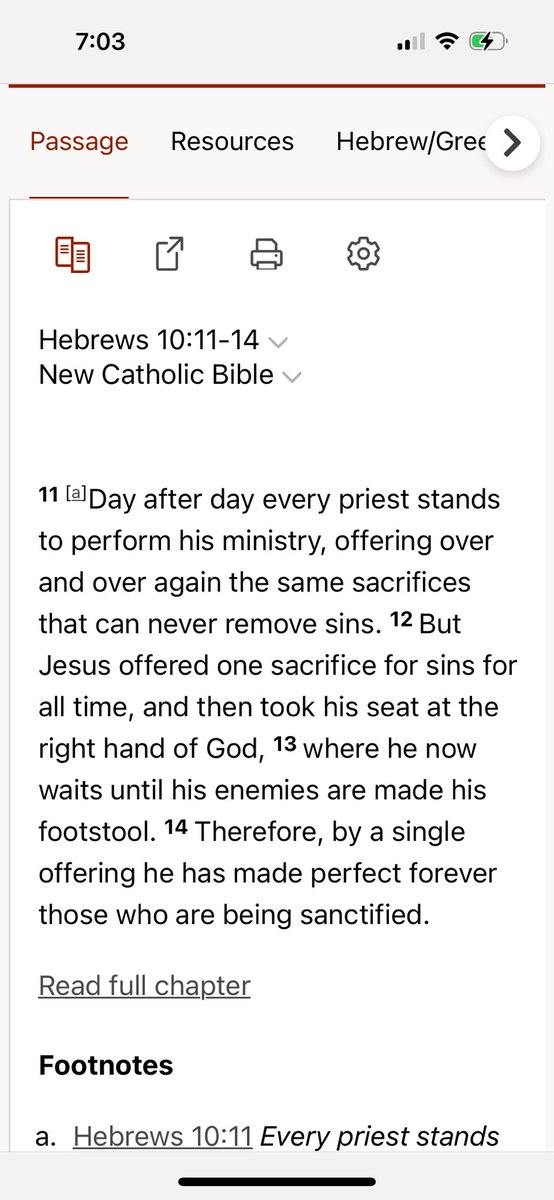
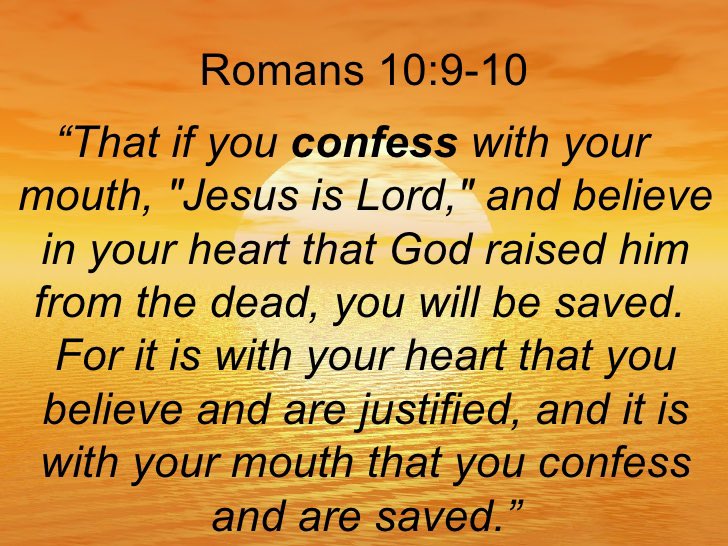
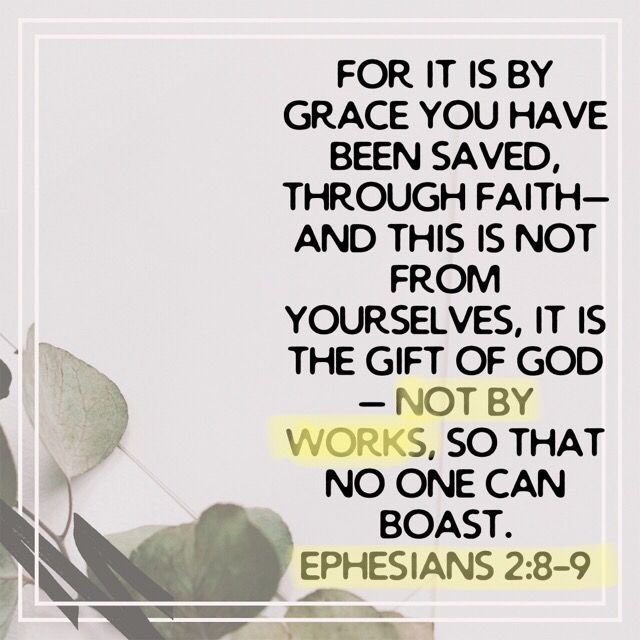
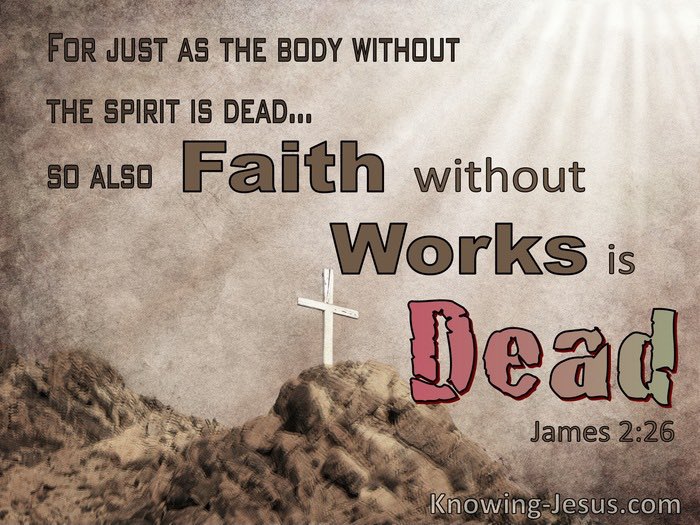

HAITIAN HABITUAL OFFENDER WITH NO INSURANCE & NO ENGLISH SKILLS ARRESTED FOR OVI AFTER CRASHING INTO A LIGHT POLE...
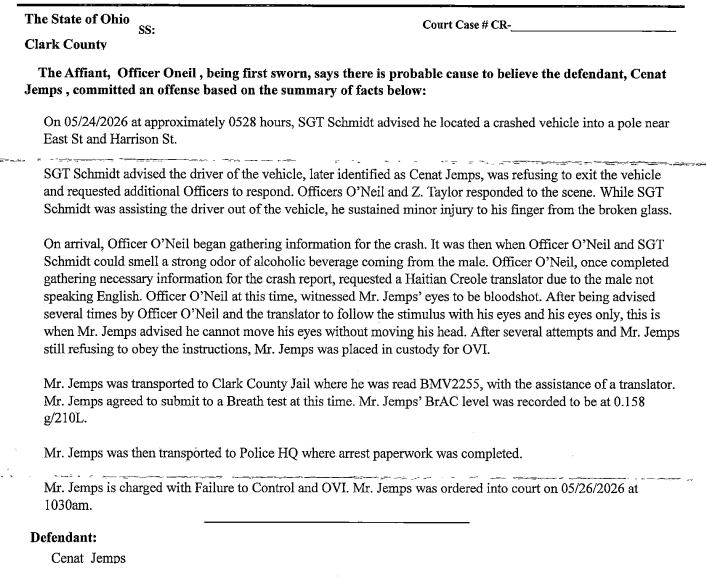
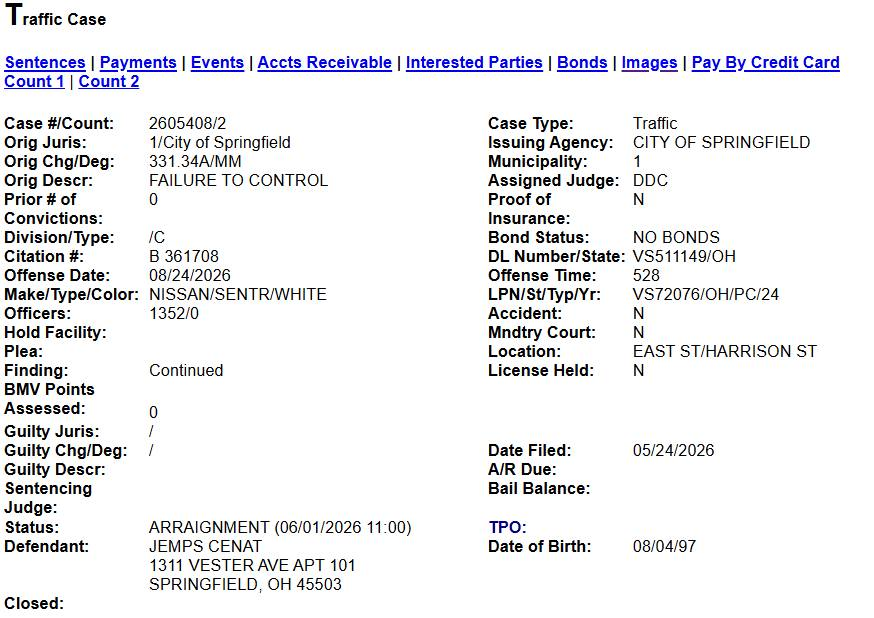
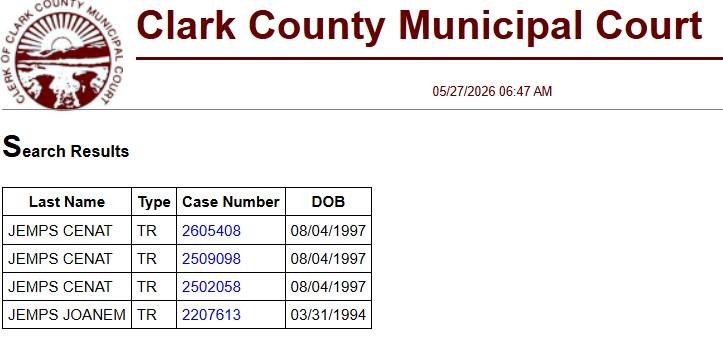
1
2
56


Ohio is committed to improving accessibility for everyone. I'm proud to see the partnership between @OhioDevelopment, @ODOT_Statewide, & @OhioOOD is helping to create welcoming rest areas while supporting meaningful employment for Ohioans who are legally blind.

Many vending machine locations at Ohio rest areas are operated by small business owners who are legally blind through OOD's Business Enterprise program!
In Marion? Check out the new space completed last year in partnership with @ODOT_Statewide, @OhioDevelopment, & @GovMikeDeWine.
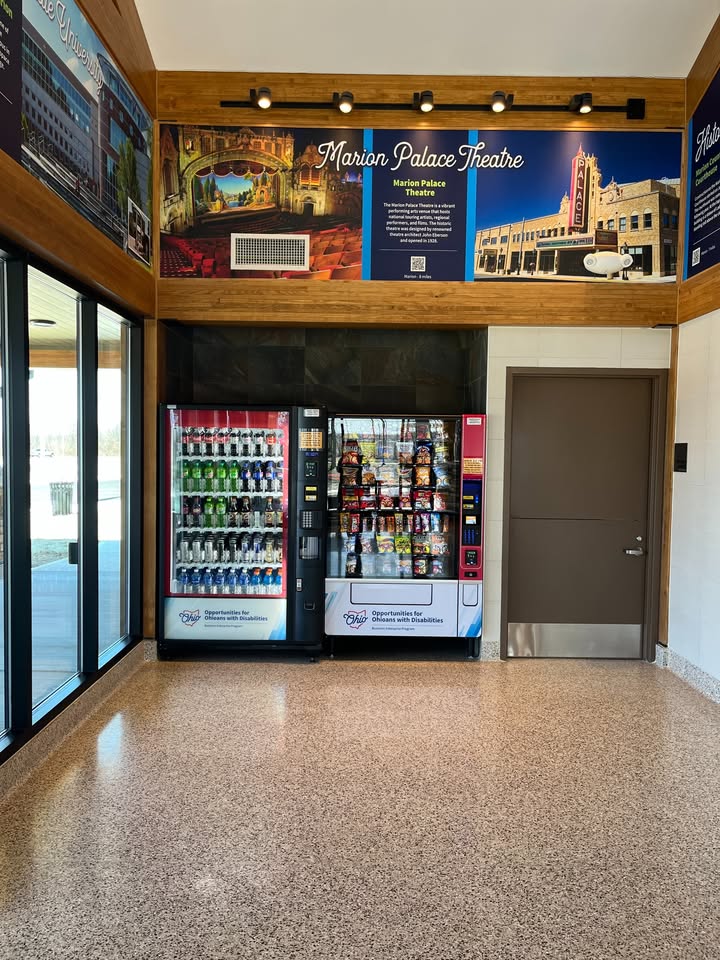
ALT Vending machines at the Marion rest stop.
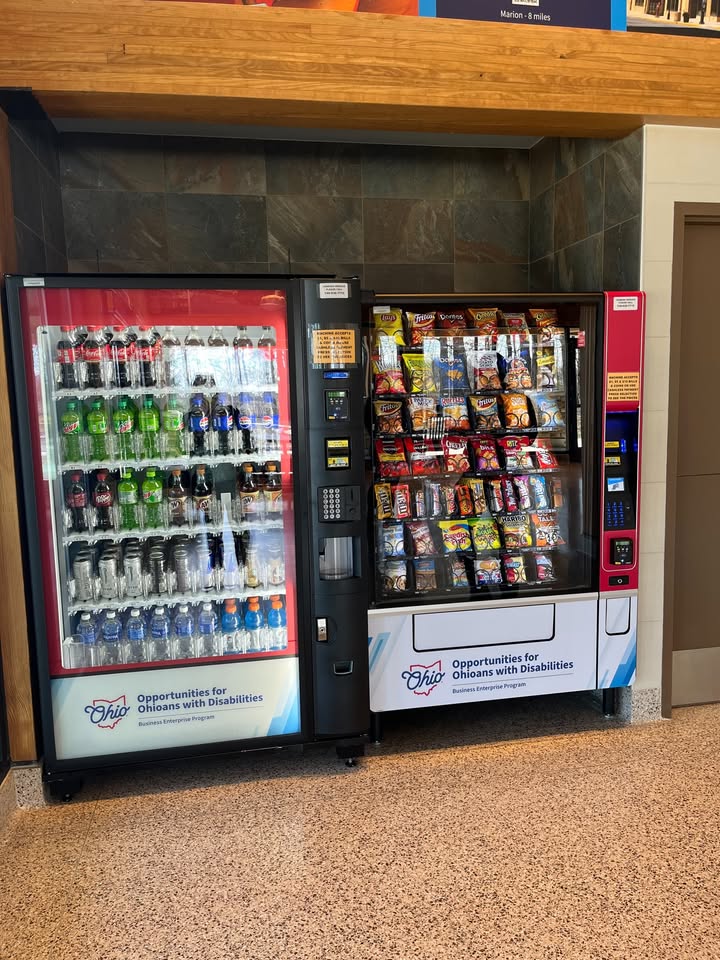
ALT Vending machines at the Marion rest stop.
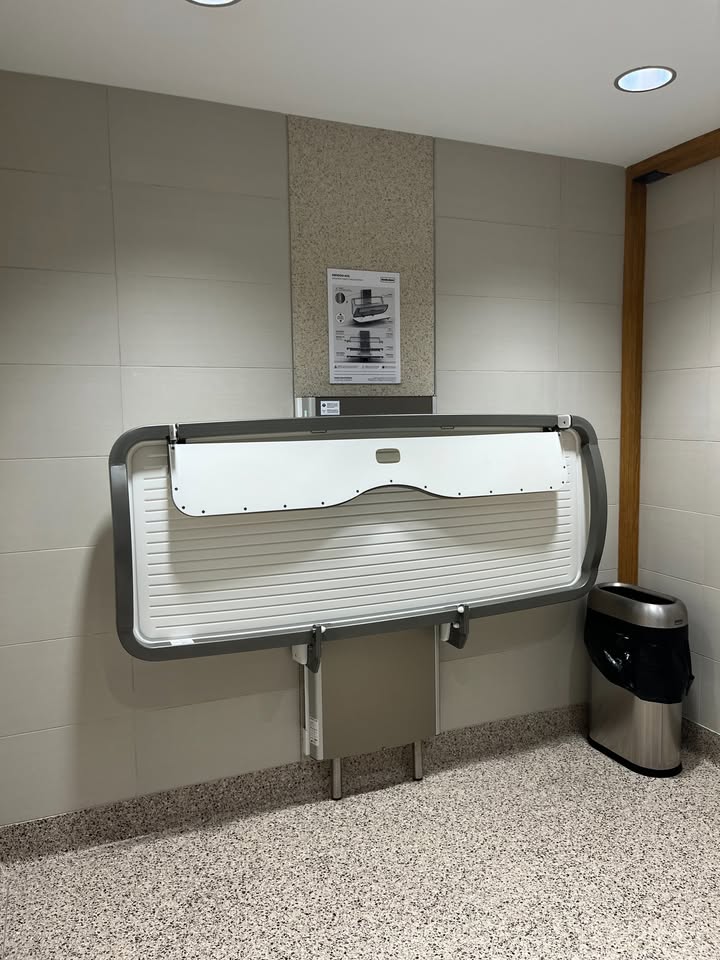
ALT Universal changing station at the Marion rest stop.
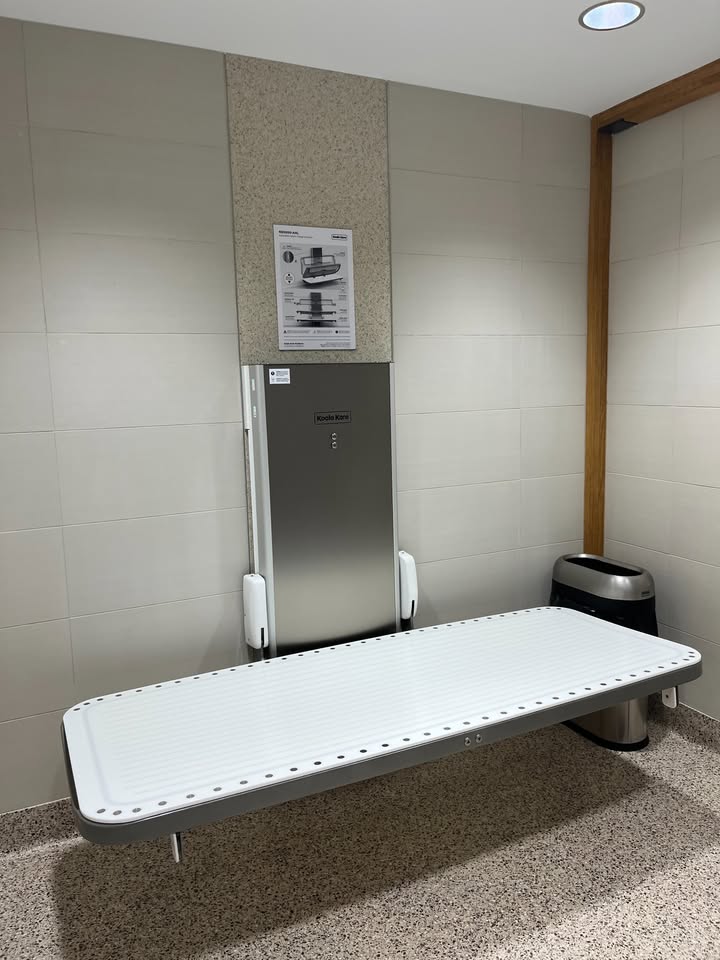
ALT Universal changing station at the Marion rest stop.
11
3
18
12,102

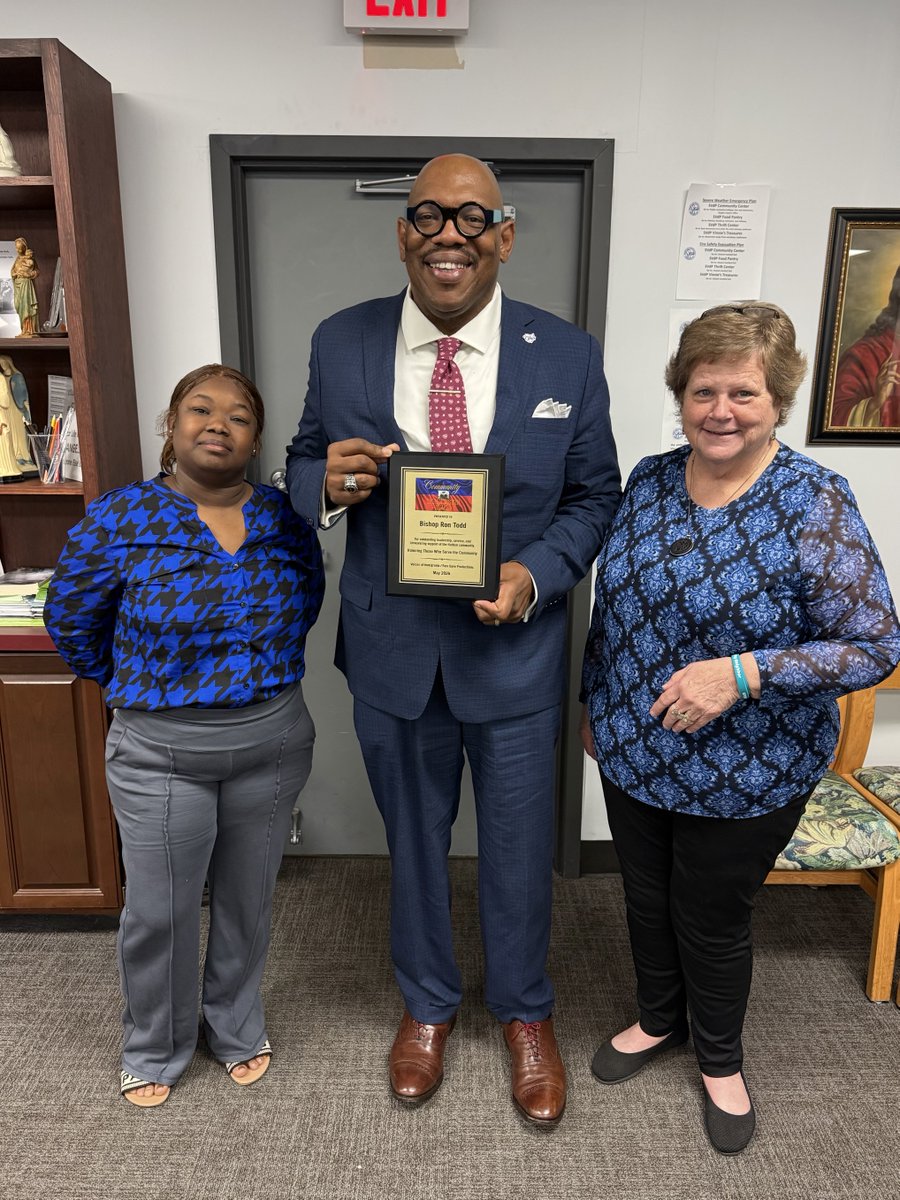
Humbled and honored to receive the Community Leadership Award from Voices of Immigrants/Fom Sove Productions in Springfield, Ohio. Together, we can continue empowering communities to succeed. @OhioDevelopment @OHHeartofitAll @GovMikeDeWine @LtGovJimTressel

1
3
73