ПАН БIБЛIОТЕКАР 🇺🇦 retweeted

Jun 12
#OpenAIREGraph v11.1.1 is now live!
This update adds more than 4.2Mi research products, expands #affiliation coverage by 14.2Mi links, strengthens data source coverage with new content from @JapanLinkCenter & ARCHE, and increases OPEN records by 8.2Mi.
🔗 See all updates in the changelog shorturl.at/ZnPLn
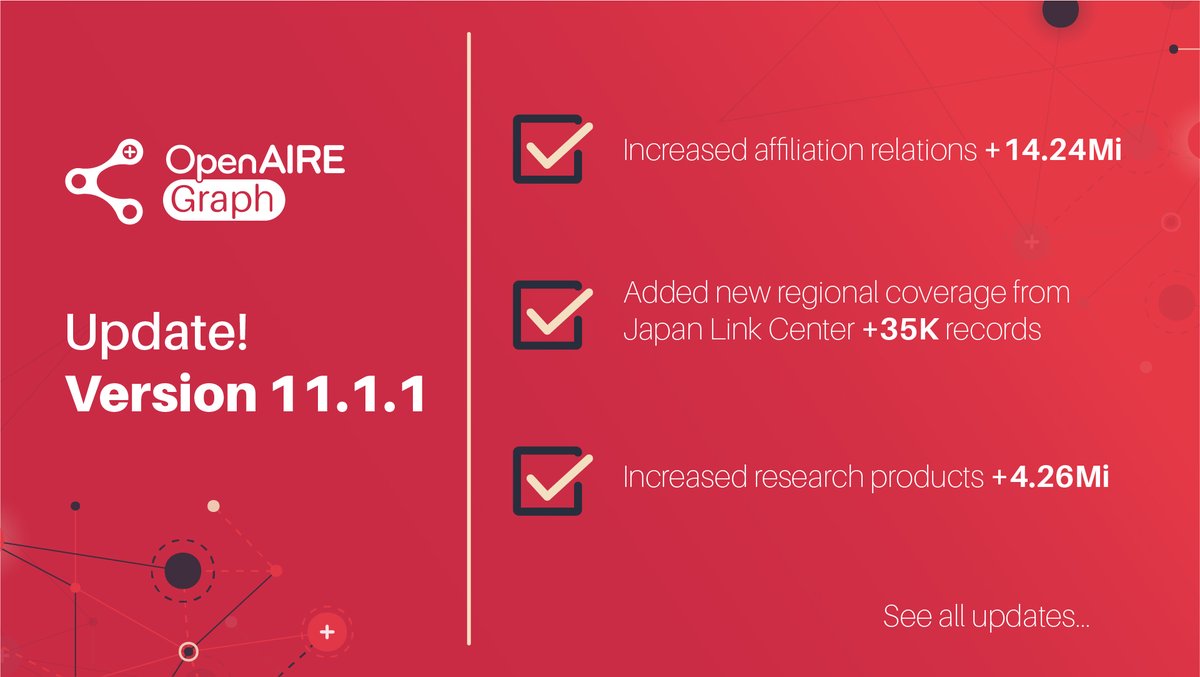
ALT Update! Version 11.1.1. Increased affiliation relations 14.24Mi. Added new regional coverage from Japan Link Center 35K records. Increased research products 4.26Mi. See all updates...
2
4
158
Andrea Mannocci @andremanno@mas.to retweeted

Jun 2
OpenAIRE AI Hackathon powered by @alienintelai is live!
Build your projects with the @OpenAIREGraph & turn Open Science data into real impact.
🔹 Explore
🔹 Build
🔹 Analyse
🔹 Wildcard
📅 Intro call: 5 June
⏳ Deadline: 20 Aug
🔗 innovation.openaire.eu/compo…
#OpenScience #AI #Hackathon

3
4
378
Jun 11
#Research is not one discipline.
81.4Mi publications in the #OpenAIREGraph are classified by Field of Science, helping you discover research by domain and supporting more meaningful, discipline-aware monitoring & analytics.
🔗 Explore explore.openaire.eu/
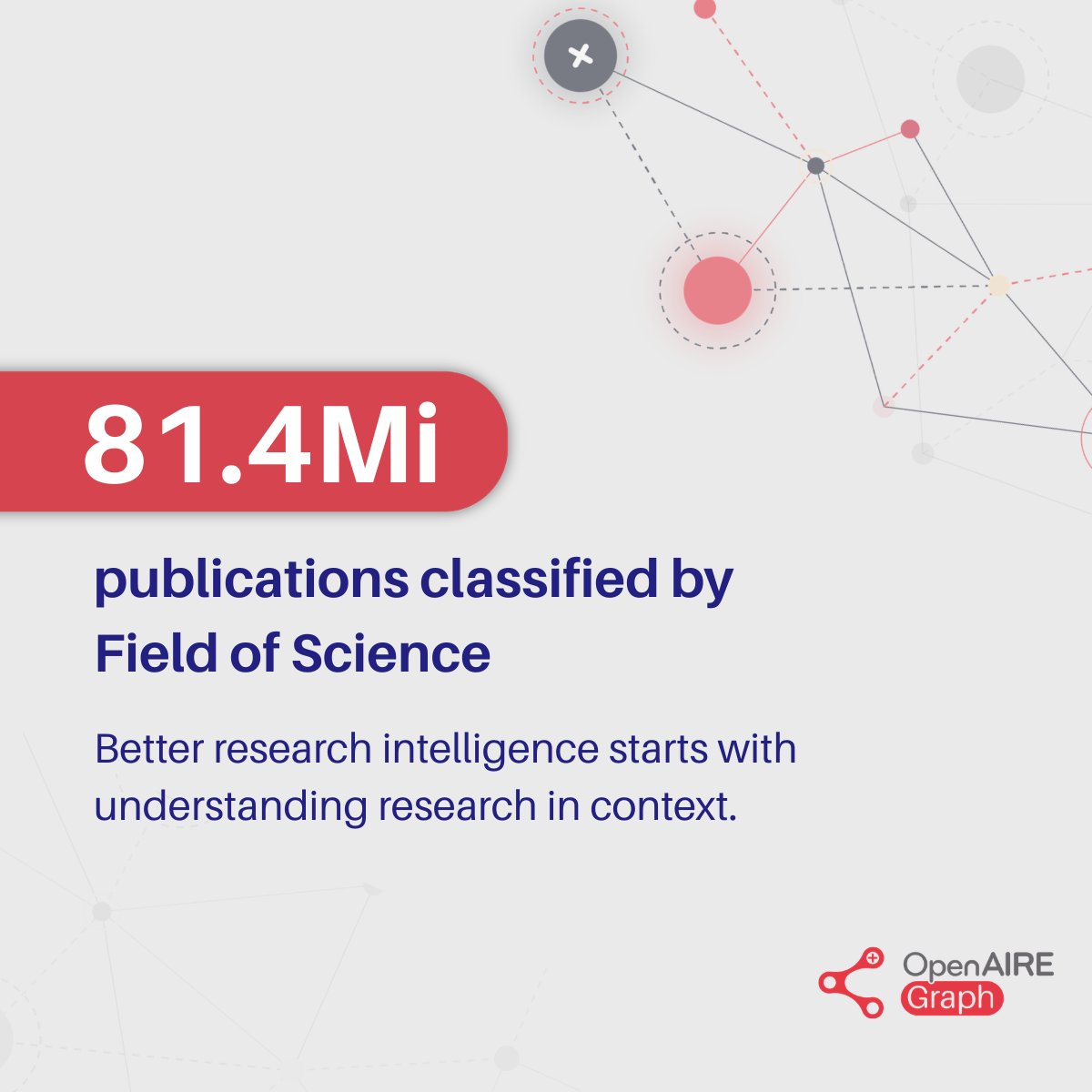
ALT 81.4Mi publications classified by Field of Science. Better research intelligence starts with understanding research in context.
1
56
Jun 9
Through a new collaboration with OPIX, the #OpenAIREGraph is helping transform connected research information into #innovation intelligence.
Learn more ⬇️
Jun 8

X
What if we could spot emerging technologies earlier?
The challenge is connecting signals in time.
OpenAIRE × OPIX combine research, patents & policy data to turn signals into action:
🔹 where to invest
🔹 what to track
🔹 who drives a field
🔗 openaire.eu/the-openaire-gra…
#OpenScience #Innovation

20
Archivo Digital UPM retweeted
Jun 5
323Mi research products in the #OpenAIREGraph are connected to persistent identifiers (PIDs).
Reliable #ResearchIntelligence depends on reliable connections. PIDs help link #publications, #datasets, #software, funding & organisations across the research landscape, making information easier to discover & reuse.
🔗 Explore these products with the Graph #API graph.openaire.eu/docs/apis/…
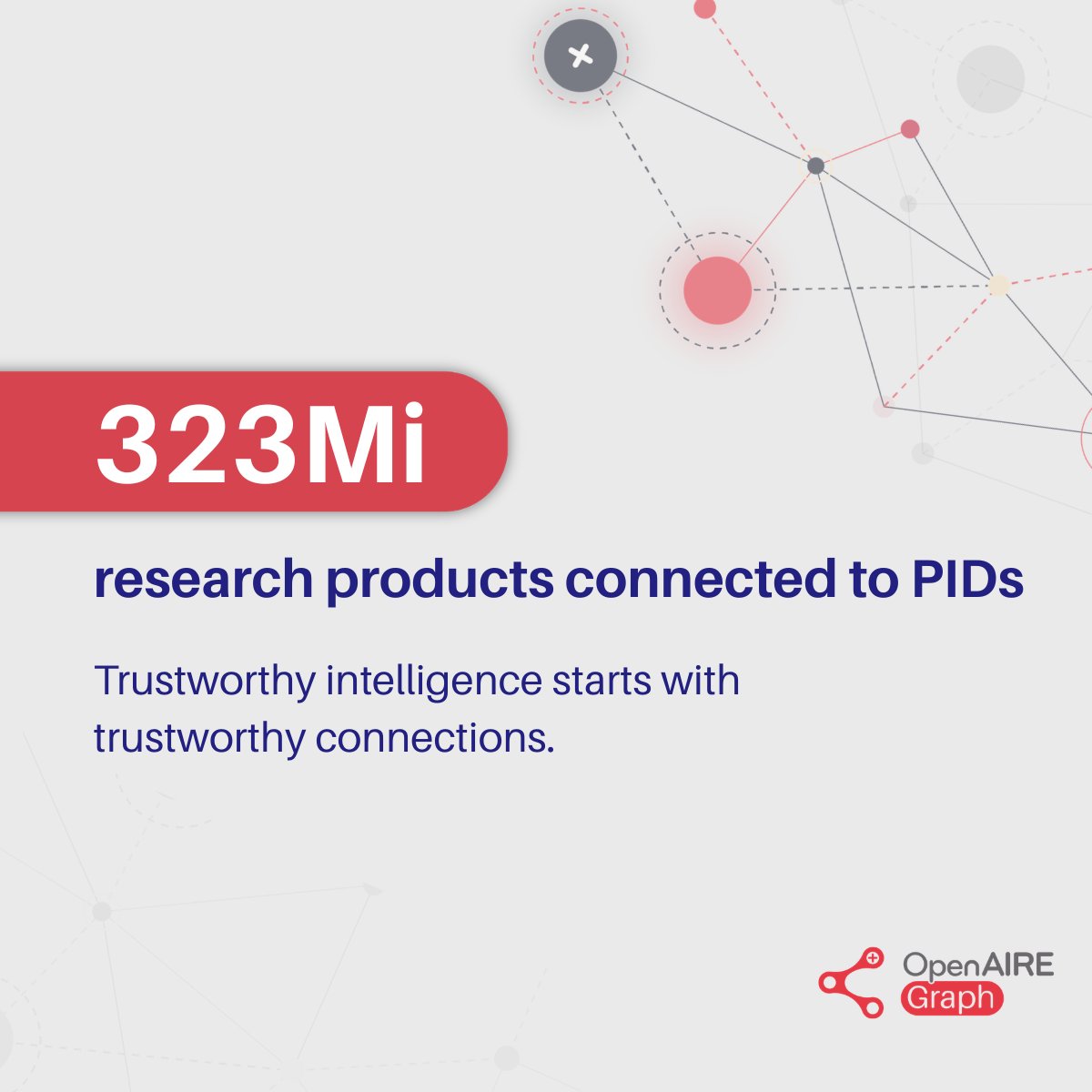
ALT 323 million research products connected to PIDs. Trustworthy intelligence starts with trustworthy connections.
4
5
353
Jun 4
X
How can funders move beyond publication tracking?
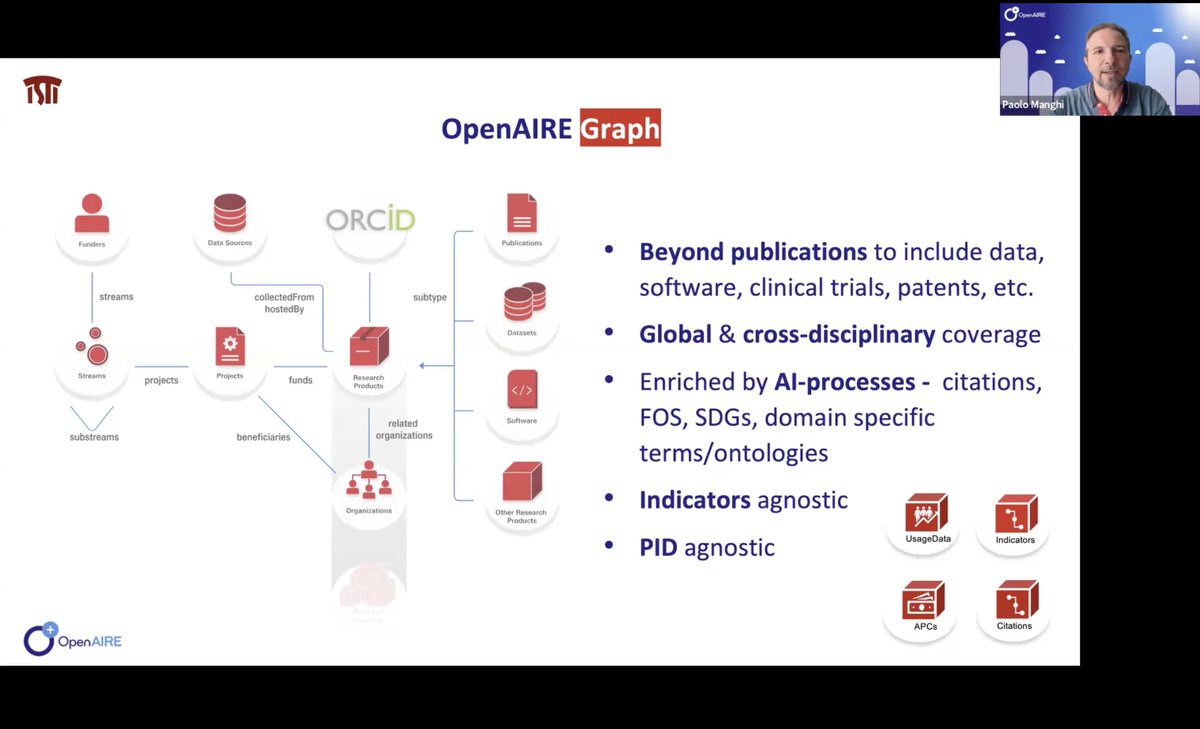
At today’s webinar, we showed how the @OpenAIREGraph supports open research intelligence:
🔹 track outputs from 4M grants
🔹 monitor impact beyond publications
🔹 build custom dashboards
Missed today's session?
📅 Join tomorrow (5 June):
🔗 openaire.eu/the-openaire-gra…
🔗 Learn more: openaire.eu/services-for-fun…
#OpenScience #ResearchIntelligence
1
3
96
Jun 3
Using the @OpenAIREGraph in your research?
You might just turn it into a paper… and win €300.
👉 Submit your work to the @scik_workshop and you’ll automatically be in the running for the OpenAIRE Graph Award!
📅 Deadline: 24 July 2026
🔗 Submission guidelines: sci-k.github.io/2026/
🏆 Winner announced at:
6th International Workshop on Scientific Knowledge (Sci-K 2026)
📍 Bari, Italy
🗓️ 25–26 October 2026
#OpenAIRE #OpenScience #ResearchData #KnowledgeGraphs #AI #ISWC2026

3
4
113
Jun 2
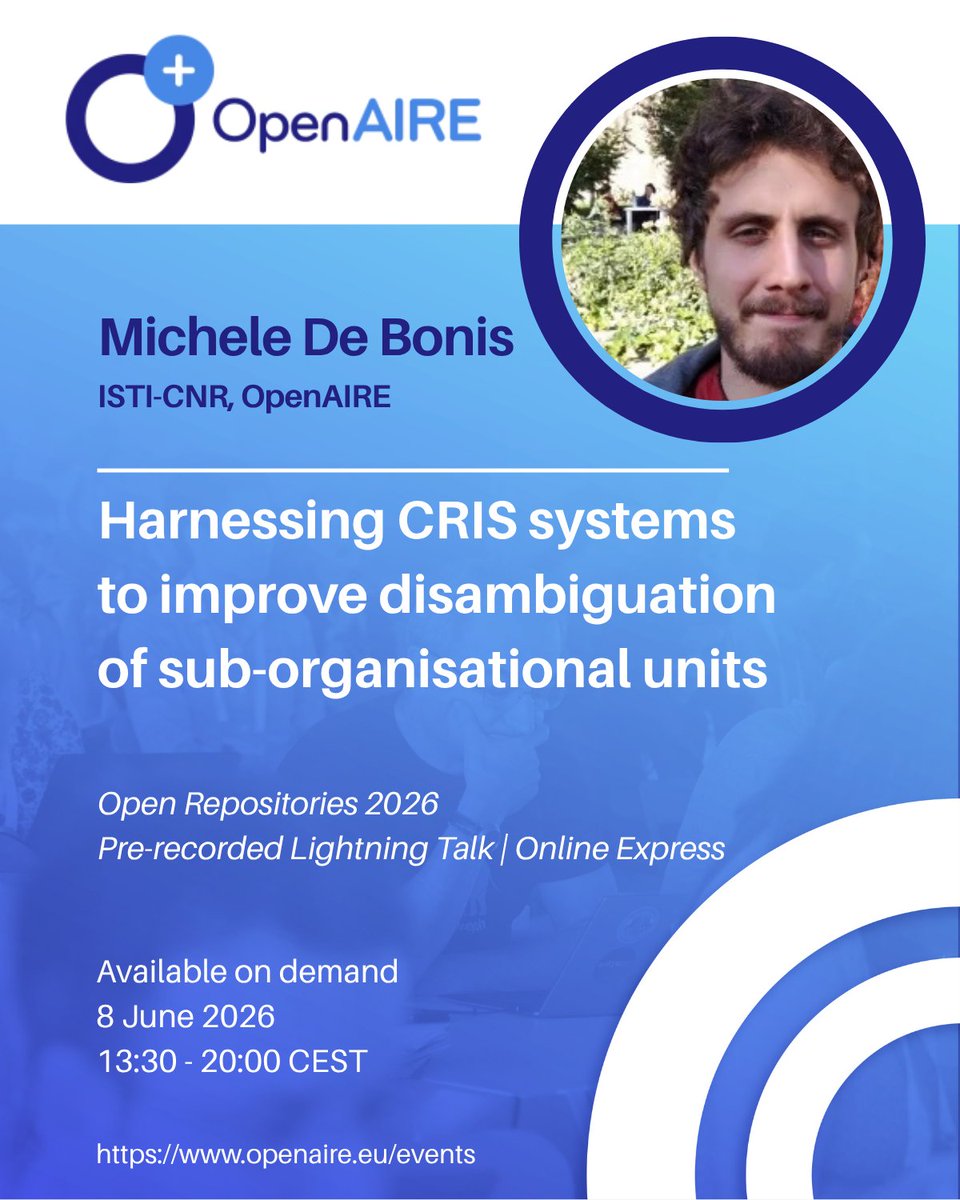
How do we accurately link research outputs to the right organisations?
At #OR2026, we will show how the @OpenAIREGraph and OpenOrgs tackle disambiguation and curation of organisational structures across CRIS systems and research organisation registries.
🔗 or2026.openrepositories.org/…
2
4
126
May 21
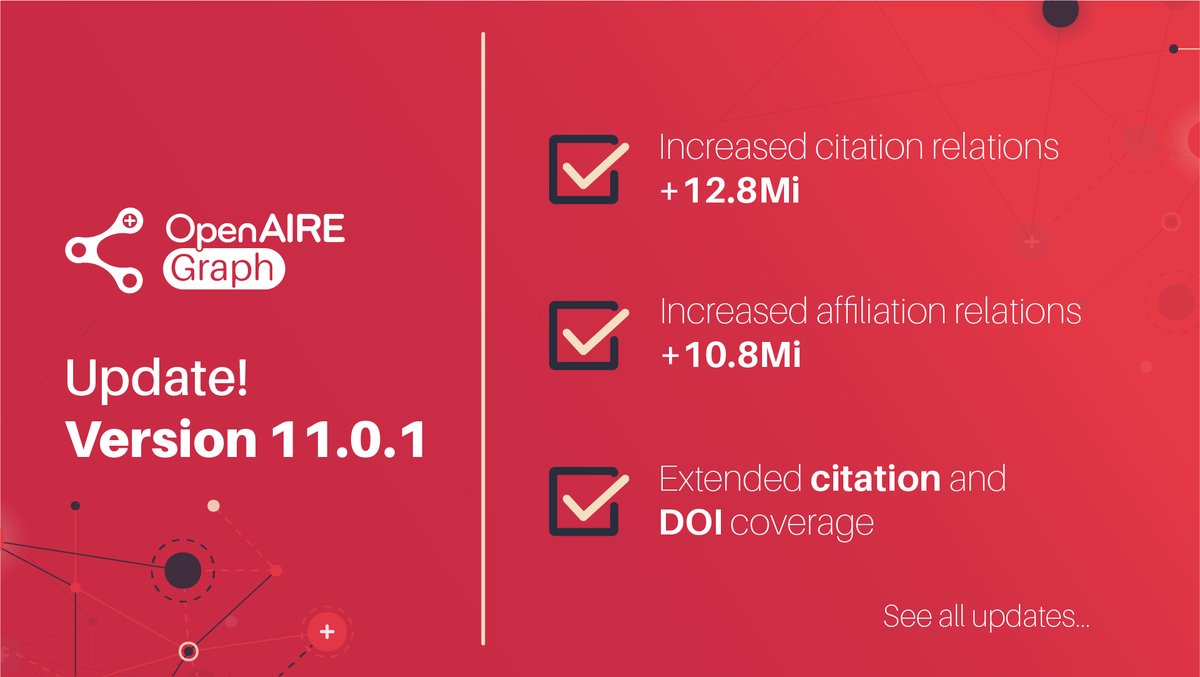
📢 Update! #OpenAIREGraph v11.0.1 is now live, featuring increases in affiliations, #citations & identifiers, as well as improved coverage of article processing metadata.
🔗 See all updates in the changelog graph.openaire.eu/docs/chang…
2
3
231
May 13
Dive into the European research ecosystem with the #EOSCEUNode Resource Catalogue.
Navigating Europe's vast #research landscape just got easier. With the @OpenAIREGraph as it's authoritative source of data, the #EOSC EU Node Resource Catalogue brings together millions of trusted research resources, from #datasets and #publications to software and services, all in one place, and makes them accessible via the EOSC EU Node Resource Hub.
🔗 Learn more: open-science-cloud.ec.europa…
#OpenScience
ALT An open, reliable, and interconnected research ecosystem. The EOSC EU Node Resource Catalogue
5
4
183
May 7
Dive into the European research ecosystem with the #EOSCEUNode Resource Catalogue.
Navigating Europe's vast #research landscape just got easier. With the @OpenAIREGraph as it's authoritative source of data, the #EOSC EU Node Resource Catalogue brings together millions of trusted research resources, from #datasets and #publications to software and services, all in one place, and makes them accessible via the EOSC EU Node Resource Hub.
🔗 Learn more: open-science-cloud.ec.europa…
#OpenScience
3
6
261
May 5
What does responsible research assessment look like in practice?
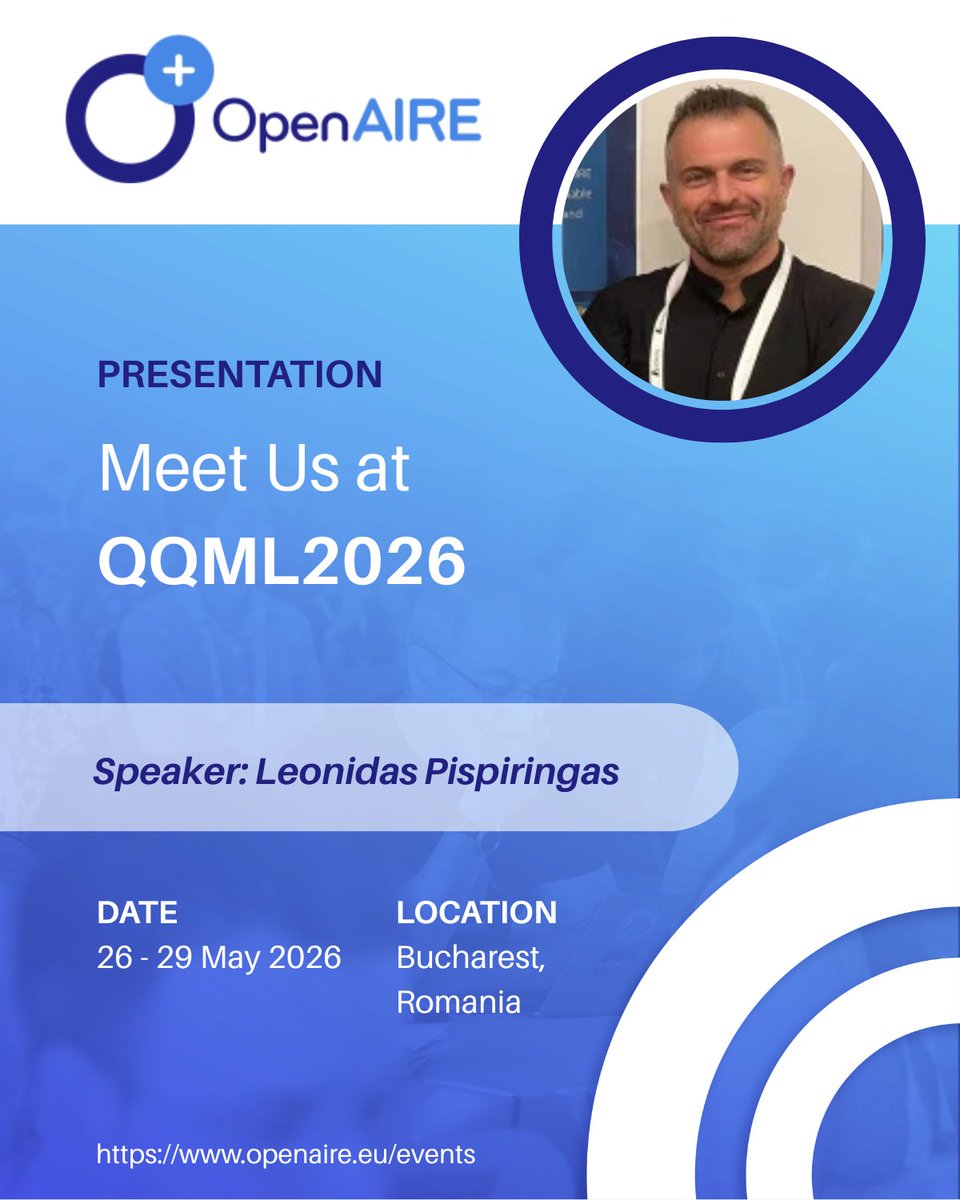
At #QQML2026, Leonidas Pispiringas will present how the @OpenAIREGraph connects research outputs, funding, affiliations, and collaborations to enable more balanced, context-aware researcher evaluation.
He'll also introduce #MyResearchFolio, a pilot service combining structured indicators with narrative CV elements.
📍 Bucharest | May 26-29
🔗l1nq.com/k40l9wx
#OpenScience #ResearchInfrastructure #OpenAIREGraph #FAIR #Libraries
2
5
170
May 4
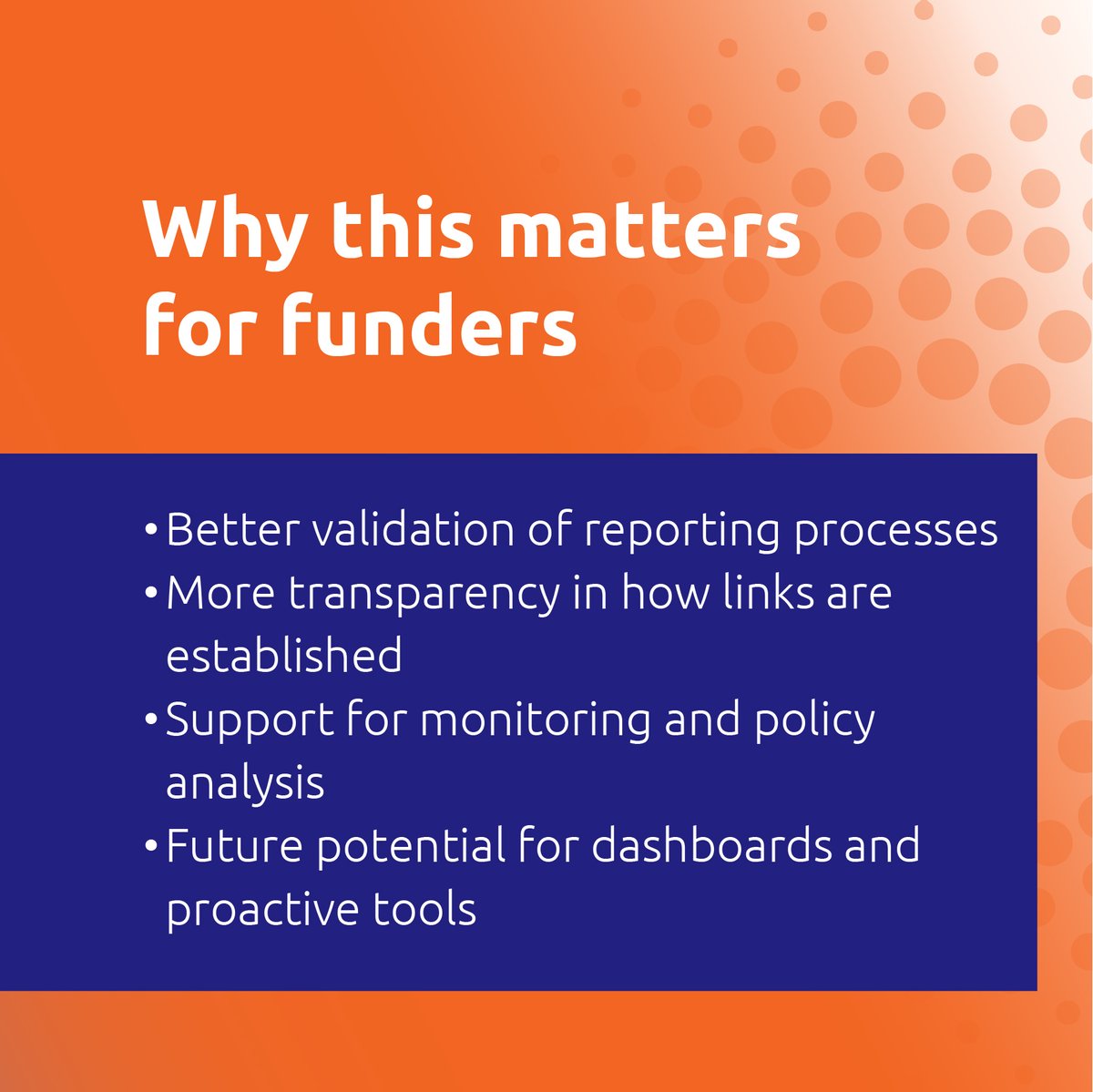
How can open research infrastructures support funder workflows?
In a recent collaboration with the ERC, OpenAIRE contributed to the validation of ERC-funded publications in SYGMA, using the @OpenAIREGraph.
#OpenAIREGraph #OpenScience

2
9
172
Apr 21
Open research is not always connected research.
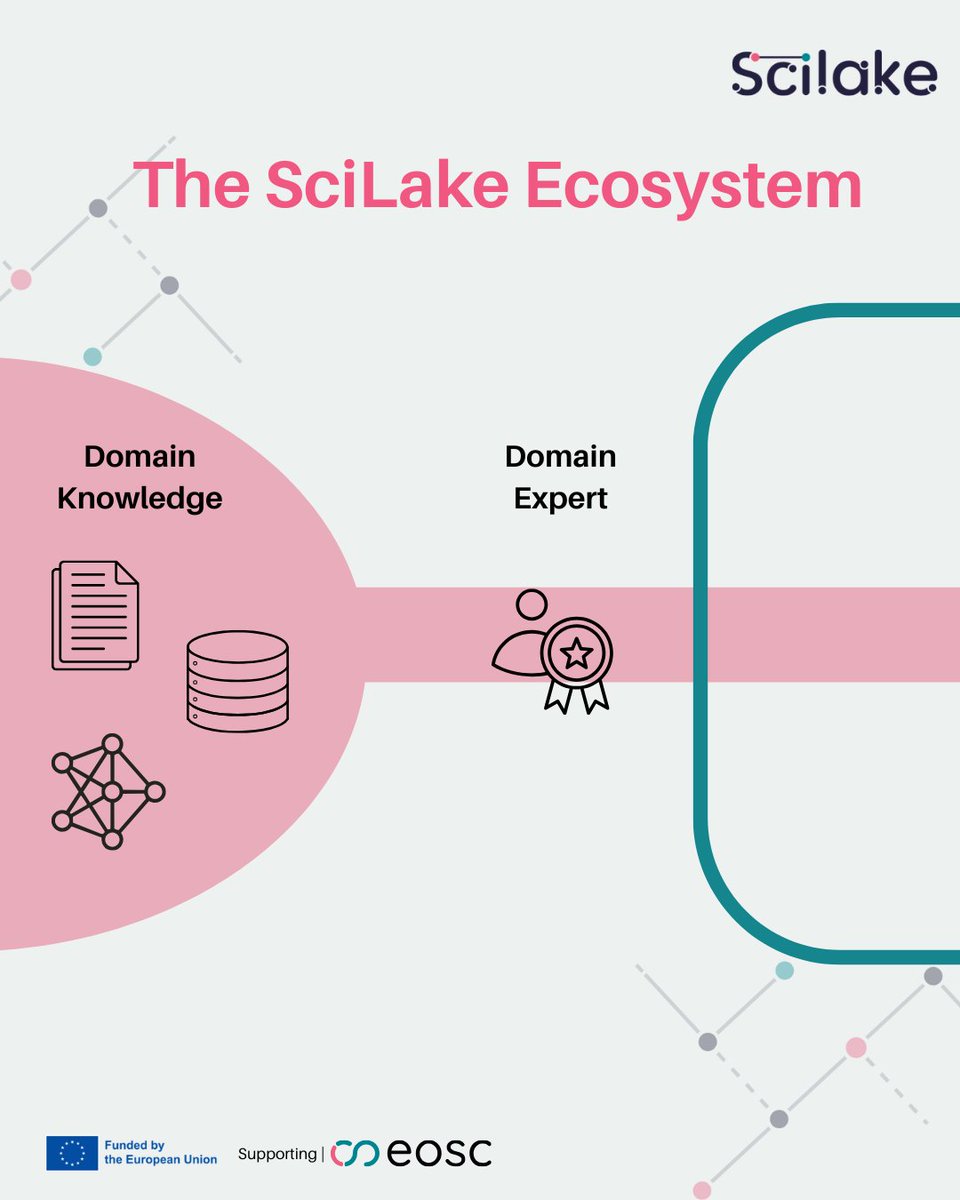
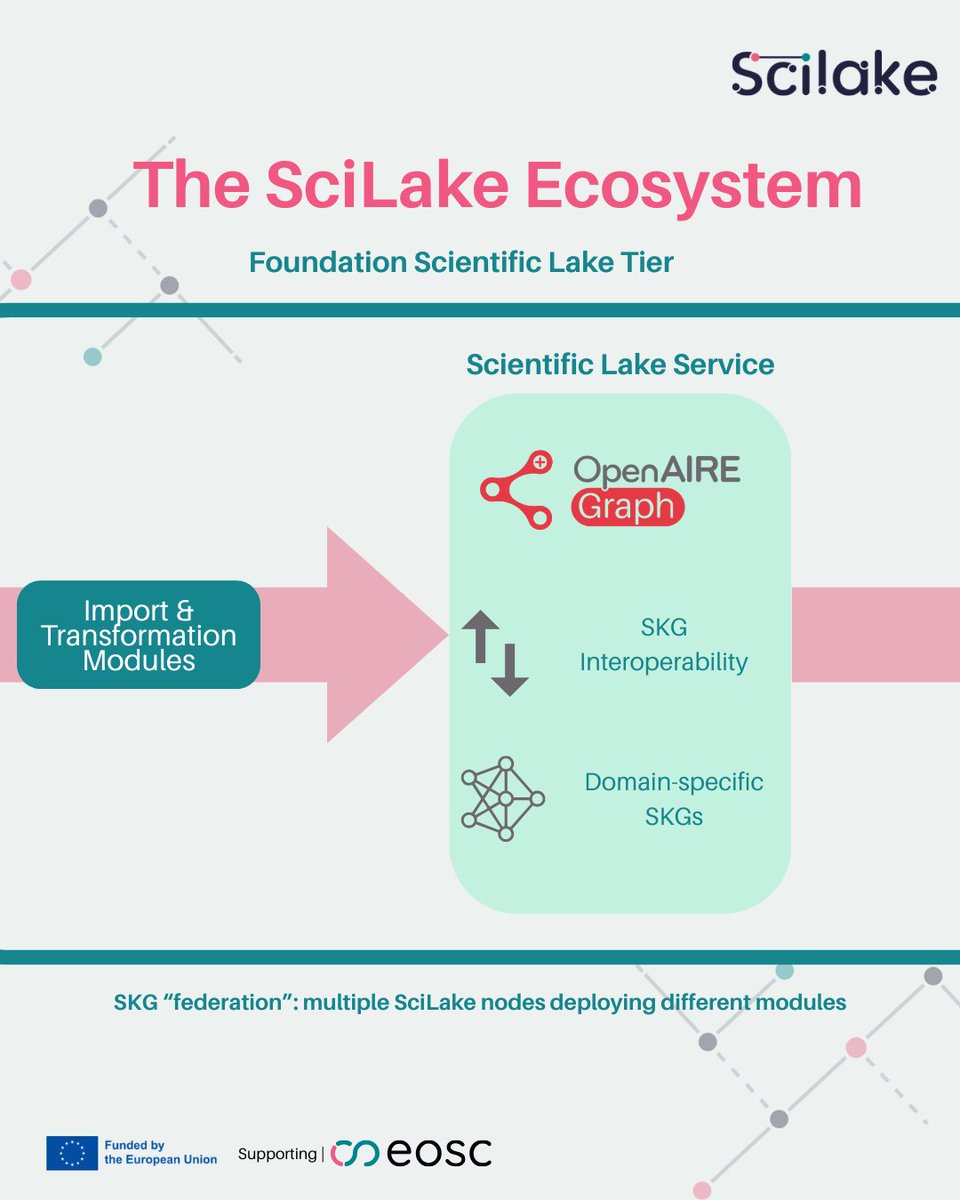
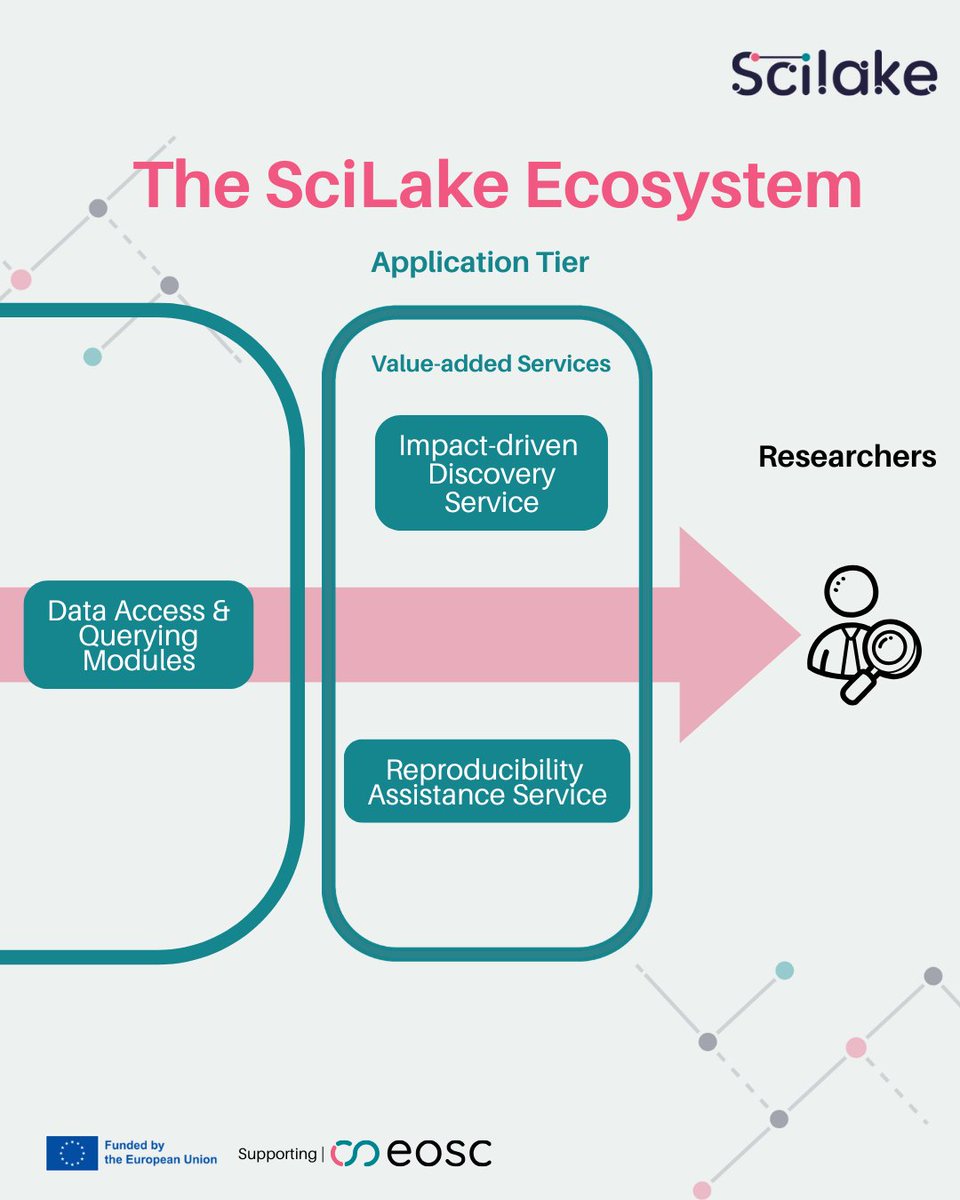
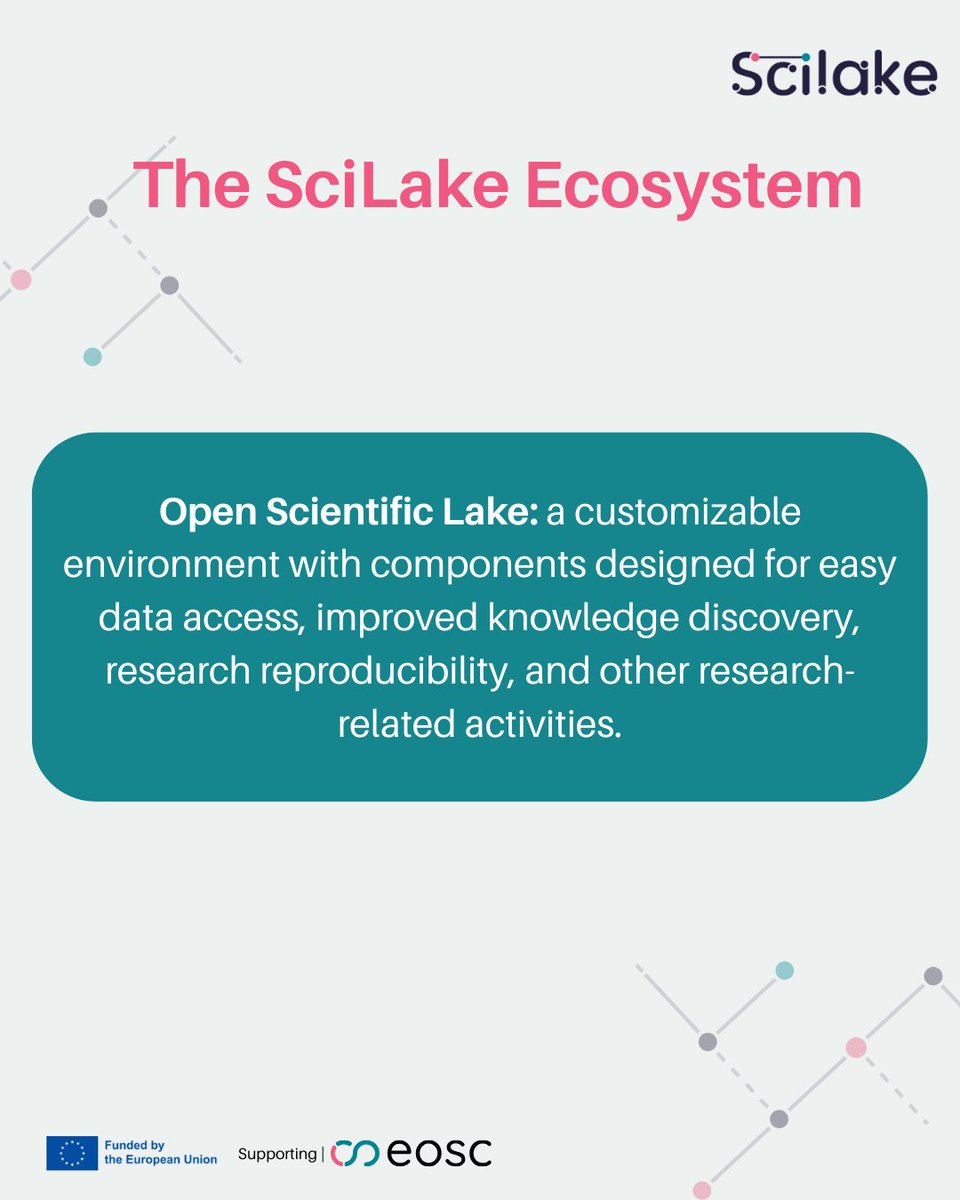
A new SciLake article shows how Scientific Knowledge Graphs can help turn fragmented research outputs into connected, reusable knowledge, improving discovery, interoperability, and evidence-based analysis.
Built on open infrastructures like the @OpenAIREGraph.
🔗Read more: shorturl.at/Az2Cj
#OpenAIRE #OpenScience #ResearchInfrastructure #Interoperability
3
4
223