
Feb 12
OpenCompressorの会社が簡易版のコンプ無料で配ってます。色々意見あると思うんだけど、僕はOpenComp大好きだったので、お金払うのはちょっと・・という人はチェックしてみるとええかもです。
woodstockaudio.com/products/…
3
8
91
10,863

13 May 2024
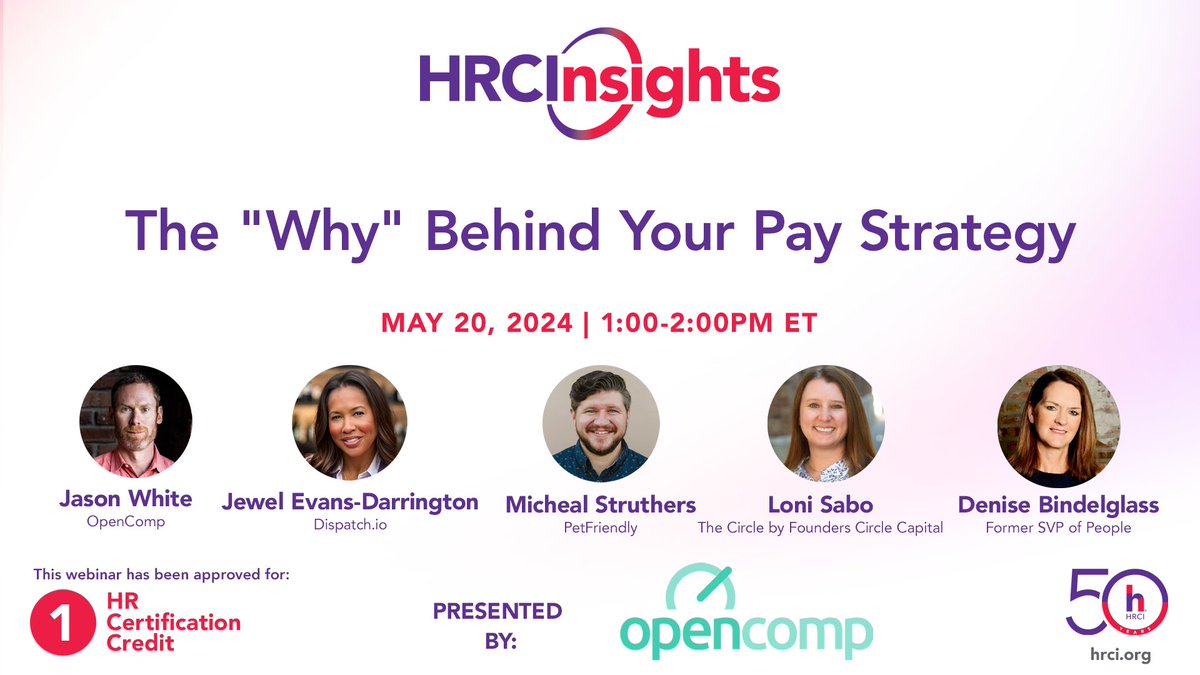
Learn about the intricate world of pay strategies during a fireside chat webinar presented by OpenComp with top people operations leaders. Learn to create a #paystrategy that aligns with long-term business goals.
🔗ow.ly/oKaU50REM9F
#HumanResources #BusinessAlignment
1
158

30 Apr 2024
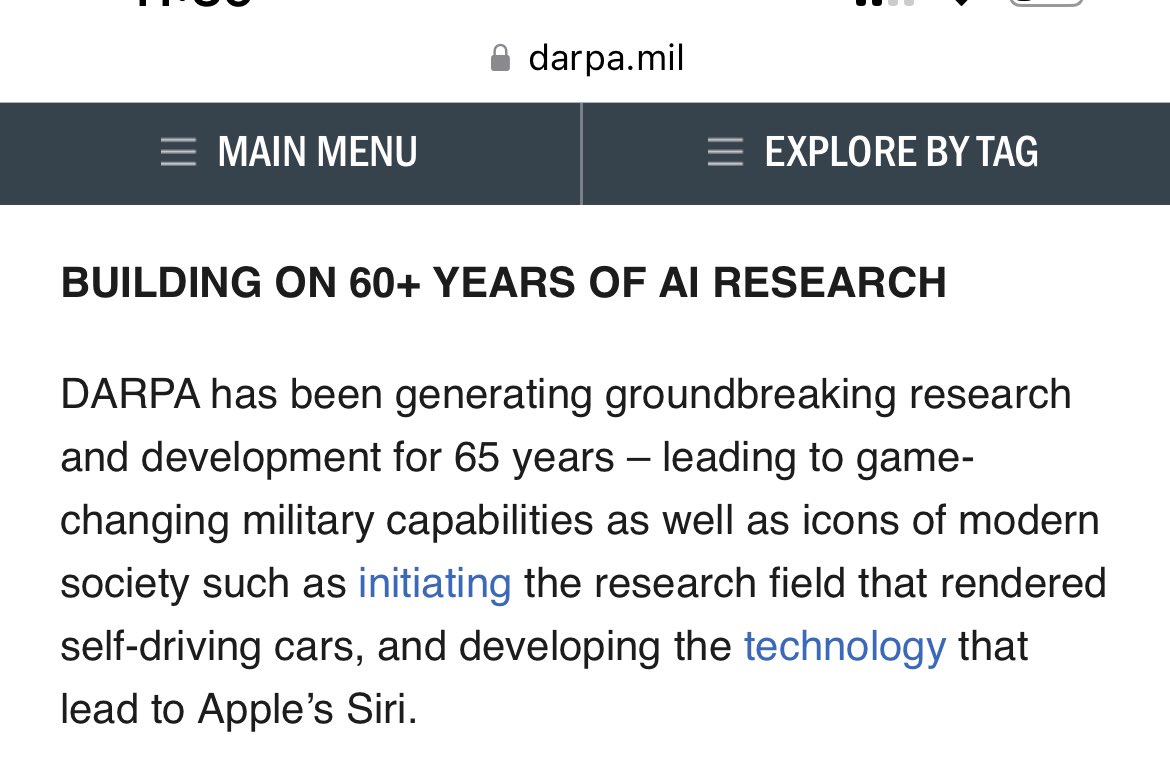
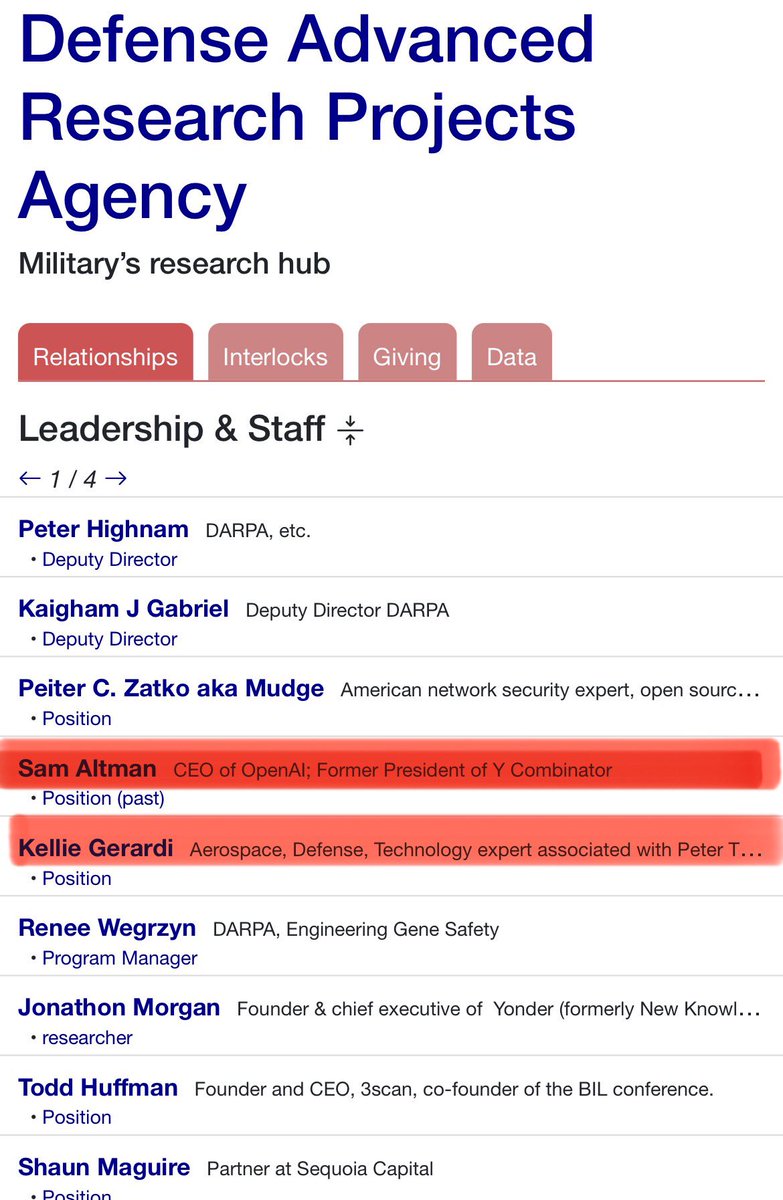
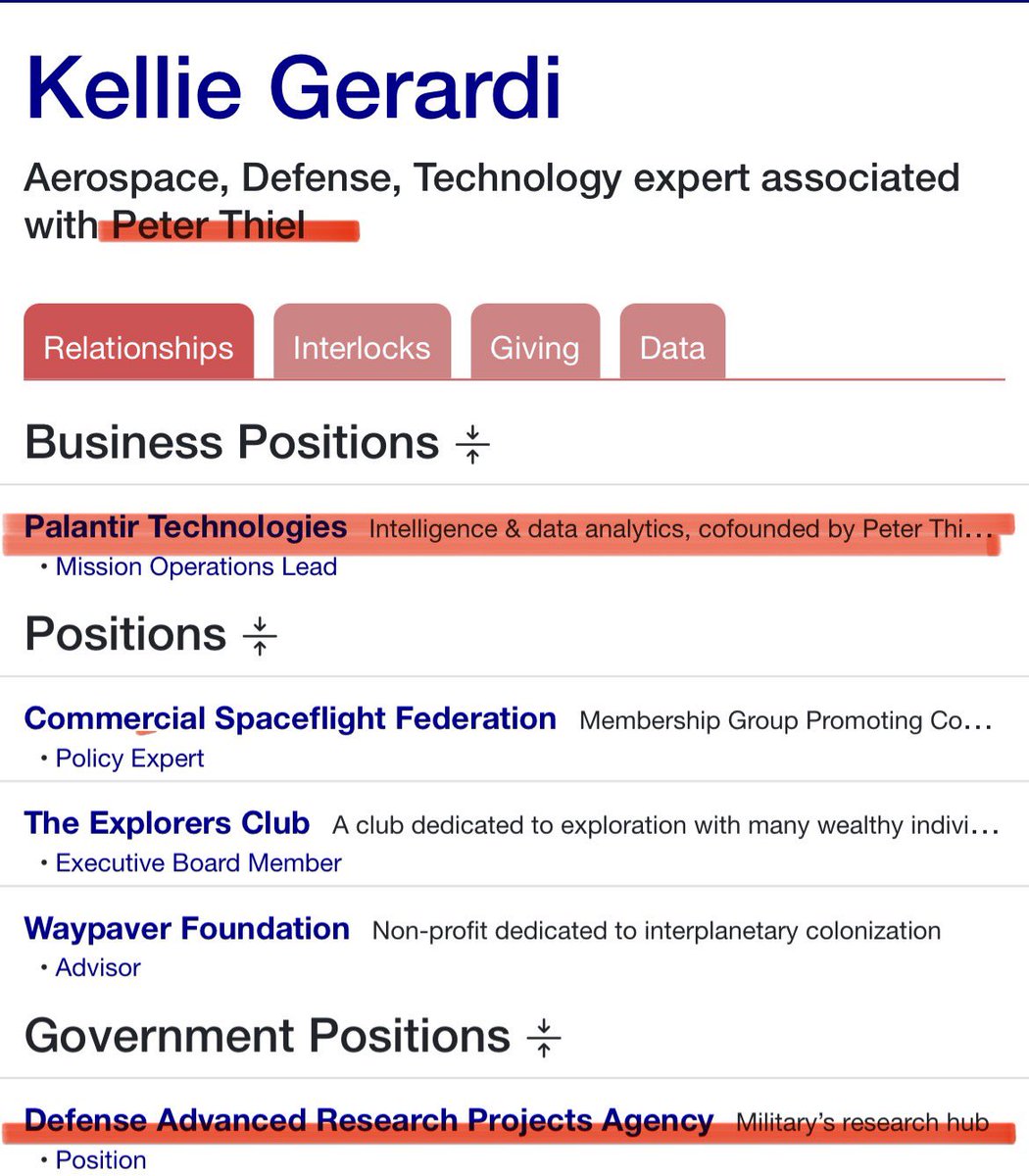
DARPA & AI
60 Years…
ChatGPT is a public experiment
“Open” Experiments. Remember.
OpenAI
OpenCoin (Ripple)
Open Whisper Systems (Signal)
Open Philanthropy Project
OpenGov
OpenDoor
OpenGarden
OpenCog
OpenWater
OpenComp
OpenFan
OpenSea
Open Money Initiative
Open University
OpenStore
Open Humans Foundation
4
11
56
15,706
18 Feb 2024
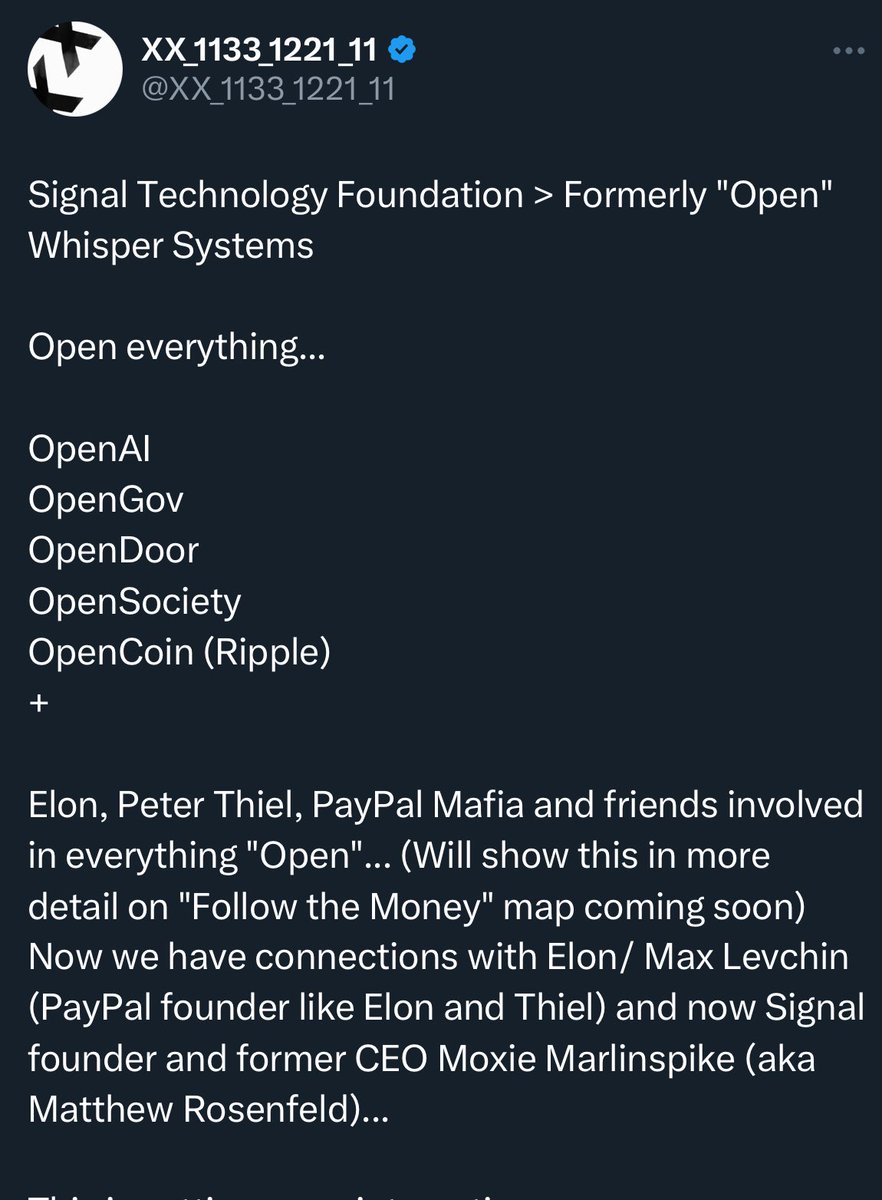
“Open” everything indeed.
OpenAI
OpenGov
OpenCoin (Ripple)
OpenDoor
OpenSociety
OpenStore
OpenWater
Open Whisper System (Signal)
Open University
OpenCog
OpenSea
OpenFan
OpenComp
Open Platform
Open Money Institute
Open Field
Open Garden
Open Philanthropy Project
Open Humans Foundation
1
5
10
2,052

7 Feb 2024
Delighted to announce the return of our Open Series commencing next Tuesday, 13th February and then every Tuesday.
Ladies & Gents Singles Stableford
⛳️ Visitors €30
⛳ Guests €20
⛳️ Members €6
Book now ☎️ 01 628 0246
or
visitors.brsgolf.com/lucan#/…
#opensingles #opencomp

1
5
1,746

10 Jun 2023
As soon as you start scaling a team, you NEED to start clarifying levels.
When I say “levels,” this is what I mean:
- What is the difference between a Software Engineer Level 3 versus Level 4?
- How is an Operations Manager different from a Head of Operations or VP of Operations?
- How does an employee move from an entry-level SDR into an Account Executive into a Sales Manager?
Not setting these levels early on in your business can lead to some big problems.
For example, let’s say you’re a hiring manager looking for engineers.
When you make offers, you might start by asking what the person is looking to make in their new job.
Confident candidates might say a big number, and less confident candidates might offer a lower range.
You’ll try to close candidates based on what they’ll accept.
But what happens when you hire multiple people into the same role and their compensation ends up being wildly different?
Is this a problem? Absolutely. Your team will talk without you at some point and compare numbers.
Someone will feel great and a few people will feel bad.
They might not immediately tell you, but they’ll feel a sense of unfairness doubly so, if they all think that they’re performing at the same job title and output.
Levels allow you to compensate fairly, they remove the advantage of a good negotiator. When someone asks for more, you can revert to the levels to backstop your decision making.
People in similar jobs with similar responsibilities and similar performance should be compensated similarly.
To be fair, you need to set levels as you scale your business (definitely after ~20 employees).
The “how to set levels” part is pretty easy for you to execute (and easy for me to explain).
a) Levels already exist in other companies and are publicly available.
So search for these roles in other businesses, copy them, and adapt them into your own business.
The easiest place to find this info is on websites like Carta, levels dot FYI, opencomp, your HRIS system.
b) You can create levels yourself.
This is time consuming and I don’t recommend it.
However, it might be hard to find existing job descriptions for a role in your company that is flexible, like a “Head of Operations.”
So, you’ll have to create those levels yourself.
So, if you have to create levels yourself, the easiest place to start is with these 5 core pieces of info every job description needs,
- job summary
- responsibilities
- required skills
- expectations
- compensation
By setting levels and pay bands early on, you can hire candidates quickly and easily.
When your team inevitably compares compensation, you want everyone to walk away with the feeling that it was fairly done.
Last thing…
If you enjoyed reading this, I’m writing a new thread every day for the next 13 days.
So follow me @im_asl for more!
5
2,056


23 May 2023
Tue 6.6: Celebrate 60 years of the Equal Pay Act & take action to close the wage gap w/ Vice Chair @JSamuelsEEOC, @WB_DOL @KellyJP, @USDOL #OFCCP Richard Dadzie, @SCCFairWrkplace @ruthsilvertaube, Emily Sweet @opencomp, Sheri Kelleher @incorta Register: eeoc.zoomgov.com/webinar/reg…
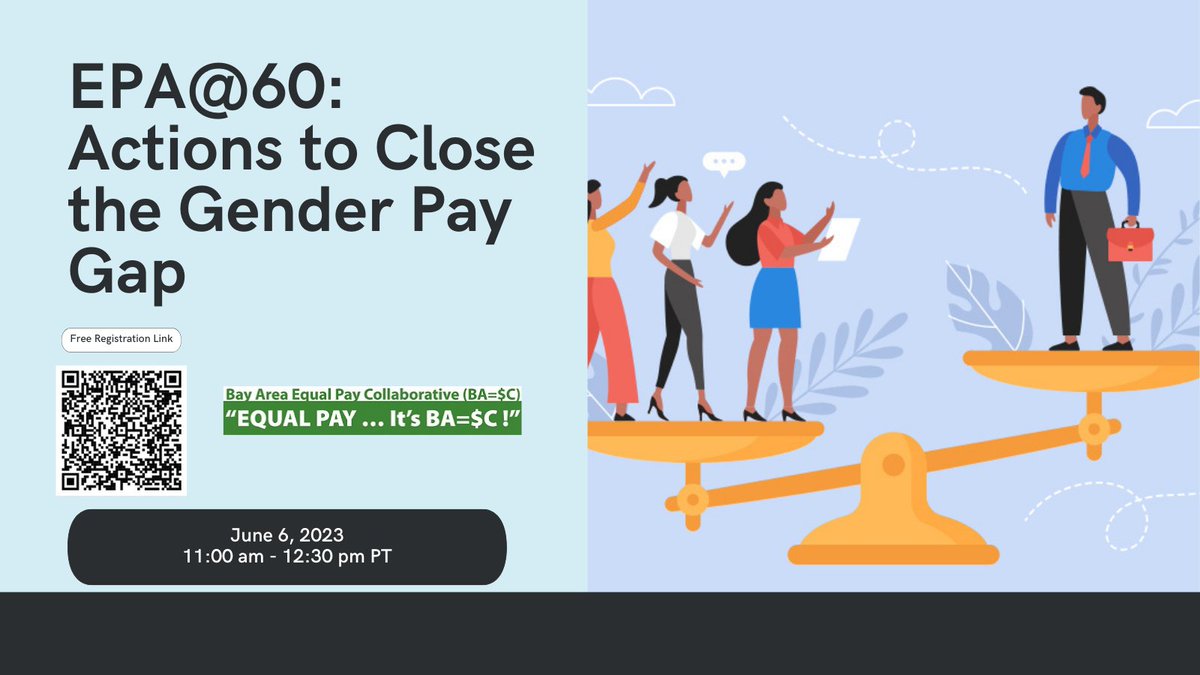
ALT • EPA@60: Actions to Close the Gender Wage Gap • Unbalanced scale with women looking up at a man with a suit case • June 6, 2023. 11:00 am – 12:30 pm PT • Bay Area Equal Pay Collaborative (BA=$C) logo • Free Registration Link and EPA@60 Event QR Code
2
2
154

11 May 2023
At @WhiteHouse's event, "The Business Case for Pay Equity," I had the privilege to discuss with executives from @Microsoft, @Mastercard, @salesforce @JustCapital, & @opencomp the significance of collaborating with companies of all sizes to promote fair pay practices. Policies and practices that prioritize pay equity are beneficial for both workers and businesses' bottom lines. Together, we can drive #RealWorldChange.
1
2
217

25 Apr 2023
How HR And People Leaders Are Responding To The Pay Equity Tipping Point hubs.li/Q01MBfpv0 Written by Thanh Nguyen of OpenComp
1
1
110

24 Apr 2023
We still have a couple of tee times left for our Open Singles tomorrow - book now hubs.li/Q01Mvn050
#PureLinksEnjoymen #OpenComp

1
604

12 Apr 2023
Good luck to Members and Visitors playing in the Men’s 3BBB Spring Open today, enjoy!🏌🏻♂️@PLsportsnews @swsportsnews #opencomp #devon #devongolf #dartmoor #golf

1
2
2
2,566

14 Mar 2023
YES! I just spoke on this with the
@opencomp team on International Women's Day. They published a report about this and other best practices!!
4
123

13 Mar 2023
As a leader, don't miss this @FastCompany article (featuring a couple of quotes from me) on employee engagement in the current labor market. Prioritize your most valuable resource. #leadership buff.ly/3ZM6Yv0 @cultureamp @modernhealthco @opencomp @donut @WeAreWellthy

2
88
9 Mar 2023
Struggling with remote team engagement? Check out this @FastCompany article featuring my insights on the importance of employee engagement. #employeengagement buff.ly/3ZM6Yv0 @Microsoft @clickup @owllabs @cultureamp @modernhealthco @opencomp @donut @WeAreWellthy

2
100

2 Mar 2023
Couldn't be more excited to be alongside such an impressive crew! Congrats all around to the amazing companies driving innovation in the workplace honored today by @FastCompany! 🙌
1
46

Last chance to register for this FREE virtual event tomorrow! Compt is a proud sponsor of OPEN Summit 2023 which explores a topic we're very passionate about: pay transparency! Register to save your spot 👉 hubs.li/Q01DD2Yr0
#payequity #paytransparency @OpenComp
2
72

16 Feb 2023
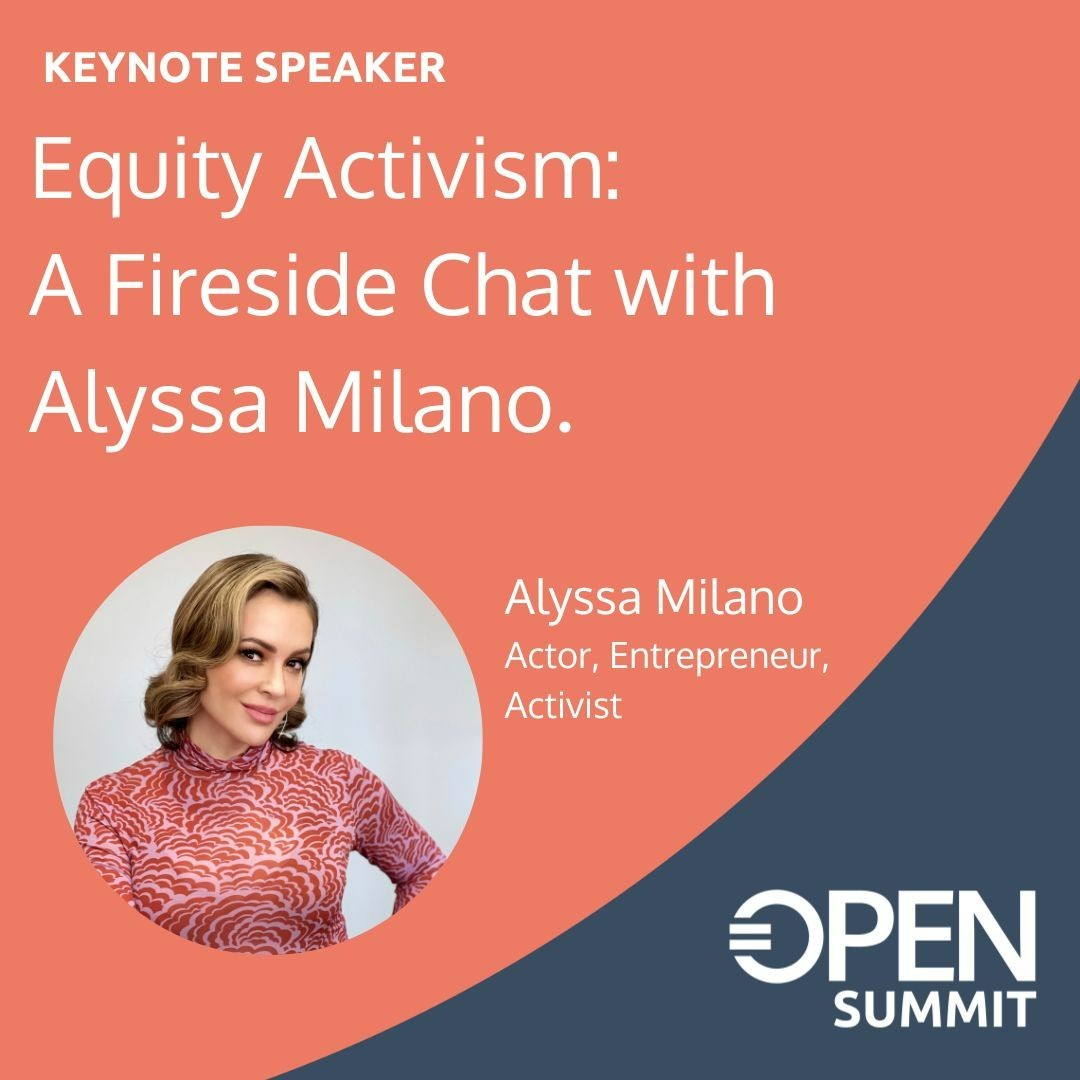
WE are proud to partner with @opencomp as a sponsor of their inaugural OPEN Summit! Register to attend virtually on March 1, 2023, from 9:00 PM - 11:30 AM PST: ow.ly/IkQw50MTg59
#paytransparency #payequity #opensummit #equalpay
Psst... @Alyssa_Milano is the keynote speaker!
1
2
172

While levels.fyi has solved this problem for BigTech, startup compensation is hidden behind benchmarking tools like OpenComp and Pave.
topstartups.io has user-submitted data, but doesn't do aggregate stats.
1
1
10
4,191

5 Jan 2023
Pro Money Tip • You Do You.
@OpenComp CEO Thanh Nguyen says the best way to negotiate a pay raise at work is by focusing the conversation on you and your contributions. Have you met your goals? How? #goodluck #yougotthis
1
5
1,095