
May 7
I had vibe coded this because until now, while Google had Healthconnect, there was no display for the data. A few things that you can do differently if you're vibe coding:
1. Different visualisation: You can vibe code your own app with the same data, but choose a different visualisation format: for example, I don't like pie charts, only bar and stacked bar charts, or percentage charts. Pretty easy to pull data via healthconnect SDK and build your own viz.
2. Incorporate insights: Google only has data. You can build in insights like I have: identify anomalies, averages, median data, trend analysis. Google doesn't appear to be doing this. You can build in daily, weekly, monthly insights. You can set benchmarks and build comparison metrics for insights.
3. Go beyond Google data: Google only has healthconnect data. You might also have apps that don't sync with healthconnect (like Openscale). You can build your own sync (if the app allows export) via the web, over your VPS, to your vibe coded app. That adds a data layer that Google's app won't get.
4. Your own AI coach is easy but you can do better. Unlike Google's AI coach, you can actually create your own custom prompt, prioritising what kind of comparison you want.
I'd say create a suite of specialised coaches using prompts for different aspects of the data, unlike the standard one that google has. Not very difficult.
May 7

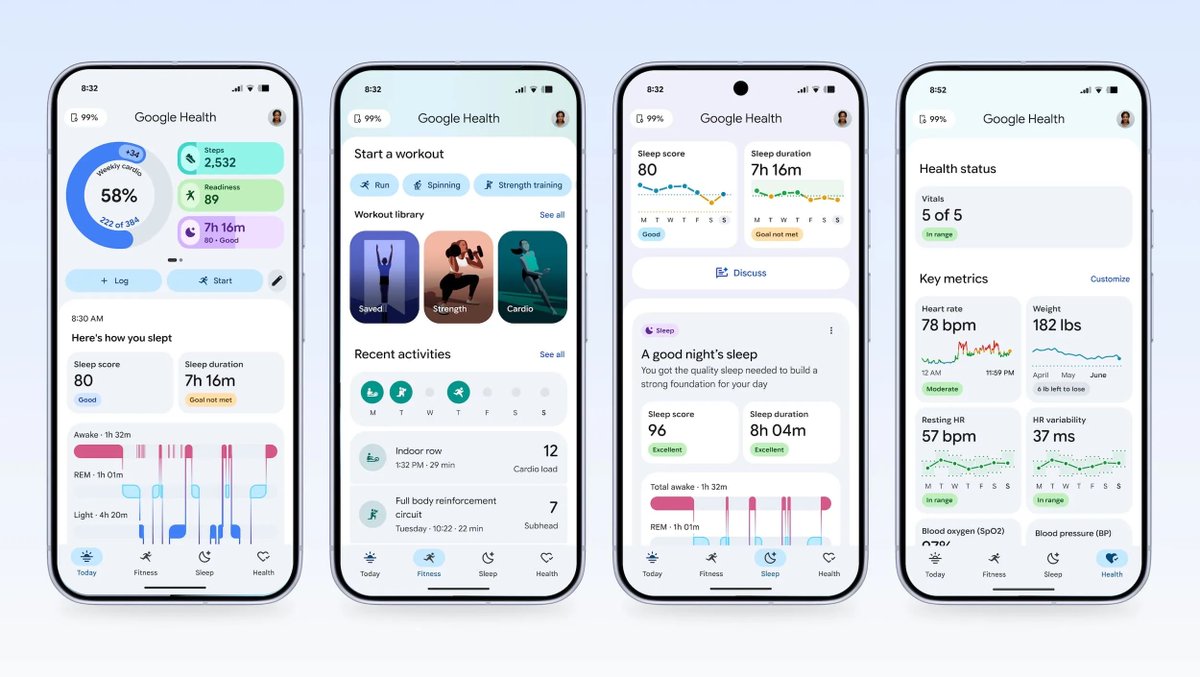
Google just announced Google Health
It’s a new Health suite taking the place of the Fitbit app, which lets you import data from ANY tracker and view/manage your health and wellness data. It also has Gemini built in with an AI coach to make recommendations or tracking easier
2
1
10
4,270


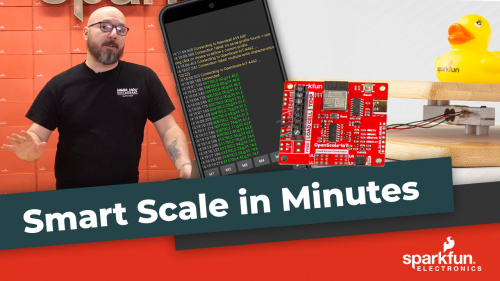
In our latest video, we’re taking a look at our new SparkFun OpenScale - IoT, a remarkably straight-forward sensing solution designed to turn any standard load cell into a wirelessly connected weighing system.
Learn how!
bit.ly/484BQ08
2
11
1,457

Mar 16
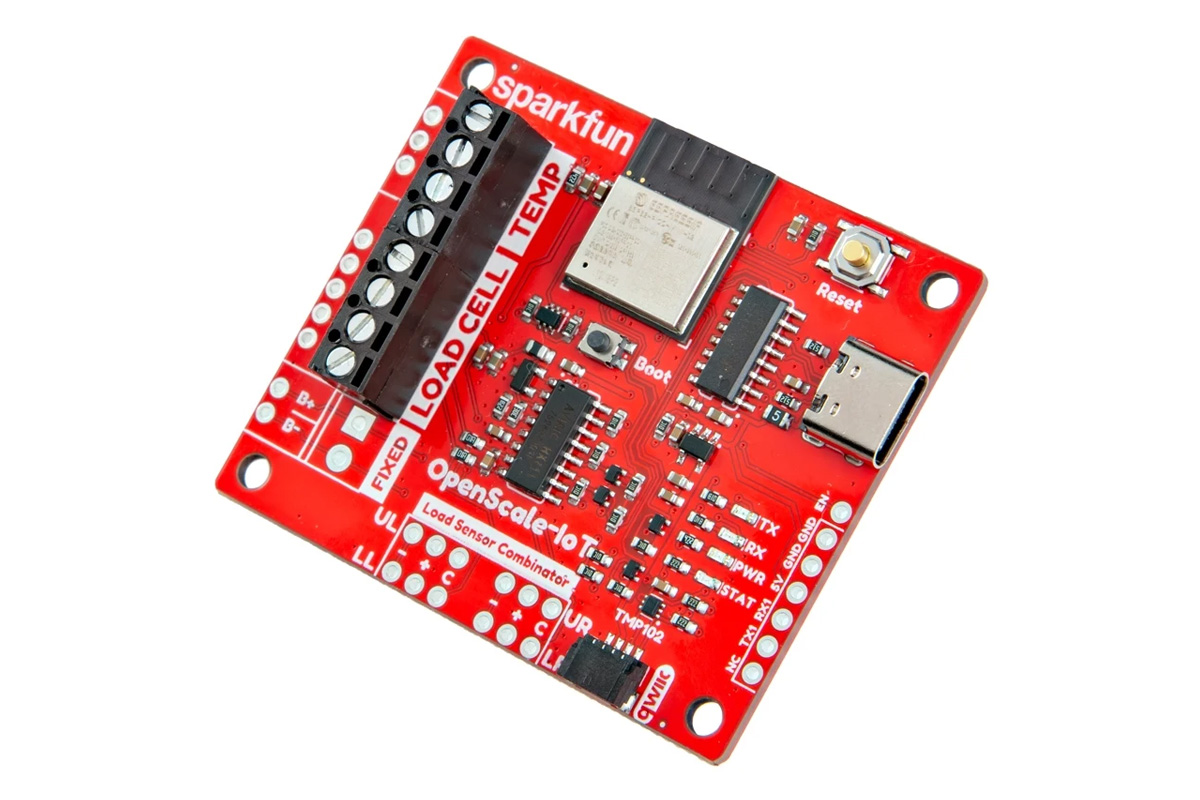
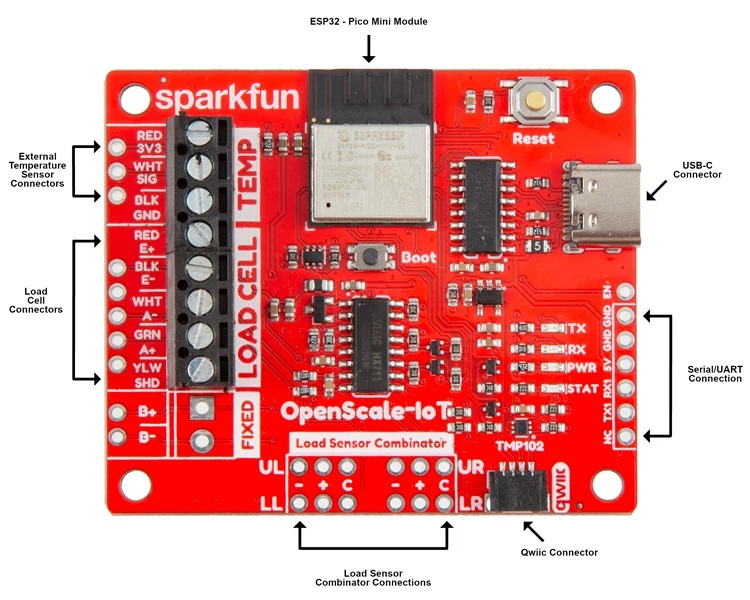
ESP32 board for DIY smart scales with WiFi and Bluetooth connectivity.
cnx-software.com/2026/03/16/…
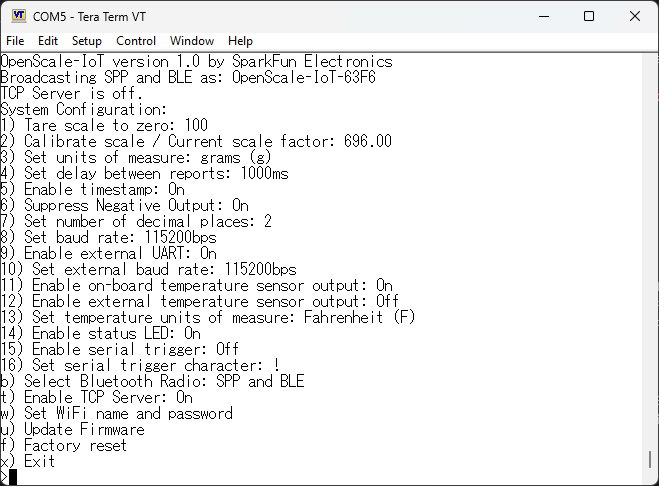
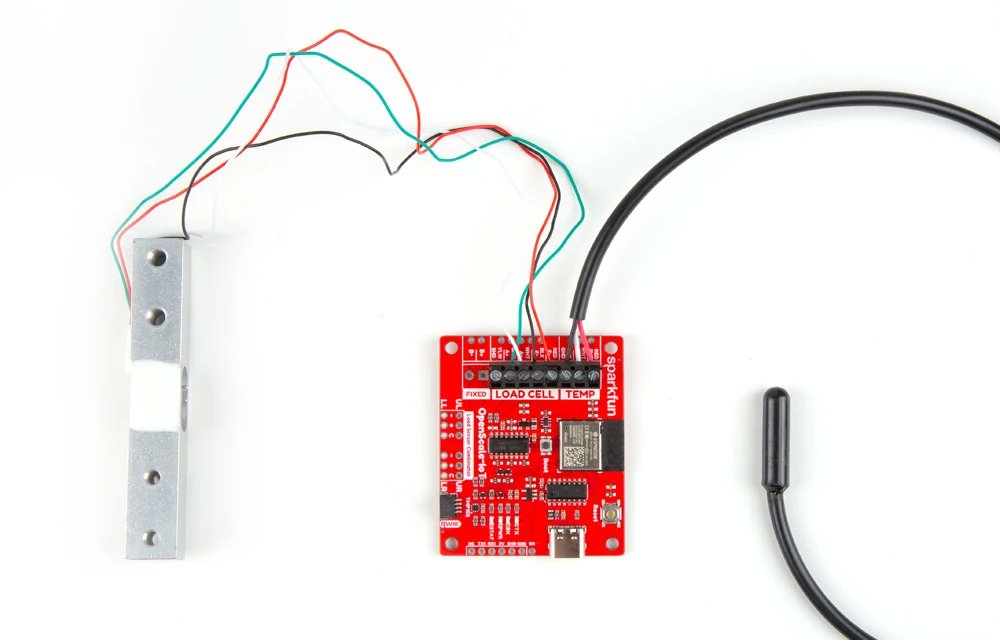
@sparkfun OpenScale – IoT is an open-source hardware ESP32 board featuring a HX711 24-bit ADC and an onboard TMP102 sensor (or optional external DS18B20 probe) for temperature compensation when taking weight measurements. It also features two Qwiic connectors for I2C sensors and/or displays.
The KiCad hardware design files, schematics, Arduino firmware, and detailed documentation are provided for the board.
1
8
69
3,642
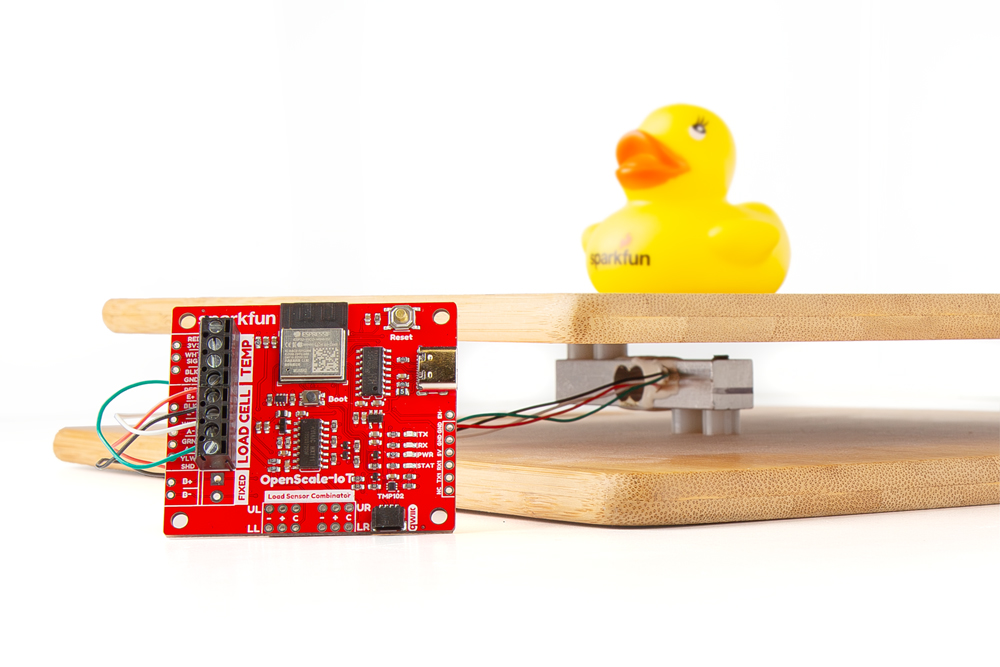
Our Favorite Load Cell Solution is Now Connected ⚖️
The SparkFun OpenScale receives an IoT upgrade with an on-board ESP32-PICO-MINI!
hubs.ly/Q046LPVN0
5
24
2,171

Mar 9
Refont complète de la plate-forme en cours… OpenScale V2 is coming 🚀

2
9
1,699




Jan 16
If your scale is supported by OpenScale, an Android app which supports all sorts of Bluetooth scales, you can take that as a starting point for your AI
1
2
250

31 Mar 2025
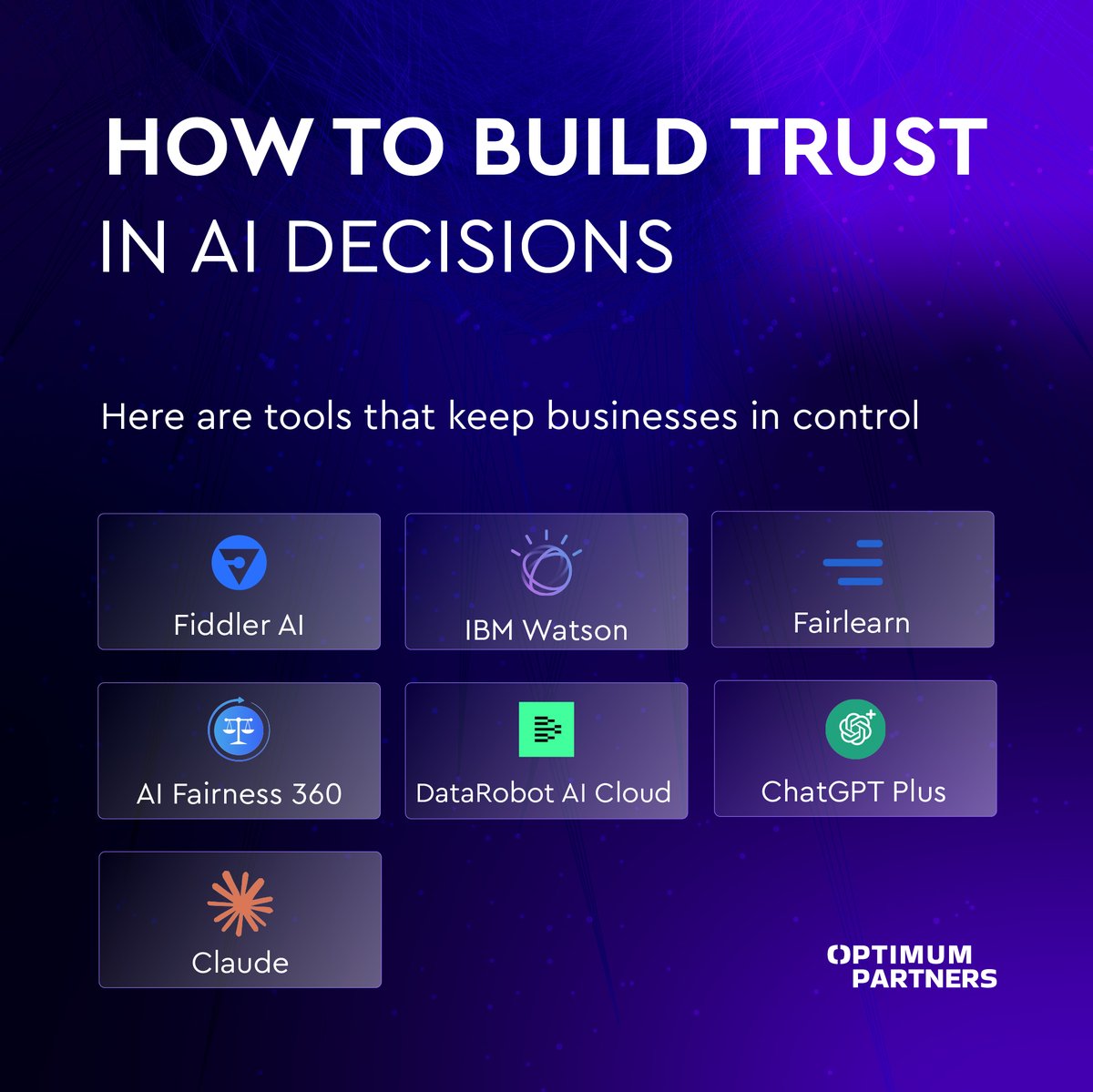
𝗛𝗼𝘄 𝘁𝗼 𝗯𝘂𝗶𝗹𝗱 𝘁𝗿𝘂𝘀𝘁 𝗶𝗻 𝗔𝗜 𝗱𝗲𝗰𝗶𝘀𝗶𝗼𝗻𝘀?
AI is only as good as the data it’s trained on. But how do you ensure fair, accurate, and reliable AI decisions? Here are tools that keep businesses in control:
✅ 𝐅𝐢𝐝𝐝𝐥𝐞𝐫 𝐀𝐈 & 𝐈𝐁𝐌 𝐖𝐚𝐭𝐬𝐨𝐧 𝐎𝐩𝐞𝐧𝐒𝐜𝐚𝐥𝐞: Bring transparency by revealing how AI models decide, reducing black-box risks.
✅ 𝐅𝐚𝐢𝐫𝐥𝐞𝐚𝐫𝐧 & 𝐀𝐈 𝐅𝐚𝐢𝐫𝐧𝐞𝐬𝐬 𝟑𝟔𝟎: Detect and correct biases before they impact real-world outcomes.
✅ 𝐃𝐚𝐭𝐚𝐑𝐨𝐛𝐨𝐭 𝐀𝐈 𝐂𝐥𝐨𝐮𝐝: Validate AI predictions under realistic conditions, enhancing reliability.
✅ 𝐂𝐡𝐚𝐭𝐆𝐏𝐓 𝐏𝐥𝐮𝐬 & 𝐂𝐥𝐚𝐮𝐝𝐞: Cross-check and refine AI strategies to improve accuracy and effectiveness.
If your business is adopting AI but uncertain about responsible implementation, we can help. DM us to tailor solutions.
#AI #ResponsibleAI #TrustInAI
2
21

5 Feb 2025
Stojí ta váha za ty prachy (ten stroj)? Co umi oproti konkurecnim, krom importu do connectu? Nebo je to alespoň přesný? Já mám xiaomi, používám na vazeni appku openscale (nechci cinanovi dávat data) a na import do connectu mam jinou appku,trochu kostrbate,tak přemýšlím nad touhle
3
4
3,172


22 Nov 2024
5. Security Foundation
AI-focused security frameworks like IBM Watson’s AI OpenScale can monitor for:
• Biases
• Security gaps
• Breaches in AI models
A single exploit can bring everything down––so test and update frequently.
1
1
4
119

25 Sep 2024
~IBM Watson Ai
IBM Watson is a suite of enterprise-grade artificial intelligence (AI) services, applications, and tools offered by IBM, designed to help businesses integrate AI into their operations. Watson gained prominence when it won the "Jeopardy!" quiz show in 2011 by defeating human contestants, demonstrating the potential of AI in natural language processing and machine learning.
Here are some key features and components of IBM Watson AI:
1. Natural Language Processing (NLP):
Watson is highly capable of understanding and processing human language. This includes tasks such as understanding context, sentiment analysis, entity recognition, and machine translation.
Watson NLP can be used in chatbots, customer service, and content analysis applications.
2. Watson Studio:
Watson Studio is an integrated development environment (IDE) for data scientists, developers, and analysts. It allows users to prepare, build, and manage AI models using tools like machine learning, deep learning, and statistical methods.
It integrates with popular open-source frameworks and tools like Jupyter notebooks, TensorFlow, and Scikit-learn.
3. Watson Assistant:
This is IBM's conversational AI tool that helps in building AI-powered chatbots and virtual assistants. It can be used to automate customer interactions, provide 24/7 customer support, or offer tailored customer experiences.
Watson Assistant integrates with multiple platforms and can be used in websites, mobile apps, messaging services, and more.
4. Watson Discovery:
This tool uses AI to analyze and interpret large volumes of structured and unstructured data, helping businesses gain insights from their data.
Watson Discovery is often used for document understanding, research analysis, and data mining applications.
5. Watson Knowledge Catalog:
A data catalog service that enables data governance and the discovery of enterprise data and AI models.
This service helps businesses manage their data, ensuring that it is properly labeled, organized, and governed for use in AI initiatives.
6. Watson Machine Learning:
This tool helps organizations deploy machine learning models to predict outcomes, optimize operations, and automate decision-making processes.
It supports multiple frameworks like TensorFlow, PyTorch, and Scikit-learn.
7. IBM Watson Health:
IBM Watson Health applies AI to the healthcare sector to assist in drug discovery, patient diagnosis, and treatment recommendations. The system helps healthcare professionals to make better decisions based on large amounts of patient data and medical literature.
Watson for Oncology is an example of Watson being applied to suggest treatment options for cancer patients.
8. Watson Visual Recognition:
This service uses AI to analyze images and videos, enabling organizations to build applications with image recognition capabilities.
Watson Visual Recognition can classify images, detect faces, and recognize objects in photos or video streams.
9. Watson OpenScale:
Watson OpenScale is a monitoring and management platform that ensures AI models are explainable, compliant, and fair. It helps detect AI bias, measure AI impact, and maintain accountability.
It is particularly important for enterprises looking to use AI responsibly while complying with regulations.
10. Watson Text to Speech and Speech to Text:
IBM Watson offers services that convert written text into spoken words (Text to Speech) and transcribe spoken words into text (Speech to Text). These are commonly used in applications like voice assistants, customer service automation, and accessibility solutions.
Use Cases:
Customer Service: Watson-powered virtual assistants can handle routine inquiries, improving customer service efficiency.
110
19
85
1,083

16 Jul 2024
today
programmed:
- modified ticactuator.py in VS Code to print the control board's serial number and terminate immediately upon actuator startup, then verified the serial output before reverting the changes
- configured the OpenScale board using the Arduino IDE by selecting the correct port, setting the baud rate to 115200, and accessing the configuration menu with the command 'x' to make sure my settings are correct
- finished at 7 pm
- stood all this time
- didn't sit (my legs hurt)
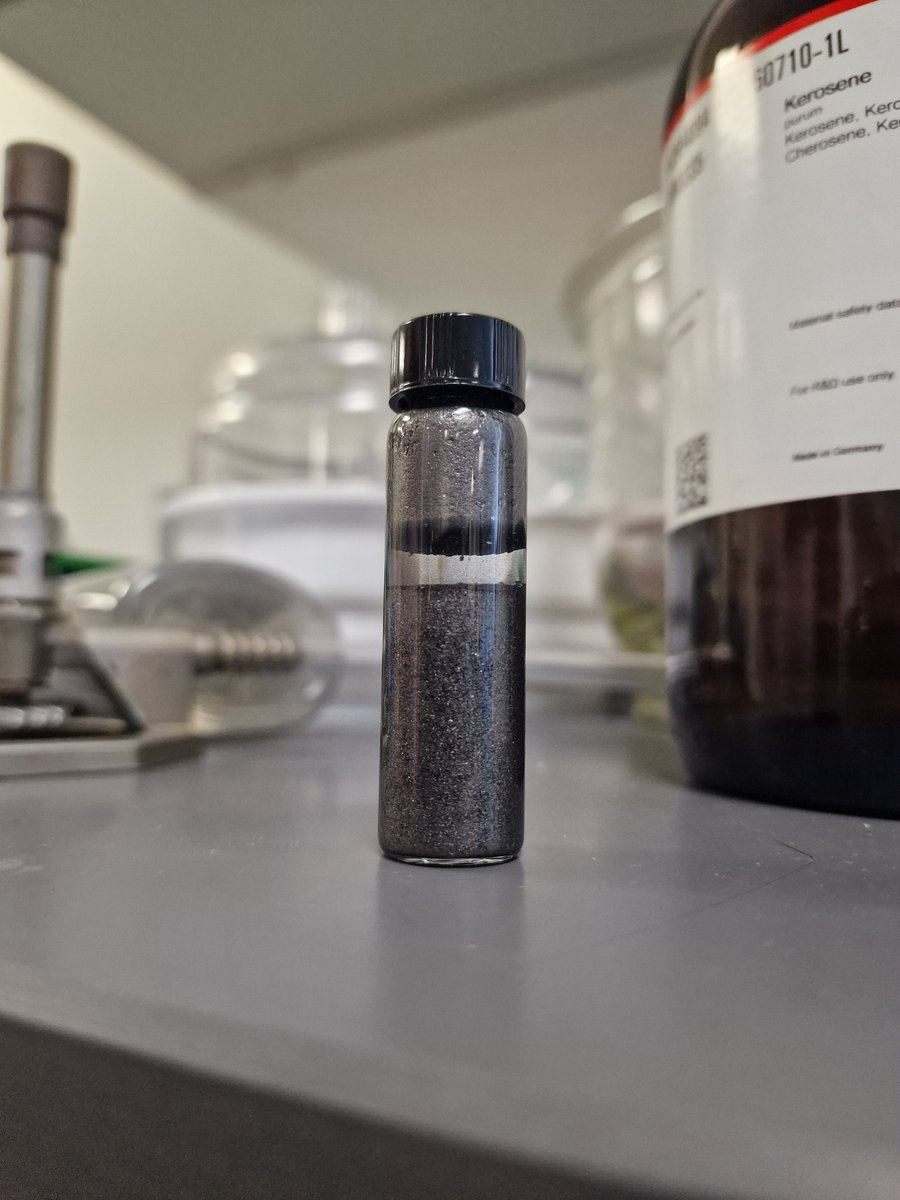
- looked at my graphite suspensions left for the weekend, the water peeled off and ended up between 2 graphite mixtures of different textures (although the water should have been on the topmost layer of these 3, since water has the lowest density, but I'll check/figure it out again later)
6
237

16 Apr 2024
KPMG and Watson Openscale: Establishing trust in AI for business success ed.gr/c13sq
1
19

20 Mar 2024
Check out this article from @blockchainrptr covering our recent AI-related updates! 🚀 From our partnership with @GamerHashCom to the launch of our #AI website, and an introduction to Openscale, a new service for deploying and running AI models at scale. Learn more about $GLM AI ecosystem: 👇
20 Mar 2024

Golem Network partners with Gamerhash AI to enhance GPU resources, aiming to meet the growing demands of AI projects and democratize technology access.
#AI $GLM @golemproject @GamerHashCom
blockchainreporter.net/golem…
3
22
108
11,925


6 Jun 2023
Learn how to use IBM #Watson OpenScale and understand how your #AI models make decisions, detect, mitigate bias and drift: ibm.co/3CfyKpK
ALT Image contains: Glass Roof
3
7
2,965

17 Apr 2023
Nice video detailing the explainability capabilities, including contrastive explanations, available out of the box in @IBMData's enterprise-grade Watson OpenScale product.
loom.com/share/f3d323d5679f4…
4
509