
Jun 12
Why Hotfixes Fail and How to Engineer Long-Term Cross-Cultural Resilience
Tactical Boycotts vs. Strategic Infrastructure: A View From the Yard open.substack.com/pub/quinti…
#SystemsThinking #StrategicInfrastructure #SocioTechnicalDynamics #OperationalSecurity #OpSec #GameTheory

1
1
25

Cooling reliability protects daily operations.
#OperationalSecurity #ColdStorage
4

Jun 12
Complexity quietly increases infrastructure risk.
More of
- systems.
- dependencies.
- access.
Less visibility over time.
It’s maintaining operational clarity as environments become more complex.
#xtantdottech #InfrastructureManagement #OperationalSecurity #CloudInfra
5

Jun 10
Compliance tells you what minimum requirements to meet. Operational security asks a different question: ‘Can we withstand a real attack?’
#CyberResilience #OperationalSecurity #CriticalInfrastructure #ArcherEnergySolutions

1

The destination may change. Your security shouldn't.
Arcangel Protection Services - safeguarding journeys, assets and peace of mind across the globe.
#executiveprotection #closeprotection #protectiveintelligence #operationalsecurity

8

U.S. cybersecurity agencies, including the NSA, FBI, and CISA, are warning organizations about ongoing cyberattacks targeting Automatic Tan... techradar.com/pro/security/n…
#IndustryNews #Cybersecurity #OilAndGas #EnergyIndustry #CriticalInfrastructure #OperationalSecurity #ATGSystems
1
21

U.S. cybersecurity agencies, including the NSA, FBI, and CISA, are warning organizations about ongoing cyberattacks targeting Automatic Tan... techradar.com/pro/security/n…
#IndustryNews #Cybersecurity #OilAndGas #EnergyIndustry #CriticalInfrastructure #OperationalSecurity #ATGSystems
3

U.S. cybersecurity agencies, including the NSA, FBI, and CISA, are warning organizations about ongoing cyberattacks targeting Automatic Tan... techradar.com/pro/security/n…
#IndustryNews #Cybersecurity #OilAndGas #EnergyIndustry #CriticalInfrastructure #OperationalSecurity #ATGSystems
10

Sir, there may be nothing inherently wrong with such pictures. However, when @adgpi issues warnings and expresses concerns in certain cases citing national security, operational security (OPSEC), or media policy violations, the question of consistency naturally arises.
Why are details relating to operational preparedness, military drills, and the manner of our operations being displayed openly on social media? If such disclosures are considered sensitive in some instances, the same standards should apply uniformly to all. Selective enforcement creates an impression of discrimination and raises legitimate concerns about fairness, transparency, and adherence to established policies.
#OperationalSecurity #OPSEC #NationalSecurity #MilitaryEthics #Transparency #EqualStandards #DefenceForces #PolicyConsistency #IndiaFirst

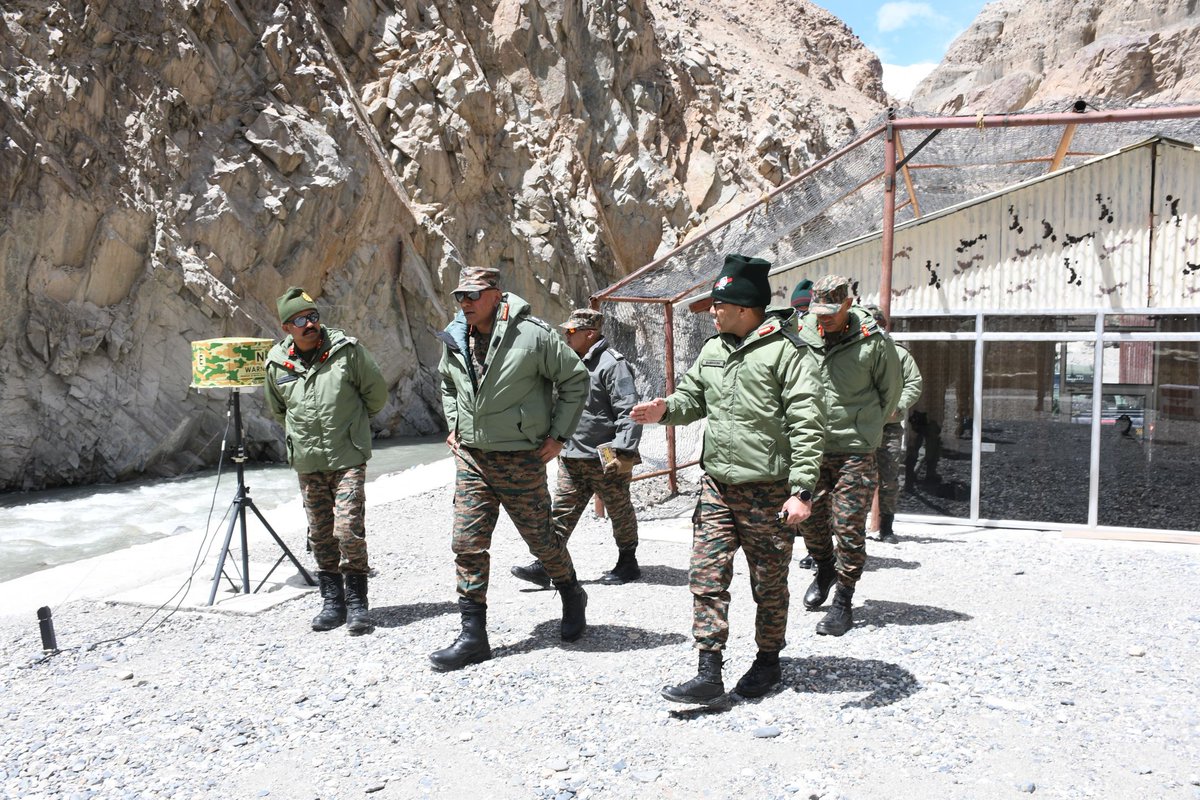
Lt Gen Pratik Sharma, #ArmyCdrNC, visited the forward areas in Ladakh Sector to review the prevailing security situation and operational preparedness. He was briefed on the operational readiness, border management measures and ongoing capability enhancement initiatives.
The Army Commander interacted with the troops and commended all ranks for their professionalism and steadfast commitment towards safeguarding the Nation's borders in treacherous terrain and adverse
Climatic conditions.Appreciating their exemplary service, he felicitated the troops and acknowledged their valuable contribution.
#AlwaysInCombat
#NationFirst
@adgpi



1
6
3,778

🚫 We stopped building a “secure messenger”.
Not because encrypted messaging is unimportant.
Because the real problem is much bigger.
Most communication tools still think in one category:
💬 chat
💬 groups
💬 messages
💬 notifications
💬 file sharing
But high-trust operations do not need “another chat app”.
They need workflow-specific sealed channels.
Why?
Because encryption protects the content.
But in many strategic workflows, the most valuable intelligence is not always inside the message.
It is around the message.
Who is talking?
When?
How often?
Around which project?
During which phase of an incident, audit, negotiation or treasury operation?
That context can become intelligence.
And intelligence can become risk.
Today, the same generic communication tools are used for completely different risk environments:
🔹 casual team chat
🔹 zero-day disclosure
🔹 smart contract audits
🔹 incident response
🔹 treasury coordination
🔹 governance negotiations
🔹 board-level decisions
🔹 M&A preparation
That makes no sense.
A zero-day disclosure is not a Telegram group.
An OTC negotiation is not a casual chat.
A vulnerability report is not an email thread.
A board discussion is not a Slack channel.
These workflows should not be collapsed into the same generic communication layer.
They need isolation.
They need context control.
They need purpose-built environments.
That is why we are moving toward Sealed Channels.
🔐 Sealed Disclosure Channel
For vulnerability disclosure, audit coordination and incident pre-response.
🏦 Sealed Treasury Channel
For OTC, treasury operations and market-sensitive coordination.
🗳️ Sealed Governance Channel
For protocol councils, DAO coordination and strategic decision-making.
🛡️ Sealed Board Channel
For executive communication, crisis coordination and high-confidentiality decisions.
A Sealed Channel is not a group chat.
It is a controlled communication environment designed around a specific high-trust workflow.
The principle is simple:
Generic chat collapses workflows.
Sealed Channels isolate them.
And this is why the domain matters:
🌐 sealed.channel
It is not just a website.
It is the category we are building toward.
The future of secure communication is not “more encrypted chat”.
It is channel-level workflow isolation.
Critical workflows deserve sealed channels.
This channel has been sealed.
@sealedchannel
#CyberSecurity #Web3Security #OperationalSecurity #Metadata #Privacy #EnterpriseSecurity #Web3 #Infrastructure #Algorand #B2B #InfoSec #SecureCommunication

2
1
12
911

May 29
“Intervening in the Attribution Chain: Signature Reduction Under Cross-Domain Surveillance”
Christopher Moede reframes signature reduction in this #SWJEssay as a “method for managing attribution under persistent surveillance.”
This way, he argues, behavior can be shaped as it passes through the attribution chain⛓️.
#SignatureReduction #OperationalSecurity #IrregularWar #Intelligence
smallwarsjournal.com/2026/05…
6
606


May 20
Traditional finance survived for decades because systems were engineered around operational security.
There were:
defined permissions
compliance layers
response teams
monitoring systems
risk management frameworks
circuit breakers
Crypto tried to remove all of that.
But eventually the industry learned an important lesson:
Financial systems cannot rely on code alone.
Edge cases always exist.
Unexpected market behavior always appears.
Black swan events eventually happen.
That is why engineered trust matters.
Engineered trust means:
clear operational boundaries
explicit responsibility layers
enforced permissions
rapid response capabilities
intelligent execution systems
This does not make systems weaker.
It makes them realistic.
Because the goal of DeFi infrastructure should not be ideological purity.
The goal should be survivability.
The protocols that dominate the next decade will be the ones capable of:
scaling securely
reacting quickly
minimizing systemic risk
protecting user capital during stress
That requires operational maturity.
And operational maturity requires engineered trust.
Explore Concrete at concrete.xyz/
#EngineeredTrust #DeFiInfrastructure #OperationalSecurity #ConcreteVaults #OnchainEnforcement

1
3
71
May 20
Appearance Does Not Equal Resilience
One of the biggest problems in crypto today is decentralization theatre.
Systems look decentralized on the surface.
But under stress, the weaknesses appear quickly.
A DAO with almost no voter participation is not true decentralization.
A protocol controlled by a small multisig is not fully trustless.
A timelock does not magically eliminate risk.
And governance systems that cannot react during emergencies become liabilities.
Real financial infrastructure must survive:
market crashes
oracle failures
bridge exploits
liquidity shocks
cascading liquidations
malicious governance attacks
This is where ideology collides with reality.
Pure decentralization is not enough if systems cannot respond to failure.
Resilience matters more.
The strongest systems are not the ones pretending humans are unnecessary.
They are the ones designing operational structures that combine:
automation
enforcement
monitoring
response mechanisms
constrained permissions
That is the difference between appearance and actual safety.
The future of DeFi security will not reward protocols that market decentralization most aggressively.
It will reward protocols that behave best during chaos.
Explore Concrete at concrete.xyz/
#DeFiSecurity #OperationalSecurity #EngineeredTrust #InstitutionalDeFi #Concrete
4
65
May 20
DeFi Doesn’t Remove Trust — It Engineers It
For years, crypto repeated the same narrative:
“DeFi is trustless.”
“Code is law.”
“No intermediaries needed.”
The idea sounded revolutionary.
Replace humans with smart contracts. Remove institutions. Automate finance.
And for a while, that narrative worked.
But as DeFi matured, something became obvious:
Trust never disappeared.
It simply moved.
Every DeFi user still trusts:
smart contracts
governance systems
validators
bridges
execution layers
oracle feeds
multisig operators
The difference is that trust is now embedded inside infrastructure instead of traditional institutions.
That changes the conversation completely.
The real question is no longer:
“How do we remove trust?”
The real question is:
“How do we engineer trust properly?”
Because resilient financial systems are not built by pretending risk doesn’t exist.
They are built by designing systems that acknowledge risk openly and manage it intelligently.
This is the shift happening across modern DeFi infrastructure.
And it is exactly why projects like Concrete are focusing on operational security instead of decentralization theatre.
Explore Concrete at concrete.xyz/ @ConcreteXYZ
#DeFi #DeFiSecurity #EngineeredTrust #Concrete #OnchainEnforcement #OperationalSecurity #InstitutionalDeFi

4
62

May 13
“DISCIPLINE ONLINE IS JUST AS IMPORTANT AS DISCIPLINE ON THE BATTLEFIELD”
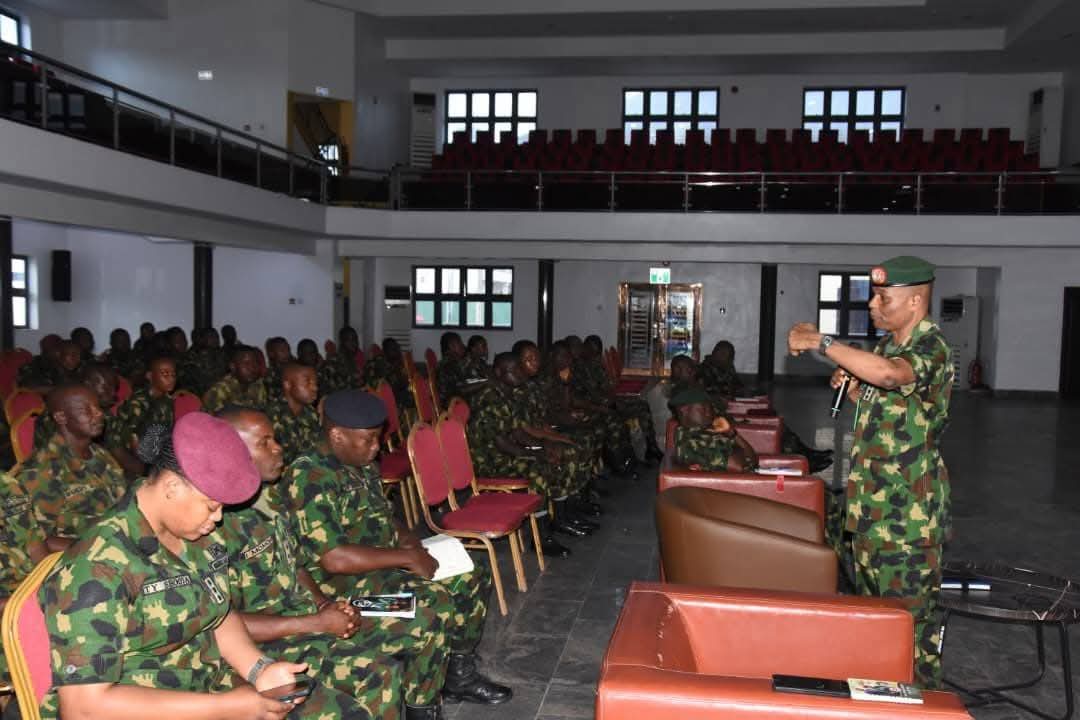
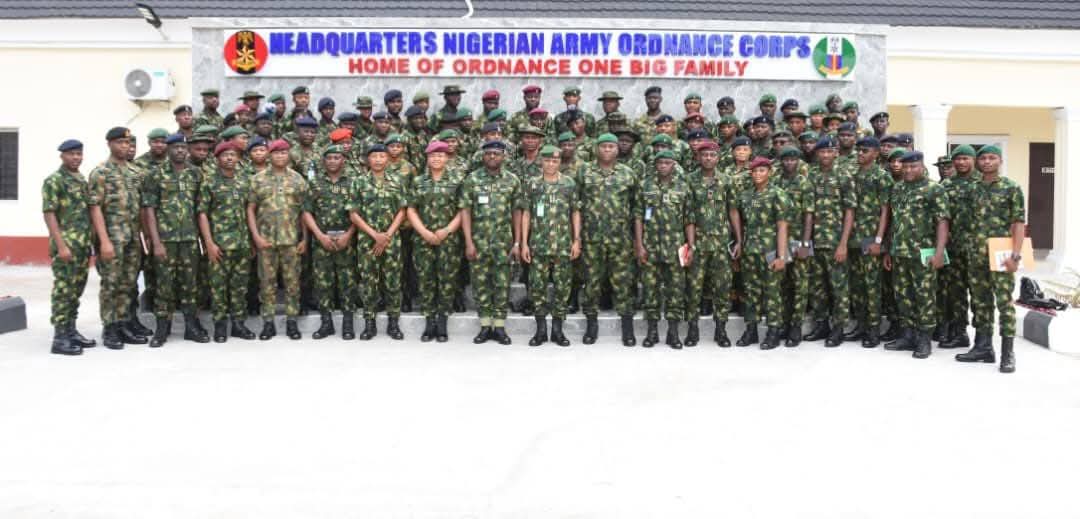
The General Officer Commanding 81 Division Nigerian Army, Major General Adebayo Babalola, has charged officers and soldiers within the Division’s Area of Responsibility to maintain professionalism, discipline, and operational awareness while using social media platforms.
Speaking during the Second Quarter Social Media Awareness Lecture held at Abalti Barracks, Lagos, the GOC emphasized that social media within the Armed Forces must be treated as a security-sensitive space requiring responsibility, cyber awareness, and strict adherence to military regulations.
In today’s modern battlespace, warfare is no longer fought only with weapons on the ground. Information, digital platforms, cyber activities, and online narratives now play major roles in shaping operational outcomes and national security.
During the lecture, resource persons from the Nigerian Army Cyber Warfare Command highlighted how terrorist and hostile groups exploit social media for propaganda, recruitment, logistics coordination, misinformation, and psychological operations. Participants were therefore sensitized on cyber hygiene, operational security, and responsible online conduct expected from military personnel.
The seminar also reinforced existing Defence Headquarters policies guiding the use of social media by members of the Armed Forces of Nigeria, while warning against actions capable of compromising operational integrity, troop safety, or institutional reputation.
Professional soldiers must remain disciplined both physically and digitally.
Respect to the leadership of 81 Division, the Nigerian Army Cyber Warfare Command, and all personnel committed to strengthening cyber awareness, information security, and professionalism within the Nigerian Army.
#NigerianArmy
#81Division
#CyberSecurity
#OperationalSecurity
#SocialMediaAwareness
#MilitaryProfessionalism
#CyberWarfare
#Discipline
#NationalSecurity
#ServiceToNation


1
2
6
589

𝗗𝗲𝗙𝗶 𝗗𝗼𝗲𝘀𝗻’𝘁 𝗥𝗲𝗺𝗼𝘃𝗲 𝗧𝗿𝘂𝘀𝘁 — 𝗜𝘁 𝗘𝗻𝗴𝗶𝗻𝗲𝗲𝗿𝘀 𝗜𝘁
For years, crypto repeated the same ideas:
• DeFi is trustless
• Code is law
• No intermediaries needed
But as the industry evolved, one thing became obvious:
Trust never disappeared.
It simply moved.
Today, users still trust:
• smart contracts
• governance systems
• oracles
• bridges
• execution layers
The real question is no longer: “Does trust exist?”
The real question is: Where does trust exist — and how is it engineered?
𝗧𝗵𝗲 𝗠𝘆𝘁𝗵 𝗼𝗳 “𝗧𝗿𝘂𝘀𝘁𝗹𝗲𝘀𝘀 𝗦𝘆𝘀𝘁𝗲𝗺𝘀”
DeFi removed the need to trust traditional intermediaries. But no system is fully trustless.
Every protocol still depends on assumptions:
• developers write secure code
• governance acts responsibly
• oracles provide accurate data
• bridges remain secure
• infrastructure survives volatility
Trust was not eliminated. It was redistributed.
𝗪𝗵𝗲𝗿𝗲 𝗗𝗲𝗙𝗶 𝗔𝗰𝘁𝘂𝗮𝗹𝗹𝘆 𝗕𝗿𝗲𝗮𝗸𝘀
A major problem in crypto today is: “Decentralization Theatre”
Some systems look decentralized while remaining fragile underneath.
Examples:
• multisigs presented as “security”
• DAOs with almost no participation
• timelocks that delay but don’t stop risk
• governance systems unable to react during emergencies
There is a massive difference between: • the appearance of decentralization vs • actual operational resilience
𝗧𝗵𝗲 𝗡𝗲𝘅𝘁 𝗘𝘃𝗼𝗹𝘂𝘁𝗶𝗼𝗻: 𝗘𝗻𝗴𝗶𝗻𝗲𝗲𝗿𝗲𝗱 𝗧𝗿𝘂𝘀𝘁
The future of DeFi is not about pretending trust doesn’t exist.
It is about making trust:
• explicit
• structured
• enforceable
• operationally resilient
This is Engineered Trust.
Real systems require:
• monitoring
• response mechanisms
• layered security
• defined permissions
• human judgment during edge cases
Because: Code alone cannot handle every scenario.
𝗪𝗵𝘆 𝗢𝗽𝗲𝗿𝗮𝘁𝗶𝗼𝗻𝗮𝗹 𝗦𝗲𝗰𝘂𝗿𝗶𝘁𝘆 𝗠𝗮𝘁𝘁𝗲𝗿𝘀
Markets are adversarial. Attackers evolve constantly.
Purely rigid systems often fail under stress. The strongest DeFi infrastructure is not the one that claims perfection.
It is the one designed to:
• detect failure
• contain damage
• respond quickly
• maintain operational continuity
This is what institutional-grade DeFi actually requires.
𝗛𝗼𝘄 𝗖𝗼𝗻𝗰𝗿𝗲𝘁𝗲 𝗔𝗽𝗽𝗿𝗼𝗮𝗰𝗵𝗲𝘀 𝗗𝗲𝗙𝗶 𝗜𝗻𝗳𝗿𝗮𝘀𝘁𝗿𝘂𝗰𝘁𝘂𝗿𝗲 𝗗𝗶𝗳𝗳𝗲𝗿𝗲𝗻𝘁𝗹𝘆
@ConcreteXYZ takes a different approach.
Instead of hiding trust assumptions, Concrete makes them explicit.
Concrete focuses on:
• onchain enforcement
• operational security
• role-based architecture
• controlled execution environments
• response-oriented infrastructure
Concrete understands something the industry is finally realizing: Resilience matters more than decentralization theatre.
𝗪𝗵𝘆 𝗖𝗼𝗻𝗰𝗿𝗲𝘁𝗲 𝗩𝗮𝘂𝗹𝘁𝘀 𝗠𝗮𝘁𝘁𝗲𝗿
As DeFi matures, users increasingly want:
• optimized yield strategies
• transparent risk management
• secure infrastructure
• operational reliability
• institutional-grade systems
This is where @ConcreteXYZ @ vaults become important.
The next generation of DeFi infrastructure will be judged by:
• uptime
• security
• execution quality
• risk management
• behavior under stress
Not by slogans.
𝗧𝗵𝗲 𝗕𝗶𝗴𝗴𝗲𝗿 𝗦𝗵𝗶𝗳𝘁
DeFi is evolving beyond simplistic “trustless” narratives.
The future belongs to systems that:
• acknowledge trust
• structure trust
• enforce trust transparently
• engineer resilience directly into infrastructure
Because ultimately:
The future of DeFi will not be defined by who claims to remove trust.
It will be defined by who engineers it best.
Explore @ConcreteXYZ: concrete.xyz/
#DeFi #DeFiSecurity #ConcreteXYZ #InstitutionalDeFi #Crypto #Onchain #EngineeredTrust #OperationalSecurity

4
34


May 5
DeFi isn’t trustless. It’s engineered.
We say:
“Don’t trust people, trust code.”
But in reality, you still trust:
– smart contracts
– oracles
– governance
– bridges
Trust didn’t disappear. It moved.
The problem?
Decentralization theatre.
Systems look decentralized, but:
– multisigs control
– DAOs inactive
– no real response under stress
Appearance ≠ security.
The next phase is engineered trust:
– clear roles
– defined permissions
– onchain enforcement
– operational security
This is where DeFi infrastructure evolves.
That’s what Concrete vaults are building.
Not removing trust.
Designing it.
Explore: concrete.xyz/
#DeFiSecurity #EngineeredTrust #ConcreteVaults #OperationalSecurity #InstitutionalDeFi
5
9
114

gmcrete
DeFi Doesn’t Remove Trust It Engineers It
DeFi was born from a powerful idea:
“Don’t trust people. Trust code.”
For a while, that narrative held strong. Smart contracts replaced intermediaries. Protocols ran autonomously. The system felt… trustless.
But as DeFi evolved, reality caught up:
Trust didn’t disappear. It moved.
The Myth of “Trustless” Systems
We’ve all heard it:
– “DeFi is trustless”
– “Code is law”
– “No intermediaries needed”
But no real system operates without trust.
The real question is:
Where does trust live - and how is it managed?
🔍 Where Trust Actually Exists in DeFi
Even today, every DeFi system relies on trust layers:
– Smart contracts → written by humans, can contain bugs
– Governance → token holders make critical decisions
– Oracles → external data feeds can fail or be manipulated
– Bridges → historically the weakest security points
– Execution layers → infrastructure risks & dependencies
Trust isn’t removed.
It’s abstracted.
The Problem: “Decentralization Theatre”
Many systems look decentralized - but aren’t truly resilient.
Examples:
– Multisigs acting as centralized safety nets
– DAOs with low participation and voter apathy
– Timelocks that delay risk, not eliminate it
– Protocols that freeze under pressure
There’s a gap between:
Perceived decentralization vs actual security
Engineered Trust > Illusion of Trustlessness
The next phase of DeFi isn’t about removing trust.
It’s about designing it intentionally.
Engineered trust means:
– Clear roles & responsibilities
– Defined permissions
– Enforced constraints
– Systems that can react under stress
This is how mature financial systems work.
And DeFi is heading there.
Why Operational Security Matters
Code alone is not enough.
Real-world systems need:
– Continuous monitoring
– Rapid response mechanisms
– Human intervention in edge cases
– Layered security models
Because failures don’t ask for permission.
They happen fast.
Enter Concrete
Concrete takes a different path:
– Trust is explicit, not hidden
– Systems are built for response, not just prevention
– Onchain enforcement offchain intelligence
– Role-based architecture
– Controlled execution environments
Instead of chasing decentralization optics…
Concrete prioritizes operational security and real resilience.
Explore more: concrete.xyz/
The Bigger Shift
DeFi is growing up.
The industry is moving beyond:
“Trustless” narratives
Ideological decentralization
And toward:
✅ Structured, transparent trust
✅ Systems that perform under stress
✅ Infrastructure built for real-world conditions
Because in the end:
The future of DeFi won’t belong to those who claim to remove trust.
👉 It will belong to those who engineer it best.
@ConcreteXYZ
#DeFi #DeFiSecurity #EngineeredTrust #Web3 #Crypto #Blockchain #OperationalSecurity #InstitutionalDeFi
10
64