
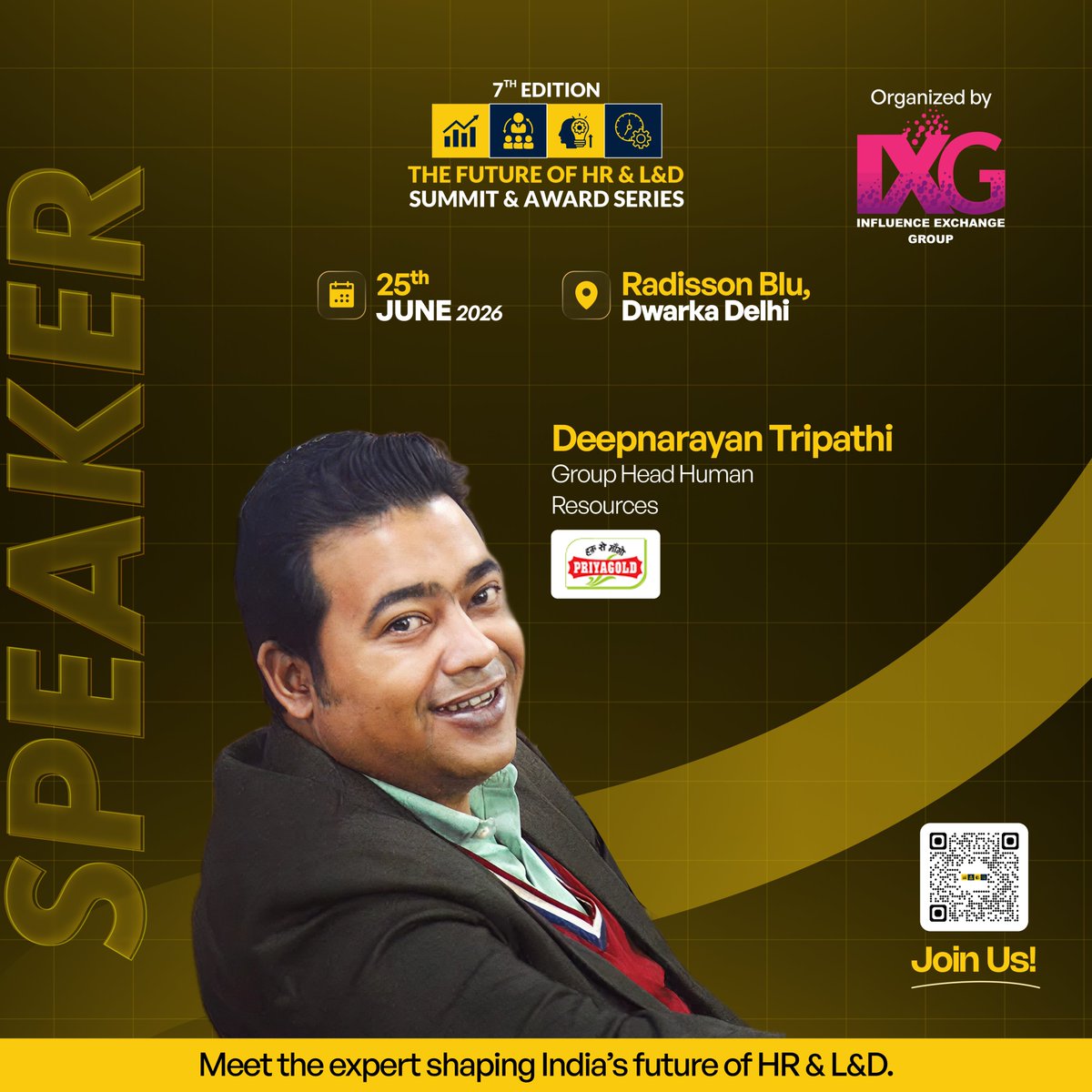
“Strategic HR must begin with the business in mind.” – Deepnarayan Tripathi, Group Head HR @PriyagoldGroup at our #7thixghrlnd2026!
🎟️Your seat is waiting: lnkd.in/dRfQTVad
#ihrlndseries #FutureOfHR #HRLeadership #OrganizationDesign #TalentStrategy #LeadershipDevelopment
12
23

Apr 8
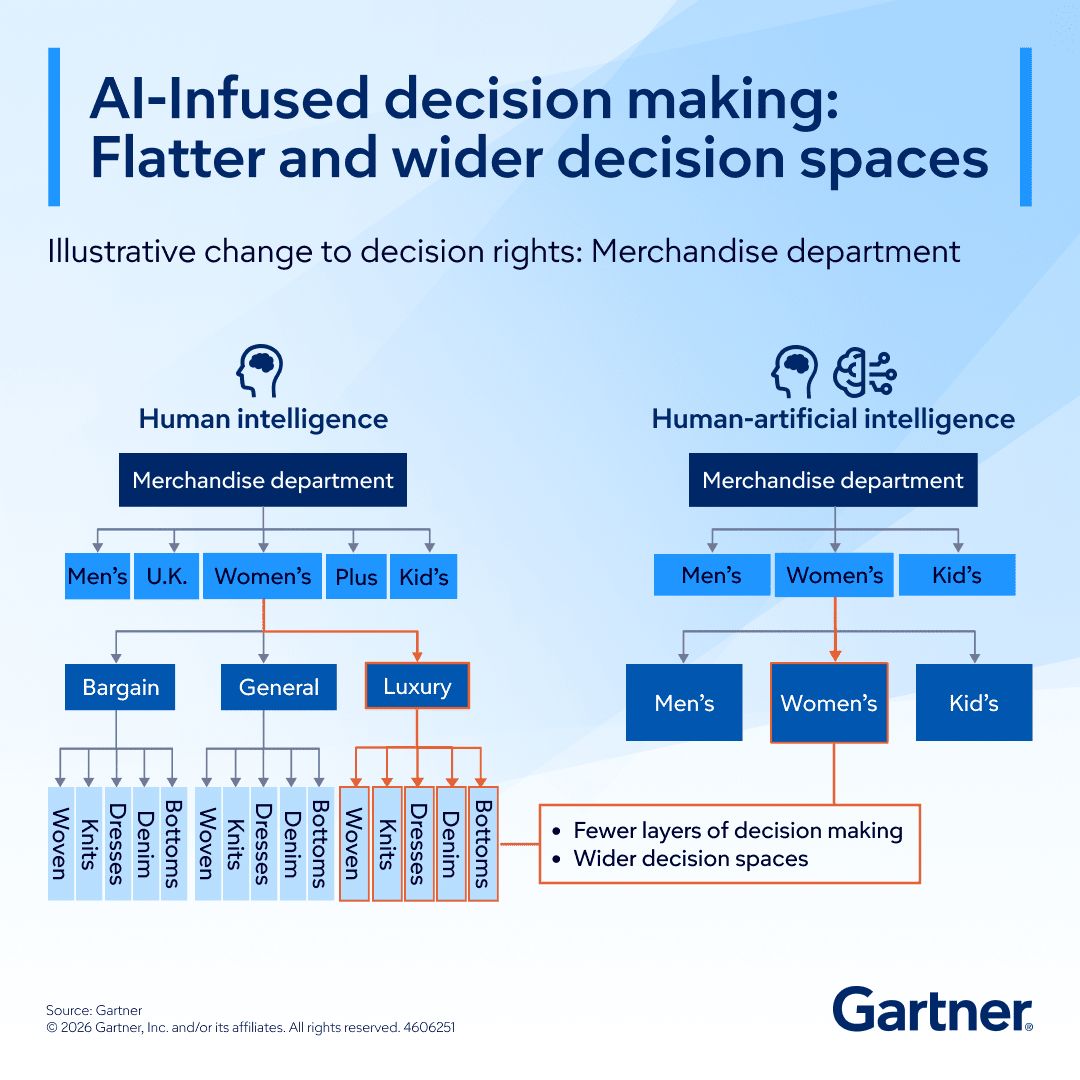
AI-infused decision making will reshape organizational hierarchies—combining human and AI strengths to interpret vast data at speed.
As decision layers shrink and accountabilities expand, enterprise leaders will be more essential than ever in the AI era. Learn more: gtnr.it/4mlbyNg
#GartnerHR #CHROs #AI #OrganizationDesign
3
2
25
2,149

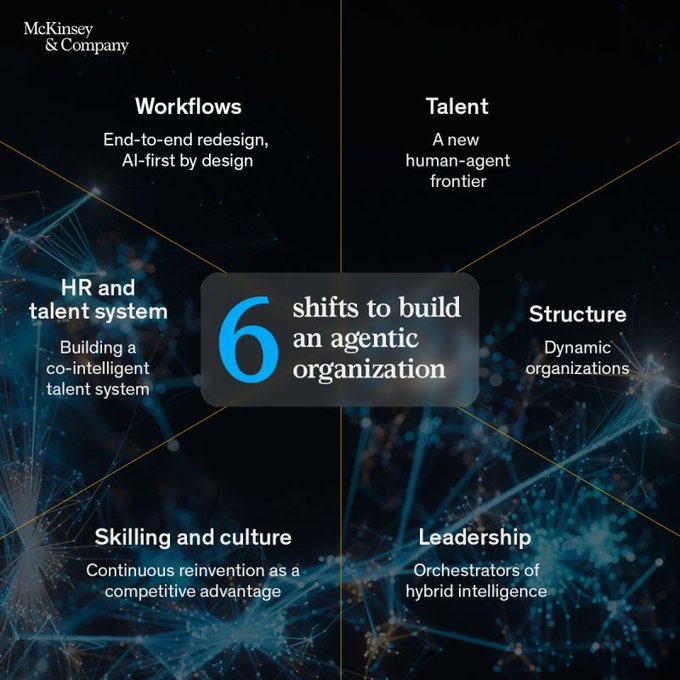
⬛️ The Six Critical Shifts Toward the Agentic Organization of the Future
🔷 Artificial intelligence - especially agentic AI - is fundamentally reshaping how organizations work, make decisions, and create value. In its article “Six shifts to build the agentic organization of the future,” McKinsey argues that -
📢 "Companies must now rethink workflows, roles, leadership, structures, and culture to capture the full potential of this new technological era."
1⃣ Workflow Shift: End-to-End Redesign, AI-First
Many organizations still treat AI as an add‑on, producing only modest productivity gains. The real breakthrough comes when work is redesigned AI-first, domain by domain, starting from the desired outcomes. Humans are then brought in deliberately where their unique strengths matter - judgment, empathy, creativity. This redesign breaks down silos, reduces transaction costs, and unlocks trapped value across the enterprise.
2⃣ Talent Shift: A New Human–Agent Frontier
Once workflows change, roles must evolve as well. People will no longer work with tools but with agents -as colleagues. Jobs shift toward hybrid interfaces that combine human expertise with autonomous systems. This becomes the foundation for a new, co‑intelligent workforce model.
3⃣ Leadership Shift: Leading in an Agentic Era
Leadership roles must also transform. Instead of overseeing operational tasks, leaders orchestrate a human–agent ecosystem - focused on speed, scalability, safety, and the responsible integration of AI‑based decision-making throughout the organization.
4⃣ Skill & Culture Shift: Continuous Reinvention
An agentic organization requires a culture of ongoing learning, adaptation, and experimentation. McKinsey calls this mindset “continuous reinvention.” Employees develop not only AI fluency but skills in collaboration, system thinking, sense‑making, and critical evaluation - moving far beyond simple tool usage.
5⃣ Structural Shift: Organizing Around Value, Not Hierarchy
Organizational structures move away from traditional functional hierarchies toward value‑stream‑oriented, modular designs that seamlessly integrate AI agents. Teams combine human and agentic capabilities with clearly defined accountability for outcomes.
6⃣ People Systems Shift: Education as the Engine of AI Transformation
The People Systems Shift becomes a central driver of transformation. Culture, roles, career paths, performance systems, talent processes, and workforce planning all need to be reimagined for an AI‑enabled future. Through continuous education and development, leaders and talents evolve into the architects of the human–agent operating model, ensuring long‑term adaptability, organizational learning, and workforce resilience.
➡️ Why These Six Shifts Matter
Transforming into an agentic organization is far more than implementing new technology. It requires companies to reconfigure their entire operating system - from how work is designed, to how people collaborate, to how decisions are made and value is generated. McKinsey describes this as the most significant organizational shift since the industrial and digital revolutions.
➡️ Agentic organizations achieve: dramatically faster decision-making, major efficiency improvements, new innovation potential, and a more resilient organizational core. Those who adopt these shifts early will gain a structural advantage in the AI era 💡
@Khulood_Almani @AkwyZ @MaryRich78 @rwang0 @timo_vi @drsharwood @TamaraMcCleary @DrHolzwarth @HelenBevan @pierrecappelli @JimHarris @mikeflache @jenstirrup @GlenGilmore @subare @Ronald_vanLoon @enilev @Scobleizer @AndrewYNg @YuHelenYu @McKinsey
#ArtificialIntelligence #AgenticAI #People #Skills #AgenticOrganization #ChangeManagement #OrganizationDesign #Talent #Leadership #Culture #Skills #FutureOfWork ✨
1
9
10
833

Jan 19
Hi folks!
Happy to share that MORPHO-VERSE website is live ☺️
Here is a 2 line introduction and the web page link:
Morphoverse is an organization design firm that improves business performance by helping leaders align how work is designed with how it’s actually experienced. We reduce friction in execution, strengthen ownership, and make change easier to adopt without losing the plot.
morphoverse.com/
Do check us out and if you'd like to know more on how it can be of use for your organization, I am a DM or a call away 😊
#Morphoverse #NewBeginnings #organization #OrganizationDesign #BusinessGrowth
2
4
241

11 Aug 2025
Work doesn’t always need to make sense.
It just needs to make space for humans.
At HR DADA, we don’t chase “normal”.
We build systems that welcome the unconventional, the creative, the actually useful.
Because old isn’t just outdated, it’s dysfunctional.
And innovation? Sometimes it shows up wearing a suit and a balloon for a head. 🎈
💼 HR, but not how you remember it.
🌐 People, not protocols.
🌀 Where work gets weird, on purpose.
#hrdada #workculture #creativehr #peopleplatform #futureofwork
#hrreimagined #humandepartment #unconventionalwork
#modernhr #employeeexperience #peoplefirst #teamculture
#startuplife #hrinnovation #bizabsurdism #workdoesntmakesense
#rethinkhr #meaningfulwork #careerexpression #weirdworkworks
#softskillsmatter #talentstrategy #culturedesign #remoteworklife
#performancewithpurpose #borderlessteams #emotionalkpis
#organizationdesign #workflowswithsoul #jobarchitecture
2
79

27 Mar 2025
Ergodicity and antifragility are essential for long-term success because companies must design systems that account for irreversible consequences. Ensure they don’t optimize for short-term efficiency at the cost of long-term resilience and surface problems early while adapting to them. This is key to staying robust in uncertainty.
In this episode, Luca Dellanna unpacks key concepts like ergodicity, antifragility, and the role of behavioral dynamics in shaping organizational effectiveness.
#OrganizationDesign, #DecisionMaking, #Ergodicity, #Antifragility, #BusinessStrategy, #CulturalTransformation, #FutureOfWork
Full episode: blss.io/POD117
2
2
7
996
22 Mar 2025
Decision-making is meaningless without execution because organizations often focus on strategy and theoretical frameworks. Without ensuring actual follow-through, these efforts fail to drive meaningful change, and leadership must actively reinforce behaviors that turn decisions into action by @DellAnnaLuca
#OrganizationDesign, #DecisionMaking, #Ergodicity, #Antifragility, #BusinessStrategy, #CulturalTransformation, #FutureOfWork
Full episode: blss.io/POD117
1
4
832
18 Mar 2025
🎙 📆 [#podcast] What separates organizations that thrive in uncertainty from those that struggle? In this episode, @DellAnnaLuca - management consultant, researcher, and author - explores how companies can move beyond theoretical decision-making to ensure real-world execution and resilience.
#OrganizationDesign, #DecisionMaking, #Ergodicity, #Antifragility, #BusinessStrategy, #CulturalTransformation, #FutureOfWork
Full episode: blss.io/POD117
3
1,880

29 Oct 2024
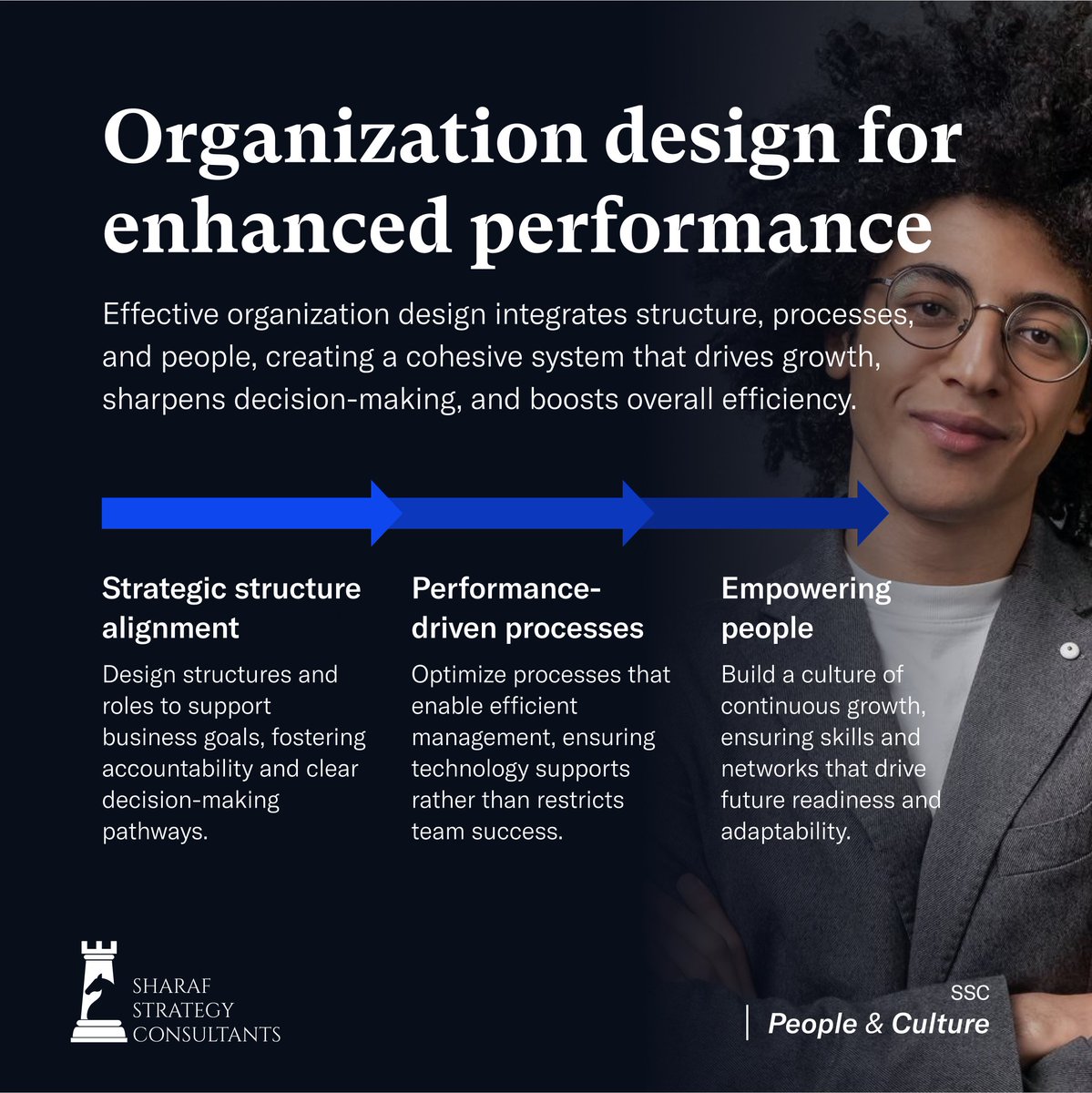
Organization design for enhanced performance.
Our strategy is built around three key pillars: aligning structure with purpose, building performance-enhancing processes, and empowering people.
#people #HR #organizationdesign
2
24

17 Oct 2024
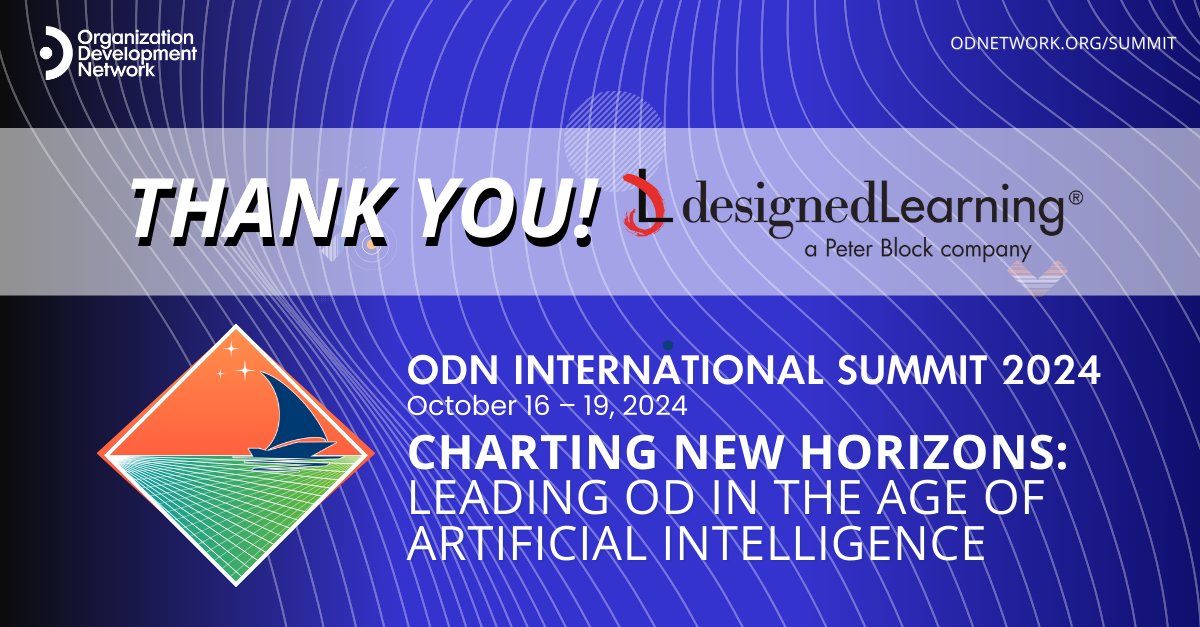
We are so excited to kick off our first full day of breakout and track sessions today! 🚀
A HUGE thank you to @DL_Global for your support and sponsorship of this event! Make sure to catch Peter Block's keynote session today at 9:15 am EDT!
#ODN2024Summit #OrganizationDesign #AI
125

12 Aug 2024
Unlocking Success: The Essential Guide to Maximizing the Start-up Company Potential bit.ly/3YN2RRM
#organizationaleffectivenss #startupcompanies #workculture #organizationdesign #workforcestrategy #startups
2
50
12 Aug 2024
Seeing companies as organizations underscores their complexity and interconnectedness. A comprehensive approach recognizes that ....(continue in the link ) bit.ly/3SKEHUd
#organizationdesign #orgaanisationalEffectiveness

1
3
115

11 Aug 2024
2
15
1,315
23 Jul 2024
Leaders often recognize when something is amiss within their organizations! linkedin.com/posts/annamamal…
#workforcestrategy #humanresources #operatingmodel
#organizationdesign #changemanagement #organizationaleffectivennes
1
2
34

9 May 2024
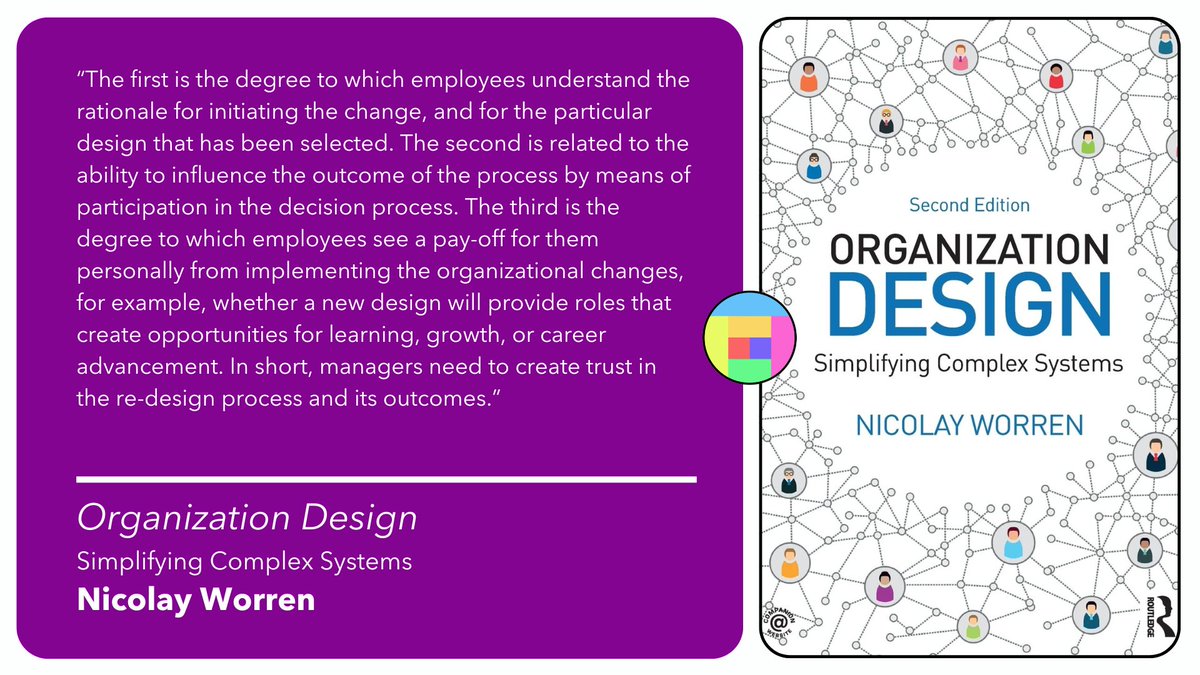
Always have an answer to these Golden Questions:
"Why should I care?"
"How can I complain?"
"What's in it for me?"
#change #transformation #goldencircle #organizationdesign @NicolayWorren
4
714

20 Mar 2024
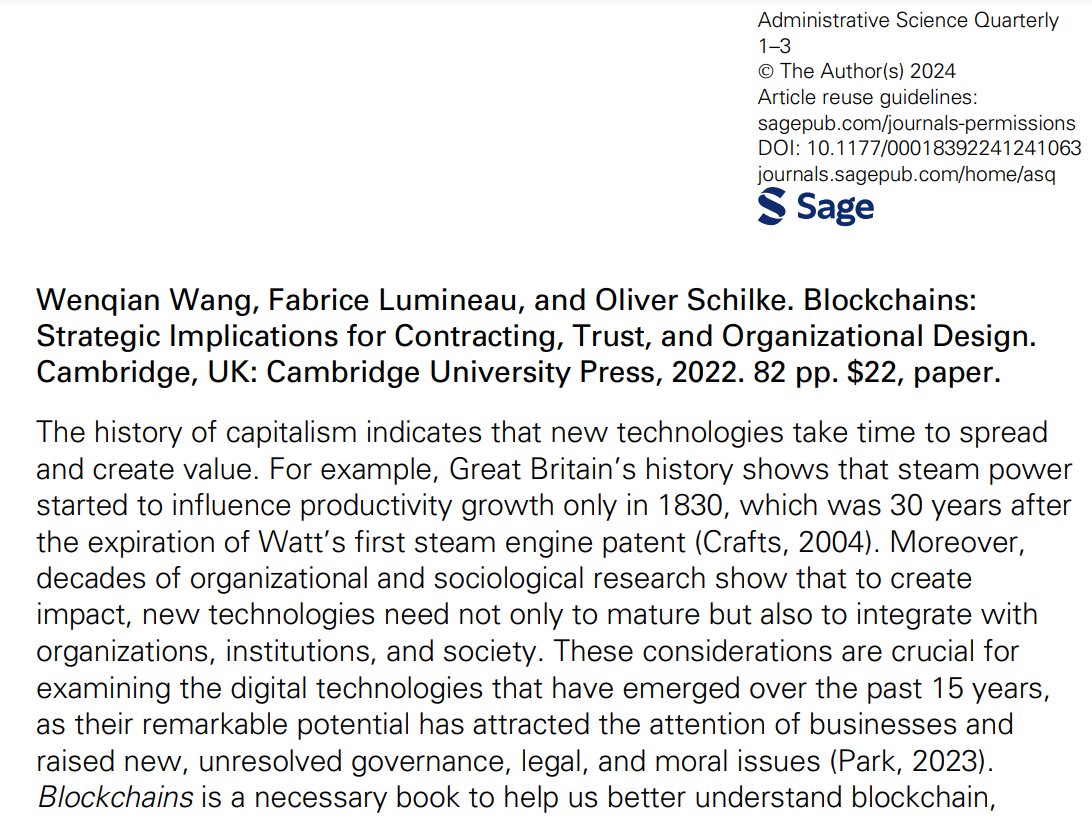
Delighted to read such a positive review of our @CambridgeUP book on #blockchains! Available here: journals.sagepub.com/doi/abs… #trust #digitalinnovation #organizationdesign
9
429

21 Aug 2023
Check out my latest article: Resolving confusion about #organizationdesign, the #operatingmodel and organization capability linkedin.com/pulse/resolving… (article 2 of 6) via @LinkedIn @HRCurator @Max_Blumberg @david_green_uk @CEOusc @USCMarshall
2
3
282

14 Aug 2023
10 principios del diseño organizacional
Estas pautas fundamentales, extraídas de la experiencia, pueden ayudarte a remodelar tu organización para que se ajuste a tu estrategia comercial.
#StrategyandBusiness #PwC #OrganizationDesign
buff.ly/2EHFJHI
4
7
655
1 Aug 2023
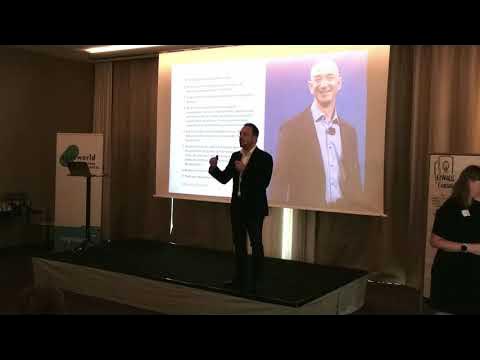
How can a global manufacturer with tens of thousands of employees thrive in turbulent times? Haier went through 4 decades of strategy, business, and organizational reinvention rewriting management @absolutesubzero
buff.ly/43CvD6L
#Video #Agile #3EO #OrganizationDesign
2
2
240

25 Jul 2023
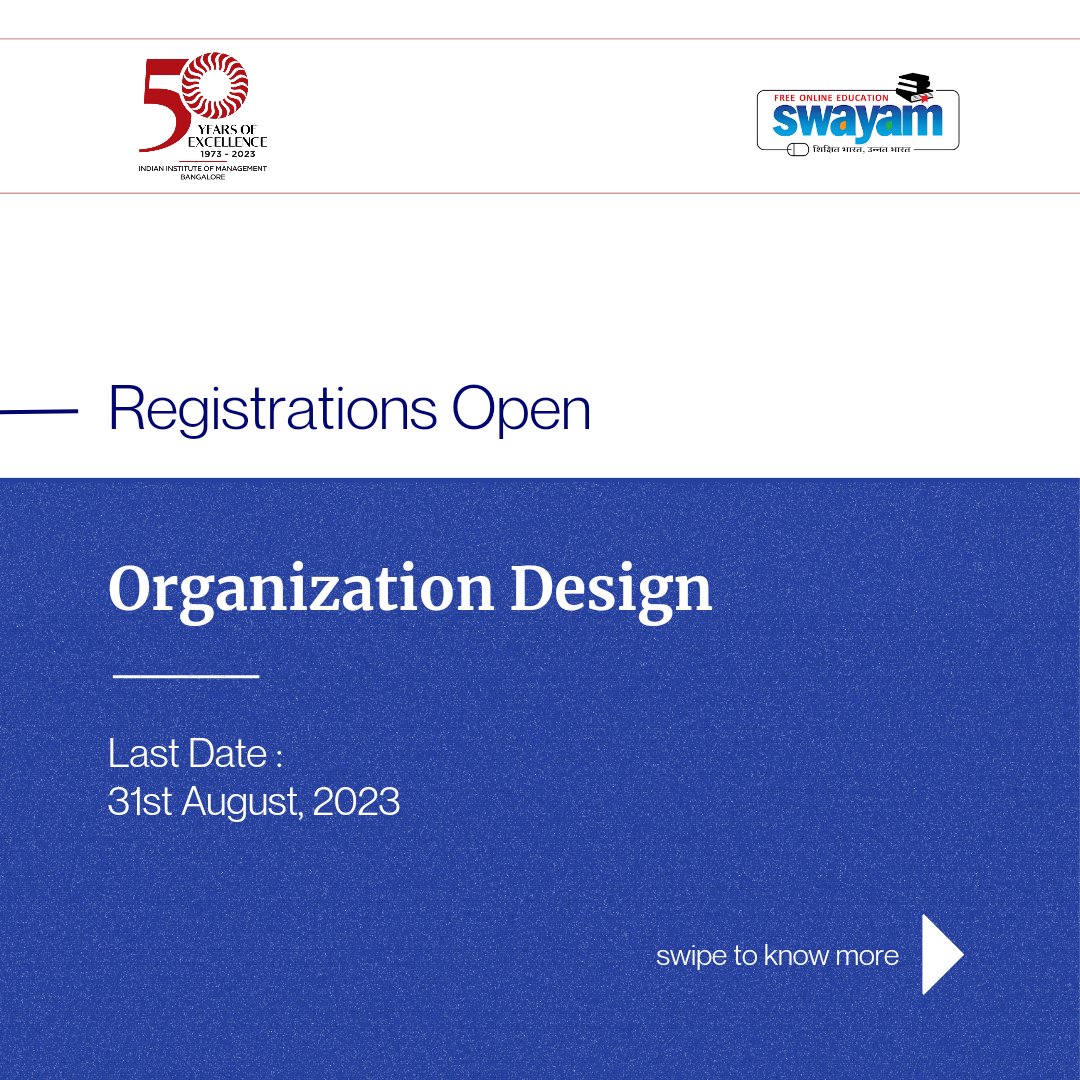
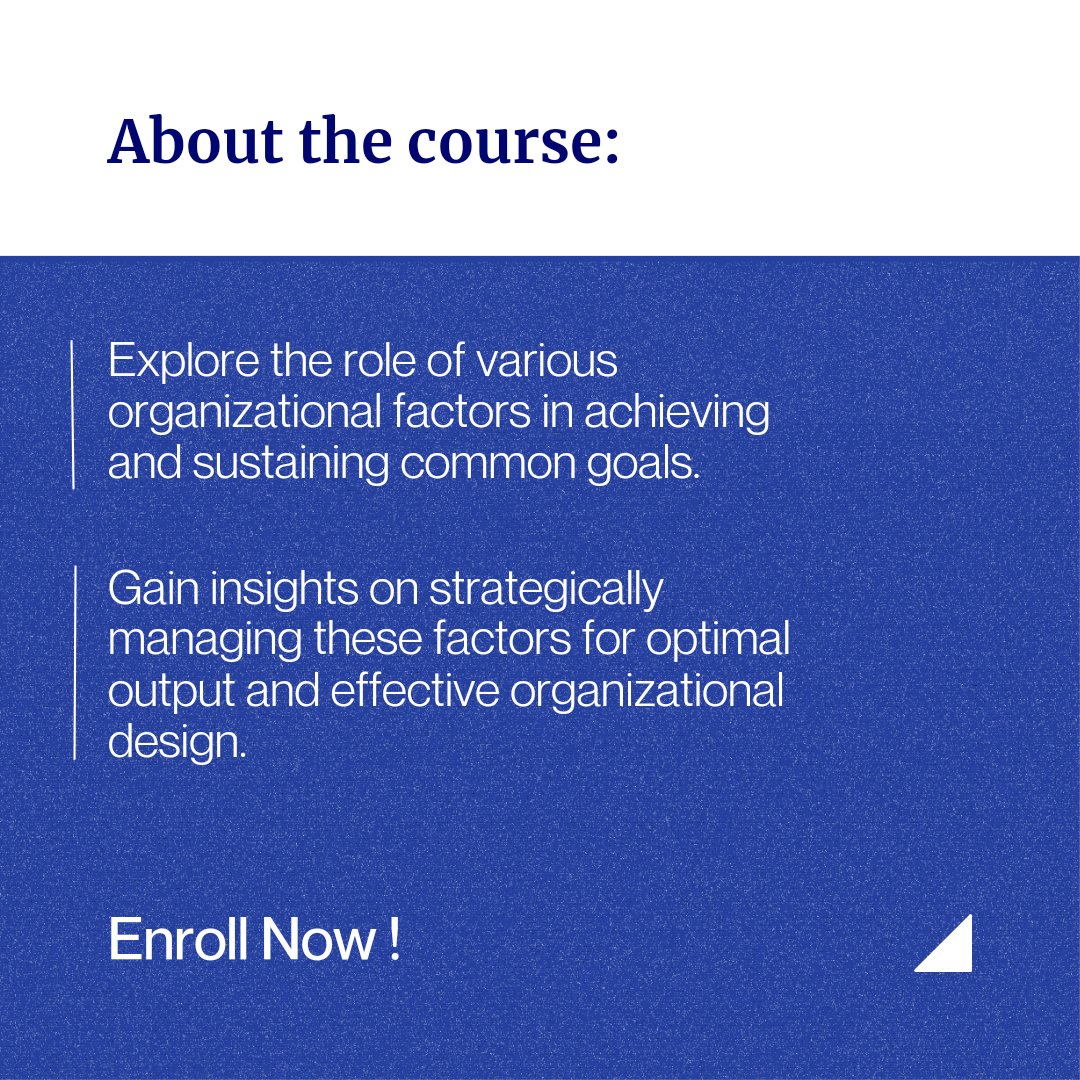
🏢 Ready to Optimize Your Organization? 🎯🔍
Join the "Organization Design" course to uncover the secrets of achieving common goals and maximising output through strategic management.
Enrol now: onlinecourses.swayam2.ac.in/…
@SWAYAMMHRD @iimb_official
#OrganizationDesign #IIMBx
2
381