
Redefining Biotech with Bio Protocol
The biotech industry has always faced the same obstacles: slow funding cycles, centralized decision-making, and limited access to early innovation. Breakthroughs that could save lives are often delayed not because of science, but because of outdatedsystems.
@BioProtocol introduces a new model: BioDAOs decentralized biotech organizations thattg align capital, governance, and innovation in one ecosystem.
How It Works
1️⃣ Community Curation: Holders of $BIO can stake tokens to highlight and approve the most promising biotech projects. The community, not a gatekeeper, decides which ideas deserve attention.
2️⃣ Fair Access to Funding: Once a BioDAO is approved, it can raise resources directly from the community. Early supporters gain entry to BioDAO tokens at discounted ratesdemocratizing opportunities usually reserved for insiders.
3️⃣ On-Chain Liquidity: $BIO acts as the liquidity backbone, powering smooth trading of BioDAO tokens while generating fees that strengthen the ecosystem.
4️⃣ Milestone-Linked Rewards: Instead of blind funding, BioDAOs set scientific milestones. As progress is achieved, contributors unlock incentives, ensuring accountability every step of the way.
5️⃣ AI-Powered Research (BioAgents): To accelerate breakthroughs, Bio Protocol integrates BioAgents AI tools that assist with hypothesis generation, experiment design, and data analysis. This means faster, smarter, and more efficient R&D.
Why It Matters
With @BioProtocol, biotech research becomes transparent, collaborative, and globally accessible. It shifts power from institutions to communities making sure the next generation of biotech innovation isn’t trapped in labs or waiting on bureaucracy.
The mission is simple: open science, open funding, open future.

BioProtocol is building the future of biotech on-chain
Biotech breakthroughs often stall because of outdated funding models. @BioProtocol changes that with BioDAOs, decentralized biotech collectives that align capital, governance, and innovation.
🔹 Stake $BIO to help surface the most impactful research.
🔹 Fund BioDAOs early and gain access to tokens at discounted entry.
🔹 Enable liquidity as $BIO fuels trading and rewards.
🔹 Track milestones so progress = accountability.
🔹 Leverage BioAgents, AI assistants that accelerate discovery and design.
34
1
32
362

12 May 2025
Many environments face #security gaps due to #poorvisibility, harsh conditions, or #outdatedsystems.
ATHENA solves this with #AI-powered #perimeterprotection, delivering real-time detection, fewer false alarms, & full coverage in any setting. Contact us: bit.ly/4leF4mI

2
42

8 May 2025
Legacy systems weren’t designed for real-time collaboration, remote teams, or today’s data needs. This article dives into why change is overdue. bit.ly/4cf9DVh
#DigitalFinance #OutdatedSystems #JustSayGo #CloudERPNow
4
73

12 Feb 2025
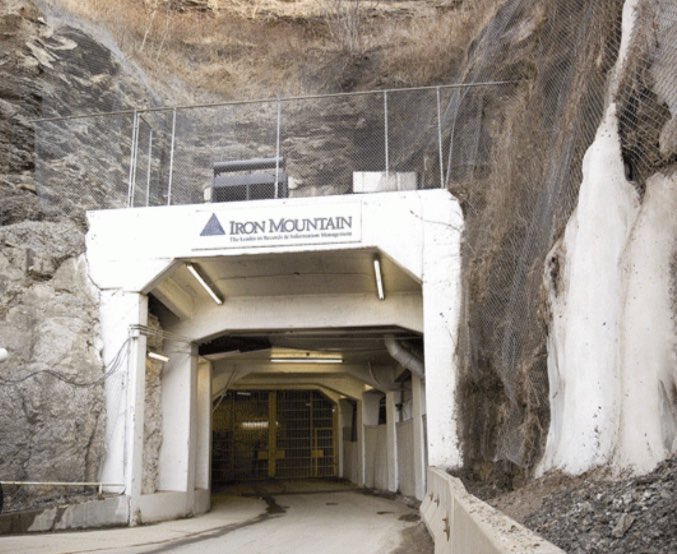
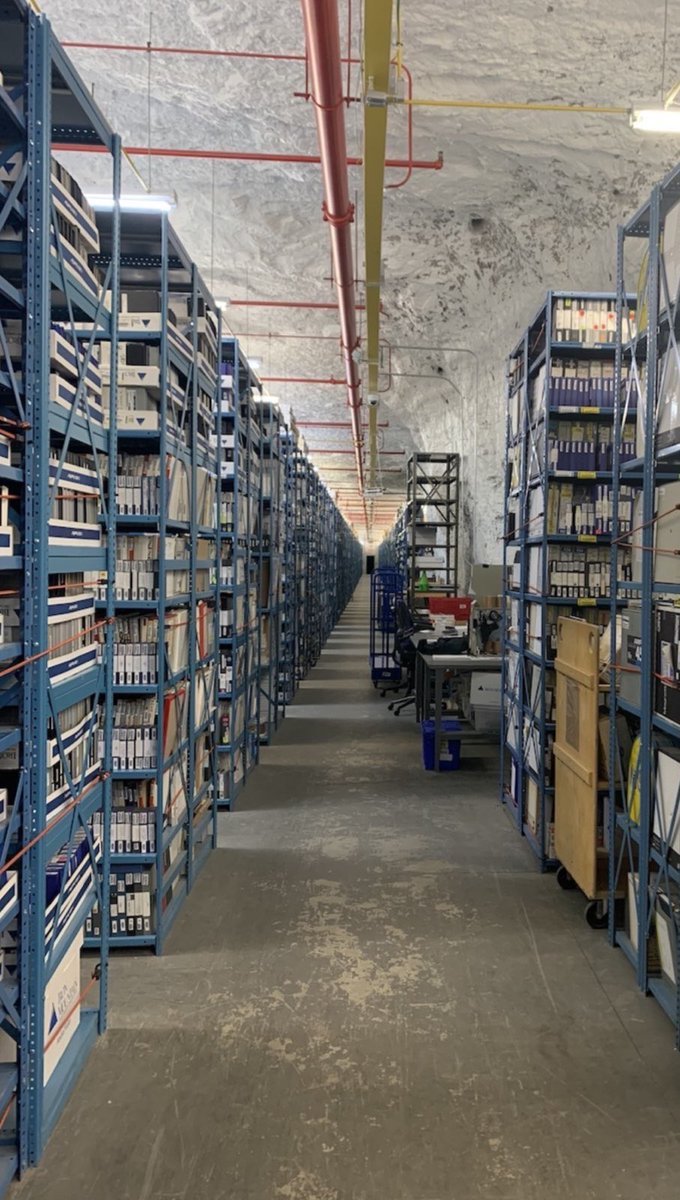
FACT CHECK: On the claims that federal employee retirements are processed manually using paper records stored in an old limestone mine in Pennsylvania, specifically Iron Mountain, and that the process takes multiple months.
Fact-Checking & Analysis:
1.Iron Mountain’s Role in Records Storage:
•The facility shown in the left image is an entrance to Iron Mountain’s underground storage facility in Pennsylvania.
•Iron Mountain is a well-known private company specializing in secure document storage, data backup, and information management for both government and private organizations.
•It does house a massive archive of federal records, including those related to personnel and retirement.
2.Federal Retirement Processing & Manual Paperwork:
•The U.S. Office of Personnel Management (OPM) processes federal employee retirement claims.
•OPM has long struggled with modernizing its retirement processing system and still relies on a significant volume of paper records.
•These paper files are often stored in Iron Mountain’s facility and retrieved manually for processing.
•While some digital efforts exist, the bulk of federal retirements are still handled through physical paperwork, which significantly slows down the process.
3.700 Workers & Processing Time:
•The claim that 700 mine workers operate 230 feet underground to process ~10,000 applications per month is misleading.
•The facility itself houses workers, but they are primarily responsible for storage, retrieval, and logistics… not direct processing of retirement applications.
•OPM employees, not Iron Mountain workers, handle actual processing, typically from federal offices.
•The average processing time for a federal retirement claim is around 3-6 months, depending on complexity and backlogs.
4.Implications of a Paper-Based System:
•OPM has faced criticisms for decades over its reliance on an outdated, manual system.
•Efforts to modernize retirement processing have repeatedly stalled due to funding, logistical, and bureaucratic challenges.
•Transitioning to a fully digital system would require scanning decades of existing paper files and integrating legacy record-keeping systems.
Verdict on the Claim:
•Mostly True but extremely and deliberately misleading in some details.
•True: Federal retirement processing still heavily relies on paper records, many of which are stored in Iron Mountain. The process can take months.
•Misleading: The 700 workers mentioned in the claim are not all dedicated to retirement processing. They are mainly responsible for all record storage and retrieval.
•Exaggerated: The idea that all processing happens “underground” is a wild oversimplification… records are retrieved from the mine, but retirement claims are processed by OPM employees in offices elsewhere.
Final Comment:
This highlights a broader issue: the U.S. government’s struggle with digital transformation in critical administrative processes. While Iron Mountain plays a role in securing and managing government records, retirement processing delays stem from outdated workflows rather than just the storage location itself.
#FactCheck #Fact_Check #Misinformation #GovernmentEfficiency #Bureaucracy #Paperwork #IronMountain #RetirementProcessing #FederalEmployees #OutdatedSystems #DigitalTransformation #RecordKeeping #Modernisation #Doge 🚨📄📂🏢⏳📊
Your support matters! Liking, following, and reposting helps us reach a wider audience and improves our visibility on the platform. This engagement allows us to continue providing accurate and reliable fact-checking. Thank you for supporting our work!
11 Feb 2025

Federal employee retirements are processed using paper, by hand, in an old limestone mine in Pennsylvania. 700 mine workers operate 230 feet underground to process ~10,000 applications per month, which are stored in manila envelopes and cardboard boxes. The retirement process takes multiple months.
2
317

10 Dec 2024
🤔Why is government tech so outdated? They've had enough tax dollars spent to upgrade to the gills!!
Elon Musk pointed out how antiquated government computer systems are and says that’s why they can’t pass audits. Imagine how computer literate today’s staff is—yet somehow, the money keeps “disappearing,” especially at the highest ranks with top-level clearance who could tinker figures here and there then poof no one knows the better. Makes you wonder if to them, it’s really broken at all....
Yall reckon they’ll actually upgrade this time around? 🤔
#ElonMusk #GovernmentTech #AuditFailures #Transparency #OutdatedSystems #TaxDollars #Accountability #WhereIsTheMoney #FederalOversight #TechModernization

2
231

10 Dec 2024
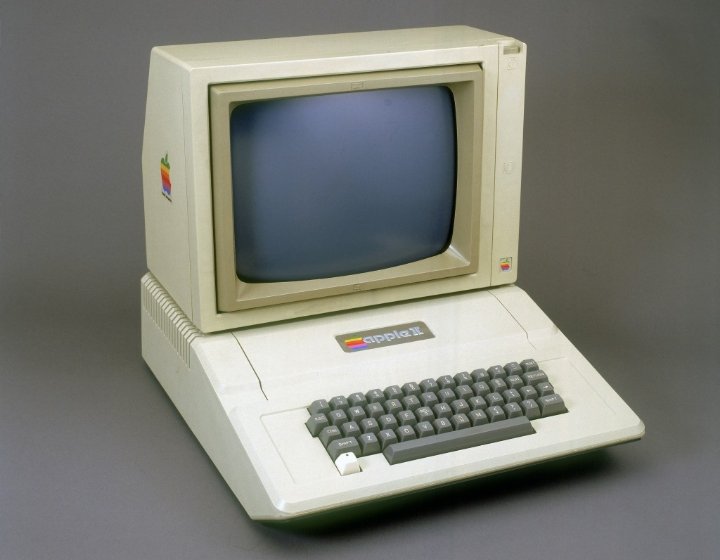
Imagine the nuclear systems and social security relying on these outdated systems some sources say some are still using floppy disks. This is not only inefficiency and waste of tax payer money but also risk to security & service delivery. Why aren't they upgrading ?? #govtech #outdatedsystems
4
1
10
4,358

23 May 2024
Transforming Injustice: A Radical Approach to Rebuilding Infrastructures
#TransformingInjustice #RebuildingInfrastructures #OutdatedSystems #CreatingChange #RadicalApproach #ThoughtProvoking #SocialImpact #DismantleAndReimagine #SmallChanges #SystemicChange
1
1
114

2 Oct 2019
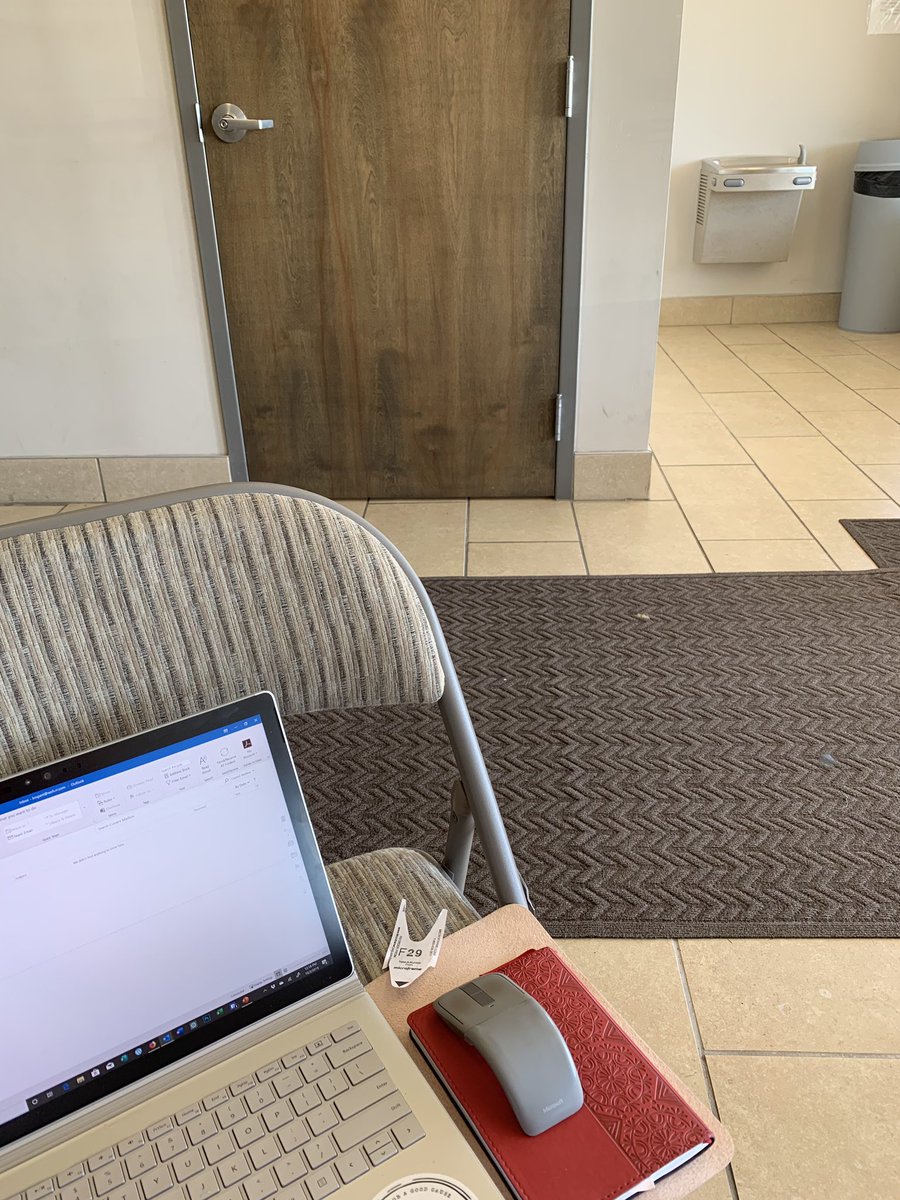
Welcome to my new home office at the BMV. To transfer a tag for $4.50. 1.5 hr wait. @LtGovHusted @Ohio_BMV We must automate our systems in this state. #outdatedsystems #lean #whyhaveawebsite
2
2

1 Feb 2016
Would love to vote in the primaries buttttttr Nebraska is a caucus state so I guess not🙄🙄🙄 #outdatedsystems
4

21 Jan 2016

4