Just some dude no one should care about. retweeted

Words like “racism” and “pride” are just magical words using pathos to override logos, triggering feeling before thought. Media, schools, HR, journalism, etc., have all installed this operating system into people, and pre frames who is a victim and who is a villian.
It's a scam.
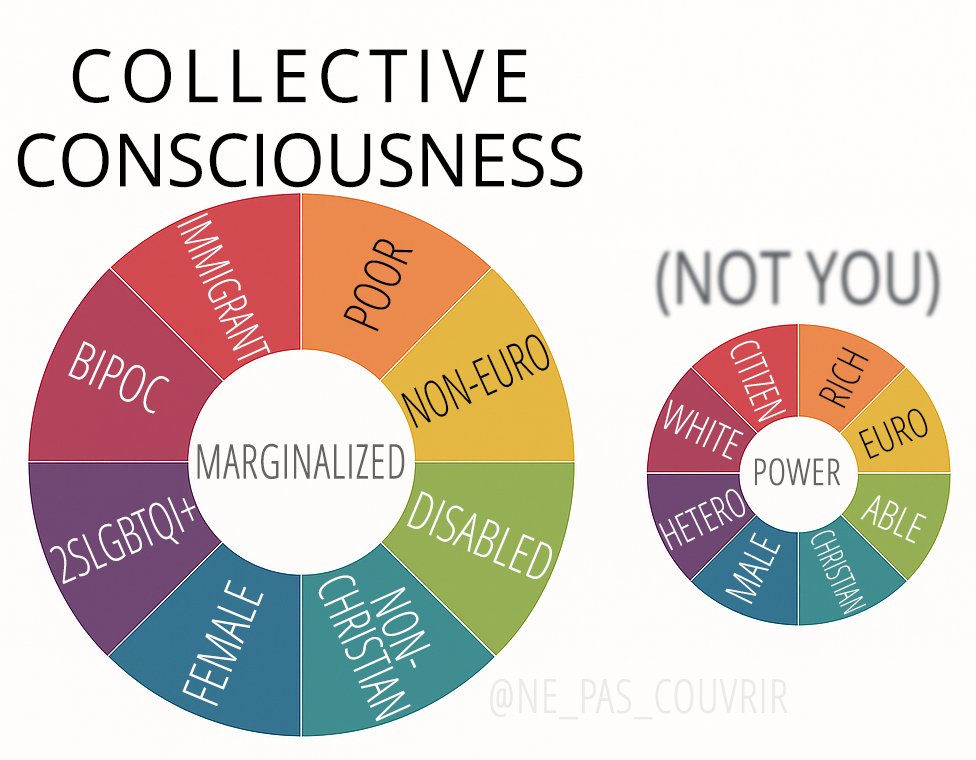

Racism this. Racism that. People are getting fatigued with mainstream media's fixation with racism and how it is used to justify free-riding, permissiveness, and irresponsibility. Believe it or not, discourse about racism neither exhausts nor should exhaust political discourse.
5
43
118
4,302

Xilix just wow! Your design has such pathos and quiet beauty. I always get stopped in my tracks when I see it. What a wonderful portrait, thanks so much for showing me!
1
1
5

C'est incroyable comment elle sadise les élèves, je n'arrive pas à interpréter son attitude... mais il y a du pathos dans l'air🫥
1
8


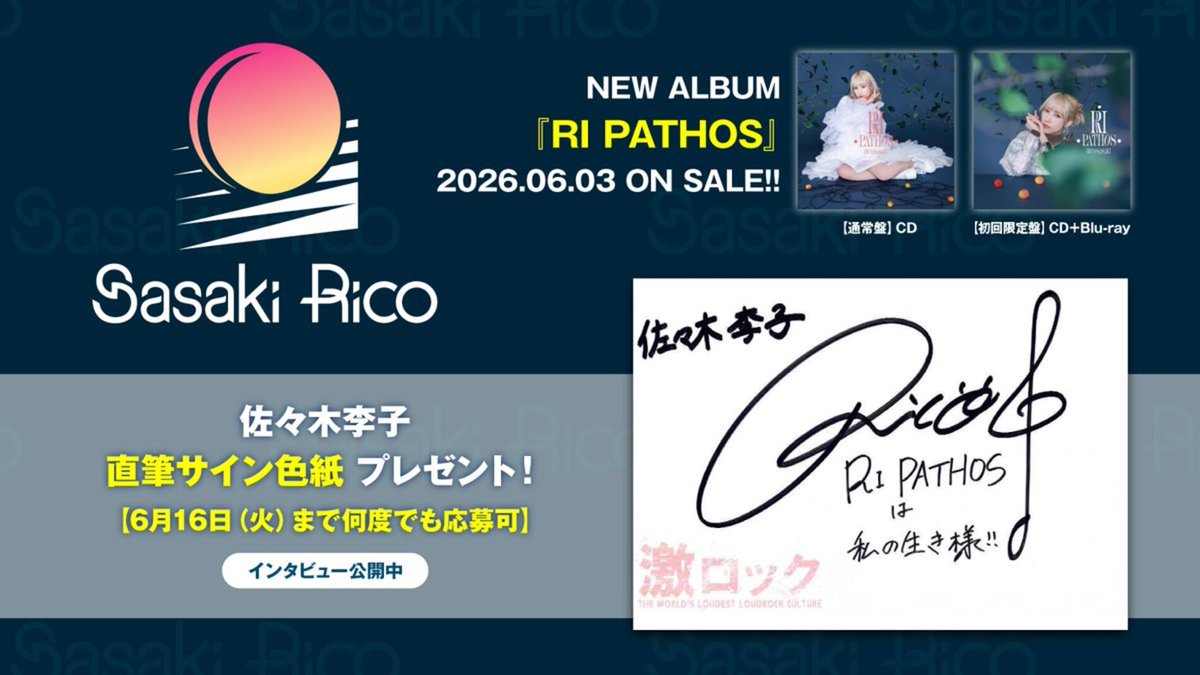
【フォロー&RPで応募】
#佐々木李子 直筆サイン色紙プレゼント!
声優としても活躍するシンガー 佐々木李子の人生の"小道"を描き出した、ラウドロックな自伝的フル・アルバム『RI PATHOS』に迫るインタビュー公開中!
【6/16まで何度でも応募可】
#リコパトス
gekirock.com/news/2026/06/sa…
5
890
447
21,134

I realise that guinea pig breeders overwhelmingly have the same insane pathos as human breeders
4

UnknownOne retweeted

You are good at using pathos, but you get a minus at logos. Your entire point is a fallacy. Being kind has nothing to do with the situation on the ground, when an entire nation, with its culture and norms and values, is being destroyed and replaced by often hostile strangers.
1
3
49


Logos. Ethos. Pathos...no match for Mythos.
23 Apr 2025

We've already gone over some event horizon.
Things may be artificially slowed at this stage to mitigate the deep impact.
Ai is allowing shifts in weeks and months we may have previously reserved for years and decades.
1
7

Gerade läuft: Chöre & Orchester der Arbeiterfestspiele der DDR — Auferstanden aus Ruinen (grün).
Ein Lied aus einem verschwundenen Staat. Was bleibt von solchen Hymnen, wenn die Systeme hinter ihnen kollabieren? Geschichte, Pathos oder Mahnung?
Was hört ihr darin?
#BacklinkBroadcast #Geschichte
1
18

Key Rhetorical Devices
Here are the main devices, with examples from the text:
Portmanteau / Neologism ("Schisters")
A clever blend of "Sisters" "schismatics." This is efficient, memorable name-calling that embeds the central accusation directly into the group's name. It rhetorically delegitimizes them from the first word, signaling to readers familiar with Catholic terminology that these are not legitimate religious sisters in the full ecclesial sense.
Concession (Concessio)
"Yes, it looks pious and traditional."
This is one of the strongest moves. By proactively acknowledging the obvious appeal of the video (traditional habits, pious classroom setting, disciplined students), the OP appears balanced and reasonable rather than reactive. It preempts the counterargument ("But they look so Catholic!"), builds ethos, and makes the subsequent pivot more persuasive.
Theological Allusion Personification of Evil
"The Devil knows many will be swayed by externalities..."
This draws on classic Christian imagery of spiritual deception (e.g., Satan as an "angel of light," wolves in sheep’s clothing). It personifies the Devil as a cunning strategist who exploits human attraction to beauty and piety. This elevates the issue from aesthetic preference or group preference to spiritual warfare, invoking pathos through the fear of being deceived into schism (a grave matter in Catholic moral theology).
Contrast / Antithesis (Form vs. Substance)
The post sets up a clear opposition between outward appearance ("looks pious and traditional," "externalities") and the implied deeper reality (schism and rejection of legitimate authority). This is a longstanding rhetorical and theological device that prioritizes substance (fidelity to the Church’s visible structure) over attractive externals.
Universality / Broadening
"...both left and right."
This prevents the warning from being dismissed as narrow partisanship within traditionalist circles. It frames susceptibility to "externals" as a general human weakness, positioning the OP as offering objective spiritual advice rather than factional critique.
Imperative Brevity for Urgency
"Do not promote..." and "Beware."
Short, direct commands create authority and urgency. The entire post is punchy and Twitter-optimized — one prohibition, one concession, one theological explanation, one final warning.
18