
Jun 13
Truth is you may allot the entire n-pdsp budget to us if you feel so generous it won't change anything except for exposing you & harming other prc becz by your own made policies you know we are in no position to spent this money due to your selection of corrupt, incompetent gov
1
38
Jun 13
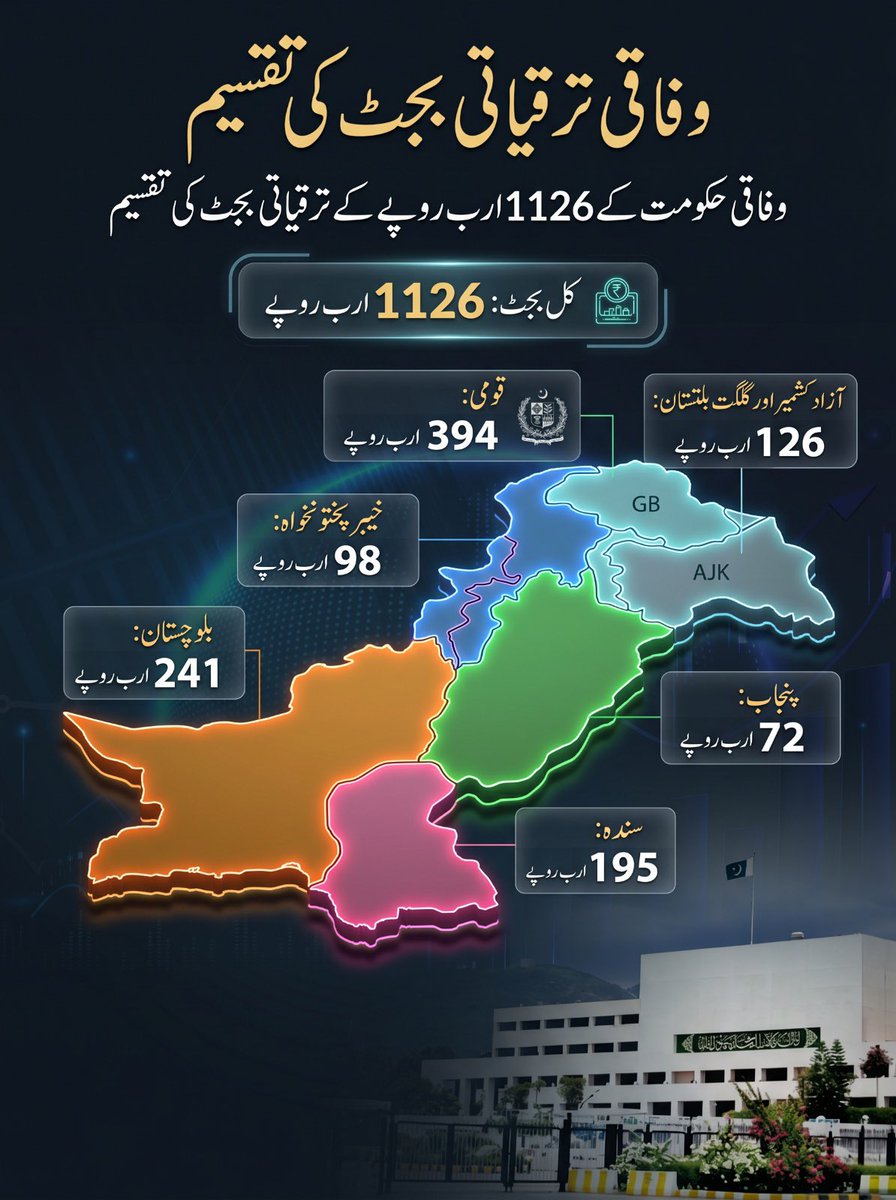
I saw it & and started wondering if 241 billion allegedly were allotted to us by pakistan & our own pdsp allegedly accounts for nearly 350 billion & with that we receive 25-35 billion through foreign aid & also no cut on our budget has been agreed upon for defense.

1
104

Jun 13
وجودك🌾🦁🌾 تعال لا يفوتك الحصري ! كاش يد بيد جد👉🇷🇺🏡🇸🇦👉
#كاش_الرياض
#سالب_الرياض
#موجب_جدة💃
🍼🤼♂️🗽 wa.me/ 966590312651
🥔🎣🛴 wa.me/ 966590312651
pDsP

34

حکومت کے پاس کوئی راستہ نہیں کہ بجٹ پر پی پی کے تحفظات کو سیریس لے اور خاص طور پر سندھ میں کراچی سکھر موٹروے کو ترجیح دے اور اس کے علاوہ منصفانہ تقسیم کرے PDSP سے۔ ورنہ پچھلے بجٹوں پہ نظر کریں پنجاب ہی ترجیح رہا ہے
7
Bejar Información retweeted

La PDSP de #Béjar y comarca se suma a la movilización de la Marea Blanca en #Salamanca
🏥 El colectivo participará en la protesta para reclamar mejoras en la atención sanitaria y denunciar la situación del sistema público
bejar.eu/la-pdsp-de-bejar-y-…

1
1
52

May 8
PDSPは学生向けのプログラムでした。
でも、必要としていたのは学生だけではありません。
周辺地域の障害者からも支援を求める声が増え、学生以外を支える仕組みが必要になっていきます。
May 7

1960年代、アメリカ。 車いすに乗り、巨大な呼吸器と共に生きたエド・ロバーツは、自らの障害を隠しませんでした。
彼は障害を堂々とさらけ出すことで、 「なぜ社会は、これを問題として見るのか?」と、聴衆に問いを突きつけたのです。
身体への偏見を学び直し、社会の見方を根底からひっくり返す。 SY2Kが大切にしているこの哲学の原点を、5月16日、オンラインで紐解きます。
5月16日(土) 14:00〜(開始時間が変更になりました)
トークセッションテーマ
「障害者の歴史:エド・ロバーツとCIL」
講師:吉沢 × ゲスト
福祉に従事する方も、全くの未経験の方も。 「当たり前」を疑い、新しい視点を手に入れる1時間を共に過ごしましょう。
お申し込みはこちらから docs.google.com/forms/d/e/1F…
1
2
32
May 8
PDSPの考え方で重要なのは、「障害者自身が自分たちのニーズを最もよく知っている」という前提です。
支援の専門家が一方的に決めるのではなく、当事者が必要な支援を組み立てていく。
ここにCILの原型があります。
May 7
1960年代、アメリカ。 車いすに乗り、巨大な呼吸器と共に生きたエド・ロバーツは、自らの障害を隠しませんでした。
彼は障害を堂々とさらけ出すことで、 「なぜ社会は、これを問題として見るのか?」と、聴衆に問いを突きつけたのです。
身体への偏見を学び直し、社会の見方を根底からひっくり返す。 SY2Kが大切にしているこの哲学の原点を、5月16日、オンラインで紐解きます。
5月16日(土) 14:00〜(開始時間が変更になりました)
トークセッションテーマ
「障害者の歴史:エド・ロバーツとCIL」
講師:吉沢 × ゲスト
福祉に従事する方も、全くの未経験の方も。 「当たり前」を疑い、新しい視点を手に入れる1時間を共に過ごしましょう。
お申し込みはこちらから docs.google.com/forms/d/e/1F…
1
3
34
May 8
車いすが壊れたら、授業に行けない。
介助者が見つからなければ、朝起きることも難しい。
PDSPのサービスを見ると、自立生活とは抽象的なスローガンではなく、日々の生活条件を整える実践だったことが分かります。
May 7
1960年代、アメリカ。 車いすに乗り、巨大な呼吸器と共に生きたエド・ロバーツは、自らの障害を隠しませんでした。
彼は障害を堂々とさらけ出すことで、 「なぜ社会は、これを問題として見るのか?」と、聴衆に問いを突きつけたのです。
身体への偏見を学び直し、社会の見方を根底からひっくり返す。 SY2Kが大切にしているこの哲学の原点を、5月16日、オンラインで紐解きます。
5月16日(土) 14:00〜(開始時間が変更になりました)
トークセッションテーマ
「障害者の歴史:エド・ロバーツとCIL」
講師:吉沢 × ゲスト
福祉に従事する方も、全くの未経験の方も。 「当たり前」を疑い、新しい視点を手に入れる1時間を共に過ごしましょう。
お申し込みはこちらから docs.google.com/forms/d/e/1F…
1
2
63
May 8
PDSPが担った支援は、とても具体的です。
介助者紹介、緊急介助、車いす修理、制度利用の支援、授業や試験をめぐる調整。
理念だけでなく、「明日どう大学に行くか」を支える仕組みでした。
May 7
1960年代、アメリカ。 車いすに乗り、巨大な呼吸器と共に生きたエド・ロバーツは、自らの障害を隠しませんでした。
彼は障害を堂々とさらけ出すことで、 「なぜ社会は、これを問題として見るのか?」と、聴衆に問いを突きつけたのです。
身体への偏見を学び直し、社会の見方を根底からひっくり返す。 SY2Kが大切にしているこの哲学の原点を、5月16日、オンラインで紐解きます。
5月16日(土) 14:00〜(開始時間が変更になりました)
トークセッションテーマ
「障害者の歴史:エド・ロバーツとCIL」
講師:吉沢 × ゲスト
福祉に従事する方も、全くの未経験の方も。 「当たり前」を疑い、新しい視点を手に入れる1時間を共に過ごしましょう。
お申し込みはこちらから docs.google.com/forms/d/e/1F…
1
2
41
May 8
1970年、UCバークレーでPDSP(身体障害学生プログラム)が始まります。
これは、障害学生自身が中心となって、障害学生の大学生活を支えるプログラムでした。
CILにつながる重要な前段階です。
May 7
1960年代、アメリカ。 車いすに乗り、巨大な呼吸器と共に生きたエド・ロバーツは、自らの障害を隠しませんでした。
彼は障害を堂々とさらけ出すことで、 「なぜ社会は、これを問題として見るのか?」と、聴衆に問いを突きつけたのです。
身体への偏見を学び直し、社会の見方を根底からひっくり返す。 SY2Kが大切にしているこの哲学の原点を、5月16日、オンラインで紐解きます。
5月16日(土) 14:00〜(開始時間が変更になりました)
トークセッションテーマ
「障害者の歴史:エド・ロバーツとCIL」
講師:吉沢 × ゲスト
福祉に従事する方も、全くの未経験の方も。 「当たり前」を疑い、新しい視点を手に入れる1時間を共に過ごしましょう。
お申し込みはこちらから docs.google.com/forms/d/e/1F…
1
2
58

May 5
Yeah no. This is historical distortion as Akbayan was notably suppressed during the GMA years with even Risa Hontiveros being arrested at a protest. You are conflating the work of PDSP and Akbayan which had very different opinions of GMA. Look at the BISIG website.

The issue is that Akbayan at the time particularly when it was under the leadership of Walden Bello and Etta Rosales is that they were directly working with and/or doing the bidding of the GMA regime, particularly when they worked with Norberto Rosales back when they headed-
4
15
75
16,133

OmniBind: Proteome-Wide Promiscuity Predictions for Early-Stage Drug Screening
1. The paper presents OmniBind, a message‑passing neural network that estimates a compound’s mean predicted binding affinity across 15,405 human proteins directly from its SMILES string, achieving roughly one thousand predictions per second—orders of magnitude faster than full proteome profiling.
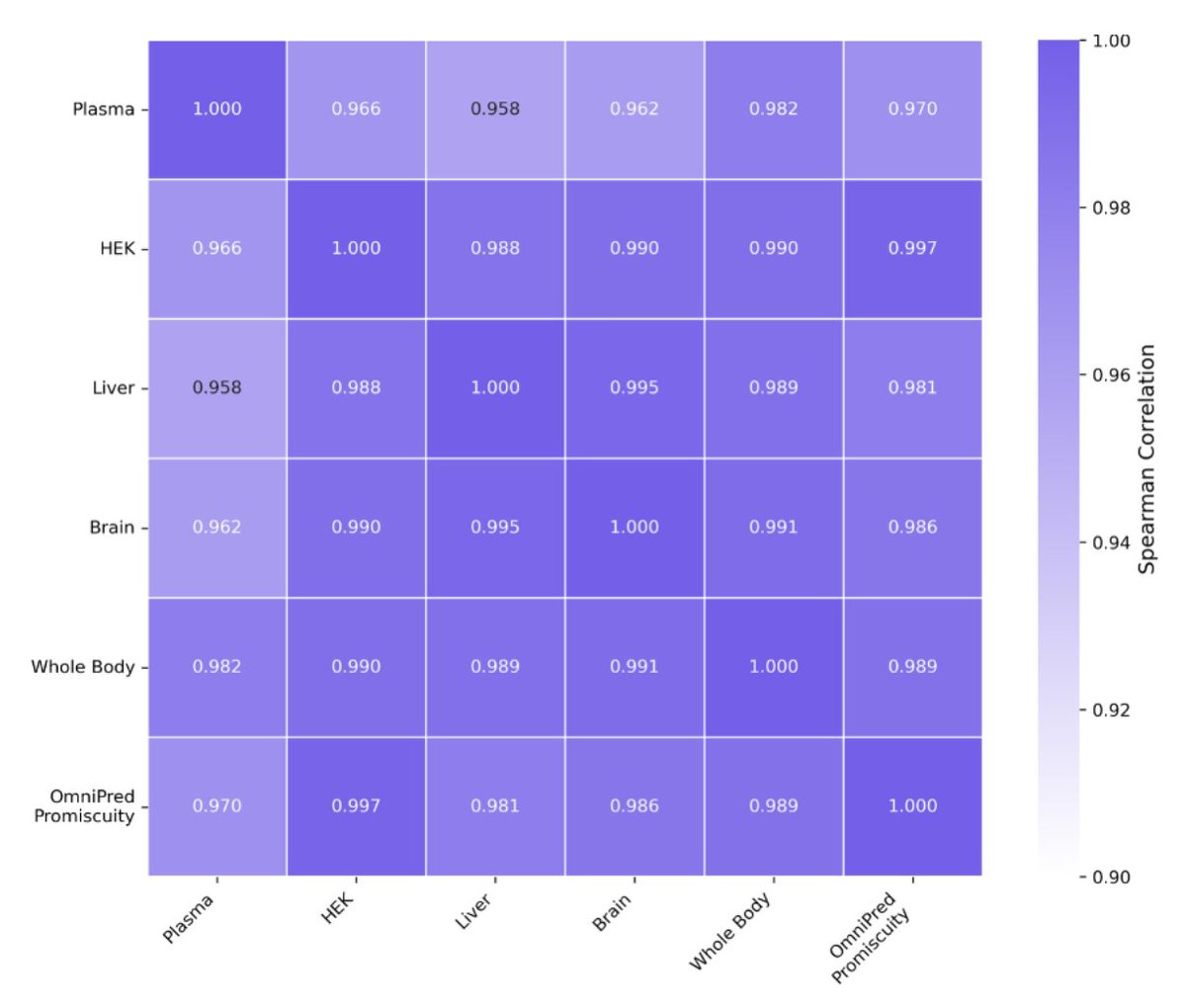
2. Promiscuity is defined as the unweighted average predicted pKD over the proteome; the authors show this metric correlates almost perfectly (Spearman ρ > 0.96) with tissue‑specific, abundance‑weighted formulations, indicating global binding propensity is the dominant factor.
3. OmniBind’s promiscuity scores agree with experimental binding data from ChEMBL, PDSP, and Safety Pharmacology databases at a level approaching assay reproducibility limits, and display a stronger negative correlation with maximum unbound plasma concentration (Cmax) than molecular weight alone, validating its pharmacokinetic relevance.
4. By combining target affinity (from Ligand‑Transformer or other predictors) with the proteome‑wide promiscuity to compute a specificity Z‑score, ranking drugs by specificity consistently outperforms affinity‑only ranking, improving BEDROC and enrichment factors across all thresholds tested.
5. The specificity advantage is robust to the underlying affinity predictor; similar enrichment gains are observed when using SSM‑DTA or Boltz‑2 predictions, and cross‑validation with the Eurofins SafetyScreen panel confirms the generality of the promiscuity signal.
6. FDA‑approved drugs show lower OmniBind promiscuity scores than a matched set of random small molecules (mean 5.75 pKD vs 5.88 pKD, p < 0.001), supporting the idea that early‑stage screening should penalize promiscuity to reduce drug attrition.
7. A publicly accessible web server returns promiscuity, standard deviation, and optional specificity scores within seconds, enabling seamless integration of proteome‑wide off‑target assessment into high‑throughput virtual screening or generative chemistry pipelines.
📜Paper: biorxiv.org/content/10.64898…
#DrugDiscovery #ComputationalChemistry #MachineLearning #Proteomics #OmniBind
4
13
1,518

Mar 19
Mándalos, vos que podes, a la CDSM o a la PDSP. (hay que tener cuidado en estos tiempos)
2
89

Ceo que sí hubo grandes avances, algunas poblaciones lo reconocen.
También incluimos por primera vez el capítulo afro en el PDSP
Por supuesto, es algo que toma años en materializarse, que bueno que avance mas, pero lo que se trabajó en diseñar y discutir esto antes no fue poco
5
186



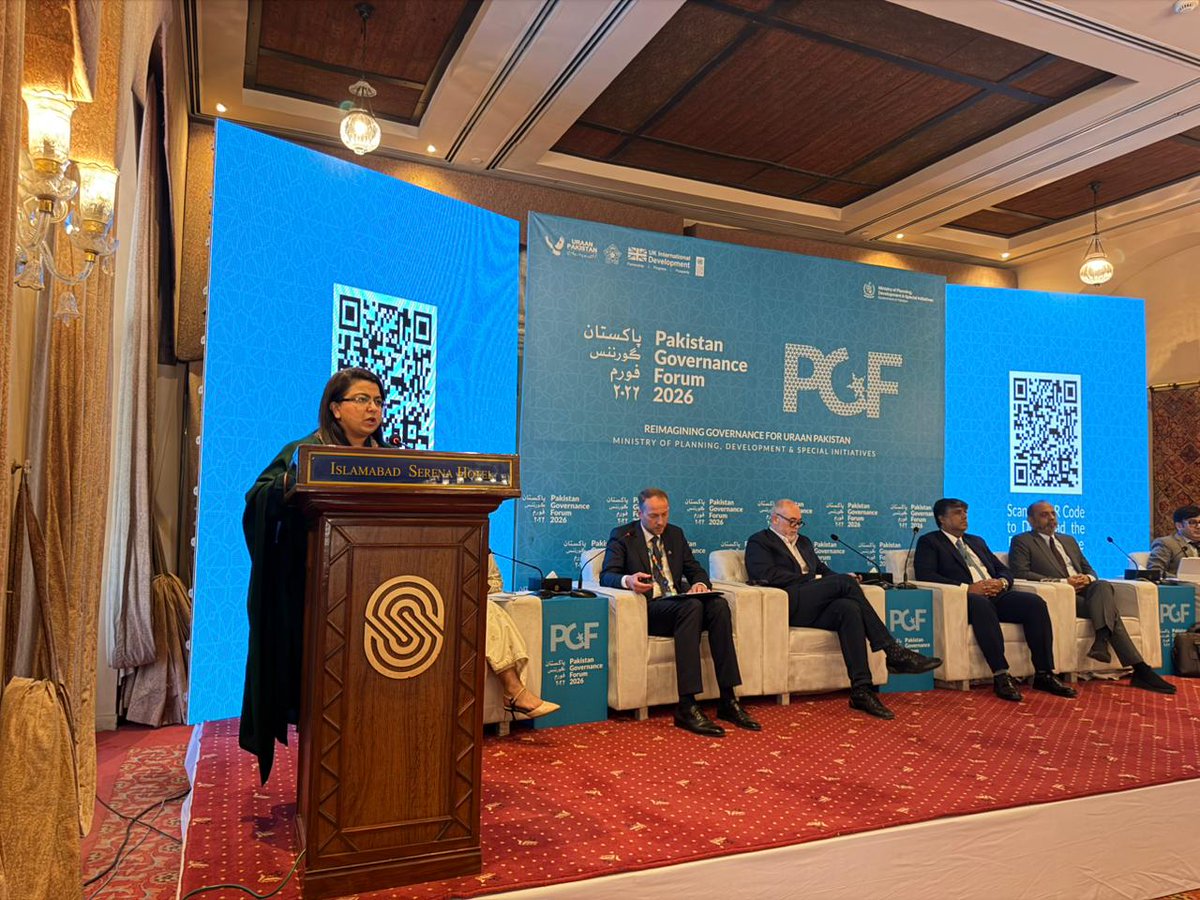
AI won’t replace humans but humans using AI will replace those who don’t.
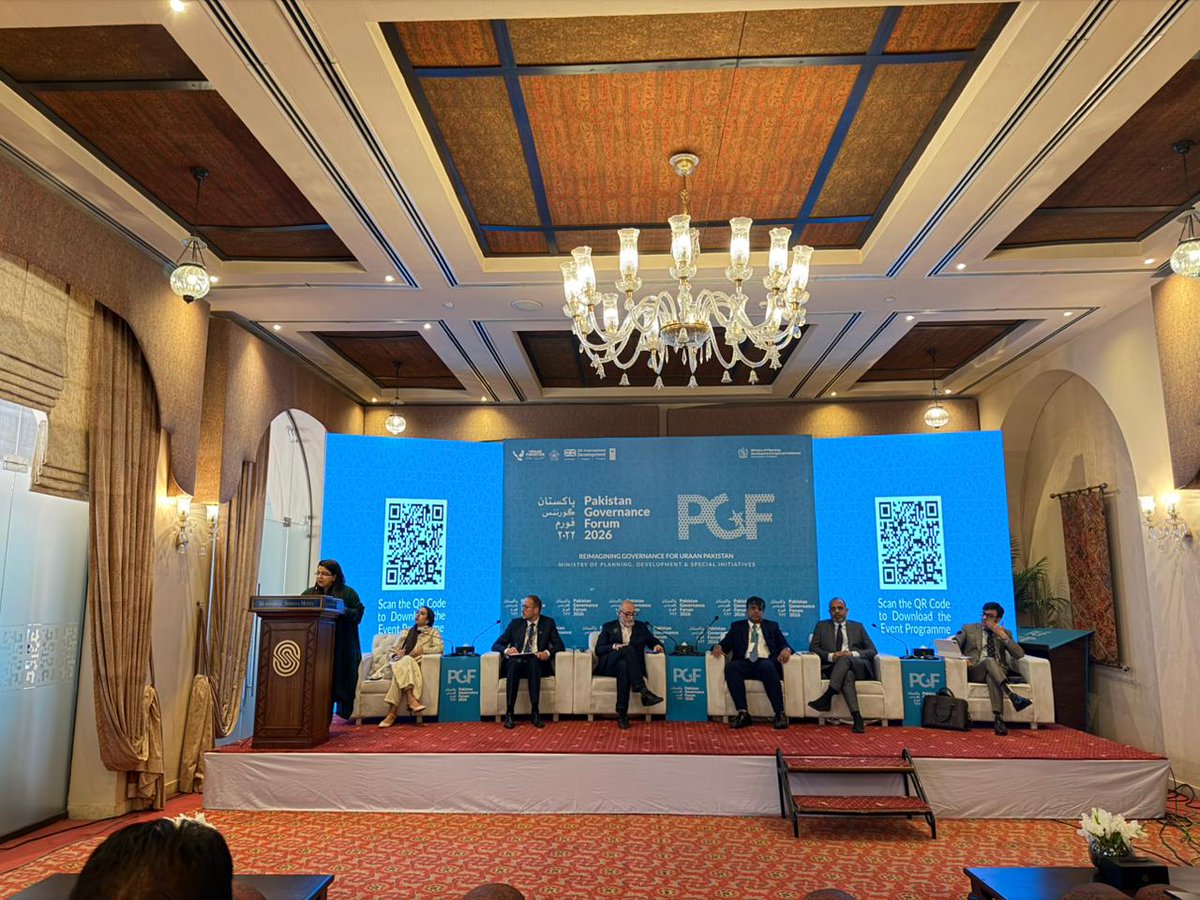
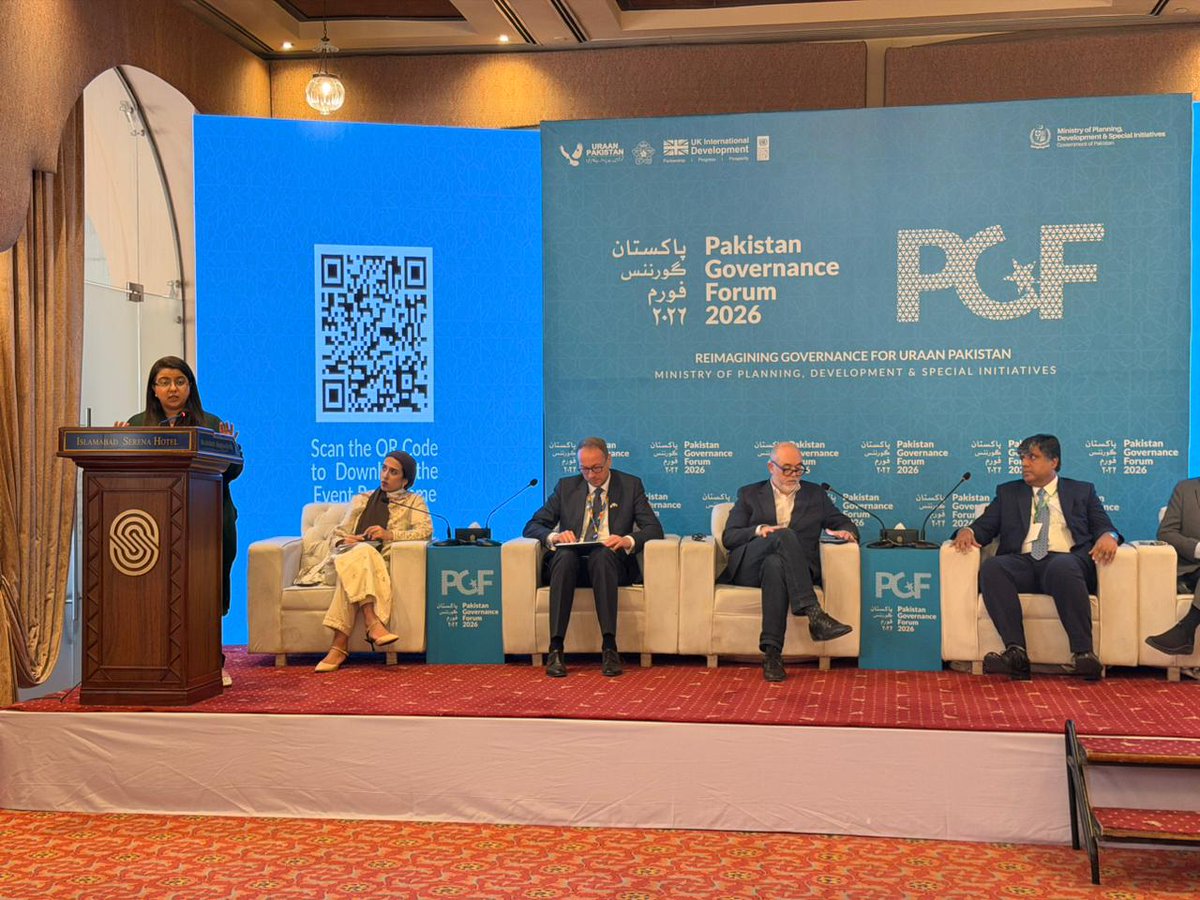
At #PGF2026, the official launch of #PDSP marked a major step in embedding AI into national planning.
Congrats to @PlanComPakistan 👏
@ShazaFK @betterpakistan
#AI #FutureOfWork #DigitalPakistan
3
7
464

Feb 20
De um lado ao outro
É marxista o deputado José María Balcázar, que tomou posse como presidente interino do Peru, após vencer votação no Congresso. Ele substitui José Jerí, do PDSP, partido conservador e cristão.
7
32
1,170

Federation can fund projects under PDSP but only those that can be translated as national projects. I agree with you. But karachi cannot be given such resources until its a part of a province and not a federal territory. Punjab is providing development budget from its own kitty.
3
82

Jan 22
limited to the PDSP Branch and the concerned police station.
The PDSP Branch is a legal wing of the Islamabad Police established at District Courts Islamabad, where lawyers and litigants are able to get verified copies of FIRs registered against accused persons. 3/3
8
23
7,485
Jan 22
PDSP Branch of District Courts Islamabad and to take all staff working there, with the exception of DSP Naeem Yousaf, for investigation to agency's office.
The FIR against Advocate Imaan Mazari and Advocate Hadi Ali Chatha had been allegedly sealed, and knowledge of it was 2/3
1
7
23
7,795