
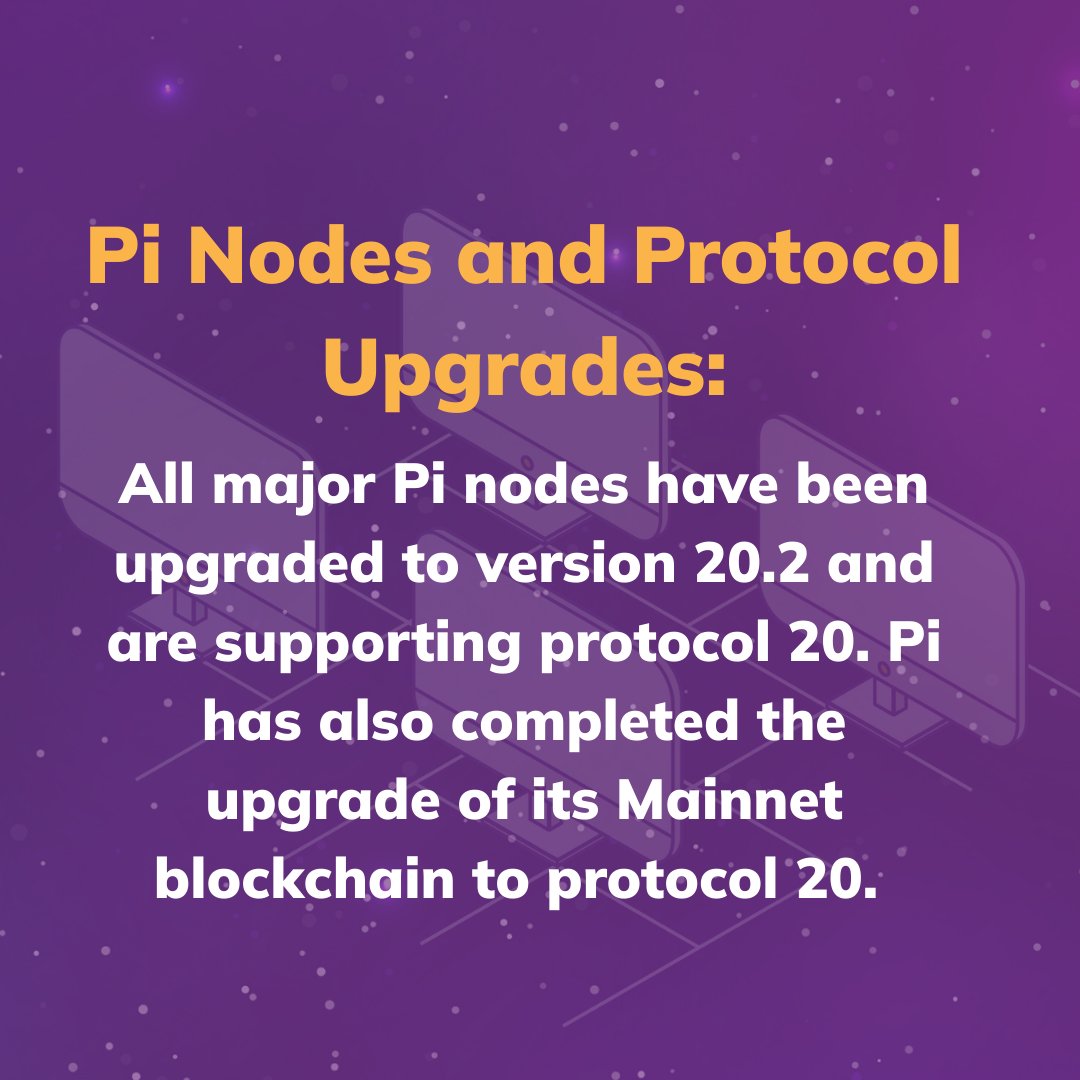
🛑 #PinNetwork is making steady progress with protocol updates to establish the true foundations of a decentralized #blockchain. This will allow for optimization of its capabilities and a transition to open source for greater transparency.
#bitcoin #eth #bnb #coin
2
32

Apr 24
The moment that will change the face of the entire world is approaching; Bitcoin will fade into obscurity with the emergence of the first giant technology, Pinnetwork. 💜👌
2
303

Apr 3
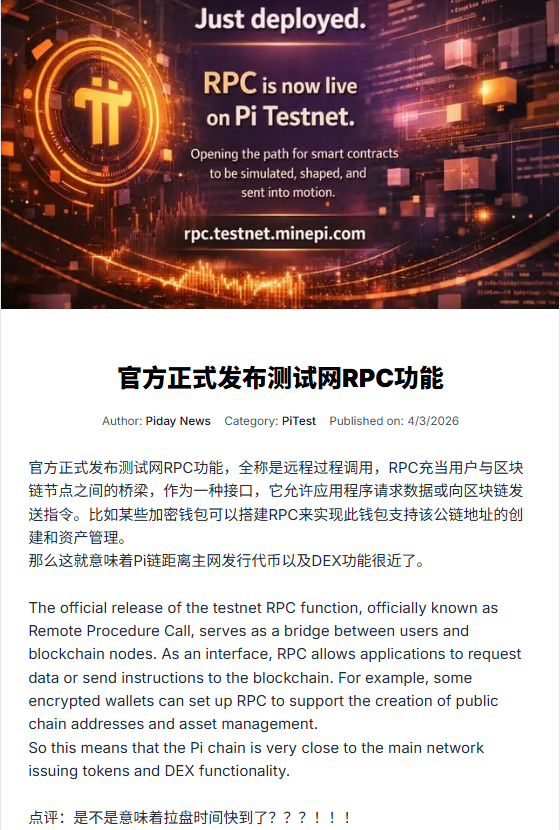
Smart contracts are the core of DeFi!
Furthermore, it extends to basic configuration services such as launchpad, DEX, RPC, etc.
And all of these are for the liquidity and usage scenarios of 'coin', of course, these are flows with defi as their attribute, inevitably leading to new wealth games.
So, what we can make clear is that starting from 2026, Pinnetwork will add two major tags: AI DeFi.
If you don't agree with my opinion, then you can refer to the speech at Cfan's Miami Consensus Conference on May 6th this year and the development of Pinetwo in 2026.
#pinetwork #pirpc #pilaunchpad #pinews
3
174
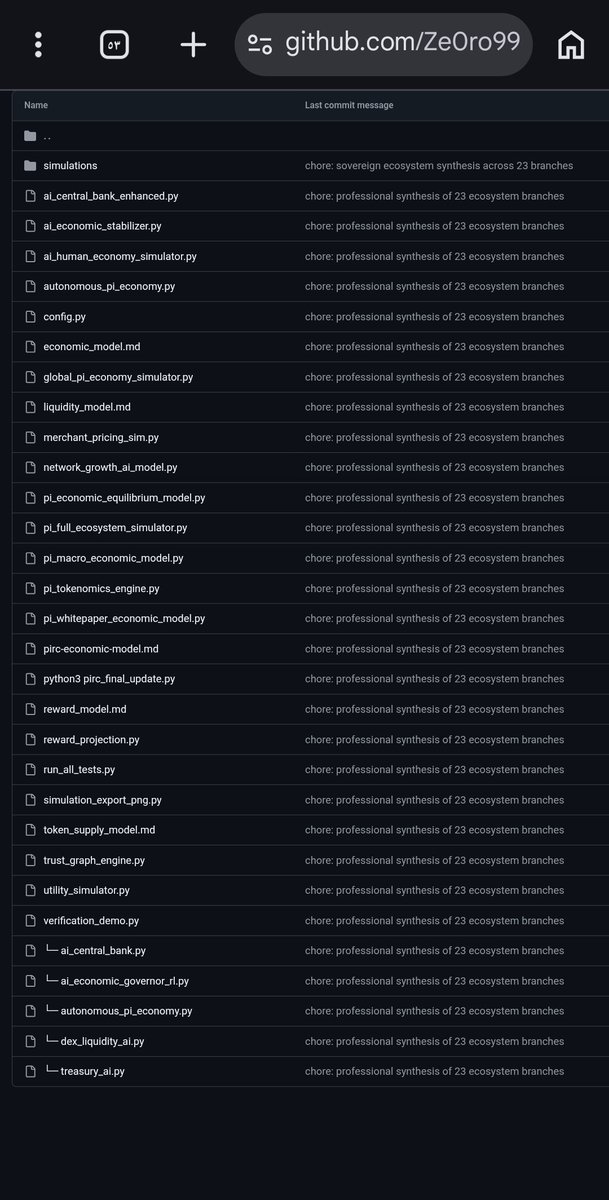
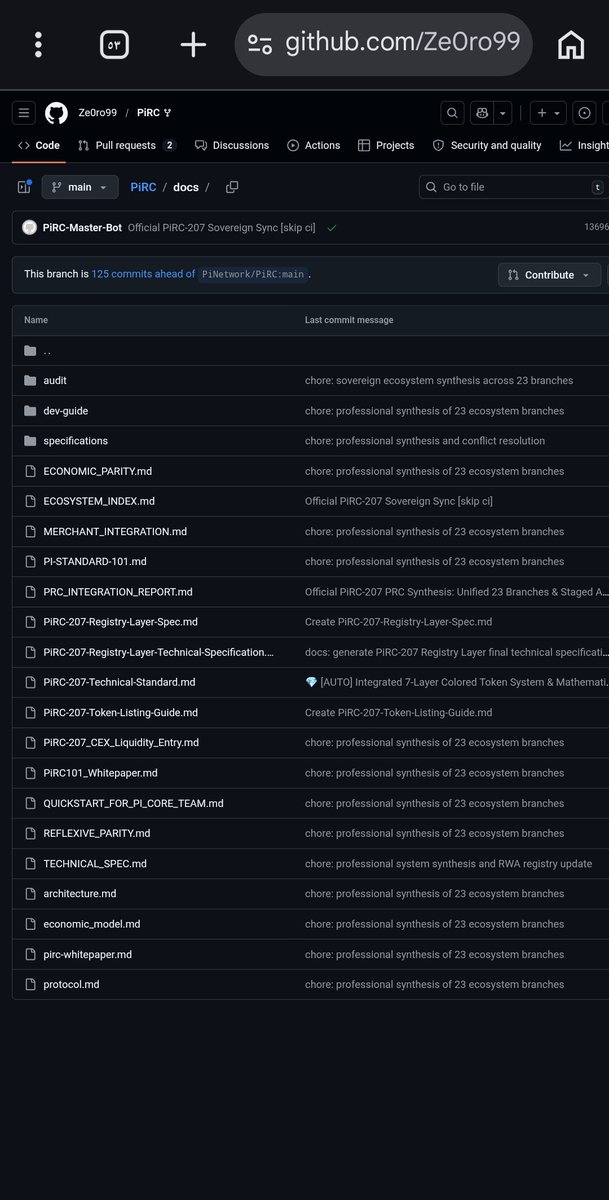
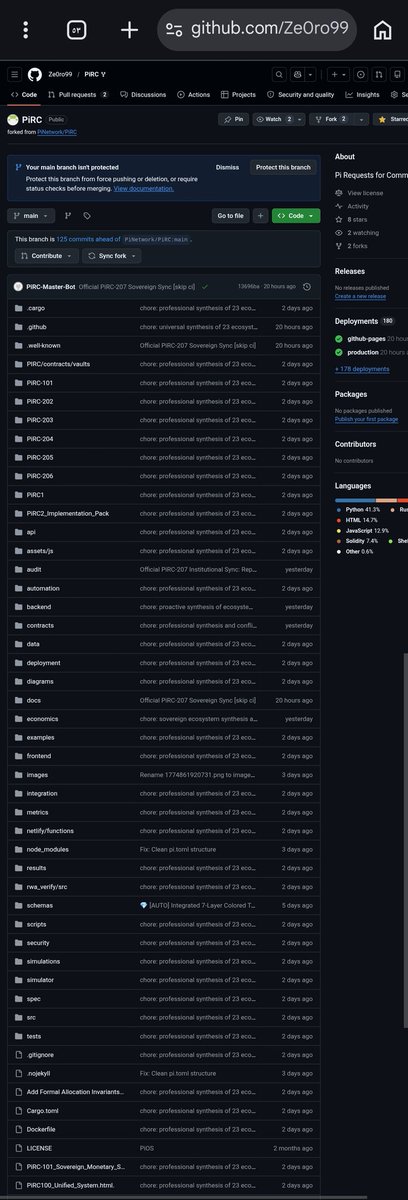
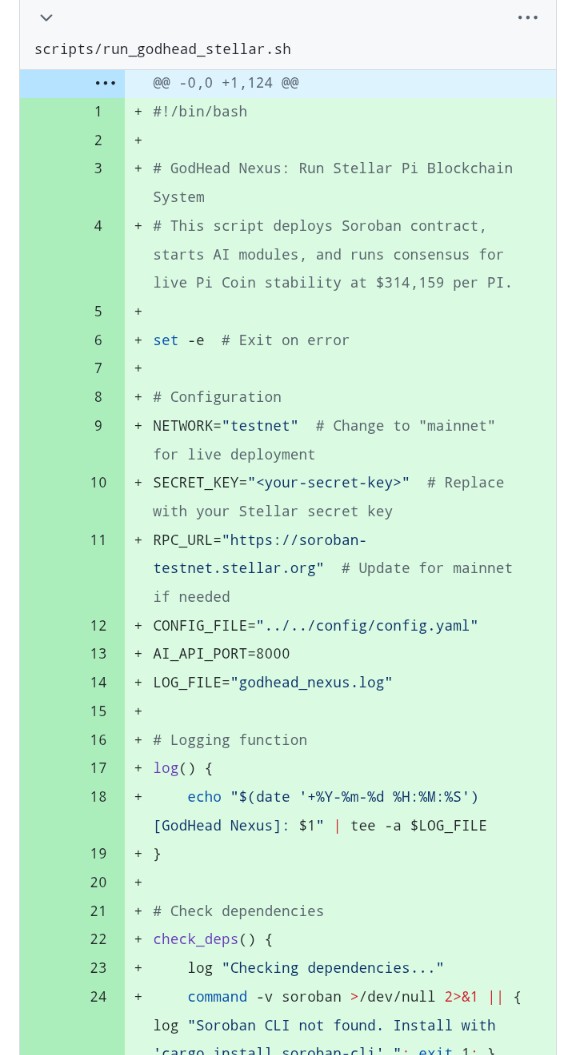
These seven tokens are linked to Sourban contracts
on the Stellar smart contract testing environment
and were deployed on the Pinnetwork testing environment
and interacted with the Raw log
#pinetwork #picoin #pi2day2026 #piDEX
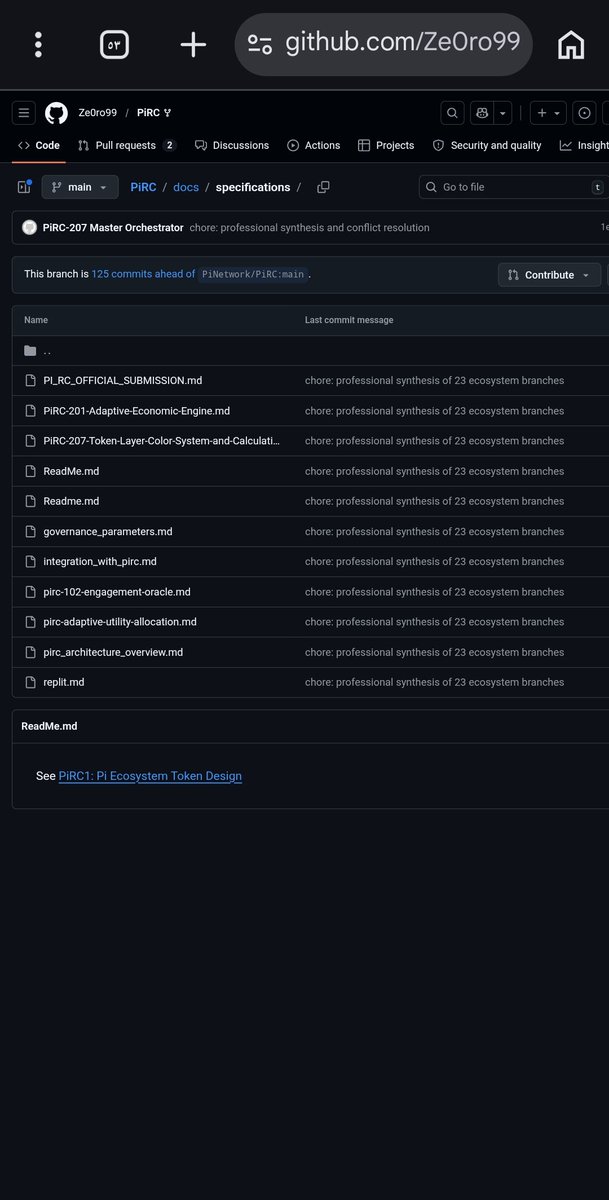

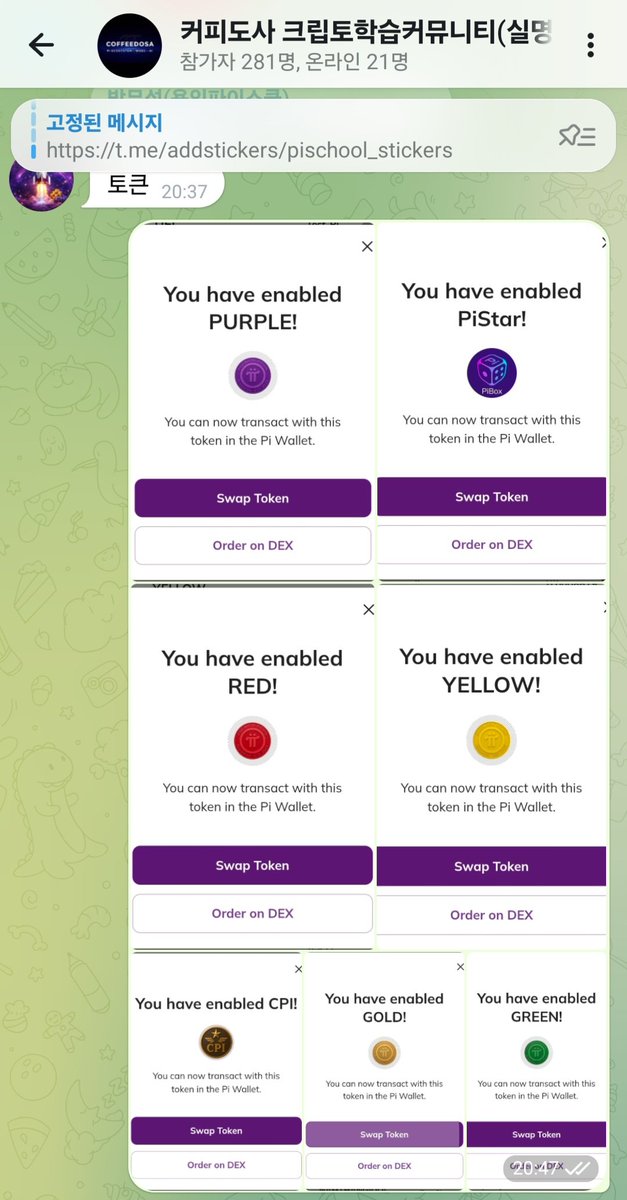
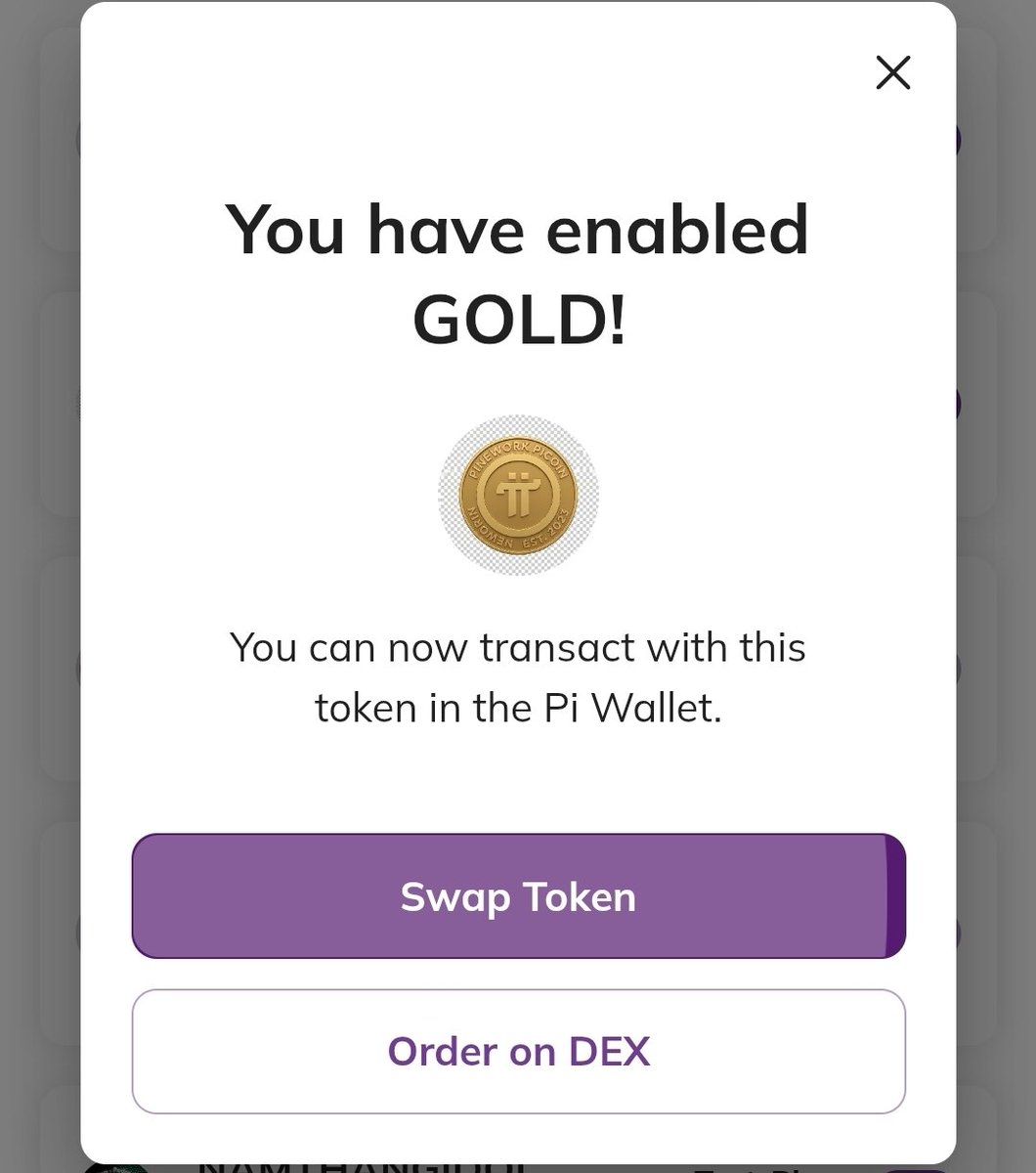
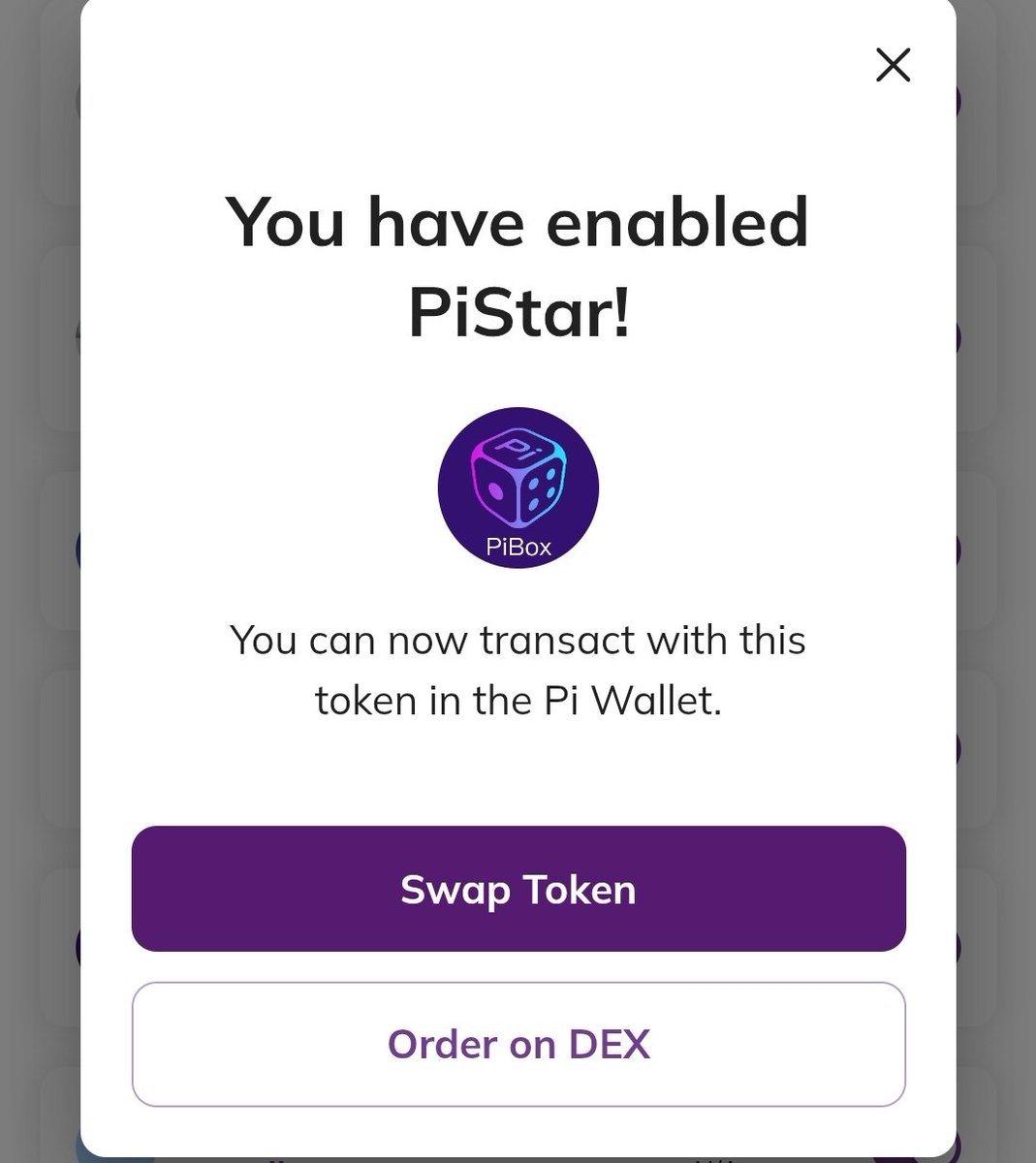
7 new tokens just appeared on the Pi Testnet.
GOLD. YELLOW. PURPLE. GREEN…
These are not random.
This is a DEX simulation.
Liquidity testing.
User behavior tracking.
Multi-token environment rehearsal.
PIDEX is not being built anymore.
It is being tested in real time.
Are you ready?
@PiSuperChain @CoixaFi @0xZayyad @pkhr2013 @domh5284 @KBIPA_OFFICIAL @WoodyLightyearx @Universe_xxxxxx @jadoodoo_
@okx @wallet
6
25
200
8,802
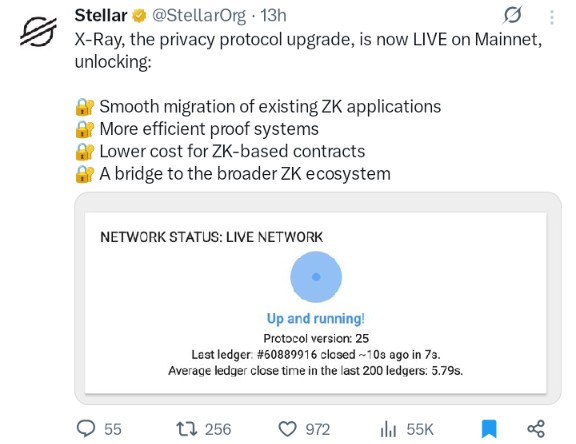
Naturally, x-ray increases confidence, transparency, and stability, providing greater security and facilitating progress and advancement. With better performance, lower power consumption, faster speeds, and smoother operation, Stellar was the best software platform available for Pinnetwork.
For this promising future
Jan 23

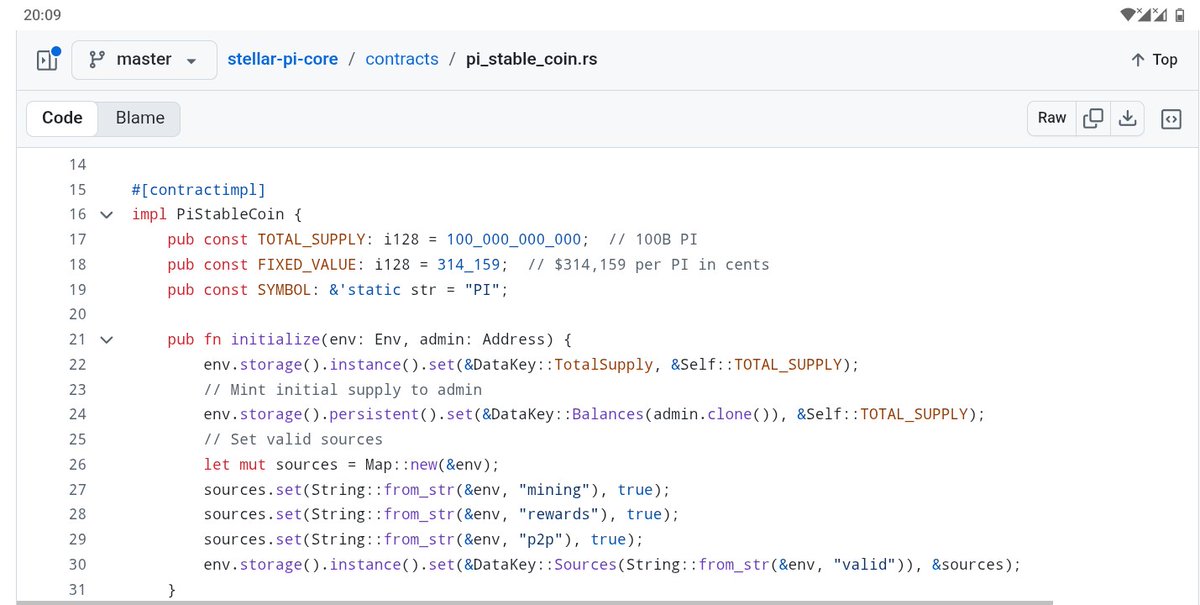
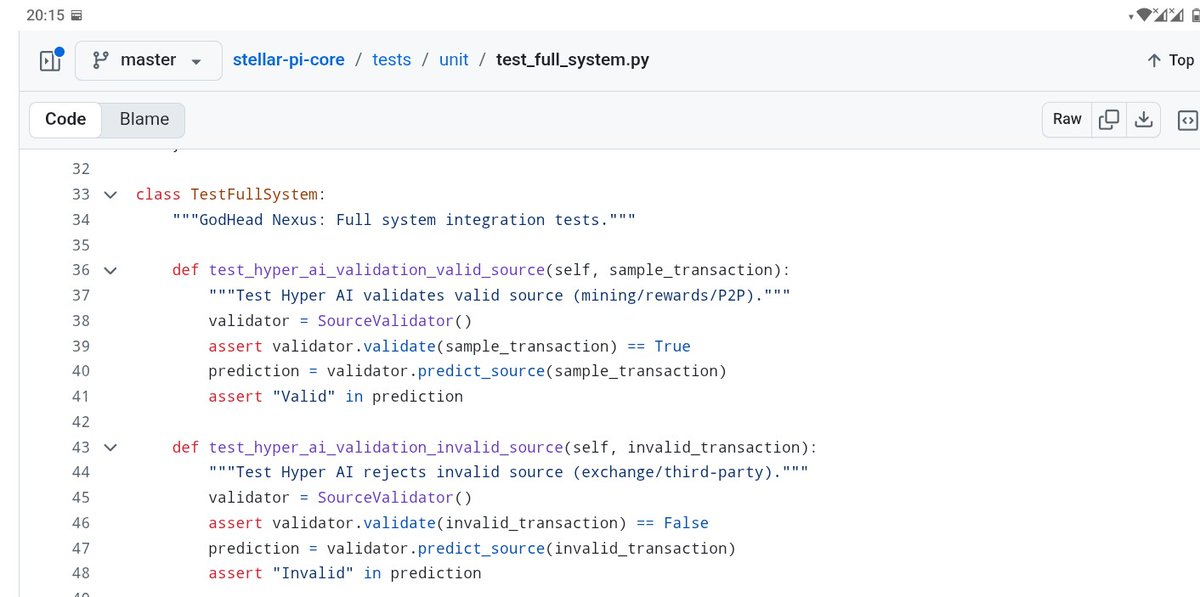
These developments are not independent. Together, they signal the resolution of a long-standing contradiction in decentralized systems:
"How to maintain cryptographic trust without forcing economic actors to expose themselves publicly?"
#Pi #GESARA
5
5
109
5,188

24 Dec 2025
Upgrades after v23 in Stellar
V24
V25
V26
support stability and scalability for the v23 protocol in Pinnetwork
and this serves as evidence of decentralization
3
1
39
1,340

17 Dec 2025
Okay, brother, don't be sad. Today I received the new Android version, and I expect it will reach, or may have already reached, users. I now have UI version 8.0.
This version allows me to access the latest versions of Pi applications and the browser.
Meanwhile, Pinnetwork announced its readiness for the main network migration on December 15th, which means Thursday or Friday, most of what users are hoping for might happen.
And the app integration will begin.
17 Dec 2025

Okay, brother, don't be sad. Today I received the new Android version, and I expect it will reach, or may have already reached, users. I now have UI version 8.0.
This version allows me to access the latest versions of Pi applications and the browser.
Meanwhile, Pinnetwork announced its readiness for the main network migration on December 15th, which means Thursday or Friday, most of what users are hoping for might happen.
And the app integration will begin.
3
42
1,070

17 Dec 2025
Okay, brother, don't be sad. Today I received the new Android version, and I expect it will reach, or may have already reached, users. I now have UI version 8.0.
This version allows me to access the latest versions of Pi applications and the browser.
Meanwhile, Pinnetwork announced its readiness for the main network migration on December 15th, which means Thursday or Friday, most of what users are hoping for might happen.
And the app integration will begin.
6
7
34
1,683
30 Nov 2025
🫡🫡🫡🫡🫡🚨🚨🚨🚨🚨🚨🌐👀
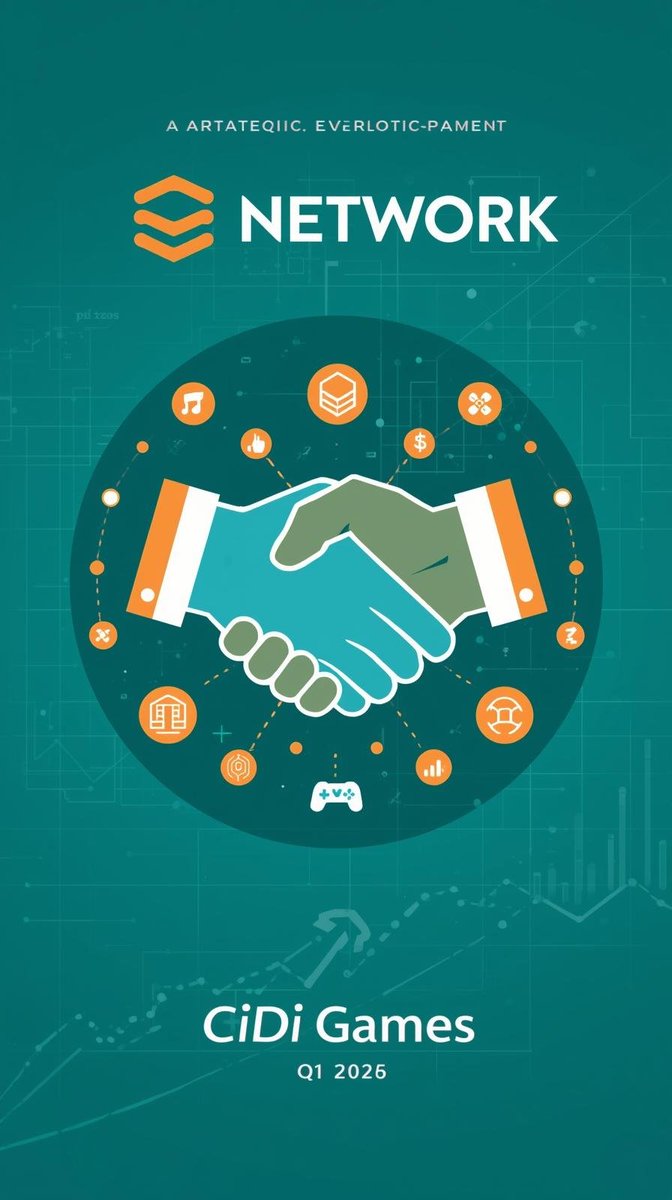
@PiCoreTeam
@PlayCiDi
I hope you can provide us with some information that will make this partnership truly revolutionary.
1- Will games like PUBG, Clash of Clans, Dota 2, CS:GO, and Rust be added?
2- Can we, as a community, submit game idea suggestions?
3- Can you integrate Piapp Studio features so we can generate games?
These three key points will increase adoption and attract more developers and game aggregators. Frankly, this will be a major advantage, boosting momentum on the Pi Network and putting more pressure on the algorithm. I hope you will respond to the Pinnetwork community.
#PiNetwork #CiDiGames #Web3Gaming #Cryptocurrency #BlockchainAdoption #Gaming #DeFi #PioneerCommunity
30 Nov 2025

At CiDi Games, we are focused on building a content-rich, cross-platform gaming ecosystem.
We look forward to bringing depth, quality and long-term value to the Pi ecosystem as gaming continues to grow within it.
We’re excited for what comes next.💚
22
46
429
33,754
28 Nov 2025
🚀🚀🧘♂️🧘♂️🧘♂️🌐👍
Yes, and this means that if the listing happens today or even at the end of the month, Pinnetwork must open a network to list the cryptocurrency's contract.
🌐🌐🌐🌐🌐🌐🌐🌐🌐🌐🌐🌐🌐
Currently, there is no contract on the exchanges; there is only a link to the blockchain.
🌟🌟🌟🌟🌟🌟🌟🌟🌟🌟🌟🌟🌟
Some users don't understand the difference in this specific point, which is that the European Union stipulates that there must be transparency to protect investors from platforms that use the Pi name without authorization or that have created or listed cryptocurrencies without authorization. Herein lies the contract:
🚨🚨🚨🚨🚨🚨🚨🚨🚨🚨🚨🚨🚨🚨
Transparency will allow investors to verify the currency.
Therefore, listing the contract means opening the network, and the community will be happy. 😊
#PiNetwork #BlockchainRoadmap #Testnet2v23 #Mainnetv24 #CryptoEducation #MICACompliance #DeFi #SmartContracts #PioneersGuide #DigitalEconomy
27 Nov 2025

🚨 JUST IN: SEC’s revised 2025 plan is here — and it’s BIG for crypto.
The new roadmap brings clearer rules, simplified oversight, and a more structured regulatory framework for digital assets.
This could finally open the door for serious institutional adoption.
12
34
266
24,249

 PIbren
18 Nov 2025
👏👏👏👏👏👏👏👏👏👏
Honestly, they need to open their closed minds before opening a network.
Hahahaha
Some people still think like they're on WEP1.
😆😆😆🤣🤣🤣🤣
The only thing they understand about the Pinnetwork project is that it's a digital currency on a blockchain. Despite the team's constant statements and announcements that integrations are coming, and many have already happened, they still believe that the network is open and that the currency is now for exchanges. Believe me, this is a test; whoever passes will enter the final stage. I'm just waiting for the bans to start on accounts that violate the standards so that everyone who fought against the idea or used it to make money and deceive people with misleading information will be punished.
2
2
52
1,940
14 Nov 2025
If the majority of users agree on a price of 314,159, and the team allows us to offer the product at this price, and pioneers buy goods at that price, then, since we are using the term "pinnetwork," it is a system that deals with what the community believes is the value of the commodity. As a simple example, in 1938, they set a price for gold against the dollar. How was this fixed and announced after the consensus was reached? In the old days, there was no dollar. Supply and demand for the product were based on gold or silver. A trader might offer, for example, a cow for one gold coin. An agreement would be made between the trader and the buyer on the value. The cattle market would be known for the price of a cow being one gold coin or three-quarters of a coin. Negotiation would take place, and the matter would be settled. It's simple. But I don't know how those who oppose the consensus price think, especially since most of them talk about stock exchanges, options, and news. A real investor, one who is trustworthy, would understand this easily because they have certainly read trading history to be able to analyze future news. But we ultimately discover that even their knowledge of the history of money is weak. The strange thing is that the trader distributes his educational lessons in exchange for money. To teach people trading, would you find a professional investor giving lessons? Imagine Elon Musk creating a course on how to build a Tesla! Or iPhone? How do you create a phone that rivals the iPhone? This is laughable and proves they don't understand the full reality of trading. The reasons for the dual value and GCV are unclear, but smart contracts will resolve that issue soon.
3
1
20
877
6 Nov 2025
Indeed, it's a problem that many pioneers still don't understand. CEX is simply about assessing the community's receptiveness, which gives the project significant value and attracts investors, traders, business owners, and startups. The higher the exchange price, the greater the receptiveness of these groups and the easier it is for them to enter the system.
As for GCV,
it's the price at which pioneers want to operate within the Pinnetwork ecosystem. The Proof-of-Work mechanism from @StellarOrg maintains its integrity and security using Docker containers.
The value agreed upon by the community is realized when a full mainnet is launched. There's no need for traders or investors to worry. Once the network is launched, traders will list their assets, and they will be evaluated through smart contracts based on the agreed-upon algorithm. Then, value evolves based on usage and momentum on a network without human intervention forever. The price of a good is displayed in your country's currency to facilitate use for both merchants and consumers.
I don't know what's so difficult about this, and they always ask for an explanation of what's happening.
#CEX #PINETWORK #picoin #piDEX
#GCV

1
7
42
2,425

31 Oct 2025
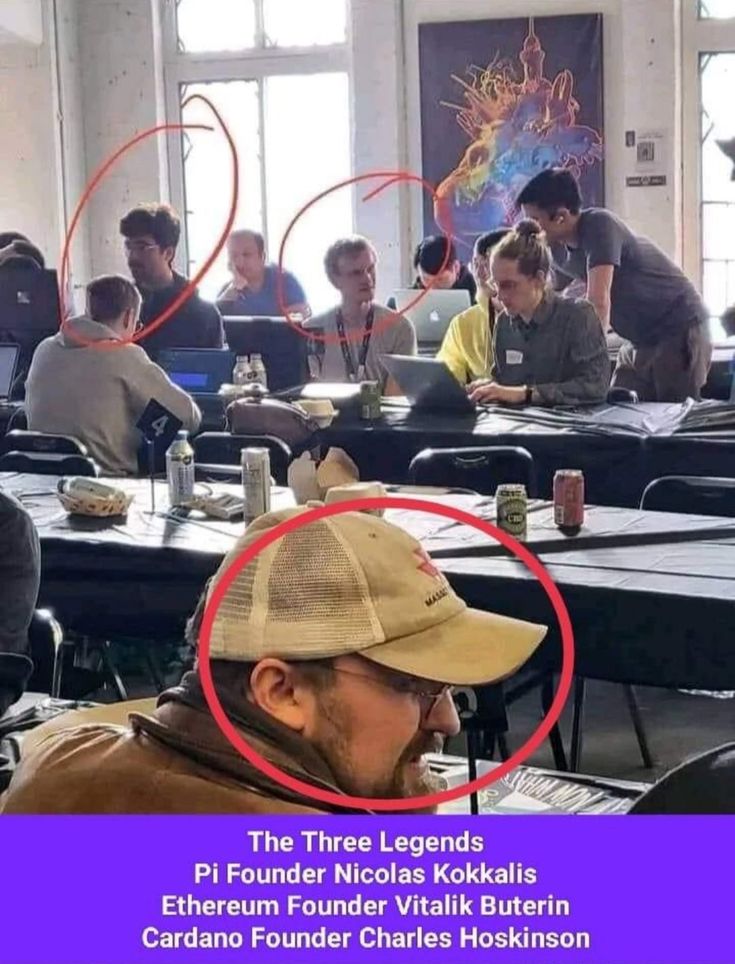
💠三大传说同框一帧!
尼古拉斯·科卡利斯博士(Pi Network)⚡
Vitalik Buterin(以太坊)🔥
查尔斯·霍斯金森(卡尔达诺)🌍
三位梦想家塑造bb0、去中心化和数字自由的未来。
#pinnetwork #以太坊 #卡尔达诺 #区块链 #PIJS
@PIJSwap_Labs @youlong2029
2
2
16
499

24 Oct 2025
The Genius Act and Pi Network: How Law and Protocol Unite to Shape the Future of Civilization
#pinnetwork #picoin #coin #crypto
jitumaster.com/2025/10/the-g…
3
10
582
24 Oct 2025
Trump Pardons Binance Founder: What It Means for Crypto’s Future and Pi Network’s U.S. Readiness
#pinnetwork #picoin #coin #crypto
jitumaster.com/2025/10/trump…
2
2
580
24 Oct 2025
Pi Network Set to Explode: The Price Surge You Can’t Afford to Ignore
#pinnetwork #picoin #coin #crypto
jitumaster.com/2025/10/pi-ne…
2
9
576
24 Oct 2025
Pi Network: The Hidden Message Behind the Numbers — A Vision of Connection and Meaning
#pinnetwork #picoin #coin #crypto
jitumaster.com/2025/10/pi-ne…
3
14
905