
🚀 BNPi keeps removing friction and adding utility.
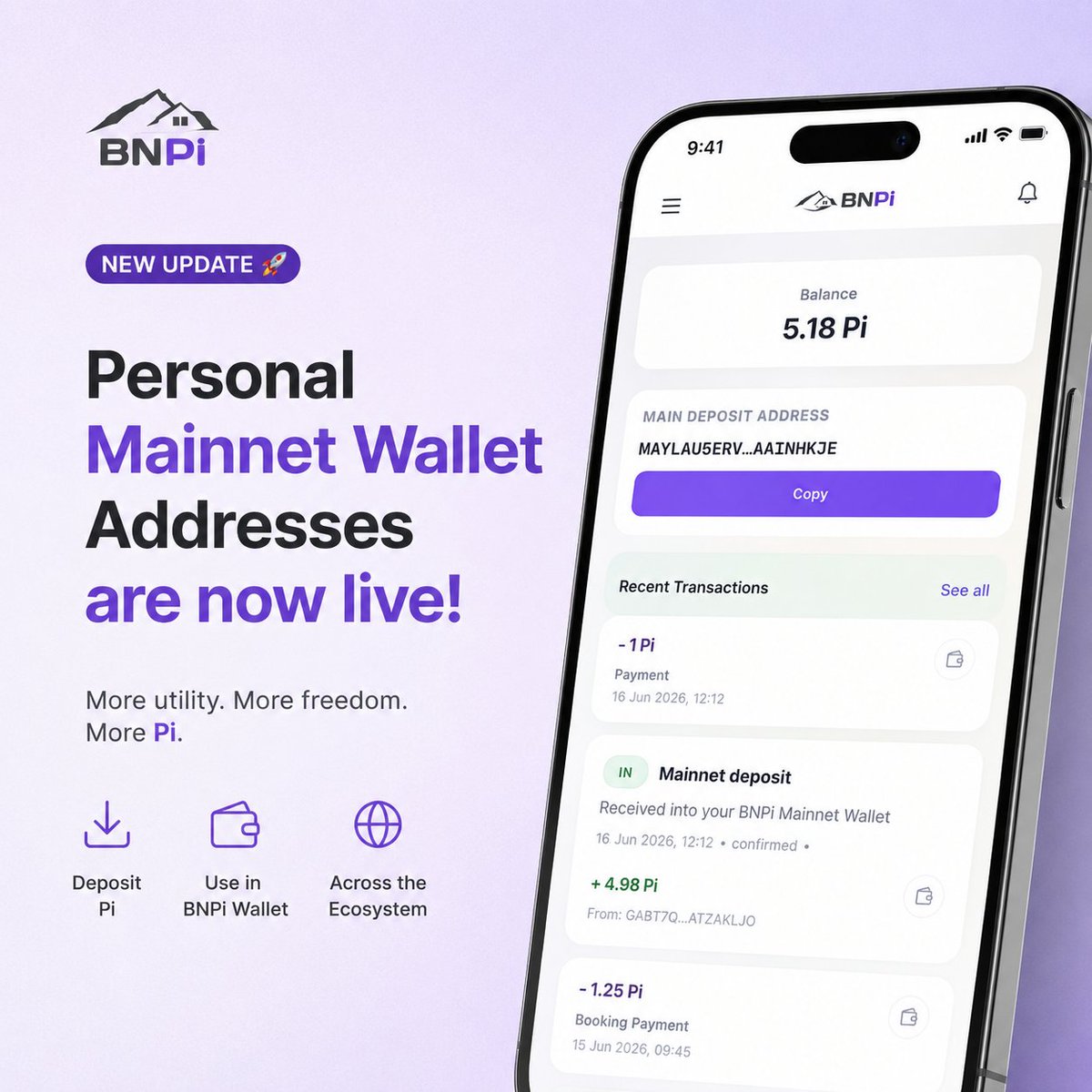
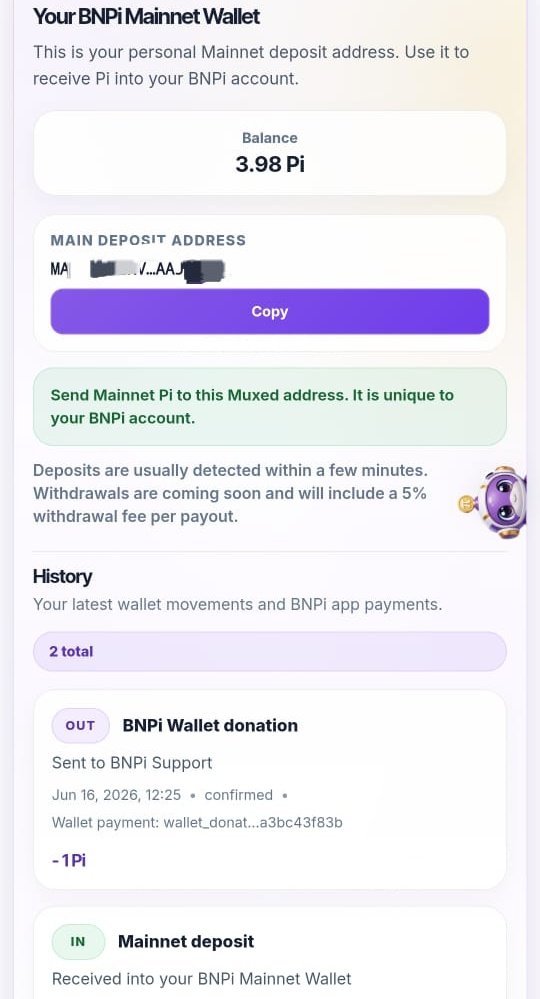
The introduction of personal Muxed Mainnet wallet addresses is a bigger step than many realize. Users can now deposit Pi directly into their BNPi wallet and use it across the ecosystem with a smoother experience.
Every update like this brings us closer to real-world Pi utility. 🔥
#BNPi #PiNetwork #PiUtility
41m

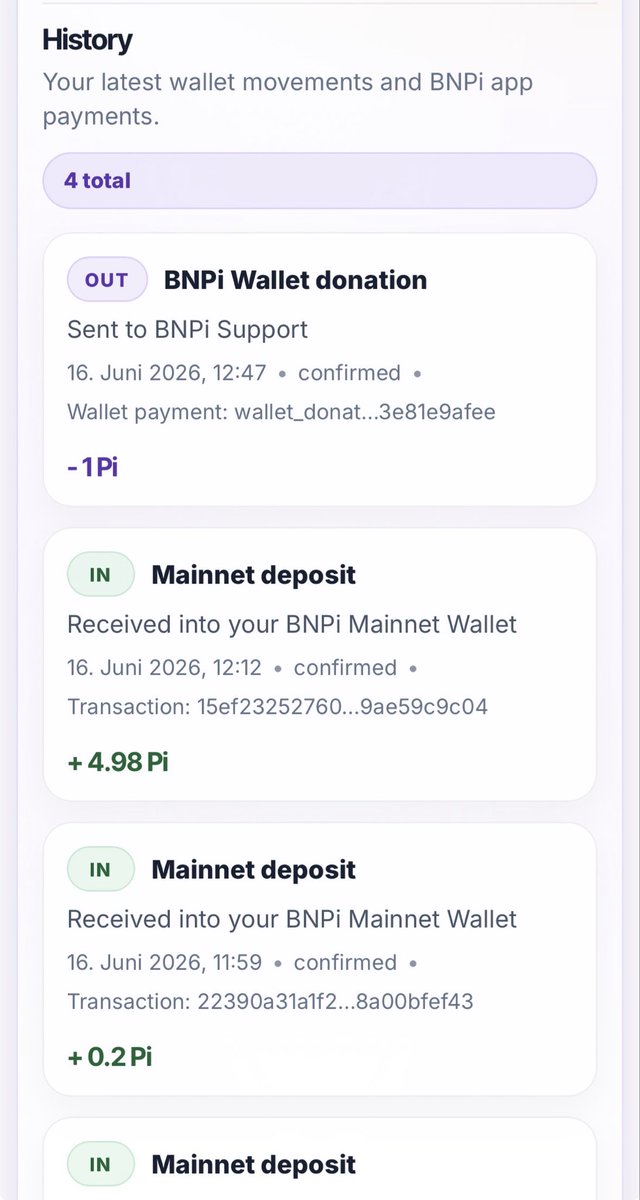
BNPi update 🚀
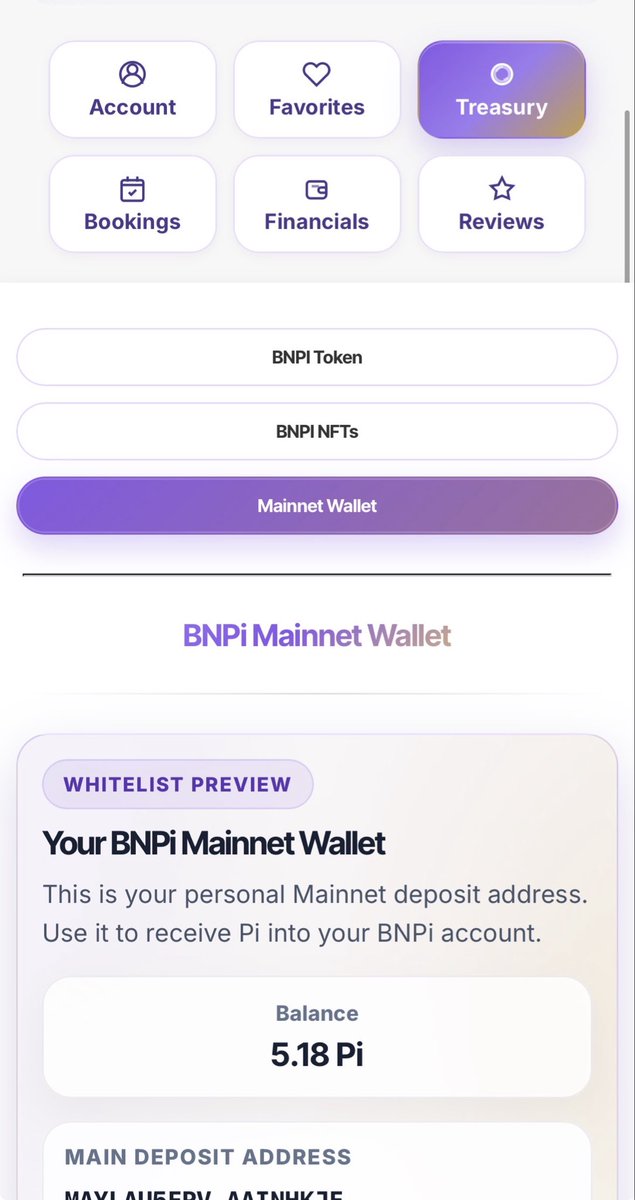
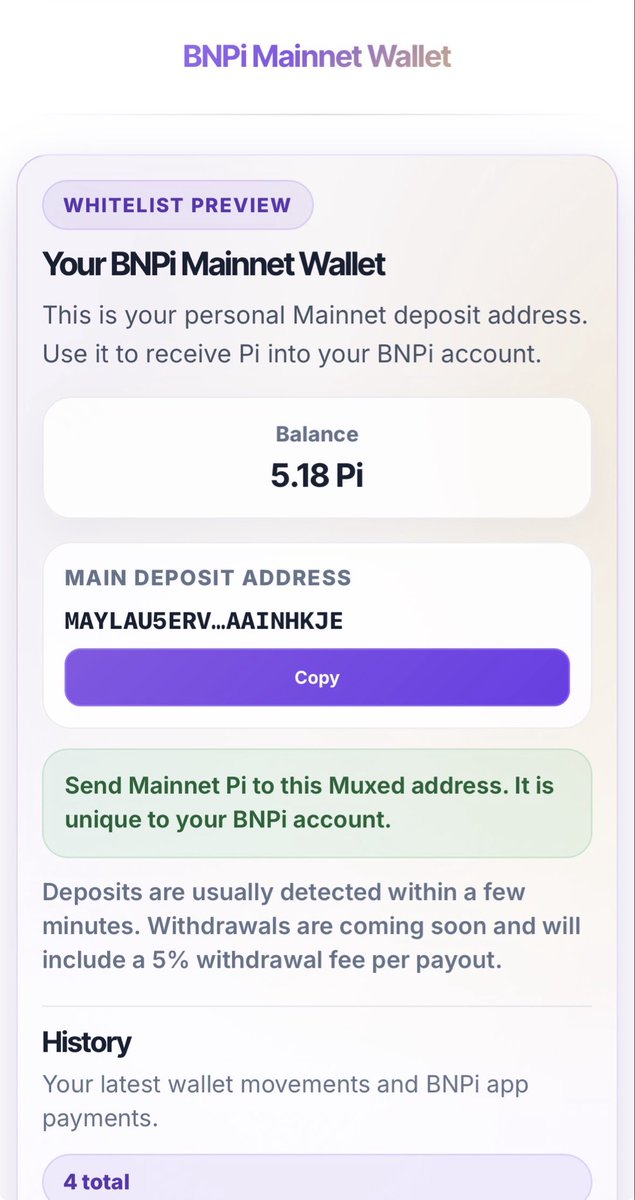
Personal muxed Mainnet wallet addresses are now available inside BNPi.
This allows users to deposit Pi into their BNPi Wallet and use the balance directly inside the ecosystem.
This makes future payments much easier, especially for users who do not want to go through a full wallet payment flow every single time.
Step by step, BNPi is building real Pi utility.
Book. Pay. Stay with Pi.

The #PiNetwork Coin Burning & the Path to $50: Community Hype Meets Reality $Pi Network has no official large-scale token burn like many other cryptos (e.g., sending billions to a dead address to slash the ~100 billion total supply). The Core Team has explicitly rejected aggressive burns, arguing it could cause artificial price spikes that hurt new users and accessibility.
How Burning Could Work in PiInstead, they focus on:Halving mining rewards as the network grows (already happened multiple times).
Strict KYC to eliminate fake/unverified accounts and lock or remove ineligible Pi.
Potential future mechanisms:Transaction fee burns (base fees burned via smart contracts — mild deflationary pressure, activated in recent protocol upgrades).
Vetting/unclaimed or fraudulent balances during migrations (some "burn-like" removals).
Ecosystem locks/staking: Pi locked in liquidity pools, apps, or staking doesn't circulate.
Community and experts have called for bigger burns (e.g., from foundation wallets) to boost scarcity and price, but nothing major is confirmed as of mid-2026.
Price to $50? Current Pi price hovers around $0.13–$0.15. Reaching $50 would require: Massive real utility/adoption (dApps, Pi DEX, payments, ecosystem growth).
Huge reduction in circulating supply via locks, KYC, and any burns.
Bull market major exchange listings.
Billions in locked/staked Pi creating scarcity.
Some optimistic models and community posts speculate $10–$50 in strong scenarios by late 2026–2030 if the ecosystem explodes, but many realistic forecasts are far lower. Hype is real, but execution matters.
Bottom line: Burning helps scarcity, but sustainable value comes from real usage, not just supply tricks. Pi's strength is its huge user base — turn that into daily activity and it could moon.

5
7
74
2,450
Trangki Sihotang π314159$ retweeted

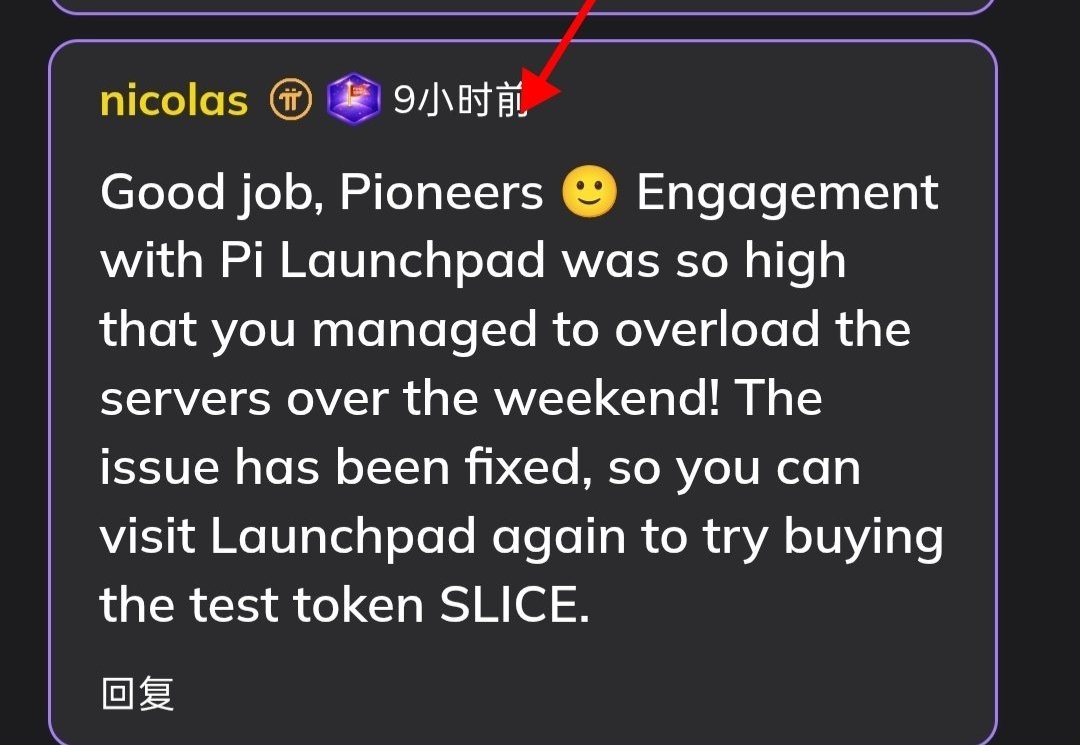
#PiNetwork Founder Dr. Nicholas announced: The Pi Launchpad server congestion issue has been resolved, and you can now participate in the SLICE test. Please note that SLICE is only a test token, cannot be mapped to the mainnet, and has no real value. Do not believe rumors about it being used for speculation or monetization. 😪
2
4
51
1,778

🔥 SpaceX just bought the company who made Cursor for 60 billion dollars.
#PiNetwork #SpaceX

🚀 Big news for $Pi builders!
SpaceX just announced it's acquiring Cursor — the AI coding platform synonymous with the "vibe coding" movement — for $60 billion.
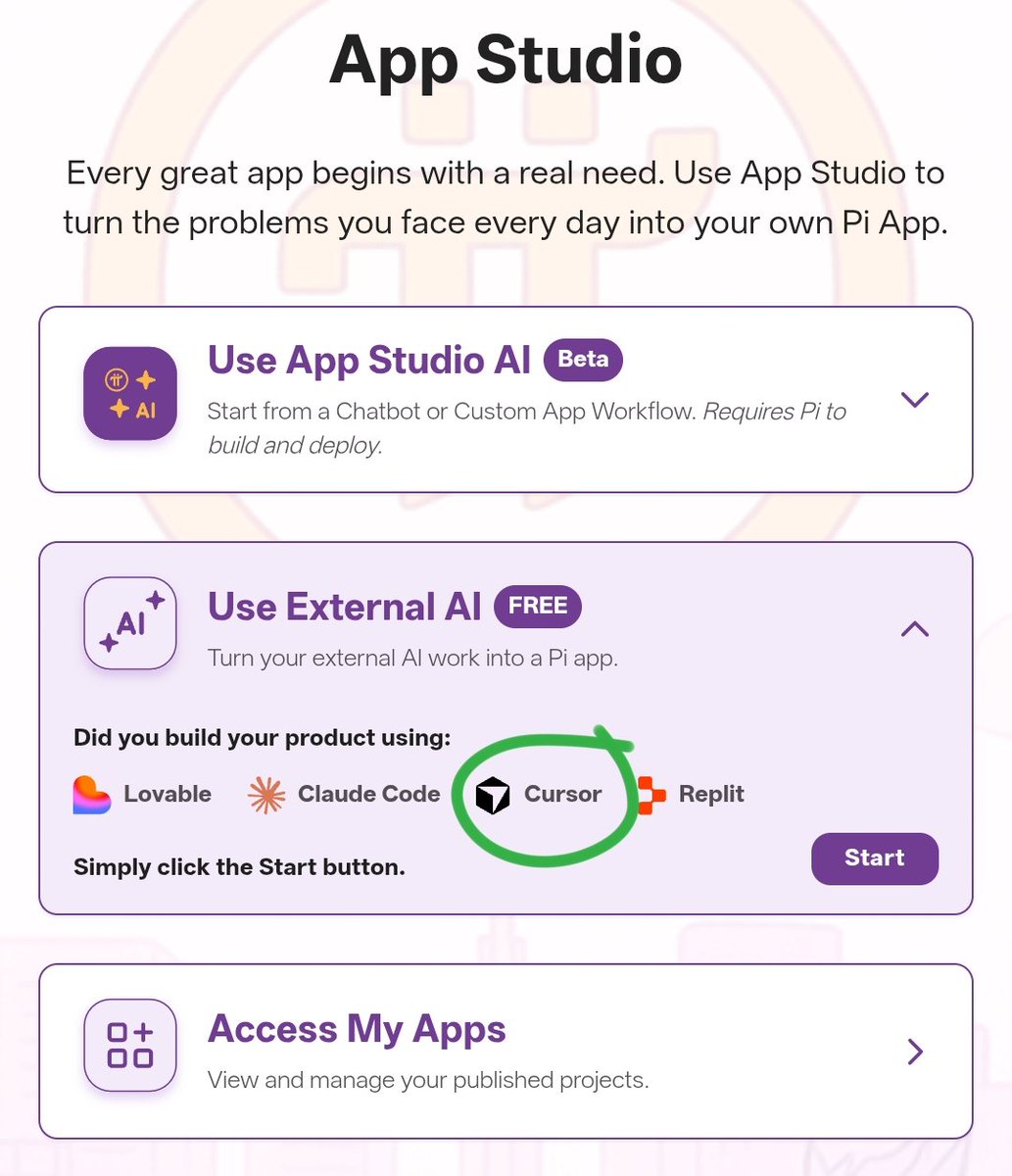
And the timing couldn't be better: Pi App Studio already supports it.
Vibe-code or build in Cursor:
→ Open App Studio → Use External AI
→ Import it and turn your project into a full Pi App (with payments 60M Pioneers reach)
Top-tier AI tools. Real distribution. All in one place. ✅
What are you building or vibe-coding for Pi? Drop your ideas below 👇
#PiNetwork #SpaceX #Cursor
2
27
Dennis Zhang retweeted

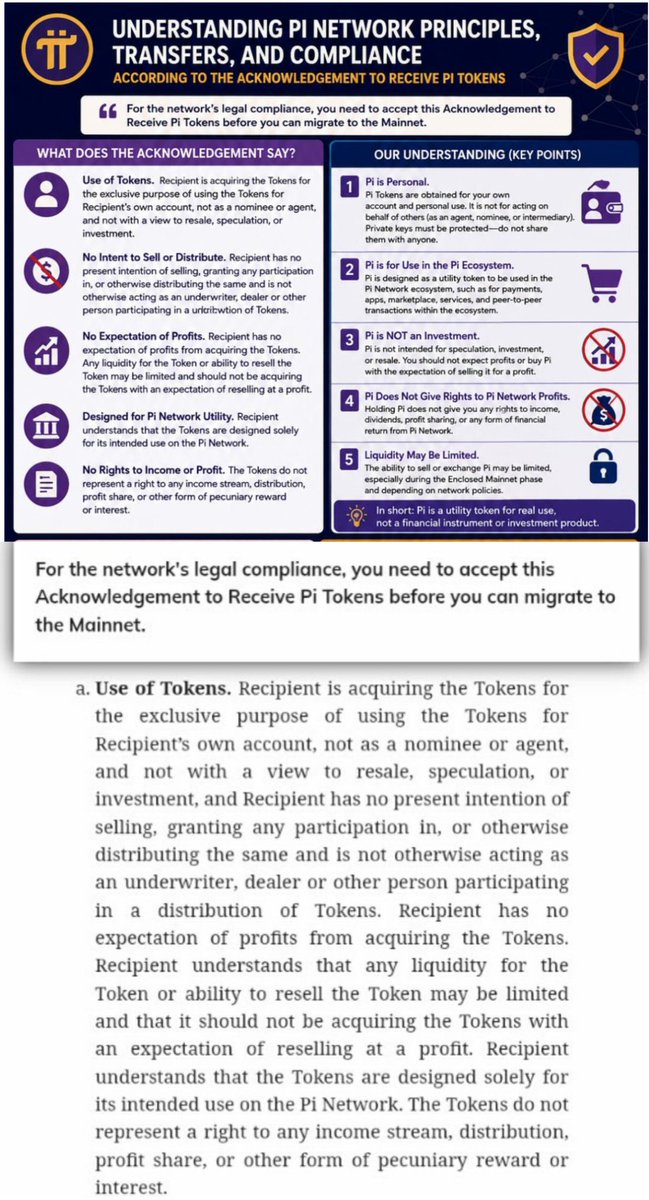
🔥"PURE" $Pi is not an investment or a tool for speculation. It is designed for use within the #PiNetwork ecosystem (payments, marketplace, etc.).
🛡 Pi is for personal use only, not for sale, transfer,or speculation. 🛡
⛔ There is no promise of profit or right to income. ⛔
8
50
1,847
naeimi retweeted
#PiNetwork 📢The Pi Launchpad is currently in the testing phase and uses Test-Pi tokens throughout. The SLICE tokens distributed this time are only test tokens. The official documentation clearly states that these are test tokens and will never be migrated to the official mainnet; they have no monetary value. Participating in project interactions will only increase your test token reward bonus, up to 10% more test SLICE. Do not believe rumors that this token will be listed for trading or exchanged for assets later.📱
1
1
28
1,180

🚀 Big news for $Pi builders!
SpaceX just announced it's acquiring Cursor — the AI coding platform synonymous with the "vibe coding" movement — for $60 billion.
And the timing couldn't be better: Pi App Studio already supports it.
Vibe-code or build in Cursor:
→ Open App Studio → Use External AI
→ Import it and turn your project into a full Pi App (with payments 60M Pioneers reach)
Top-tier AI tools. Real distribution. All in one place. ✅
What are you building or vibe-coding for Pi? Drop your ideas below 👇
#PiNetwork #SpaceX #Cursor
3
2
4
90


meghan retweeted

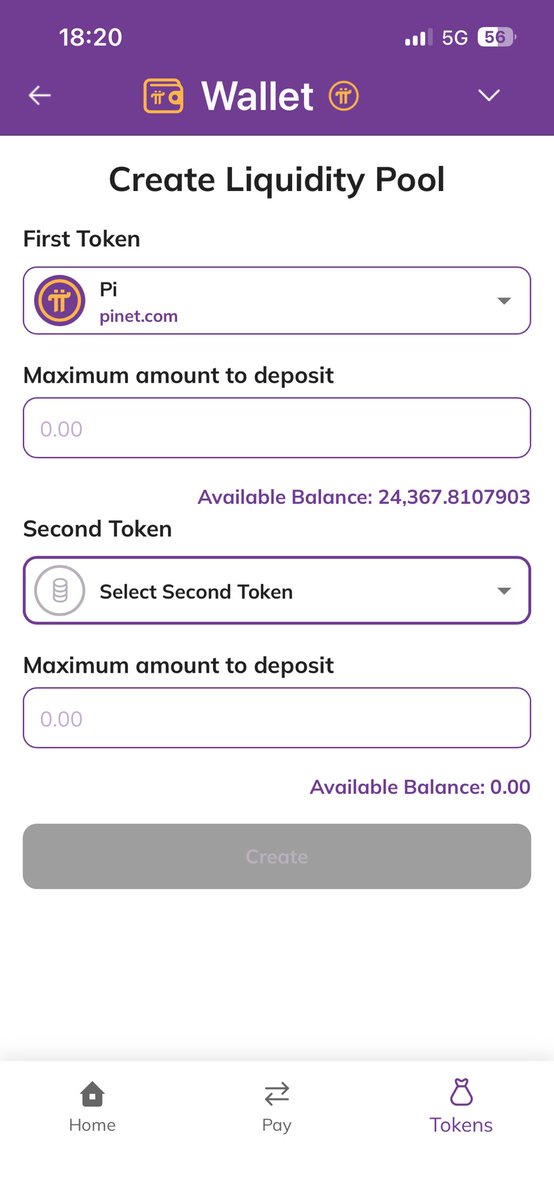
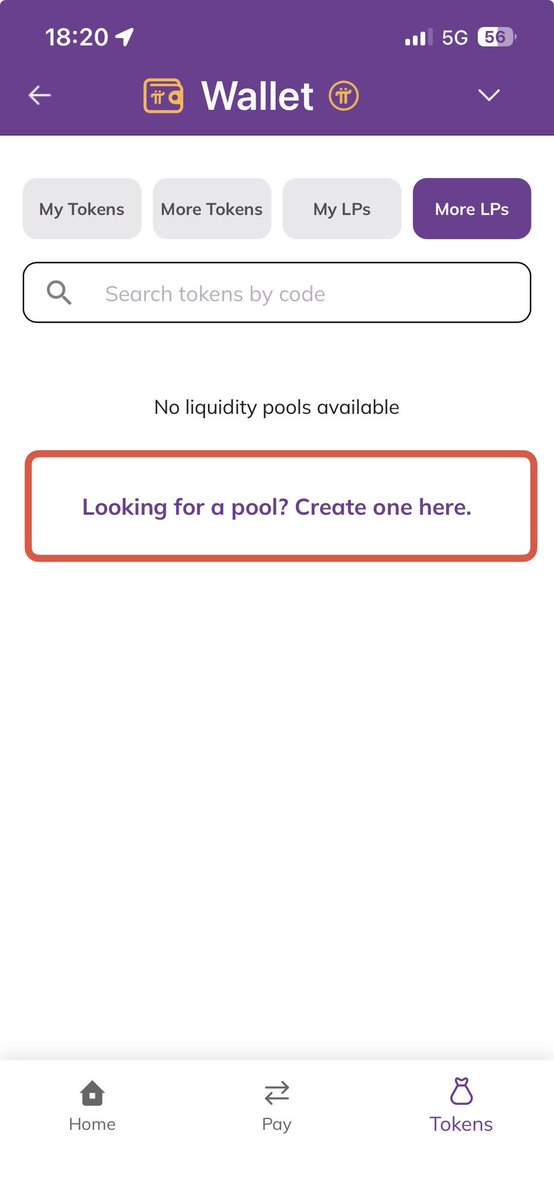
#Pi 更新,Pi DEX 已推出完整的代幣、流動池以建立功能!
Pi 代幣選項現已顯示在資產清單中。底層框架已完成,看來 PiDex 正在幕後準備中。Pi 生態系統的 DeFi 時代即將開始!🚀
#PiNetwork #PIDEX
#PiNetworkCommunity
1
5
90
2,385
meghan retweeted

Jun 13
PiNetwork系统升级是有各方面的需求。测试是怕半路夭折,或容易出现bug,就像你买衣服也要先试试,要找对自己的码号。
黄金是实物,从山上挖出来奇丑无比,要变成金条和漂亮的首饰之前也要经过加工,打磨。
其实美元和黄金,比特币都不合规,你们自己去悟!加密数字的世界来了,需要真正的完成合规化
13
172
2,423
Trangki Sihotang π314159$ retweeted

Jun 15
It positions itself as a currency. It will become a currency. #PiNetwork

2
17
114
1,491
Trangki Sihotang π314159$ retweeted

Pi Network Focuses on Backend Upgrade to Strengthen Ecosystem Transparency #PiNetwork #GCV #PiCryptocurrency @LikeFollowBro
1
1
30
685
Trangki Sihotang π314159$ retweeted

Jun 15
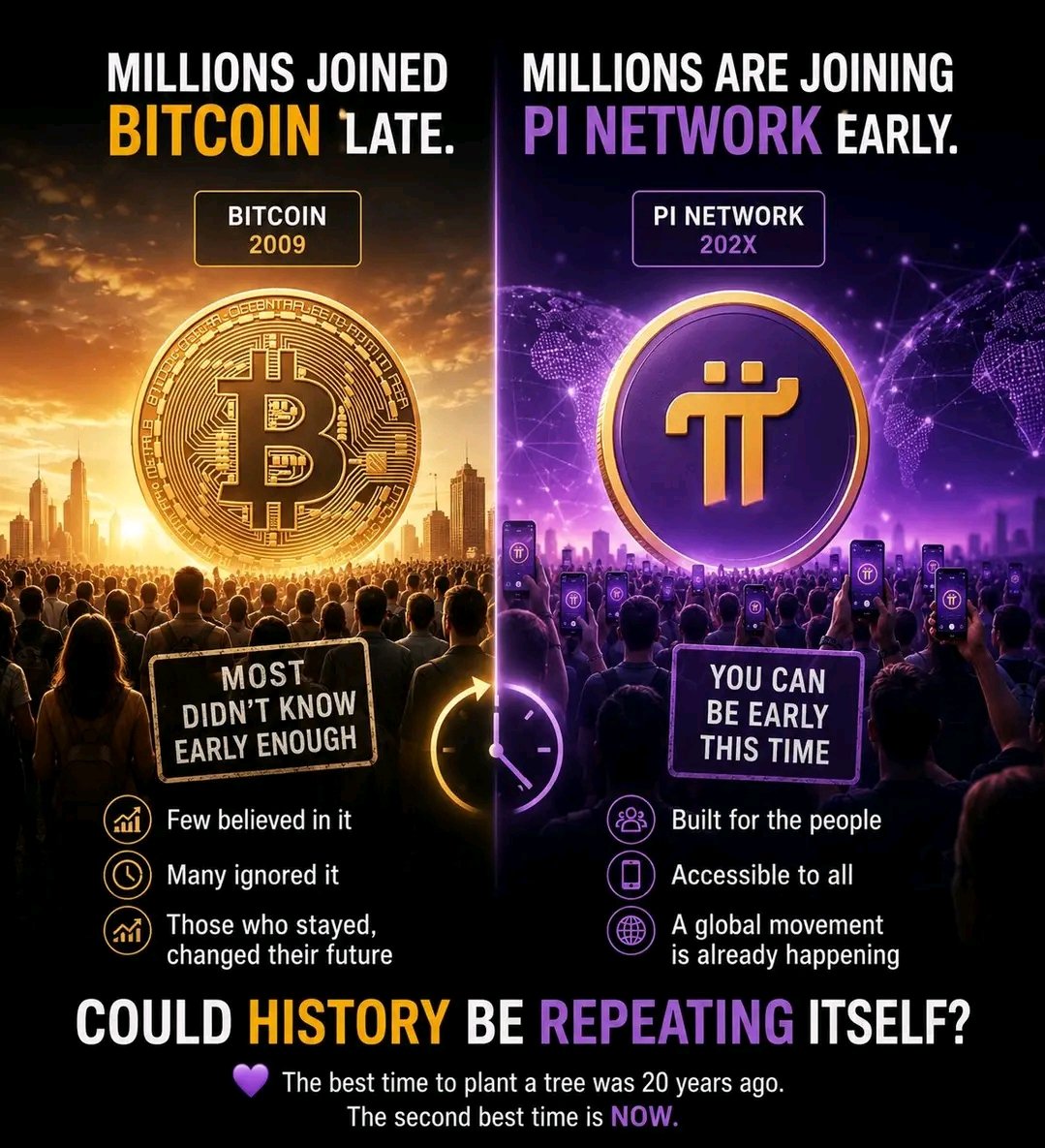
💜 Millions joined Bitcoin late. Millions are joining Pi Network early.
Could history be repeating itself?
#PiNetwork #PiCoin #Bitcoin #Crypto
3
25
152
1,797
What Satoshi Nakamoto's life is like after leaving Bitcoin. Perhaps like other men, enjoying moments with his little family. #PiNetwork #Bitcoin

1
18
Dungar Ram retweeted

Jun 15
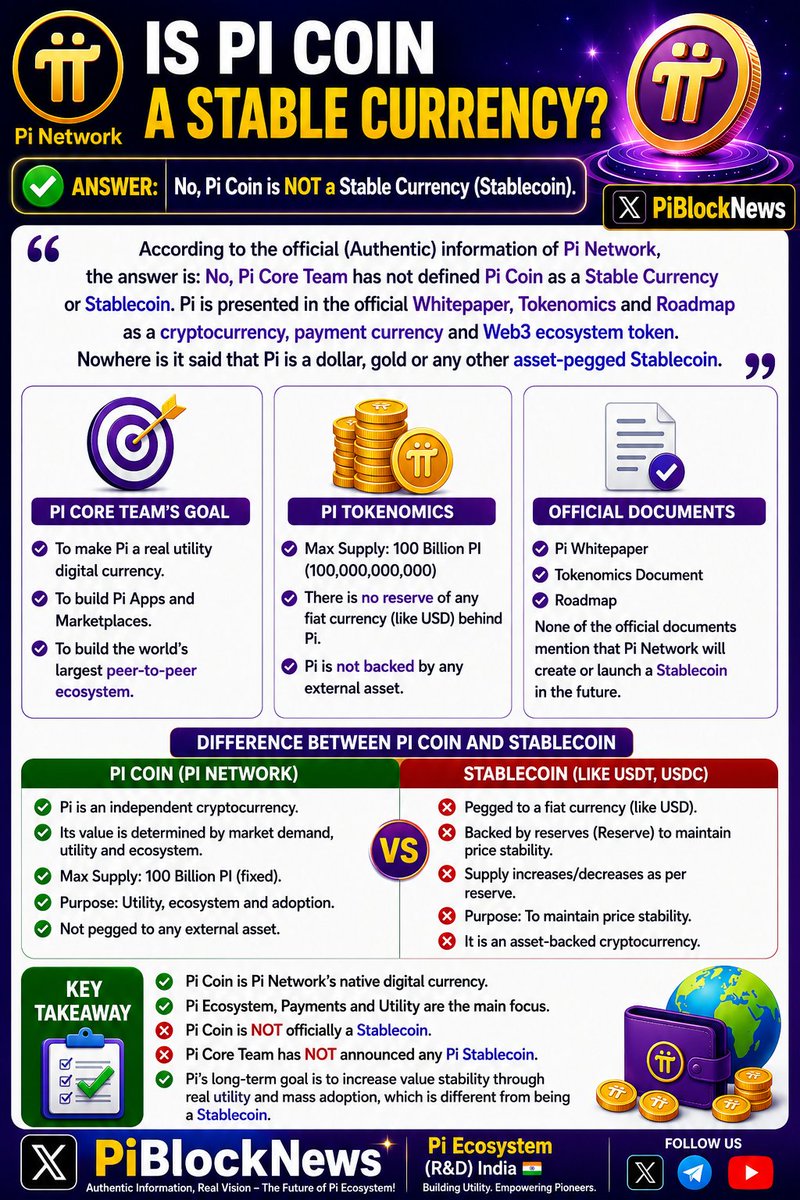
#PiNetwork is not a stablecoin. According to official Pi Network documents, Pi is a cryptocurrency, payment currency, and Web3 ecosystem token designed for utility and ecosystem growth. No official announcement has defined Pi as a stable currency. 🚀
#PiCoin #Crypto #Web3 #Block
7
26
176
3,267
Dungar Ram retweeted
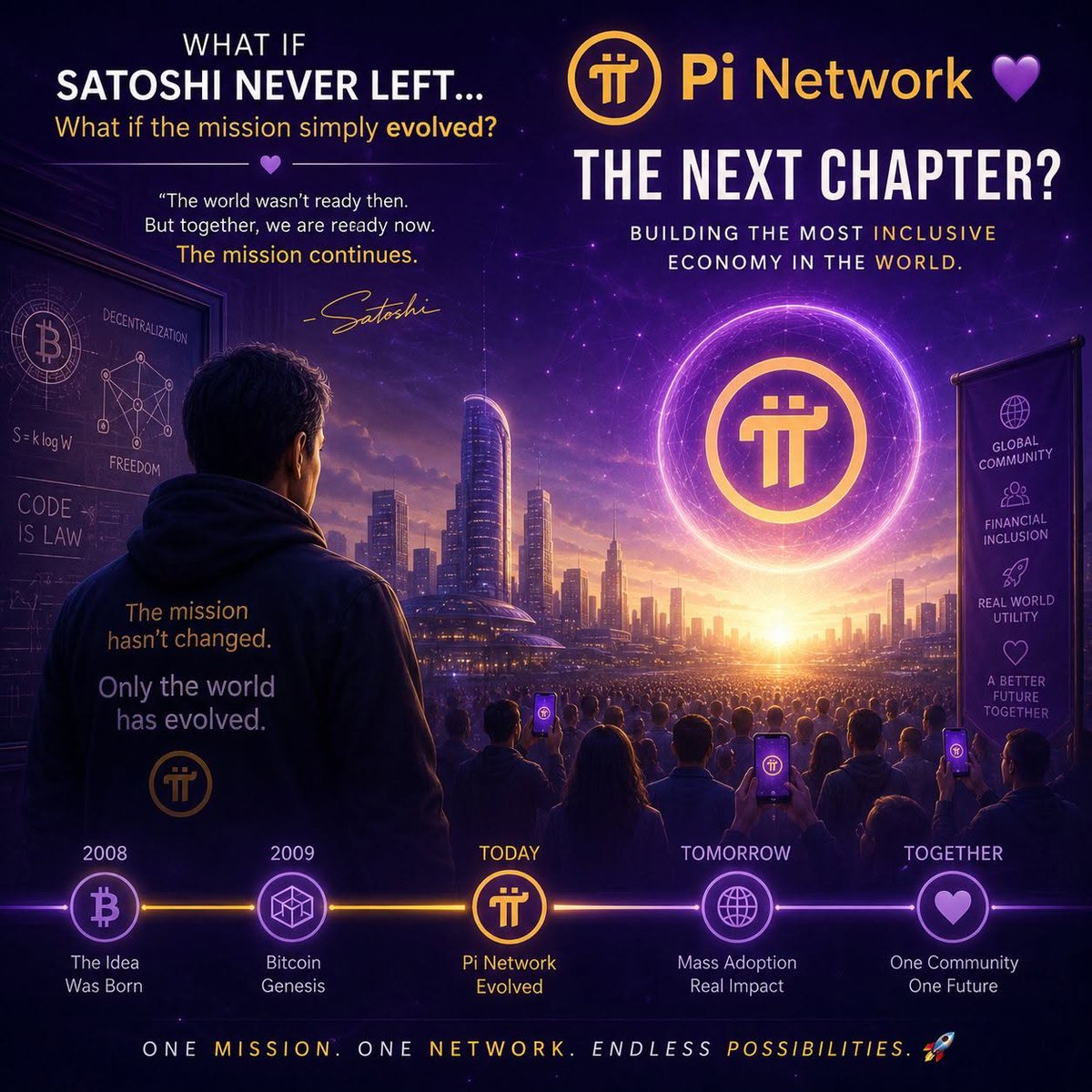
👀 What if Seventy never left... if the mission simply evolved?
💜 Pi Network 🚀 Next Chapter?
#PiNetwork #Bitcoin #PiCoin #Crypto @LikeFollowBro #GCV
1
3
19
292

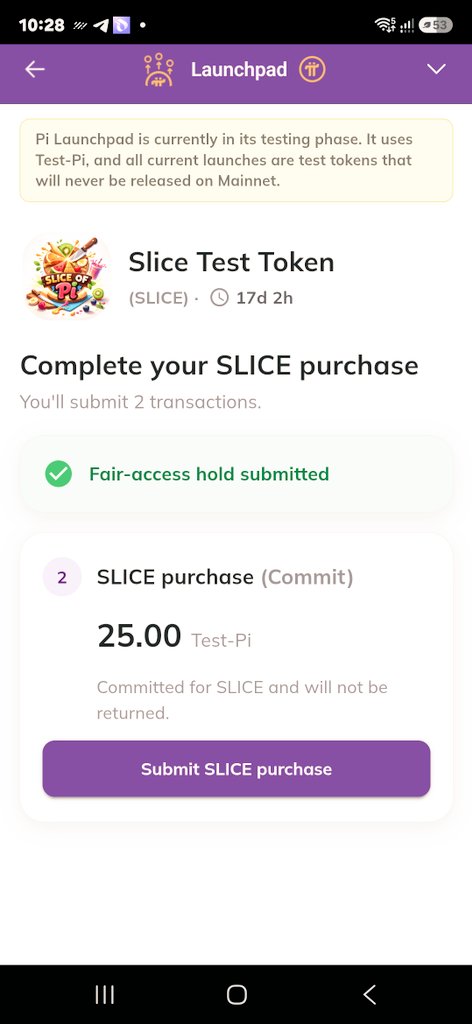
I Love Pi network ,slice token purchase♥️ slice game is a very nice app #pinetwork #pidex #pibrowser
10