x.com/SamW4Reform/status/206… Moon Magazine X The Wishing Well Welcome to the hunt, Anya Taylor-Joy. The Lord of the Rings: The Hunt for Gollum only in theaters 17 December 2027. **Short answer:** *Build liberty in and around private military actors by enforcing clear legal limits, strong accountability and oversight, transparent contracting, and robust protections for human rights and civil liberties.* **Start with legal frameworks, independent oversight, and community safeguards.** Scope and approach I’ll treat your question as: *how to design institutions, rules, and practices so private military and security companies (PMSCs/PMCs) operate without undermining individual liberty, rule of law, or democratic control.* Below are practical levers, trade‑offs, and risks. Quick comparison of reform levers | **Reform lever** | **How it protects liberty** | **Main trade‑off** | **When to use** | | **Clear national law & licensing** | Limits who may operate and for what missions. | Requires state capacity to enforce. | Baseline regulatory step. [militarydispatches.com](militarydispatches.com/legal…) | | **Contract transparency & public oversight** | Reduces secret delegations of force; enables democratic scrutiny. | May constrain operational secrecy in sensitive missions. | Use for state contracts and critical infrastructure. [globalsurvivorsfund.org](globalsurvivorsfund.org/wp-c…) |
1
20

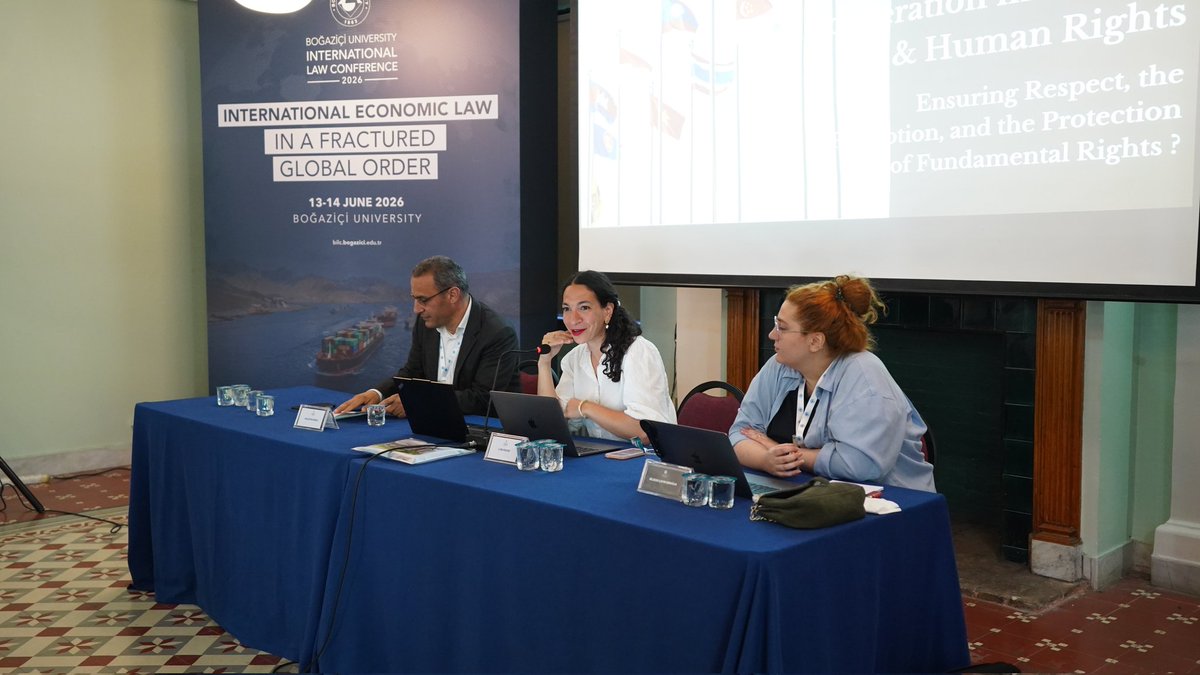
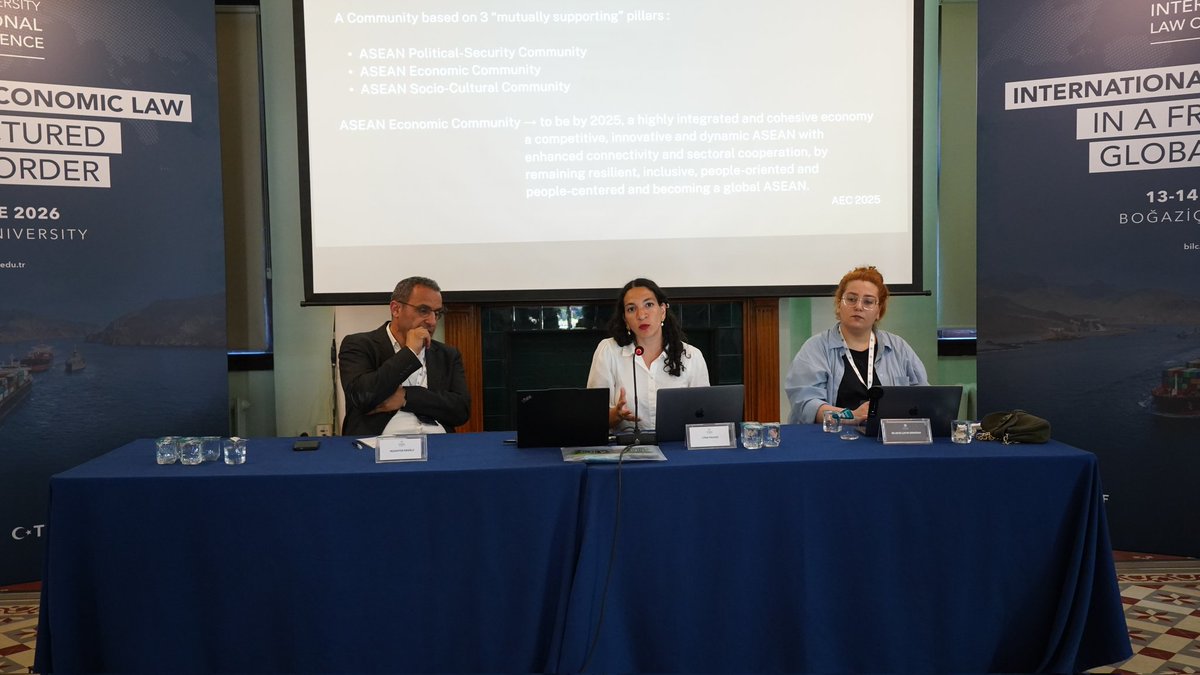
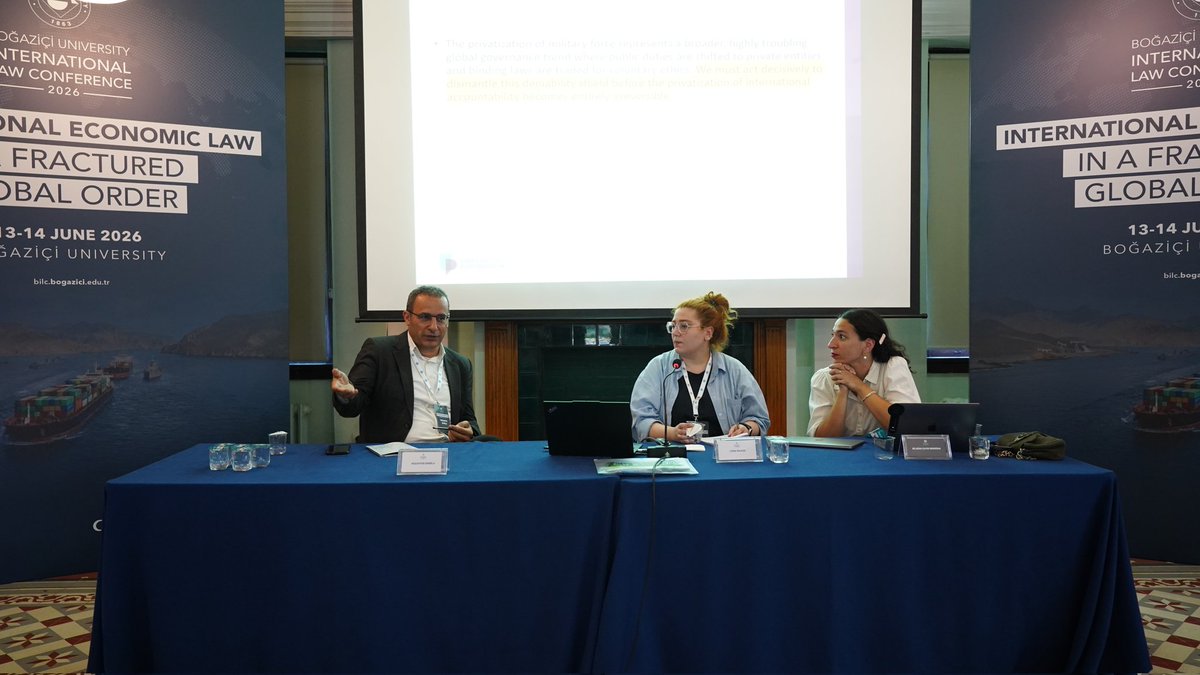
Bringing the #BILC2026 streams to a close, Panel Session 6, Stream 2, titled “Corporate Social Responsibility and Human Rights,” is in progress in the Özger Arnas Room, moderated by Asst. Prof. Muzaffer Eroğlu. The second stream of this concluding session brings together Prof. Yusuf Çalışkan, Dr. Lyna Maaziz, and Bilgesu Çayır Erdoğan.
Prof. Yusuf Çalışkan explores “UNIDROIT’s Recent Work on Corporate Sustainability”, Dr. Lyna Maaziz evaluates “Economic Cooperation in ASEAN and Human Rights: Ensuring Respect, the Promotion, and the Protection of Fundamental Rights?”, and Bilgesu Çayır Erdoğan outlines “The Privatization of Accountability: CSR as a Substitutive Mechanism in the Regulation of Private Military and Security Companies (PMSCs)”.
1
2
652

Jun 14
『マージナル・オペレーション』が全巻ポイント50%還元セール中だわさ‼️
ラノベやゲームを愛好するニート・新田良太。
7年続けたニートの立場に耐えかね一念発起、ネットで見つけた外資系軍事企業PMSCsの好条件に魅力を感じ出来心で応募するが…
▼▼amzn.to/4v34ckS
53
Jun 12
『マージナル・オペレーション』が全巻ポイント50%還元セール中だわさ‼️
ラノベやゲームを愛好するニート新田良太。
7年続けたニートの立場に耐えかね一念発起、ネットで見つけた外資系軍事企業PMSCsの好条件に魅力を感じ出来心で応募するが…
▼▼amzn.to/4aKAdWG
2
58

こんな話できてるのも弊社鬼神はもう死んでるので(確定事項)
多分片羽ももういい年してそう。不死鳥ネキももうPMSCSのほうは引退して、自分の部下に任せてそうだなぁ
1
3
119

With all the security problems we face in Nigeria, shouldn't we talk openly about Private Military and Security Companies (PMSCs)? They already operate here, providing protection and support where needed.
The government has clearly struggled to protect citizens in many areas. On X, we Nigerians keep showing up for one another by raising funds for different causes. Why not we channel that energy into properly regulated, transparent private security initiatives? It could help save lives and bring some stability.
This isn't about replacing the government — it's about finding practical solutions while fully respecting Nigerian law.

All the talking hasn't done anything and I'm not sure it will do anything. We need to act. Our celebrities posting about this insecurity in Nigeria hasn't done anything positively before.
WE NEED TO ACT.
1
3
24

May 22
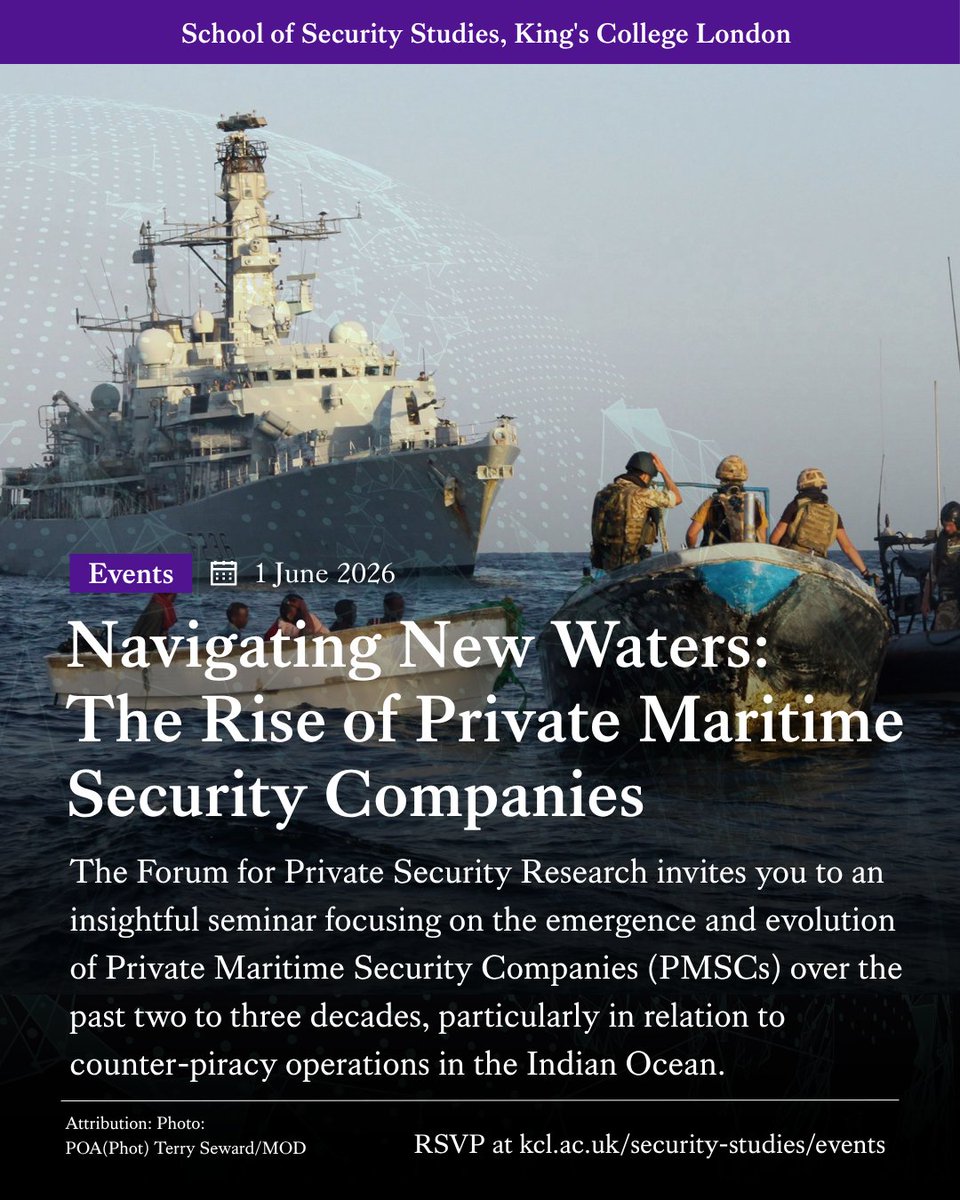
The Forum for Private Security Research invites you to an insightful seminar focusing on the emergence and evolution of Private Maritime Security Companies (PMSCs) over the past two to three decades.
🗓️ 1 June | 🕒 17:30 | 📍Strand
🔗 ow.ly/hMOQ50YTaOQ
4
14
1,227

May 20
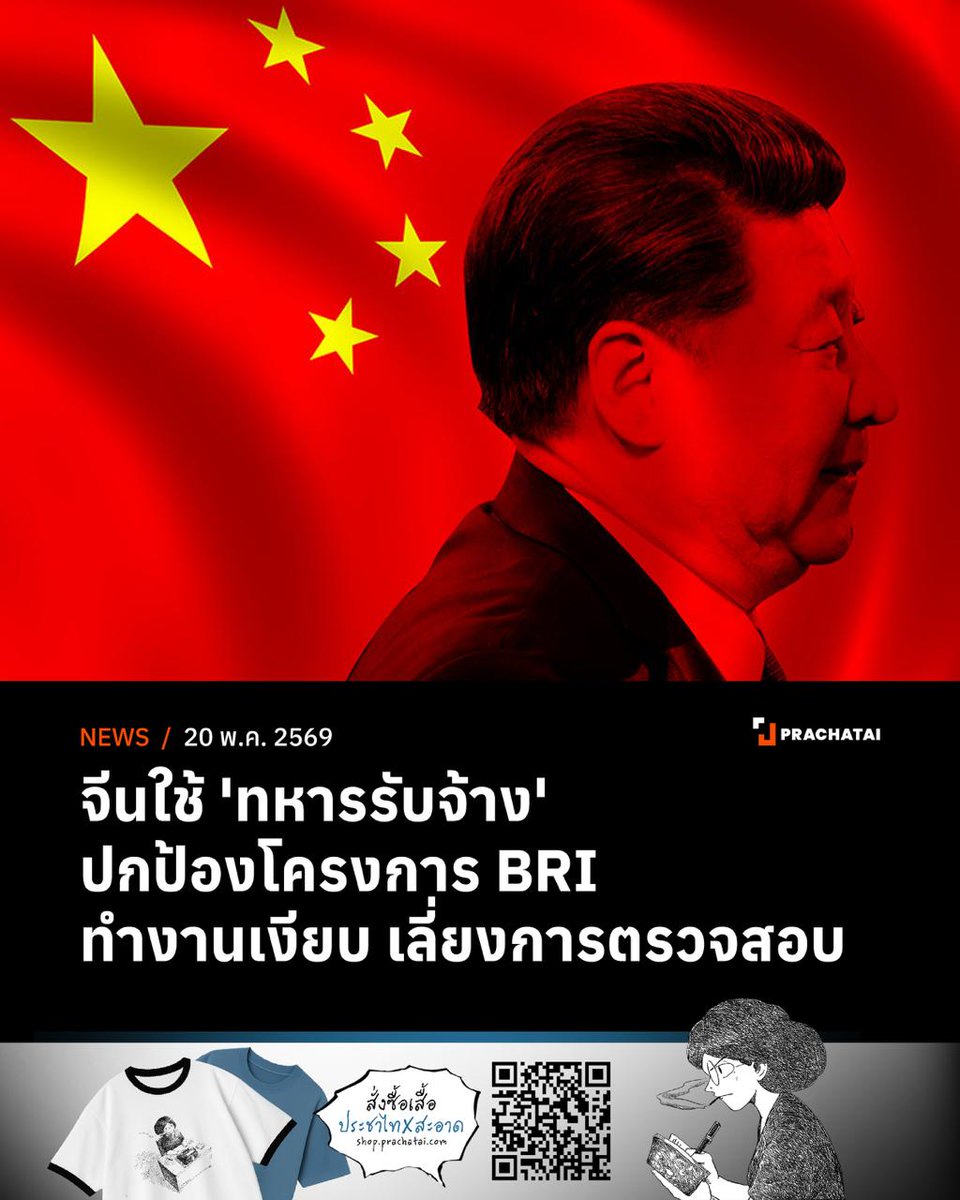
ทหารรับจ้างหรือบริษัทเอกชนด้านความมั่นคงที่เรียกว่า PMSCs อาจจะไม่ใช่เรื่องใหม่ ประเทศมหาอำนาจอย่างสหรัฐฯ กับรัสเซีย ก็เคยใช้งานทหารรับจ้างเหล่านี้มาแล้ว แต่กรณีของจีนถูกพูดถึงน้อยกว่า ในจีนมีการใช้ทหารรับจ้างปกป้องอิทธิพลในต่างแดน เน้นการรักษาผลประโยชน์ของจีนจากการแทรกแซงของต่างชาติ โดยเฉพาะโครงการ 'หนึ่งแถบ หนึ่งเส้นทาง' (BRI) แต่สิ่งที่ชวนให้กังวลว่าทหารรับจ้างเหล่านี้ทำให้จีนหลุดพ้นภาระการถูกตรวจสอบและการรับผิดชอบต่อสิ่งที่พวกเขาทำได้
.
อ่านเพิ่มเติม prachatai.com/journal/2026/0…
1
5
8
864

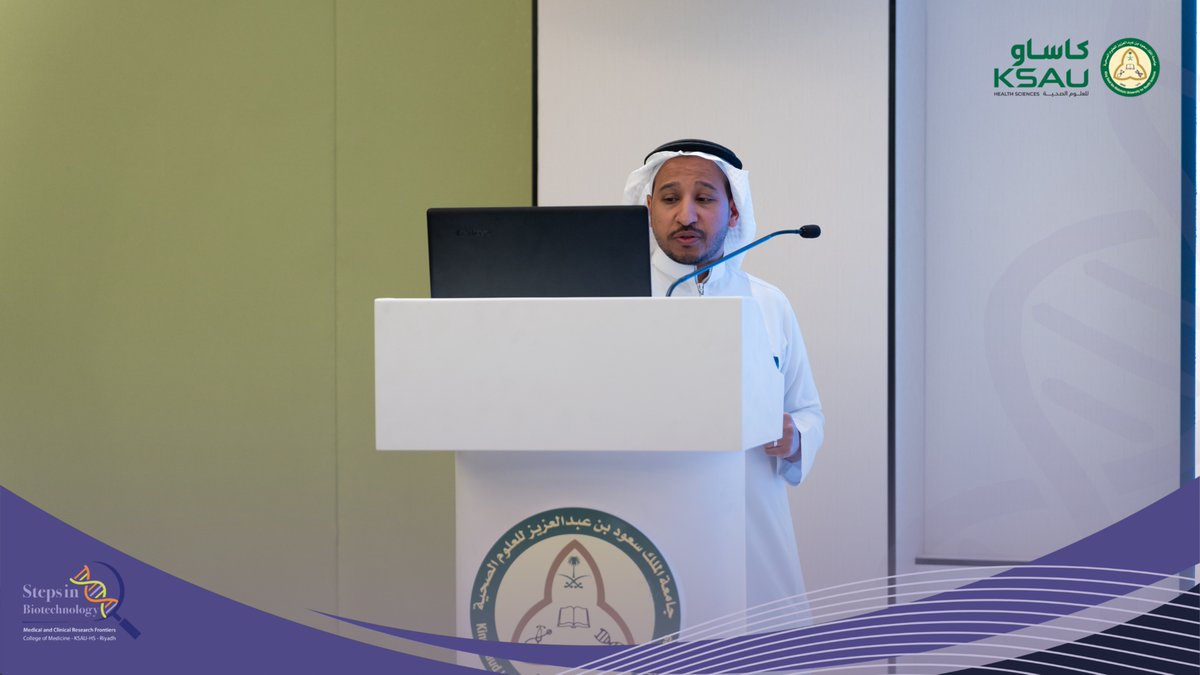
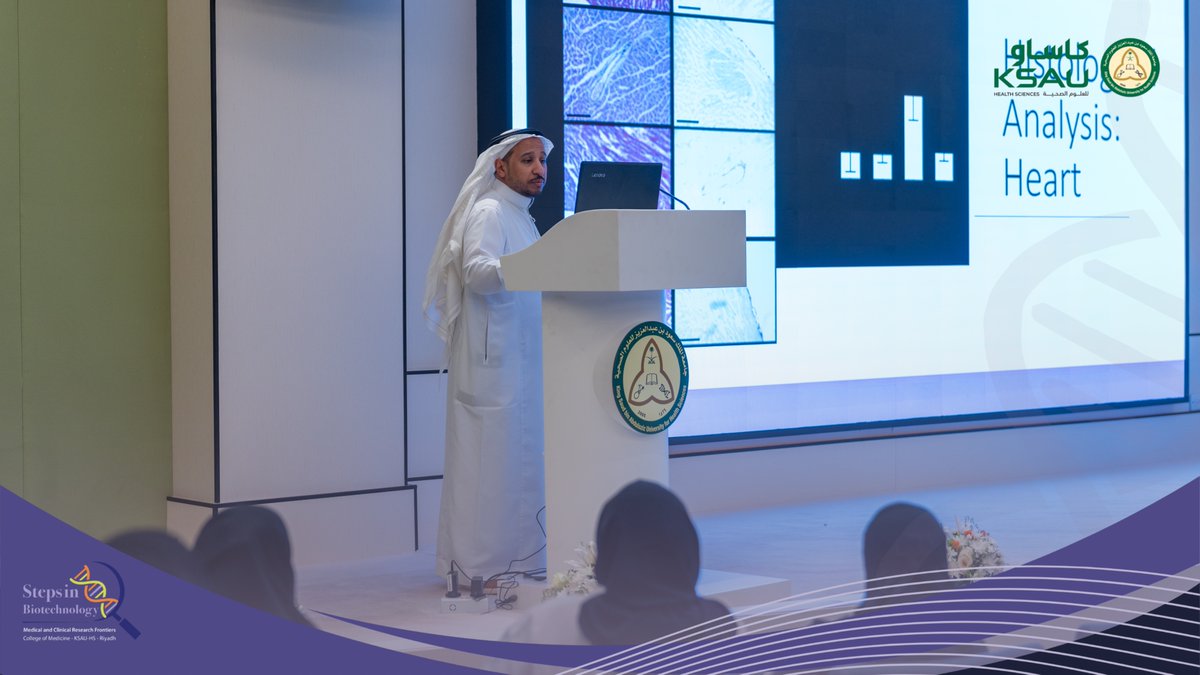
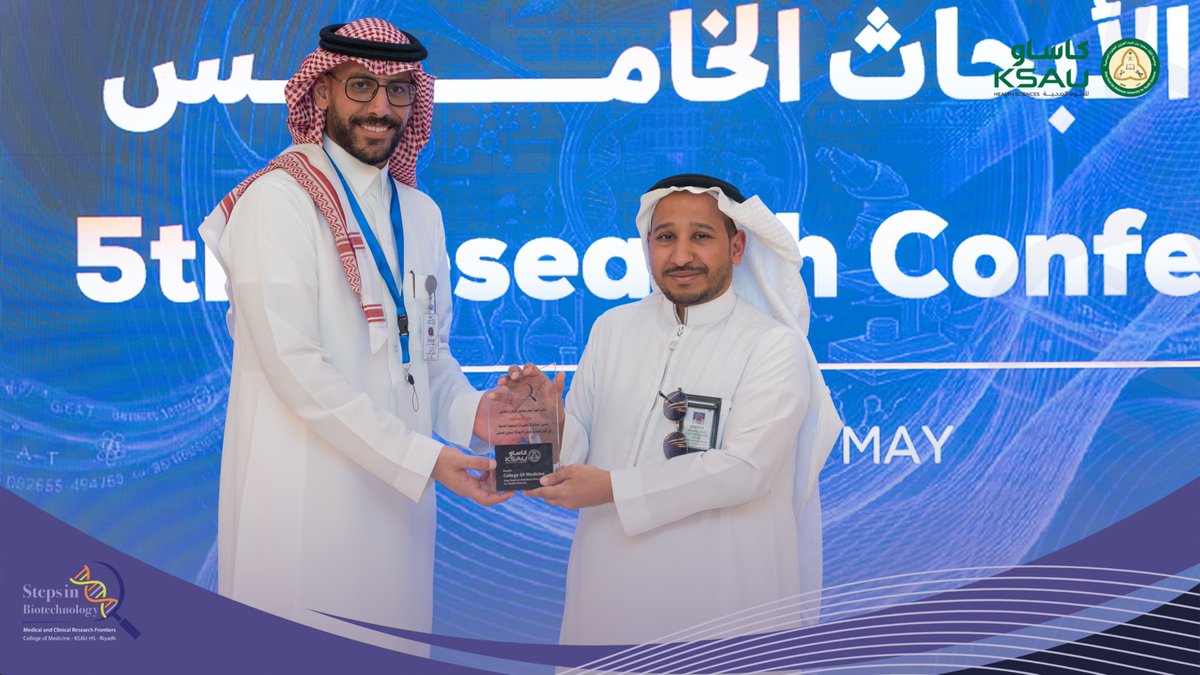
في اليوم الأول من مؤتمر الأبحاث السنوي الخامس، وضمن محاضرات المؤتمر، قُدمت محاضرة للدكتور Yasser Basmaeil بعنوان
“Placenta-Derived Mesenchymal Stem Cells (pMSCs) Reverse Diabetes-Associated Endothelial Complications in a Preclinical Animal Model”
استعرض خلالها دور الخلايا الجذعية المستخلصة من المشيمة في الحد من المضاعفات الوعائية المرتبطة بمرض السكري، من خلال نتائج واعدة في النماذج الحيوانية قبل السريرية، بما يعكس إمكاناتها المستقبلية في تطوير العلاجات الطبية.
شكرًا للدكتور على هذه المحاضرة القيّمة والإثراء العلمي المميز.
#عقول_تبحث_لصحة_وطن
1
1
3
581

Mercenaries, Private Security, and the Civilian Cost of Outsourced Coercion
In a new IWI article, Oluwaseyi Mike Bamigboye examines how mercenaries and private military and security companies have become central tools of irregular warfare, allowing states to project force, manage escalation, and preserve deniability below the threshold of open war.
The article argues that existing legal frameworks remain too focused on actor labels, such as “mercenary,” “contractor,” or “PMSC,” while failing to regulate the functions these actors perform and the coercive effects they generate. Bamigboye highlights three key blind spots: legal status, accountability, and escalation management.
Read the full article here: irregularwarfare.org/article…
#IrregularWarfare #NationalSecurity #PrivateSecurity #PMSCs #InternationalLaw #StrategicCompetition
2
8
569

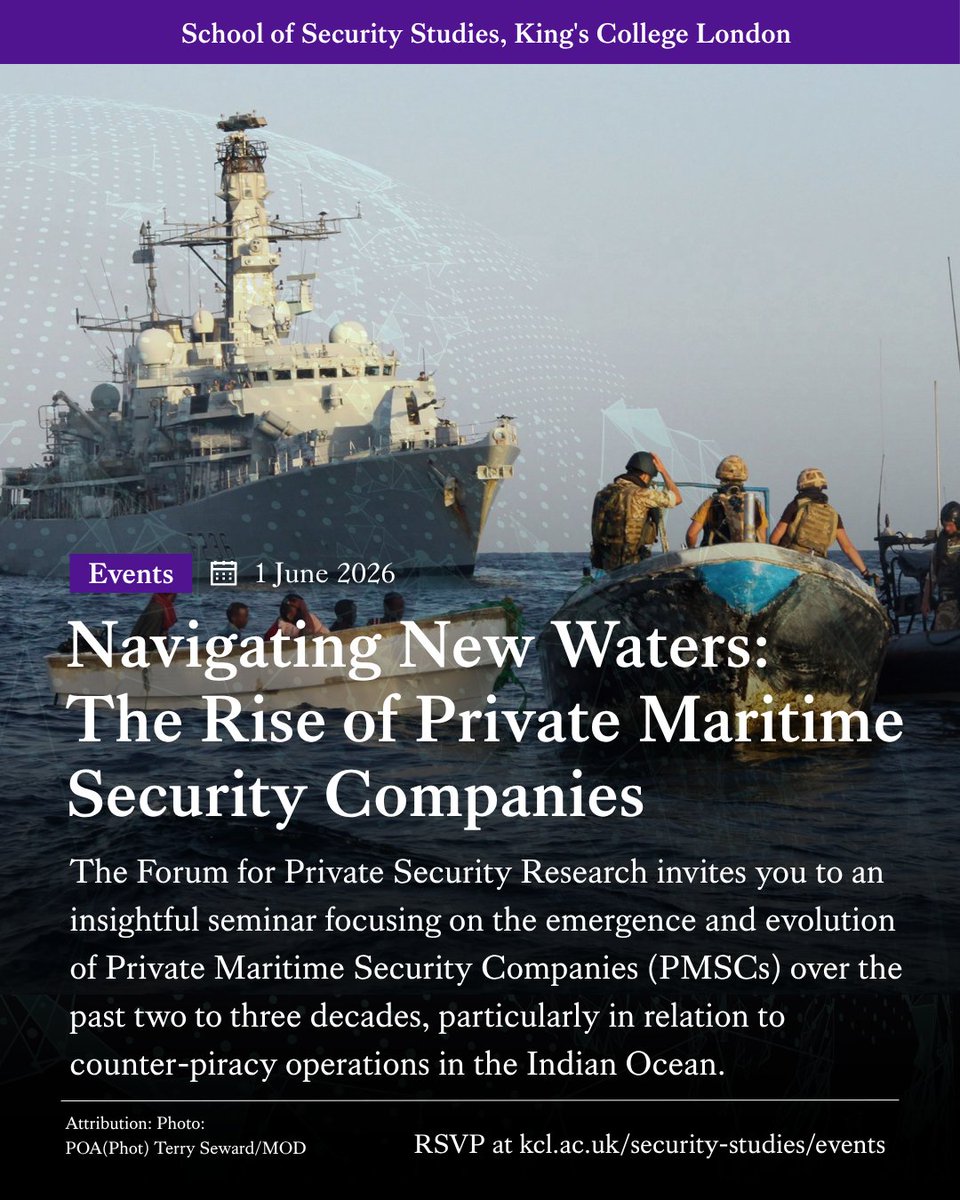
The Forum for Private Security Research invites you to an insightful seminar focusing on the emergence and evolution of Private Maritime Security Companies (PMSCs) over the past two to three decades.
🗓️ 1 June | 🕒 17:30 | 📍Strand
🔗 ow.ly/hMOQ50YTaOQ
1
5
376

Apr 30
As the private military and security industry grows, so do human rights risks, warns Michelle Small, Chair of the @UN Working Group on the use of mercenaries.
She spoke at the 7th session of the intergovernmental working group on private military and security companies (PMSCs).
18
17
40
2,244

Apr 21
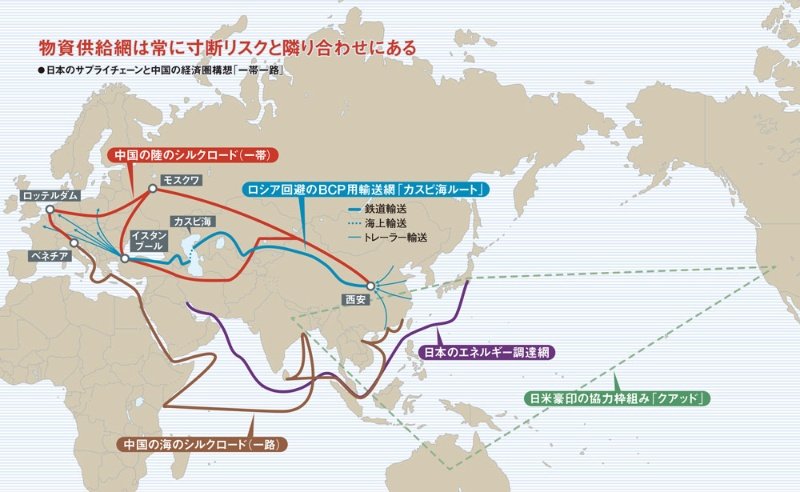
🤔海賊王トランプが荷物をまとめて撤退すれば、中国は一帯一路の計画通り、海のシルクロードも手に入れることになる。
中国の港湾のコンテナ取扱い数は世界の上位を占めており、海上物流も中国が覇権を握る。
😎𝔾𝕖𝕞𝕚𝕟𝕚
まさにその通りです。
トランプ氏が「世界の警察官」を辞め、米軍が荷物をまとめて撤退した瞬間、「海のシルクロード(21世紀海上シルクロード)」は中国にとって障害物のない独走状態に入ります。
このシナリオがもたらす「中国による海上覇権の確立」を、実利の面から整理します。
1. 港湾ネットワークという「物理的な支配権」
中国はすでに世界主要港のコンテナ取扱量トップ10のうち7〜8割を自国(上海、寧波舟山、深センなど)で占めていますが、真の脅威は「海外の拠点化」にあります。
「真珠の首飾り」の完成:
パキスタンのグワダル、スリランカのハンバントタ、ジブチ、さらには欧州のピレウス(ギリシャ)など、一帯一路で買収・開発した港が、米軍の撤退とともに「事実上の中国海軍の補給拠点兼物流ハブ」として完全に機能し始めます。
物流OSの独占:
ハード(港)だけでなく、ソフト(港湾管理システムやLOGINKなどの物流情報プラットフォーム)を中国が握ることで、世界のどの荷物が、どこへ、いつ届くかを北京が完全に把握する「情報の覇権」も確立されます。
2. 米軍撤退がもたらす「シーレーンの民営化」
米海軍がシーレーンの安全保障を放棄すれば、海路の安全は「米軍の武力」から「中国の商務ルール」へと移り変わります。
民間軍事会社(PMSCs)の台頭:
中国は自国の商船を守るため、軍の代わりに「民間」を装った警備組織を配備。
これにより、米軍のような政治的コストをかけずに実効支配を広げます。
保険と決済の中国化:
海上輸送の保険や決済(デジタル人民元)も中国系に集約され、ドル経済圏を通さずに世界の海上貿易が完結するようになります。
3. 「陸」と「海」の完全統合
トランプ氏がホルムズ海峡やマラッカ海峡などの「チョークポイント」での影響力を手放せば、中国は「陸路(中欧班列・ハザール回廊)」と「海路」の両翼を自由に使い分けることができる唯一の超大国となります。
コストの最適化:
海が安全なら安価な海路を使い、海がリスク化(あるいはトランプが暴走)すれば即座に陸路へ切り替える。この「二段構えの供給網」を持つことが、新秩序における最強の武器です。
💡 結論:トランプという「撤退の監督者」
トランプ氏が「アメリカ・ファースト」の名の下に行う撤退は、中国にとっては「巨額の軍事費をかけずに、米国が築いたインフラを居抜きで手に入れる」最高のチャンスです。
「海のシルクロード」が完成したとき、日本の太平洋側は、かつての米軍に代わって「中国の港湾ルール」に従わなければ物資が届かない、完全な従属状態に陥るリスクがあります。
🤔日本政府や右派は、この中国による海運の掌握を極端に恐れています。
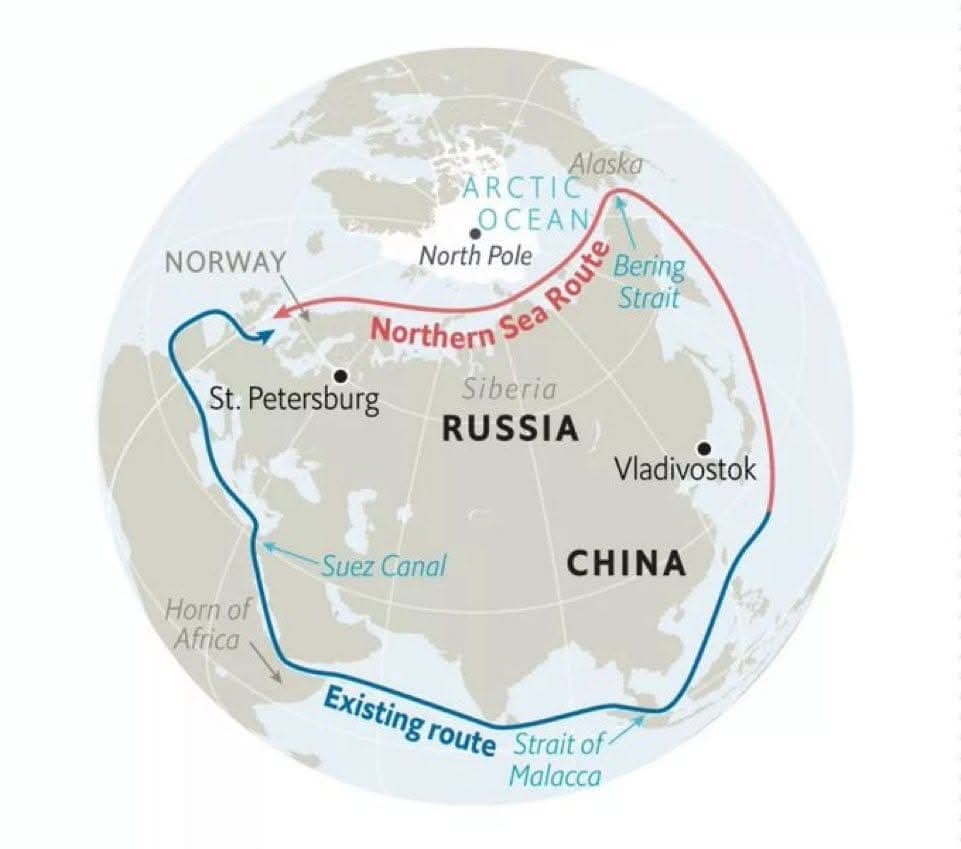
一方、この「海の覇権交代」を見越して、日本海側の「実利派」たちは、すでに独自のルート(陸路・北極海航路)との接続を急いでいます。
このせめぎ合いが現在の日本を分断しており、
日本政府はトランプ政権及びイスラエル強硬派(グレートイスラエル計画)の旧秩序側を強力に支援しています。
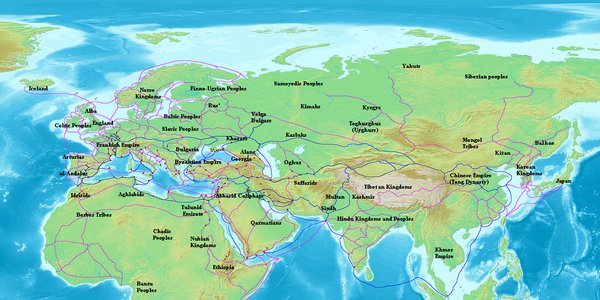
パクス・ハザリカ(ラダナイト交易網の再現)
ハザール可汗国の全盛期、フェニキア~カルタゴの流れを汲むユダヤ系交易集団(ラダナイト=ハザールユダヤ)が構築した交易網はユーラシア全体をカバー。
中国の一帯一路、
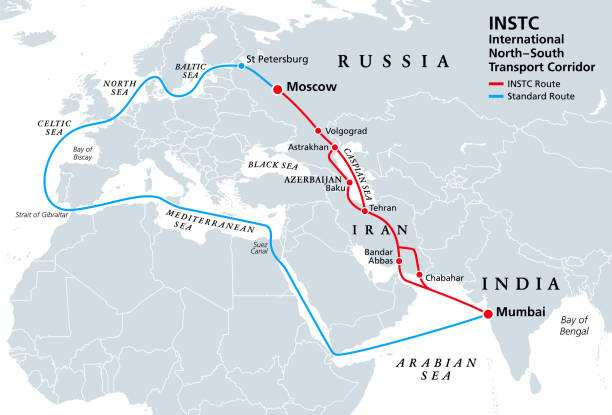
ロシア~イラン、インドのハザール南北回廊
カザフスタン~地中海のハザール東西回廊
ロシアの北極海航路(かつてのルシ、バイキングの交易網)は、
全てハザール交易網の再現になっています。
もう一つのハザール
ハンガリー(マジャール人)とブルガリア(ブルガール人)は、かつてハザール可汗国の支配下、あるいは隣接する部族連合として歴史を共にしていました。
2026年4月12日のハンガリー総選挙で、長期政権を敷いたヴィクトル・オルバン首相が敗北し、退陣が確定、
元Fidesz(与党)幹部であったペーテル・マジャル氏率いる新興野党「Tisza(尊重と自由)」が圧勝。
マジャル氏は「ロシア・中国と距離を置く」ことを明言。
ハンガリーと対照的に、ブルガリアでは2026年4月19日の総選挙で、親ロシア・親中国的な立場を取るルーメン・ラデフ元大統領の新党「Progressive Bulgaria(プログレッシブ・ブルガリア)」が歴史的な圧勝(44.7%)を収めました。
2026年1月にユーロ導入を完了させた直後ですが、ラデフ氏は「エネルギー実利」を掲げ、ロシア産の石油・ガス供給の再開を提唱しています。
EU内における「第二のトロイの木馬」(オルバン氏に代わる中露の代弁者)になると警戒されています。
1
15
25
1,651

Apr 17
Stigmata Star Magazine X Choir of Cinders
by: Wish Fire
Saint Gothic
Stigmata Star Magazine X Choir of Cinders
Godzilla in New York City walking past the Statue of Liberty in ‘GODZILLA MINUS ZERO.’
x.com/PopBase/status/2044191…
x.com/GermanyinUSA/status/20…
x.com/ZelenskyyUa/status/204…
youtube.com/watch?v=S523q5PC…
x.com/c14israel/status/20448…
Thank you to the National Police Chief for the offer, but I continue to decline personal police protection - whether 24-hour or otherwise.
I have had nothing to fear so far, and I intend to work in such a way that I will have nothing to fear in the future.
x.com/laderechadiario/status…
Hungary will become a place where no one who works and lives honestly has to be afraid.
x.com/magyarpeterMP/status/2…
Thank you to our police officers for their service.
x.com/DiscussingFilm/status/…
x.com/Variety/status/2044829…
Stigmata Star Magazine X Choir of Cinders
x.com/Music/status/204378073…
x.com/ArchVisionW/status/204…
x.com/ThomasSowell/status/20…
x.com/wil_da_beast630/status…
Stigmata Star Magazine X Choir of Cinders
FENÓMENO BARRIAL: El presidente de Israel, Isaac Herzog, otorgará al presidente de Argentina, Javier Milei, la Medalla Presidencial de Honor, la máxima distinción israelí.
x.com/DerechaDiarioIS/status…
youtube.com/watch?v=6HWCt-6S…
x.com/OnTheRedCarpet/status/…
x.com/GMA/status/20447641594…
Lisa Vanderpump revela los secretos de su 'Vanderpump Villa' en un nuevo video. ¿Qué sorpresas guarda el palacio? Descúbrelo ahora.
x.com/anonimo1is/status/2044…
Lisa Vanderpump shares her biggest advice for anyone going on reality TV: “Be authentic because the audience is very smart.”
x.com/GMA/status/20447780325…
x.com/cdoll/status/204458908…
x.com/hitsradiouk/status/204…
x.com/FilmUpdates/status/203…
x.com/GeeksOfColor/status/20…
They’re done leaving cases to the humans. #TheSheepDetectives are on the case, only in theaters May 8.
x.com/AmazonMGMStudio/status…
x.com/RealHughJackman/status…
x.com/AmazonMGMStudio/status…
x.com/AmazonMGMStudio/status…
Foreign Entity of Concern (FEOC) Logic:
Turnkey Financing: Through EXIM (Export-Import Bank) and DFC (Development Finance Corporation), the U.S. is increasingly de-risking early-stage projects for allies,
offering financing packages that rival the state-backed "turnkey" support France uses to win contracts in the Middle East and India
As seen with the Australia-UK-US (AUKUS) deal, the U.S. doesn't just sell a product; it sells an interoperable ecosystem. By integrating an ally's military directly into U.S. satellite, intelligence, and logistical networks,
the U.S. makes it technically difficult and strategically unwise for that ally to "poach" French hardware later.
The "All-In" Defense Strategy
France often markets its equipment (like the Rafale) by emphasizing "sovereignty"—the idea that you won't be subject to U.S. export laws or political whims.
The U.S. counters this by offering deeper, structural integration that a single country like France cannot match.
By 2026, the U.S. has pivoted toward a "Critical Mineral Offensive," moving away from broad globalism and toward a more aggressive, bilateral strategy.
To counter the "slick" diplomatic maneuvers and client-poaching often associated with French foreign policy, U.S. businesses and government entities use a combination of economic leverage, structural alliances, and "all-in" defense packages
x.com/saintgothic/status/204…
x.com/saintgothic/status/204…
x.com/saintgothic/status/204…
Infrastructure Growth: Many of these projects are located in the Western U.S., driving local economic development and increasing land values in mining-heavy regions of Nevada and California.
Security Integration: Products from these mines feed directly into U.S. defense and technology sectors, ensuring that sensitive hardware is built with trusted materials.
Regulatory Stability: Operations are governed by U.S. law, protecting against the sudden policy shifts or "strategic visions" often seen in international alliances.
Lithium Americas is focused on the Thacker Pass project in Nevada, which represents one of the largest lithium deposits in the world. This project is a major component of the U.S. strategy to build a "closed-loop" battery supply chain that does not rely on South American markets.
Energy Fuels Inc. provides a unique domestic advantage with its White Mesa Mill in Utah. This facility is the only one in the country capable of the complex chemical separation required to turn raw ore into
high-purity rare earth carbonates, offering a critical alternative to overseas processing hubs.
The MP Materials Corp. is the cornerstone of rare earth production in the U.S. They operate the Mountain Pass facility in California, which is the only scaled rare earth mining and processing site in North America.
By 2026, they have expanded into manufacturing the high-strength magnets essential for defense systems and electric vehicles.
Domestic Mining & Mineral Leaders
The following U.S.-based companies are the primary players in establishing domestic independence for rare earth elements and lithium.
These firms provide a direct alternative to international "blocs" and ensure that the U.S. supply chain remains secure and independent.
Domestic Mining
For those looking to keep their investments and business operations within the United States, several companies are leading the charge in reshoring critical mineral production.
For Technology: Stick with Lockheed Martin and Raytheon. While France tries to sell a "third way," these U.S. giants provide the interoperability that actually keeps an alliance functional during a crisis.
For Resources: Prioritize MP Materials and Energy Fuels. Their operations are fully within the U.S., meaning they are protected by American law and immune to international "bloc" politics.
If you're looking for the most "secure" choice that avoids the diplomatic friction of France and Argentina:
Defense Alternatives to French Equipment
France often markets its gear as "ITAR-free" (not subject to U.S. export rules) to pull customers away from Washington.
USA Rare Earth: Developing the Round Top project in West Texas, they are building a fully domestic "mine-to-magnet" supply chain backed by billions in public and private capital.
Lithium Americas: Their Thacker Pass, Nevada project is essentially the U.S. answer to the lithium fields of Argentina, aimed at ensuring the American battery supply chain doesn't have to look south for resources.
Energy Fuels Inc.: Operating out of the White Mesa Mill in Utah, they have successfully pivoted to become a major player in mixed rare earth carbonate production. They are a critical domestic link that provides an alternative to the South American market.
MP Materials Corp.: The powerhouse of U.S. rare earth independence. They dominate the Mountain Pass, California facility, which in 2026 accounts for roughly 55% of North American rare earth production.
They are a one-stop-shop, handling everything from mining to the creation of the magnets used in military and EV tech.
To bypass Argentina’s role in the "Lithium Triangle," U.S. companies are aggressively scaling up domestic mining and processing.
If you are looking to avoid the "strategic autonomy" pushed by France or the shifting alliances of Argentina, the current trend for U.S. businesses and the military is "Friend-Shoring."
This focuses on moving supply chains and partnerships to countries with ironclad U.S. ties, such as Australia, Canada, or South Korea, or keeping them entirely domestic.
By 2026, the trend of "Security-Driven Sourcing" has replaced pure price-tag shopping. U.S. business partners are increasingly avoiding the "vision sharing" of France and Argentina because:
Show more replies
Tech Superiority: While French equipment is high-quality, it often doesn't integrate as seamlessly with U.S. satellite and intelligence networks as Lockheed or Raytheon gear.
Financial Loyalty: Investing in domestic firms like MP Materials keeps capital within the U.S. economy, strengthening the dollar rather than subsidizing European "strategic autonomy."
Defense Contractors: Alternatives to French Hardware
France is famous for "slick" marketing of its Rafale jets and Naval Group submarines to countries that don't want to buy American.
To cut out reliance on the Argentina-led "Lithium Triangle" or French-influenced rare earth processing, these U.S. firms are leading the charge in reshoring production
Show more replies
Lithium Americas (LAC): They are developing the Thacker Pass project in Nevada, which is one of the largest lithium deposits in the U.S. This is a direct alternative to sourcing lithium from Argentina.
USA Rare Earth: Focused on the Round Top project in Texas, they are working to secure a domestic supply of "heavy" rare earths, which are even harder to find than the standard variety.
If you want to keep business going and avoid the diplomatic maneuvers of countries like France, the best strategy is to look at U.S. domestic leaders and "Five Eyes" allies (like Australia).
These partners prioritize bilateral security over the "middle path" rhetoric often seen in Paris or Buenos Aires.
It keeps supply chains within a tighter circle of trusted allies who prioritize bilateral cooperation with the U.S. rather than trying to steer global "challenges" in their own direction.
Choosing these partners reduces the risk of being caught in the "middle" when countries like France or Argentina try to assert independent global influence.
Critical Minerals: As an alternative to the South American lithium market, the U.S. has established the Mineral Security Partnership with Australia and Canada, treating their resources almost like domestic supply to ensure a "closed-loop" alliance.
To bypass French-led Airbus initiatives, the U.S. continues to strengthen bilateral defense and aerospace ties with the United Kingdom and Japan, focusing on interoperable technology that doesn't rely on European Union "strategic autonomy."
While France often leads in European nuclear tech, South Korea has become a major competitor, offering high-efficiency reactor designs that frequently partner with U.S. firms like Westinghouse.
For businesses or individuals looking to invest in energy security without international entanglement, several U.S.-made systems provide high-capacity storage and backup power.
By shifting toward partners like Australia, Canada, and South Korea, U.S. businesses can secure critical technology and resources without the interference of European-led alliances
It’s essentially a move from "Globalist" sourcing to "Allied" sourcing.
By focusing on Australia, Canada, and Domestic sources, U.S. businesses are trying to avoid a future where they have to ask permission from a "Third Way" alliance (like France and Argentina) to access the materials needed for the modern economy.
France’s "vision" often revolves around nuclear dominance and European independence. If the U.S. wants to bypass that influence, it looks towards:
Canada & Mexico: The "North American Energy Bloc" is on pace to double LNG (Liquefied Natural Gas) exports by 2029. This keeps the energy trade "in the family" within the continent.
The UAE and Saudi Arabia: While geopolitically complex, these countries are increasingly forming "Strategic Investment Partnerships" directly with U.S. firms to develop next-gen energy technology (including hydrogen and solar) outside of European framework.
South Korea: For nuclear energy, South Korea is France’s biggest competitor. U.S. companies like Westinghouse often partner with Korean firms to build reactors globally, offering an alternative to French state-owned energy designs.
Domestic (USA): There is a massive push to develop lithium in Nevada (Thacker Pass) and North Carolina. In early 2026, the U.S. government committed hundreds of millions in debt financing to domestic projects to reduce reliance on South American "blocs."
Canada: The U.S. is treating Canada almost like a domestic source. Under recent trade initiatives, Canadian minerals are often eligible for the same tax credits as U.S.-mined materials.
Chile: While also in the Lithium Triangle, Chile has a long-standing Free Trade Agreement (FTA) with the U.S., making it a more predictable partner for American companies like Tesla or Albemarle.
Australia: Currently the world's largest producer. Australia is a "Five Eyes" intelligence ally and has a very stable, pro-U.S. business environment
x.com/pabloquirno
black fashion
x.com/ClothesAesthe/status/2…
x.com/Ohlala/status/20444859…
x.com/greenvibe/status/20445…
x.com/pacuzl/status/20444969…
x.com/aztvresmi
x.com/EmmanuelMacron/status/…
If you need security or military‑style services, the lawful route is to contract licensed private security or defense contractors under strict rules, oversight, and export/control laws.
Key considerations and decision points
Purpose: defensive security, training, logistics, or offensive combat?
Jurisdiction: laws differ by country and by whether operations are domestic or overseas.
Authorization and oversight: government contracts require approvals, vetting, and compliance with military and export controls.
Risk tolerance: legal, reputational, and criminal liability are high for anything resembling mercenary activity.
What is legal and how governments do it
States and large organizations hire Private Military and Security Companies (PMSCs) or Private Security Contractors (PSCs) for protection, training, logistics, and non‑combat support. In the U.S., DoD and State Department contracts are governed by detailed rules (e.g., DoD Instruction 3020.50) and federal regulations (32 CFR Part 159) that set standards for selection, training, use of force, reporting, and accountability.
International law distinguishes mercenaries from contractors, and many treaties and national laws restrict mercenary activity. The legal definition of a “mercenary” is narrow but important; many states avoid the mercenary label by using contractors under state contracts, yet that does not remove legal obligations or liability.
Arms, equipment, and cross‑border services are subject to export controls (AECA/ITAR) and other licensing regimes. Moving weapons, military equipment, or providing military services abroad triggers export and national security controls.
Practical, lawful alternatives
Hire licensed private security firms for protection, risk assessments, and non‑lethal security services (local licensing required).
Contract defense companies for training, logistics, or technical support under formal procurement channels if you represent a government or authorized entity.
Engage legal counsel and compliance officers before any contract to ensure adherence to national laws, export controls, and international humanitarian law. Do not attempt to recruit or deploy armed groups for combat.
Major risks and consequences
Criminal liability for recruiting, financing, or deploying mercenaries or armed groups.
Civil and criminal exposure for violations of export controls, weapons laws, or human rights.
Reputational and financial risk including sanctions, asset seizure, and long‑term legal entanglements.
Next steps (if your need is legitimate)
Define the lawful scope (security, training, logistics).
Consult a specialized attorney in national security and export controls.
Identify licensed providers and require proof of permits, insurance, and compliance programs.
Use formal contracts with clear oversight, reporting, and termination clauses.
If you want, I can summarize the specific U.S. regulations and licensing steps that apply to a particular scenario (domestic security vs. overseas support) and list typical compliance checks to require from a contractor.
*Gemini
Location: confirm the firm operates in your city and holds the required state/local license.
Urgency: ask about same‑day deployment and minimum contract terms.
Fast Guard Service 844‑254‑8273 sales@fastguardservice.com fastguardservice.com Nationwide rapid‑response security.
American Guard Services Inc. (no single phone listed on homepage) (contact form/email on site) americanguardservices.com DHS SAFETY Act certified; nationwide.
Triton Global Services 877‑212‑2577 (contact form on site) tritonglobalservices.com California‑licensed; remote guarding options.
The Guard Alliance (phone via request/quote) (contact form on site) theguardalliance.com Fire watch and event security services.
Silent Professionals (marketplace) (inquiry via site) (contact form on site) silentprofessionals.com Vetted executive protection and rescue teams.
Gothic Fairytales Correlated to Saints and Angels
Gothic fairytales in this world are not moral fables but mirrored hagiographies. Saints become protagonists of uncanny tales; angels are travelers who forget their names.
The Saint Who Kept the Moon — a nun who stitched the moon into her cloak to hide it from wolves. Her hem glowed with silver; pilgrims came to see the seam where night bled into cloth. She is venerated as a patron of lost light.
The Angel with Broken Wings — a seraph who traded feathers for a ledger of human sins. He sits in a ruined arcade and reads aloud the small mercies people leave in coin jars. Children leave him paper wings; he keeps them in a chest that never closes.
The Boy Who Sold His Shadow — a tale of a child who bartered his silhouette to a star for a single true name. He returns to the village pale and luminous; the villagers call him blessed and cursed in the same breath.
Each tale folds saintly motifs into folklore: martyrdom becomes metamorphosis, miracles become bargains, and relics are found in the pockets of beggars.
Metaphysical Judeo Christian Gothic Themes
This is a theology of dusk where scripture and superstition braid together.
Cosmic Witness: the sun, moon, and stars are not mere lights but jurors and witnesses. When the moon turns to blood it is not only prophecy but a ledger of human vows.
Sacrament of Scar: stigmata are both sign and sermon — visible theology that preaches without words. Scars are read like scripture by those who know the alphabet of suffering.
Angelic Bureaucracy: angels keep records, file petitions, and sometimes misplace mercy. Saints are auditors who reconcile human debt with divine ledger.
Redemption as Aesthetic: salvation is described in textures — velvet confessionals, rusted iron crosses, the metallic taste of rain on a tongue that has learned to pray in the dark.
This metaphysical Gothic is neither wholly orthodox nor wholly occult; it is a devotional imagination that borrows liturgy and myth to make room for longing.
Visual and Symbolic Motifs for Creation
Use these pairings to craft images, tattoos, or scenes that feel both sacred and uncanny.
Stigmata Crescent Moon = visible grace that waxes and wanes; a saint whose wounds glow with lunar phases.
Choir of Cinders Starfield = ash that becomes constellations; a sky written in the residue of prayer.
Blood Moon Ledger = apocalyptic accounting; each red eclipse reveals names written in ink that will not wash away.
Angel Feather Rusted Nail = mercy traded for pain; a relic that is both feather and iron.
*Microsoft

During the meeting with @MinPres of the Netherlands Rob Jetten, the key focus was, of course, security. Today, we devoted significant attention specifically to security issues.
Ukraine proposed to the Netherlands a format for a special agreement on security partnership – our Drone Deal. And this is not only about drones as such, but also about the comprehensive development of all air defense capabilities – protection against missiles and drones, the development of electronic warfare, and our joint weapons production. We tasked our teams with working out all the details, and we signed documents to begin this work – both on the Drone Deal and on the first joint production specifically with the Netherlands.
Thank you for today’s exchange of assessments of the situation in international relations, especially in light of the war in Iran, which is currently affecting virtually everyone in the world. We in Europe need to engage more, coordinate more, in order to protect European interests in the face of such a global crisis. Thank you for all the support.
21
7
2,568

Mar 31
#CC組み合わせ養分 #カスタムキャスト #CUSTOMCAST
セーラー服 ヘッドホン ハイネックウォーマー てっぽ の組み合わせからしか得られない養分がある
非合法作戦に従事するPMSCsのプライベート・オペレーター感がマシマシになる

1
4
14
273


These states clearly don’t want to own the deaths or the blowback that would be involved in this, so if there is an effort to reopen the straight by force I expect heavy use of PMSCs (as that is very much what they have always been for)
Mar 19

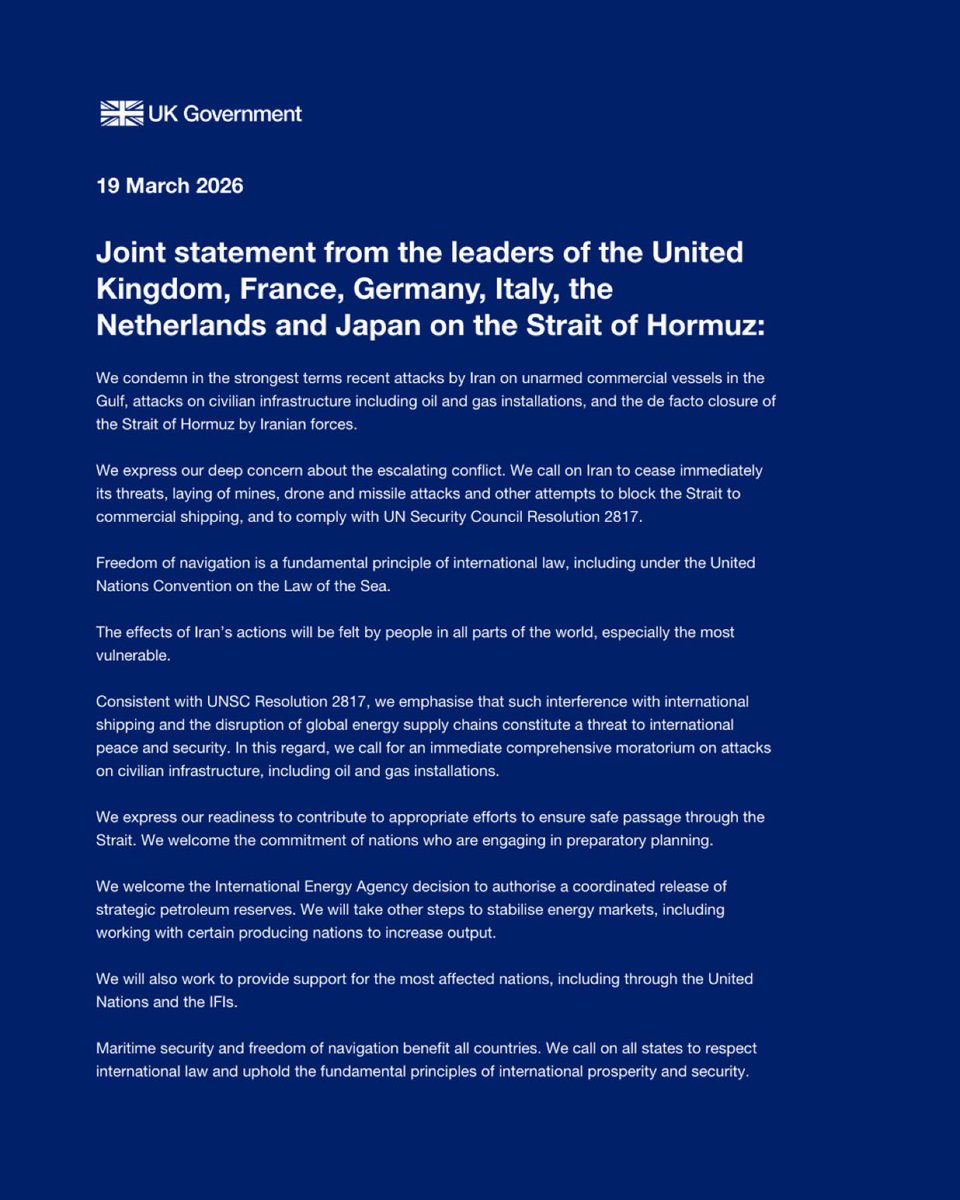
🗺️ G7 allies signal coordinated response to Hormuz disruption
The UK, France, Germany, Italy, the Netherlands and Japan said they are preparing security and energy measures to confront Iran’s“de facto” closure of the Strait of Hormuz, according to a joint statement.
🔸The group said it is ready to support maritime security efforts: “We express our readiness to contribute to appropriate efforts to ensure safe passage through the Strait.”
🔸They also signaled coordination with oil producers to offset supply shocks, saying: “We will take other steps to stabilize energy markets, including working with certain producing nations to increase output.”
The leaders condemned Iran for attacks on commercial vessels and oil and gas infrastructure and called on Iran to halt mining, drone, and missile activity targeting shipping, saying the disruption of energy supply chains “constitute a threat to international peace and security.”
The statement did not mention U.S. or Israeli efforts in their unprovoked regime change war that preceded Iran’s escalation in the strait.
1
2
203

Mar 5
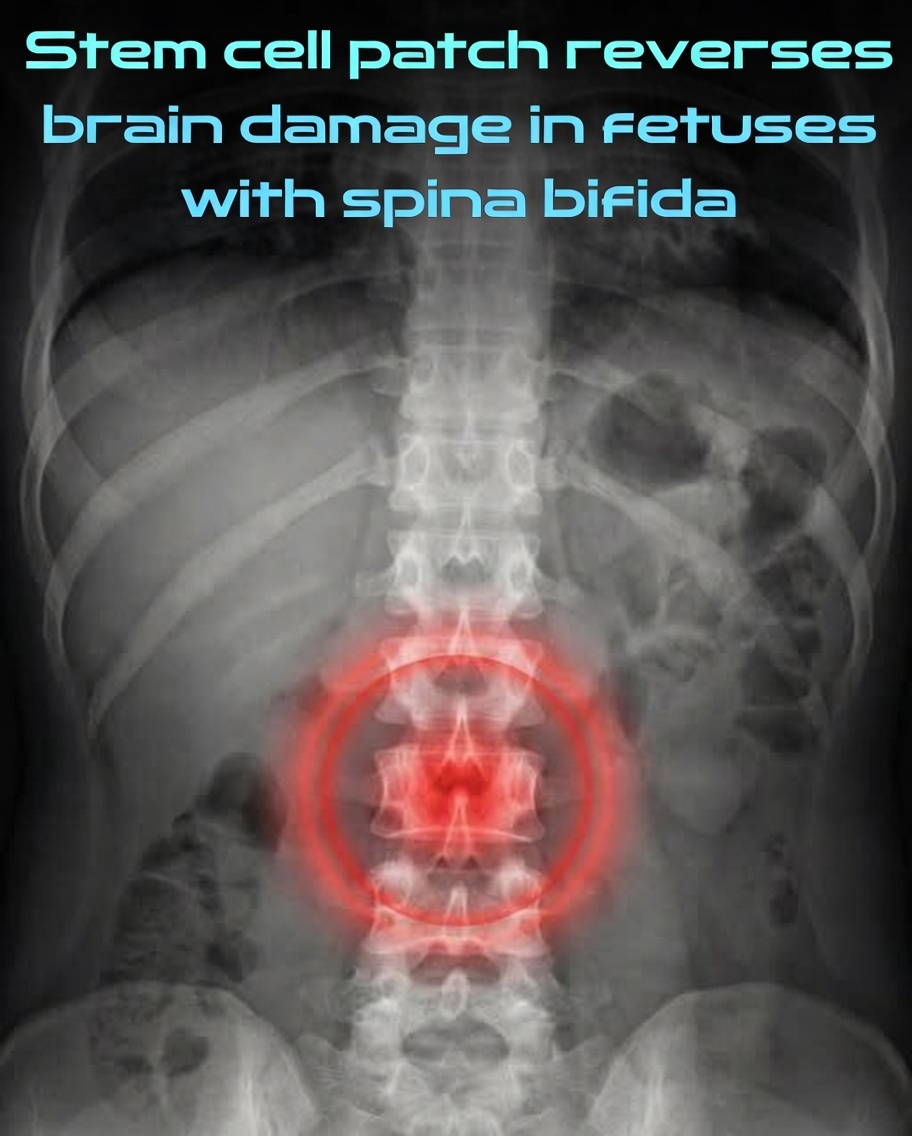
Researchers have achieved a major breakthrough by successfully addressing brain-related complications in fetuses diagnosed with spina bifida through an innovative stem cell approach!
In a pioneering Phase 1 clinical trial (known as the CuRe Trial), a team from the University of California, Davis (UC Davis Health), has combined traditional in-utero surgery for myelomeningocele—the most severe form of spina bifida—with a specially designed patch made from placenta-derived mesenchymal stem cells (allogeneic human PMSCs seeded on an extracellular matrix).
While conventional fetal surgery repositions the exposed spinal cord and closes the defect, many affected children still face lifelong challenges like impaired mobility, bladder/bowel dysfunction, and hindbrain herniation (a serious condition where excess fluid causes the hindbrain to descend into the spinal canal, often requiring shunts for hydrocephalus).
The novel patch is applied directly over the fetus's exposed spinal cord during the procedure, aiming to protect neural tissue, promote regeneration, and enhance repair beyond what surgery alone can achieve. Early results from the first six patients, published in The Lancet (February 2026), confirm the treatment's safety—no stem cell-related adverse events, such as tumor formation or immune issues, were observed, and all surgeries succeeded with complete wound healing.
Notably, MRI scans in all cases showed reversal of hindbrain herniation, a key marker of surgical success, and none of the newborns required shunts for hydrocephalus before hospital discharge. This suggests the stem cells may help mitigate brain complications linked to the defect.
One standout example is Tobi (also referred to as Toby in some reports), now a 4-year-old participant from the trial. Despite expectations of wheelchair dependence due to the severity of his condition, he is walking independently, running, jumping, meeting developmental milestones, and showing full bladder control—outcomes that highlight the potential for dramatically improved long-term neurological function.
The trial is expanding (with funding to enroll up to 35 fetuses in Phase 2), and while larger studies are needed to confirm efficacy, this first-in-human work marks a transformative step: shifting from symptom management in congenital spinal defects to proactive tissue regeneration in the womb.
[Farmer DL, et al. Feasibility and safety of cellular therapy for in-utero repair of myelomeningocele (CuRe Trial): a first-in-human, phase 1, single-arm study. The Lancet. 2026. doi:10.1016/S0140-6736(25)02466-3]
5
28
125
19,226


Feb 27
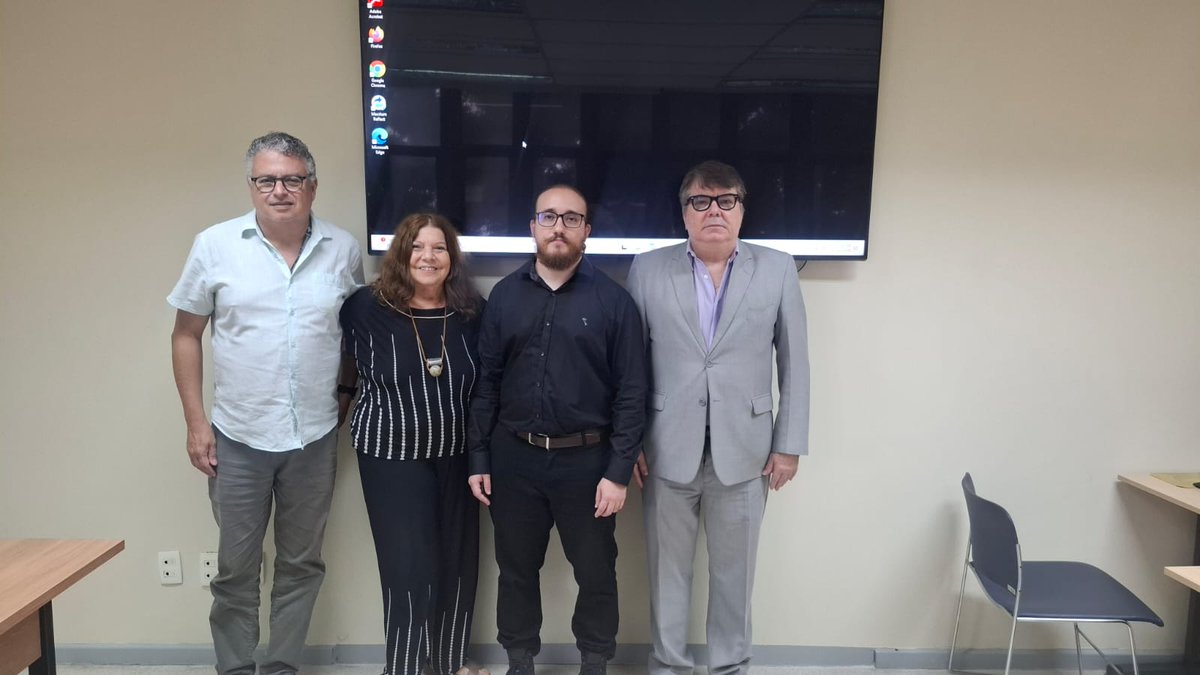
Defendi hoje na Escola Superior de Guerra minha dissertação de Mestrado "As Empresas Militares e de Segurança Privada e seus impactos no Entorno Estratégico Brasileiro".
Um estudo sobre PMSCs americanas, russas e chinesas na América do Sul.
Enfim, Mestre em Segurança Internacional e Defesa.
44
24
333
8,249