Ray retweeted

36m
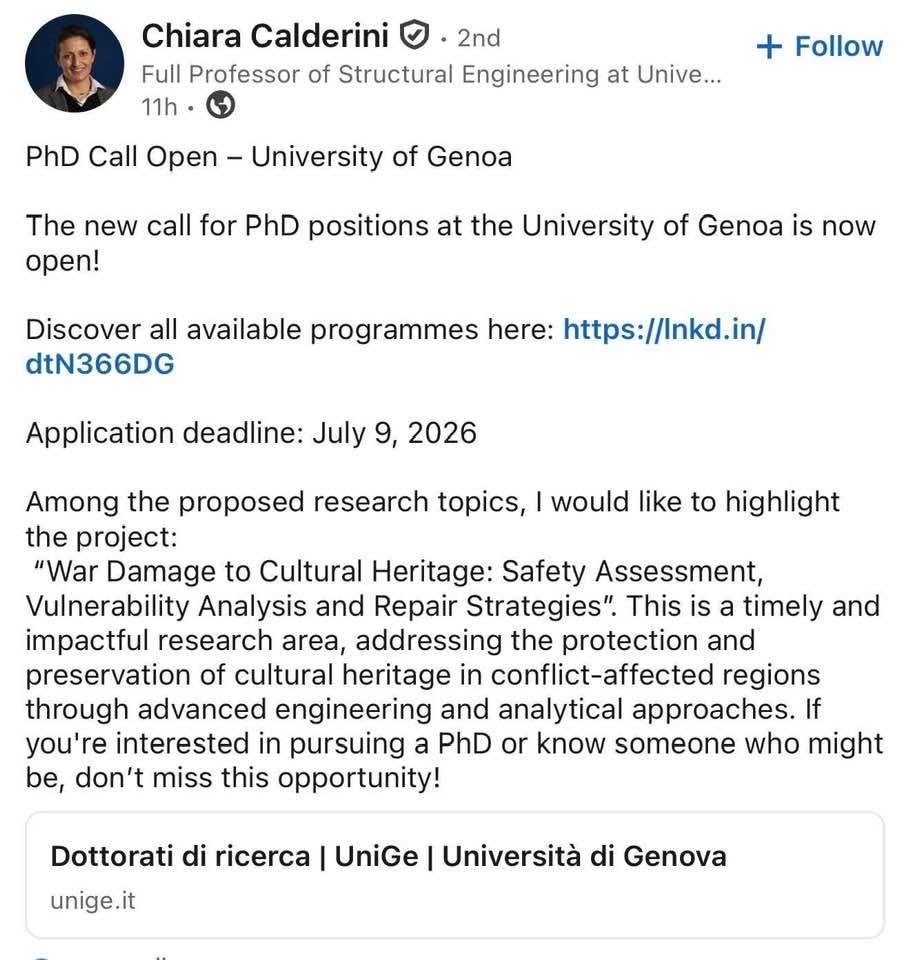
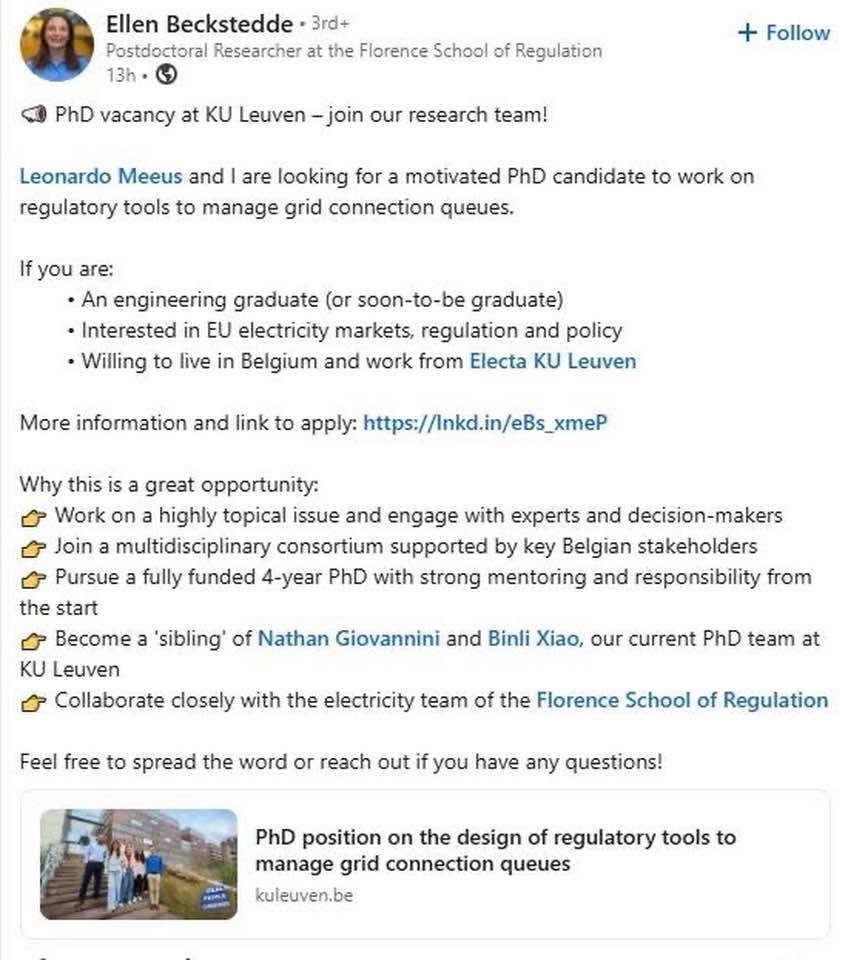
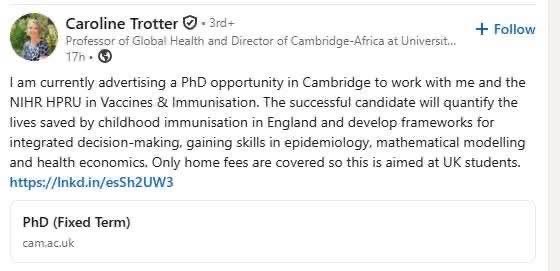
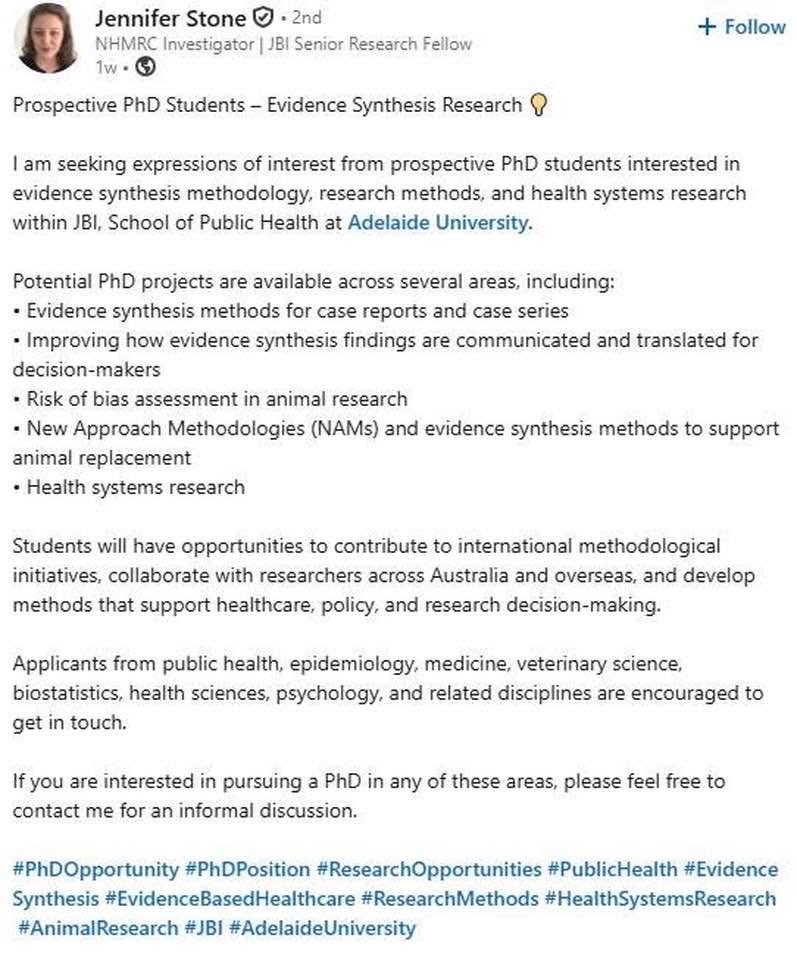
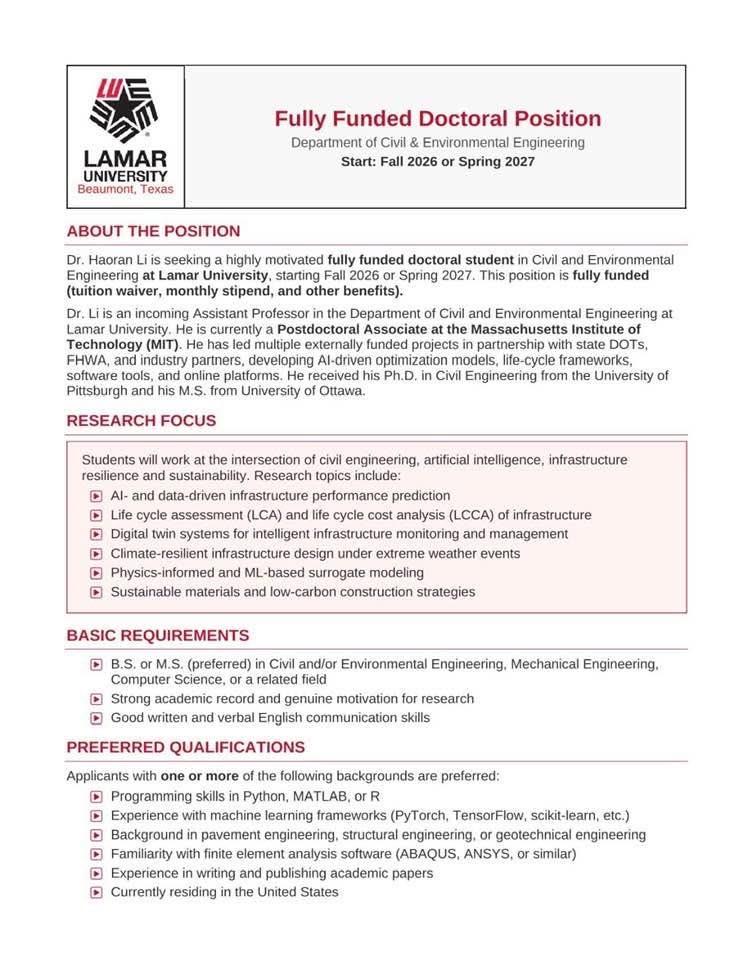
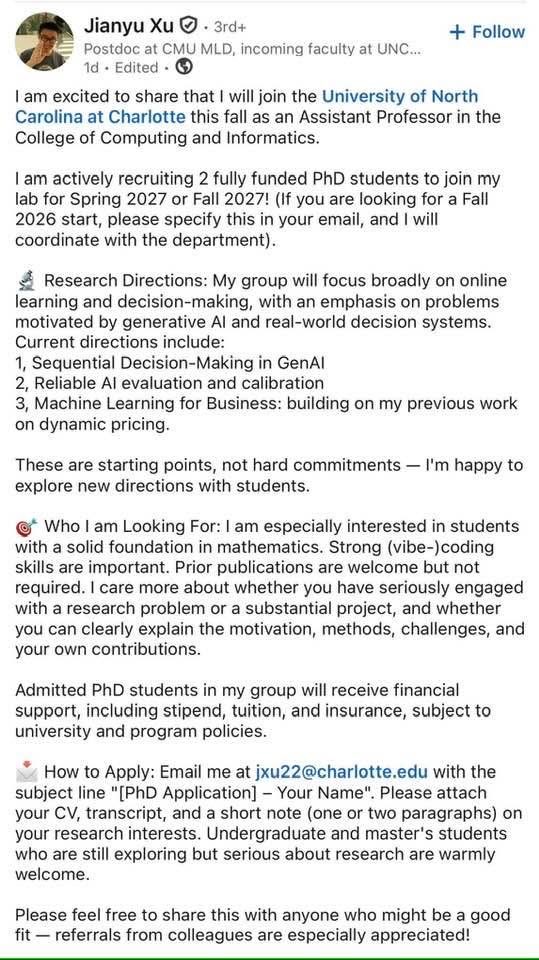
scholarship opportunities carefully selected for you. MSc, PhD and Postdoc 👇🏽

38m


1
1
32

Join the Korea Research Institute of Chemical Technology (KRICT) in South Korea as a Postdoctoral Researcher: owlindex.com/oi/6XBK8wRf
**************
#Owlindex #postdoc #postdoctoral #postdocposition #research

2

Join the Korea Research Institute of Chemical Technology (KRICT) in South Korea as a Postdoctoral Researcher: owlindex.com/oi/6XBK8wRf
*************************
PhD: owlindex.com/oi/DSFRoImB
Postdoc(s): owlindex.com/oi/A1lHzEwc
Faculty (s): owlindex.com/oi/i0XB6rvj
Internships/Co-Ops: owlindex.com/oi/yTphuFnE
Master (s): owlindex.com/oi/nFL7IEkq
*************************
More update:
Linkedin: lnkd.in/gSYT5S2e
Twitter: twitter.com/owlindex
Telegram: t.me/owlindex
Instagram: instagram.com/owlindexs/
*
#Owlindex #postdoc #postdoctoral #postdocposition #research

1
1
7
35m
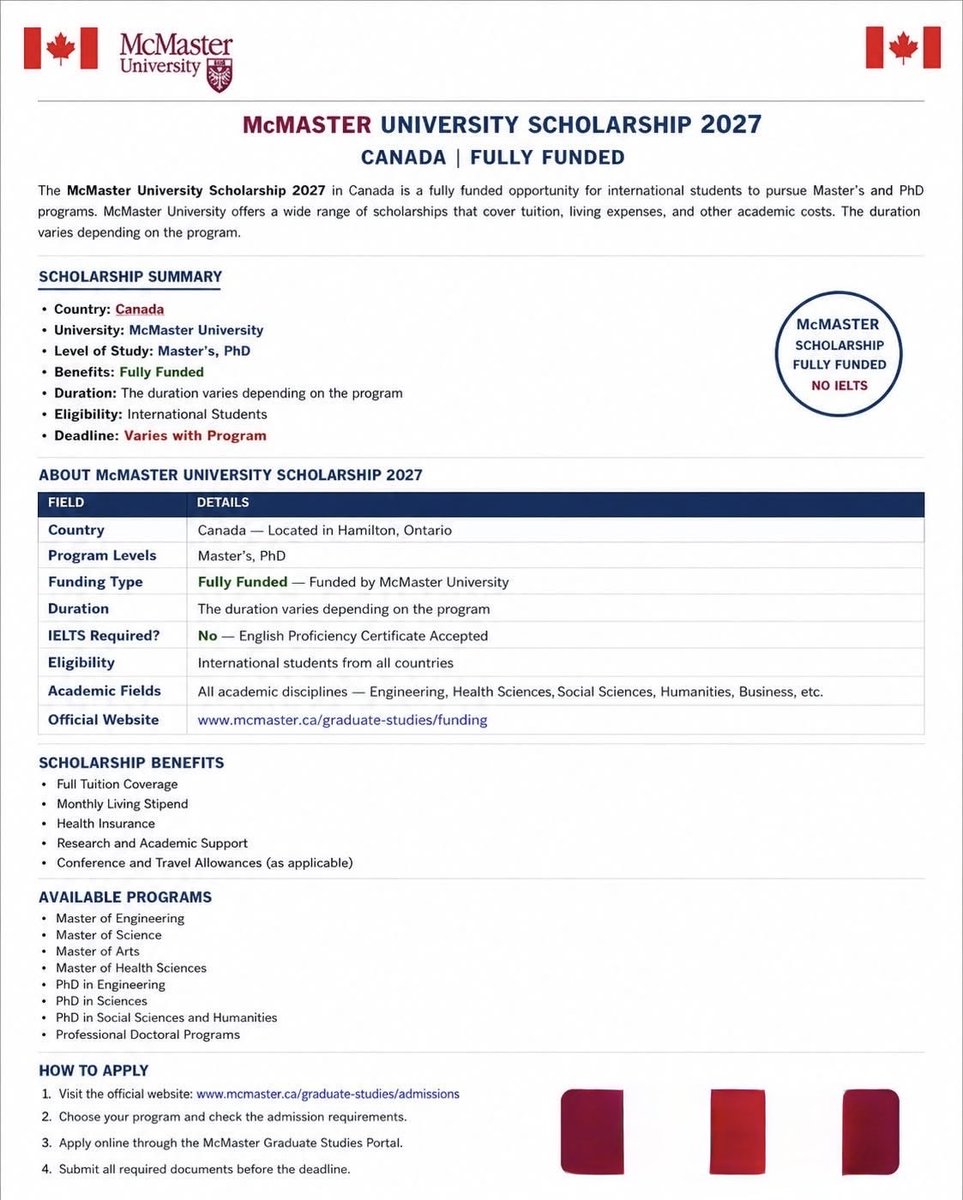
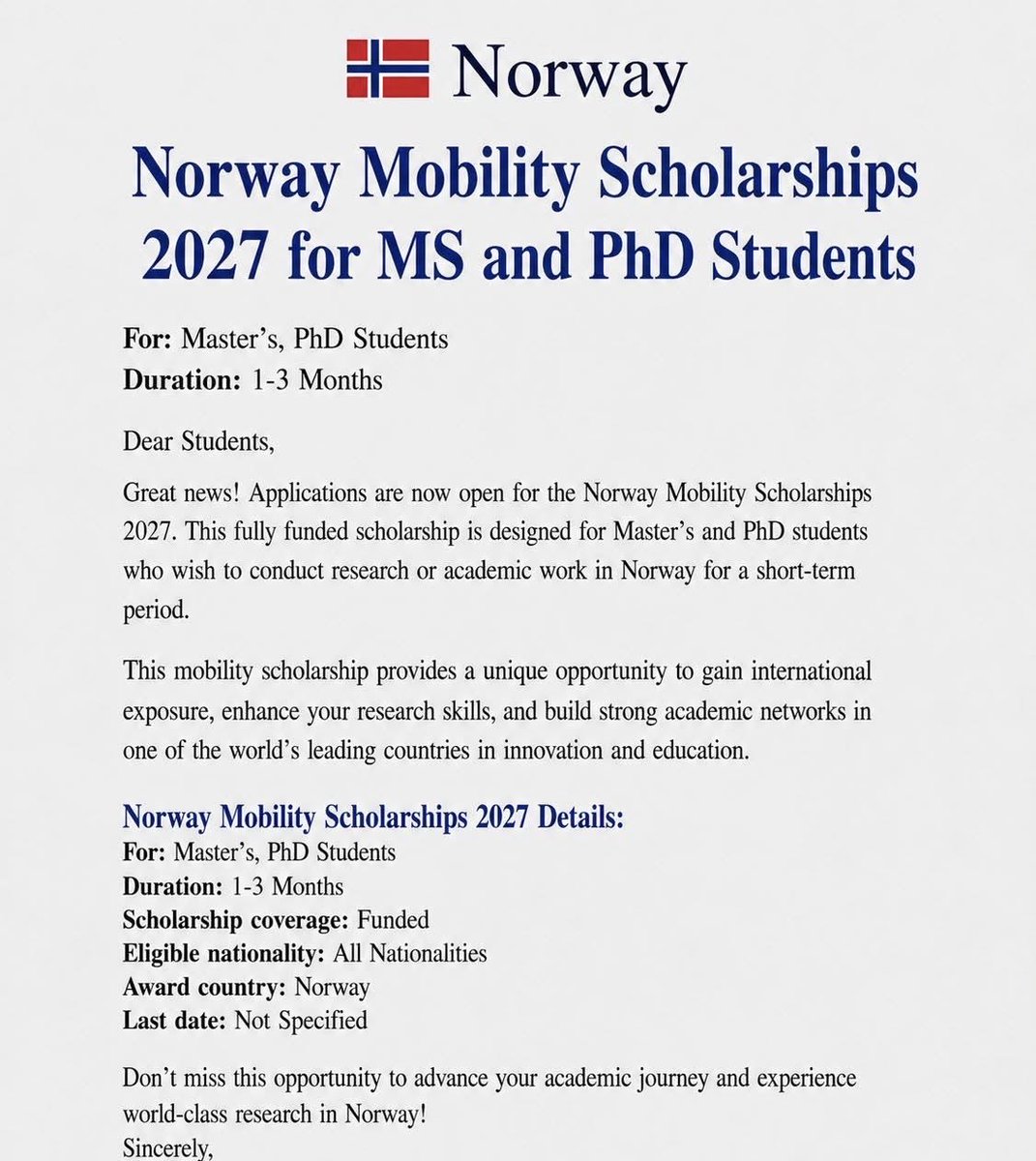
scholarship opportunities carefully selected for you. MSc, PhD and Postdoc 👇🏽
38m
34
36m
scholarship opportunities carefully selected for you. MSc, PhD and Postdoc 👇🏽

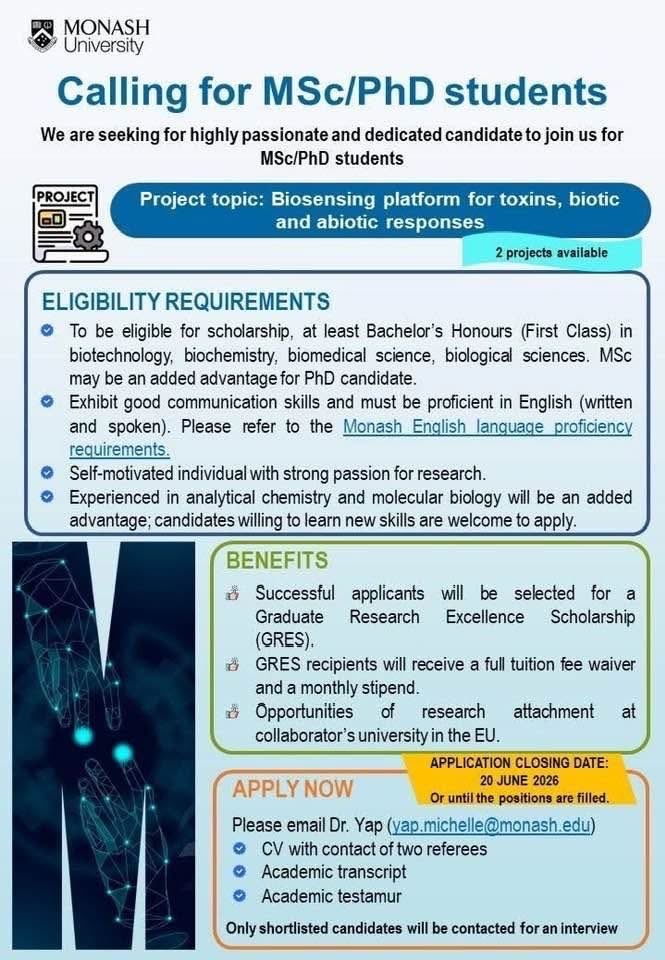
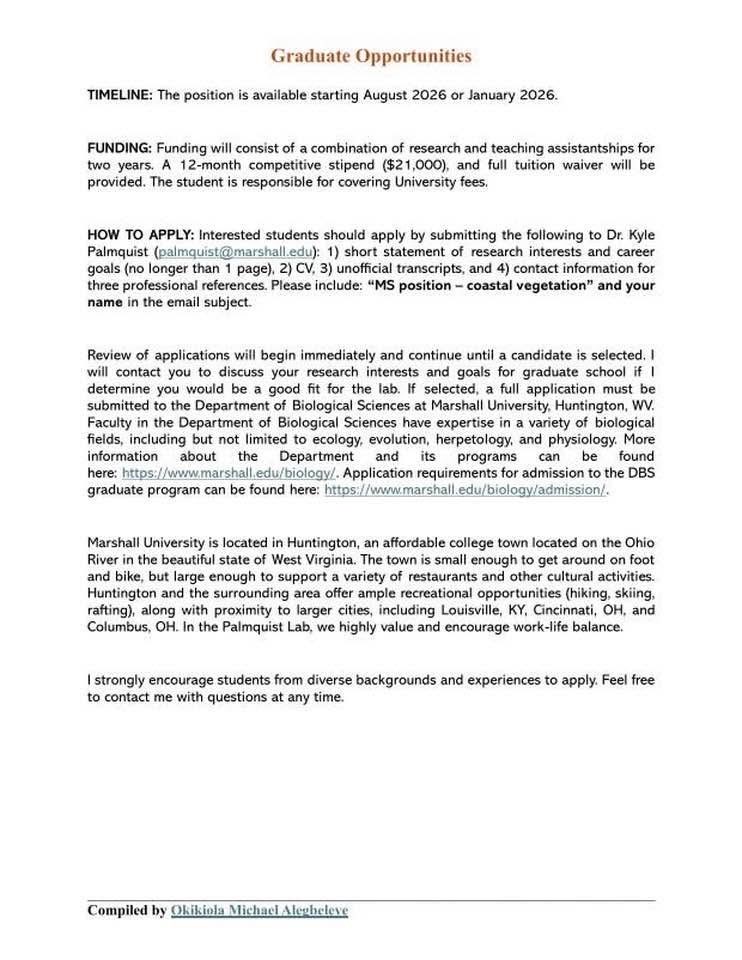
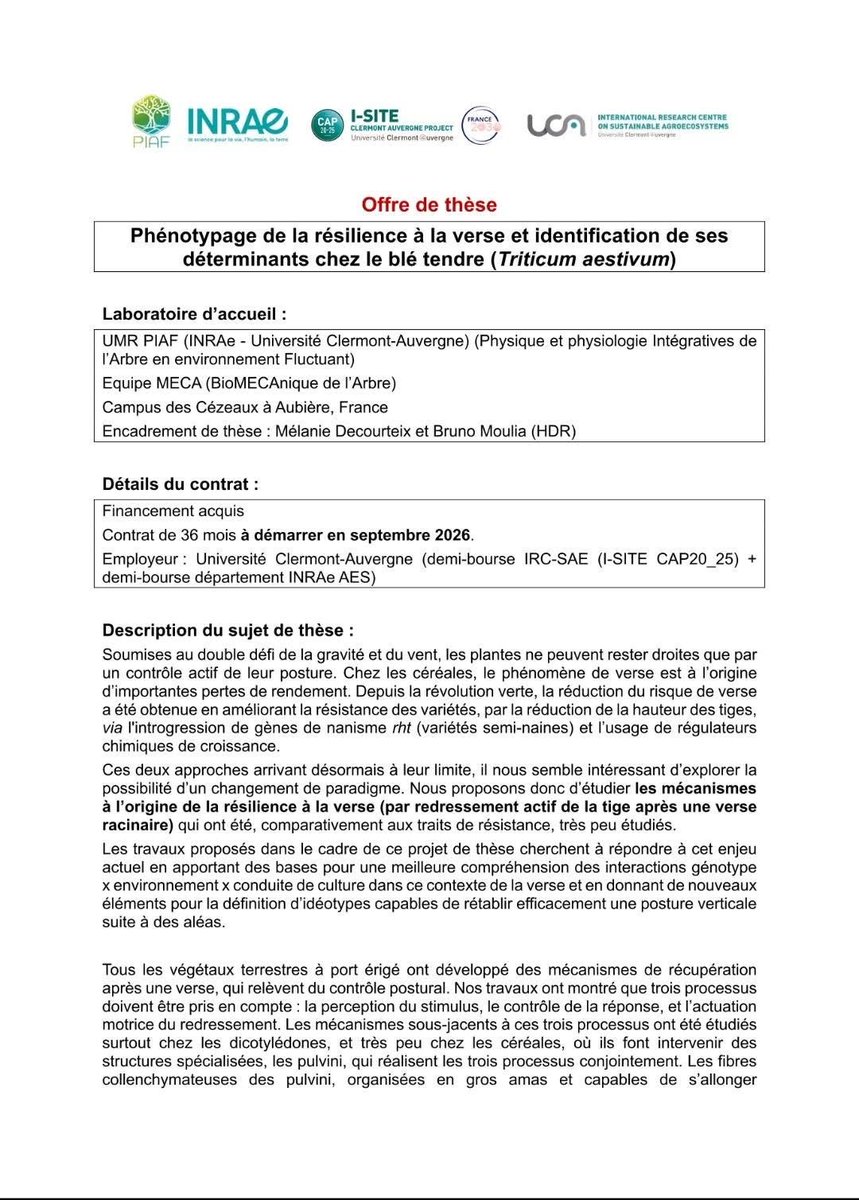
38m
16

I toyed with the idea of doing a PhD years ago but realized my *best case* would be: graduate college at 22.5, 2yr predoc, start PhD at 24.5, graduate at 30.5, postdoc at 31.5, then maybe TT job (if tenure still exists then) by 32.5, tenure by 40. And probably lots of moves!
2
5
74
38m
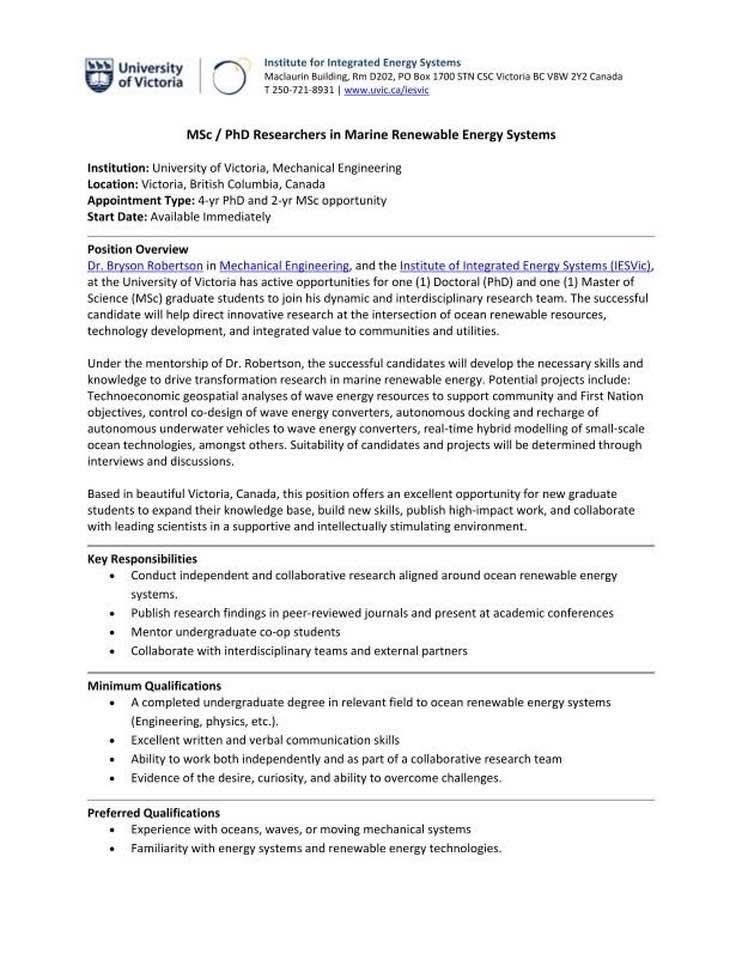
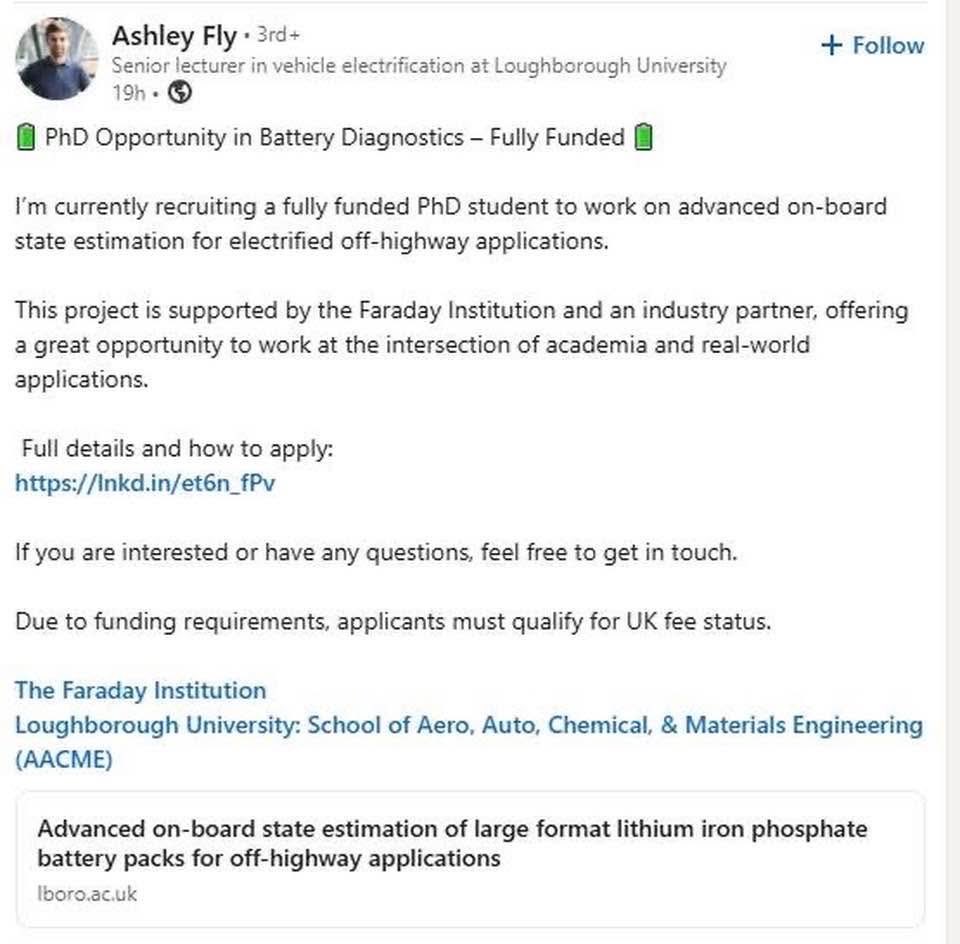
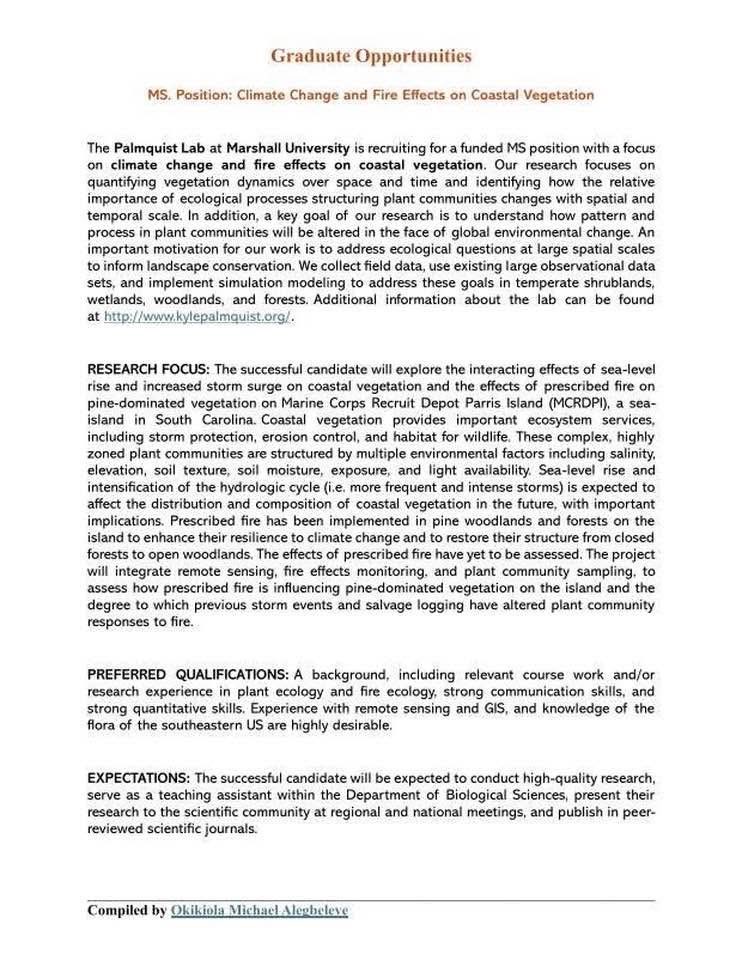
Twenty-two (22) scholarship opportunities carefully selected for you. MSc, PhD and Postdoc
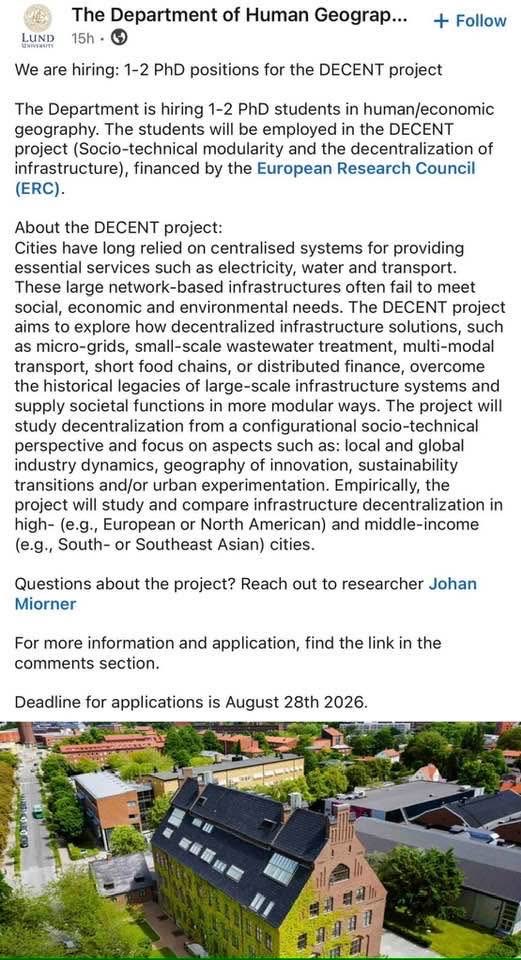
1
64
Carmen De Miguel, PhD, MS, FAHA retweeted

Looking for a postdoc? We are recruiting scientists who are finishing their PhD to study how metabolism shapes cancer progression, immunity, and therapeutic resistance. Recent highlight: our Nature paper on αKG tiny.cc/ur15101. Learn more at airdlab.com.
1
21
62
4,019
priya joseph retweeted

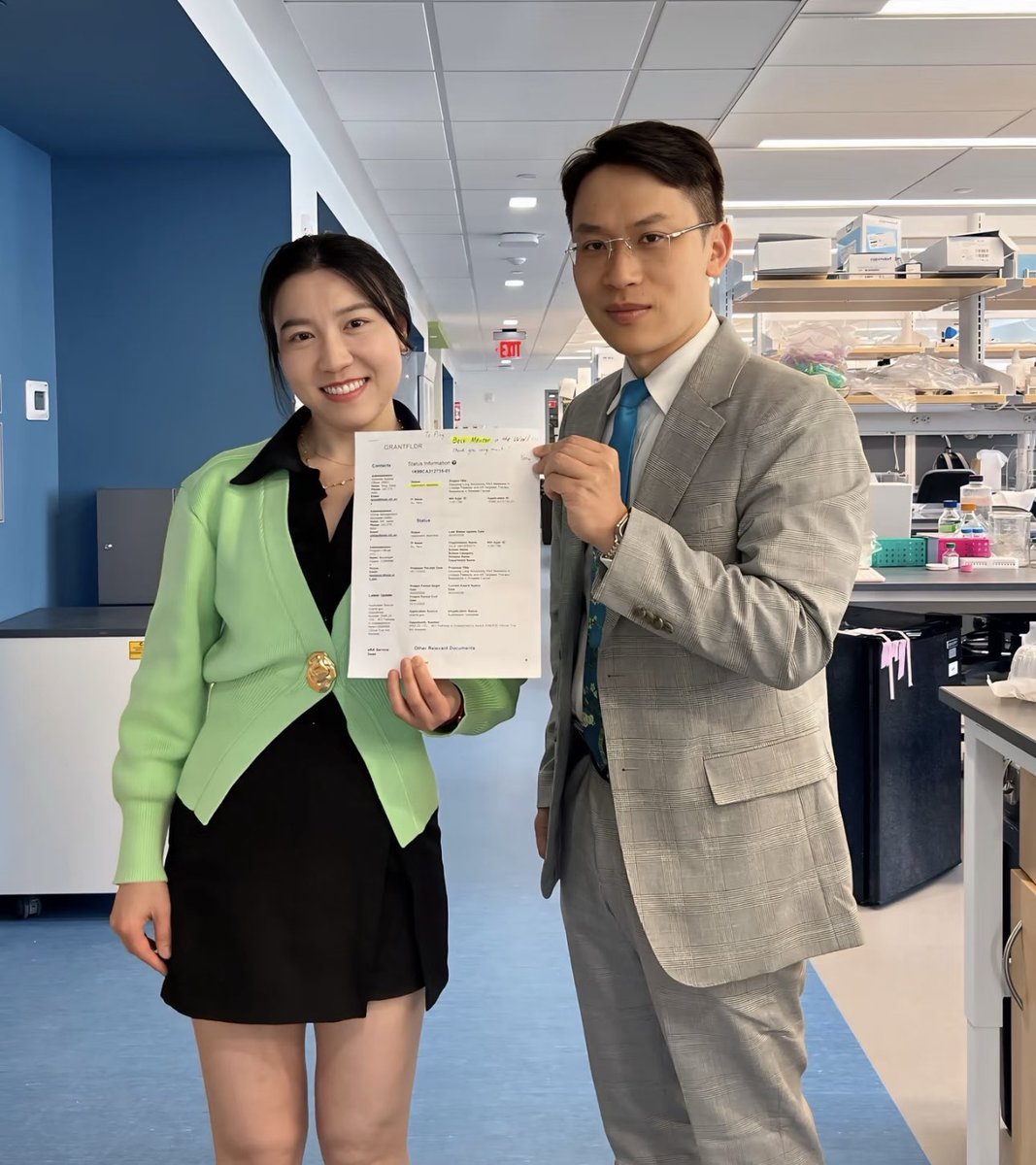
Thrilled to see my postdoc @Yaru00473993 receive an NCI K99/R00 award on the first submission! 🎉Watching talented trainees grow into independent scientists is one of the most rewarding parts of academia. @Yale_Urology @YaleMed @Yale @YaleCancer
1
13
730
Dixit Sharma, PhD retweeted

The top 10 reasons to do a postdoc in our lab: Number 10 . . .
1
2
5
716
Helen Aristotelidis retweeted

Jun 13
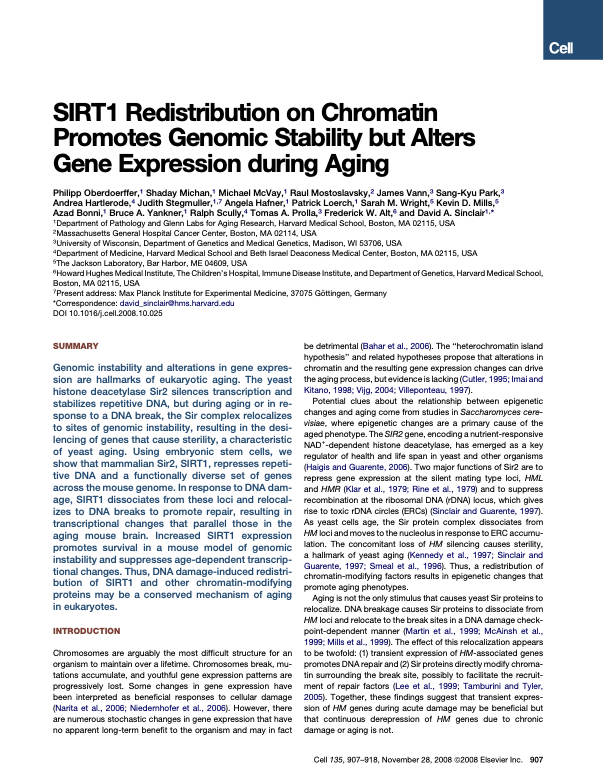
Good question. Back in the 2000s, Phillip Oberdoerffer, a postdoc in our lab, published that DNA breaks cause epigenetic drift in mammals, not just yeast, consistent with the Information Theory of Aging
Summary of the 2009 study ICYMI:
One of the hallmarks of aging is the gradual loss of genome stability and control of gene activity. In yeast, a protein called Sir2 (the original Sirtuin) helps keep certain genes turned off and protects repetitive regions of DNA.
As yeast age, or when their DNA is damaged, Sir2 leaves its normal locations and moves to sites of DNA damage to help with repair. This causes previously silent genes to become active, leading to changes associated with aging
We found that the mammalian version of Sir2, called SIRT1, behaves in a similar way. In mouse cells, SIRT1 normally helps silence repetitive DNA and regulates many genes throughout the genome. When DNA damage occurs, SIRT1 moves away from these regions and relocates to DNA breaks to assist in repair. As a result, gene expression patterns change in ways that closely resemble those seen in aging mouse brains
Increasing SIRT1 levels improves survival in mice with unstable genomes and reduces many of the gene expression changes that occur with age. These findings suggest that aging may result, at least in part, from the repeated redistribution of SIRT1 and other chromatin-regulating proteins as they respond to DNA damage, gradually disrupting the youthful organization of the genome
cell.com/cell/fulltext/S0092…

How much is due to damage and how much to epigenetic drift???
15
30
222
31,975

🎓 BSc — Mathematics (Summa Cum Laude)
🎓 SREB Doctoral Fellow
🎓 PhD — Systems Modeling & Analysis (Applied Mathematics)
🎓 Postdoc — Systems Medicine / Mathematical Biology
🌱 5 co-authored publications
🌱 creator of Behavioral Systems Modeling ™

Jun 12

Hi women, can you post pictures or talk about your academic achievements? I need some motivation this month.
If you see this tweet, share it so women can see it.
1
10
35
253

I hear you, but most graduates who sign up for a PhD or postdoc, do so under the "guidance" of their assigned mentor/advisor. Today, as academic has been even more forced into a money driven environment, the whole structure is about institutional recognition and money.
1
1
7

📢 𝗣𝗼𝘀𝘁𝗱𝗼𝗰𝘁𝗼𝗿𝗮𝗹 𝗣𝗼𝘀𝗶𝘁𝗶𝗼𝗻 𝗔𝘃𝗮𝗶𝗹𝗮𝗯𝗹𝗲: H𝗼𝗹𝗼𝗴𝗿𝗮𝗽𝗵𝗶𝗰 𝗼𝗽𝘁𝗶𝗰𝗮𝗹 𝘁𝗿𝗮𝗽𝗽𝗶𝗻𝗴 𝗮𝗻𝗱 𝗯𝗶𝗼𝗽𝗿𝗶𝗻𝘁𝗶𝗻
owlindex.com/oi/29w85NEm
*************************
PhD: owlindex.com/oi/DSFRoImB
Postdoc(s): owlindex.com/oi/A1lHzEwc
Faculty (s): owlindex.com/oi/i0XB6rvj
Internships/Co-Ops: owlindex.com/oi/yTphuFnE
Master (s): owlindex.com/oi/nFL7IEkq
*************************
More update:
Linkedin: lnkd.in/gSYT5S2e
Twitter: twitter.com/owlindex
Telegram: t.me/owlindex
Instagram: instagram.com/owlindexs/
*
#Owlindex #postdoc #postdoctoral #postdocposition #research

6