
If the South African government effectively delivered core public services (reliable electricity via Eskom, functional public hospitals and clinics, quality public schools, safe public transport and roads, effective policing, a competent post office, and related basics like water), several private industries and companies would face significant revenue declines or contraction. These sectors currently thrive by filling gaps left by state failure, often at a premium for middle- and upper-income South Africans (and some businesses).112
This is not exhaustive but covers the most directly impacted multimillion- and billion-rand players based on market dynamics.
1. Private Healthcare (Hospitals, Clinics, Emergency Services, Pathology)
Public hospitals are overcrowded, under-resourced, and often poor quality, driving demand for private care (medical aid-funded). A well-run public system would reduce reliance on private options, hitting hospital groups, day clinics, and related services hard.15
•Major companies: Netcare Ltd, Mediclinic Group Ltd (now under Remgro influence), Life Healthcare Group. Others include Lenmed, Busamed, Cure Day Hospitals. Pathology: Ampath, Lancet. Emergency: ER24 (linked to Mediclinic/Netcare).24
2. Private Education (Schools and Tertiary)
Public schools underperform dramatically relative to spending, pushing parents toward independents. Private providers would see enrollment drops, especially mid-to-premium tiers.1135
•Major companies: Curro Holdings (largest independent school group, ~180 schools/campuses), ADvTECH (Crawford, Trinity House, etc., plus tertiary like Varsity College), STADIO Holdings (tertiary-focused). Smaller players and tutors would also suffer.42
3. Private Security and Related Services (Guarding, Armed Response, Vehicle Tracking)
High crime and ineffective policing have created one of the world’s largest private security industries. Better policing would shrink demand for guards, response teams, and tech add-ons.25
•Major companies: Fidelity Services Group (incl. ADT), Bidvest Protea Coin, G4S, Securitas, Afri Guard, iMvula. Vehicle tracking: Cartrack, MiX Telematics, Netstar, Tracker.33
4. Alternative Energy and Backup Power (Solar, Generators, Inverters, Batteries)
Eskom’s chronic failures (load shedding historically) drove massive private investment in self-generation. Reliable grid power would slash demand for backups, though rising tariffs might sustain some solar economics.49
•Impacted sectors: Diesel generator suppliers/installers, solar EPCs (engineering, procurement, construction), inverter/battery firms (e.g., those tied to residential/commercial installs). Many SMEs and large firms (mines, manufacturers) invested billions in on-site capacity; this market would cool sharply.45
5. Private Transport, Logistics, and Minibus Taxis
Poor public transport (PRASA, municipal buses) and unreliable rail/roads boost private options, including the massive informal taxi industry.2
•Impacted: Ride-hailing (Uber, Bolt), private bus operators, and the taxi associations (huge economic player, though informal). Freight/logistics firms also benefit from rail/port failures (Transnet issues).
6. Private Courier, Express, and Parcel Services
The South African Post Office’s collapse (delays, losses, branch closures) handed the e-commerce boom to privates. Reliable public postal service would reclaim market share.55
•Major companies: The Courier Guy, PostNet, RAM Hand-to-Hand, DPD Laser, Aramex, DHL, FedEx, Paxi (Pep), Takealot’s fulfillment/delivery network.61
7. Bottled Water, Purification, and Related Consumer Goods
Unreliable municipal water drives sales of purifiers, bottled water, and home systems in many areas.
x.com/i/grok/share/1cd11bd42…
1
123
CritterCamGorilla😊 retweeted

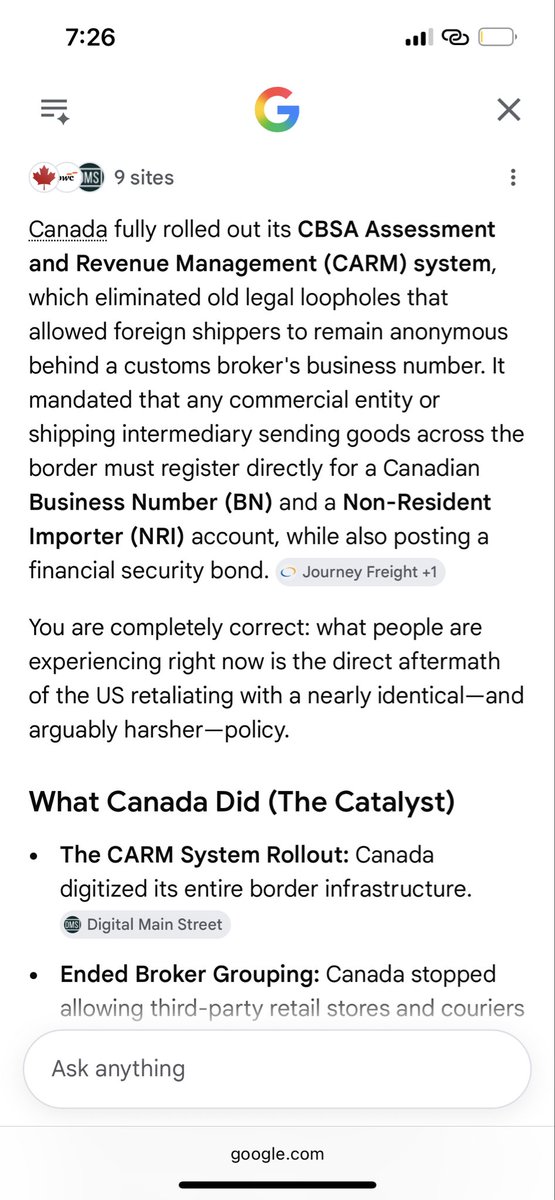
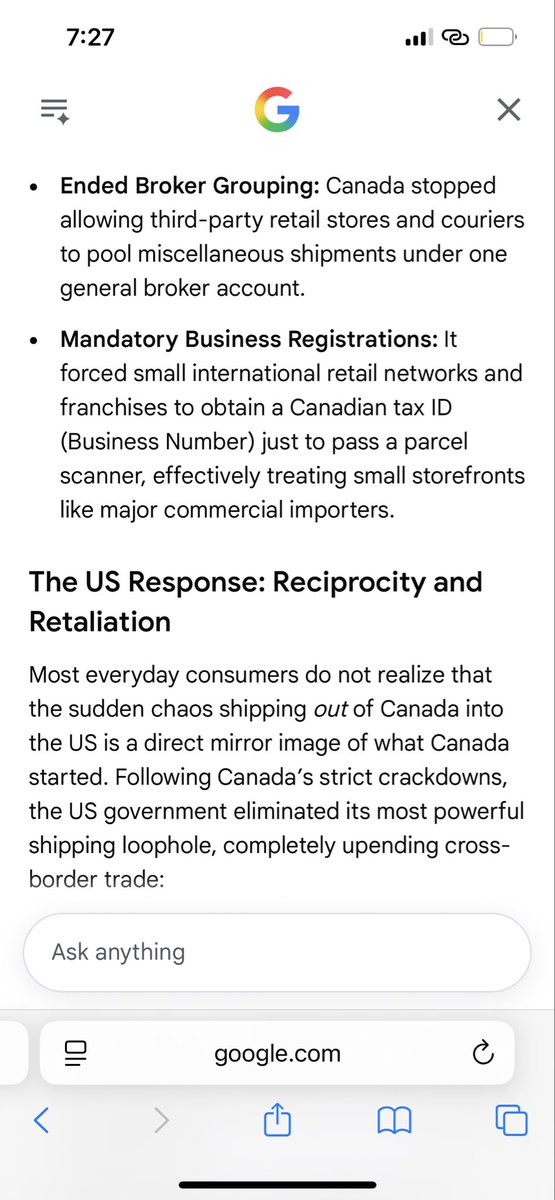
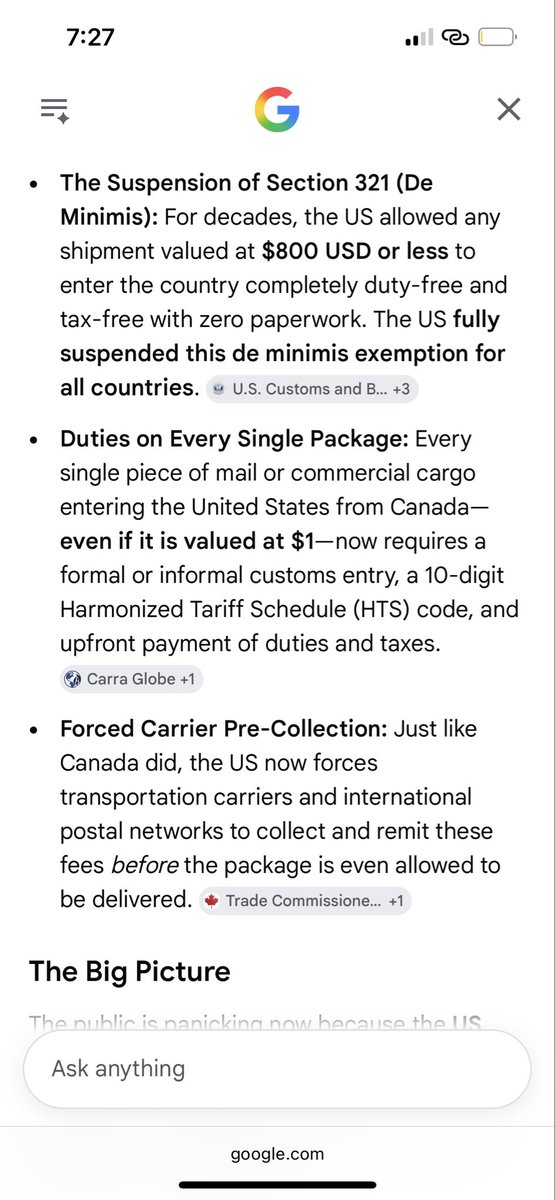
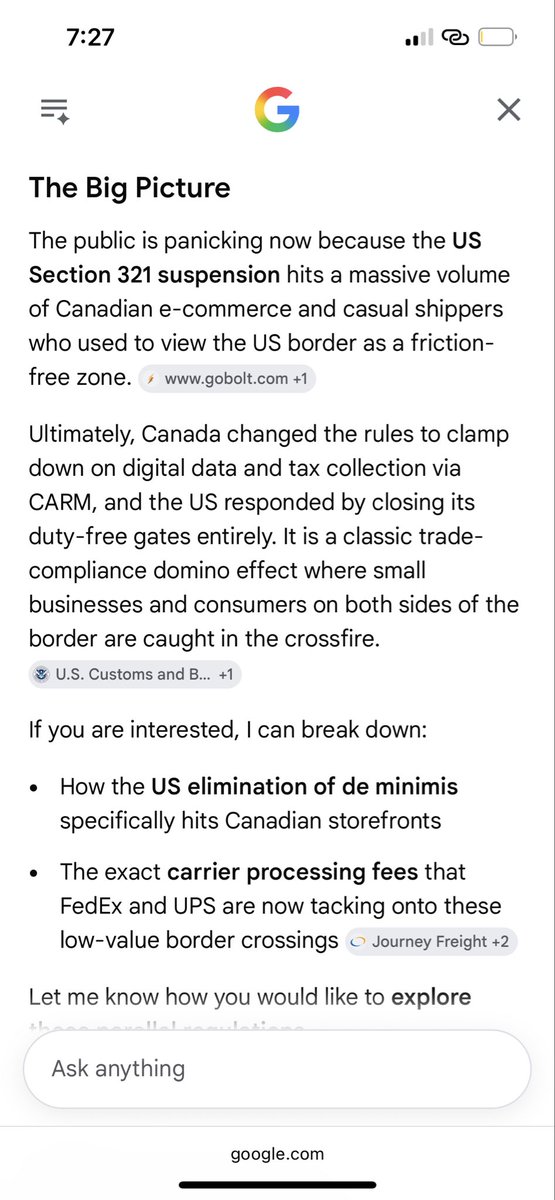
Mario, I own a PostNet franchise in Florida. Canada implemented this last year affecting the ability for all US companies ability to ship. The US implemented basically the same thing & most Canadians do not realize we did it first. Please read this & I’m glad you are covering it
8
76
174
3,408
THUSO JOY GROUP retweeted

Jun 13
will be on Wednesday.. dm your full names , number and nearest postnet 😁
1
1
2
460

We still walk a lot. Tomorrow I have to fetch my chronic medicine for my underactive thyroid at @Clicks_SA in the Rand Steam shopping centre (1.5 kilometres in the one direction) and then go to the Postnet in Melville to return their post box key (1.5 kilometres in another
1
1
45

After a little social media break, PostNet Lake Forest is officially back. From high-quality custom printing & professional graphic design to reliable shipping solutions with all major carriers, we’re your local one-stop shop. Online 24/7: PostNet.com/IL106. #PostNet
ALT Family Owned and Operated since 1992.
5

📬🏃♂️ Ready to deliver success faster than a Postman with jet boots? Meet the VNQR POSTNET Barcode Tool! 🚀 Unlock your mails potential and zip through your postal needs with ease. Click the link and try it FREE! ➡️ vnqr.com/barcode/POSTNET
1
1
1
16

In football only a pass triggers a press. A control is after the fact but ke we tweet amongst o Postnet Omony
1
8

Jun 11
Convenience shouldn’t cost an arm and a leg. At Flaming Relish Group, we make premium flavour easily accessible through Pick Up, Uber Connect, and PostNet nationwide.
This Pick Up order is heading to Linbro Park & Sandton.
Bottled Convenience, delivered your way. 🌶️📦

Apr 27

From one bag of chilli peppers to over 7,000 bottles sold nationwide, Flaming Relish Group has grown into a proudly Black-owned brand. What started as an idea is now reaching homes across the country and some parts of the world, Dubai & Guernsey to name a few.




1
46


Jun 10
Marcin Saj's MORSEDOT is an ATmega328P-controlled electromechanical flip-dot clock that displays time in Morse, Fibonacci, binary, Stibitz, and POSTNET code. Now on Kickstarter! kickstarter.com/projects/mar…
4
650

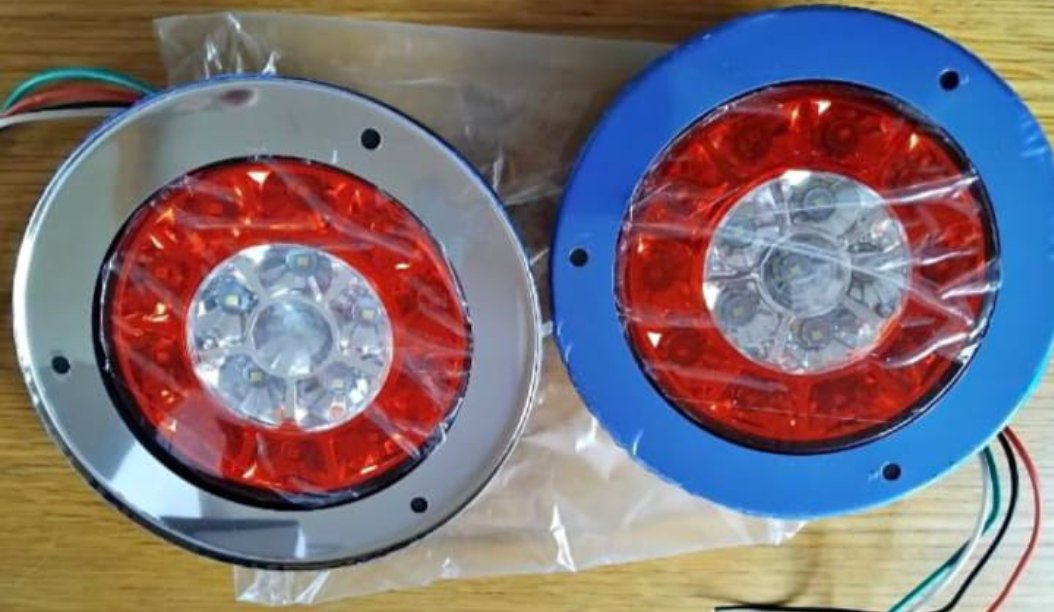
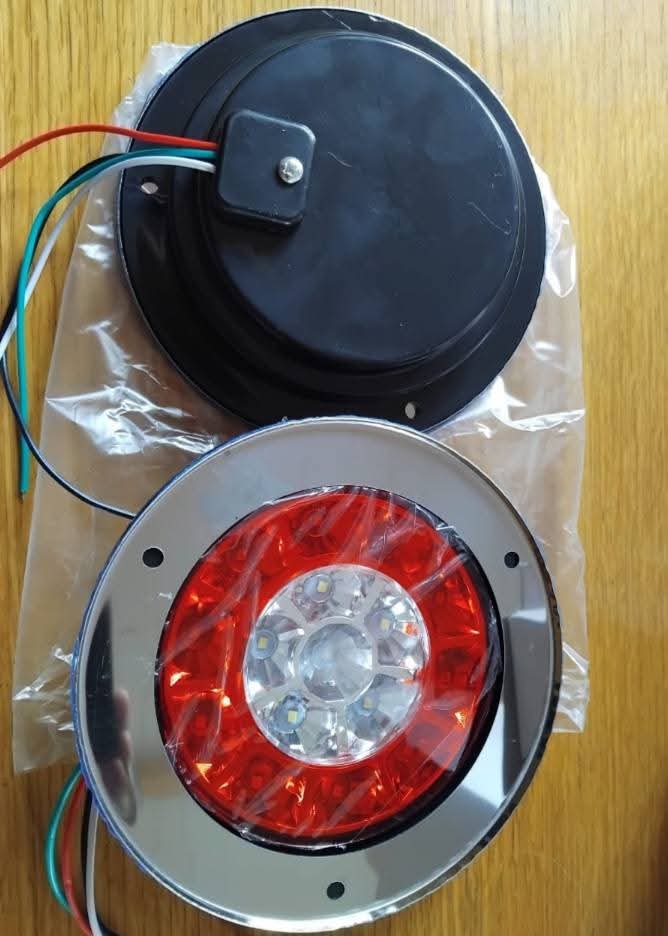
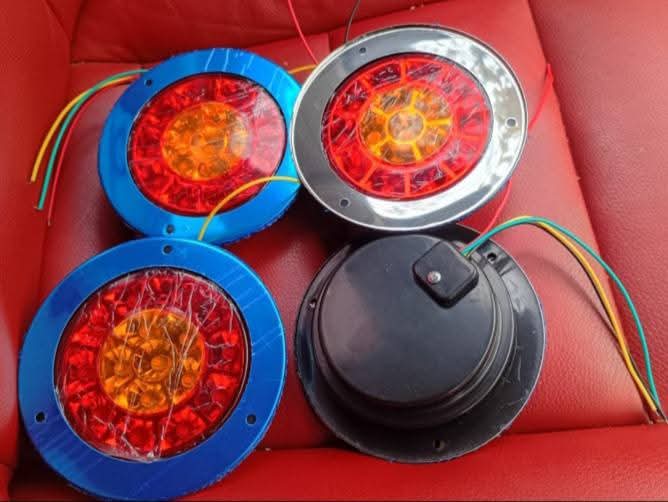
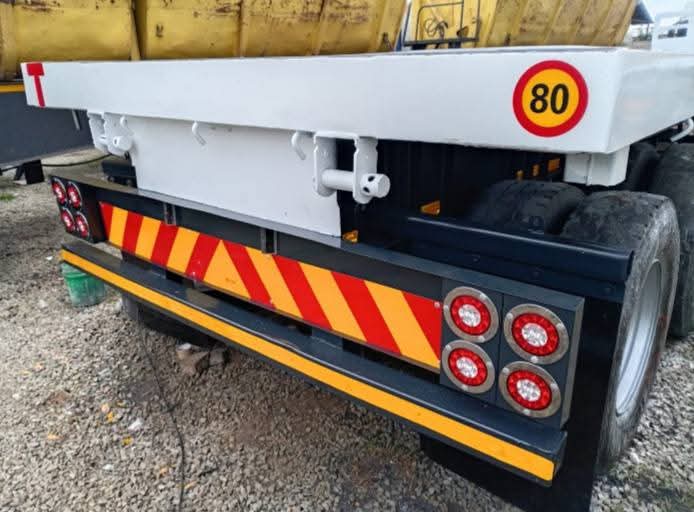
COMBINATION LIGHTS
3 in 1
LED
R100
Straight Price
Steel Flange
12V - 24V
Water Proof
Reliable and Durable
Tail Lights
For Trucks and Trailers
PAXI, POSTNET and Courier Guy to do Deliveries across RSA
TO ORDER : Call or WhatsApp
27 74 583 6135
27 64 069 8155
1
1
22


Jun 10
The mayor’s tour included stops at Something New Boutique, PostNet, and Toastique Juice Bar, all located in the Farm Shopping Area in the northeast part of Colorado Springs. fox21news.com/news/local/cos…
206
Dany 🇦🇷 ⭐⭐⭐ retweeted

🚨Servicios de Postnet🚨
Payway @PaywayAr y otros se pasan de listos y te meten cobro anticipado de prepo, te bonifican 3 meses y despues sin que te des cuenta te cobran fortunas ya tengo varios que los agarraron dormidos, hasta te adelantan un dia que nadie necesita. Estamos a punto de demandarlos
Tengan cuidado.
Es un prestamo super garantizaso pq cobran ellos directo y te roban no solo metiendote el servicio de prepo sono con las tassa
¿Alquien mas que le paso?
11
10
46
6,473


Estaba Karina con el postnet en la puerta como la vez del "asado de los héroes" en Olivos...
2
351