🔞🎥bearornot_ retweeted

Jun 9
Adoro quando o puto esfrega o cu na minha cara que nem o @bearornot_ fez...🥵
Assista completo:
Privacy:
privacy.com.br/@lambedor
OnNowPlay:
onnowplay.com/lambedor/video…
4
37
363
5,998
Caço homens na rua! - I hunt men in the street! retweeted

8
154
1,505
39,371
Caço homens na rua! - I hunt men in the street! retweeted
🎥👀: Todo lisinho e gostoso.
25% OFF!...❤️
onnowplay.com/doispretosrj
.
.
#PINTOAWARS #ONLYFANS #ONNOWPLAY #PRIVACY CHUDAI #PINTOAWARD 🔥
3
18
175
11,140
Caço homens na rua! - I hunt men in the street! retweeted
🎥👀: NOvinho e SARado! 🚀
25% OFF!,❤️
onnowplay.com/doispretosrj
.
.
#PINTOAWARS #ONLYFANS #ONNOWPLAY #PRIVACY #BROTHERAGEM 🔥
1
14
135
8,735
Caço homens na rua! - I hunt men in the street! retweeted
🎥👀: Bancou minha ida ate o interior do Rio de Janeiro RJ. Botei de quatro! ❤️
.
Chudai #onnowplay #privacy #onlyfans #pintoawards #bare #amador #xvideos #pintoawardsㅤPINTOSASWARDSBR _ 💪👑
2
7
92
9,768
Goddey retweeted

10h
Relationship dey kîll privacy bro
You fit dey reason life as man, make dey plaster you video call by 11pm
If you no pick - "Oh so you're online and you don't want to talk to me
If you pick, off camera - "Let me see your face or you're not alone"
If you pick and you no flow with the talk - "If you're not in the mood to talk, you could have just said so and not pick up"
God please😭😭
73
377
1,574
60,677
Caço homens na rua! - I hunt men in the street! retweeted
🎥👀: Posição boa pra manter o sigilo do entregador casado! ❤️
.
.
.
Chudai #onnowplay #privacy #onlyfans #pintoawards #bare #amador #xvideos #pintoaward 🥳
6
83
8,061
DANADINHO DE MAO - UBER E MASSO🔞🎦 4️⃣0️⃣ K retweeted

Jun 11
Wataa🐍😈
DISPONÍVEL EM :
ONNOW:
onnowplay.com/luca/1917
PRIVACY:
service.topshare.com.br/link…
45
1,332
6,578
138,970
Caço homens na rua! - I hunt men in the street! retweeted

Quando será a sua vez? _
.
.
.
Chudai #onnowplay #onlyfans #privacy #pintoawards #bare #suruba #orgia #GP #GPRJ ❤️📹
12
155
989
51,113


3-4 acres for gardens, greenhouses and large pole barns. Guest houses, etc
50 acres for a buffer from your neighbors for complete privacy if heavily wooded with topography. 200 acres if not heavily wooded and flat.
2
Elizabeth Jane Gould and Garry loren Gould retweeted

Well camera should be invasion of privacy then
1
1
2

He's the governor. She had no right to privacy. He knew what she did and did not have.


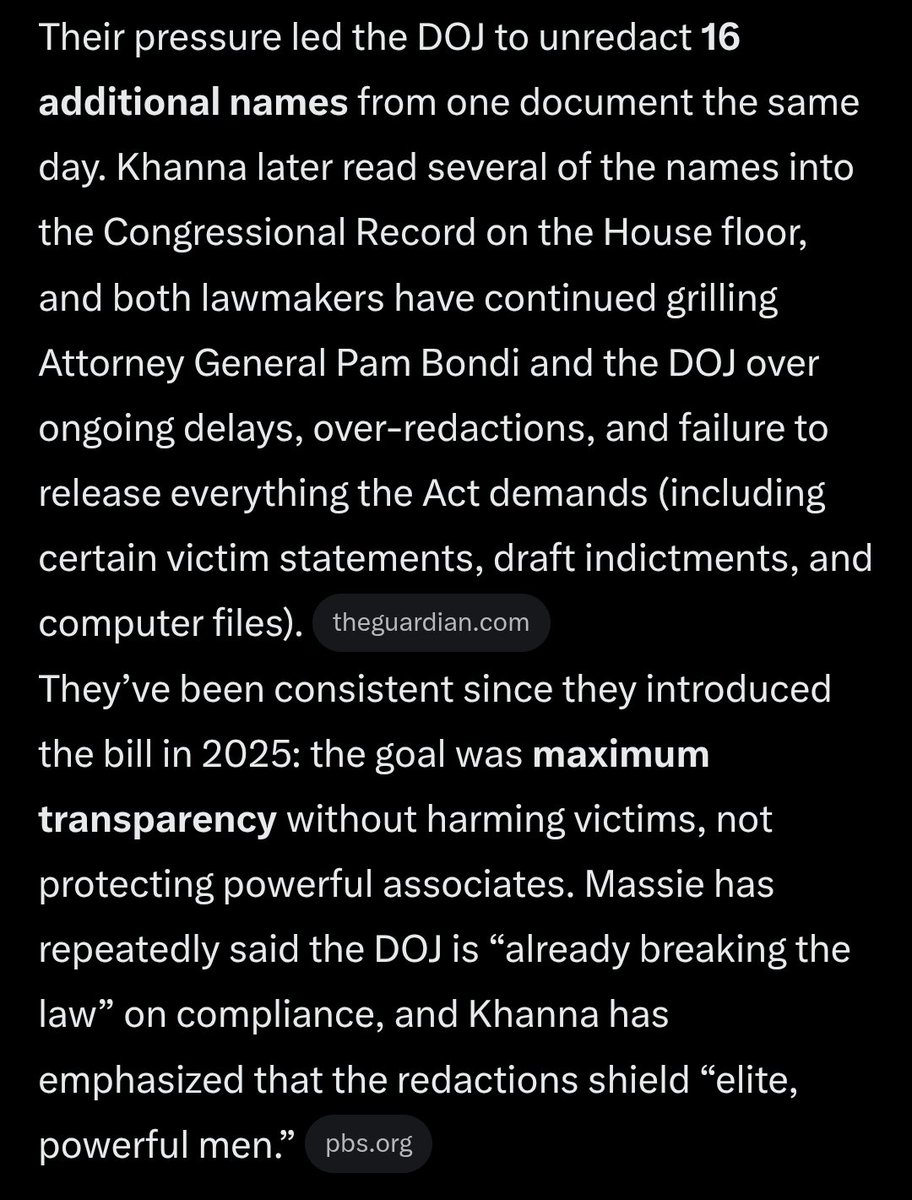
The Transparency act did pass until Trumps term but even so he didn't follow the law he signed. 90% of those files are redacted but exposes the victims and their nudes. He's not protecting the victims privacy that's not a good excuse anymore. What and who is he protecting?
3
3
RealNL retweeted

Jun 12
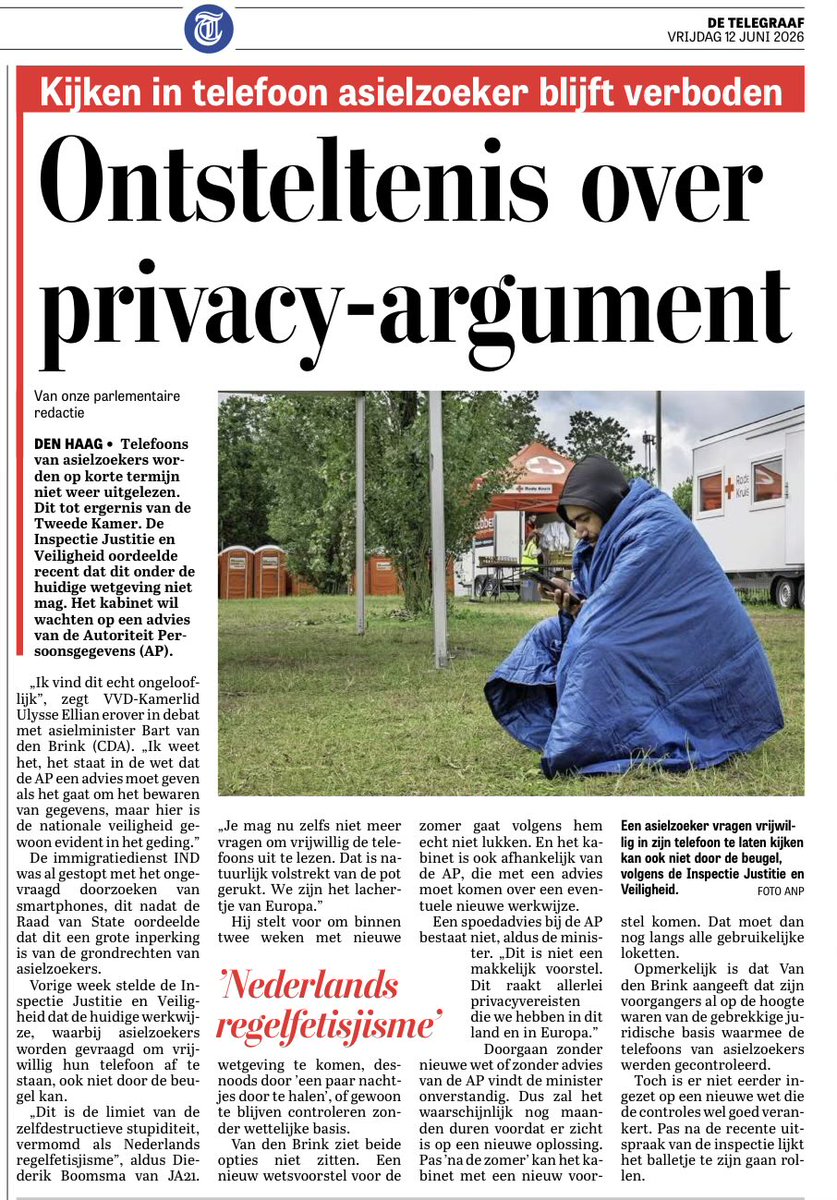
De privacy van volslagen vreemdelingen is belangrijker dan uw en mijn veiligheid.🤦♀️
67
456
1,061
7,803

Bridging assets across blockchains is easy. Keeping those transfers private isn't.
Every time you move funds between networks, transaction details can often be traced—from the source wallet to the destination and the transfer route.
Fluton aims to change that with Private Bridging.
By leveraging Encrypted Intents and Fully Homomorphic Encryption (FHE), users can bridge assets while keeping sensitive information confidential during execution.
Instead of exposing every step, the network verifies and processes encrypted data without revealing it.
As Web3 becomes increasingly multi-chain, I believe private bridging will be just as important as fast and secure bridging. Because interoperability should never come at the cost of user privacy.
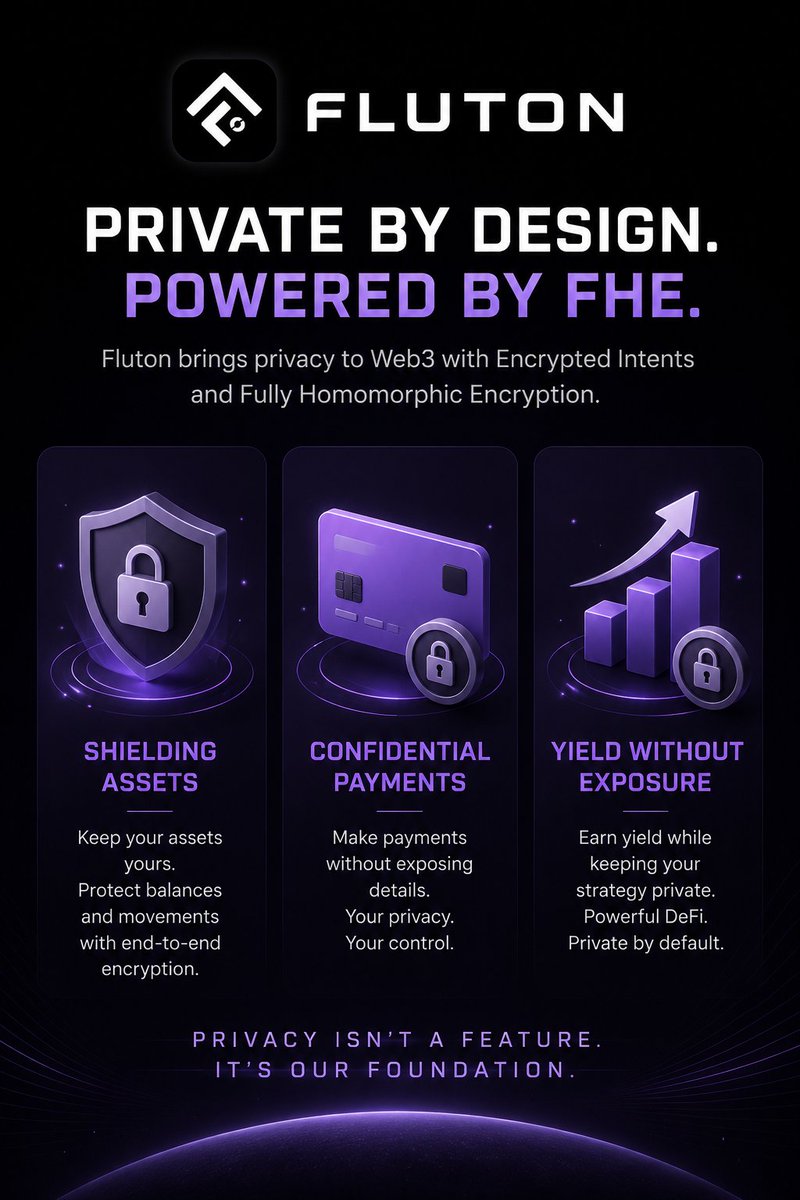
Shielding Assets
Owning digital assets is important. Protecting them is even more important.
On public blockchains, wallet balances and asset movements are visible to anyone. That level of transparency isn't always ideal—especially for users who value financial privacy.
Fluton introduces a new way to shield assets.
Through Fully Homomorphic Encryption (FHE) and Encrypted Intents, sensitive information stays encrypted while transactions are processed. Your assets remain usable without unnecessarily exposing your activity.
This isn't about hiding from the blockchain.
It's about giving users control over who can see their financial data.
In my view, asset protection should be a built-in feature of Web3—not an afterthought.
Confidential Payments
Every payment tells a story. Should everyone be able to read it?
On most blockchains, every payment is permanently visible. Anyone can track wallet addresses, payment amounts, and transaction history.
Fluton envisions a better way with Confidential Payments.
Using Encrypted Intents and Fully Homomorphic Encryption (FHE), payment details remain encrypted while the network securely processes the transaction.
The payment is completed, but sensitive information isn't exposed to the public.
For everyday users, businesses, and institutions alike, privacy isn't about secrecy—it's about control.
As blockchain adoption grows, confidential payments could become a key building block for a more secure and user-friendly Web3 ecosystem.
Yield Without Exposure
Earning yield shouldn't mean exposing your entire portfolio.
In today's DeFi, depositing assets into a yield strategy often reveals your wallet activity, token balances, and investment decisions for everyone to see.
Fluton is exploring a different approach.
With Encrypted Intents powered by Fully Homomorphic Encryption (FHE), users can interact with DeFi while keeping sensitive data protected throughout execution.
The opportunity to earn yield remains the same—but your strategy doesn't have to become public information.
As DeFi matures, I believe yield without exposurewill be a major step toward making on-chain finance both powerful and private. Every user deserves the freedom to invest without unnecessary visibility.
@FlutonIO
1
1

Km lupa hidup dinegara apa?? Bukan mau ngurusin juga sih sebenarnya, tp lebih "Keep Privacy" aja, km yg heboh sendiri , nanti yg kena semua LGBT yg udah susah2 Keep Privacy mereka. Kec hidup di Amerika, Boleh kayak begini. Demi kebaikan bersama para LGBT, Hrs paham jg soal ini
2
