
chci pichnuty oboci ale jsem sracka a nemam rad bolest prpc neni nejakej snazsi zpusob 💔💔
2
3
30

Jun 11
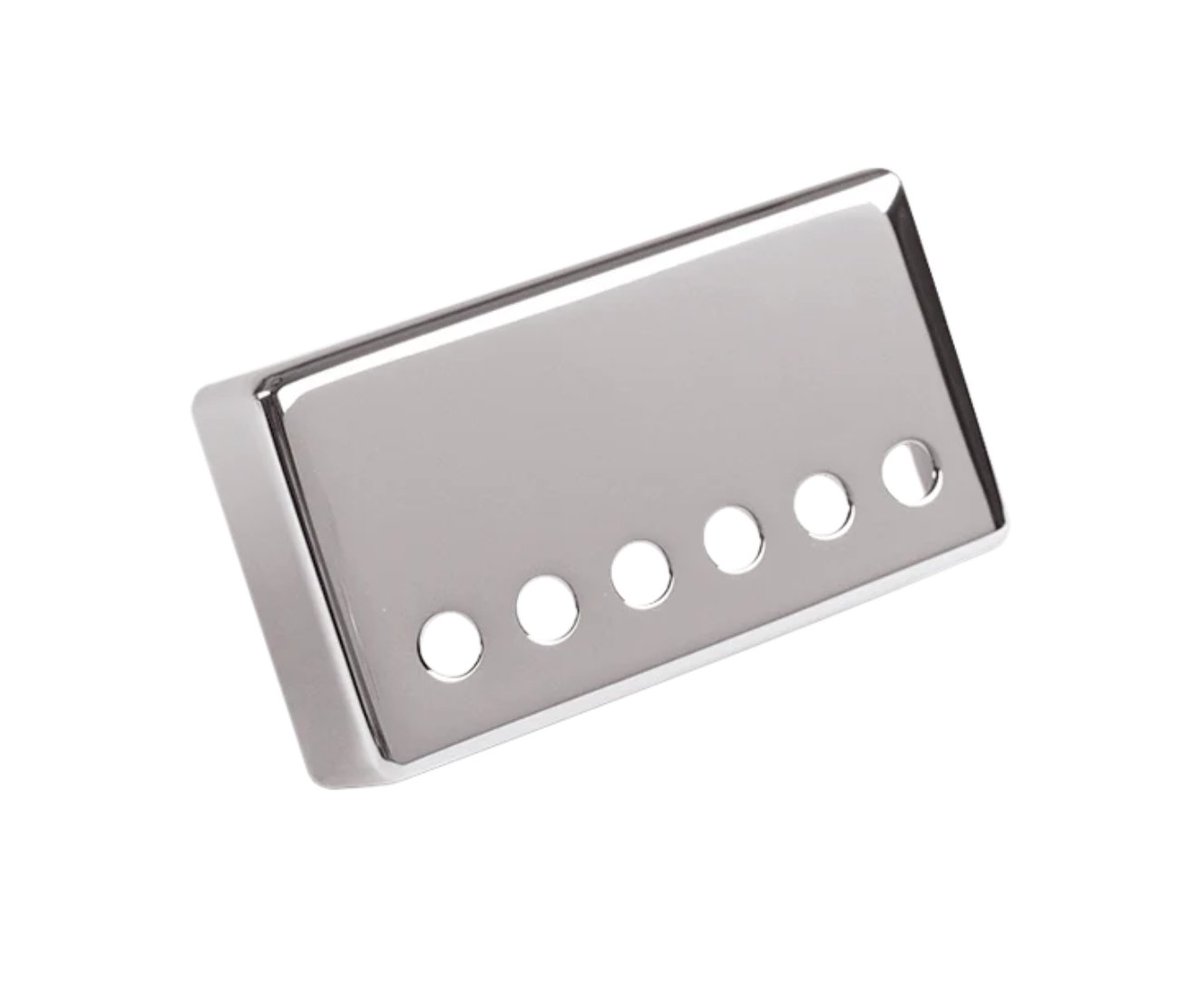
【即納可能!】
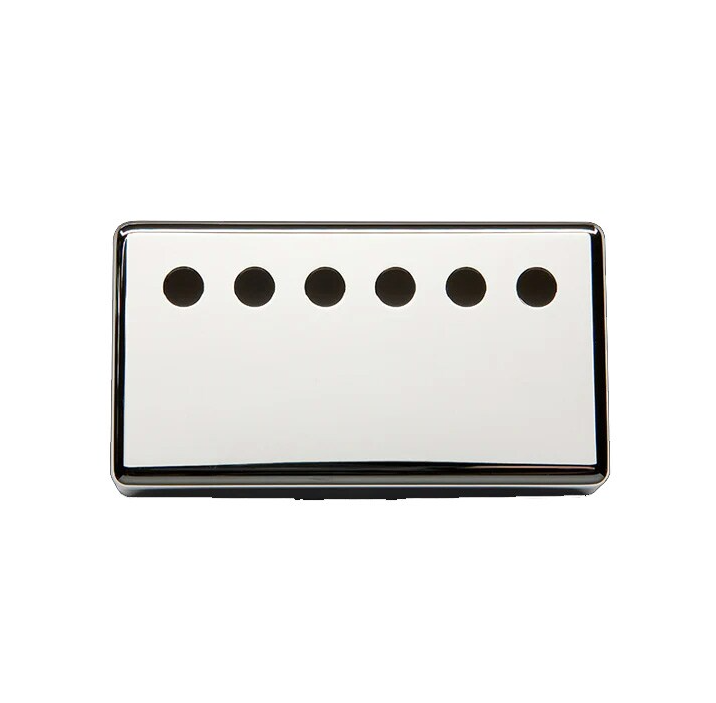
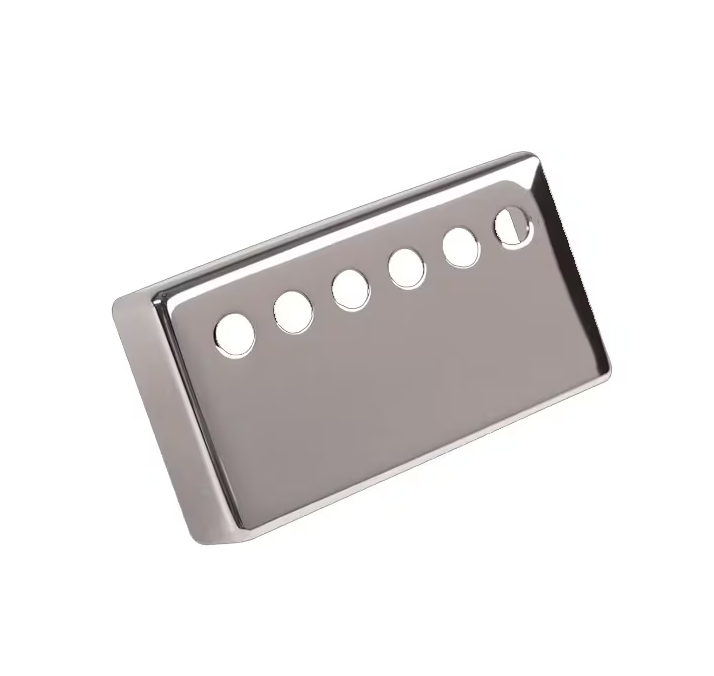
GIBSON / PRPC-010✨🎸
フロントPUを本来の輝きと極上のトーンへ導く、気品あふれるクローム・ハムバッカーカバー!太く甘い、ジューシーなトーン🛡️✨
soundhouse.co.jp/products/de…
#GIBSON #ギブソン #ギター改造
11
849

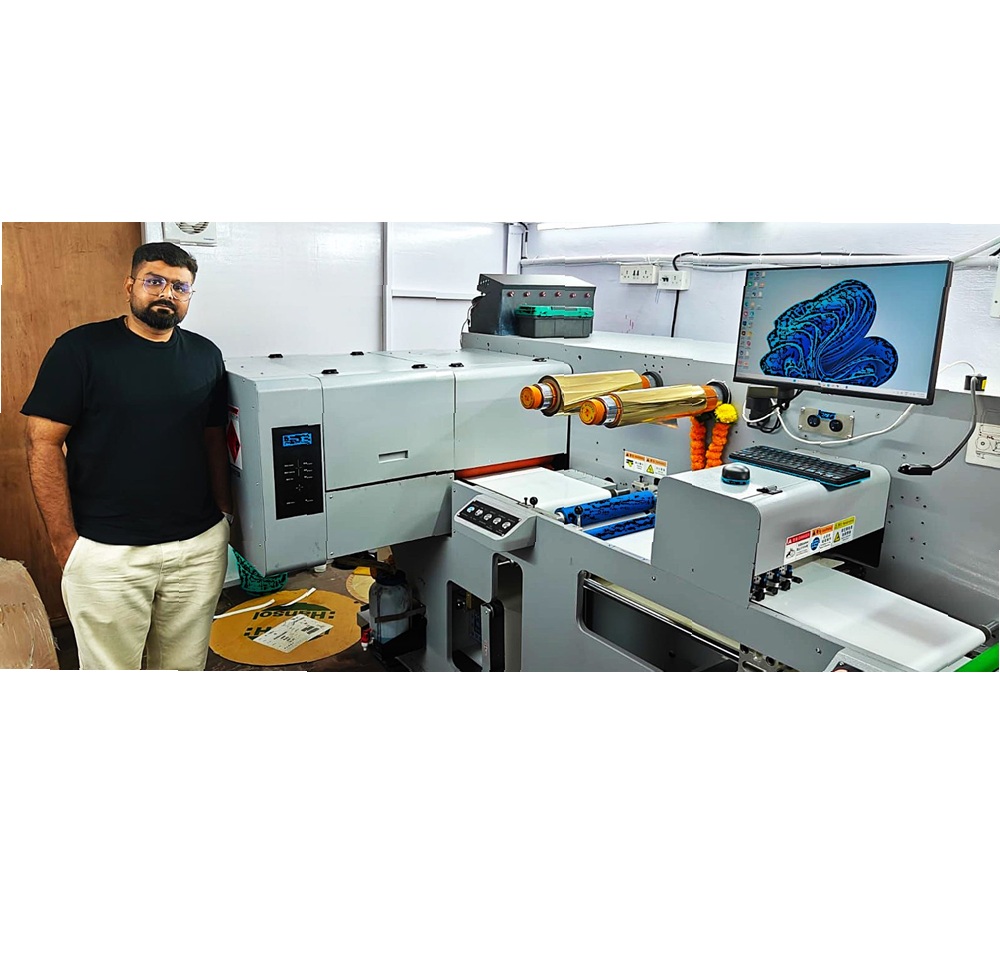
Arty Labels installs PRPC 330 UV to elevate label production
zurl.co/BCJIr
#printing #packaging #publishing #digitalprinting #pamex #printpack #flexo #labels @highlights @followers @Packnology @Packnology @packnological
9

Qué determina nuestro
🧠💫 BRAIN OPTIMUM Quantum
🧠💫 CEREBRO OPTIMO Cuántico
❓❓❓❓❓❓
💫💖 PrPc NATIVA 14-3-3
🧬💖 Gen YHWAE
4
2
133

Jun 4
How does a normal cellular prion protein (PrPᶜ) become pathogenic in prion disease?
1
1
425
⚖️ Homeostasis (Limpieza Pericelular) ➡️ Restauración del Agua EZ ➡️ Alineación de Frecuencia ➡️ Activación de Receptores Nativos PrPc / p53 ➡️ Conexión al Código Genético = Sintonía y Salud Reversible
1
1
72

Co z tý křižácký pevnosti zbylo? Ukážete nám fotečky vy špíny? 🤣
Vcera jste breceli prpc v cesku novinarum lidi tak nadavaj - tady mate odpoved, jste meneceny untermensch :-)
10
309

May 31
Brilliant observation. Tumor suppressors like P53 and native PrPc are essentially the cell's macro-lattice regulators. They maintain cellular homeostasis by acting as error-correcting codes against structural decay.
1
2
54
la homeostasis celular y todos sus procesos de reparación, incluida PrPc NATIVA que igualmente es P53, proteína supresora de tumores. Desestabilización de membrana, fusión de membranas celulares y creación de SINCICIOS...
4
2
74


May 20
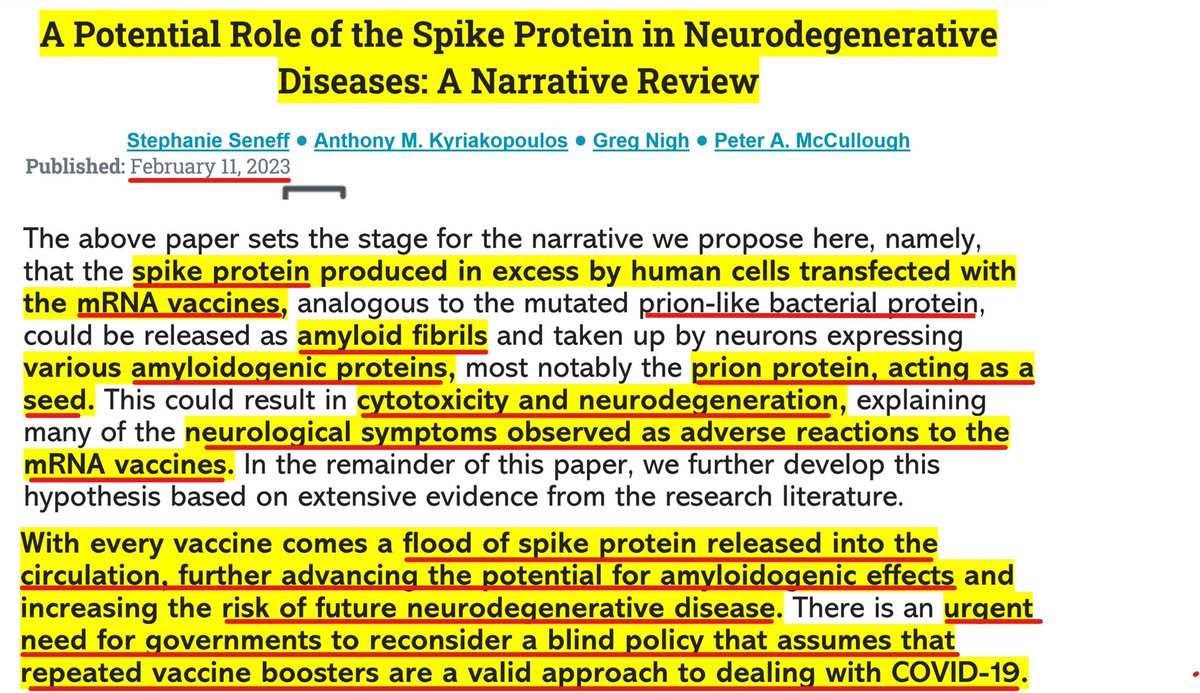
Yep! Six years late. But the jab continues to wreak havoc among the vaxxed; at present, masquerading as long covid.
Predicted long time ago, prion-like diseases are just now making their presence known as the jab-induced spike protein synthesis facilitates the accumulation of toxic prion-like fibrils in neurons (nerve cells).
Prion diseases that can encompass neurodegenerative diseases include Alzheimer's, Parkinson's disease, and amyotrophic lateral sclerosis (ALS), which are also associated with misfolded proteins that accumulate in plaques and Lewy bodies. These proteins, which are termed amyloidve also been labeled as "prion-like." "PrPc" is the naturally folded form of the prion protein whereas the misfolded form is called PrPSC (for "scrapie"). CJD Creutzfeld-Jakob Disease or mad cow disease) is another prior-like disease, very rare and slow progressing, but increased reported cases in the past couple years. Sadly, it's predicted that more prion-like cases mentioned above in the coming years. The world will witness a rash of premature senescence among the people in particular, the multi-vaxxed. It's time to ban mRNA covid vax.
cureus.com/articles/129846-a…
1
7
39
699

May 18
🚨 10 engineering roles open RIGHT NOW across Bangalore & remote India , bookmark before you scroll!
━━━━━━━━━━━━━━━━━━━━
1️⃣ Software Engineer — Cisco
📍 Bengaluru | Hybrid | Full-time | Mid-level
🛠 C/C , Wi-Fi Protocols, Firmware & Driver Dev
💡 Own end-to-end wireless capabilities — system performance & reliability at scale
🔗 jobhunch.in/jobs/00001Y
━━━━━━━━━━━━━━━━━━━━
2️⃣ Full Stack Engineer — Optum
📍 Bengaluru | In-office | Full-time
🛠 Python, REST APIs, SQL, Generative AI
💡 Build healthcare tech at one of the world's largest health services companies
🔗 jobhunch.in/jobs/00001Z
━━━━━━━━━━━━━━━━━━━━
3️⃣ Software Engineer — Ralliant Corporation
📍 Bengaluru North | Hybrid | Full-time
🛠 C , Linux, Git
💰 Bonus Equity on the table
🔗 jobhunch.in/jobs/000021
━━━━━━━━━━━━━━━━━━━━
4️⃣ Software Engineer Intern — Rackspace Technology
📍 Remote (India) | Full-time Internship
🛠 Python, AWS, LLM/AI APIs, Full Stack Dev
💰 ₹20,000/month stipend
💡 Ideal for final-year students & fresh grads breaking into AI/cloud
🔗 jobhunch.in/jobs/000022
━━━━━━━━━━━━━━━━━━━━
5️⃣ Software Engineer L2 — Twilio
📍 Remote (India) | Full-time
🛠 React, TypeScript, GraphQL
🎯 3 years experience needed
💰 Competitive pay fully remote flexibility
🔗 jobhunch.in/jobs/000024
━━━━━━━━━━━━━━━━━━━━
6️⃣ Software Engineer — Wabtec Corporation
📍 Bengaluru | Hybrid | Full-time
🛠 .NET, C#, Web Development, Agile
🎯 1 year experience — great for early-career engineers
🔗 jobhunch.in/jobs/000025
━━━━━━━━━━━━━━━━━━━━
7️⃣ Senior Software Engineer I — American Express
📍 Bengaluru | Hybrid | Full-time
🛠 Pega PRPC, Java, SOA, Microservices
💰 Competitive salary benefits at a Fortune 500
🔗 jobhunch.in/jobs/000026
━━━━━━━━━━━━━━━━━━━━
8️⃣ Software Engineer II (C# Automation) — Philips
📍 Bengaluru | In-office | Full-time
🛠 Selenium, C#, API Testing
🎯 2–4 years experience
💰 Competitive salary at a global healthtech leader
🔗 jobhunch.in/jobs/000027
━━━━━━━━━━━━━━━━━━━━
9️⃣ Software Developer — AMETEK, Inc.
📍 Bengaluru | In-office | Full-time
🛠 Java, Python, C#, Git, Jira
🎯 1–2 years experience — solid multi-language role
🔗 jobhunch.in/jobs/000028
━━━━━━━━━━━━━━━━━━━━
🔟 Graduate Engineer Trainee — GE HealthCare
📍 Bengaluru | Co-op / Internship
🛠 CAD, Mechanical Engineering
🎯 Entry level — perfect for fresh graduates
💡 Get your foot in the door at a global healthcare giant
🔗 jobhunch.in/jobs/00002a
━━━━━━━━━━━━━━━━━━━━
🔁 Repost to help someone land their next role.
#Hiring #SoftwareEngineer #BangaloreJobs #RemoteJobs #TechJobs #CppJobs #Python #React #TypeScript #GenAI #AWS #Selenium #Java #Cisco #Twilio #AmericanExpress #Optum #Philips #GEHealthCare #AMETEK #FreshersJobs
2
74
5,210

My latest first-author publication is now online in @stemcellreports!
We show that pathogenic ligands of PrPC can directly drive neuronal hyperactivity. This work validates the utility of human iNs for uncovering PrPC-linked signaling pathways.
cell.com/stem-cell-reports/f…
2
1
6
149

May 11
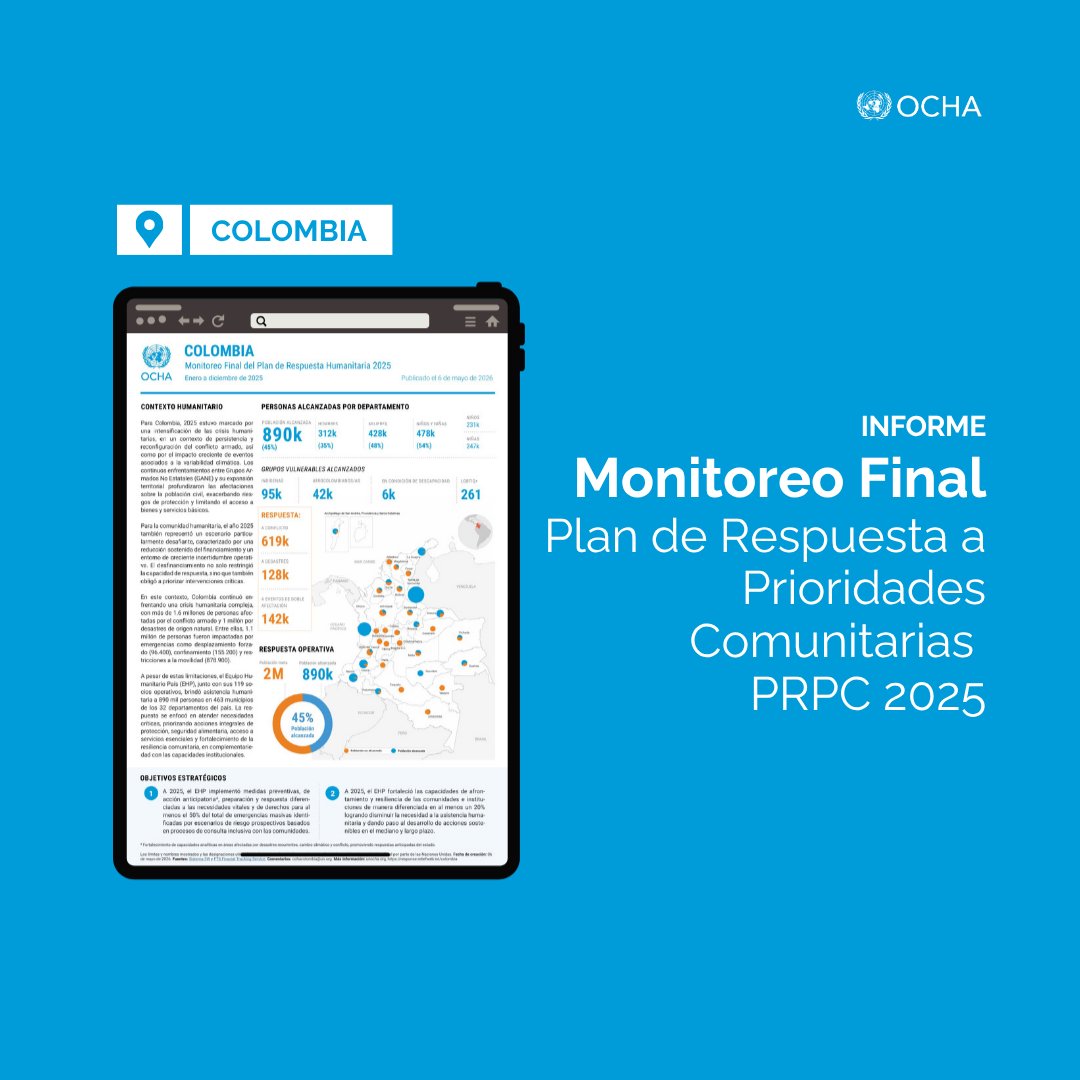
📃Conozca el Informe de Monitoreo Final PRPC 2025
En 2025, el EHP junto con 119 socios asistió a 890 mil personas, atendiendo necesidades críticas en complemento a la institucionalidad.
Informe: tinyurl.com/57yujxku
Plan 2026 en Humanitarian Action: tinyurl.com/mvec5vps
2
2
86
May 10
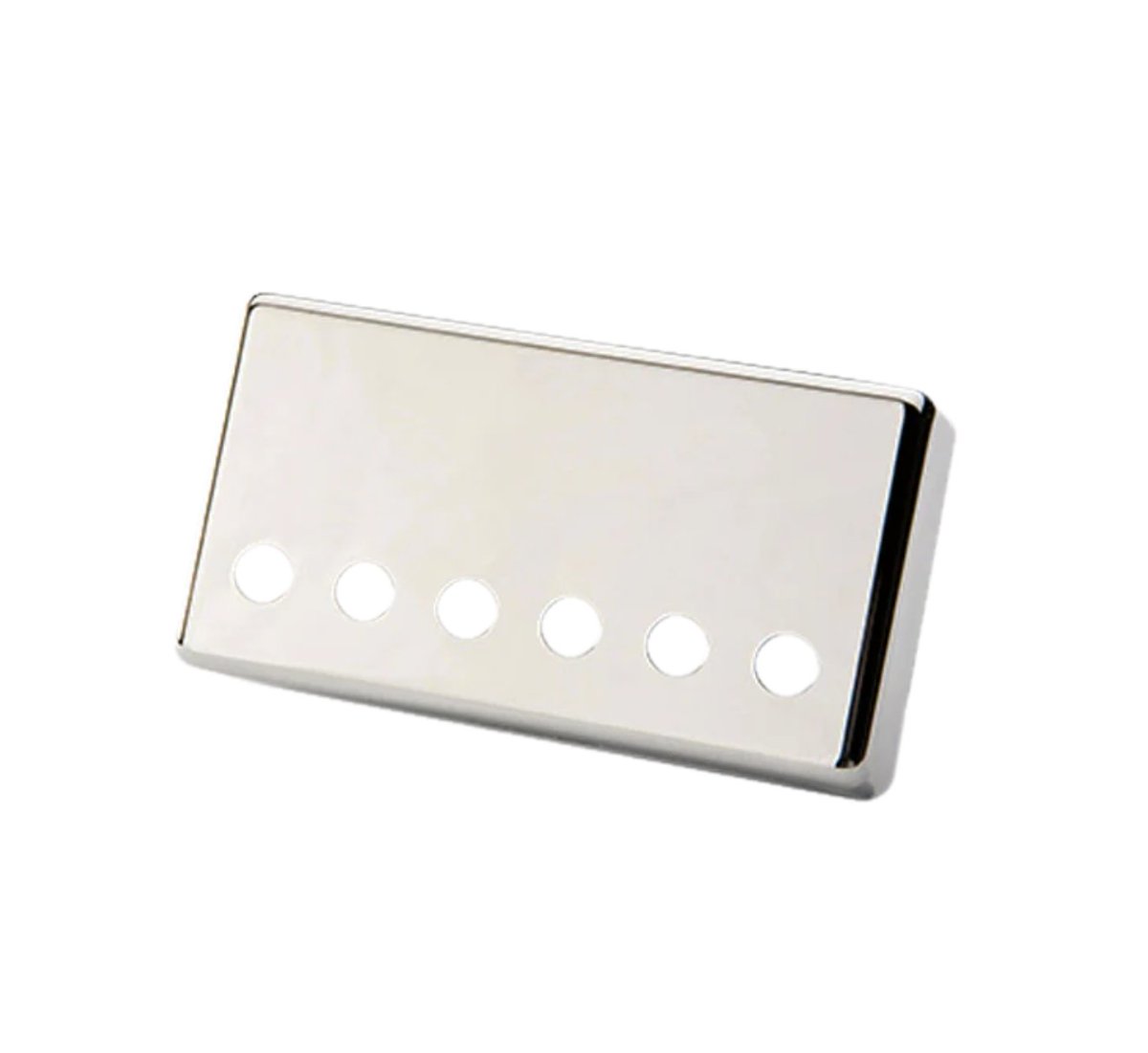
【即納可能!】
GIBSON PRPC-035 ハムバッカーカバー⚙️🎞️🎸
490T、498T、500Tに対応。使い込むほどに絶妙なくすみと風格を増していくニッケルフィニッシュ、ヴィンテージ・ライクな気品を与えます🛠️
soundhouse.co.jp/products/de…
#ギブソン #ピックアップカバー #ギター改造 #ギターリペア
2
566

May 8
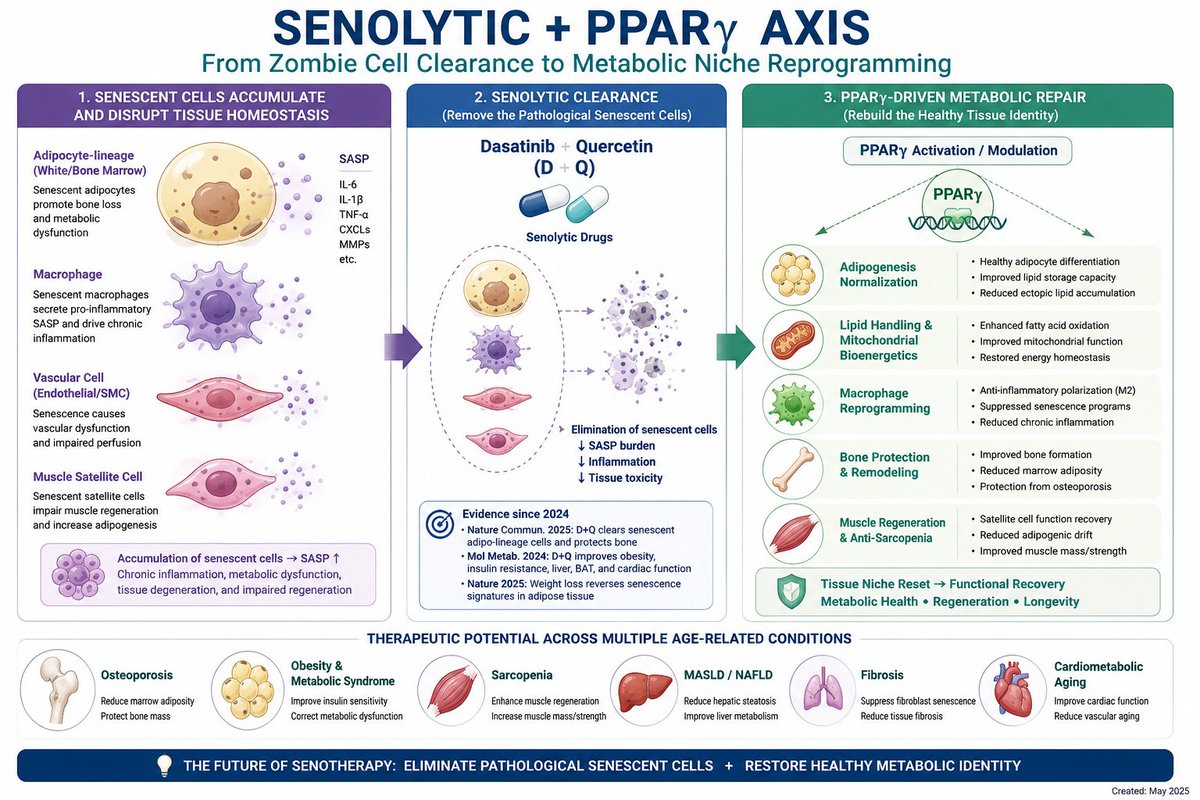
Senolytic PPARγ axis: the next logic in metabolic senescence therapy
Senolytics are no longer just “zombie-cell killers.”
The newer question is whether senescent-cell clearance can be paired with metabolic niche reprogramming — especially through adipogenesis, lipid handling, macrophage metabolism, and the PPARγ axis.
Since 2024, several studies have converged on one message: senescence is deeply embedded in tissue metabolism.
In bone marrow, a 2024 review highlighted marrow adipocyte senescence as a driver of age-, chemotherapy-, and radiation-associated bone loss, positioning senescent adipolineage cells as an actionable skeletal-aging target. (PMC)
The strongest experimental support came from Nature Communications: “Chemotherapy-induced adipo-lineage cell senescence drives bone loss” showed that chemotherapy induces senescence in marrow adipogenic-lineage cells, and senolytic clearance with dasatinib quercetin reduced senescent-cell burden and protected bone. DOI: 10.1038/s41467-025-67793-3. (Digital Commons)
In obesity, Molecular Metabolism reported that D Q senolytic treatment alleviated body-weight gain, adiposity, glucose intolerance, insulin resistance, dyslipidemia, hepatic disorder, BAT whitening, and cardiac dysfunction in mice. Importantly, transcriptomic programs linked to fatty-acid metabolism, oxidative phosphorylation, p53, and DNA repair were corrected. (ScienceDirect)
Human tissue atlasing now supports the same concept. A 2025 Nature study of 171,247 nuclei from 70 people showed that obesity creates senescence-prone adipose niches in metabolic, precursor, and vascular cells — and that therapeutic weight loss potently reverses senescence signatures while restoring adipocyte bioenergetics. (Nature)
This is where PPARγ becomes biologically important. PPARγ is not simply an adipogenesis transcription factor. It coordinates lipid storage, adipocyte identity, mitochondrial substrate handling, anti-inflammatory macrophage programs, and tissue repair. A 2026 EBioMedicine study directly showed that PPARγ suppresses macrophage senescence and allergic airway inflammation by controlling lipid metabolic pathways. (The Lancet)
Muscle aging also fits this model. A 2025 JCSM paper reported that PrPC deficiency induced satellite-cell senescence and impaired muscle regeneration, with senescence-associated enhancement of adipogenesis and increased PPARγ during regeneration. (PubMed)
So the emerging therapeutic logic is:
Senolytic: remove pathological senescent cells
PPARγ/metabolic modulation: rebuild tissue identity
Niche reset: restore adipocyte, macrophage, vascular, skeletal, or muscle function
This may matter for osteoporosis, chemotherapy survivorship, obesity, sarcopenia, MASLD, fibrosis, and cardiometabolic aging.
The future may not be “senolytics alone.”
It may be senolytic metabolic precision therapy.
Aging biology is becoming niche pharmacology.
5
10
421

May 5
Exploring PrPC unfolding as a critical step preceding its refolding in the context of PrPSc propagation | PNAS pnas.org/doi/10.1073/pnas.25…
1
15
1,099

Apr 30
Prpc rikas panu prezidentovi 'prezidentcik'? Zvlast takova šupácká nula, ktera si neumi ani umejt umastenou hlavu a zbavit se ve ctyriceti akne?
2
27

Apr 30
Exploring PrPC unfolding as a critical step preceding its refolding in the context of PrPSc propagation | PNAS pnas.org/doi/10.1073/pnas.25…
2
2
235

Apr 27
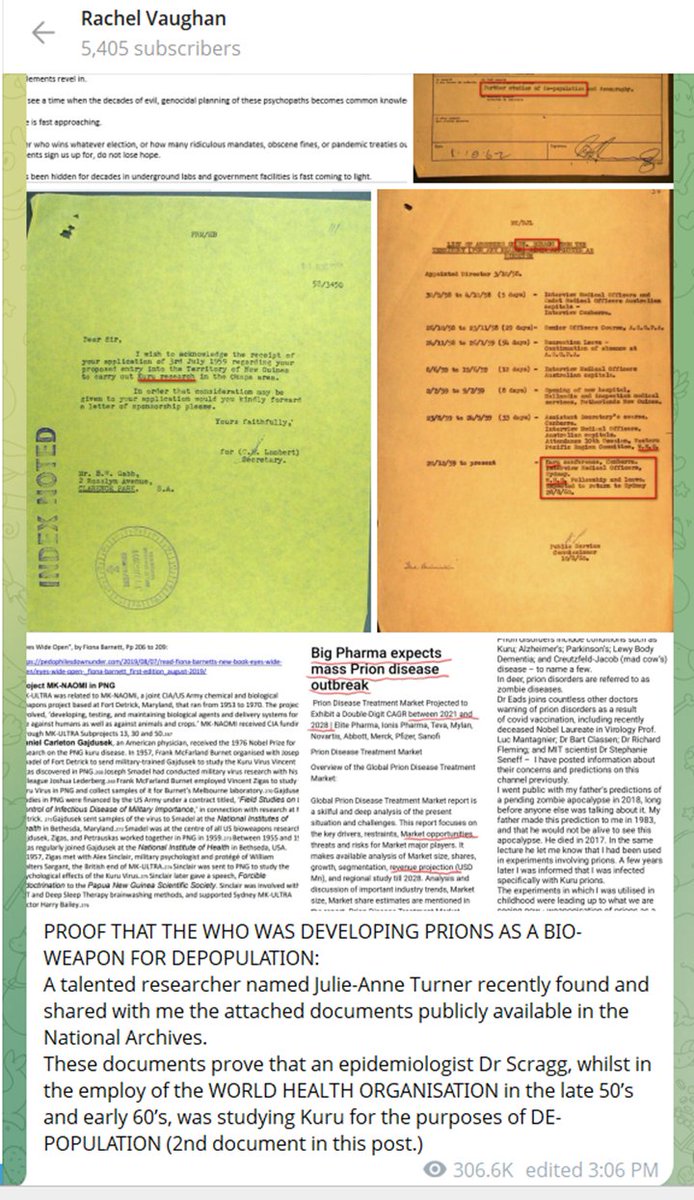
The WHO was developing prions as a bio-weapon via Adelaide doctors for decades, using children like myself as test subjects.
This PubMed article was sent to me by Mary Maxwell, the author of a Gumshoe News article published in 2018 where I first whistle-blew about my father Alan Maxwell McIntyre’s knowledge of the plan to use Kuru prions to bring about a biblical ‘zombie apocalypse’.
My father told me about this plan in 1983 after murdering a child in front of me. He told me I had been intentionally infected with prions & would die a horrible death. I was 10 years old.
In fact it was my cannibal father who ended up dying of a prion disorder - dementia. He almost wasted away in his later years as he was unable to swallow food. He had to have an operation to correct the issue. Inability to swallow & dementia are BOTH prion related disorders.
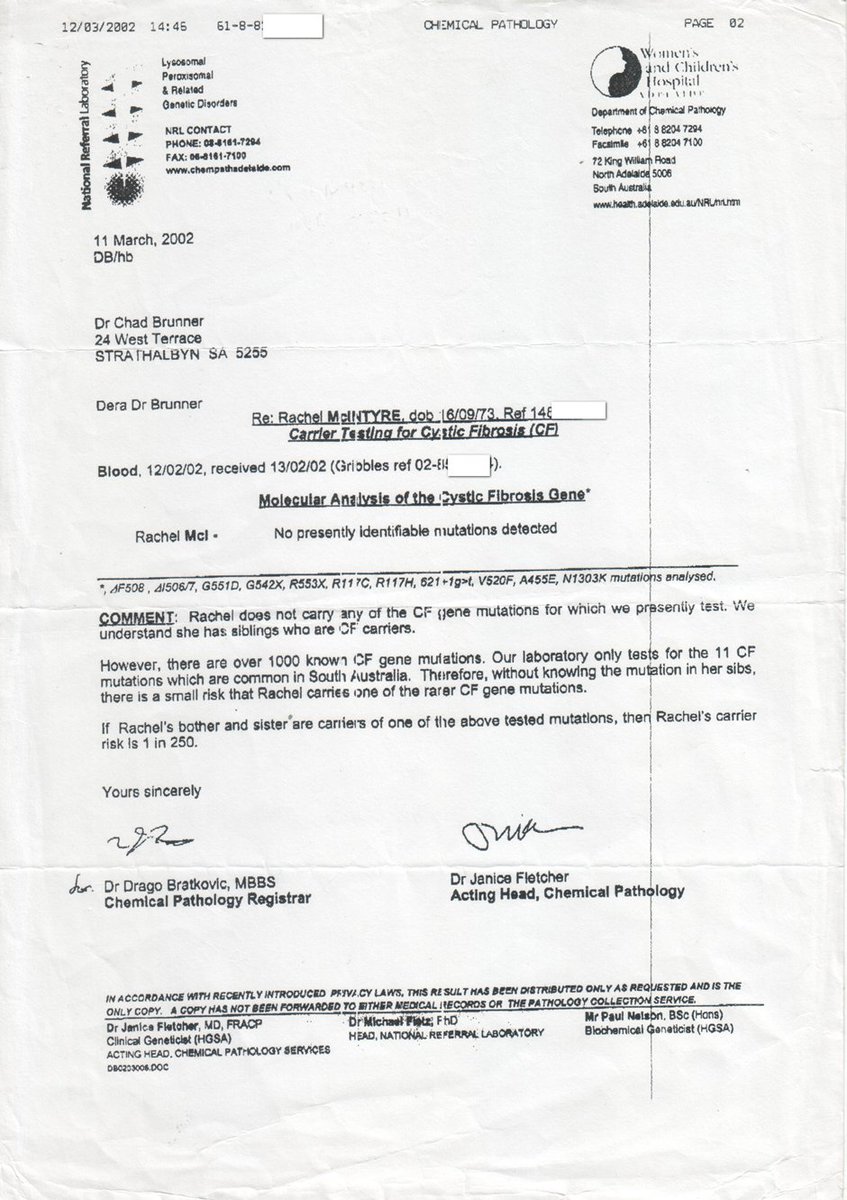
My father often spoke about our family having a genetic disorder called ‘McKenzie lung.’ It turns out that some of my family members are carriers for cystic fibrosis (CF.) I, however, am not a carrier. In 2002 my father forced me to have genetic testing to see if I carried the CF gene, see attached medical evidence under my maiden name. My father was furious when he learned that I was not a carrier for CF.
My two full siblings are both carriers. These are the two siblings who own the Stansbury property where the Beaumont children are buried. The same two siblings who sheltered my father despite the allegations of incest & worse from myself & our three half siblings Ruth, Andrew & Clare. If our father also utilised my two full siblings in Kuru experiments as he did me, they may yet succumb, as their faulty CFTR gene predisposes them to prion disease.
‘The conformational alteration of PrPC can occur either due to spontaneous conversion, dominant mutations in the prion protein gene (PRNP) which codes for PrPC or due to an infection with the pathogenic isoform PrPSc from exogenous sources.’ pubmed.ncbi.nlm.nih.gov/4180…
There is an indirect connection between the cystic fibrosis gene (CFTR) and prion proteins (PrPc), specifically relating to how the body handles protein misfolding and intracellular trafficking. While they are separate diseases, cystic fibrosis (CF) is considered a "protein misfolding disease," similar to prion disorders.
National Institutes of Health (.gov) 1
Recent research has highlighted specific links, particularly in how CF mutations affect cellular defense mechanisms:
· Misfolded Protein Trafficking: In cells with the common CFTR mutation (ΔF508), the cellular prion protein (PrPc) is not correctly addressed to the lateral membrane.
· Impaired Cellular Defense: Normally, (PrPc) helps stabilize junctions in cells to protect against oxidative stress. In CF, the lack of proper (PrPc) trafficking appears to be linked to the CFTR mutation, reducing the effectiveness of the epithelial barrier and increasing susceptibility to pathogens like Pseudomonas aeruginosa.
· Misfolding Pathology: Both cystic fibrosis and prion diseases (like Creutzfeldt-Jakob disease) involve the degradation of incorrectly folded proteins by the cell's quality control system (the proteasome).
· Inflammatory Response: CF cells show an increased, persistent expression of pro-inflammatory cytokines, which are also often elevated in neurodegenerative and prion-related inflammations.
📷Journal of Drug Delivery and Therapeutics 4
While both involve misfolded proteins, CF is caused by the loss of a functional ion channel protein, whereas prion diseases are caused by the toxic gain-of-function of the misfolded prion protein, which acts as a transmissible particle.
2022 Telegram post: t.me/RachelVaughan/488?singl…
gumshoenews.com/adelaide-mys…
youtube.com/shorts/SVZVS44sA…
x.com/weazel8888/status/2047…
Apr 23

Kuru, Ellen Degeneres, cannibalism, & the WHO’s decades long plans for humanity
There is viral post going around stating that Ellen Degeneres is infected & going blind from Kuru infection. Whether or not this is true I cannot say, but it is important that the truth about the significance of Kuru in relation to the WHO’s plans for humanity is highlighted.
I have been publicly whistleblowing about the prion disease Kuru since my conversation with Mary Maxwell aired on Dee McLachlan’s Gumshoe News platform in 2018. In that conversation I described how my cannibal & mass murdering pederast father Alan Maxwell McIntyre told me in 1983, when I was 10 years old, that he & his doctor mates were going to bring about a zombie apocalypse using prions. He told me I was already being used in this plan, & that I would die a horrible death.
On the 22nd of May 2022 my post on Telegram went viral exposing the WHO’s involvement in the study of Kuru by Australian doctors for the purposes of ‘de-population.’ This was the prelude to the creation of the Covid bioweapon – the Covid spike protein mimics a prion.
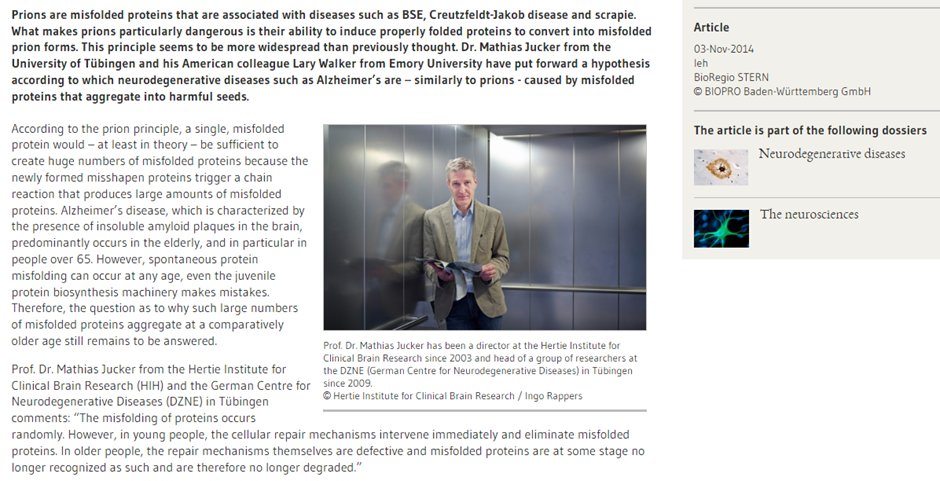
I am now aware – thanks to the work of Prof Dr Mathias Jucker – that young people’s bodies are able to eliminate prions. No doubt children like myself who survived multiple attempted infections are the study group who provided such evidence.
Whether Ellen Degeneres is infected with Kuru or not remains to be seen. Regardless, there will be many coming down with prion related illnesses in ‘elite’ circles as a result of cannibalism.
I believe that those who took the Covid jab might be somewhat compromised, but there are protocols to clear the spike protein. Kuru infection for adults however is most often fatal.
Some years before his death, my cannibal father suffered from a disorder where he could not swallow. He lost a lot of weight. He later died of Dementia – at least that is what I was told. I was turned away when I asked to view his corpse – to be certain he was dead – so I could sleep again at night.
Inability to swallow & dementia are Kuru symptoms.
x.com/tpvsean/status/2046372…
t.me/RachelVaughan/488?singl…
gumshoenews.com/adelaide-mys…
youtube.com/shorts/SVZVS44sA…
1
7
19
406