
That's fine, we don't really care that no one needs or wants to speak Mandarin. But do remember that our inventions, being gunpowder, the clock, papermaking, the compass, banknotes, oil drilling, petroleum etc. were integral for the modern world to exist as it does today. Also, it was us that also discovered the anti-malarial drug Artemisinin, which saved millions of lives, especially Indian ones where Malaria was endemic to the country.

3
17
390

Everyday Innovations
Improved production of paper after learning papermaking techniques from China.
Advanced irrigation systems.
Refined soaps, perfumes, and cosmetics.
Developed coffee culture, which later spread worldwide from the Muslim world.
1
5
We invented gunpowder, tea, the clock, compass, seismometers, papermaking, printing, toilet paper, porcelain, banknotes, blast furnaces, biological pest controls, bombs, bristle toothbrushes, cannons, cast iron, civil-service exams, color printing, crossbows, drilling rigs, fireworks......I'd could go on and on.
Also wow, I didn't know Indians invented the concept of a visible heaven (Celestial) or a Far-Eastern sky. And if you're talking about the concept of rebirth, it doesn't exist LMFAO
13
17
6,661

Jun 12
I love this! I started making embossing molds at uni for my papermaking & bookbinding classes in fall, very excited to use them 😍
1
2
170
Jun 10
aw thats really dope! I skipped hibiscus because of its lightfastness but I have an endless list of plants to test haha I did 8 months of plant dyes and some pigment extractions, inks are new and very exciting since I have papermaking and bookbinding classes in fall
1
1
10

Jun 10
Thanks to Cai Lun: Papermaking is an option.
There is always an alternative to social media.
ibookbinding.com/papermaking…
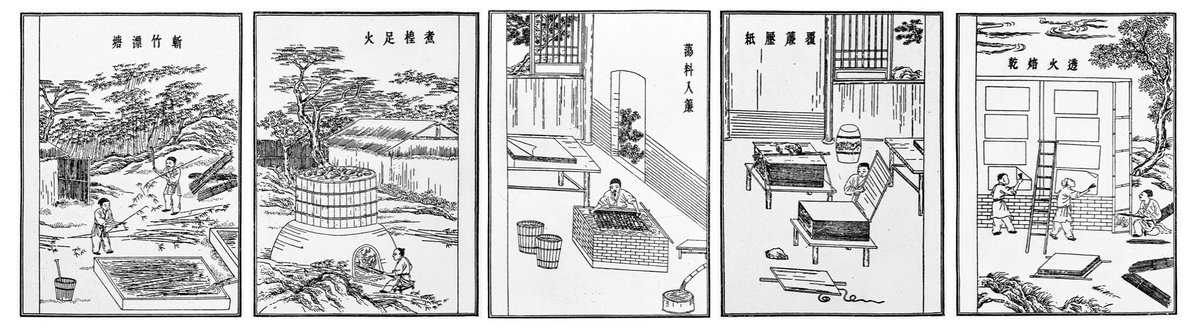
ALT https://www.ibookbinding.com/papermaking/papermaking-process-as-outlined-by-cai-lun-in-105-ce/
1
276

Jun 10
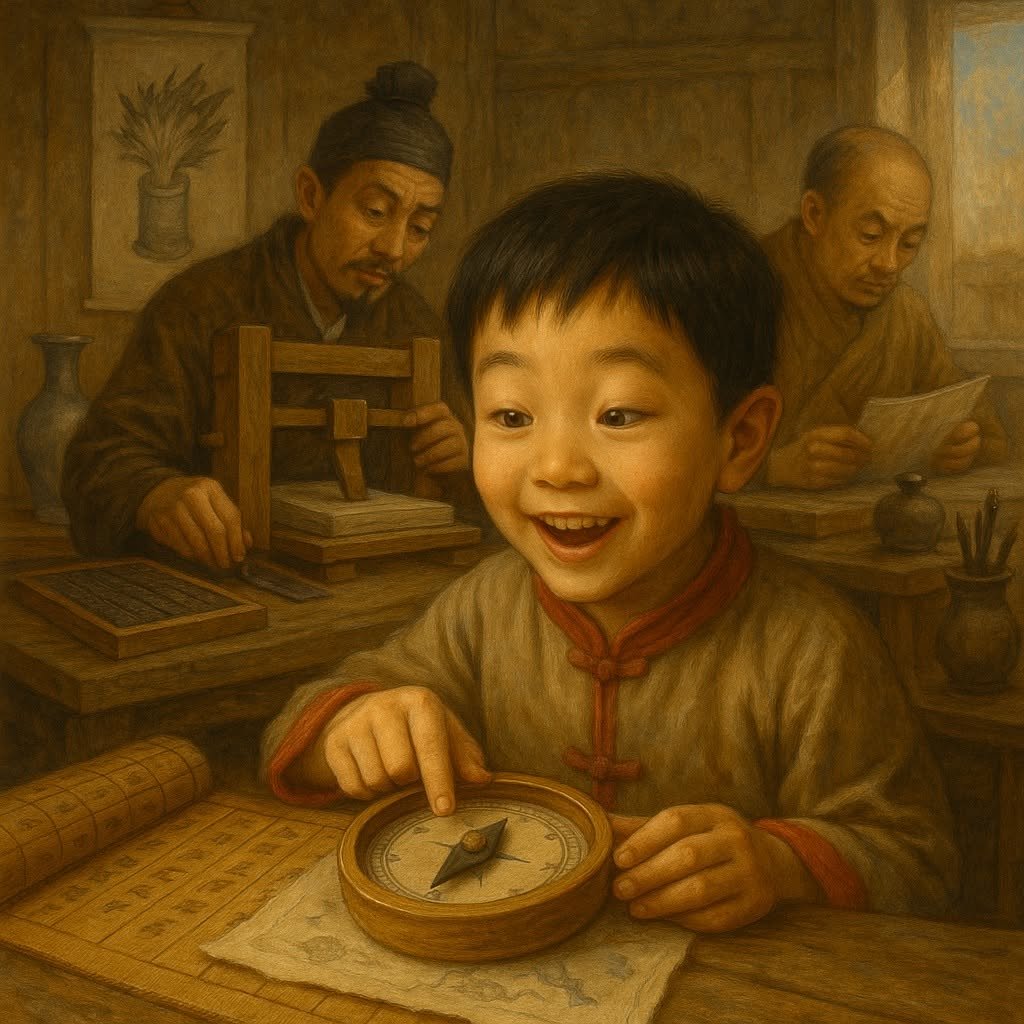
Hmm; didn’t they invented papermaking, printing, the compass, and gunpowder; leading to many later advancements? They they stole those from American?
191


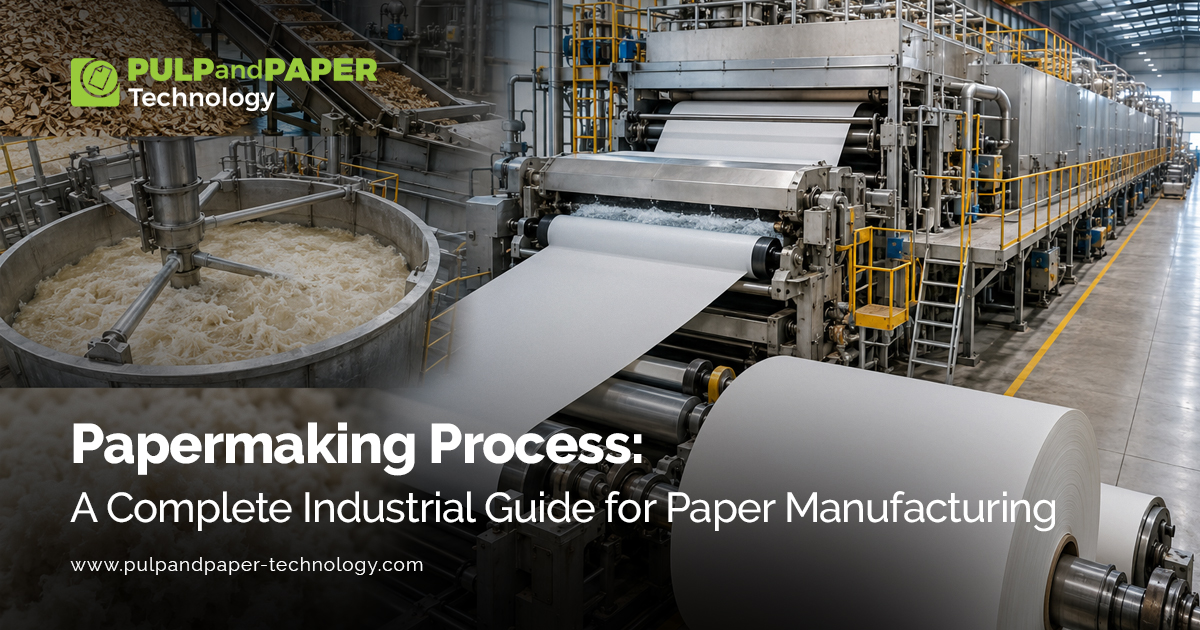
From pulp preparation to finished paper, discover the complete industrial papermaking process and the key steps that drive efficient paper production.
pulpandpaper-technology.com/…
#PapermakingProcess #PaperManufacturing #PulpAndPaperIndustry #PaperProduction
3

📍Tiangong Kaiwu in AI: Papermaking
🔎Tiangong Kaiwu is hailed as "a landmark in ancient Chinese technological literature," in which the craft process of papermaking in ancient China is documented in detail. #TiangongKaiwu #AI #papermaking #tech #AmazingChina #Jiangxi #reels
223

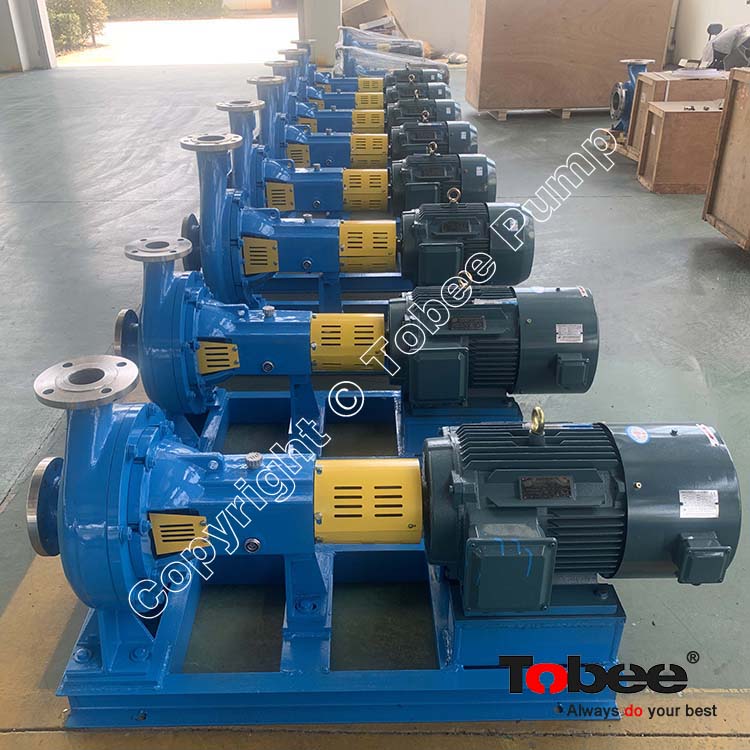
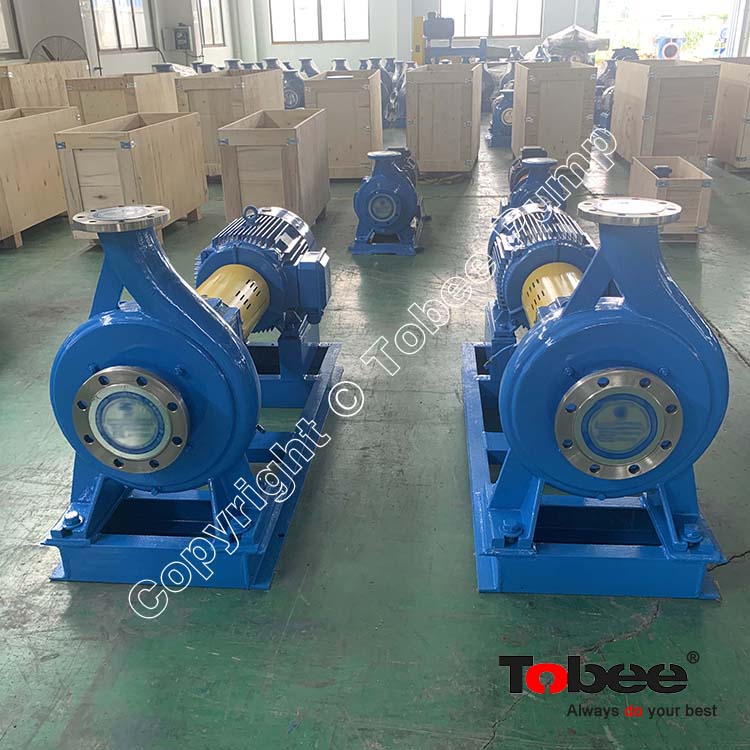
Andman® VP Series 250-430 Pump for Waste Paper Stock
WA: 86 189 3110 6396
#WastePaperPump
#PaperRecycling
#VPPump
#PulpAndPaper
#PaperMillPump
#AndmanPump
#RecycledFiber
#WastePaperStock
#PaperMaking
#IndustrialPumps
20

Jun 8
한국의 전통 한지와 쪽염색 문화, 미국 수제종이 전문지 ‘핸드 페이퍼메이킹(Hand Papermaking)’에 소개peoplestory.net/article/2388…
9

📜✨ चीन के आन्हुई प्रांत में चार झांग (लगभग 13 मीटर) लंबे विशाल शुआन पेपर (Xuan Paper) का जन्म! 🇨🇳
इस अद्भुत पारंपरिक कागज़ को तैयार करने के लिए 100 से अधिक जटिल प्रक्रियाओं और 50 से ज्यादा कुशल कारीगरों के सामूहिक प्रयास की आवश्यकता होती है। हर चरण में सदियों पुरानी कला, धैर्य और उत्कृष्ट शिल्पकला की झलक दिखाई देती है।
🎨📖 यही कारण है कि शुआन पेपर को चीनी सुलेख और पारंपरिक चित्रकला के लिए सर्वोत्तम माध्यम माना जाता है।
📜✨ Witness the birth of a super-large sheet of Xuan paper measuring four zhang (about 13 meters) in Anhui Province, China!
Creating this masterpiece is no simple task—it involves more than 100 intricate procedures and the combined efforts of over 50 skilled artisans. From raw materials to the final sheet, every step reflects centuries of craftsmanship, patience, and cultural heritage.
A remarkable example of traditional artistry preserved through dedication and teamwork. 🎨👏
#XuanPaper #ChineseCulture #TraditionalCraftsmanship #Anhui #CulturalHeritage #HandmadeArt #ArtisanSkills #ChineseArt #TraditionalArt #AmazingChina #PaperMaking #Craftsmanship
44

Papermaking is sloppy. Have you ordered from Talas? talasonline.com/
1
2
83


ある日の和紙会館にて。2人の紙漉き職人が協力して1枚の和紙を漉いています。
Two papermaking artisans are working together to make a single sheet of washi paper.
1
11
443

May 31
I said that the Chinese were the dominant force in East Asia in those 2100 years. I didn’t say they ever“ruled” Japan.
During that time Japan’s economy was much smaller and more localized.
While Japan developed sophisticated agriculture, craftsmanship, and trade (especially in the Edo period), it never matched China’s scale or output until the 20th century.
Japan’s major external military efforts were limited also.
Failed invasions of Korea in the 1590s (Imjin War) under Toyotomi Hideyoshi.
Earlier raids by wakō pirates, but these were not state-level dominance.
Japan’s heavy reliance on Chinese innovations, models, and culture is one of the clearest reasons it did not dominate East Asia for those 2,100 years.
Instead of leading independently, Japan frequently acted as a skilled adapter and importer of Chinese advancements, which reinforced China’s position as the regional source of prestige and progress.
Major Examples of Japan Copying/Importing from China :
• Writing System: Japan adopted Chinese characters (Kanji) starting around the 5th–6th centuries CE. For centuries, official documents, literature, and scholarship in Japan were written in Chinese. Japan later developed kana (hiragana and katakana) from simplified Chinese characters, but the foundation remained Chinese.
• Religion and Philosophy: Buddhism came to Japan via China (and Korea) in the 6th century, along with Confucian governance principles. Japanese sects like Tendai and Shingon were directly inspired by Chinese Buddhist traditions. Confucianism shaped Japanese ethics, education, and bureaucracy.
• Government and Administration: During the Nara (710–794 CE) and Heian periods, Japan modeled its imperial court, centralized bureaucracy, legal codes (e.g., Taihō Code), and capital cities (Nara and Kyoto) after China’s Tang Dynasty capital of Chang’an. They sent official missions (kentōshi) to Tang China to study and bring back administrative systems, tax structures, and urban planning.
• Technology and Practical Innovations:
• Rice cultivation techniques and advanced agriculture.
• Papermaking, printing, and the compass (core Chinese inventions).
• Architecture: Wooden temple designs, tiled roofs, and city layouts.
• Ceramics/porcelain techniques, silk production, and metallurgy.
• Calendar, astronomy, and measurement systems.
• Arts and Daily Life: Poetry, calligraphy, painting styles, music, clothing (kimono influenced by Chinese robes), chopsticks, tea culture, and even some culinary elements (e.g., early influences on noodles/ramen precursors).
Only in the late 19th century did Japan break this pattern of copying China.
During the Meiji Restoration, it rapidly shifted focus to Western technology and institutions (while still drawing on its ability to selectively borrow), industrialized quickly, and defeated a weakened Qing China in 1895.
In essence, centuries of successful cultural and technological importation from China kept Japan in a secondary but prosperous position within the East Asian order, rather than at its head. 😉
2
490

May 29
Dongba Paper: The "living fossil" of handmade papermaking.
Made from toxic Lijiang Raohua since Tang Dynasty (1200 years), it's insect-proof, lasts a millennium, and can be written on both sides.
Paper that truly lives for a thousand years. ✨
1
13
1,166
May 28
thats like saying the US stole Chinese papermaking technology lmaoooooo
he's also an ROC citizen too and he is ethnically chinese 😉
3
69

May 28
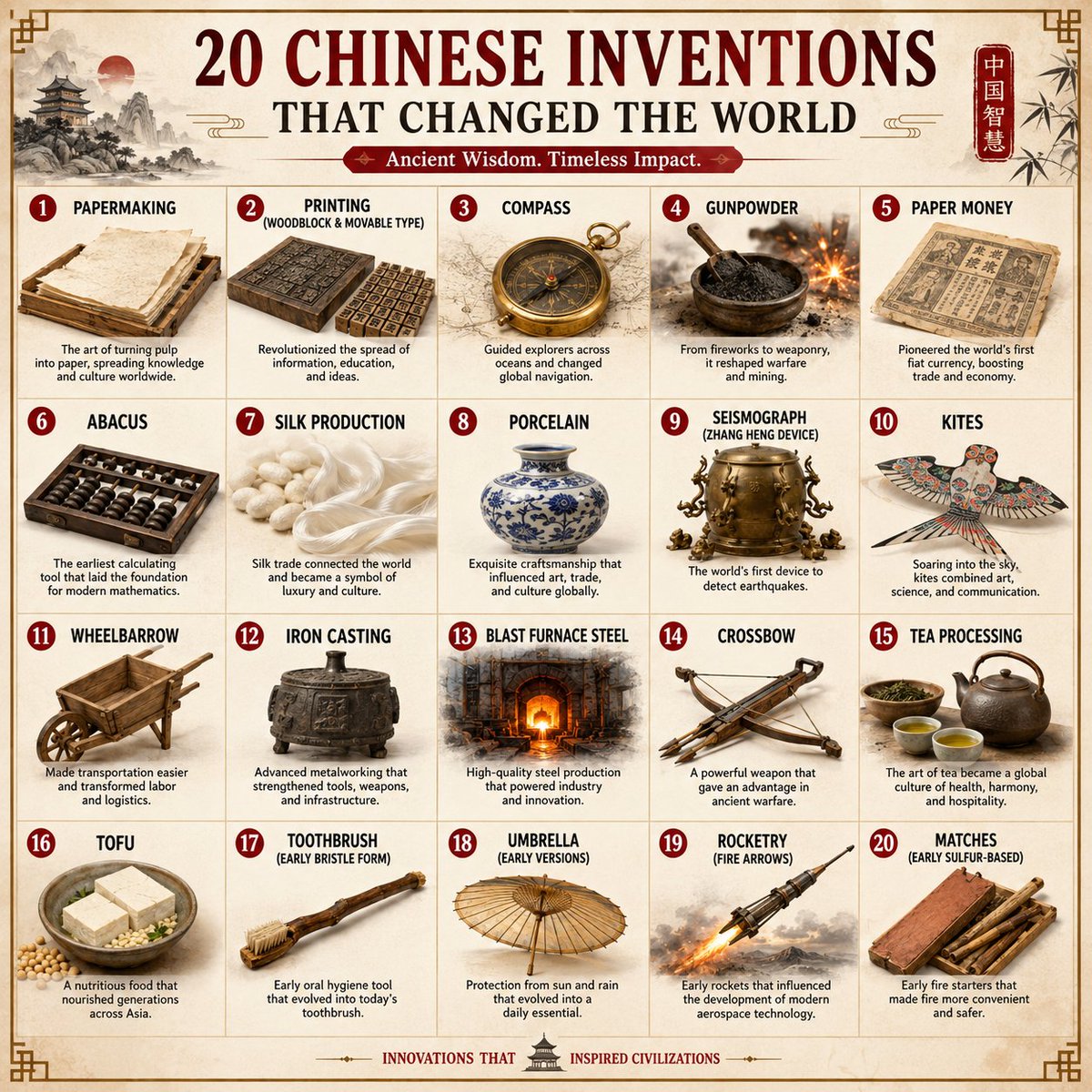
🇨🇳 Chinese inventions that changed the world:
1. Papermaking
2. Printing (Woodblock & Movable Type)
3. Compass
4. Gunpowder
5. Paper Money
6. Abacus
7. Silk Production
8. Porcelain
9. Seismograph (Zhang Heng device)
10. Kites
11. Wheelbarrow
12. Iron Casting
13. Blast Furnace Steel
14. Crossbow
15. Tea Processing
16. Tofu
17. Toothbrush (early bristle form)
18. Umbrella (early versions)
19. Rocketry (fire arrows)
20. Matches (early sulfur-based fire starters)
1
1
3
439