
Theobroma had severe financial trouble before Covid and took on external investors, they've never recovered since, just cruising on name recognition
They sell pre-cooked pre-packed (known as "parbaking" in the industry) goods from huge factories these days & just reheat in store
5
687

Mar 13
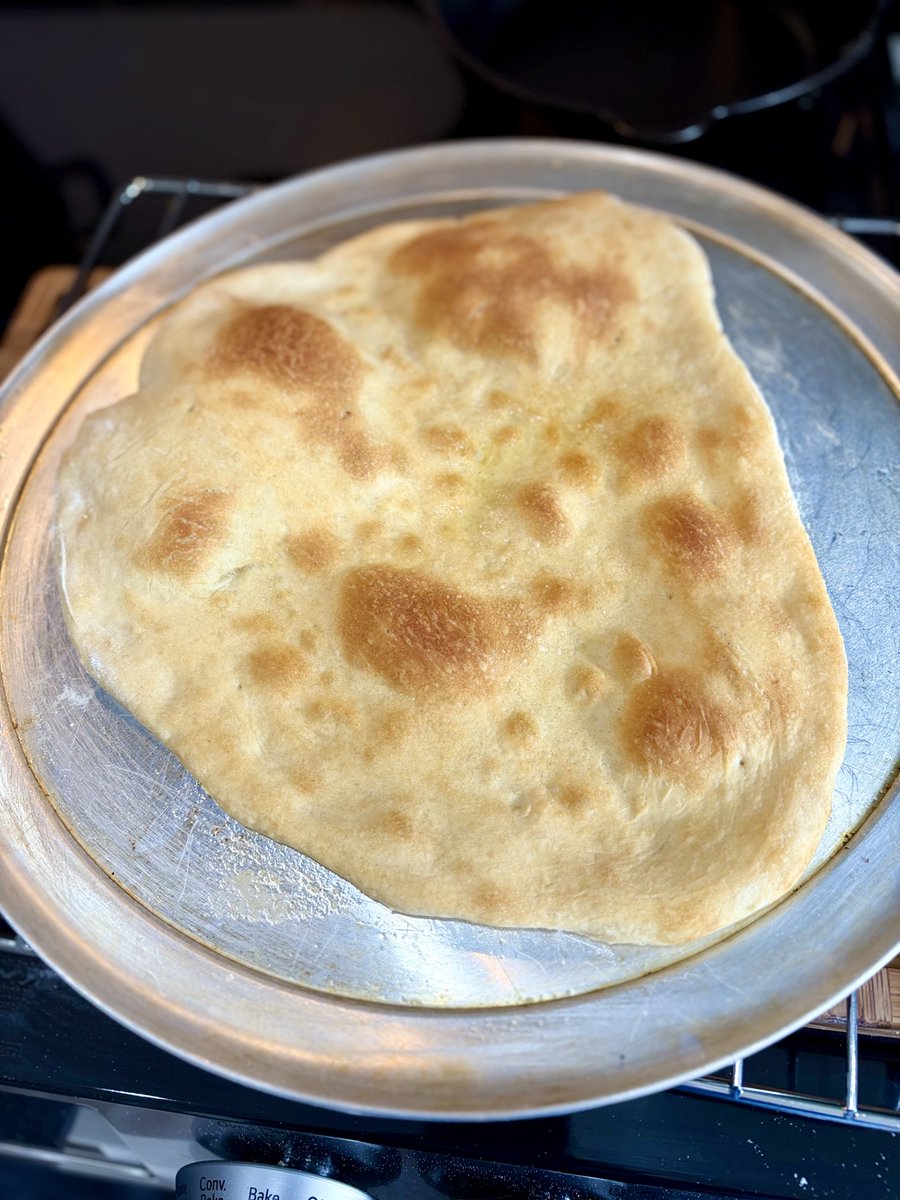
Parbaking leftover (scrumptious) pizza dough from Nancy Silverton's "Tomato-Oregano Pizza" recipe, to freeze for later. #emptynestcafe #girlchefs
1
4
64

Mar 2
With cutaway diagrams, talking emulsion and surface tension and whatnot. Getting into heated arguments about parbaking
2
38

Feb 2
Parbaking to have on hand in the freezer makes it easy to have a quick dinner done. I want to make up some frozen pizzas but my freezer is full.
1
2
9

Jan 16
과일이랑 탄수가 태아 팍팍 키운다는 말이 있어서 (진위모름) 마지막 3주정도는 과일과 디저트 싹 끊고 통곡물, 단백질 야채만 먹었음. 달달한 홈메이드파이가 너무너무너무 먹고싶어 애낳고 집 오자마자 먹으려고 만삭에 파이지 퍽퍽 치대며 만들고 파이지 parbaking 하다가 진통걸려서 으악으악함
1
1
12
1,861

16 Nov 2025
✅edge out ~に辛勝する
✅swirl 渦を巻く
✅dough 〔パン・ピザなどの〕生地
✅parbaking パーベーキング
◆パンやピザ生地などを、最終的な調理の前に半焼きする調理法
Pumpkin or apple? America’s fiercest Thanksgiving dessert debate heats up foxnews.com/food-drink/pumpk… #FoxNews
9
213

14 Sep 2025
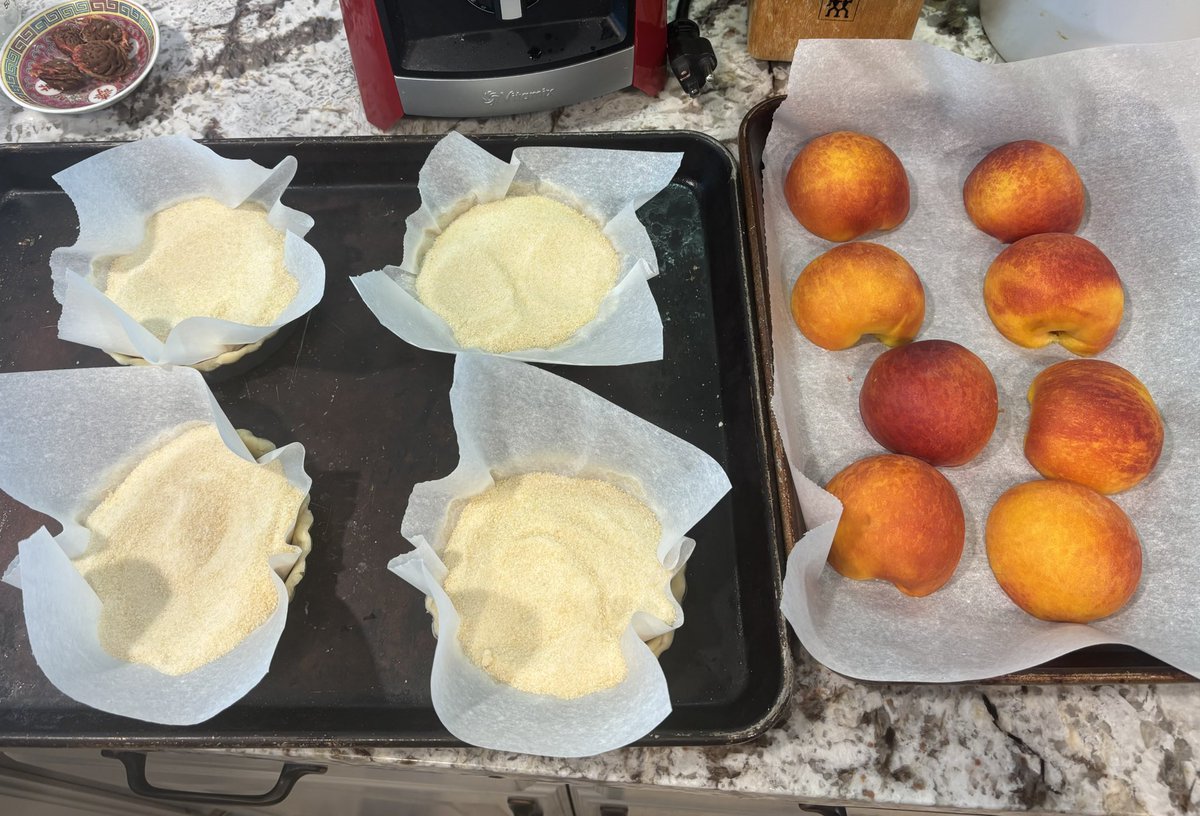
Parbaking tart shells and roasting peaches. House is going to smell like heaven in 20 minutes.
1
4
290

26 Aug 2025
A Baker's Guide to Perfect Pie Crust and Filling
The key to a perfect pie starts with a flaky crust. "Pie Apostle" Ken Haedrich recommends partially baking your crust—or "parbaking"—for single-crust nut, sweet potato, and pumpkin pies. This simple step prevents the filling from making the bottom crust soggy.
When you're making the dough, remember to work with cold butter and cold flour. This creates a flakier texture. Haedrich also advises against handling the dough too much. Use a light touch, unlike when you're kneading bread. For an easier way to mix, Baker Julianna Butler suggests using a food processor instead of mixing by hand.
Want a crust with great flavor and texture? Rebecca Bloom of Piedaho uses a mix of butter and shortening. The butter adds rich flavor, while the shortening, with its higher melting point, helps create those light, flaky layers.
Not all apples are created equal when it comes to pies! Haedrich recommends using firm, juicy apples that have a good balance of tartness and sweetness. Steer clear of varieties like Red Delicious, which can get mushy. He prefers Northern Spy and Winesap for their excellent texture and complex flavor.
If you're feeling adventurous, try adding a different fruit. Haedrich loves apple-pear pie, noting that pears have a "more seductive flavor" and a wonderfully soft, buttery texture. For a fun, no-fuss option, culinary expert Capri Cafaro suggests a cookie crust made from Oreos or vanilla wafers—it's easy and adds a unique flavor.
Subscribe to AE for more tips
aemgz.in/subscribe_901
#PieCrustPerfection #BakingTips #FlakyCrustGoals #ApplePieSeason #PumpkinPieLove #HolidayBaking #FoodieFriday #BakingWithButter #ParbakePower #PieArt #FallFlavors #WomenOfTikTok #NewMusic #HomeChefLife #TikTokMadeMeBake
1
2
95

Pizza devotees know that parbaking ensures a chewy, sturdy crust. But an expert chef thinks that might be a mistake. Read his pizza-saving advice here.
chowhound.com/1808754/when-p…
267

26 Dec 2024
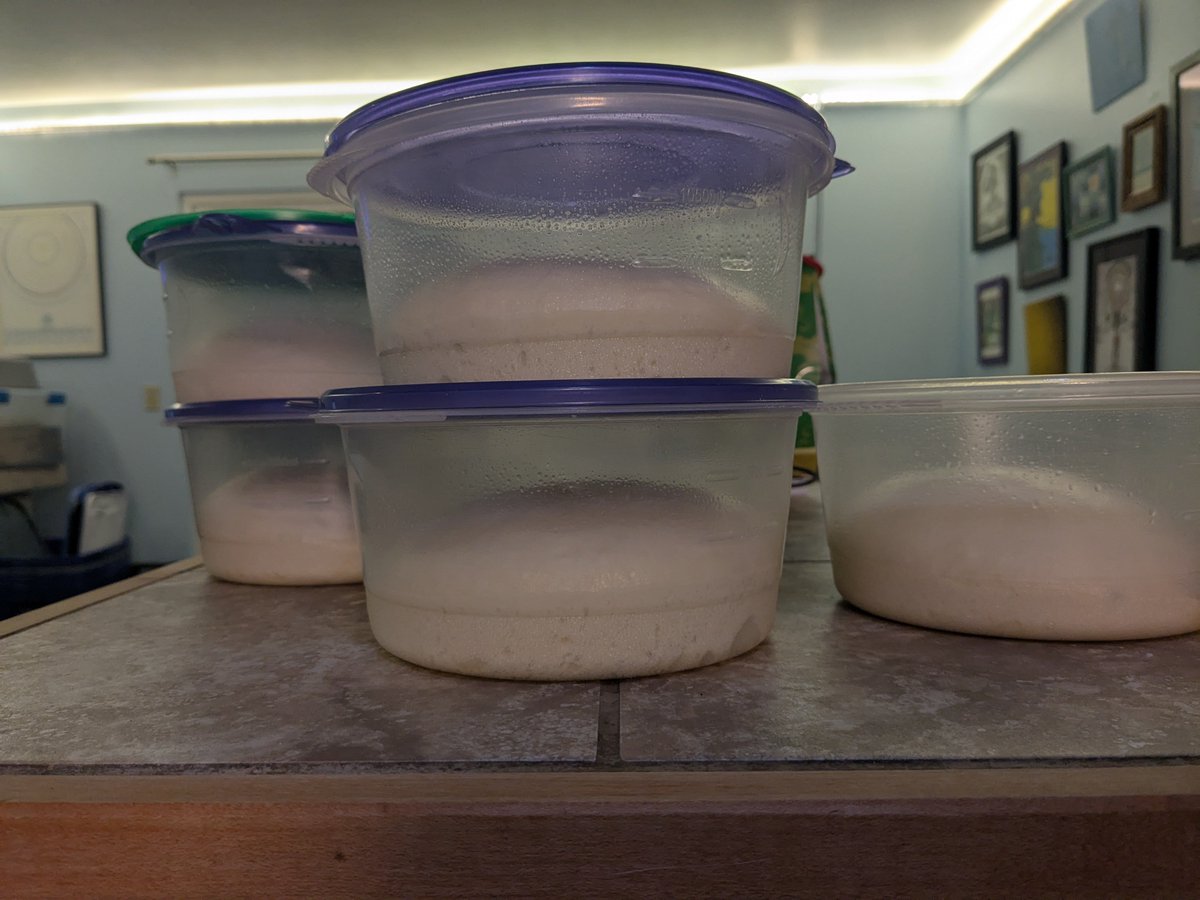
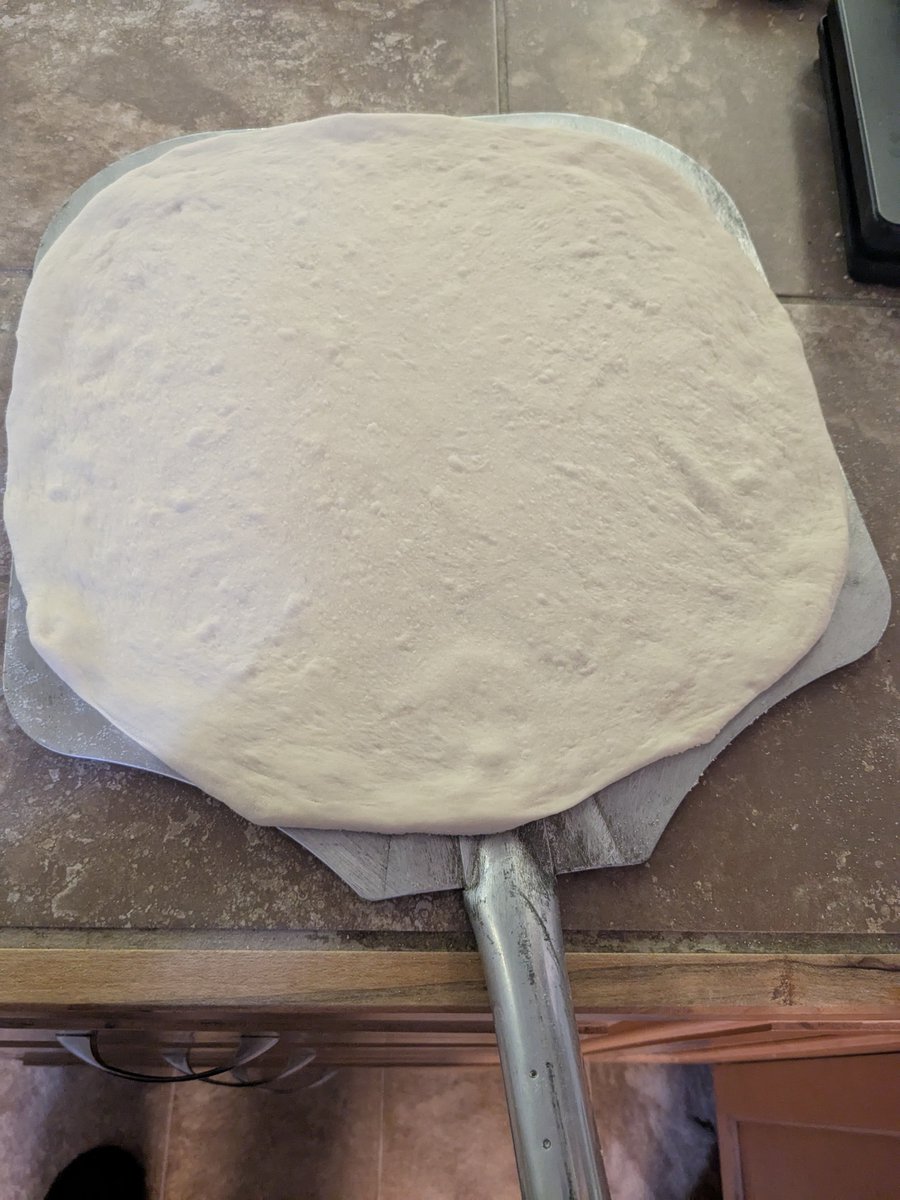
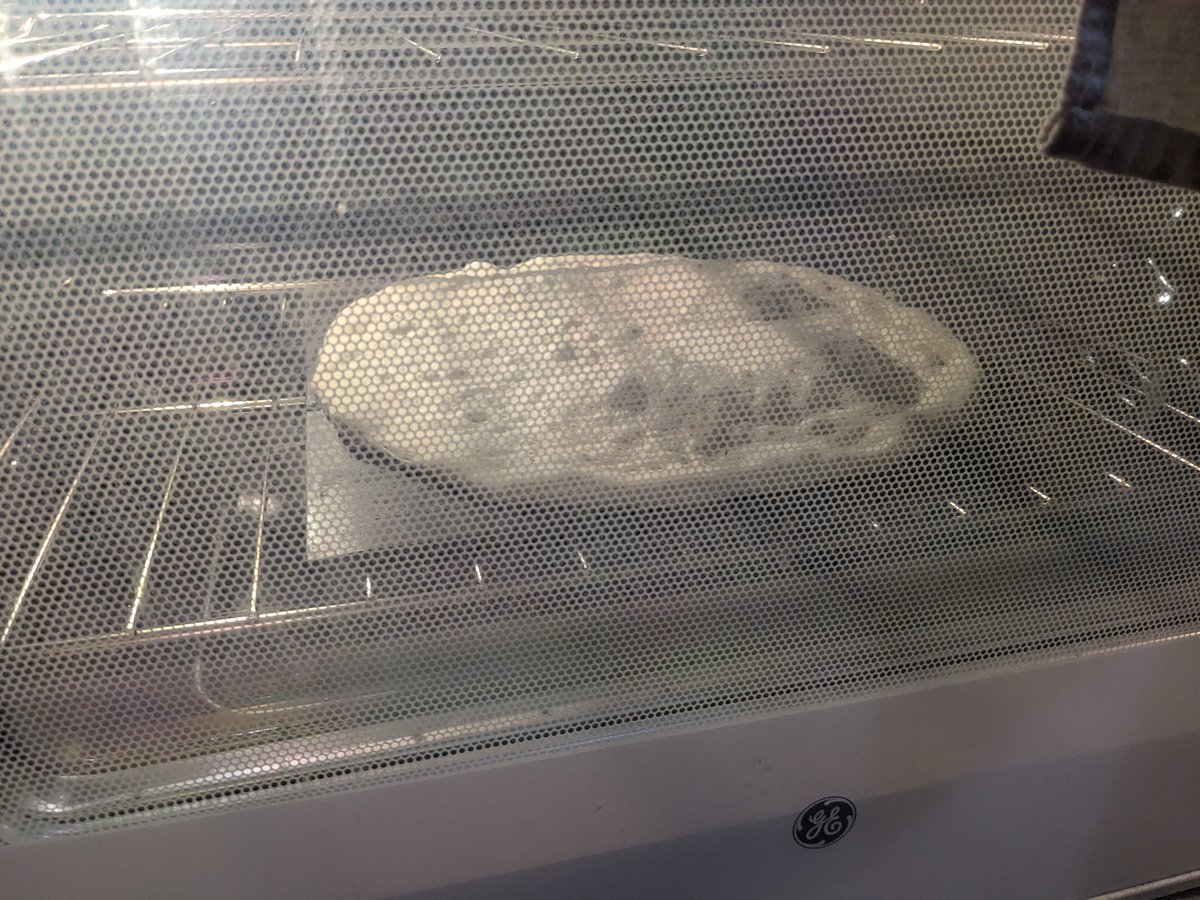
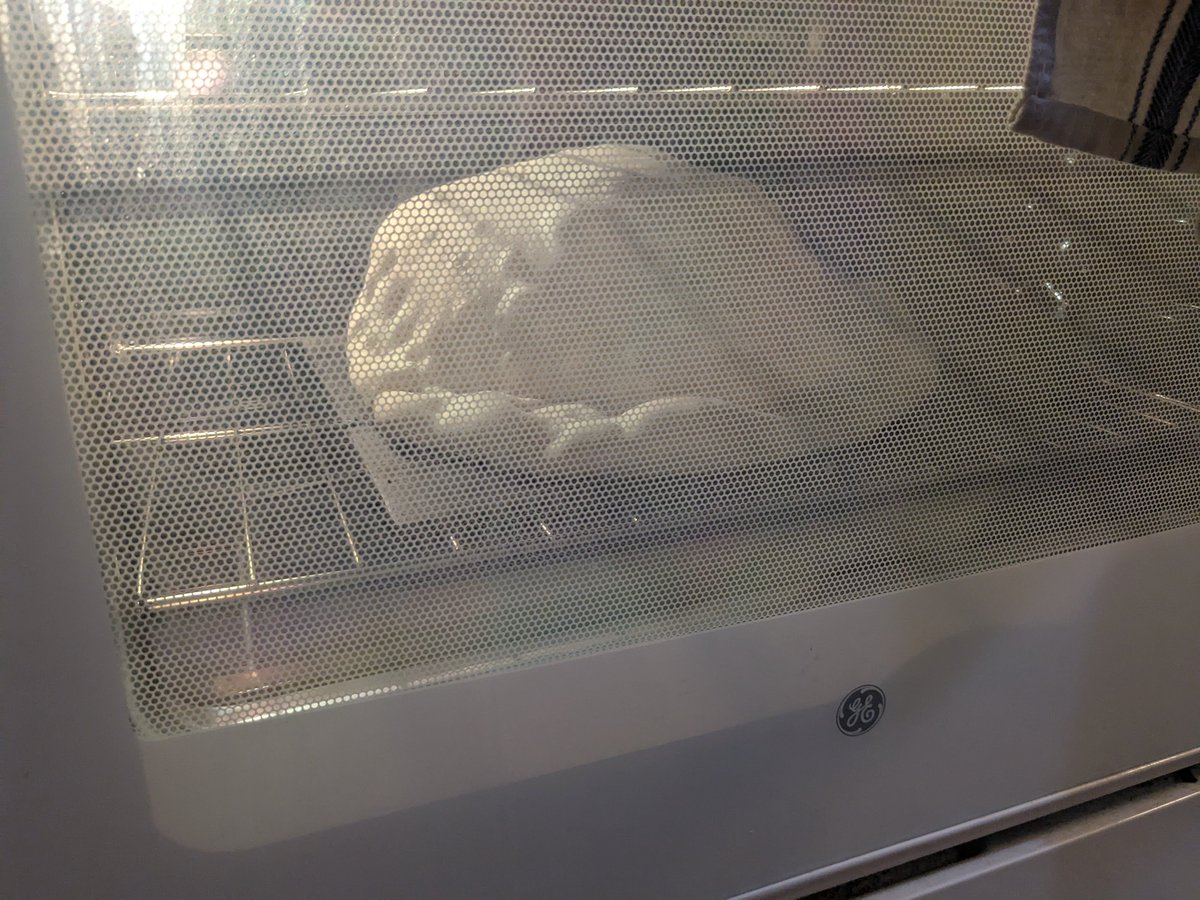
About half an hour underproofed, but I was hungry. Parbaking without docking them (putting holes in the crust) makes them puff up like a pita and brings to mind an enormous(ly satisfying) falafel/shwarma/doner
1
4
265

26 Nov 2024
Parbaking a pie crust, candying orange peels, man there is nothing I love more than fucking around in the kitchen
1
2
102

13 Oct 2024
No, that tracks making pie from scratch. Expect just about most baked goods to take two hours between making the crust(s), the filling, parbaking the lower crust, cooking the filling if needed, baking the pie, and pulling it out of the oven and all.
4
176

12 Oct 2024
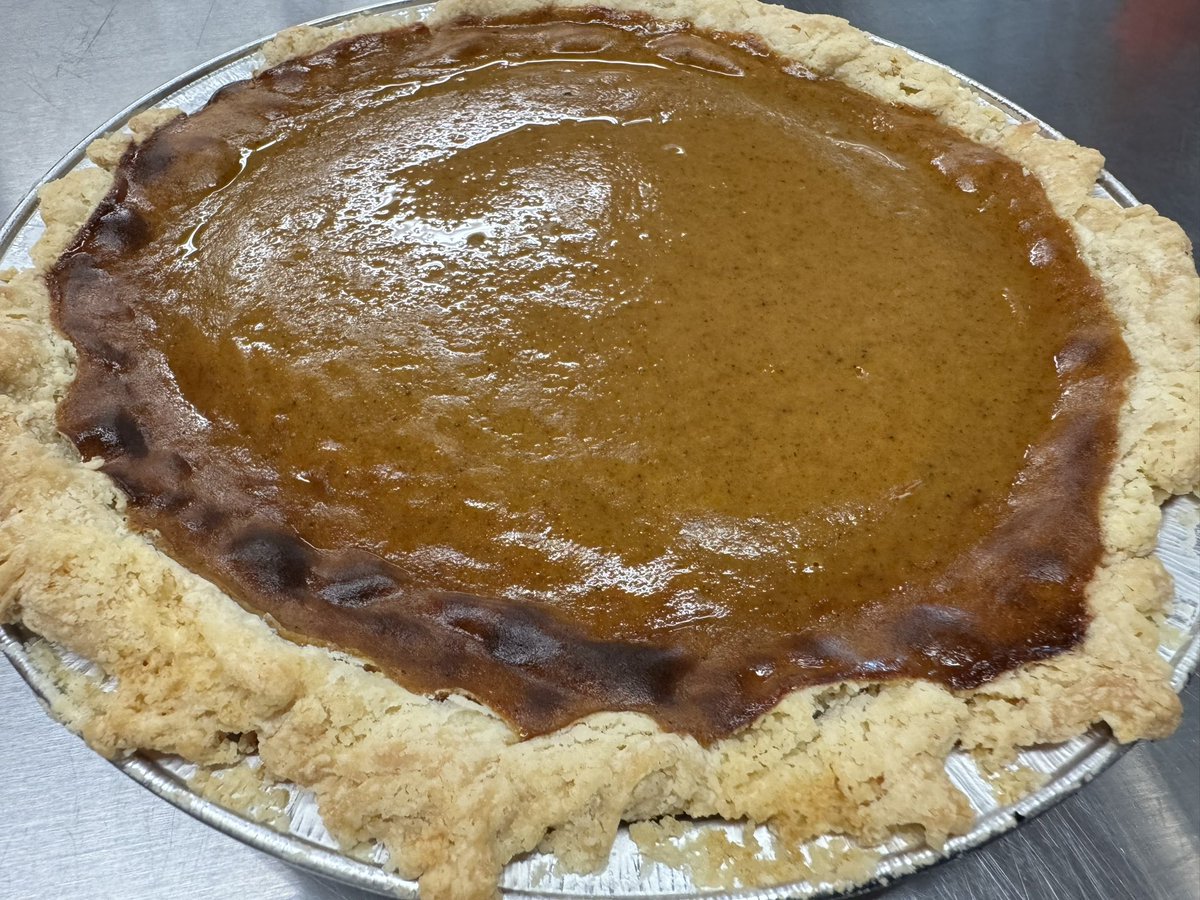
I may need to give in and get a pie crust shield and/or start parbaking the crust with this oven

5
166

3 Oct 2024
Double the apples in your Apple Crumble by parbaking them first. Here’s how he packs in 4 pounds of apple with this method. Recipe here: cooks.io/3XTwDSP
1
2
28
5,086

22 Jul 2024
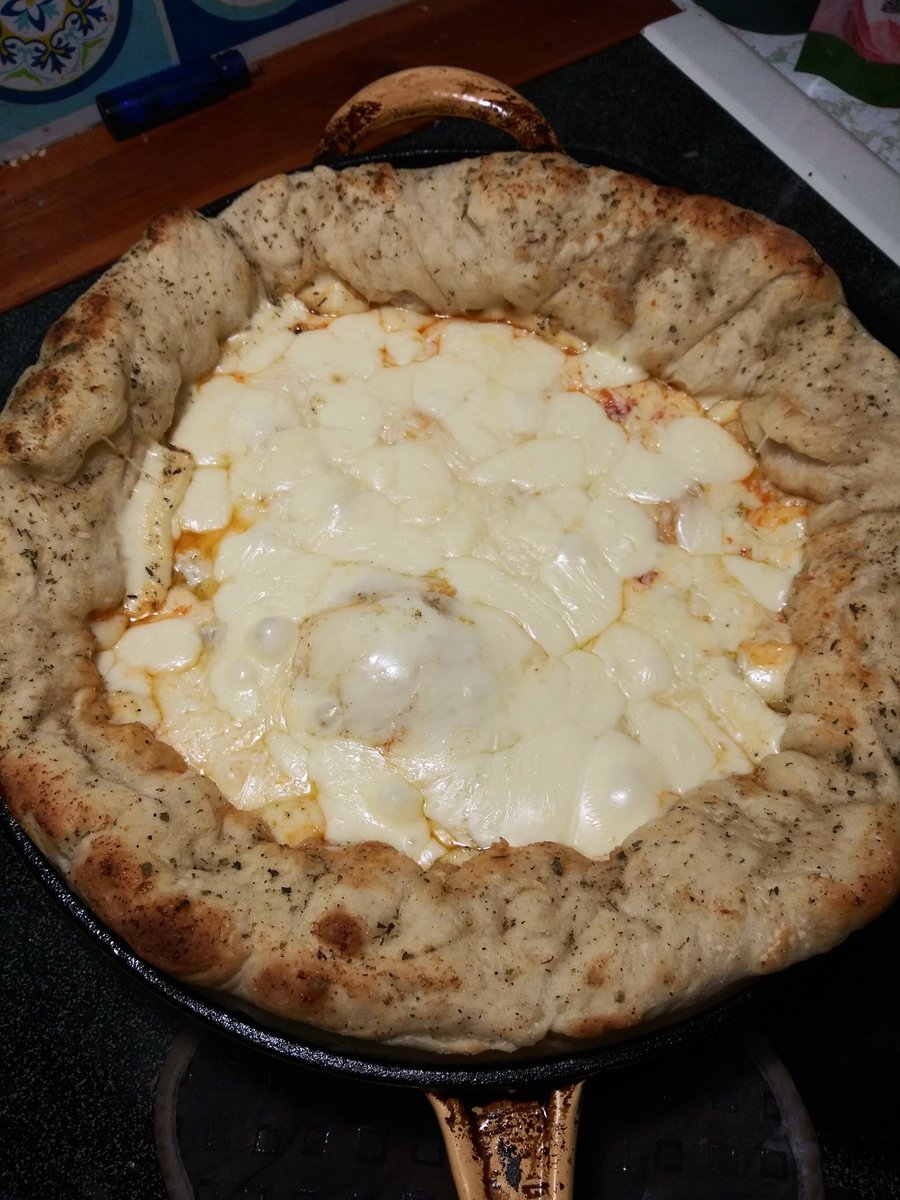
A little ugly in the process of parbaking the crust and cheese but we made a Chicago style deepndish in our cast iron tonight because @CrochetCupcake1 was craving it. Tons of sage, sausage garlic, bell pepper sauce and half a stick of butter with added seasonings and salt.
1
4
172


21 Feb 2024
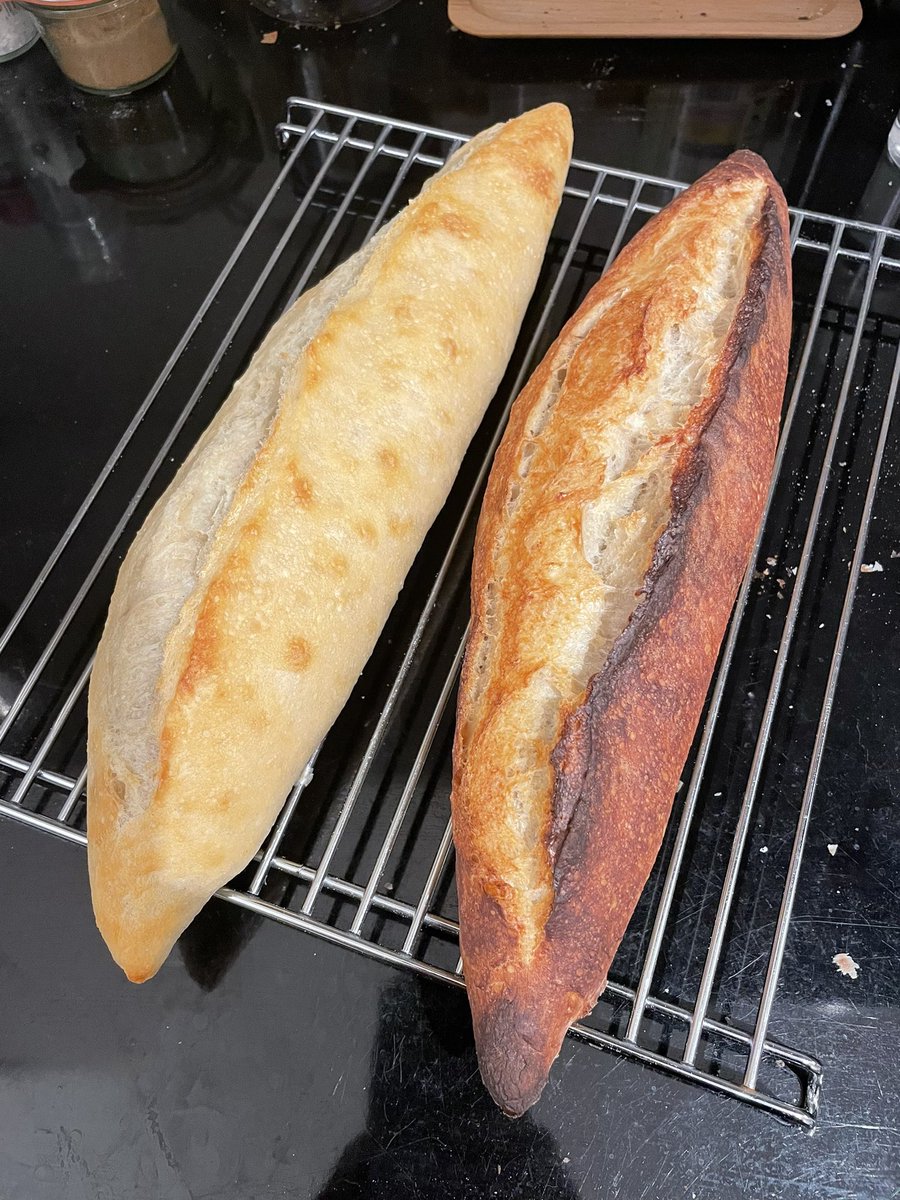
バゲットのparbakingに挑戦。左のは茶色くなる前に取り出して冷凍庫行き。
右は最後まで焼いたウマいバゲット。
2
12
546

27 Jan 2024
Notes from last night: parbaking the bottom crust made a much better finished product. I prefer the Maine Pie Co. crusts and will go back to those.
5
168

This is the sourdough pizza base recipe I used. I’m usually a fan of thin crispy pizza base, but thought I would try this. The parbaking made sure it was crunchy and didn’t go soggy, despite my overload of toppings. Recommend! #sourdough
theclevercarrot.com/2022/11/…
2
38

3 Dec 2023
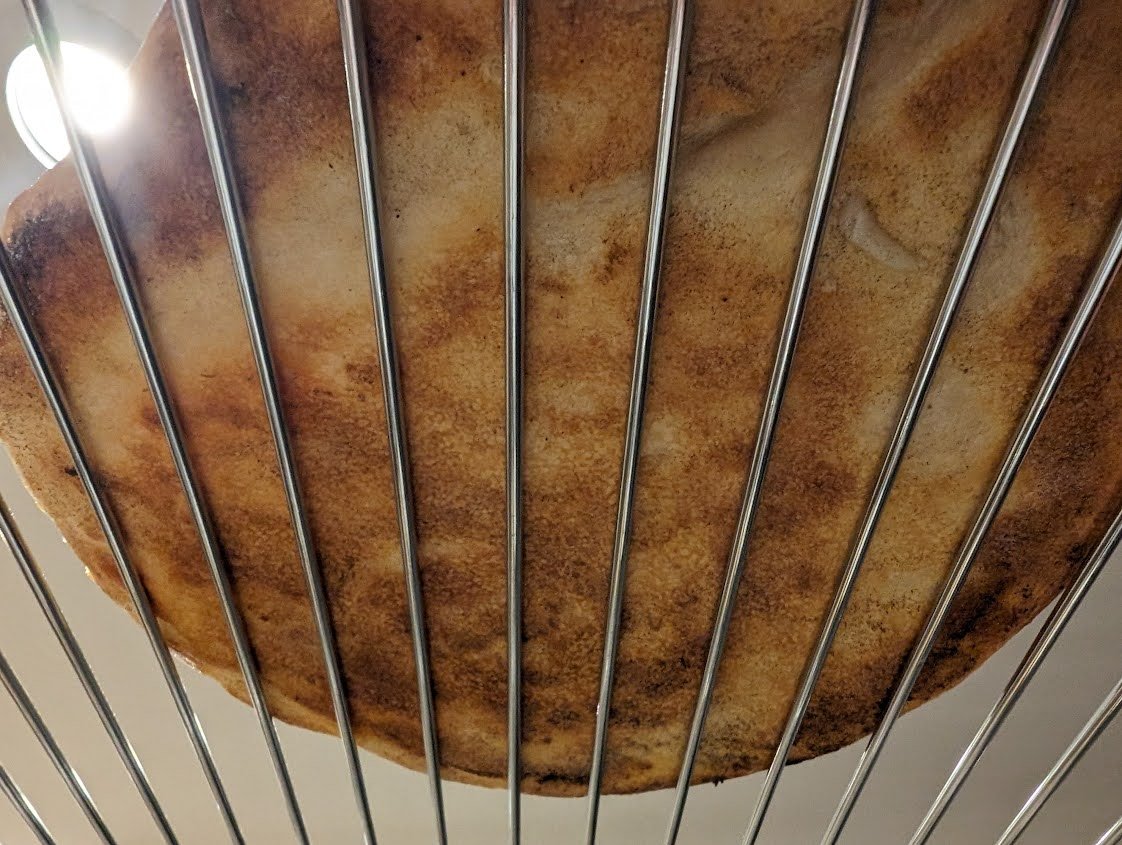
Parbaking my NYC-style pizza dough ~ 4 mins and then cooling it to room temp before assembling the pie and finishing the cook has been a game-changer given my lack of any >500° oven. Got this level of color on a stone (not steel) in a 480° Breville, and coulda left it in longer.
7
5
38
11,604