
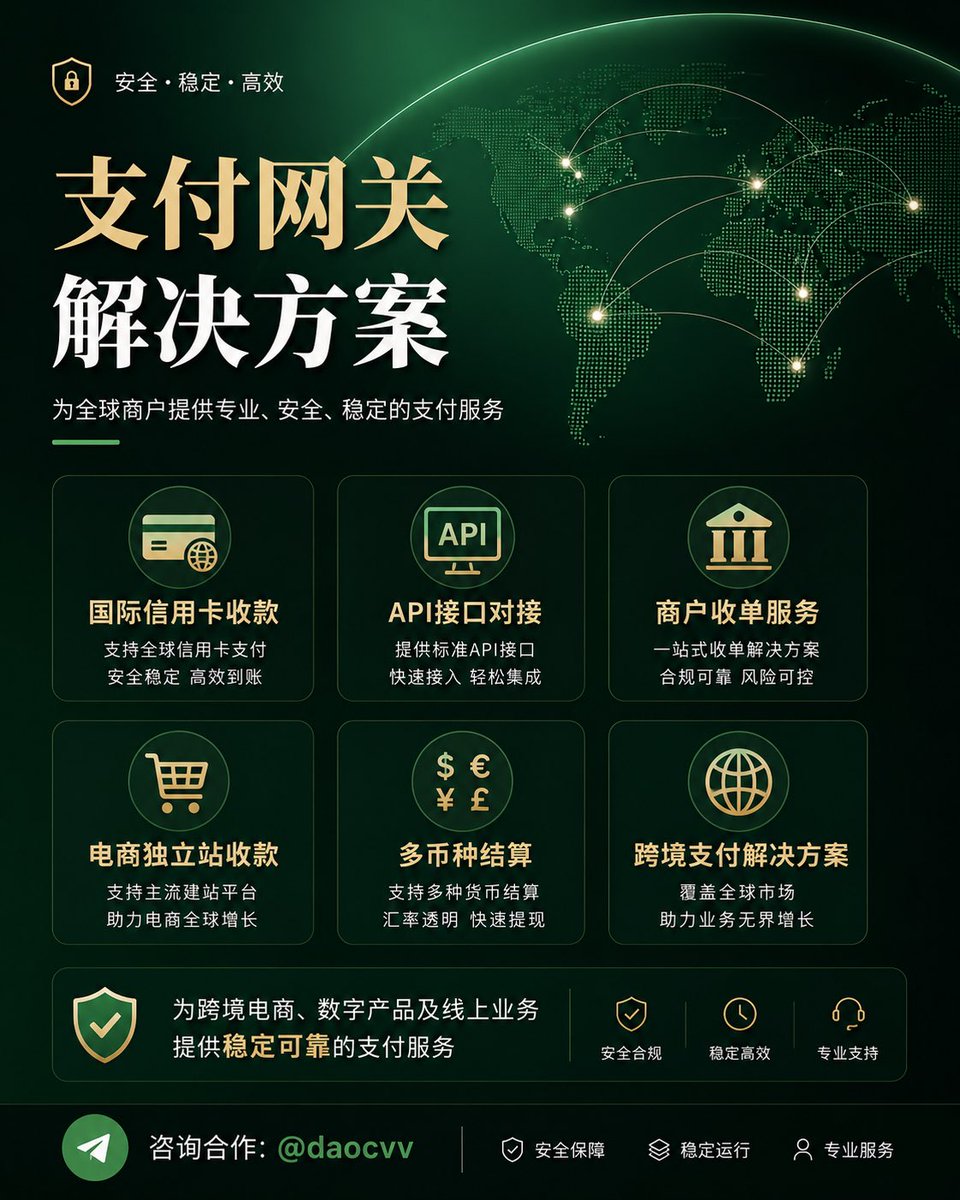
支付网关技术解决方案
✅ 国际信用卡收款(Visa / Mastercard)
✅ API 接口快速对接
✅ 电商独立站 / 网站 / APP 支付集成
✅ 多币种自动结算支持
✅ 跨境支付通道接入方案
✅ 微信支付全球版 支付宝跨境 等
专注为跨境电商、数字产品、SaaS及线上业务提供支付技术对接服务。
欢迎有技术集成需求的伙伴交流合作。
咨询:@daocvv
#支付网关 #跨境支付 #国际收款 #PaymentGateway #Stripe #OnlinePayments
5

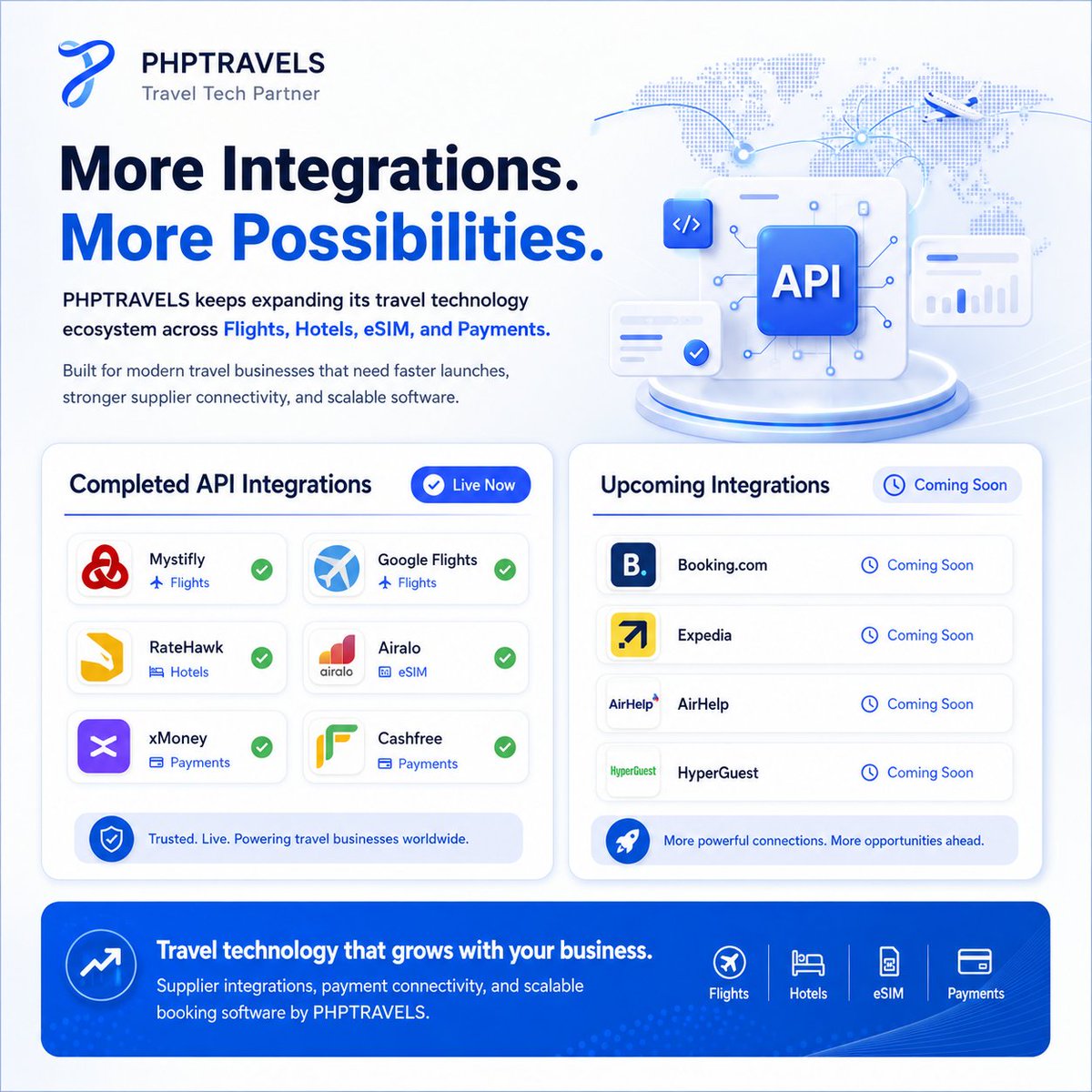
More Integrations. More Possibilities.
PHPTRAVELS continues to expand its travel technology ecosystem with powerful new API integrations for flights, hotels, eSIM, and payments.
We are excited to announce that integrations with Mystifly, Google Flights, RateHawk, Airalo, xMoney, and Cashfree are now completed and available.
Coming next: Booking.com, Expedia, AirHelp, and HyperGuest.
Our goal is simple: help travel businesses launch faster, connect with more suppliers, process payments smoothly, and grow with scalable booking technology.
With PHPTRAVELS, you don’t just get travel software. You get a growing travel tech ecosystem built for the future.
#PHPTRAVELS #TravelTechnology #TravelSoftware #TravelTech #APIIntegration #FlightAPI #HotelAPI #PaymentGateway #eSIM #OnlineBooking #TravelBusiness #B2BTravel #TravelAgencySoftware #BookingSystem
6

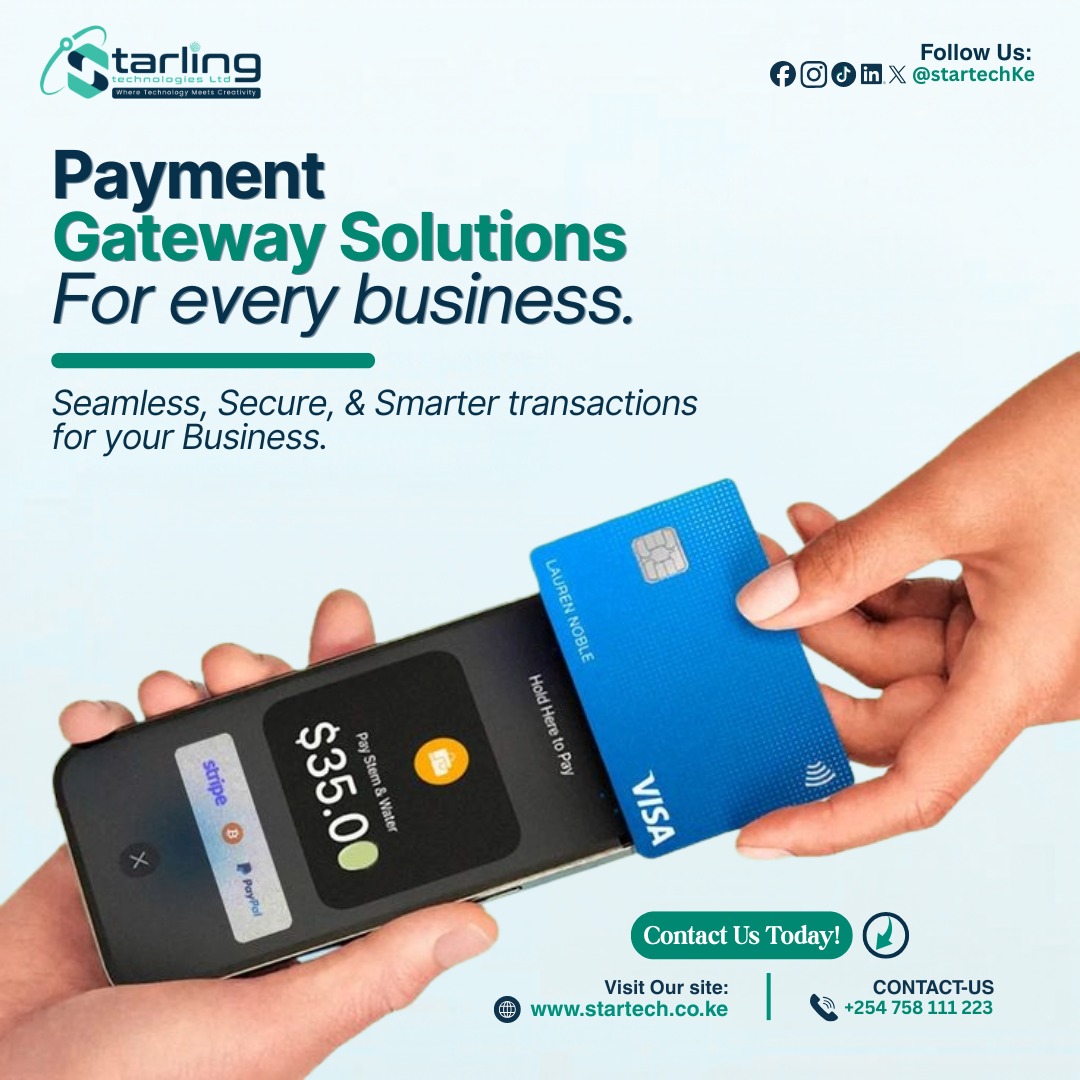
Don't let rigid checkouts stall your sales pipeline. Elevate your brand with custom Payment Gateway Solutions from Starling Technologies Ltd built for businesses of every size.
Reach out:
📞 254 758 111 223
🌐 startech.co.ke
#Fintech #PaymentGateway #BusinessGrowth
2
9

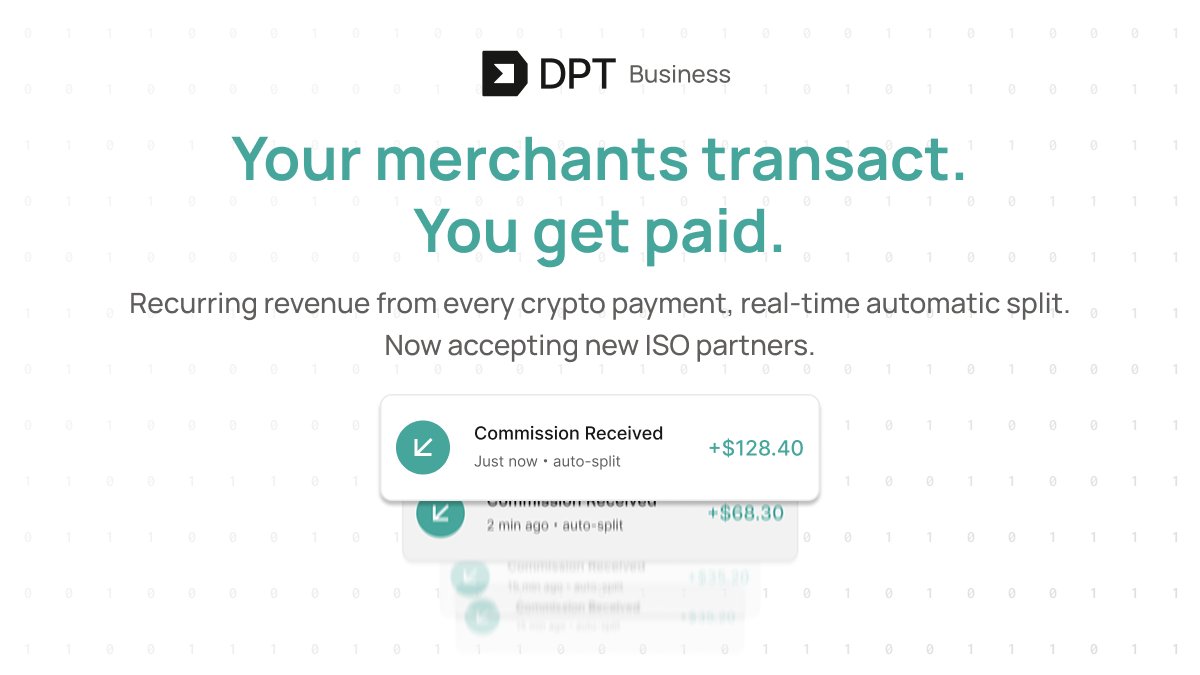
📢𝐂𝐚𝐥𝐥𝐢𝐧𝐠 𝐀𝐋𝐋 𝐈𝐒𝐎 𝐏𝐚𝐫𝐭𝐧𝐞𝐫𝐬!
There's a new revenue stream your merchants are already asking for.
Crypto acquiring is growing. Your merchants want it. You should be the one offering it and earning from it.
Partner with DPT and start earning recurring commission from every transaction your merchants process.
💰 𝐑𝐞𝐜𝐮𝐫𝐫𝐢𝐧𝐠 𝐜𝐨𝐦𝐦𝐢𝐬𝐬𝐢𝐨𝐧, 𝐩𝐚𝐢𝐝 𝐚𝐮𝐭𝐨𝐦𝐚𝐭𝐢𝐜𝐚𝐥𝐥𝐲
Revenue splits at your preset rate the moment a transaction completes. Customizable fee caps, transparent three-way settlement.
⚡𝐙𝐞𝐫𝐨 𝐟𝐫𝐢𝐜𝐭𝐢𝐨𝐧 𝐨𝐧𝐛𝐨𝐚𝐫𝐝𝐢𝐧𝐠
Streamlined merchant approval, instant activation, built for fast batch onboarding. More merchants = bigger commission base.
🖱️ 𝐎𝐧𝐞-𝐜𝐥𝐢𝐜𝐤 𝐬𝐞𝐭𝐮𝐩
Create sub-merchant accounts and distribution links instantly.
The more merchants you activate, the more you earn. It's that simple.
Partnership is now open. DM us, your next commission starts with your first merchant.
#CryptoAcquiring #CryptoPayments #PaymentGateway #MerchantServices #ISOPartner #Fintech #CryptoBusiness #RecurringRevenue #PassiveIncome #PaymentSolutions #CryptoAdoption #DigitalPayments #FintechPartnership #CryptoMerchant #EarnWithCrypto
1
2
5
149

23h
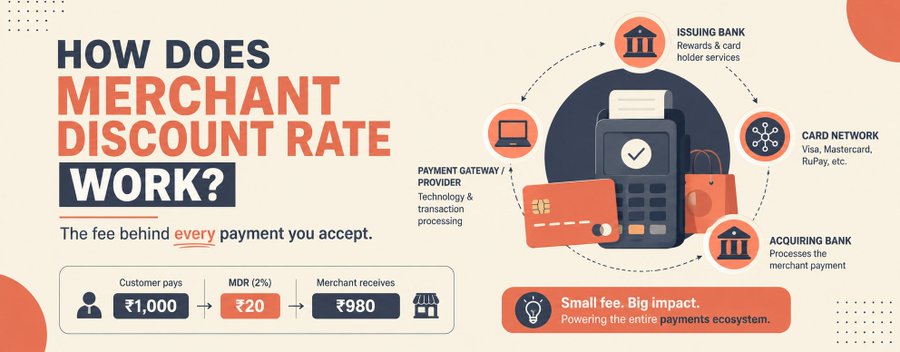
Most merchants accept digital payments.
Very few understand how Merchant Discount Rate (MDR) actually works.
Every time you tap your card or pay online, a small percentage is deducted before the merchant receives the money.
That fee is called MDR.
Here’s where it goes:
• Bank issuing the card
• Payment gateway/provider
• Card network (Visa/Mastercard/RuPay)
• Acquiring bank
Example:
You pay ₹1,000.
MDR is 2%.
Merchant receives ₹980.
The remaining ₹20 gets split across the payment ecosystem.
Sounds small?
Now multiply that by millions of daily transactions.
That’s why MDR is one of the biggest revenue engines in fintech.
But here’s the twist:
Lower MDR attracts merchants.
Higher MDR improves payment infrastructure profitability.
Fintech companies constantly balance both.
The future winners in payments won’t just move money faster.
They’ll optimize the economics behind every transaction.
#Fintech #MDR #DigitalPayments #PaymentGateway #UPI #FintechInnovation #Payments
1
16

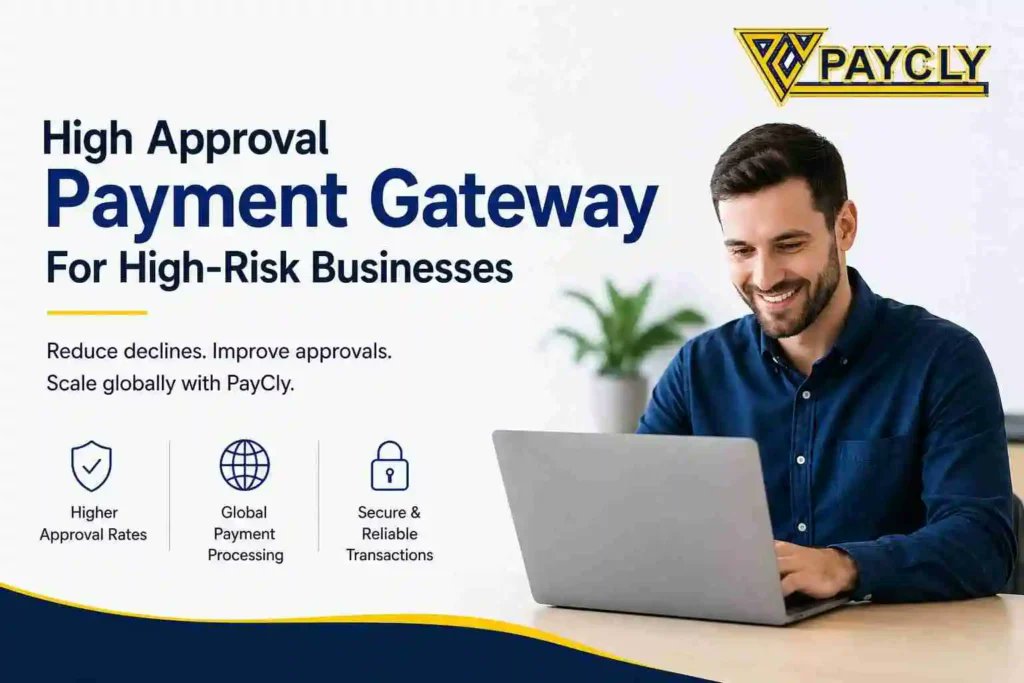
Too many payment declines?
Improve approval rates, reduce lost sales, and give customers a smoother checkout experience with the right high-risk payment gateway.
🔗 paycly.com/blogs/high-approv…
#PaymentGateway #MerchantAccount #HighRiskPayments #PayCly
4

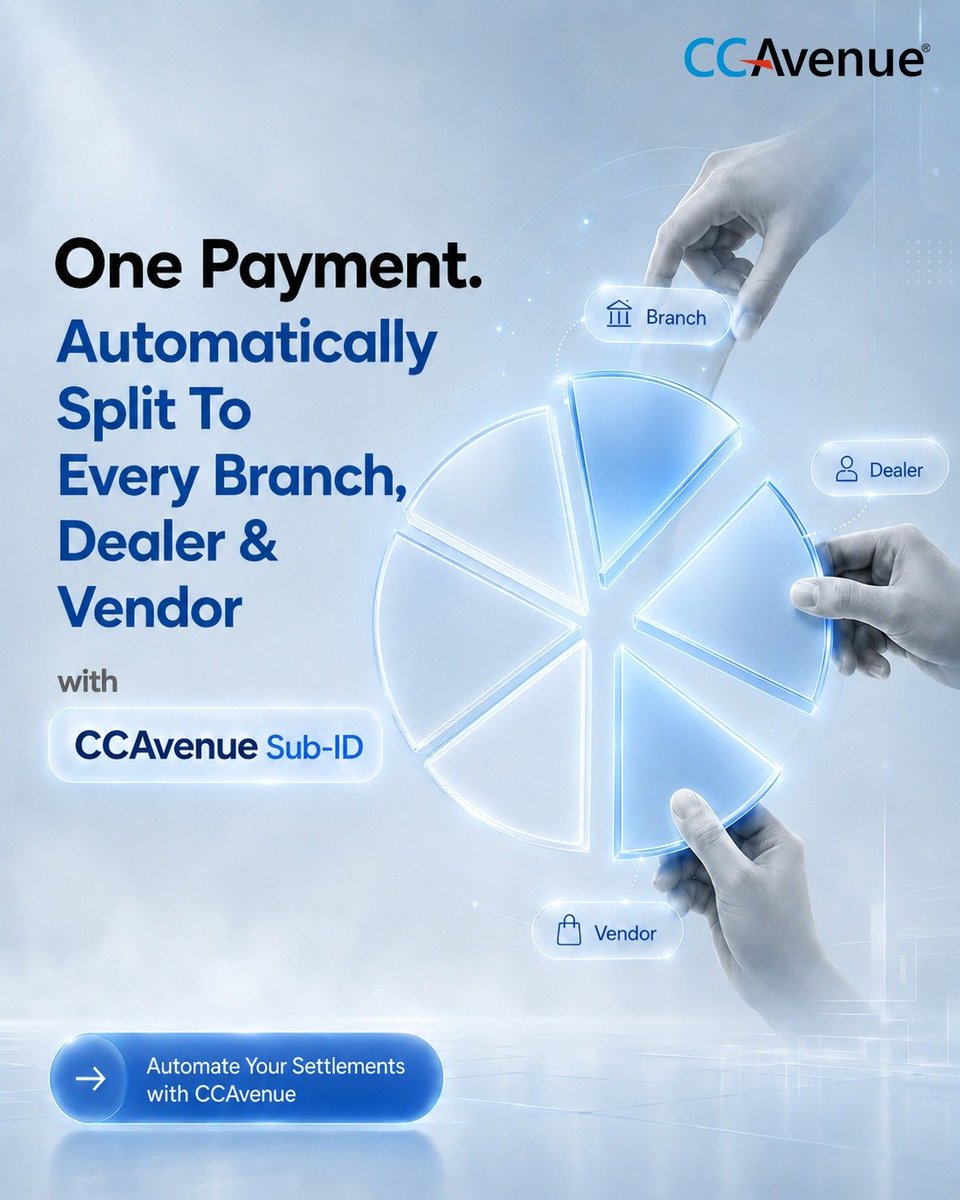
One transaction. Multiple destinations. As your business grows, managing settlements across branches, dealers and vendors can become increasingly complex. CCAvenue Sub-ID simplifies the process by automatically routing funds to the right accounts after every successful transaction.
No manual calculations. No separate disbursements. Just seamless, automated settlements designed to scale with your business.
#CCAvenue #CCAvenueSubID #AutomatedSettlements #BusinessPayments #PaymentGateway #Fintech #BusinessGrowth
9

Jun 13
#PaymentScams #FintechScam #MerchantServices #ScamAlert #PaymentGateway #ScammersExposed #OnlineBusiness #WarnMerchants
⚠️ SCAM ALERT – Payment Industry Crooks
Stay away from these sharks. robbed merchants of millions:
DCP (Digital Crypto Payments) – Yousef Kamel
4


Jun 12
🛠️🧭 Principles for AI Coding → How to Build Production AI Agents with Claude.
𝗠𝘆 𝟳-𝗦𝘁𝗲𝗽 𝗿𝗼𝗮𝗱𝗺𝗮𝗽 𝗳𝗼𝗿 𝗯𝘂𝗶𝗹𝗱𝗶𝗻𝗴 𝘁𝗲𝘀𝘁𝗮𝗯𝗹𝗲, 𝗺𝗼𝗱𝘂𝗹𝗮𝗿, 𝗮𝗻𝗱 𝘀𝗮𝗳𝗲-𝘁𝗼-𝗰𝗵𝗮𝗻𝗴𝗲 𝗔𝗜-𝗴𝗲𝗻𝗲𝗿𝗮𝘁𝗲𝗱 𝗰𝗼𝗱𝗲.
Most AI engineers are hearing:
“Code is cheap.”
I think this is dangerously wrong.
Bad code is now more expensive because AI can multiply it faster.
My 7-Step roadmap for using AI coding agents like a pro:
》𝗦𝘁𝗲𝗽 𝟭: Turn the Prompt into a Design Mission
✸ Define the goal, constraints, risk, and acceptance criteria.
✸ Tell the agent what “done” means before it starts.
✸ Do not start from a vague request.
→ Example: “Interview me first. Find the failure paths.”
》𝗦𝘁𝗲𝗽 𝟮: Build a Shared Design Concept
✸ Make the agent ask questions before planning.
✸ Resolve unclear decisions early.
✸ Do not confuse a generated plan with understanding.
→ Example: “What can break before we write the PRD?”
》𝗦𝘁𝗲𝗽 𝟯: Create a Shared Language
✸ Define domain terms, modules, actions, and data names.
✸ Use the same words in prompts, code, tests, and docs.
✸ Do not let the agent rename concepts every sprint.
→ Example: “PatientRiskScore” means one thing everywhere.
》𝗦𝘁𝗲𝗽 𝟰: Give the Agent a Module Map
✸ Show where the change belongs.
✸ Name the module, interface, dependencies, and boundaries.
✸ Do not let the agent wander through the repo.
→ Example: Retry logic belongs behind PaymentGateway.
》𝗦𝘁𝗲𝗽 𝟱: Force Small Feedback Loops
✸ Use tests, types, linting, logs, and browser checks.
✸ Make the agent check after small changes.
✸ Do not let it write 800 lines before testing.
→ Example: Red test, code, type check, green test, refactor.
》𝗦𝘁𝗲𝗽 𝟲: Design Deep Modules
✸ Hide complexity behind simple interfaces.
✸ Build fewer, stronger boundaries.
✸ Do not create 40 tiny helper files.
→ Example: One ingestion service hides parsing, chunking, storage, and errors.
》𝗦𝘁𝗲𝗽 𝟳: Own the Interface, Verify the Code
✸ You design contracts, schemas, methods, and review points.
✸ Let the agent implement low-risk internals.
✸ Check tests, logs, affected modules, and regression risk.
→ Example: Approve the tool schema before Claude writes the handler.
𝗣𝗹𝗲𝗮𝘀𝗲 𝗥𝗲𝗺𝗲𝗺𝗯𝗲𝗿:
Let Claude write the code, but do not let it design the system alone.
Before you ship, check the interface, the tests, the failure paths, and the modules it touched.
That is where AI engineers stand out now.
--
📥 Skip the trial-and-error of building production AI agents.
Watch my free 30-min training get 88 pages of production guides.
Join 46,000 AI engineers, architects, and directors.
👉 maryammiradi.com/free-ai-age…

ALT Infographic titled “How to Build Production AI Agents with Claude Code Using Software Principles” by Dr. Maryam Miradi. The visual presents a 7-step framework for building production-ready AI agents: turn the prompt into a design mission, build a shared design concept, create a shared language, give the agent a module map, force small feedback loops, design deep modules, and own the interface while verifying the code. The roadmap emphasizes planning before coding, shared understanding, modular architecture, frequent testing, clear interfaces, and safe change management. The outcome is AI-generated software that is testable, modular, safe to change, and built to scale.
1
12
808

🌍 Envoyez et recevez de l’argent partout dans le monde avec IkeePay !
Connectez votre entreprise au monde avec IkeePay.
#IkeePay #Fintech #DigitalPayments #MobileMoney #BankTransfer #PaymentGateway #CrossBorderPayments #APIIntegration #OnlineBusiness #Ecommerce #AfricaTech

1
2
🌍 Send and receive money anywhere
Connect your business to the world with IkeePay.
#IkeePay #Fintech #DigitalPayments #MobileMoney #BankTransfer #PaymentGateway #CrossBorderPayments #APIIntegration #OnlineBusiness #Ecommerce #AfricaTech #GlobalPayments #SendMoney #ReceiveMoney

2
4

Jun 12
Every declined payment is a missed revenue opportunity.
Payment cascading helps recover failed transaction by intelligently routing them through alternative channels to improve approval rates.
Read more
ragapay.blogspot.com/2026/06…
#PaymentCascading #Payment #PaymentGateway #RagaPay
4

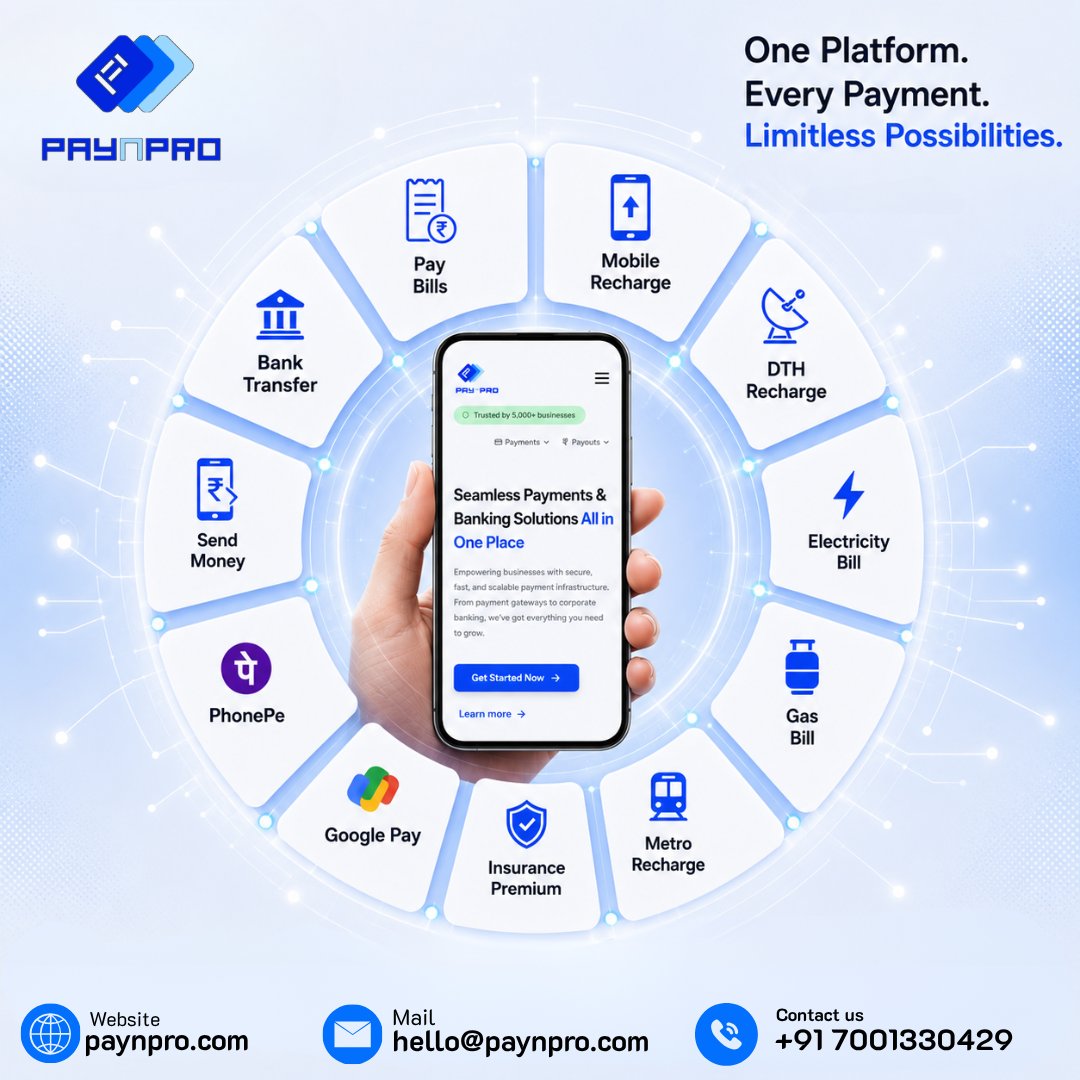
One Platform. Every Payment. Limitless Possibilities.
PAYnPRO is your all-in-one hub for seamless payments & banking solutions.
Empower your business today:
🌐 paynpro.com
📞 91 7001330429
#Fintech #DigitalPayments #PaymentGateway #PAYnPRO #StartupTech
7

Jun 12
Apply online and see if SanctusPay is a fit for your business.
#highriskprocessing #paymentgateway #merchantaccount #chargebackprevention #regulatedcommerce #highriskprocessing #paymentgateway #merchantaccount #chargebackprevention #regulatedcommerce 3/3
1
2

Jun 12
Purchase Verified Old PayPal Accounts USA & UK
#PayPal #PayPalAccount #VerifiedPayPal
#BuyPayPalAccount #PayPalBusiness #AgedPayPal
#PayPalReady #OnlinePayments #DigitalPayments
#SecurePayments #PaymentGateway #FinTech
#MoneyTransfer
usacrazyseller.com/product/b…
13

Jun 12
Purchase Verified Old PayPal Accounts USA & UK
#PayPal #PayPalAccount #VerifiedPayPal
#BuyPayPalAccount #PayPalBusiness #AgedPayPal
#PayPalReady #OnlinePayments #DigitalPayments
#SecurePayments #PaymentGateway #FinTech
#MoneyTransfer
usacrazyseller.com/product/b…
13
Jun 12
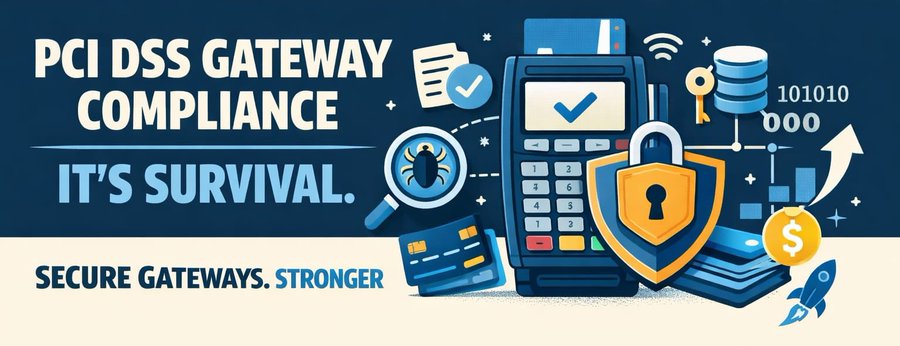
PCI DSS Gateway Compliance isn’t optional anymore. It’s survival.
Most payment failures don’t come from tech.
They come from weak compliance layers.
And gateways are where it all starts. 🔐
If your payment gateway isn’t PCI DSS compliant, you’re not just risking penalties…
You’re risking trust, approvals, and revenue.
👉Here’s what most teams miss:
🔄 Compliance is not a checkbox. It’s continuous
🔒 Encryption must cover data in transit and at rest 🧩 Tokenization reduces exposure, not just scope
👀 Monitoring is what catches silent breaches early
👉Reality check:
Customers don’t see your infrastructure.
But they feel every failure, delay, or breach.
And once trust is gone, it’s hard to win back.
The smartest companies treat PCI DSS gateway compliance as a growth enabler
Not a regulatory burden.
Because secure gateways = higher approvals stronger confidence.
So ask yourself:
Are you building for compliance…
Or building with it at the core?
#PCIDSS #PaymentGateway #Compliance #CyberSecurity #DigitalPayments
20