
30 Dec 2025
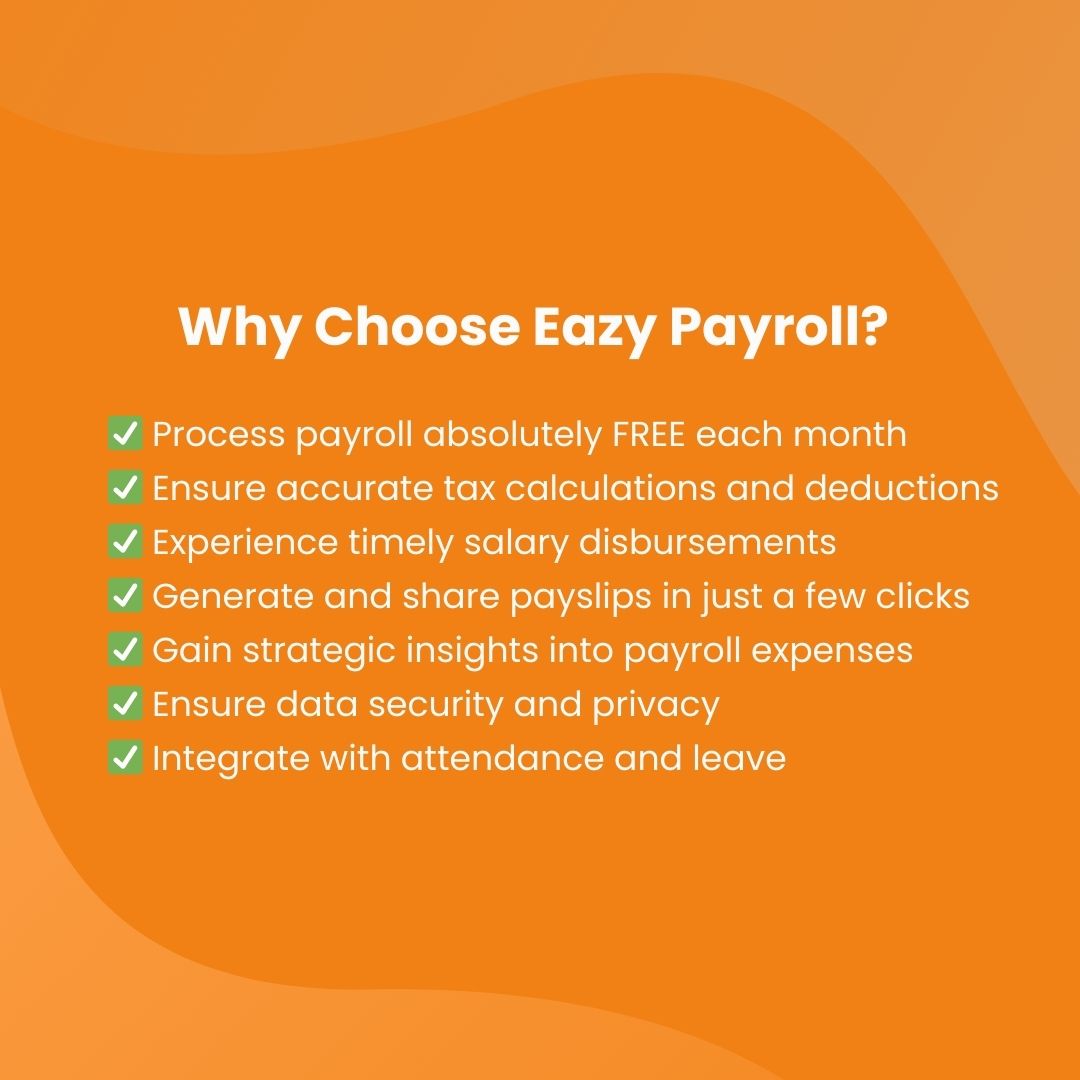
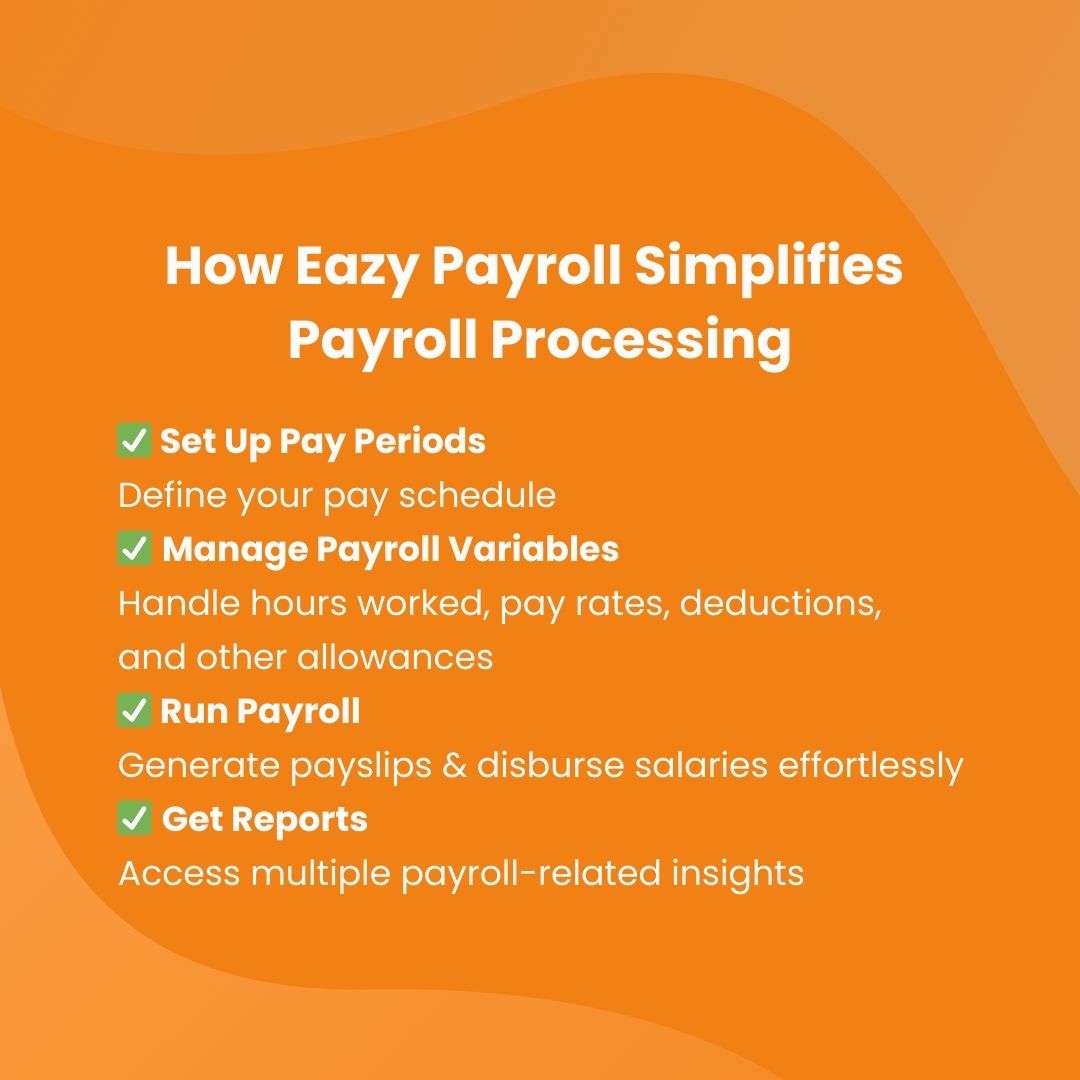
Looking for a #payrollsolution that grows with your business? Discover the ease of #payroll with Empxtrack’s Eazy Payroll solution! Watch the video to learn how we simplify your #payrollprocess.
📽️ youtube.com/watch?v=yxTGzF_n…
#PayrollSoftware #PayrollManagement #Payroll #Empxtrack
1
4
39

4 Dec 2025
Ready To Experience Unparalleled #PayrollSecurity & Efficiency?
See how @Paylite's Cutting-Edge Solution Can Elevate #PayrollProcess While Safeguarding Your Org's Sensitive Data.
Request Demo Now!
Paylitehr.com/blog/ensuring-…
#HRMS #PayrollSoftware #HRManagementSystem #HRM
2
31

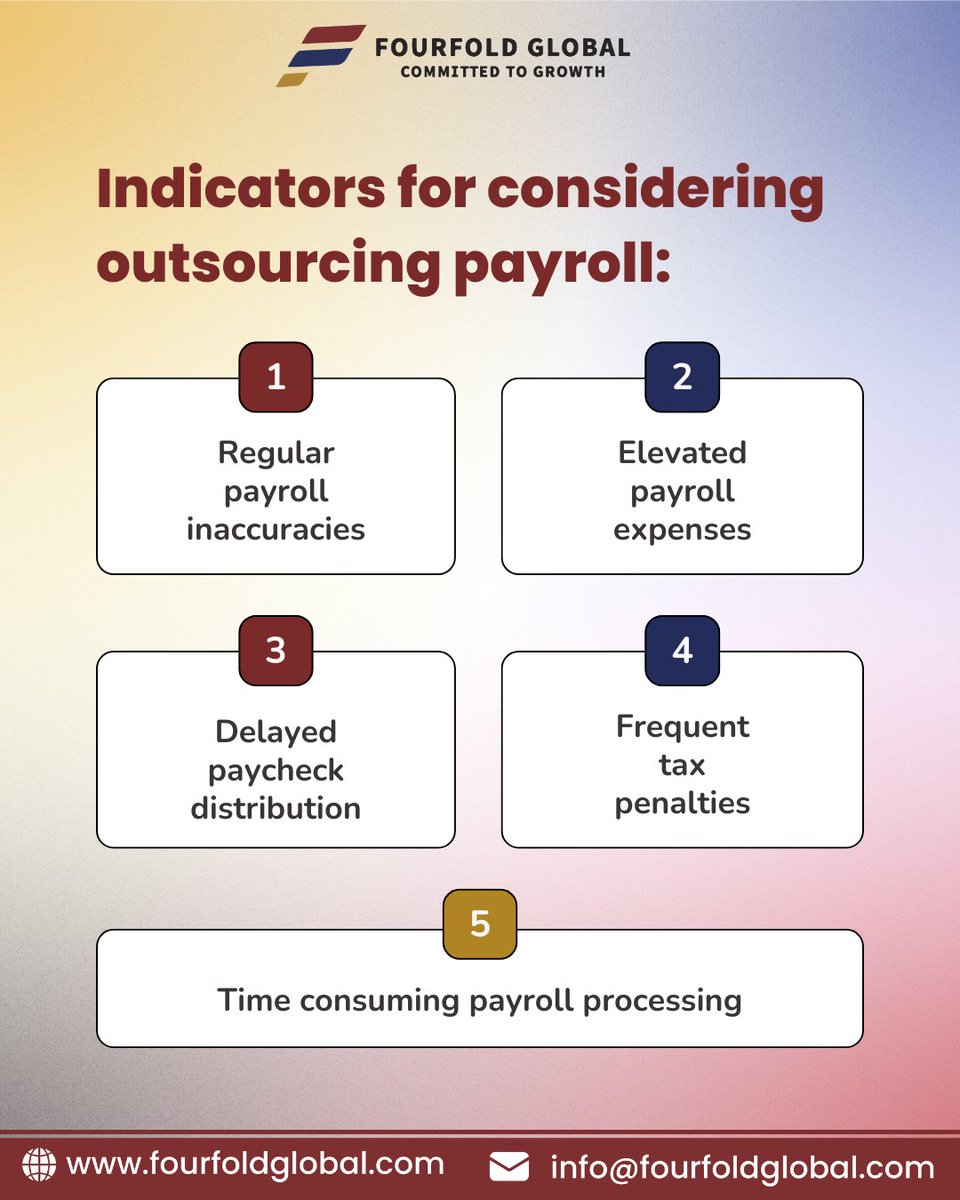
Free yourself from payroll stress!
Outsourcing saves time, cuts costs, ensures compliance, and lets you focus on growth. Let experts handle the numbers.
📞 61 2 9055 3838
#payrollprocessing #payrollprocess #payroll
1
2
46
4 Feb 2025
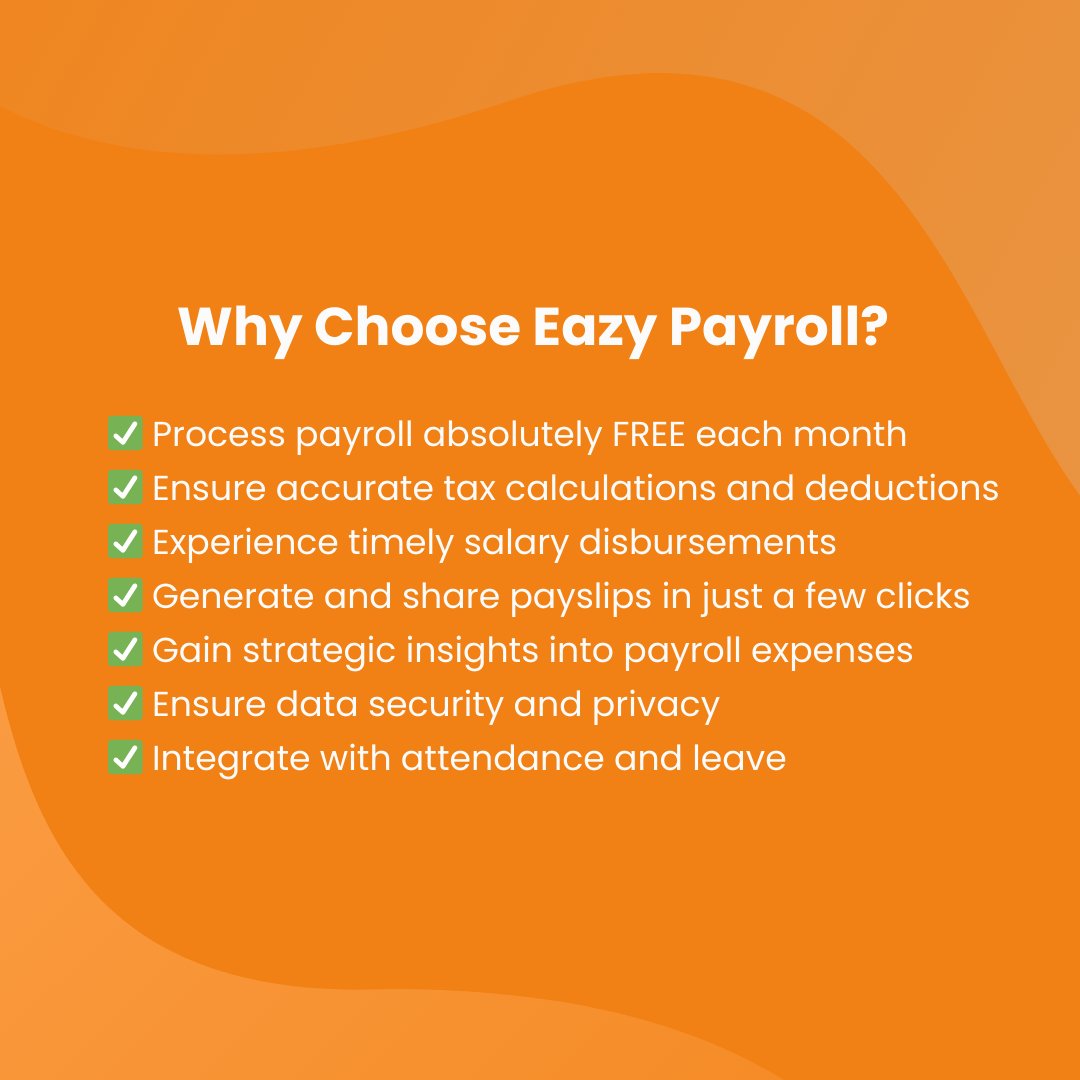
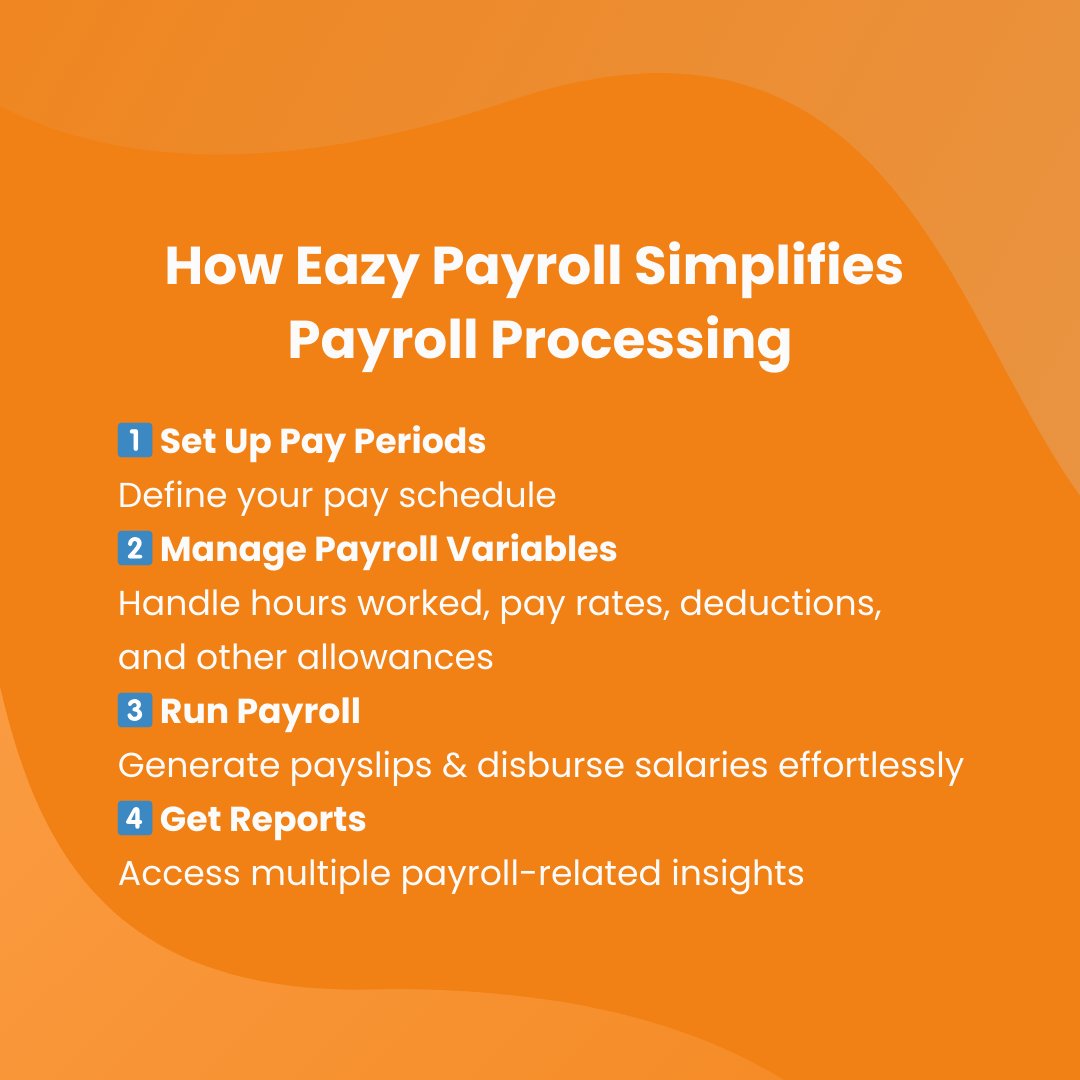
Looking for a #payrollsolution that grows with your business? Discover the ease of #payroll with Empxtrack’s #EazyPayroll solution! Watch the video to learn how we simplify your #payrollprocess.
📷youtube.com/watch?v=yxTGzF_n…
#payrollsoftware #payrollmanagement #payroll #empxtrack #hr
1
2
4
62

27 Sep 2024
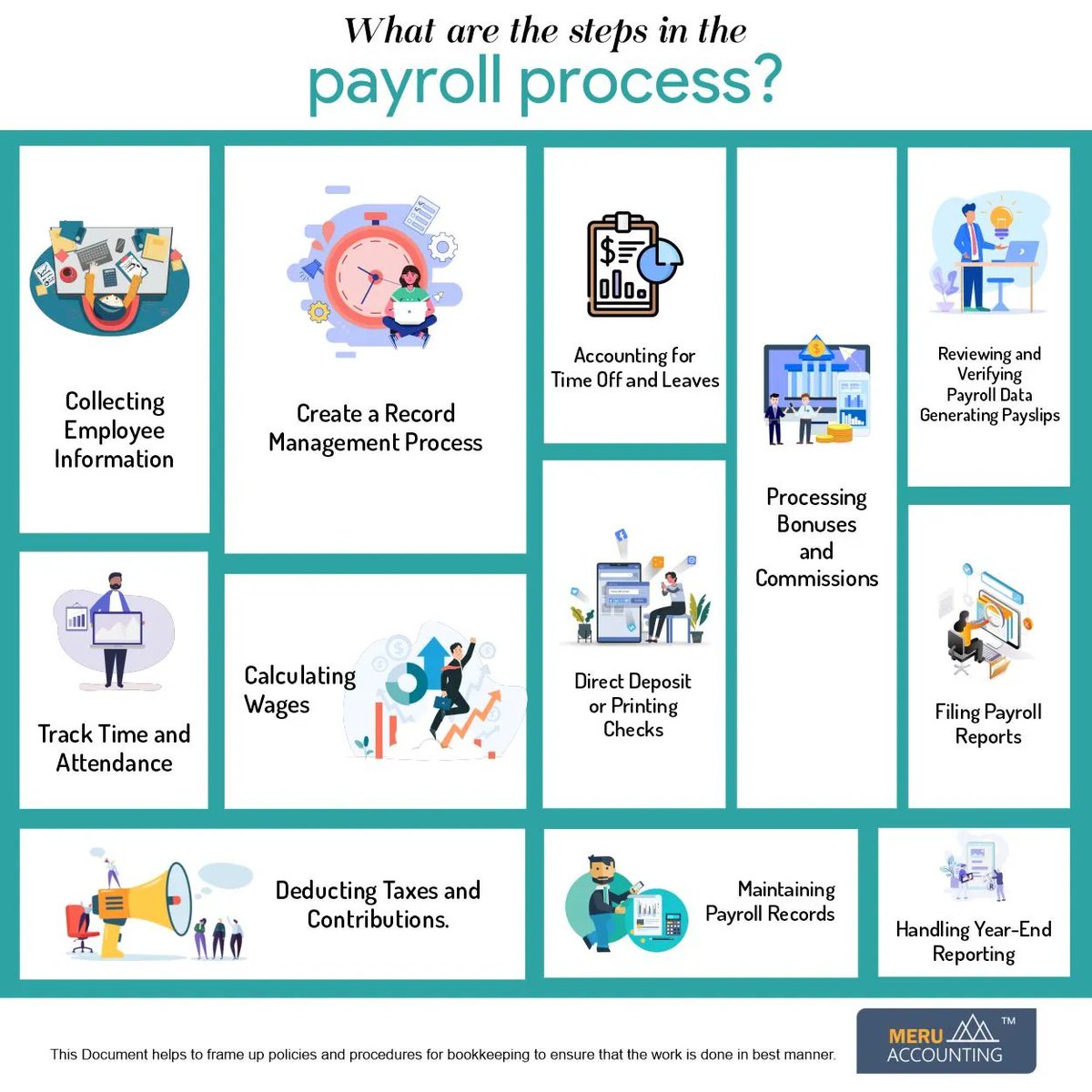
What are the steps in payroll process?
Read more: accountsjunction.com/blog/wh…
#payrollprocess #payrollmanagementprocess #payrollvendor #meruaccounting
3
7

12 Jun 2024
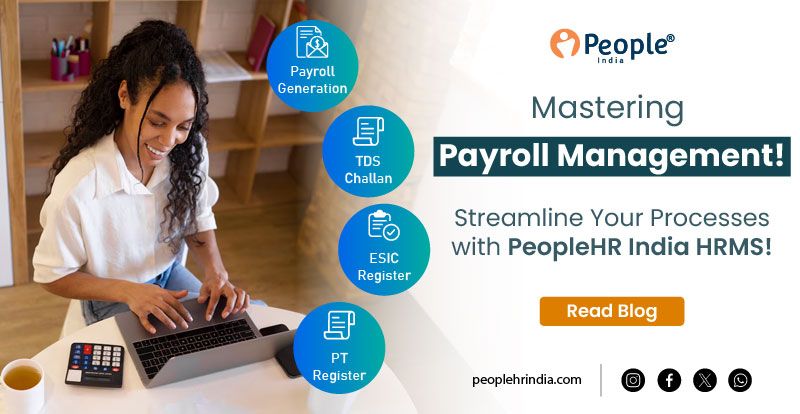
Mastering Payroll Management: Streamline Your Processes with PeopleHR India HRMS!
Read Blog @ buff.ly/45sR7FG
#PeopleHRIndia #SalaryStructureManagement #payrollprocess #payrollautomationsoftware #payrollmanagementsoftware #TDSDeclaration #documentsmanagment
1
6

29 May 2024
Ensuring Accuracy and Compliance: The Payroll Reconciliation Process
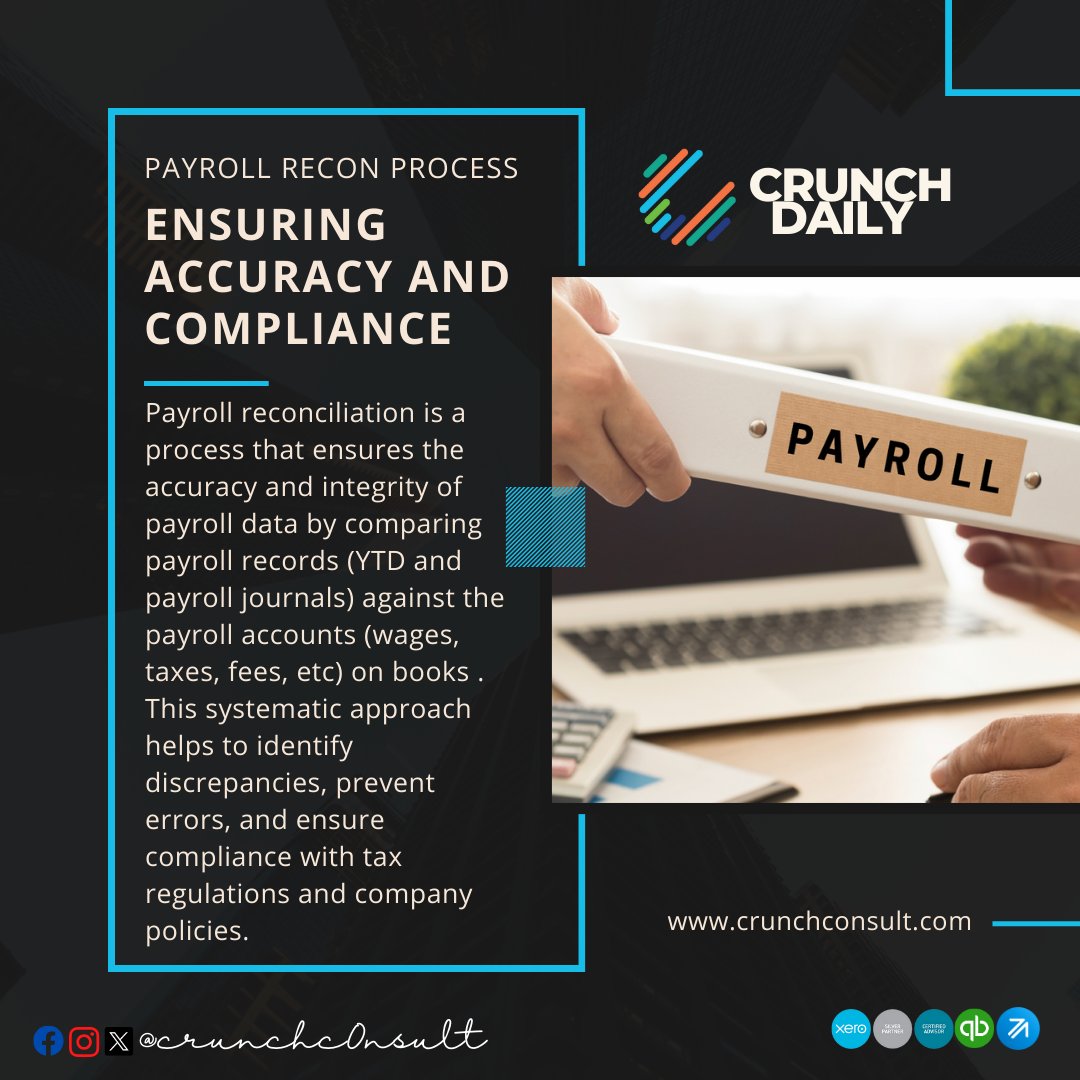
Payroll reconciliation is a process that ensures the accuracy and integrity of payroll data by comparing payroll records (YTD and payroll journals) against the payroll accounts (wages, taxes, fees, etc) on books . This systematic approach helps to identify discrepancies, prevent errors, and ensure compliance with tax regulations and company policies.
The reconciliation process typically begins with data collection. This involves gathering payroll registers, tax filings, time sheets, and other relevant documents for the payroll period in question. The payroll registers include details of employee earnings, deductions, and net pay, while tax filings include information on withheld taxes and employer contributions.
Payroll records are matched against general ledger accounts and bank statements. This step involves verifying that gross wages, tax withholdings, and net pay recorded in the payroll system align with the amounts reflected in the general ledger. Special attention is given to ensure that all employee earnings and deductions are accurately captured and reported.
Discrepancies, if any, are identified and investigated. Common discrepancies can include incorrect wage calculations, unrecorded transactions, or mismatched tax withholdings. Resolving these issues may involve adjusting payroll entries, correcting employee records, or liaising with the payroll service provider.
After resolving discrepancies, document and review the reconciliation process. Detailed records of the reconciliation, including identified discrepancies and their resolutions, are maintained for audit purposes. Regular reviews by management or external auditors help to ensure ongoing accuracy and compliance.
#payroll #bookkeeping #bookkeeper #accounting #accountant #payrollprocess #crunch #taxpreparation #tax #reconciliation
2
192


6 Dec 2023
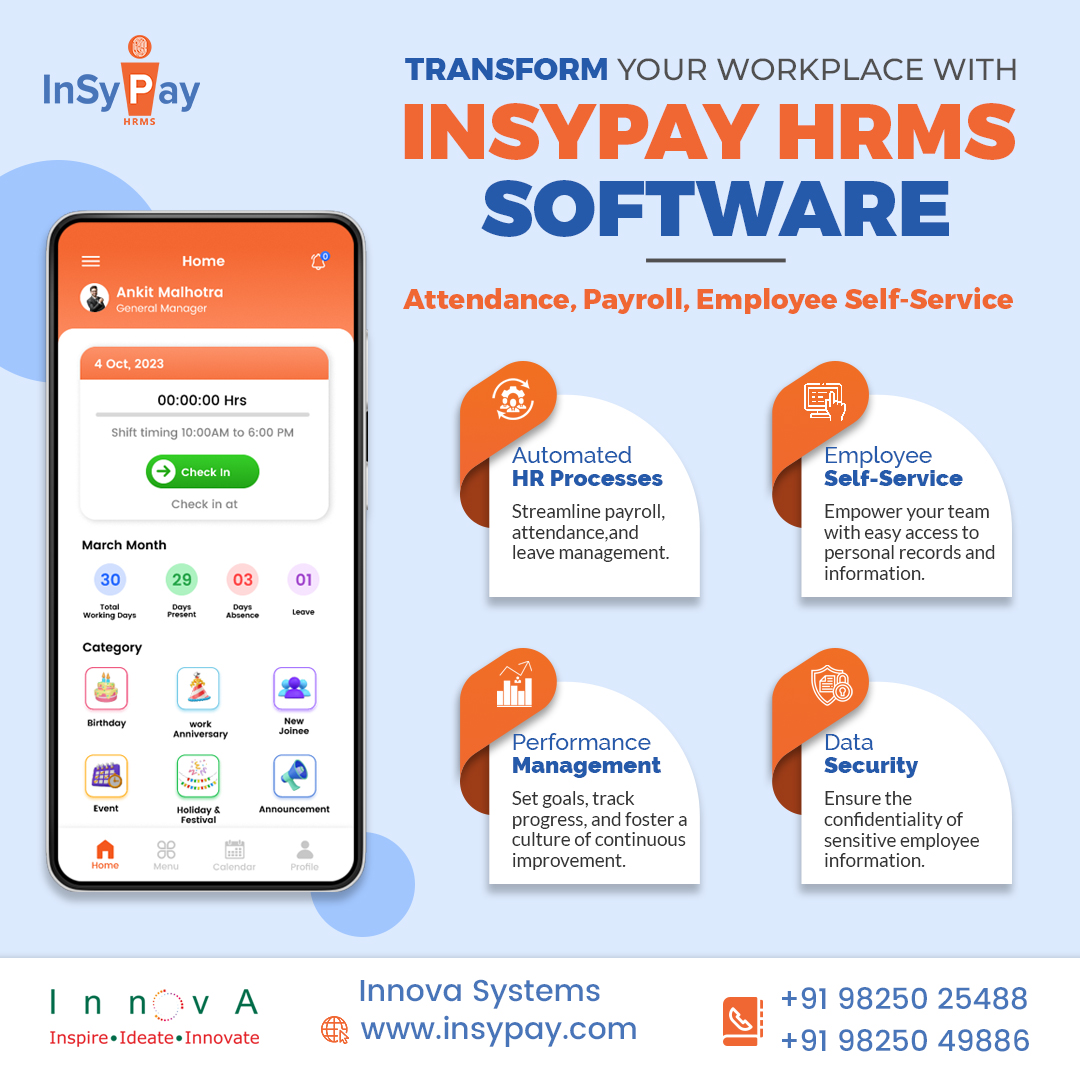
Enable hyper-personalized HRMS for your organization to manage your hire-to-retire process.
#payrollprocess #hrms #financialyear2023 #performancemanagementsystem #payrollindia #attendancesoftware #hrattendance #hr #hris #attendancemobileapp #hrsoftwares #statutorymanagement
1
1
20

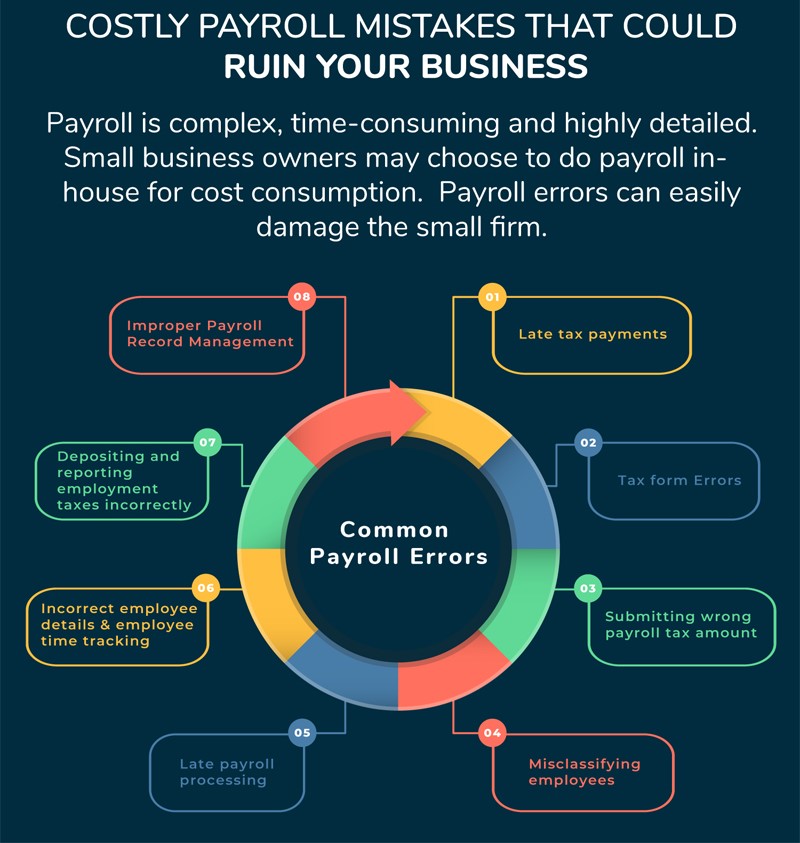
#Infographic Costly payroll mistakes that could ruin your business!
#payroll #hr #payrollservices #hrcompliance #hranalytics #hrthoughts #bookkeepingsolutions #payrollprocess #payrollspecialist #managementconsulting #hrmanagement #hrpayroll
1
2
31

26 Apr 2023
Are you looking to simplify your payroll process?
Here some strategies to consider:
✅ Speak to your employees
✅ Use integrated payroll software
✅ Streamline compliance with regulations
Read the full article to know more...
nowmoney.me/blog/payroll-str…
#payrollprocess #UAE
1
84

13 Apr 2023
Outsourcing payroll processing: The more innovative way to handle payroll. Know more: ibntech.com/payroll-processi…
#ibntech #payroll #payrollprocess #employees #business #smalbusiness
2
7

23 Mar 2023
Ensure your business uses these tips for the best payroll documentation processes.
To learn more, bit.ly/40q3kXJ
#Payroll #PayrollProcess
1
6
Having a well-run payroll process brings many benefits.
This article will help you to find out more.
bit.ly/3vV1IYN
#Payroll #PayrollAutomation #Payrollprocess #SalaryProcessing #StatutoryCompliance

1
2
26

6 Sep 2022
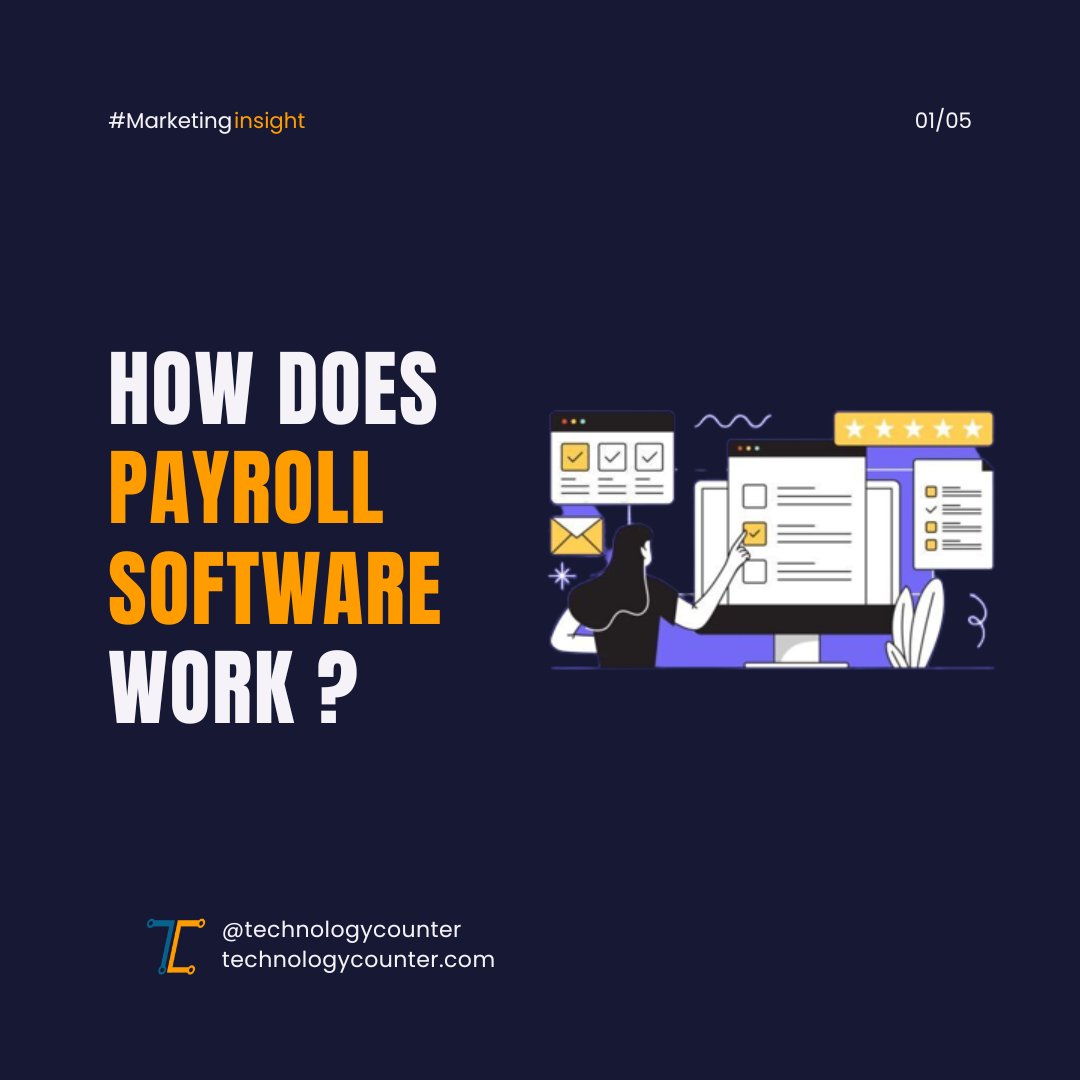
Here are some #reasons why #payrollsoftware is critical for every business.
1. #Automation
2. #Tracking
3. #Compliance
If you'd like to learn more about these #Payrolltools please click here: bit.ly/3pSLH2t
#payrollprocess #emptracking #technologycounter #tiptuesday
5
6
📢 Check out our New video on "Payroll Management in TallyPrime"
..
🔗 bit.ly/3Rfm8EF
..
#Webinar #WebinarTraining #Payroll #PayrollManagement #PayrollSoftware #PayrollProcess #Reports #accounting #TallyAudit #einvoice #ewayBill
#tallyprimewebinar #LiveDemo #TallyPrime
2

30 Aug 2022
📢 Check out our New video on "Payroll Management in TallyPrime"
..
🔗 bit.ly/3Rfm8EF
..
#Webinar #WebinarTraining #Payroll #PayrollManagement #PayrollSoftware #PayrollProcess #Reports #accounting #TallyAudit #einvoice #ewayBill #tallyprimewebinar #LiveDemo #TallyPrime
4

16 Jun 2022
A #PayrollProcess is complex, but a software doesn’t have to be.
Introducing, the easiest and comprehensive #HRPayrollSoftware for your Industry.
Tell us about your budget or request a free demo @
futuresoft.co.ke/hr-payroll-…

2
3
22 Mar 2022
. @Paylite allows for the processing of #Payroll with 100% precision in very little time. Automate the #payrollProcess using data from self-service, #LeaveAttendance and loan applications. bit.ly/3pDP5if
#errorfree #error #payrollprocessing #hum…lnkd.in/gPz7f7tK
2
15 Mar 2022
Don't waste time processing #payroll manually, adopt a paperless #HR solution, and automate your #business. Using @Paylite, you can complete your #PayrollProcess with a few simple clicks. bit.ly/3pDP5if
#hrmanagementsoftware #hrmssoftware #hrsol…lnkd.in/gWKQmc67
2