
Jun 14
QUESTIONS SERIOUS OPERATORS ASK #5
How will I know if I'm succeeding or failing?
Many farmers measure success by the number of acres or hectares they own.
Serious operators measure success by performance.
A system exists to achieve a purpose, goal or the performance of its functions.
If your farm is creating value, connecting supply with demand, operating efficiently and generating consistent profits, then the system is working.
Track the numbers that matter:
• Costs • Revenue • Yield • Mortality • Feed Conversion • Profit Margins
Because what gets measured gets managed.
And what gets managed improves.
Without records, you're relying on memory.
Without data, you're relying on guesswork.
#SystemFarming #FarminginAfrica #YouthinAgriculture #successinfarming #RecordKeeping #PerformanceMeasurement #GreenGold
1
5

Jun 11

Why Europe's highly regulated industries are rethinking how they measure AI performance
Partner Content by Sopra Steria
9

Jun 10
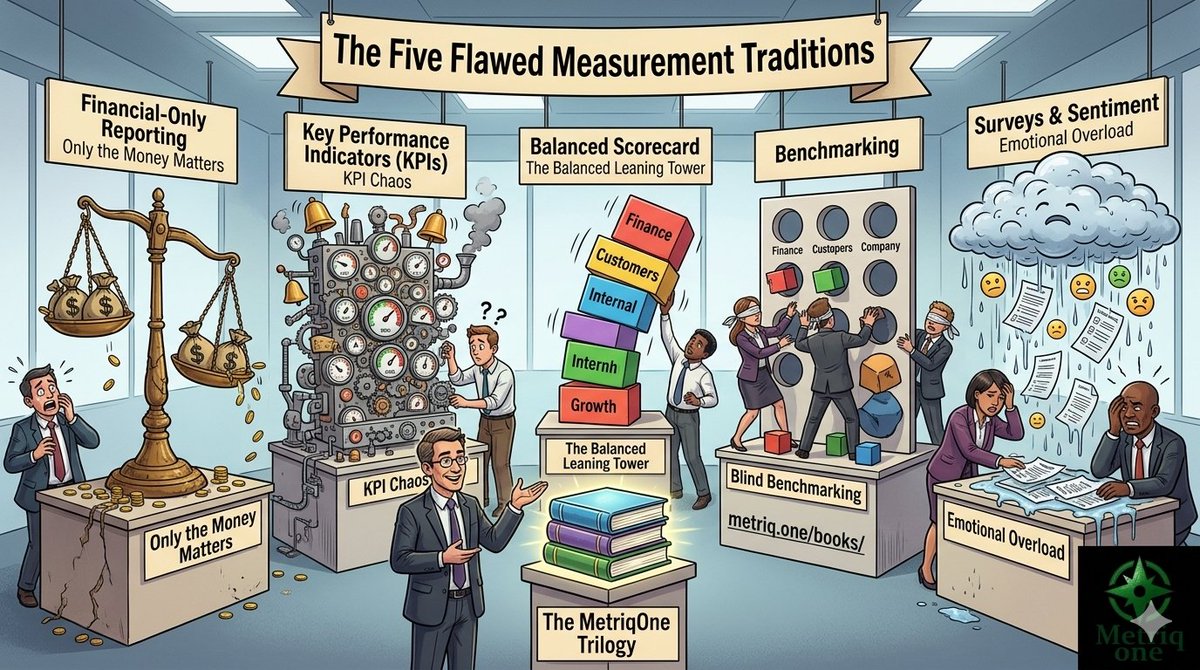
Five measurement traditions dominate organisations worldwide. All five have fatal flaws nobody talks about. The MetriqOne Trilogy exposes exactly why they fail. metriq.one/books/
#PerformanceMeasurement #ImplementationLayer #MetriqOne #EvidenceBasedLeadership
7
Some guys talk about their mods. Dudi measures them.
#racebox #performancemeasurement #carenthusiast
7

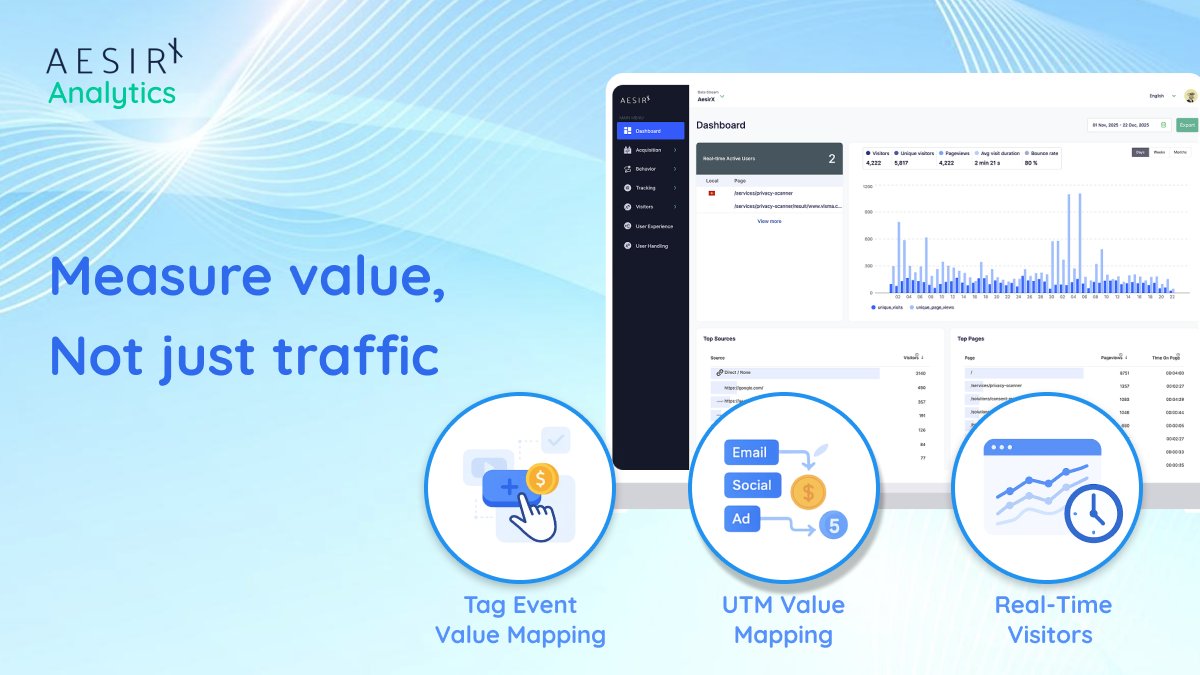
Measure value. Not just traffic.
AesirX Analytics measures value at every step:
campaign intent, on-site actions, and live sessions as value forms.
Stop counting visits. Start seeing what mattered.
👉🏽 aesirx.io/solutions/analytic…
#Analytics #PerformanceMeasurement #AesirX
1
6
45

15 Dec 2025
🌍 WCO launches a call for participation in the Second Cycle of the Performance Measurement Mechanism (PMM)!
👉 wcoomd.org/en/media/newsroom…
The WCO invites all Members to participate in the self-assessment phase of the PMM – a vital tool for strengthening evidence-based performance measurement across the global Customs community.
✅ What’s new in Cycle 2?
➡️ Comprehensive coverage of Customs competencies
➡️ Refined outcomes & advanced Key Performance Indicators
➡️ An upgraded digitalized platform for data collection & analysis
This initiative empowers Customs administrations to set measurable goals, track progress, drive reforms, and guide investment priorities.
📢 All WCO Members are invited to actively participate in the PMM. Join us now!
Submit your data through the PMM Platform and help make Customs fairer, more efficient, and effective.
#WCO #Customs #PerformanceMeasurement #PMM #TradeFacilitation #Innovation
3
221

𝗫𝗜𝗥𝗥: 𝗧𝗵𝗲 𝗺𝗼𝘀𝘁 𝗿𝗲𝗳𝗲𝗿𝗲𝗻𝗰𝗲𝗱 𝗽𝗲𝗿𝗳𝗼𝗿𝗺𝗮𝗻𝗰𝗲 𝗺𝗲𝘁𝗿𝗶𝗰 𝗮𝗻𝗱 𝘁𝗵𝗲 𝗹𝗲𝗮𝘀𝘁 𝘂𝗻𝗱𝗲𝗿𝘀𝘁𝗼𝗼𝗱
XIRR is often cited as the gold standard of measuring portfolio performance.
But do you know that it solves a very common yet crucial problem among large and complex portfolio holders?
For most high net-worth investors, wealth isn’t held in one place.
Your portfolio is most likely spread across multiple investments - equities, mutual funds, PMS, AIFs & other asset classes - and managed by different advisors and firms.
Each follows their own reporting convention, which means the same pool of capital ends up with several different return figures. And, this makes performance hard to interpret.
What you're left with: multiple return figures, none of which reveal how efficiently your capital actually compounded.
To bring these disparate reports onto common ground, you need a metric that allows apples-to-apples comparison across structures, strategies and timelines.
𝗧𝗵𝗲 𝘀𝗼𝗹𝘂𝘁𝗶𝗼𝗻: Internal Rate of Return (IRR)
IRR measures performance by accounting for all regular cash flows - reflecting how your money worked, not just how markets moved.
But for large portfolios where capital moves frequently - new commitments, top-ups, redemptions and distributions - a standard IRR can’t capture the full picture.
𝗘𝗻𝘁𝗲𝗿 𝗫𝗜𝗥𝗥 (𝗘𝘅𝘁𝗲𝗻𝗱𝗲𝗱 𝗜𝗻𝘁𝗲𝗿𝗻𝗮𝗹 𝗥𝗮𝘁𝗲 𝗼𝗳 𝗥𝗲𝘁𝘂𝗿𝗻):
XIRR builds on the same idea but incorporates the actual dates of every cash flow. Why?
Because capital in large portfolios is rarely static. It moves across asset classes, gets rebalanced, recalled and redeployed.
By mapping each of these flows precisely, XIRR produces a single, 𝗺𝗼𝗻𝗲𝘆-𝘄𝗲𝗶𝗴𝗵𝘁𝗲𝗱 𝗿𝗲𝘁𝘂𝗿𝗻 that shows how effectively capital was used over time.
It’s a more flexible version of IRR and manages irregular or unevenly spaced cash flows - common in real-world investments.
𝗪𝗵𝘆 𝗶𝘁 𝗺𝗮𝘁𝘁𝗲𝗿𝘀 𝗶𝗻 𝗰𝗼𝗺𝗽𝗹𝗲𝘅 𝗽𝗼𝗿𝘁𝗳𝗼𝗹𝗶𝗼𝘀:
Beyond the challenge of multiple managers and reports, there's another critical factor: 𝘸𝘩𝘦𝘯 your capital is deployed matters as much as 𝘸𝘩𝘦𝘳𝘦 it's allocated.
₹1 crore invested 18 months ago had more time to compound than ₹1 crore deployed today. And capital sitting idle between allocations carries 𝘰𝘱𝘱𝘰𝘳𝘵𝘶𝘯𝘪𝘵𝘺 𝘤𝘰𝘴𝘵. XIRR accounts for both - revealing how deployment timing and capital efficiency shaped your actual returns
For multi-entity/multi-asset portfolios, XIRR unifies multiple performance figures into one clear number - 𝘁𝗵𝗲 𝗿𝗲𝗮𝗹 𝗰𝗼𝗺𝗽𝗼𝘂𝗻𝗱𝗶𝗻𝗴 𝗽𝗮𝘁𝗵 𝗼𝗳 𝘆𝗼𝘂𝗿 𝗽𝗼𝗿𝘁𝗳𝗼𝗹𝗶𝗼.
It enables consistent performance assessment across managers and structures, making way for more informed capital allocation and better strategic governance.
#FamilyOffice #WealthManagement #PortfolioAnalytics #XIRR #PerformanceMeasurement #MProfit
3
16
4,091

22 Jul 2025
Early morning start for Glenn. Today he is heading to the #Netherlands meeting some of the Senior #HSE Leaders from @BoskalisNL, he will be delighted to be using & flying from our very own local @TeesAirport.
Today's topics #culture #safetyleadership #performancemeasurement




3
4
68

10 Mar 2025
Tiago Carvalho shows us his best lap recorded 1:32.26 with the Renault Megane 3 RS, at Circuito do Sol.
Learn more about our products at - racebox.pro/
#racebox #performancemeasurement #laptimer #automotive #rboverlay
292

27 Feb 2025
🔹 Analysis of public reactions to media coverage.
📌 Example: A company launched a successful PR campaign, increasing media exposure by 70%, which directly impacted sales growth.
#PerformanceMeasurement #MediaImpact #BrandIdentity
1
2
9

24 Feb 2025
How to Use HubSpot Analytics to Streamline Lead Generation for Better Sales Alignment
HubSpot Analytics is a marketing automation system that integrates CRM data and campaign metrics, measuring lead generation, email performance, and ROI indicators.
Why this matters.
Coordinating multi-touchpoint marketing campaigns across sales and marketing teams demands unified data visibility. Understanding lead interactions and campaign responses creates actionable insights for refining outreach strategies.
What marketing automation insights can performance analysis reveal?
•Lead acquisition tracking,
•Email open rate mapping,
•ROI metric documentation.
Traditional approaches use separate spreadsheets with inconsistent data updates. Data-integrated approaches leverage unified dashboards with cross-channel performance tracking.
What strategies can you implement today?
1.Evaluate lead source effectiveness.
2.Monitor email click-through rates.
3.Segment campaign response patterns.
4.Track pipeline progression metrics.
5.Update CRM integration settings.
Implementation tip
Begin by analyzing one month’s email campaign data for a specific audience segment.
What processes do you use to track lead generation?
#MarketingProcesses #AutomationTracking #PerformanceMeasurement #DataObservation

2
2
30

10 Feb 2025
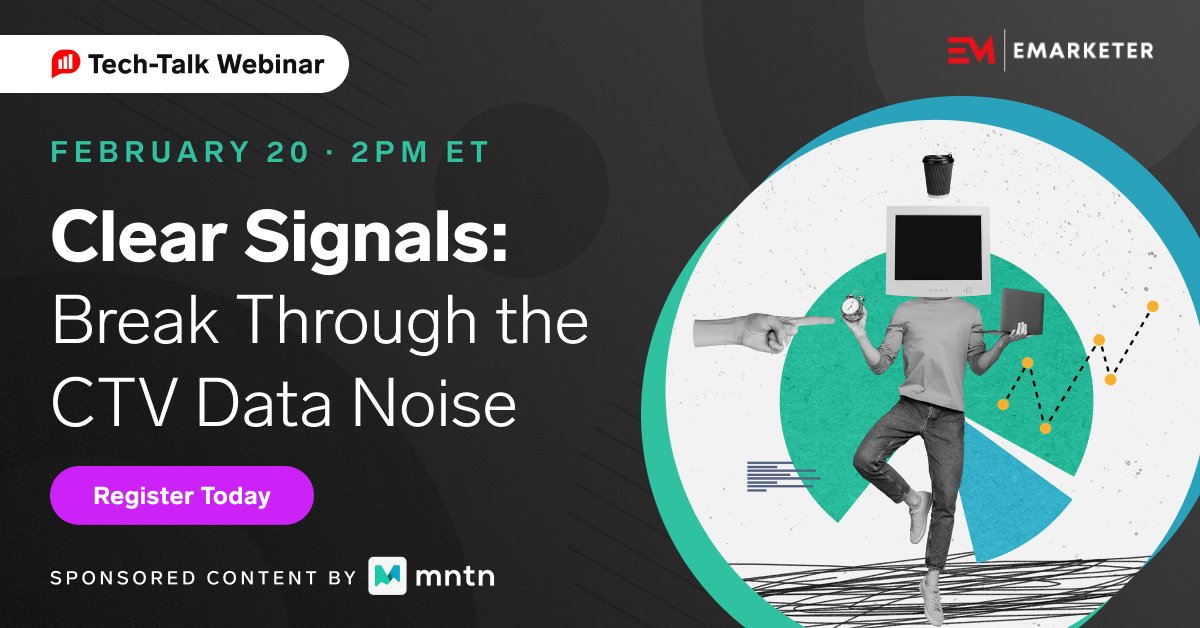
Join our Tech-Talk Webinar, “For Good Measure: How to Make the Most of CTV’s Data,” presented by @weareMNTN, and discover how to optimize mid and lower-funnel performance.
Register Today: tinyurl.com/yc7bn49f
#CTV #performancemeasurement #MNTN
609

6 Jan 2025
Employee wellness impacts more than just health - it drives business performance. 🏢💼
▶️ Get your copy now: marketplace.kpiinstitute.org…
#TheKPIInstitute #TKI #EmployeeWellbeing #PerformanceMeasurement

1
2
220

Create #dashboards in #2025 that prove marketing's value! Learn how to craft dashboards that guide decisions and boost performance. #MarketingDashboard #PerformanceMeasurement #SmartBusiness #B2B ow.ly/RmZm50UwuxO

2
19
12 Dec 2024
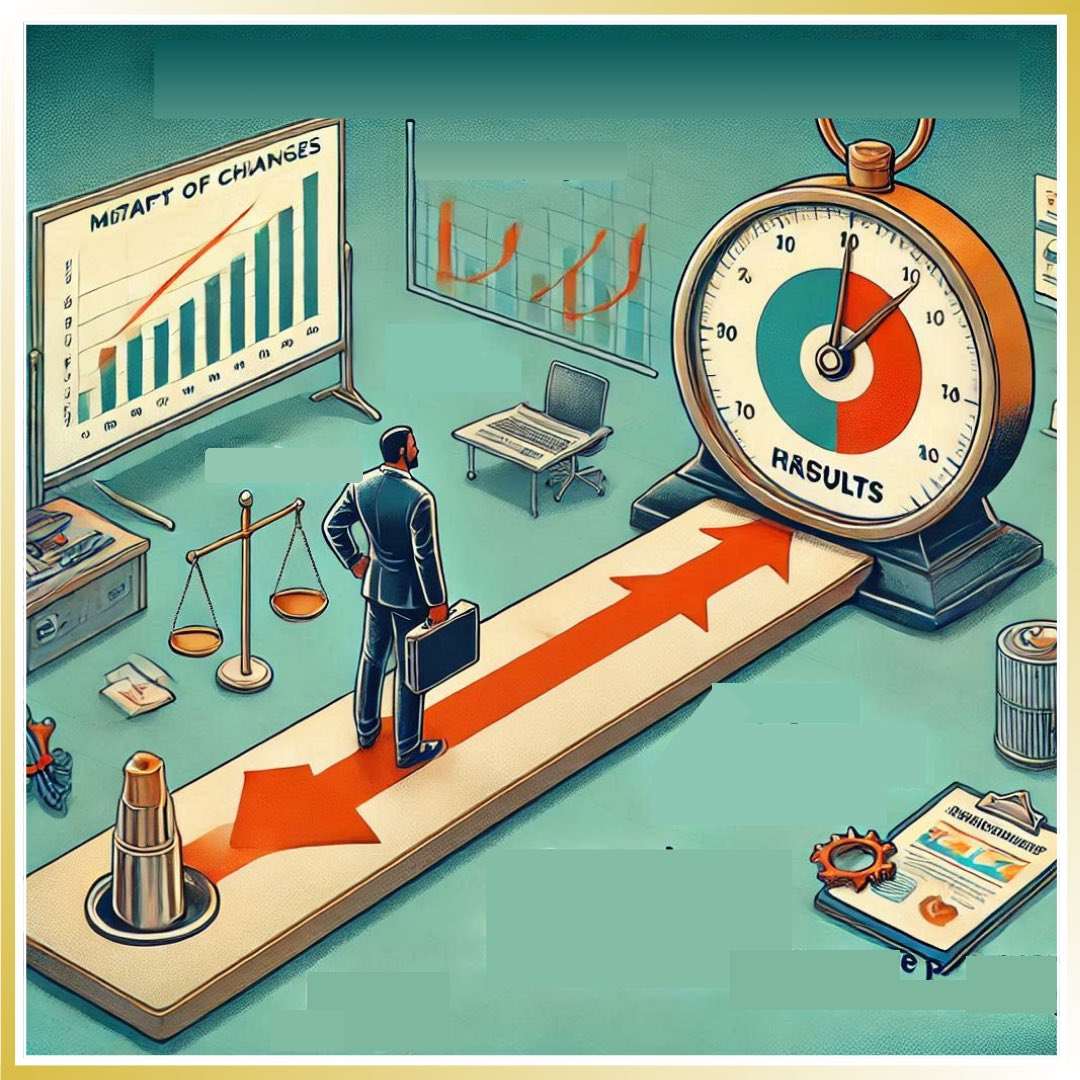
7️⃣ Step 7
Measure Outcomes
The impact of the cultural changes is measured through:
•New employee surveys.
•Analyzing productivity and job satisfaction levels.
•Comparing pre- and post-change performance metrics.
#PerformanceMeasurement #ContinuousAssessment
1
2
6

12 Dec 2024
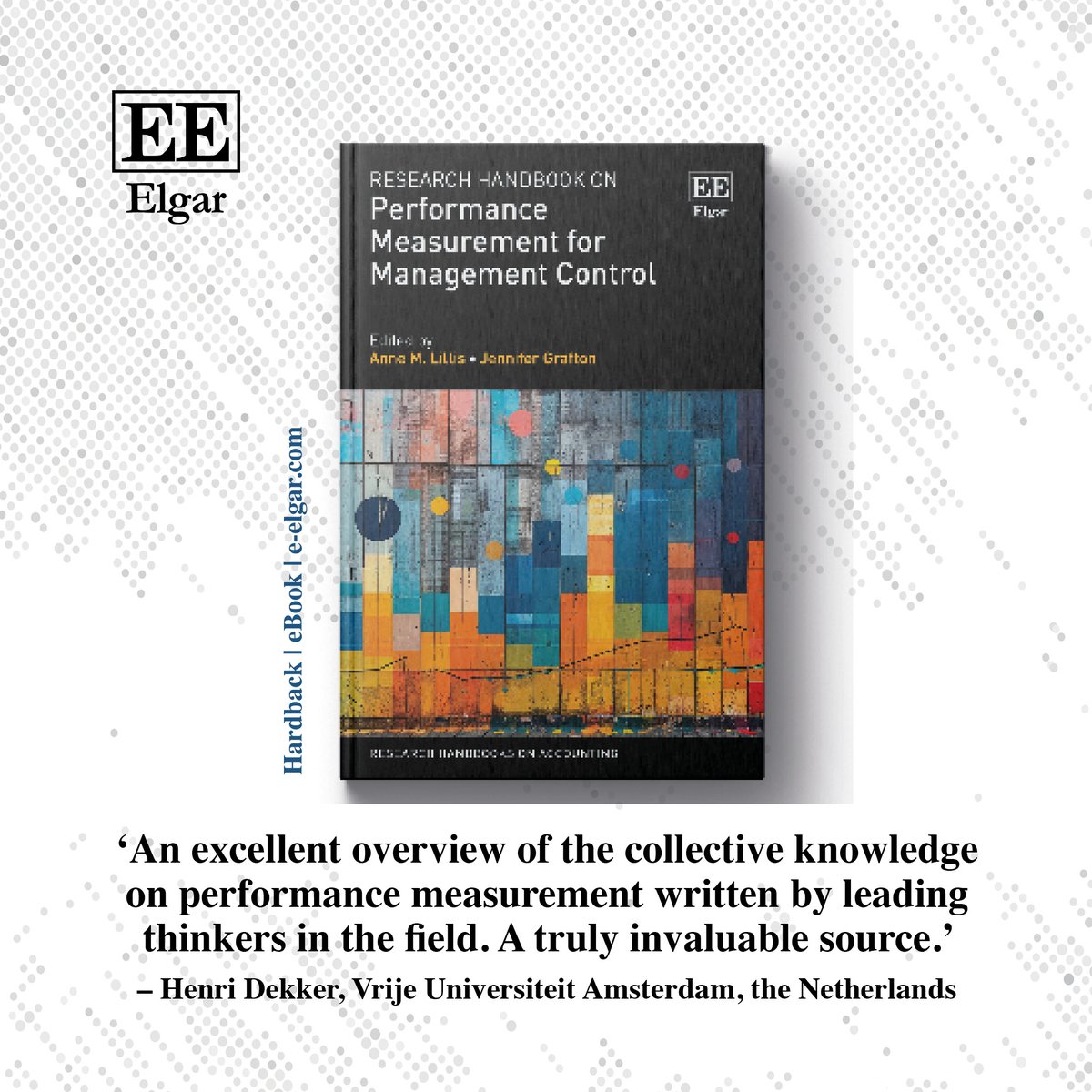
NEW Research Handbook on #PerformanceMeasurement for #Management Control, eds Anne M. Lillis and Jennifer Grafton @UniMelb
tinyurl.com/uw6wj28y
Read a sample chapter doi.org/10.4337/978180392067…
#Control #Strategy #Performance
4
3
365

3 Dec 2024
Performance without perspective is puzzling. That’s why benchmarks are crucial—they provide the perspective needed to interpret your investment performance effectively. #PerformanceMeasurement #InvestingWisdom
1
3
633
29 Nov 2024
Assessing Customs Performance: Insights from the 2nd Meeting of the WCO Performance Measurement Mechanism Project Team
🔗wcoomd.org/en/media/newsroom…
#WCO #Customs #CapacityBuilding #PerformanceMeasurement #PerformanceMeasurementMechanism #PMM


1
1
5
352
28 Nov 2024
8️⃣ Measuring Success and Improving Performance
Business developers track a company’s performance post-expansion and analyze results to ensure goals are met. Through regular reviews, strategies can be adjusted for sustained success.
#PerformanceMeasurement #ContinuousImprovement

1
2
3

17 Nov 2024
Have you heard? Spread the word! #JoinUs at the #2024APPAM Fall Research Conference for a panel discussion on #Accountability and #PerformanceMeasurement 🌟See you on Saturday, Nov 13 at 1:45pm to discuss #ResearchMatters 👇🏽

1
2
9
464