
Jun 11
x.com/unquirer/status/206474…
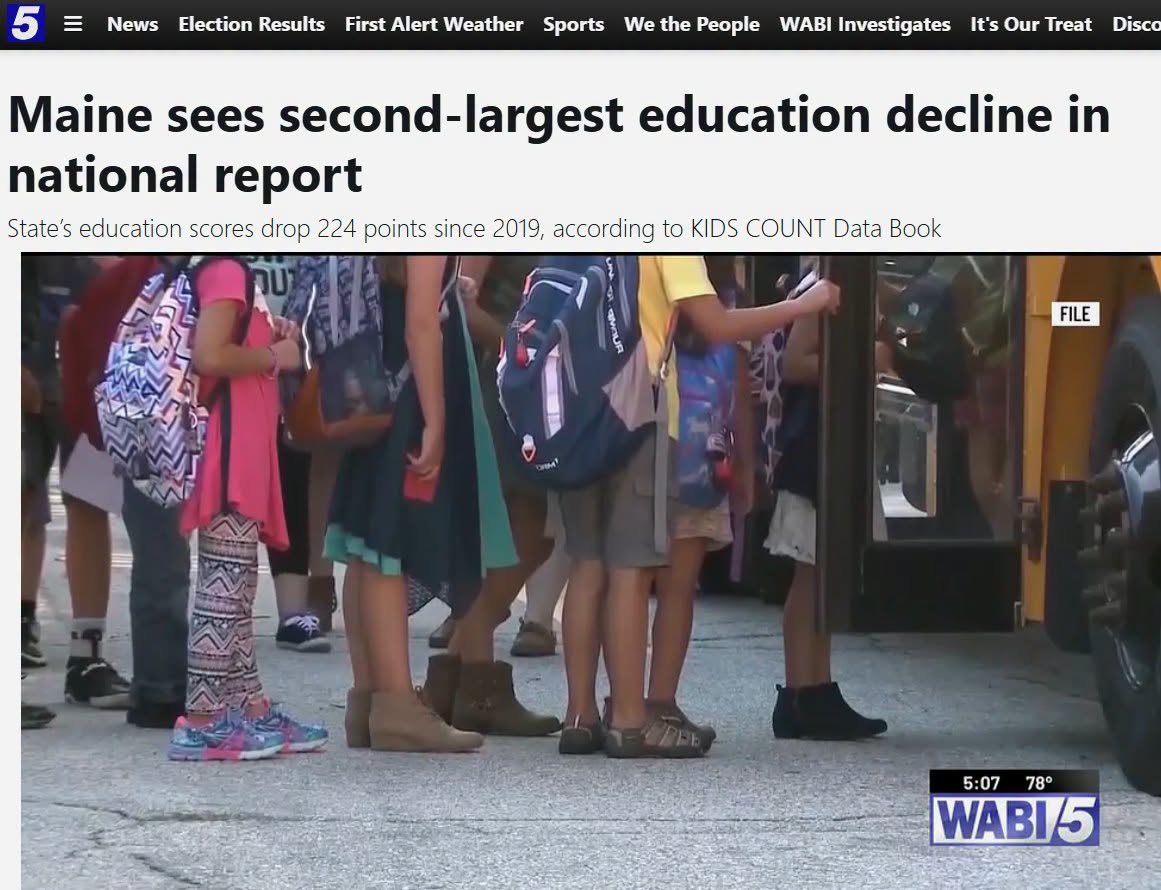
Maine teachers are shoving propaganda down kids’ throats instead of teaching the basics — and the results are catastrophic. The state now suffers the second-worst education decline in the entire country, with national test scores plunging 88 points and overall education scores collapsing by 224 points since 2019, according to the latest KIDS COUNT Data Book!
While Maine teachers and school boards shove propaganda down kids’ throats instead of teaching reading, writing, and math, where the hell were the parents?
#MEPolitics #MEPol #MainePolitics #MaineGov #MaineGovernment #MaineLegislature #MaineHouse #MaineSenate #MEStateHouse #AugustaME #MaineNews #MENews #MainePoliticalNews #GraniteStateNorth #PineTreeState #MainePolicy #MaineDebate #MaineIssues #MaineVotes #VoteMaine #MaineElection #MaineElections #MEVote #ElectionMaine #MaineBallot #MainePrimary #ElectionNews #StatePolitics #USPolitics #PoliticalNews #JanetMills #GovMills #SusanCollins #SenatorCollins #AngusKing #SenAngusKing #ChelliePingree #JaredGolden #MaineGOP #MaineRepublicans #MaineDemocrats #MEDems #GOPMaine #ProgressiveMaine #ConservativeMaine #PoliticalDebate #BreakingNews #GovernmentNews #PolicyDebate #PoliticalTwitter

Jun 10

Maine's Education Decline Worse Than Predicted
Maine (WABI) - Maine has the second-largest decline in the country for education scores, according to a national report released Monday.
The annual KIDS COUNT Data Book shows Maine’s national test scores have dropped 88 points since 2019, and its overall education score fell by 224 points.
11
Jun 11
x.com/RichardHanania/status/…
#MEPolitics #MEPol #MainePolitics #MaineGov #MaineGovernment #MaineLegislature #MaineHouse #MaineSenate #MEStateHouse #AugustaME #MaineNews #MENews #MainePoliticalNews #GraniteStateNorth #PineTreeState #MainePolicy #MaineDebate #MaineIssues #MaineVotes #VoteMaine #MaineElection #MaineElections #MEVote #ElectionMaine #MaineBallot #MainePrimary #ElectionNews #StatePolitics #USPolitics #PoliticalNews #JanetMills #GovMills #SusanCollins #SenatorCollins #AngusKing #SenAngusKing #ChelliePingree #JaredGolden #MaineGOP #MaineRepublicans #MaineDemocrats #MEDems #GOPMaine #ProgressiveMaine #ConservativeMaine #PoliticalDebate #BreakingNews #GovernmentNews #PolicyDebate #PoliticalTwitter

31
Jun 11
x.com/GrrrGraphics/status/20…
#MEPolitics #MEPol #MainePolitics #MaineGov #MaineGovernment #MaineLegislature #MaineHouse #MaineSenate #MEStateHouse #AugustaME #MaineNews #MENews #MainePoliticalNews #GraniteStateNorth #PineTreeState #MainePolicy #MaineDebate #MaineIssues #MaineVotes #VoteMaine #MaineElection #MaineElections #MEVote #ElectionMaine #MaineBallot #MainePrimary #ElectionNews #StatePolitics #USPolitics #PoliticalNews #JanetMills #GovMills #SusanCollins #SenatorCollins #AngusKing #SenAngusKing #ChelliePingree #JaredGolden #MaineGOP #MaineRepublicans #MaineDemocrats #MEDems #GOPMaine #ProgressiveMaine #ConservativeMaine #PoliticalDebate #BreakingNews #GovernmentNews #PolicyDebate #PoliticalTwitter

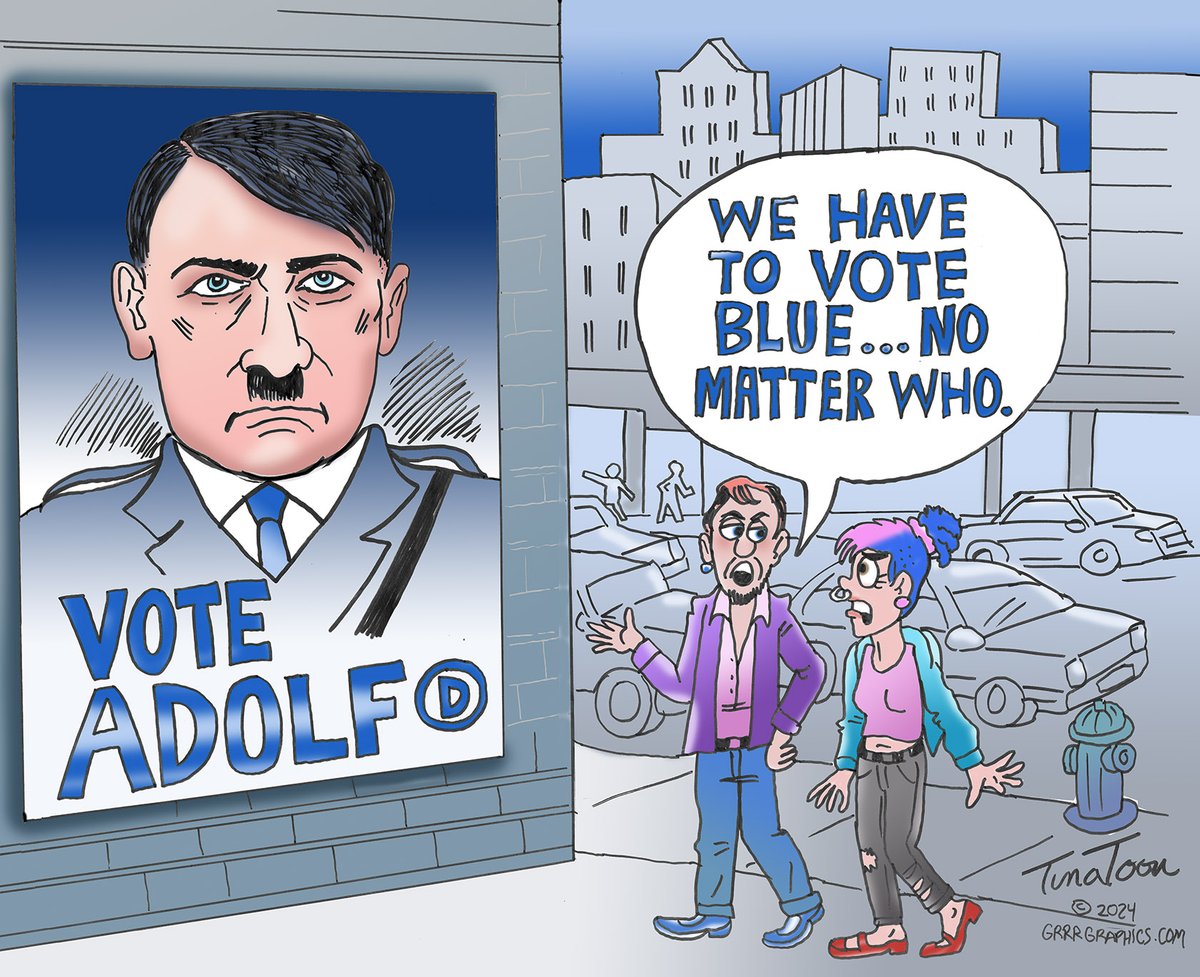
𝐌𝐚𝐢𝐧𝐞 𝐯𝐨𝐭𝐞𝐝 "𝐛𝐥𝐮𝐞 𝐧𝐨 𝐦𝐚𝐭𝐭𝐞𝐫 𝐰𝐡𝐨"
What could go wrong?🤔
Graham Platner wins Dem Primary
Throwback Tina Toon for your Wednesday enjoyment!
Follow @GrrrGraphics for more spicy takes on current events!
16
Jun 10
x.com/TheBabylonBee/status/2…
#MEPolitics #MEPol #MainePolitics #MaineGov #MaineGovernment #MaineLegislature #MaineHouse #MaineSenate #MEStateHouse #AugustaME #MaineNews #MENews #MainePoliticalNews #GraniteStateNorth #PineTreeState #MainePolicy #MaineDebate #MaineIssues #MaineVotes #VoteMaine #MaineElection #MaineElections #MEVote #ElectionMaine #MaineBallot #MainePrimary #ElectionNews #StatePolitics #USPolitics #PoliticalNews #JanetMills #GovMills #SusanCollins #SenatorCollins #AngusKing #SenAngusKing #ChelliePingree #JaredGolden #MaineGOP #MaineRepublicans #MaineDemocrats #MEDems #GOPMaine #ProgressiveMaine #ConservativeMaine #PoliticalDebate #BreakingNews #GovernmentNews #PolicyDebate #PoliticalTwitter
Jun 10

14
Jun 10
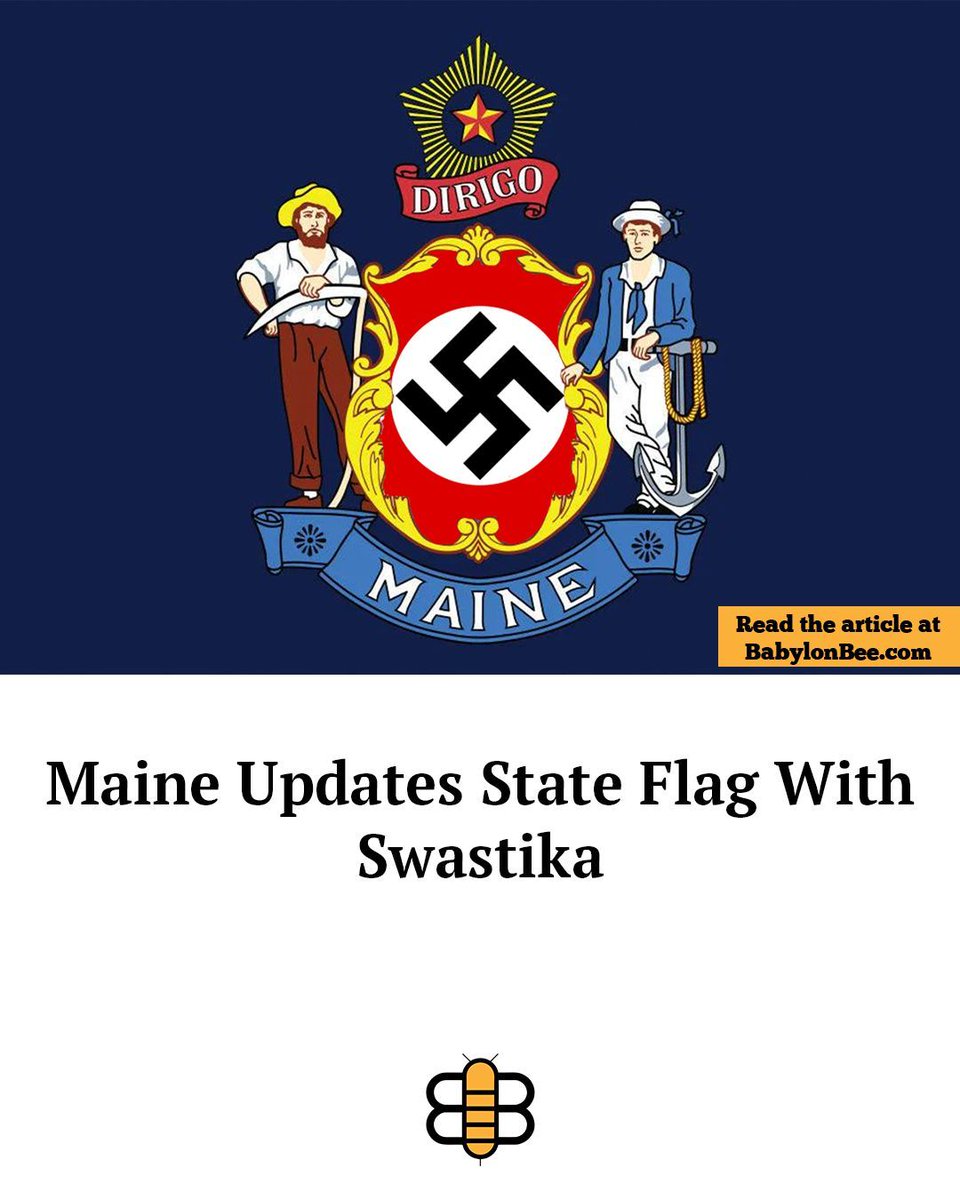
Maine: America's whitest state, where the pines hide more closet Nazis than a Berlin bunker in '45. From rural compounds flying swastikas to primary voters crowning candidates with Third Reich ink, the 'Live Free or Die' spirit has gone full Heil Free or Die!
#MEPolitics #MEPol #MainePolitics #MaineGov #MaineGovernment #MaineLegislature #MaineHouse #MaineSenate #MEStateHouse #AugustaME #MaineNews #MENews #MainePoliticalNews #GraniteStateNorth #PineTreeState #MainePolicy #MaineDebate #MaineIssues #MaineVotes #VoteMaine #MaineElection #MaineElections #MEVote #ElectionMaine #MaineBallot #MainePrimary #ElectionNews #StatePolitics #USPolitics #PoliticalNews #JanetMills #GovMills #SusanCollins #SenatorCollins #AngusKing #SenAngusKing #ChelliePingree #JaredGolden #MaineGOP #MaineRepublicans #MaineDemocrats #MEDems #GOPMaine #ProgressiveMaine #ConservativeMaine #PoliticalDebate #BreakingNews #GovernmentNews #PolicyDebate #PoliticalTwitter
1
22
May 16
x.com/Liz_Wheeler/status/205…
Graham Platner: Pro-abortion, pro-mutilation, anti-future kids—progress means stopping the next generation at the source. All while moonlighting in a gay Antifa paramilitary crew!
#MEPolitics #MEPol #MainePolitics #MaineGov #MaineGovernment #MaineLegislature #MaineHouse #MaineSenate #MEStateHouse #AugustaME #MaineNews #MENews #MainePoliticalNews #GraniteStateNorth #PineTreeState #MainePolicy #MaineDebate #MaineIssues #MaineVotes #VoteMaine #MaineElection #MaineElections #MEVote #ElectionMaine #MaineBallot #MainePrimary #ElectionNews #StatePolitics #USPolitics #PoliticalNews #JanetMills #GovMills #SusanCollins #SenatorCollins #AngusKing #SenAngusKing #ChelliePingree #JaredGolden #MaineGOP #MaineRepublicans #MaineDemocrats #MEDems #GOPMaine #ProgressiveMaine #ConservativeMaine #PoliticalDebate #BreakingNews #GovernmentNews #PolicyDebate #PoliticalTwitter
May 15

What is worse than a Nazi Totenkopf tattoo?
Maybe we should ask Graham Platner, the Democrat candidate for the U.S. Senate from Maine.
Maybe the reason Platner has been calm & cool about the exposure of his heinous tattoo is because he KNEW there was a scandal in his background that was SO MUCH worse than his tattoo.
Graham Platner has been exposed as a member of the Socialist Rifle Association, a radical communist transgender group. You probably know them colloquially as Transtifa.
Platner has been exposed not only as a member and participant but a recruiter and a firearms instructor to this group, as recently as 2020.
1
2
52
Apr 10
x.com/laurel_libby/status/20…
Democratic slogan: Lie big, tax harder, blame Republicans!
#MEPolitics #MEPol #MainePolitics #MaineGov #MaineGovernment #MaineLegislature #MaineHouse #MaineSenate #MEStateHouse #AugustaME #MaineNews #MENews #MainePoliticalNews #GraniteStateNorth #PineTreeState #MainePolicy #MaineDebate #MaineIssues #MaineVotes #VoteMaine #MaineElection #MaineElections #MEVote #ElectionMaine #MaineBallot #MainePrimary #ElectionNews #StatePolitics #USPolitics #PoliticalNews #JanetMills #GovMills #SusanCollins #SenatorCollins #AngusKing #SenAngusKing #ChelliePingree #JaredGolden #MaineGOP #MaineRepublicans #MaineDemocrats #MEDems #GOPMaine #ProgressiveMaine #ConservativeMaine #PoliticalDebate #BreakingNews #GovernmentNews #PolicyDebate #Maine

Last night @MaineHouseDems said that Mainers want an income tax hike, $300 checks, and an overall budget of $12 billion… I disagreed. Who was right??
1
3
4
44
Apr 7
Graham Platner’s rape prevention tip: Act like an adult for f’s sake and don’t get blacked out!
#MEPolitics #MEPol #MainePolitics #MaineGov #MaineGovernment #MaineLegislature #MaineHouse #MaineSenate #MEStateHouse #AugustaME #MaineNews #MENews #MainePoliticalNews #GraniteStateNorth #PineTreeState #MainePolicy #MaineDebate #MaineIssues #MaineVotes #VoteMaine #MaineElection #MaineElections #MEVote #ElectionMaine #MaineBallot #MainePrimary #ElectionNews #StatePolitics #USPolitics #PoliticalNews #JanetMills #GovMills #SusanCollins #SenatorCollins #AngusKing #SenAngusKing #ChelliePingree #JaredGolden #MaineGOP #MaineRepublicans #MaineDemocrats #MEDems #GOPMaine #ProgressiveMaine #ConservativeMaine #PoliticalDebate #BreakingNews #GovernmentNews #PolicyDebate #PoliticalTwitter
3
96
Mar 12
x.com/TheMaineWire/status/20…
Shenna Bellows on non-citizens voting: "No evidence!"
Shenna Bellows later: "Okay fine, some are registered."
That's not backpedaling, that's Olympic-level gymnastics.
#MEPolitics #MEPol #MainePolitics #MaineGov #MaineGovernment #MaineLegislature #MaineHouse #MaineSenate #MEStateHouse #AugustaME #MaineNews #MENews #MainePoliticalNews #GraniteStateNorth #PineTreeState #MainePolicy #MaineDebate #MaineIssues #MaineVotes #VoteMaine #MaineElection #MaineElections #MEVote #ElectionMaine #MaineBallot #MainePrimary #ElectionNews #StatePolitics #USPolitics #PoliticalNews #JanetMills #GovMills #SusanCollins #SenatorCollins #AngusKing #SenAngusKing #ChelliePingree #JaredGolden #MaineGOP #MaineRepublicans #MaineDemocrats #MEDems #GOPMaine #ProgressiveMaine #ConservativeMaine #PoliticalDebate #BreakingNews #GovernmentNews #PolicyDebate #PoliticalTwitter
Mar 12

Maine has an "honor system" to prevent non-citizens from voting.
Elections clerks have openly admitted so.
The only thing a non-citizen needs to vote is a utility bill, and to check a box stating they are a citizen.
There is nothing that requires the state to do any follow-up or verification.
The League of Women Voters, in partnership with Shenna, has announced a surge of "election observers" so people can feel "safety and security" when they go to vote this year.
The League has also held "studies" on non-citizen voting and is a vocal critic of the SAVE Act.
Now, Shenna Bellow is demanding confirmation that ICE agents won't be at the polls.
She has openly admitted that non-citizens are on the rolls.
It's almost like she is telegraphing her actions here...
Mainers deserve secure elections. This should not be controversial.
2
27
Mar 11
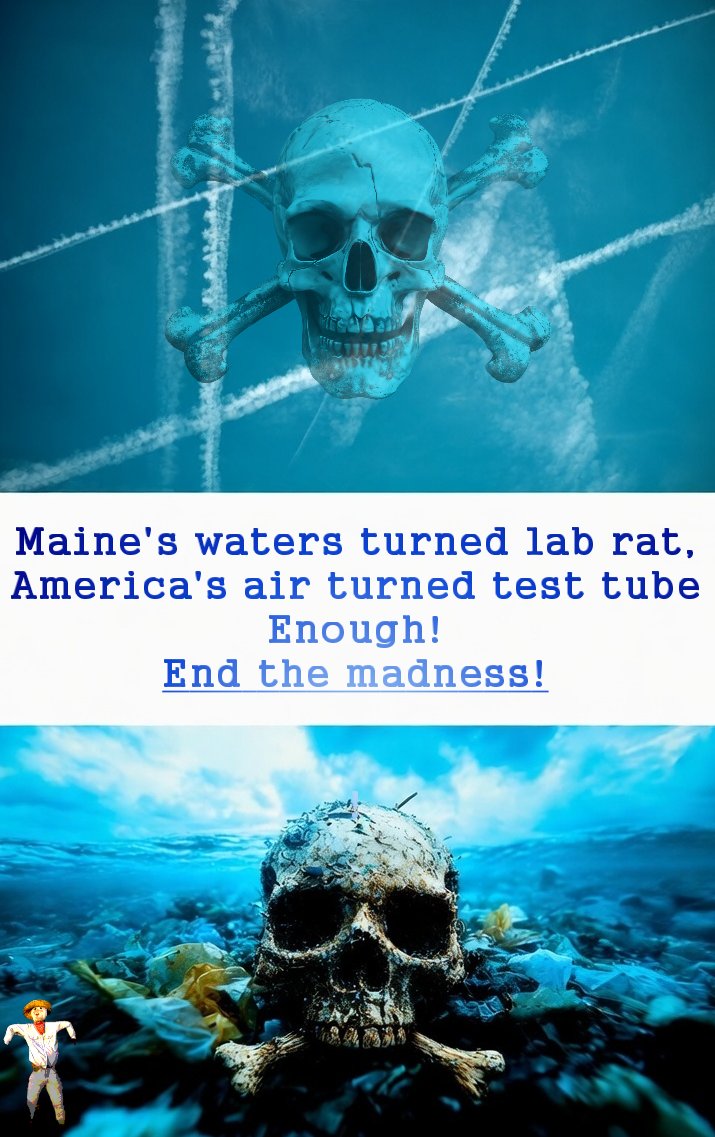
Alarm Bells from the Deep and the Skies: America's Geoengineering Gamble – Fooling with Nature's Balance at Our Peril
In a bold and largely unchecked push, the U.S. government is quietly expanding its reach into the atmosphere and oceans through two distinct yet equally audacious forms of geoengineering: longstanding cloud seeding programs to wring more rain from the skies, and emerging ocean alkalinity enhancement (OAE) trials to force the seas to swallow extra CO₂. Proponents frame these as pragmatic fixes for drought and climate chaos, but the reality is far more troubling. We're tampering with complex, interconnected natural systems we barely understand—systems that have sustained life for millennia—while the potential for catastrophic, unintended consequences looms large. Skepticism isn't paranoia; it's prudence in the face of hubris.
Cloud Seeding: Playing God with the Weather, One Silver Iodide Crystal at a Time
Cloud seeding, supported by state and federal entities (with NOAA tracking but minimal direct oversight), has been deployed for decades in states like Utah, Colorado, Idaho, and California to boost precipitation by 5-20% in targeted areas. Yet the drawbacks are glaring and often downplayed:
· Unintended Weather Chaos: Seeding can backfire spectacularly. Historical cases link operations to severe flooding (e.g., urban deluges in the UAE, deadly blizzards in China, and killer floods in the UK). By forcing clouds to dump rain prematurely or excessively, it risks robbing downwind regions of moisture, exacerbating droughts elsewhere, or triggering flash floods that destroy lives and infrastructure.
· Toxic Accumulation Risks: Silver iodide—the go-to agent—is regulated as a hazardous substance under the Clean Water Act. While current low-level use shows no clear harm, bioaccumulation in aquatic ecosystems could poison fish, bacteria, and food chains over time, especially if scaled up. Studies warn of potential toxicity to terrestrial and aquatic life, with silver ions disrupting beneficial microbes or exceeding safe thresholds in repeatedly seeded areas.
· Ethical and Geopolitical Nightmares: Who owns the rain? Seeding one region could deprive neighbors, sparking interstate or international disputes. Conspiracy-fueled misinformation already swirls, eroding trust and complicating governance. With incomplete regulations and no robust federal oversight, rogue or poorly coordinated efforts could amplify harms without accountability.
The bottom line: Cloud seeding isn't a harmless tweak—it's a gamble with weather patterns that could turn adaptation into maladaptation, worsening the very crises it claims to solve.
Ocean Alkalinity Enhancement: Dumping Chemicals into the Ocean's Veins
The LOC-NESS trial in the Gulf of Maine—releasing 65,000 liters of sodium hydroxide (lye)—offers a glimpse into OAE's promise: temporary CO₂ drawdown and pH restoration. But preliminary "no short-term harm" results mask deeper dangers, especially at scale.
· Ecological Disruption and Unknown Long-Term Fallout: Adding alkaline substances risks localized pH spikes that harm sensitive marine life—endangering endangered species like North Atlantic right whales, leatherback turtles, Atlantic sturgeon, and salmon through egg hatching failures, developmental abnormalities, or chemical burns. Trace metals from minerals (e.g., nickel from olivine) could leach into waters, contaminating food webs, altering phytoplankton communities, or triggering toxic algal blooms.
· Biogeochemical Wild Cards: OAE might disrupt nutrient cycles, microbial processes, or the biological carbon pump, potentially reducing the ocean's natural CO₂ absorption over time. Large-scale deployment could cause runaway calcium carbonate precipitation, nutrient imbalances, or shifts in biodiversity that ripple through fisheries and ecosystems we depend on.
· Moral Hazard and False Security: Critics, including environmental groups like Friends of the Earth, decry OAE as a dangerous distraction from slashing emissions—the root cause of climate change and acidification. It doesn't fix the problem; it papers over symptoms while risking irreversible damage to the ocean, Earth's largest carbon sink and life-support system
Environmental organizations warn of "potentially catastrophic risks," and even supporters admit long-term ecological impacts remain "poorly understood" or "unknown." History is littered with interventions that seemed benign until decades later—DDT, asbestos, CFCs—revealed their horrors.
Maine Must Be Deeply Skeptical It Could Annihilate The Fishing Industry!
Both techniques represent humanity's arrogant impulse to engineer planetary systems without full comprehension of feedbacks, tipping points, or cascading failures. Cloud seeding tinkers with short-term weather; OAE meddles with ocean chemistry on potentially irreversible timescales. Together, they exemplify "dual dominion"—one nation's hand stretching across skies and seas—yet with fragmented oversight, profit-driven incentives creeping in, and public transparency lacking.
The drawbacks aren't hypothetical: flooding, toxicity buildup, ecosystem shifts, biodiversity loss, geopolitical tensions, and delayed real solutions like emissions cuts. Nature isn't a machine to be tuned; it's a living web. Fooling with it invites blowback we may not survive.
We should demand rigorous, independent, long-term monitoring; international governance; and a hard pivot to proven decarbonization. Until then, treat these geoengineering experiments not as saviors, but as warnings: hubris in the face of nature rarely ends well. The stakes? The stability of the very systems keeping us alive.
Stop The Geoengineering Experiments In The Gulf Of Maine & The Skys Of America!
#MaineVibes #Vacationland #MaineAdventures
#DowneastDreams #LobsterLoveME #MaineMagic
#CoastalMaine #PineTreeState #MaineWilderness
#AcadiaNPS #MaineSunsets #MaineMade
#LighthouseLovers #MaineOutdoors #ExploreMaine
#MaineCoastline #MooseMania #MaineHiking
#BarHarborBliss #MaineMoments #NewEnglandCharm
#MaineGetaway #SeafoodHeavenME #MaineForests
#PortlandMaineVibes #MaineLiving #MaineExplored #KennebunkportCalling #MaineSunrise #BaxterStatePark #MaineLakes #FallInMaine #MaineWinters #SpringInMaine #SummerInMaine #MaineCrafted #MaineRoadTrips #OgunquitOasis #MaineArtisans #CamdenMaineMagic
#MaineExplored #Maine #MEpolitics
2
151

🫐 Maine – The Pine Tree State
Wild blueberries, ocean breeze, and frosted pine at dawn 🌲🌊 Fresh, airy, and beautifully coastal 🕯️
oversoyed.com/products/usa00…
#Maine #PineTreeState #FreshScents #OverSoyed #Candles
1
3
31
Feb 10
x.com/Bobby4Maine/status/202…
#MaineVibes #Vacationland #MaineAdventures
#DowneastDreams #LobsterLoveME #MaineMagic
#CoastalMaine #PineTreeState #MaineWilderness
#AcadiaNPS #MaineSunsets #MaineMade
#LighthouseLovers #MaineOutdoors #ExploreMaine
#MaineCoastline #MooseMania #MaineHiking
#BarHarborBliss #MaineMoments #NewEnglandCharm
#MaineGetaway #SeafoodHeavenME #MaineForests
#PortlandMaineVibes #MaineLiving #MaineExplored #KennebunkportCalling #MaineSunrise #BaxterStatePark #MaineLakes #FallInMaine #MaineWinters #SpringInMaine #SummerInMaine #MaineCrafted #MaineRoadTrips #OgunquitOasis #MaineArtisans #CamdenMaineMagic
#MaineExplored #Maine #MEpolitics
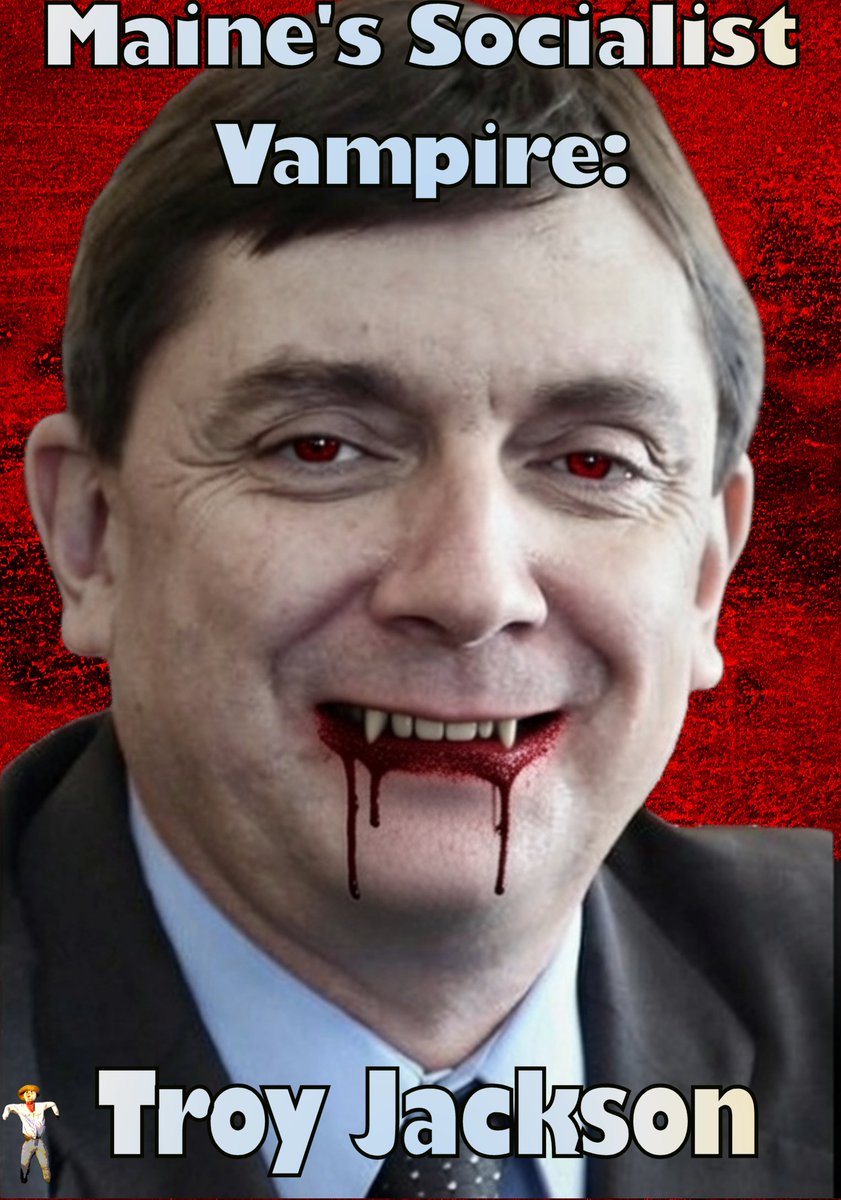

I want you to meet Troy Jackson. One of the most powerful Democrats in Augusta and one of the most corrupt.
Taxpayer backed mortgage fraud.
More than $160,000 billed for fake commutes.
Free legal services from lobbyists while pushing their agenda.
This is not public service.
It is a personal ATM.
Mainers deserve answers now.
1
2
15

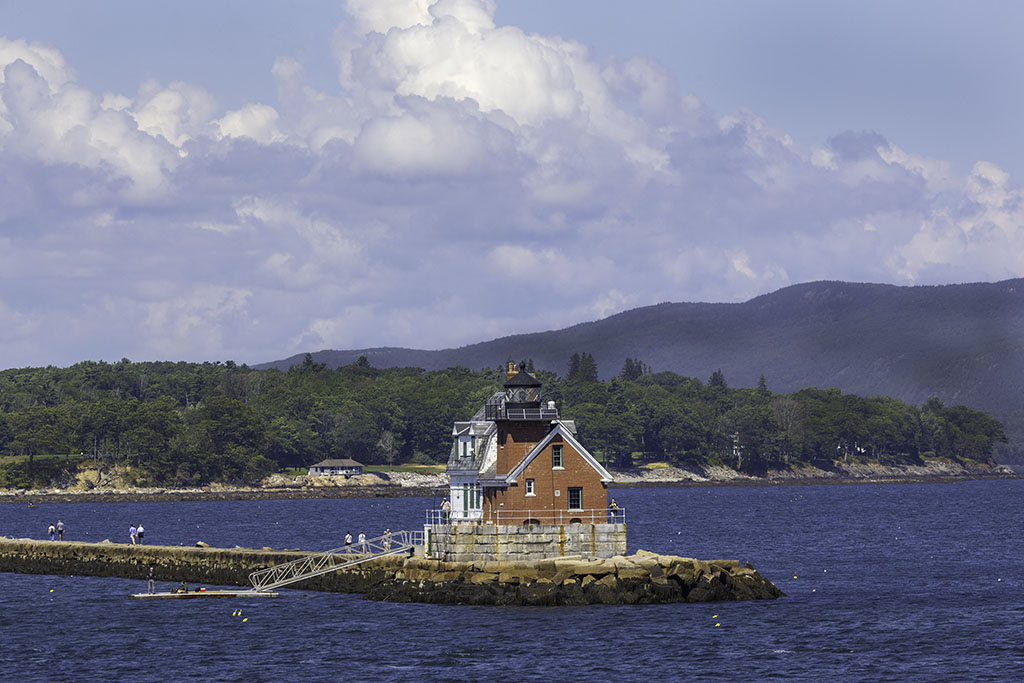
Rockland Harbor Breakwater Lighthouse in Rockland, Maine. Good light and happy photo making! exploringthelight.com/art #lighthouse #maine #rocklandmaine #rockland #artwork #pinetreestate #photography #fineartphotography #newengland #seaview #seascapephotography
3
105
29 Aug 2025
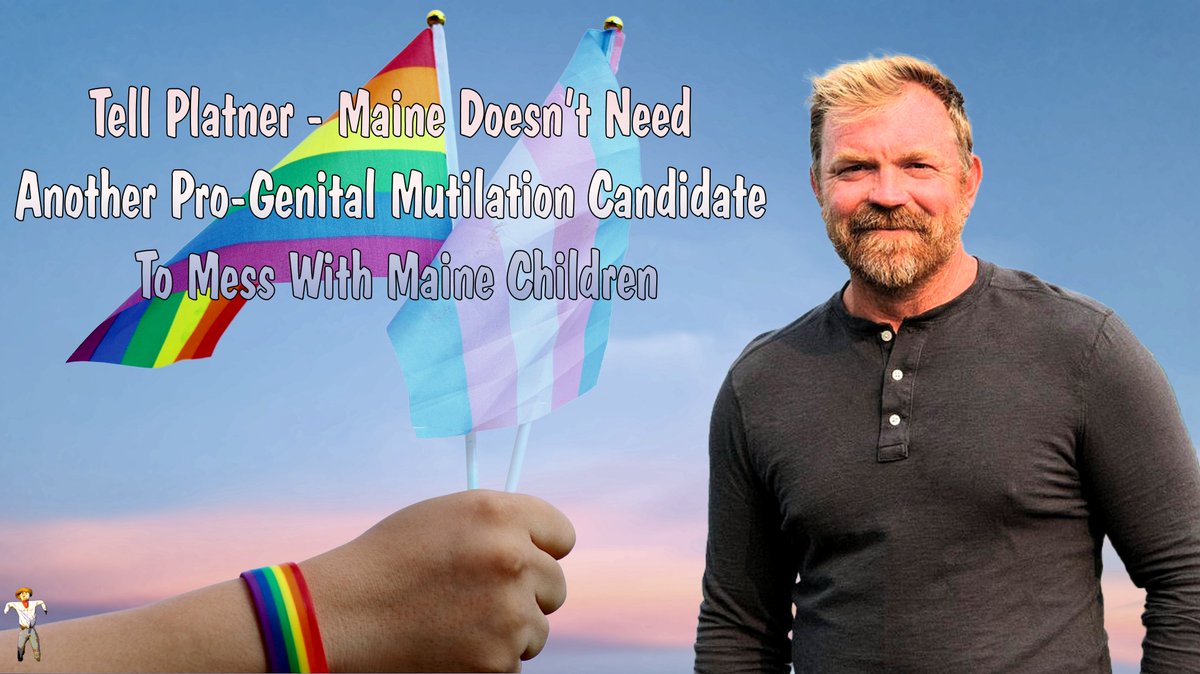
Pride Flags In The Classroom – Quiet Indoctrination By The Democrats
Could it be that classroom teachers in the United States, along with the leaders of the Democratic Party, are responsible for what Robin Westman did at the Annunciation Catholic School in Minneapolis, Minnesota?
If a child is being systematically encouraged, from ages 5 through 18, to aspire to become transgender under a profoundly misleading framework—that the gay pride flag represents "special love and caring," and that becoming transgender is a valid, achievable life goal—this reinforcement occurs in every classroom by every teacher, implying a form of institutional indoctrination. Assuming the child internalizes this message and eventually becomes transgender as an adult—interpreted here as engaging in a real-world transgender lifestyle—the mental health outcomes would likely be complex and problematic.
Below, AI breaks this down step by step, drawing on psychological principles of child development, belief formation, and reality-testing.
1. Formation of Core Beliefs During Childhood and Adolescence
Children's brains are highly plastic, especially from ages 5–12, when they form foundational schemas about the world, identity, and morality. Consistent messaging from authority figures (teachers) that becoming transgender is benevolent and aspirational would likely embed a distorted worldview. This is similar to how repeated exposure to ideas in education shapes beliefs (e.g., patriotism via national symbols).
By framing the gay pride flag as a symbol of "love and caring," the child would develop a romanticized, delusional association with transgender identity, ignoring its historical and real-world realities. This could foster cognitive biases, such as confirmation bias (seeking out media like transgender movies that reinforce the positive view) and denial of contradictory evidence (e.g., dismissing news about actual transgender experiences as "misunderstandings").
Through high school (ages 13–18), when identity exploration intensifies, this reinforcement might lead to a fixed aspiration, potentially stunting exploration of other careers or identities. The child might reject societal norms, viewing non-transgender people as unenlightened or oppressive.
2. Transition to Adulthood and Becoming Transgender
Upon leaving school and pursuing a life as a transgender person, the individual would encounter a harsh reality gap. This mismatch between indoctrinated ideals ("love and caring") and lived experience could trigger cognitive dissonance—a psychological state of tension when beliefs clash with reality.
To resolve this, the person might:
Double down on the delusion: Rationalize criminal acts as expressions of "love." This could evolve into a delusional disorder, where they maintain fixed false beliefs despite evidence.
Adapt through compartmentalization: Separate their actions from the taught ideals, leading to internal fragmentation—e.g., feeling guilt or shame privately while projecting confidence.
If they join a gay pride group, peer reinforcement might temporarily buffer mental strain, but isolation from mainstream society could exacerbate issues like paranoia (fearing authorities) or hypervigilance.
3. Potential Mental Health Issues:
Yes, it's highly probable that this individual would develop mental health issues, stemming from the long-term effects of indoctrination, reality shock, and the demands of a criminal lifestyle. These aren't guaranteed but are substantiated by parallels in psychology:
Delusional Disorder or Shared Delusional Disorder (Folie à Plusieurs):
The core belief in transgender identity as benevolent could persist as a delusion, especially if the school environment created a "shared reality" among peers. When confronted with facts, they might experience distress, leading to isolation or defensive aggression.
Personality Disorders:
Antisocial Personality Disorder (ASPD): Encouragement to ignore societal rules could foster traits like impulsivity, deceit, and lack of remorse.
Narcissistic or Borderline Traits: The special "transgender identity" might inflate self-importance, but failures could lead to unstable self-image, mood swings, or abandonment fears.
Mood and Anxiety Disorders: Disillusionment might cause depression (e.g., realizing teachers "lied," leading to betrayal trauma) or anxiety (constant fear of capture). Post-traumatic stress disorder (PTSD) is common in high-risk criminal lives, from violent encounters.
Substance Use Disorders: To cope with dissonance or dangers, they might turn to alcohol or drugs.
Cognitive Impairments: Long-term stress from a transgender lifestyle could lead to executive function deficits, like poor decision-making, as seen in research on chronic offenders.
Mitigating factors: If the person is resilient (e.g., high intelligence or supportive non-school influences), they might deprogram themselves earlier, avoiding full transgender identity. But the scenario assumes they do become transgender, implying deep internalization.
3. Broader Psychological and Societal Context
This scenario mirrors real-world cases of childhood indoctrination, such as in cults (e.g., children raised in groups like the Branch Davidians, who later struggle with deprogramming and integration) or extremist ideologies. Studies from organizations like the APA show that sustained false narratives in education can lead to lifelong identity crises.
Ethically, this highlights risks of authority figures promoting unrealistic or harmful aspirations without critical thinking. In reality, encouraging a child to "be transgender" might be flagged as neglectful, potentially involving child protective services.
Outcome variability: If "transgender" means a benign version (e.g., a cruise ship entertainer), mental issues might be minimal—just quirky enthusiasm. But the question implies a literal turn to transgender identity, given the flag's misrepresentation.
In summary, while the child might initially thrive in a bubble of encouragement, becoming transgender would likely expose the flaws in their upbringing, leading to significant mental health challenges like delusions, personality disruptions, and trauma-related disorders. Early intervention (e.g., therapy upon reality exposure) could help, but prevention—honest education about symbols and aspirations—would be ideal.
#MaineVibes #Vacationland #MaineAdventures
#DowneastDreams #LobsterLoveME #MaineMagic
#CoastalMaine #PineTreeState #MaineWilderness
#AcadiaNPS #MaineSunsets #MaineMade
#LighthouseLovers #MaineOutdoors #ExploreMaine
#MaineCoastline #MooseMania #MaineHiking
#BarHarborBliss #MaineMoments #NewEnglandCharm
#MaineGetaway #SeafoodHeavenME #MaineForests
#PortlandMaineVibes #MaineLiving #MaineExplored #KennebunkportCalling #MaineSunrise #BaxterStatePark #MaineLakes #FallInMaine #MaineWinters #SpringInMaine #SummerInMaine #MaineCrafted #MaineRoadTrips #OgunquitOasis #MaineArtisans #CamdenMaineMagic
#MaineExplored #Maine
1
2
70

17 Mar 2025
#ICYMI: March 15 was the 205th statehood anniversary of #Maine!🌲
Explore #CensusData on the #PineTreeState with our state profile.
🔍 data.census.gov/profile/Main…
#CensusData
ALT a lake overlooking mountains and trees in the distance
1
1
1,053

27 Apr 2024
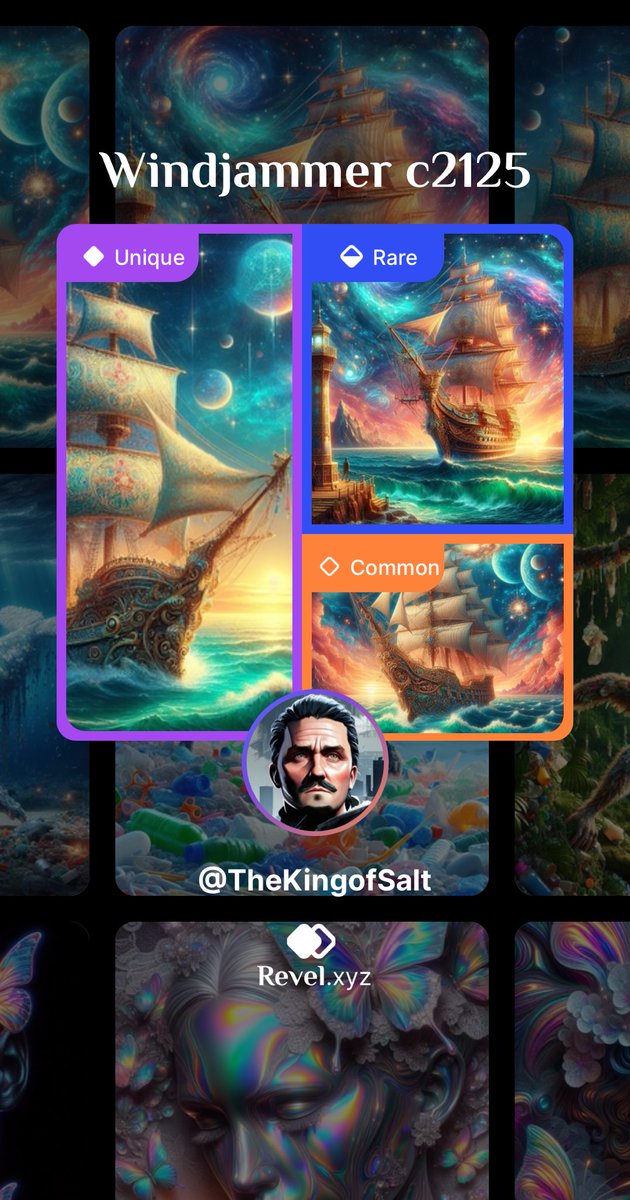
🌆 Good evening everyone 👋🏻
I wanted to stop by and let ya know why I haven’t been creating or posting much these past few days.
I have been traveling from the West coast of the U.S. to the East coast to be with my father, who has been diagnosed with Parkinson’s. My sister and I are currently moving him to be closer to family 🙏🏻
But! I did find a little time to create some AI art inspired by the beautiful, majestic state of Maine 🌲, where we are currently packing up his belongings.
I hope you enjoy 🫶🏻😊
#pinetreestate #windjammer #aiart #aiartist #lighthouse #APDA #parkinsonsfoundation



4
1
7
151

23 Dec 2023
Merry Christmas! Wishing all peace and joy! #mainecamps #summer2024 #christmas #pinetreestate #maine mainecampexperience.com

4
31

8 Sep 2023
Iowa: #iowa, #ia, #cornstate
Kansas: #kansas, #ks, #wheatstate
Kentucky: #kentucky, #ky, #bluegrassstate
Louisiana: #louisiana, #la, #bayoustate, #neworleans
Maine: #maine, #me, #pinetreestate
Maryland: #maryland, #md, #oldlinestate
8 Sep 2023

💚Amazing Aloe Vera💚 Skin Beauty Hacks, Clear Skin, Aloe Vera #SousaFamil... youtube.com/shorts/t8yEZXjB6…
1
2
30


16 Mar 2023
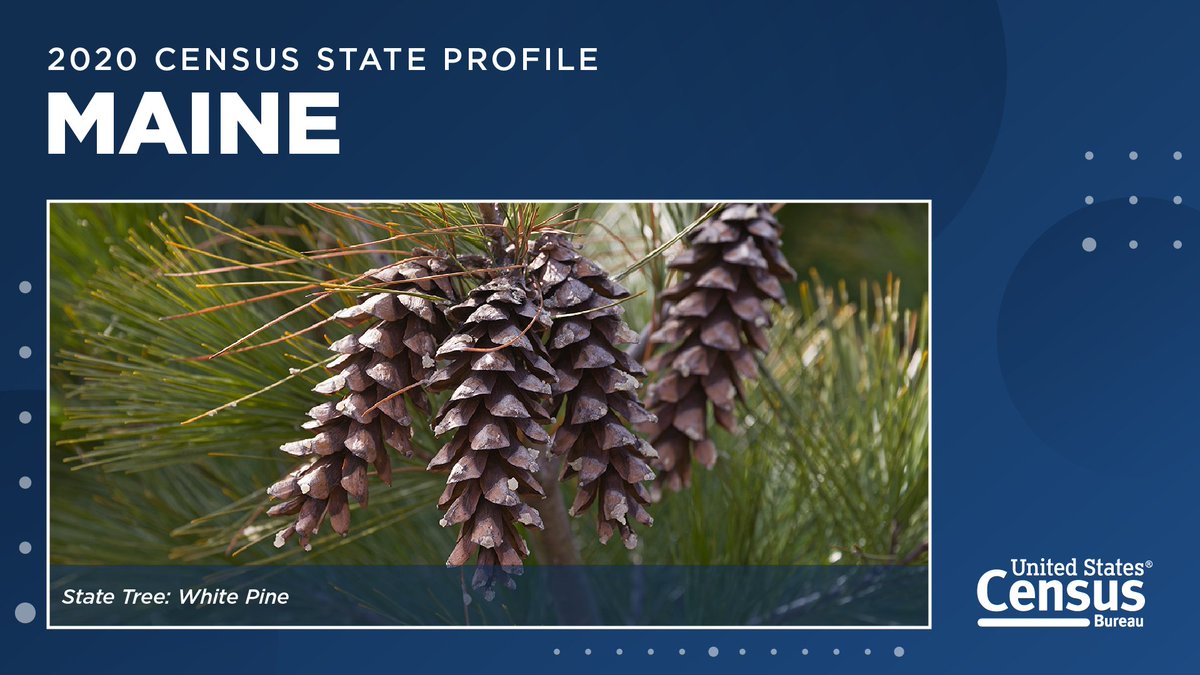
Are you from #Maine?
Today the #PineTreeState is celebrating its 203rd birthday. According to the #2020Census, Maine had a total population of 1,362,359 in 2020.
Explore more #CensusData on Maine by age, sex, race and more: data.census.gov/profile/Main…
4
1,950