DCL Search retweeted

Jun 11
Machine speed requires an evolution in identity infrastructure.
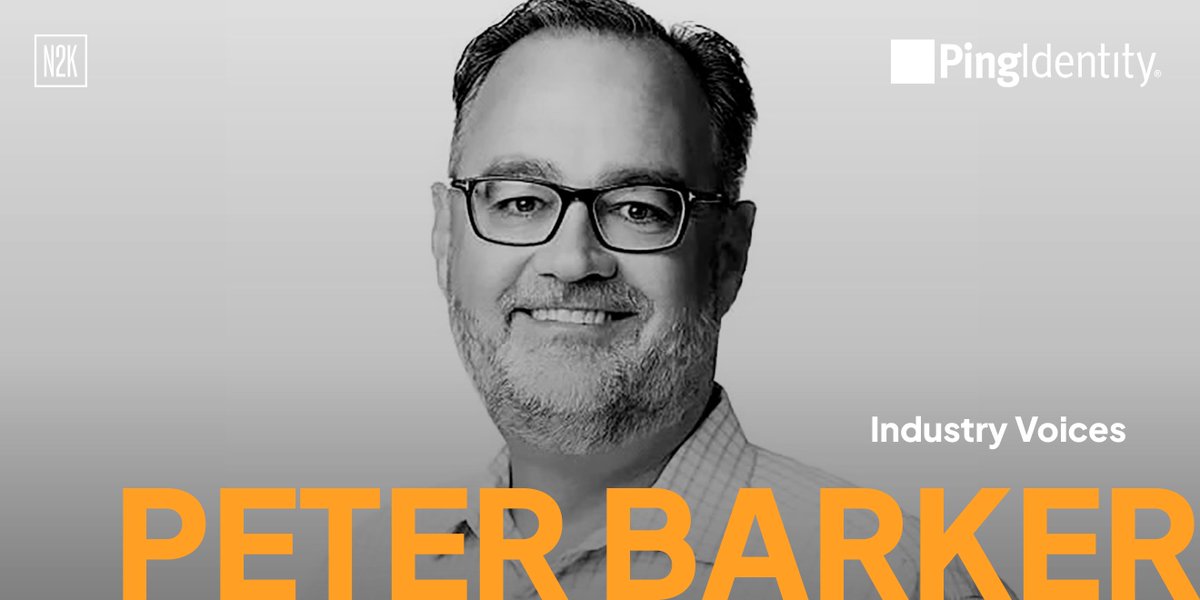
Our CPO Peter Barker breaks down exactly what "headless identity" means for the future of enterprise automation and how Ping is building for it on @thecyberwire Daily.
Worth a listen: ow.ly/p88i30sWrTF
1
105

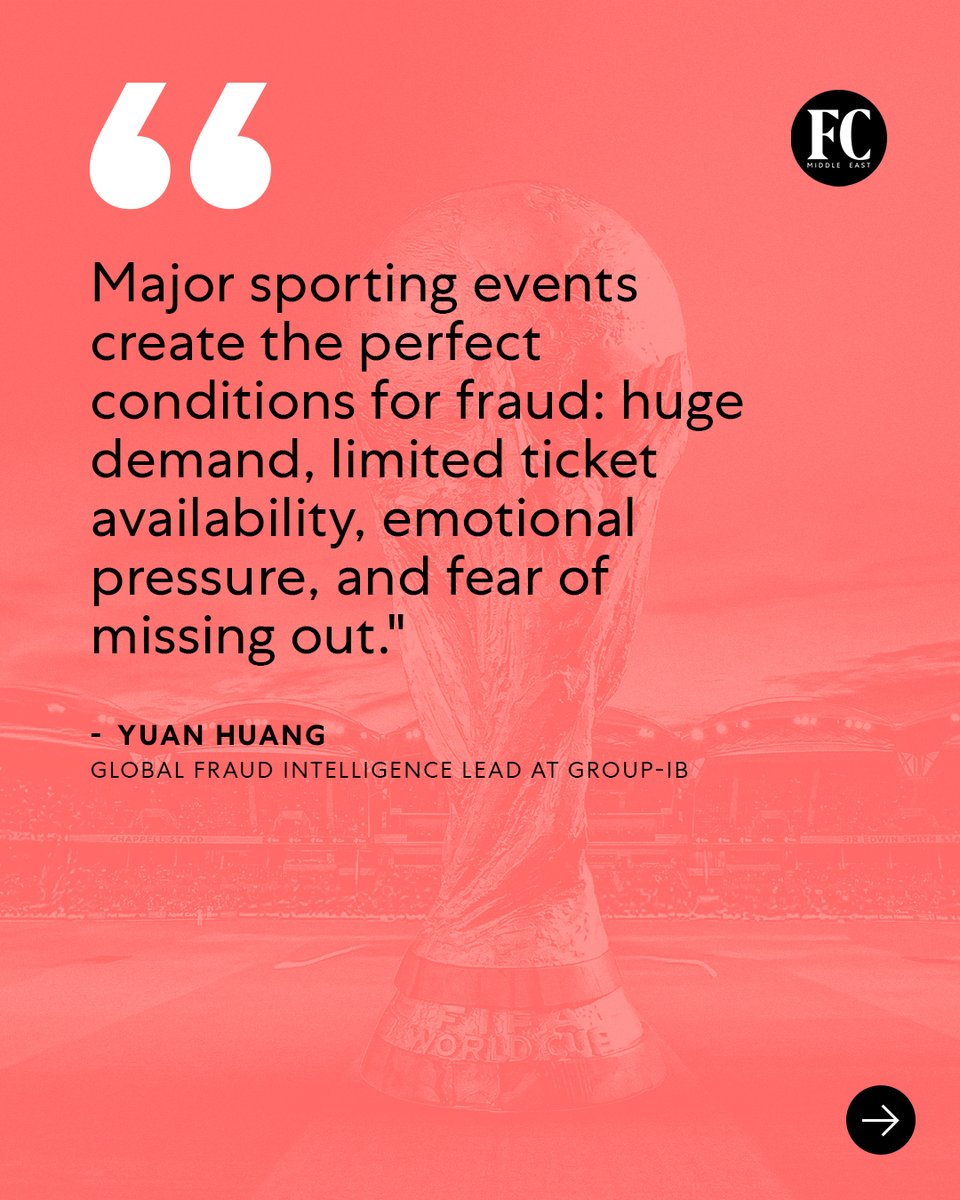
"Criminals exploit this urgency by offering discounted tickets, fake hospitality packages, and time-sensitive deals that push fans to act quickly," says Yuan Huang, Global Fraud Intelligence Lead at @GroupIB.
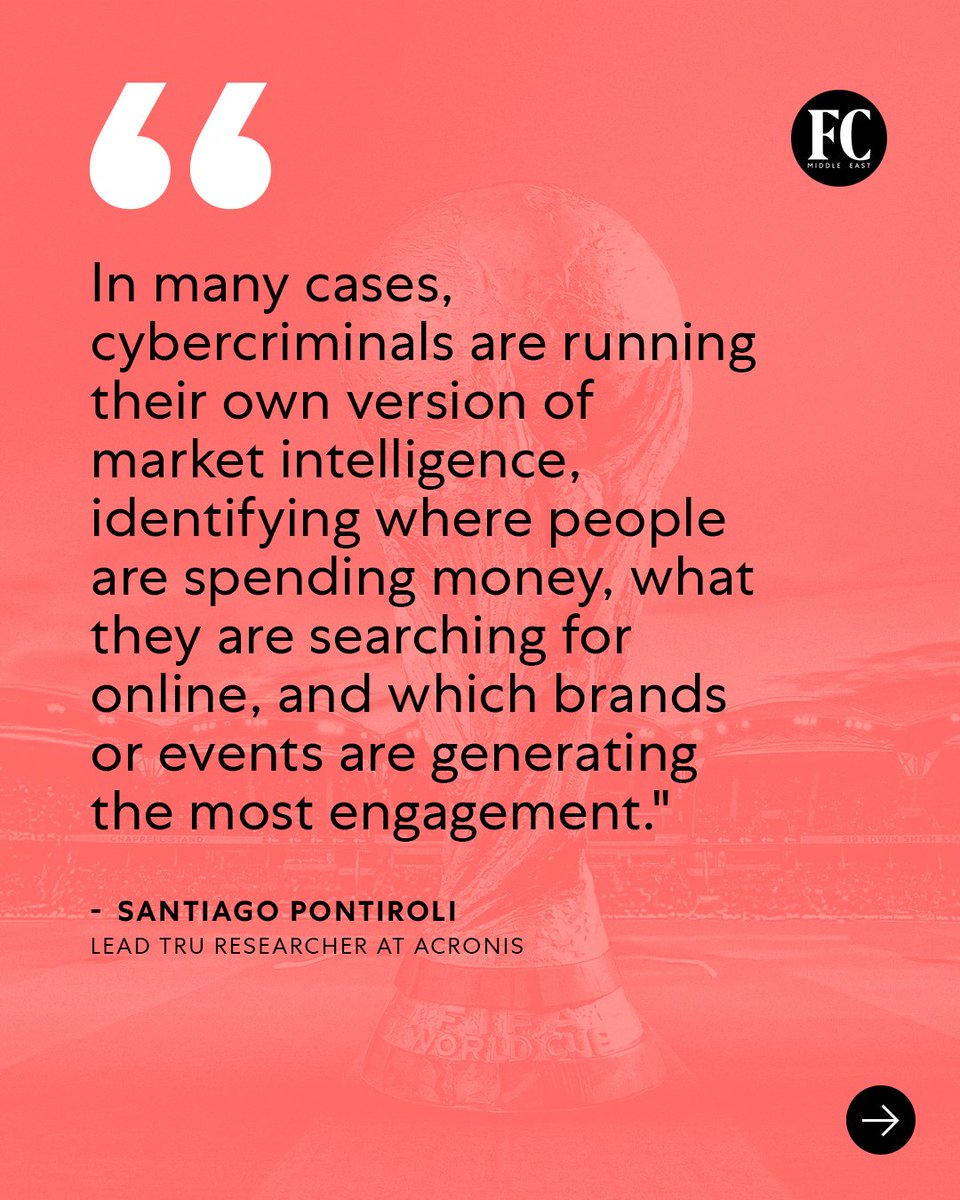
Cybercriminals follow attention the same way marketers do because attention creates opportunity, says Santiago Pontiroli (@spontiroli), Lead TRU Researcher at @Acronis.
The Group-IB investigation found that more than 4,300 fraudulent domains have been registered since August 2025. Group-IB researchers found that:
➤ The operation had effectively recreated FIFA's digital experience, building what investigators describe as a near-perfect clone of FIFA's official website and its PingIdentity single sign-on authentication process
➤ Fraudsters aggressively weaponized Facebook advertising to direct users toward fraudulent ticketing experiences, pairing artificially low prices with urgency-driven messaging
➤ Counterfeit merchandise storefronts targeted football fans across Latin America. Fraudulent travel services preyed on international visitors. Fake streaming platforms promised access to matches while secretly infecting devices with remote access malware
➤ Behind the scenes, infostealer malware families such as Vidar and Lumma harvested credentials that were later traded on underground markets.
1
1
92

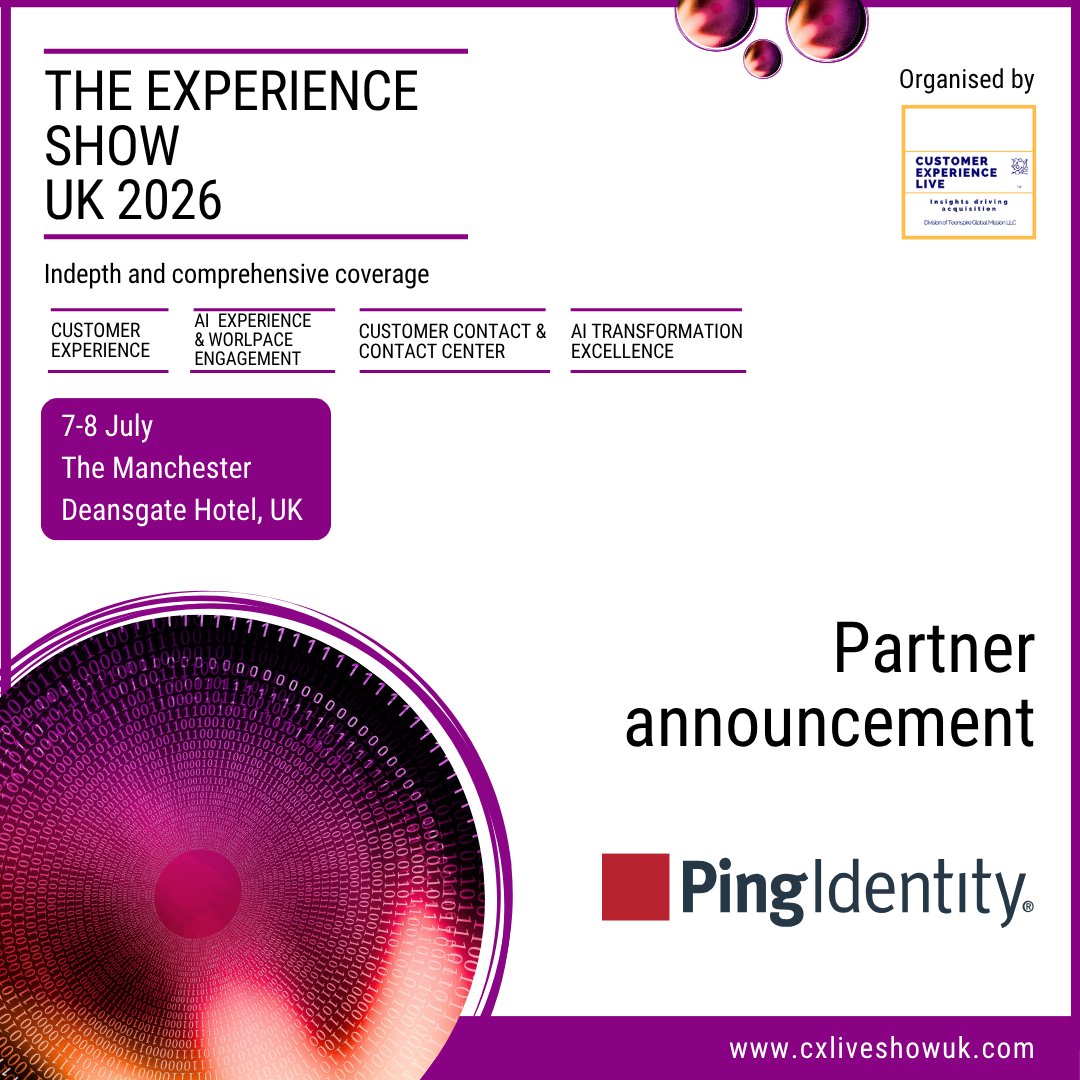
We are excited to welcome @pingidentity as our Partner for The Experience Show UK 2026 on 7-8 July in Manchester.
Register as a group cxliveshowuk.com/
#CXLiveTweets #CXLive #TheExperienceShow #CXLiveShow #PingIdentity
2
RafaPimentel retweeted

Critical IAM Priorities hubs.li/Q04kPj-J0 from @seon_tech @adithyan7 @pingidentity @icerideshare @rafapimentelp @thedougshannon @arangoai @cayosoft @securitywitch and more
2
2
36
DCL Search retweeted
Jun 10
AI agents are powerful, but they shouldn't run wild in your network. 🛑
We’re partnering with @AWS to bring human-grade identity governance to autonomous systems, stopping data exfiltration before it starts.
Matthew Girdharry breaks down the strategy. 👇
#PingPartner
1
1
317
DCL Search retweeted
Jun 10
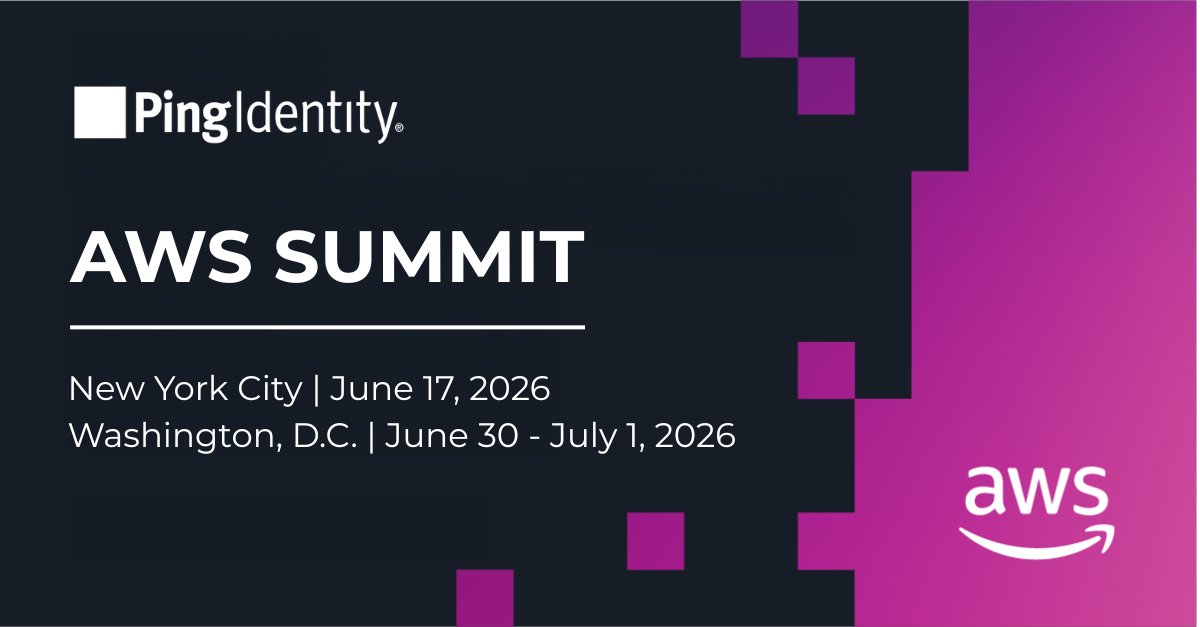
Ready to scale AI without the security anxiety? Connect with our team live at the AWS Summit in NYC and DC to explore our latest identity governance tools.
NYC: ow.ly/wj7L50Z8BI5
DC: ow.ly/WOGO50Z8BI6
1
284

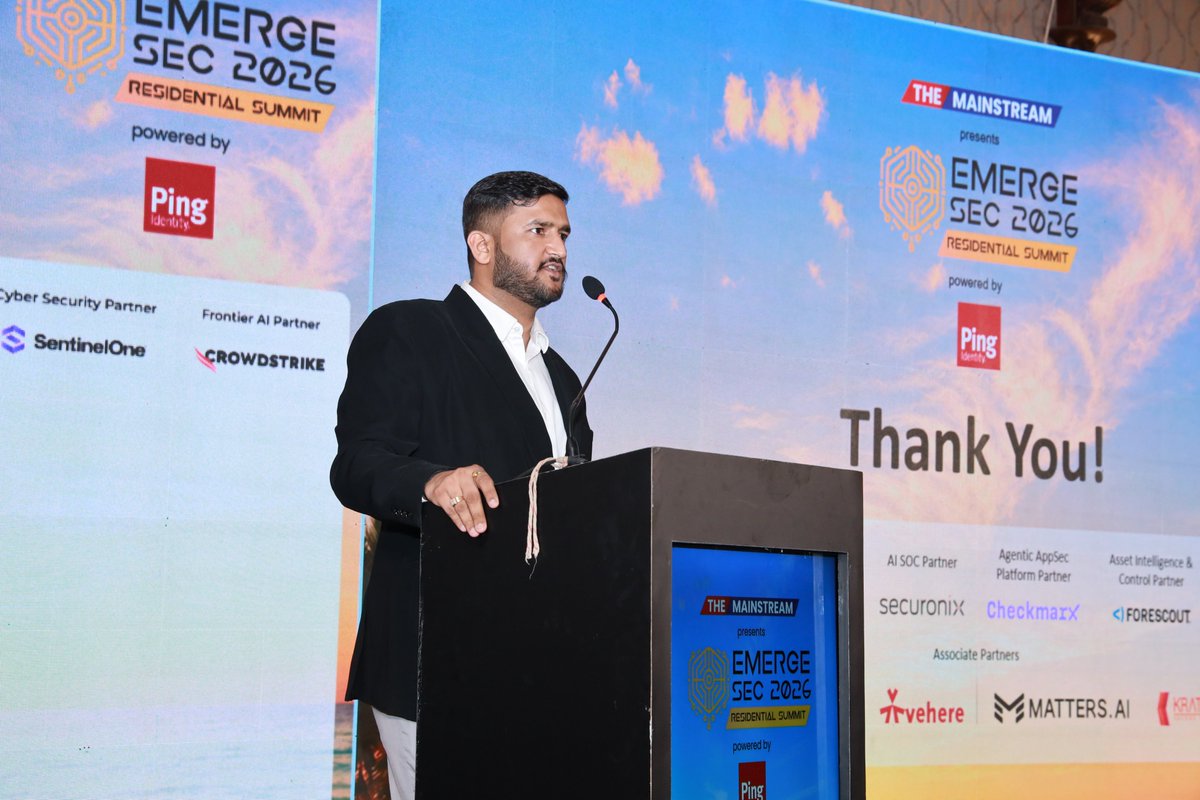
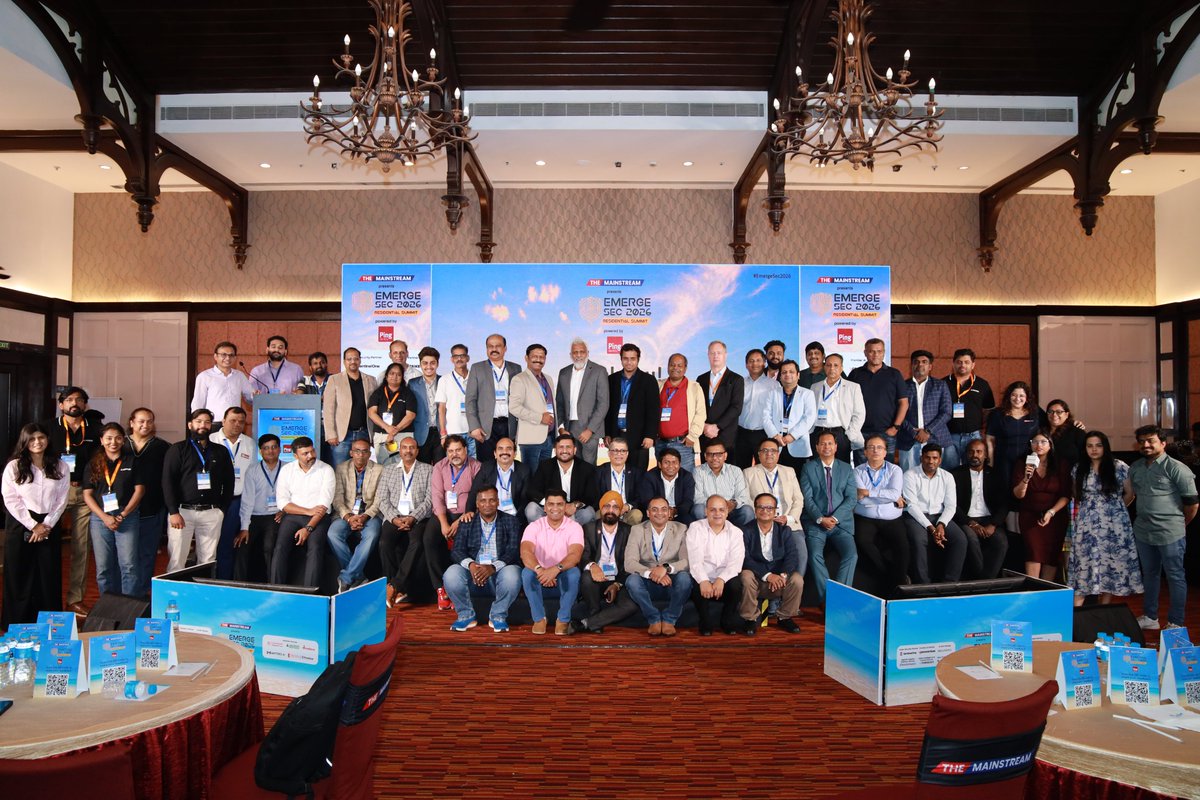
The discussions concluded, but the momentum carried forward.
The #EmergeSec2026 Residential Summit, powered by #PingIdentity and hosted by The Mainstream, came to an end after 3-days of insightful conversations and meaningful industry engagement.
#TheMainstream #Cybersecurity
1
11
Why Consumer AI Agents Need Runtime Security, Not Just Governance hubs.li/Q04kLnsX0 Written by @securestride of @pingidentity
3
1
106
DCL Search retweeted
We are so back. 🔥
#PingYOUniverse 2026 is tackling identity in the AI era. Learn how to govern AI interactions and turn verified trust into a competitive advantage.
Secure your spot: ow.ly/UvUn50Z929u
📍 Sydney | Austin | London | Amsterdam
1
81
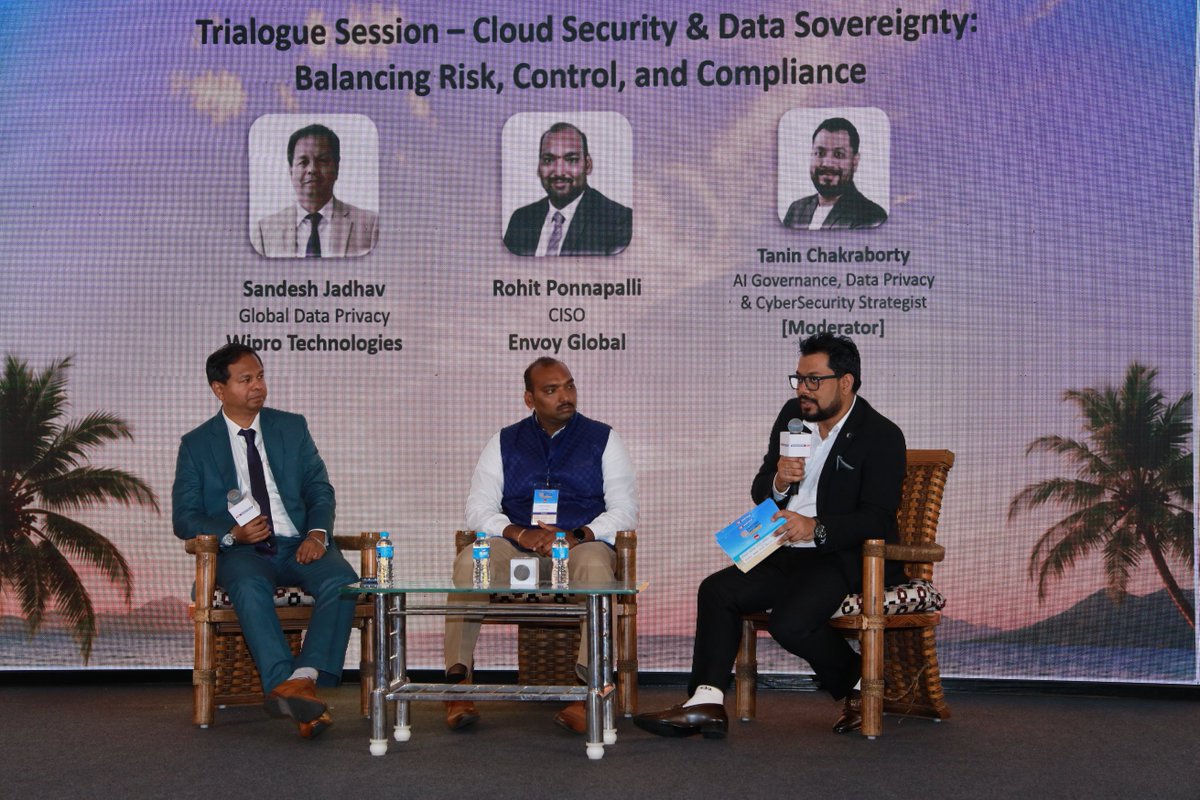
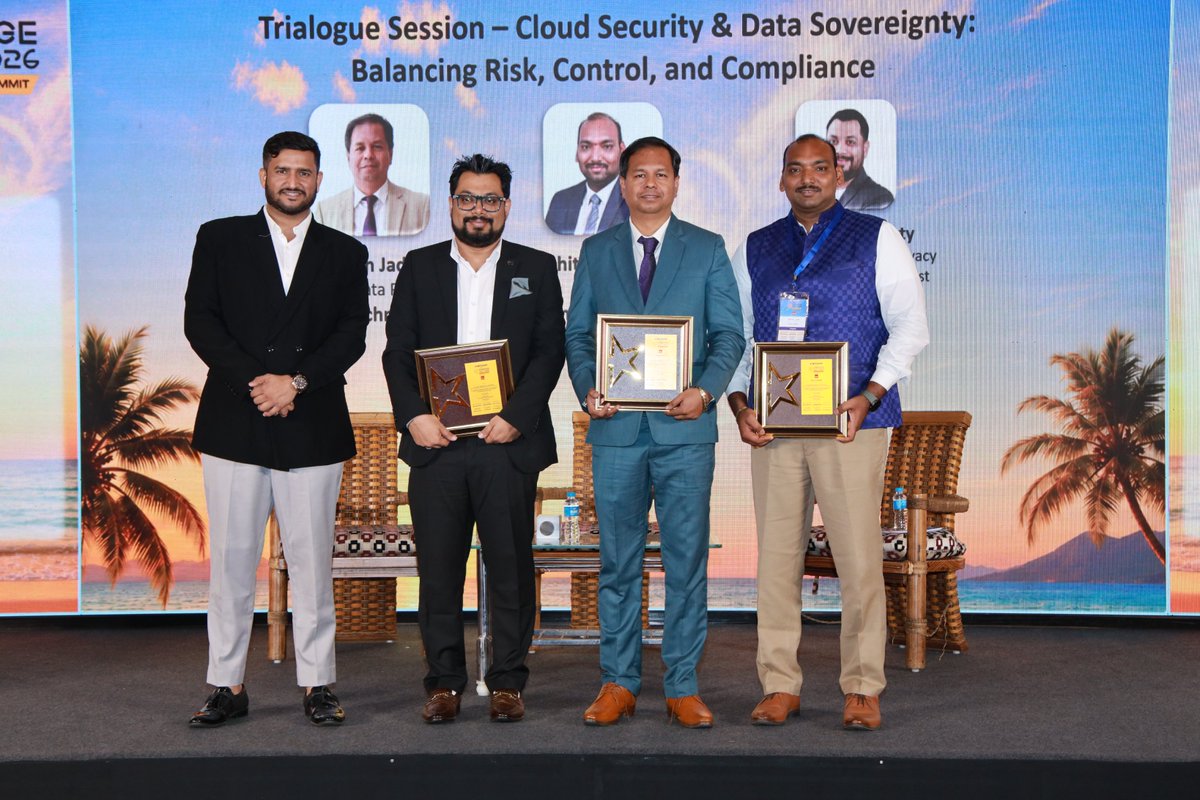
The Trialogue Session, "Cloud Security & Data Sovereignty: Balancing Risk, Control and Compliance".
Explore More: themainstream.co.in/events/
#TheMainstream #EmergeSec2026 #PingIdentity #CloudSecurity #DataSovereignty #CyberResilience #DataPrivacy #EnterpriseSecurity
5
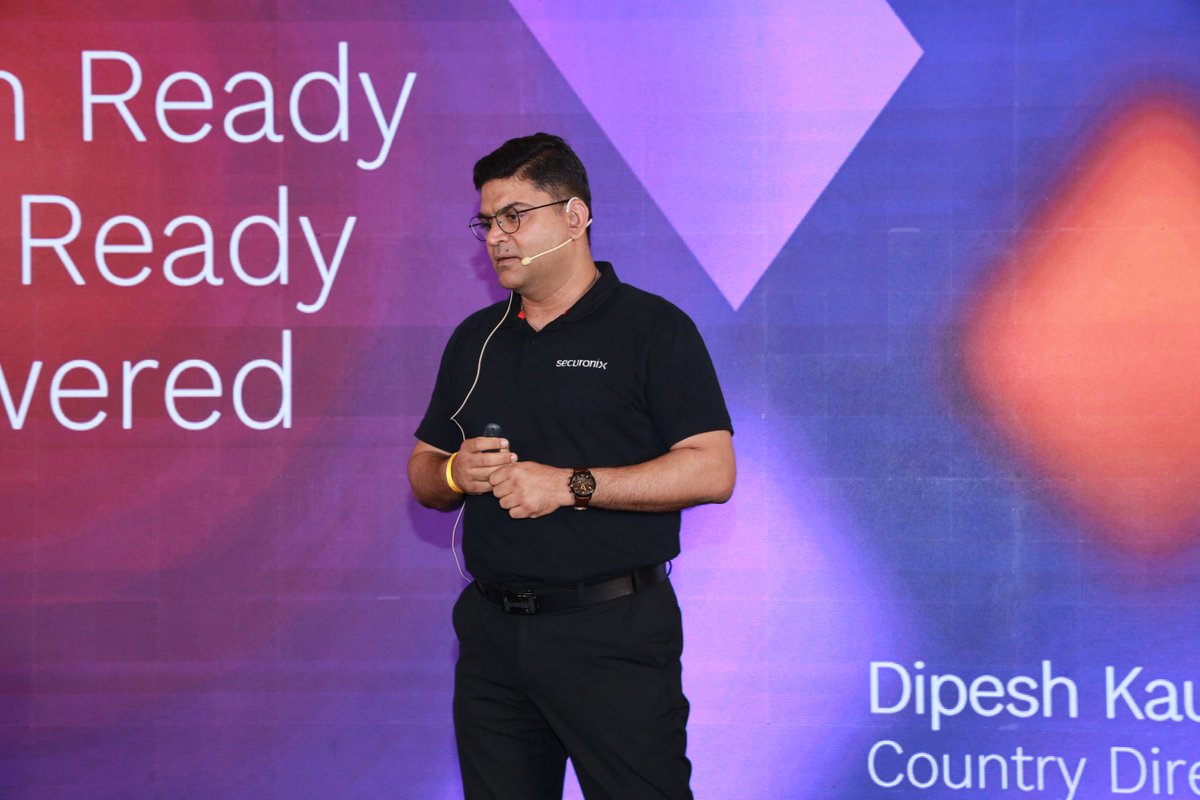
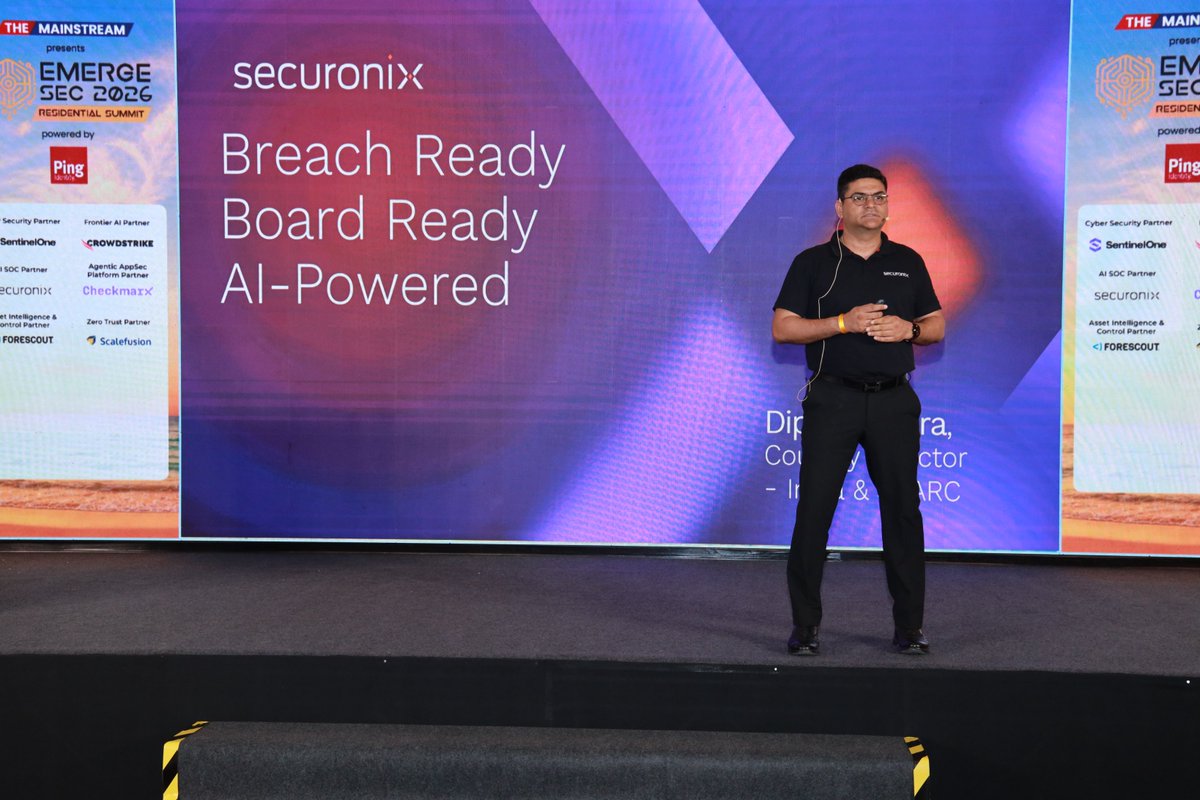
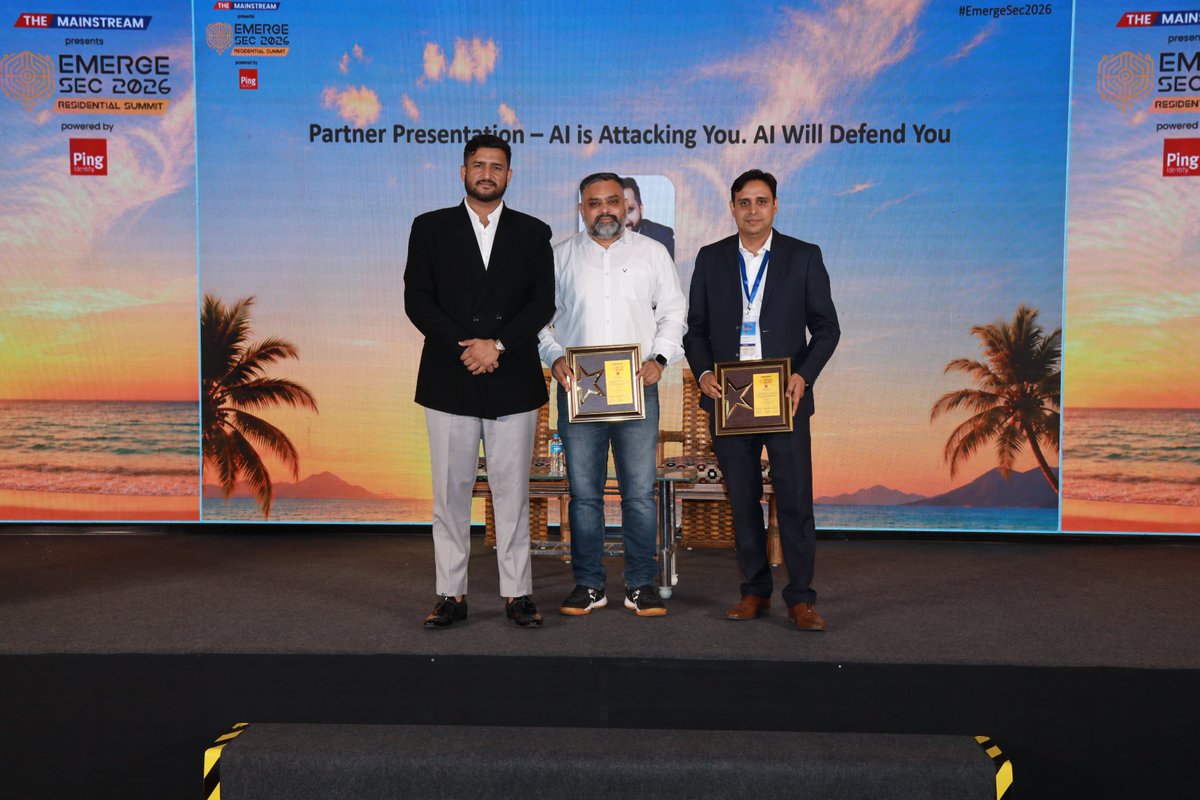
In his presentation, Dipesh Kaura, Country Director - India & SAARC, Securonix, explored "From Breach Ready to Board Ready: Building the AI-Powered Security Operations Center."
Explore More: themainstream.co.in/events/
#TheMainstream #EmergeSec2026 #PingIdentity #Securonix
10
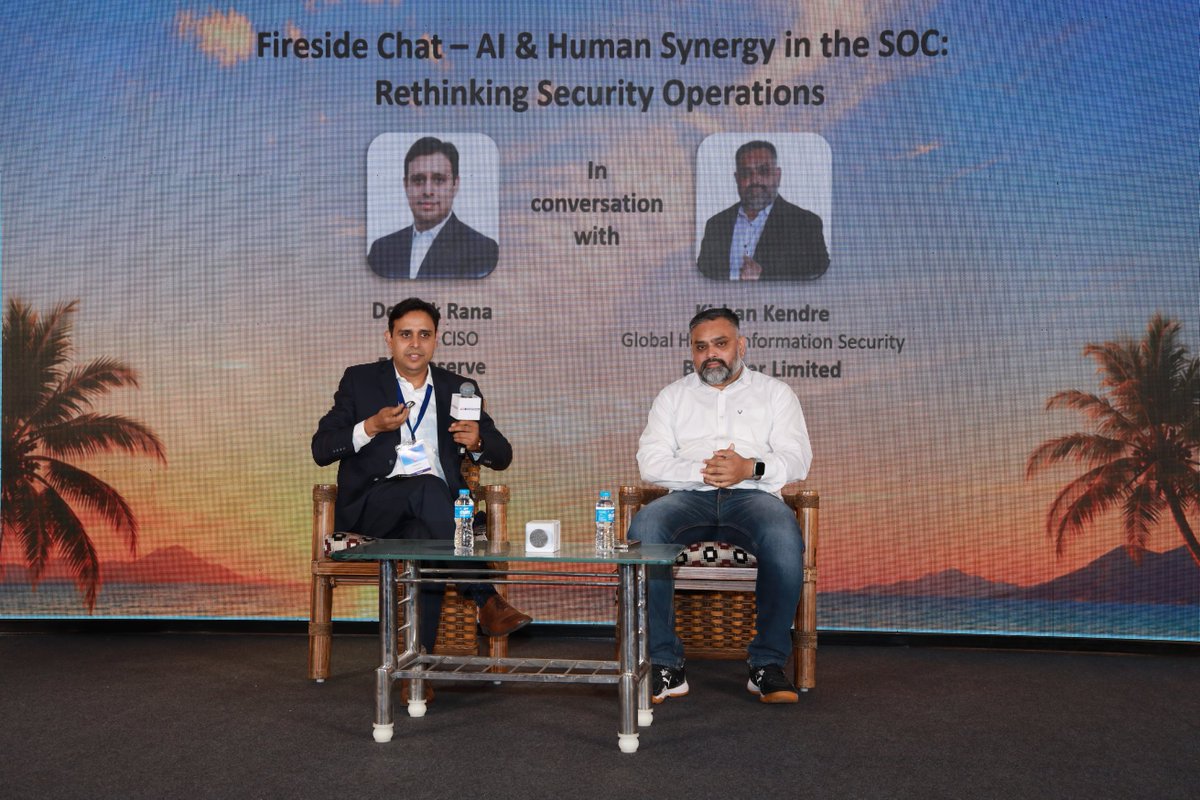
The fireside chat, "AI & Human Synergy in the SOC: Rethinking Security Operations", provided meaningful context on the future of security operations in an AI-driven world.
Explore More: themainstream.co.in/events/
#TheMainstream #EmergeSec2026 #PingIdentity #AISecurity
7
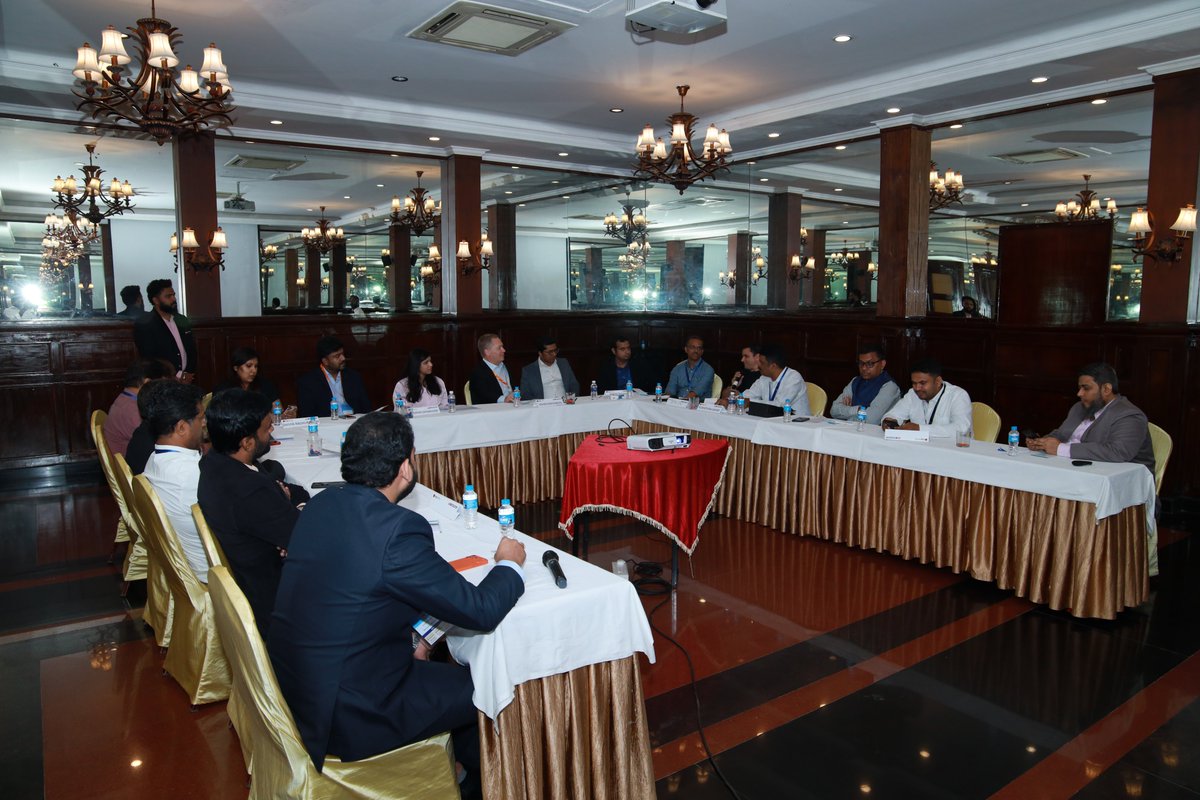
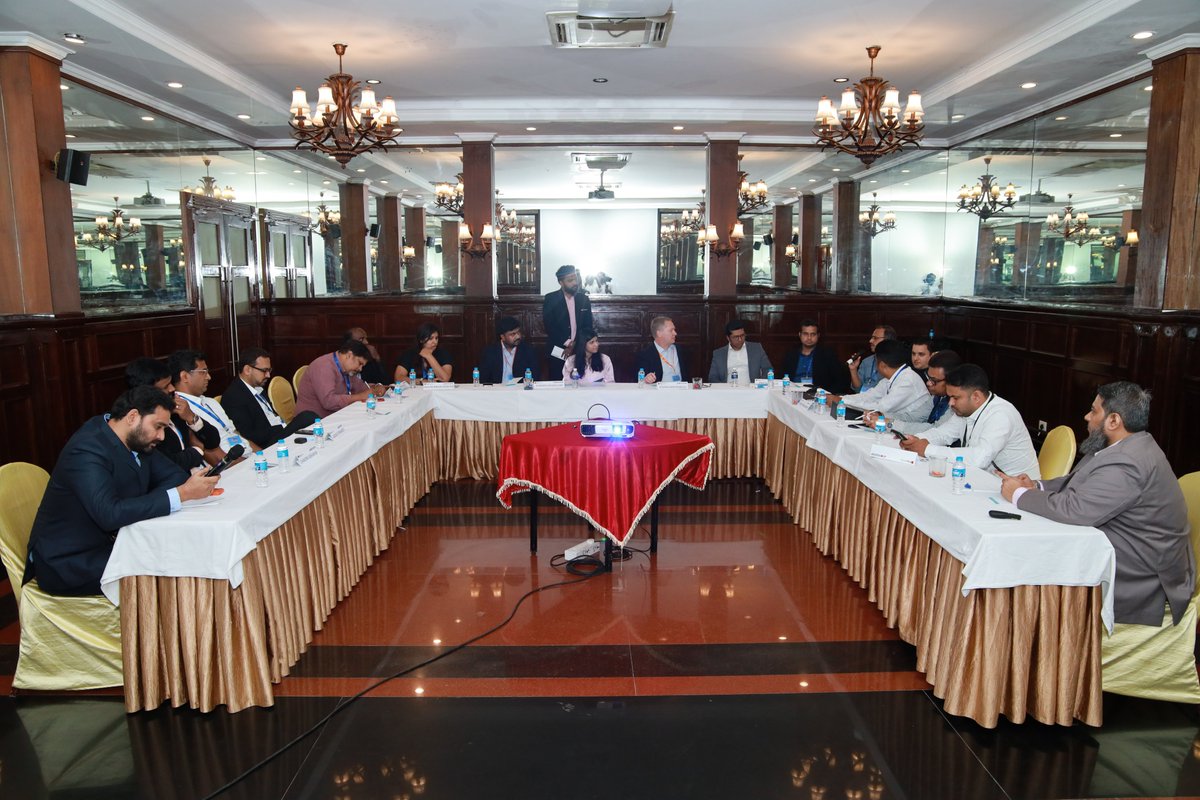
The Ping Identity Parallel Roundtable brought together CISOs & cybersecurity leaders for an in-depth discussion on "Governing AI, Identity and Zero Trust in the Intelligent Enterprise."
Explore More: themainstream.co.in/events/
#TheMainstream #EmergeSec2026 #PingIdentity
9
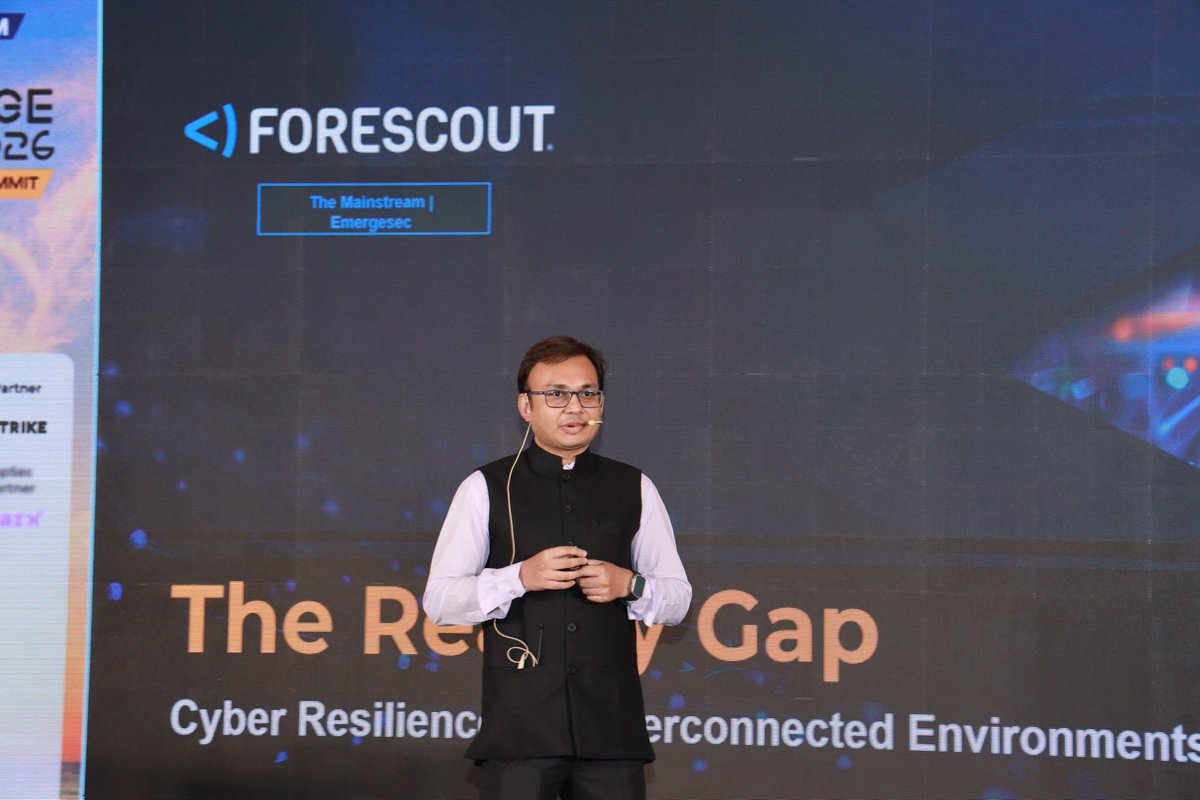
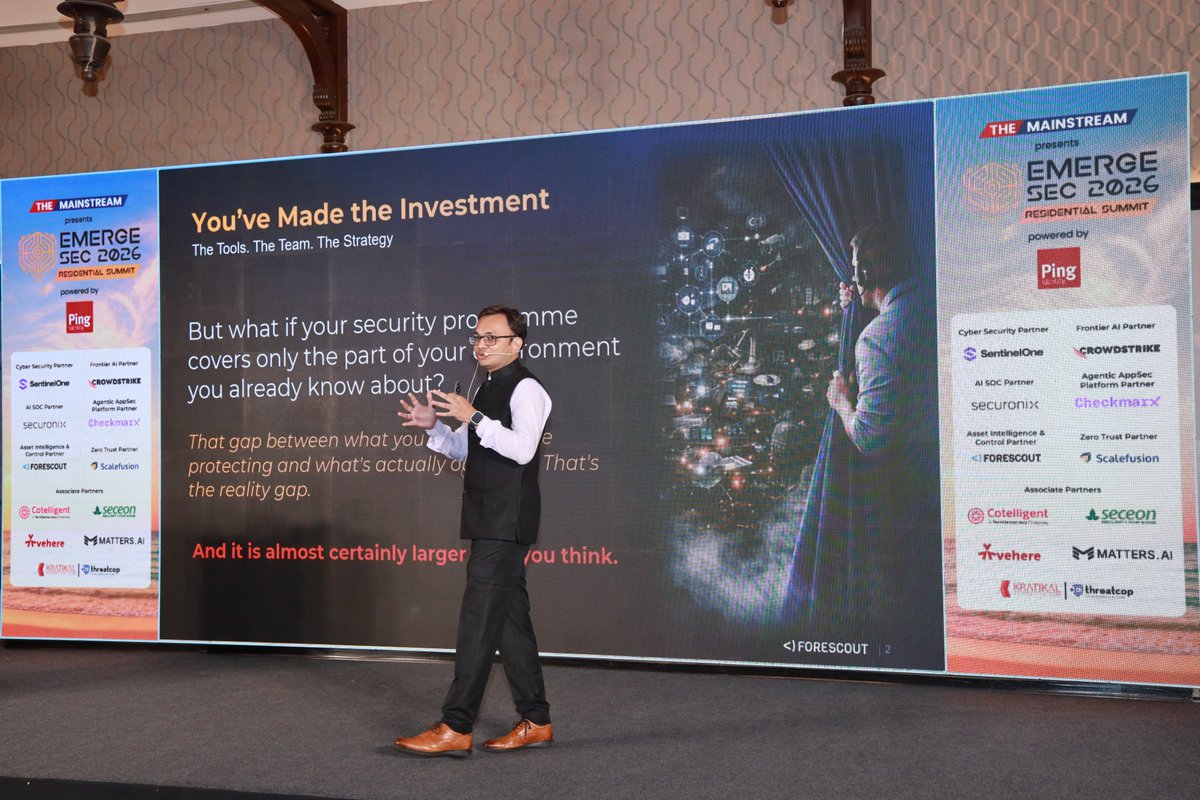
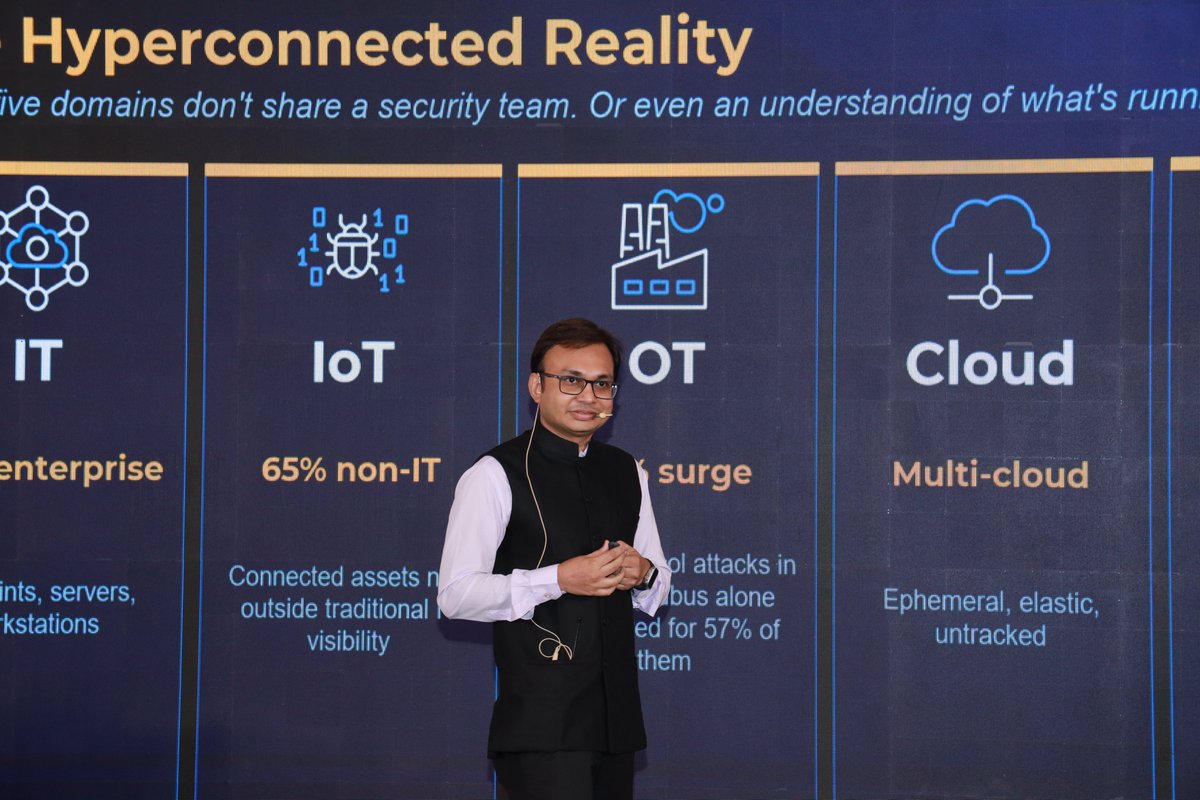
An inspiring presentation, "The Reality Gap: Cyber Resilience in Hyperconnected Environments", shed light on the growing challenges organizations face as digital ecosystems become fundamentally interconnected and complex.
#TheMainstream #EmergeSec2026 #PingIdentity
5
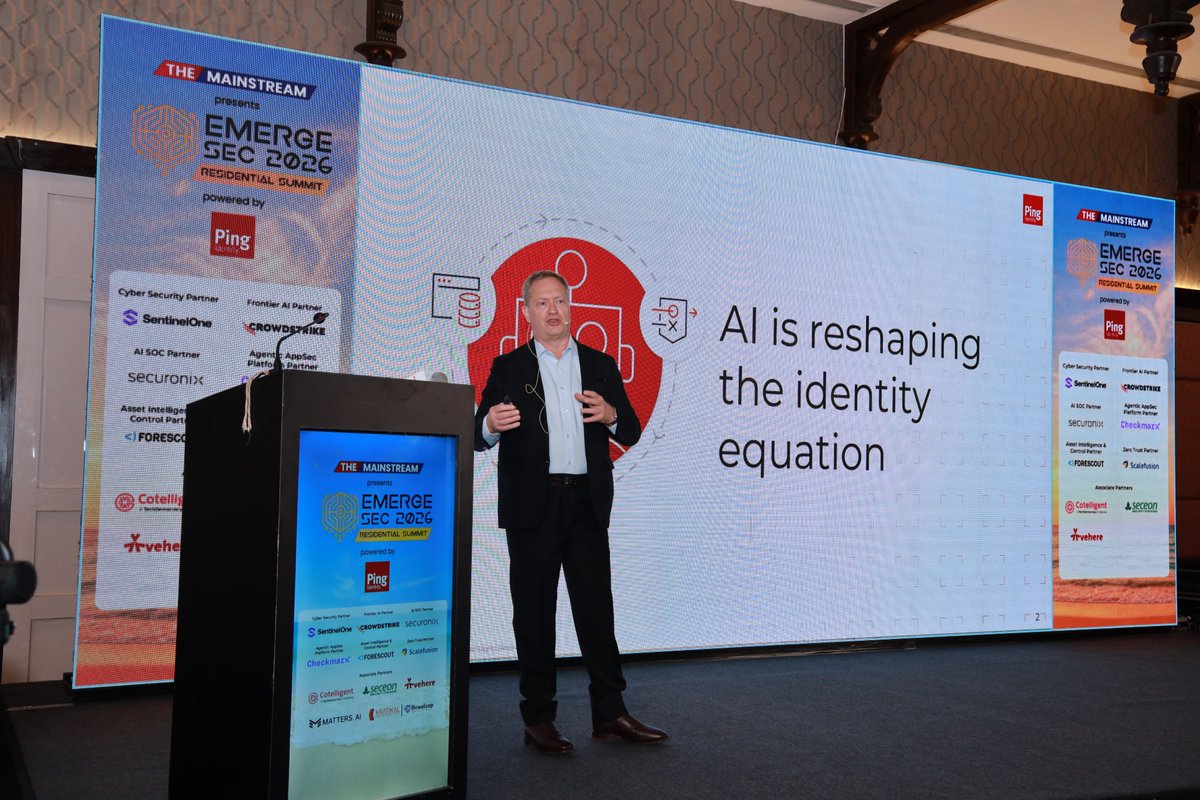
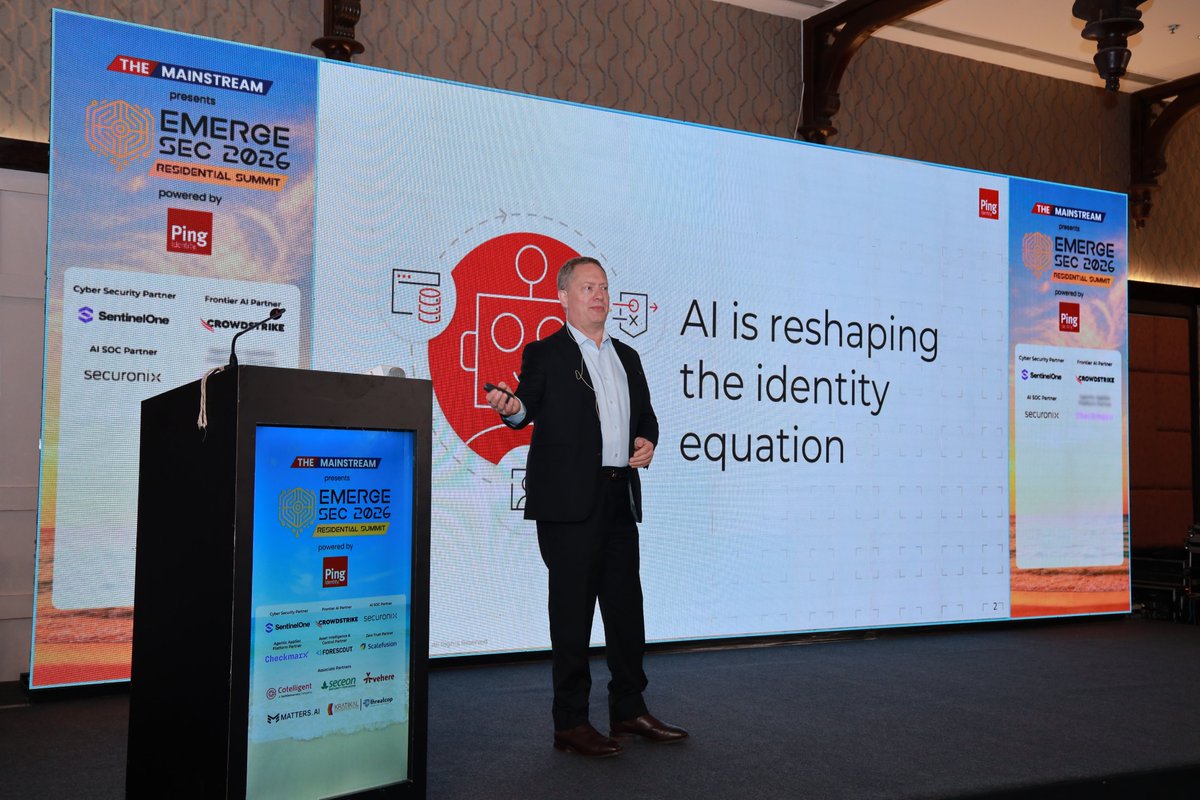
The presentation, "Identity in the Age of AI: Governing Machine-Scale Risk and Making Zero Trust Real", provided key takeaways into the evolving role of identity security in an AI-powered world.
Explore More: themainstream.co.in/events/
#TheMainstream #EmergeSec2026 #PingIdentity
8
DCL Search retweeted
Rogue AI: How To Strengthen Governance And Reduce Risk hubs.li/Q04j_B190 from @dtex_ai @pingidentity @aras_plm @ciso_dan @iqvia_global and more
2
130
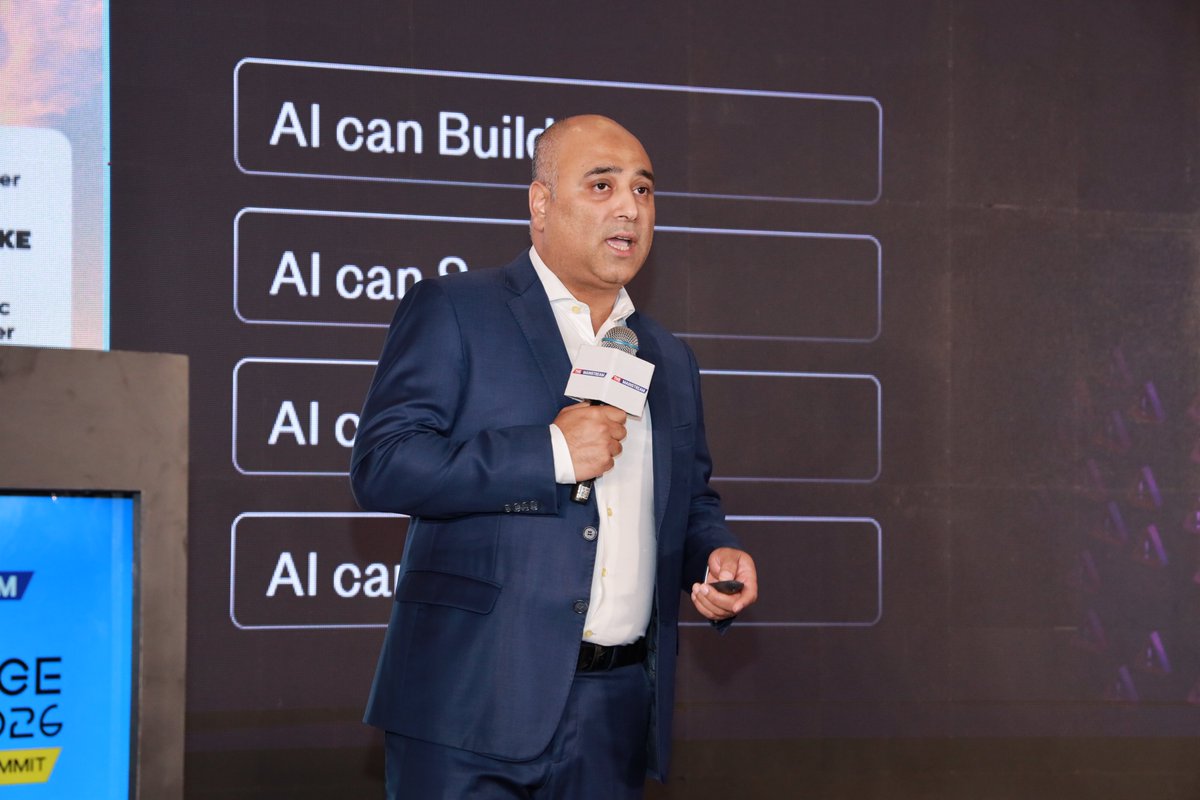
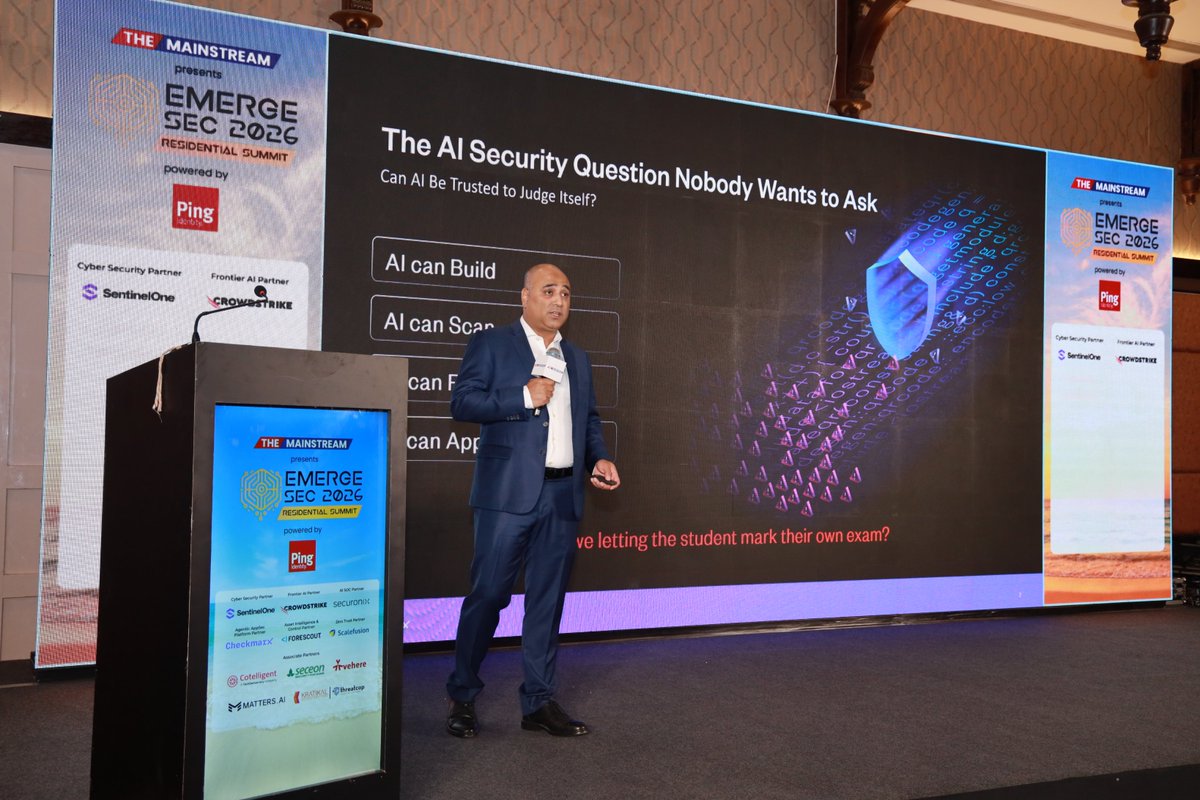
The partner presentation, "Who Secures the Code That AI Wrote."
Shabir Bhat, Checkmarx, shared perspectives on addressing emerging vulnerabilities & strengthening application security.
Explore More: themainstream.co.in/events/
#TheMainstream #EmergeSec2026 #PingIdentity
13
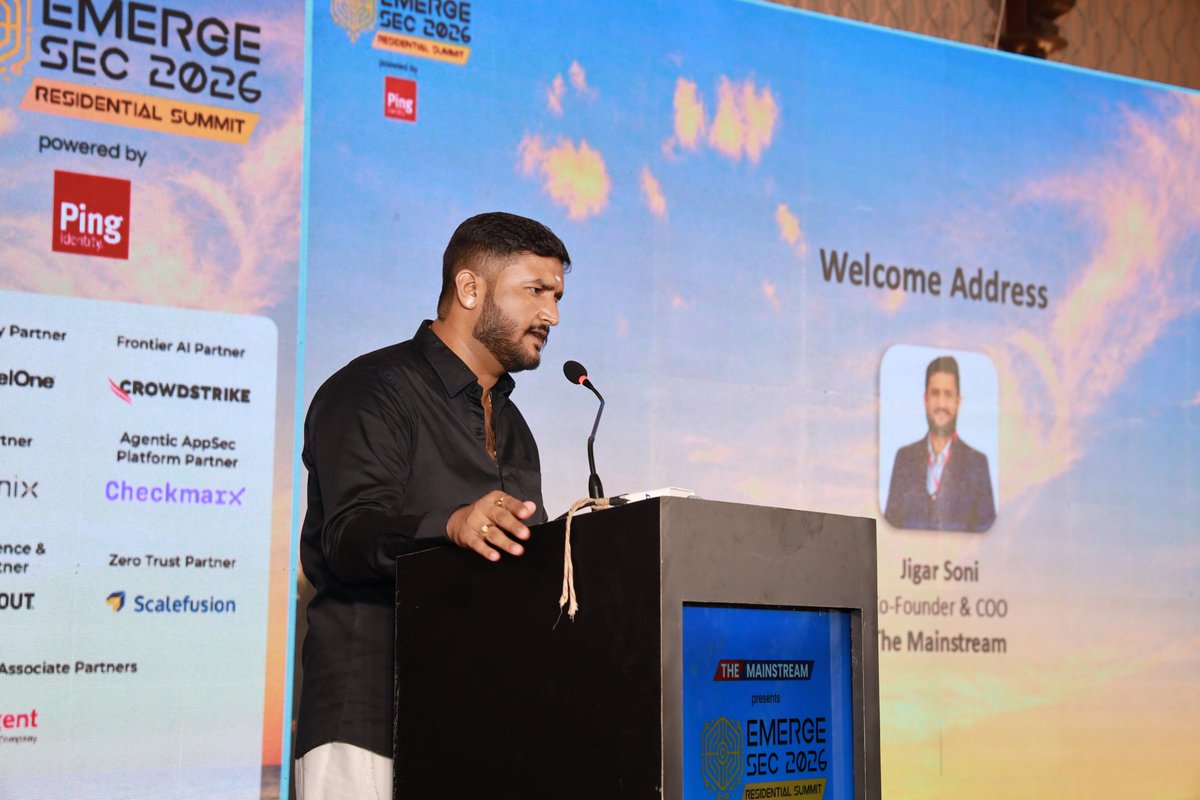
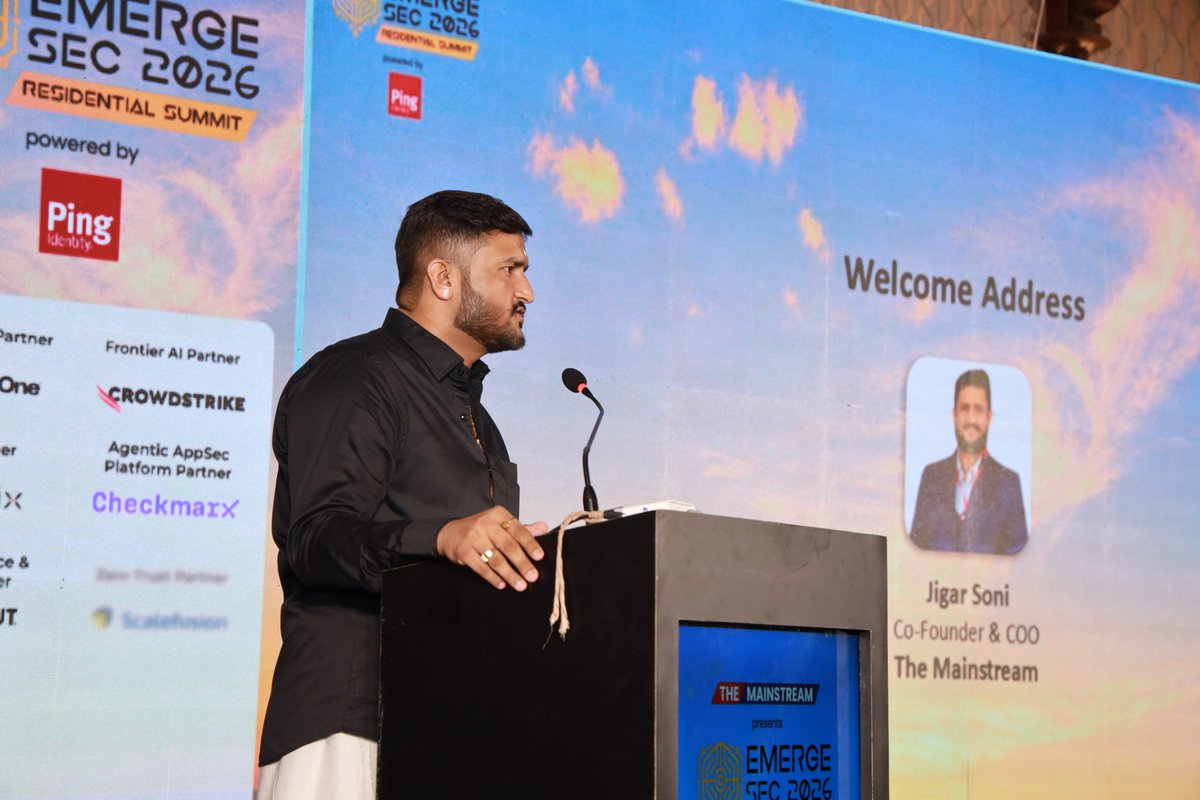
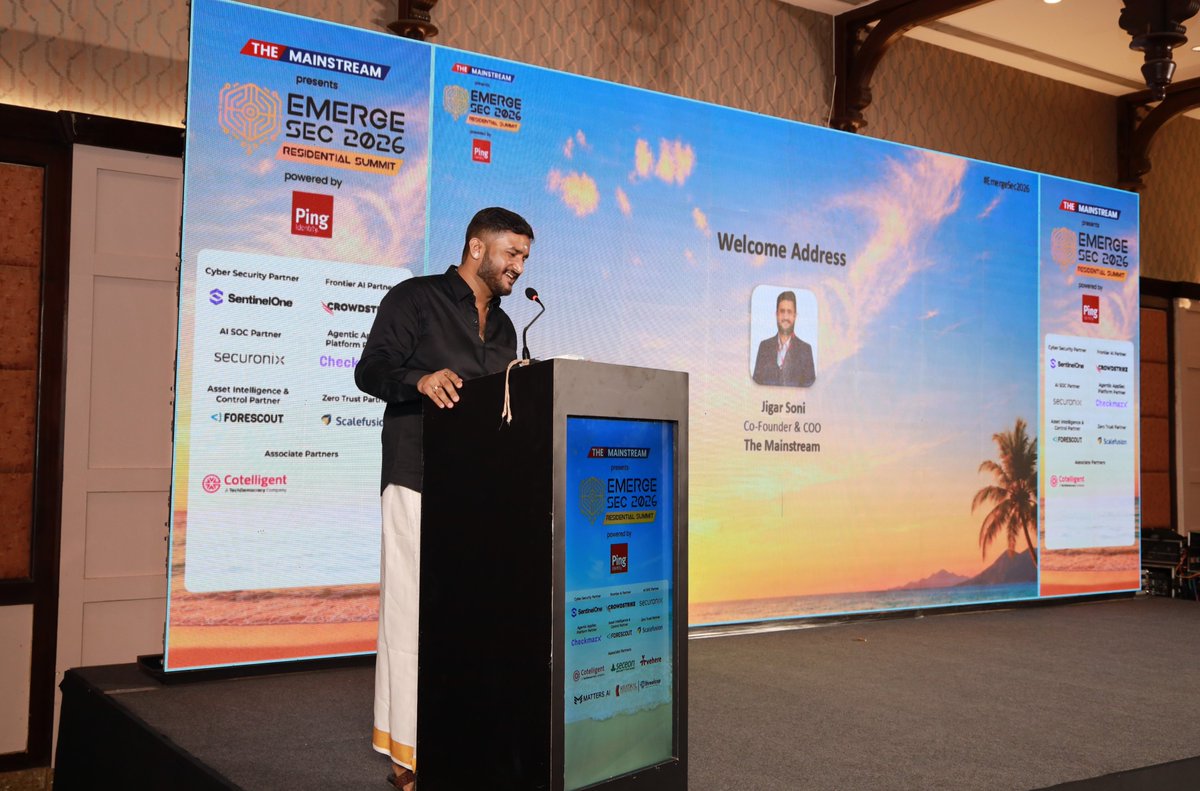
The event officially commenced with an inspiring Welcome Address by Jigar Soni, Co-Founder & COO at The Mainstream.
Explore More: themainstream.co.in/events/
#TheMainstream #EmergeSec2026 #PingIdentity #CyberLeadership #CyberResilience #EnterpriseSecurity #DigitalTrust
13