
Jan 21
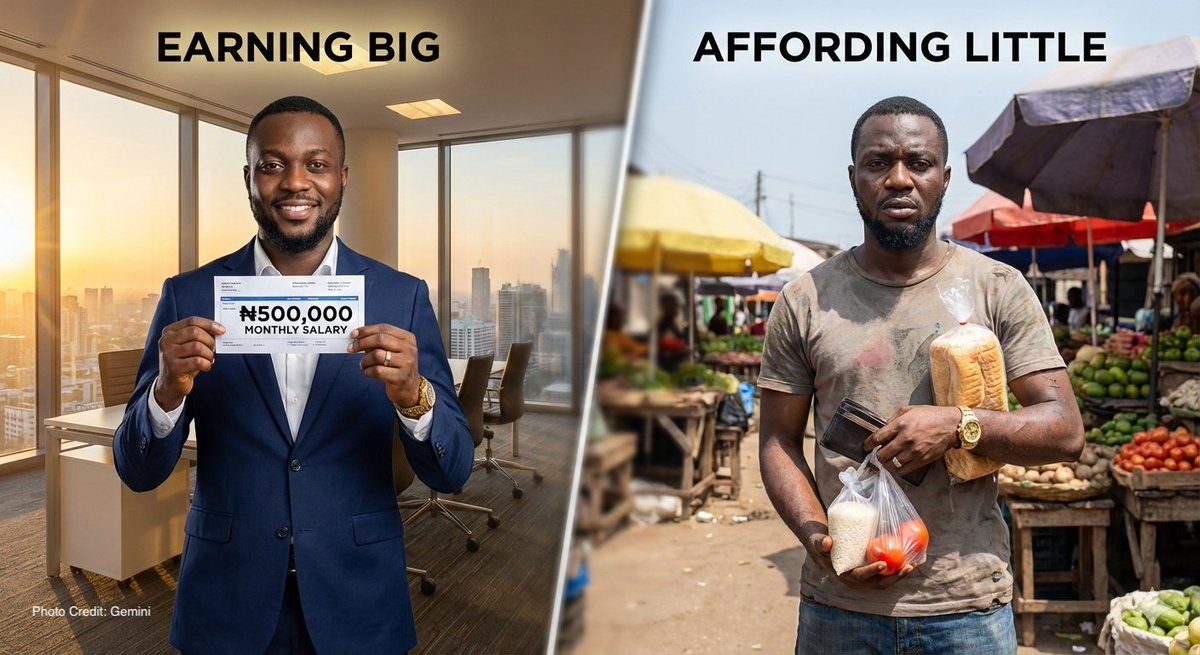
Does Nigeria feel cheap or expensive currently?
#ICYMI: As of mid-2025, Nigeria's cost of living index stood at 25.7, ranking it among the cheapest countries in Africa. Yet its local purchasing power index was just 10.1—the lowest of the 24 countries reviewed.
Published in August, Dataphyte’s analysis shows that low cost of living does not equal affordability. Without stronger purchasing power, "cheap" offers little relief as real incomes continue to shrink.
ICYMI, read the full article here: dataphyte.com/issue/pocket-s…
Join the conversation in the comments.
#PocketScience #CostLiving #Income
1
3
125
Jan 6
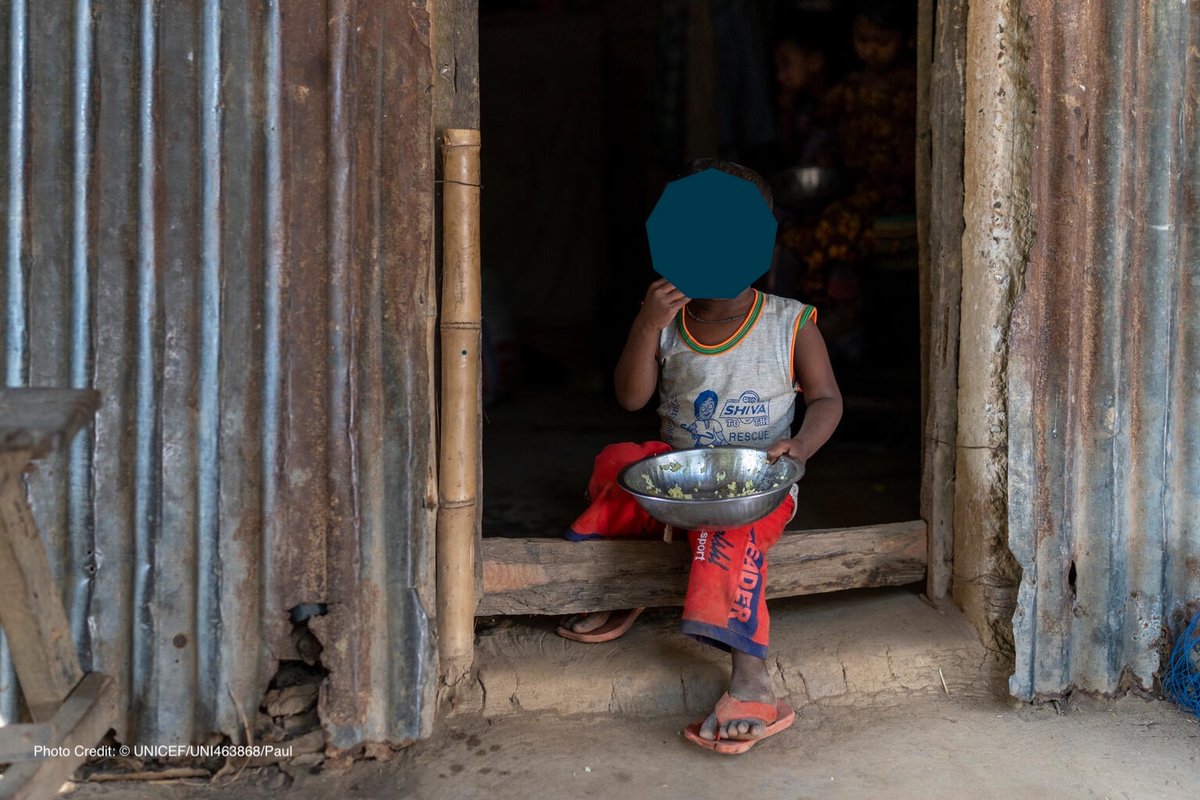
Children are most likely to be affected by poverty in Nigeria and are more than twice as likely as adults to live in extreme poverty. As of 2025, 33.8% of children in Nigeria are stunted, 11.6% are wasted, and 1 in 10 does not survive to age five.
These are not short-term shocks, but signs of long-term nutritional deprivation.
Read more: dataphyte.com/issue/pocket-s…
#PocketScience
2
122
19 Dec 2025
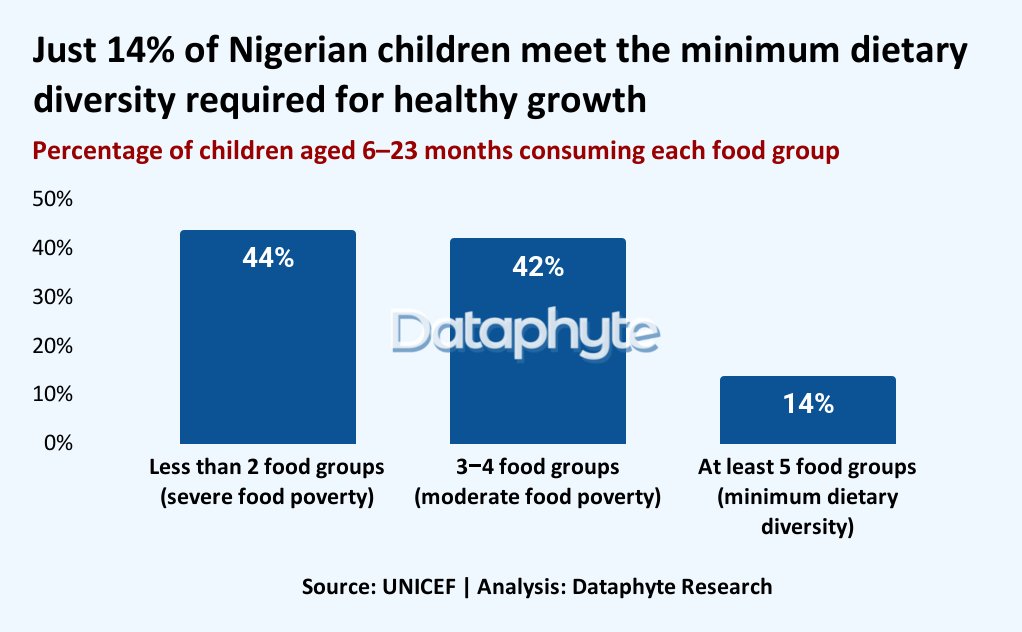
Only 14% of Nigerian children meet the minimum dietary diversity, while 86% lack the food variety needed for healthy growth and learning. Many are eating enough calories, but not enough nutrients, thereby leading to malnutrition.
Read more: dataphyte.com/issue/pocket-s…
#PocketScience #ChildNutrition #FoodSecurity
@UNICEF_Nigeria @NBS_Nigeria @NigeriaGov
2
2
108
18 Dec 2025
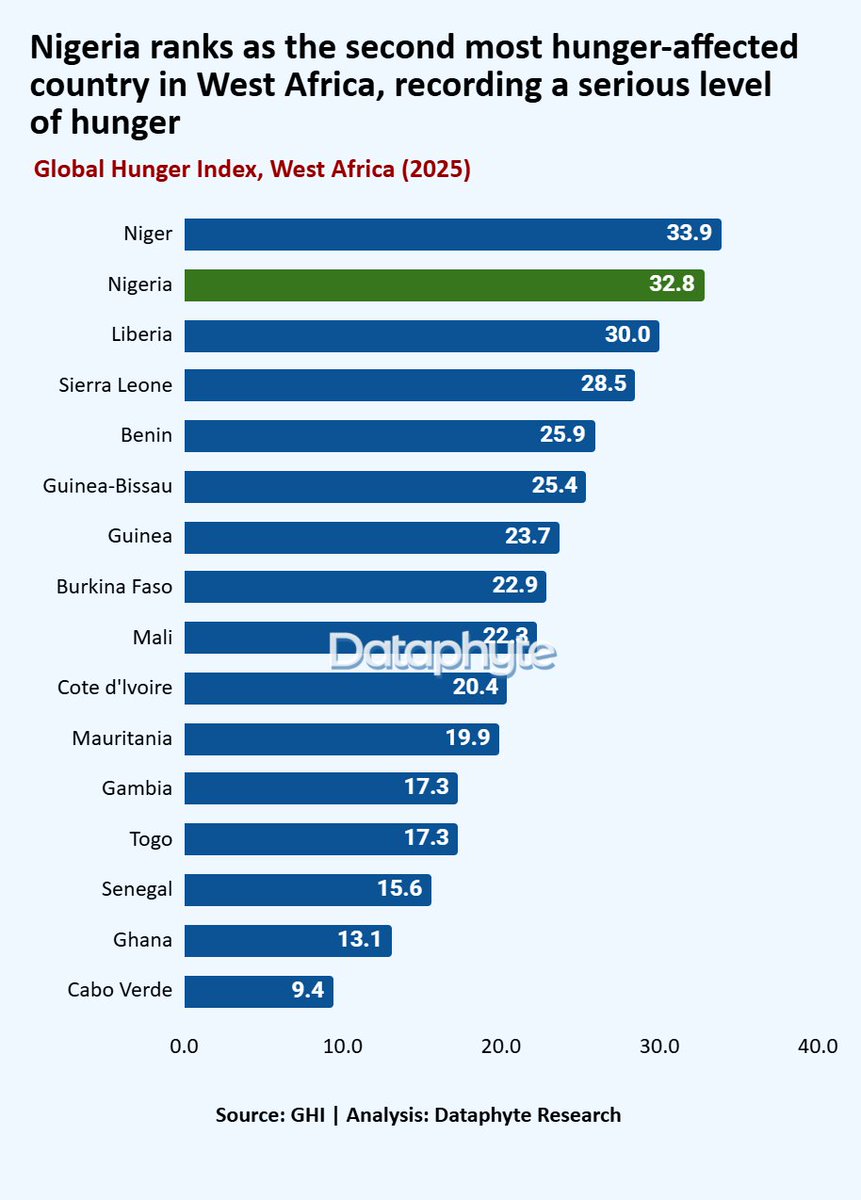
In West Africa, Nigeria ranks as the second most hunger-affected country, with a Global Hunger Index (GHI) score of 32.8, surpassed only by Niger, which recorded a score of 33.9.
Read more: dataphyte.com/issue/pocket-s…
#PocketScience #ChildNutrition #FoodSecurity
@UNICEF_Nigeria @NBS_Nigeria @NigeriaGov
3
92
18 Dec 2025
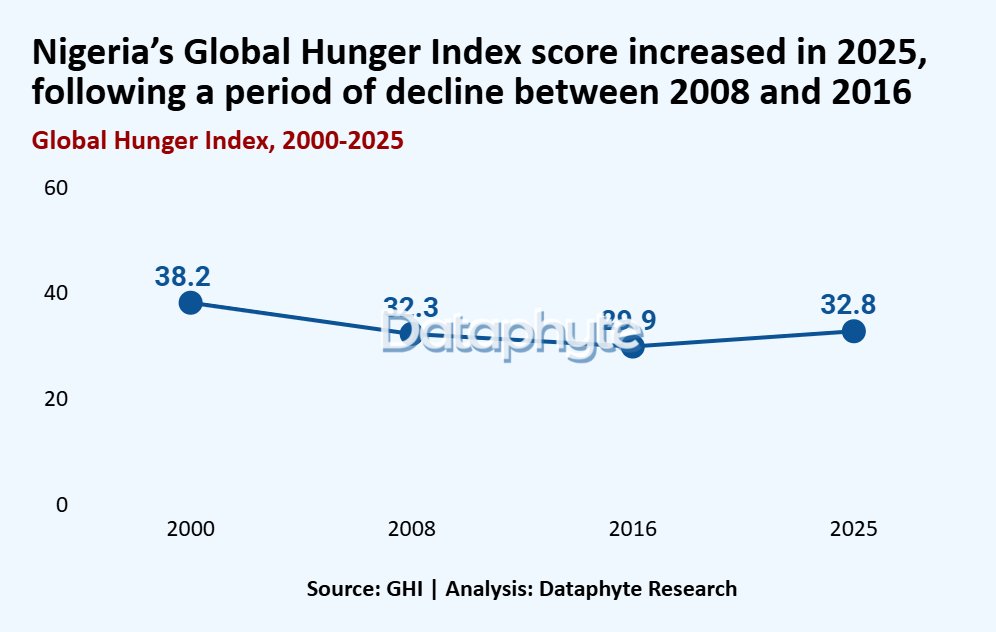
Hunger in Nigeria is sliding backwards. The 2025 Global Hunger Index ranks Nigeria 115th of 123 countries, with a “serious” score of 32.8, nearly as severe as levels recorded two decades ago.
Read more: dataphyte.com/issue/pocket-s…
#PocketScience #ChildNutrition #FoodSecurity
@UNICEF_Nigeria @NBS_Nigeria @NigeriaGov
1
2
86
4 Nov 2025
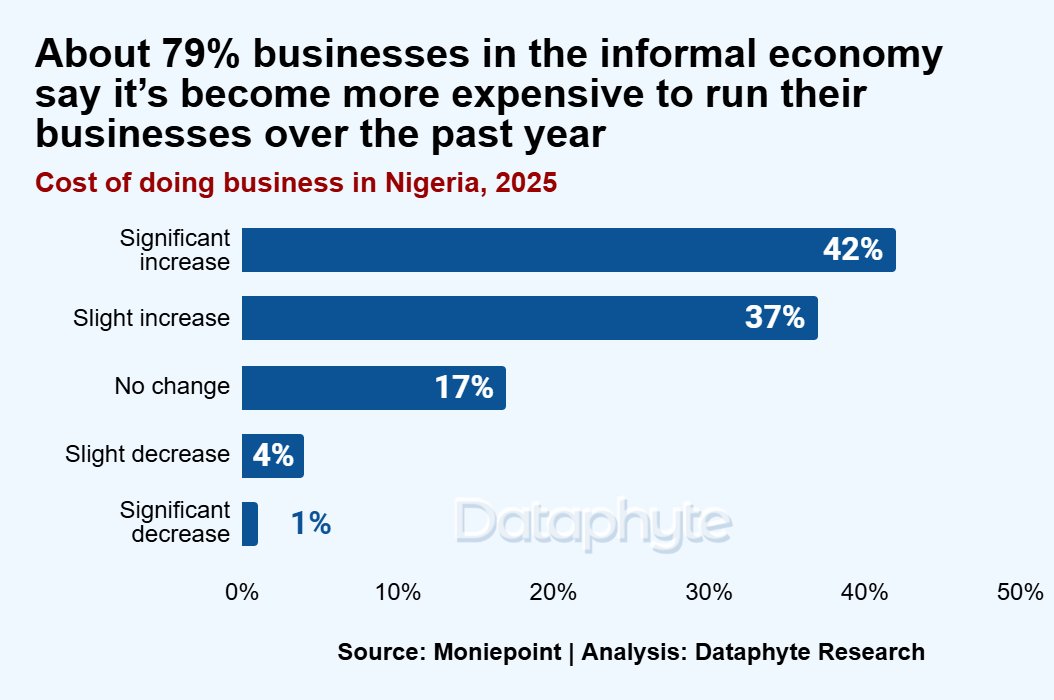
Nearly 8 in 10 informal business owners in Nigeria say their operating costs have surged in the past year.
From transport to supplier prices, rising expenses are squeezing already thin margins, leaving millions of traders and service providers earning more but keeping less.
Read more: dataphyte.com/issue/pocket-s…
#NigeriaEconomy #SmallBusiness #PocketScience
@cenbank @NigeriaGov @TradeInvestNG
1
3
125

28 Oct 2025
The results are in - Congratulations Winners🎉!
Huge thanks to everyone who participated and shared their hacks with #PocketScienceByWoohoo!
Smart savings never stop. Keep using #PocketScience🤩
#WoohooContest #ContestResult

6
3
29
1,081
16 Oct 2025
Festive getaway plans?
Use #PocketScience by Woohoo:
1⃣Pick your hotel on Goibibo.
2⃣Buy a #Goibibo e-gift card at 15% off on #Woohoo.
3⃣Pay with it. Save more than ever before.
Simple. Smart. Effective. Now that’s Pocket Science😍!
Get yours now - bit.ly/4nWbZNU

1
1
2
154
4 Oct 2025
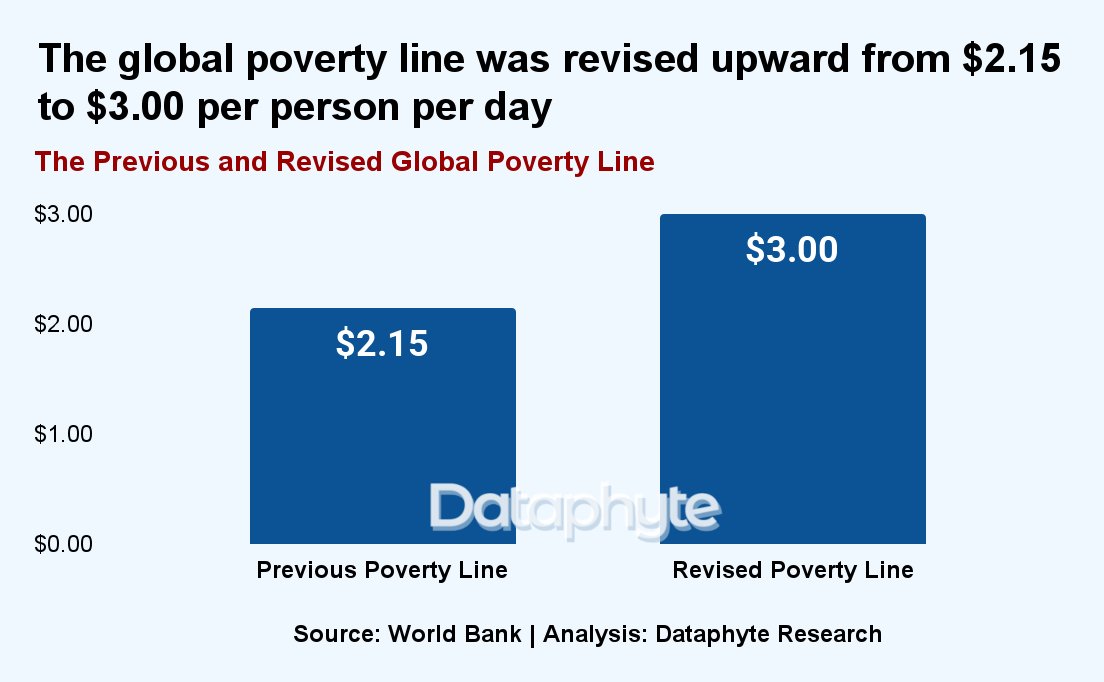
The World Bank has raised the poverty line from $2.15 to $3 a day, about N4,450 in Nigeria. But here’s the catch: a healthy diet costs roughly N1,495.
The real squeeze isn’t food alone; it includes rent, healthcare, transport, and the daily bills that incomes just can’t keep up with.
Read more:
dataphyte.com/issue/pocket-s…
#PocketScience #NigeriaEconomy #PovertyLine @WorldBankAfrica @NBS_Nigeria @Oxfam @UNDP
2
2
2
168
15 Aug 2025
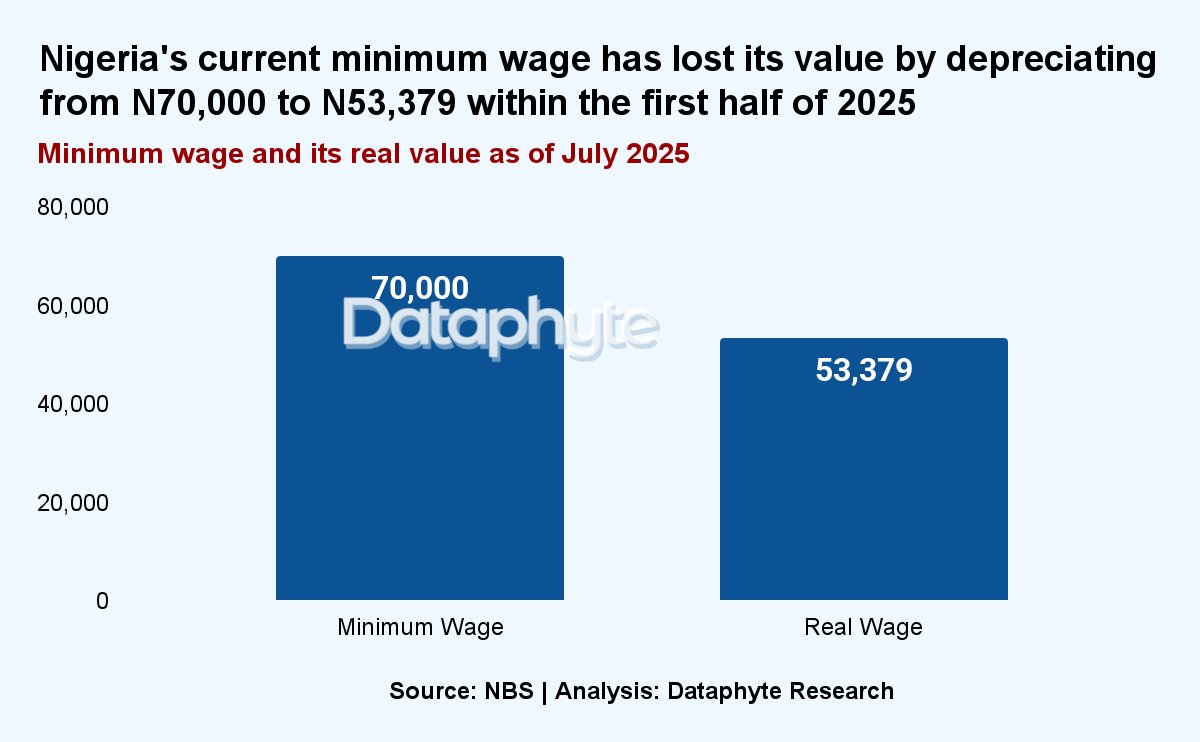
Nigeria’s N70,000 minimum wage lost over 20% of its value in under a year, now worth just ₦55,379.
Official inflation figures may suggest a decline, but the cost of essentials like food, housing, and transport continues to climb, leaving workers struggling to keep up.
Read more:
dataphyte.com/issue/pocket-s…
#PocketScience #Tinubunomics #MinimumWage
@NigeriaGov @wto @ilo @NLCHeadquarters
1
8
8
1,416
9 Aug 2025
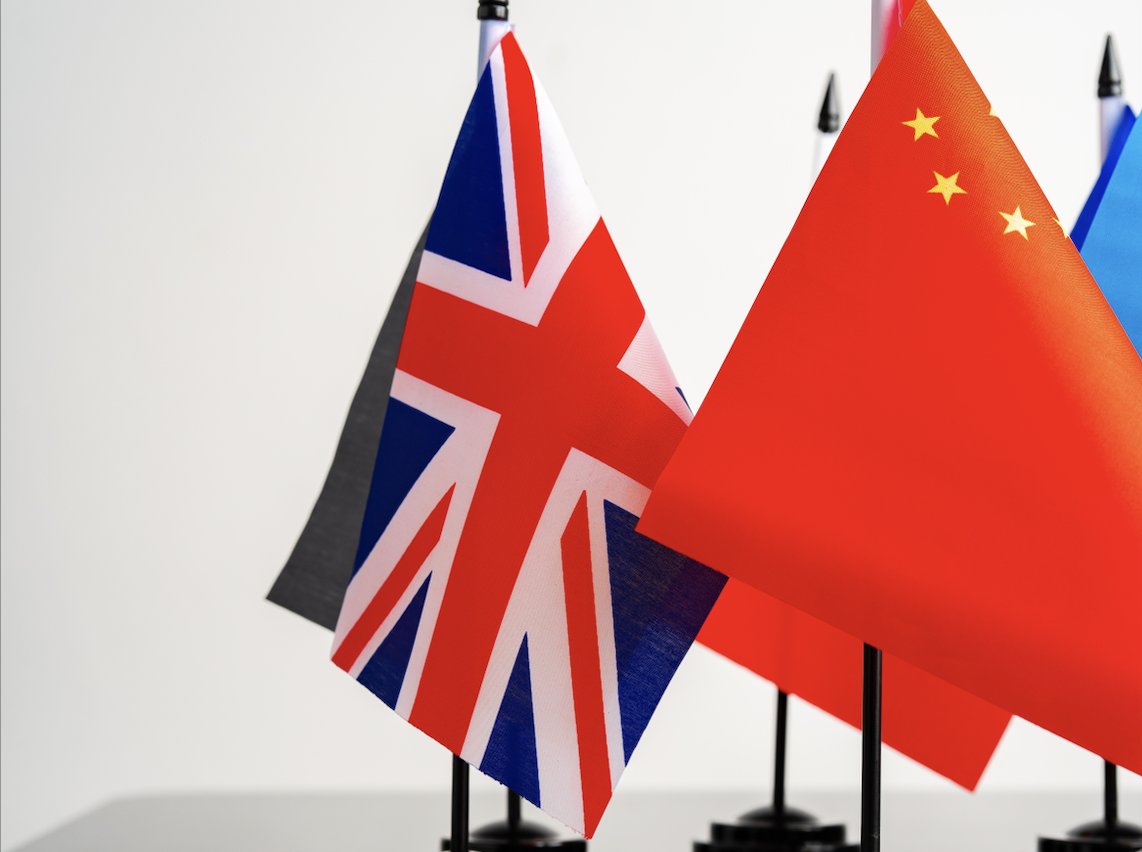
Countries like China and the UK now offer preferential or duty-free access for Nigerian agricultural goods, creating a powerful pathway to international markets.
These trade concessions are a golden opportunity, but they come with strict quality and compliance standards.
dataphyte.com/issue/pocket-s…
#PocketScience #AgribusinessNigeria #FoodSecurity
1
1
2
136
17 Jul 2025
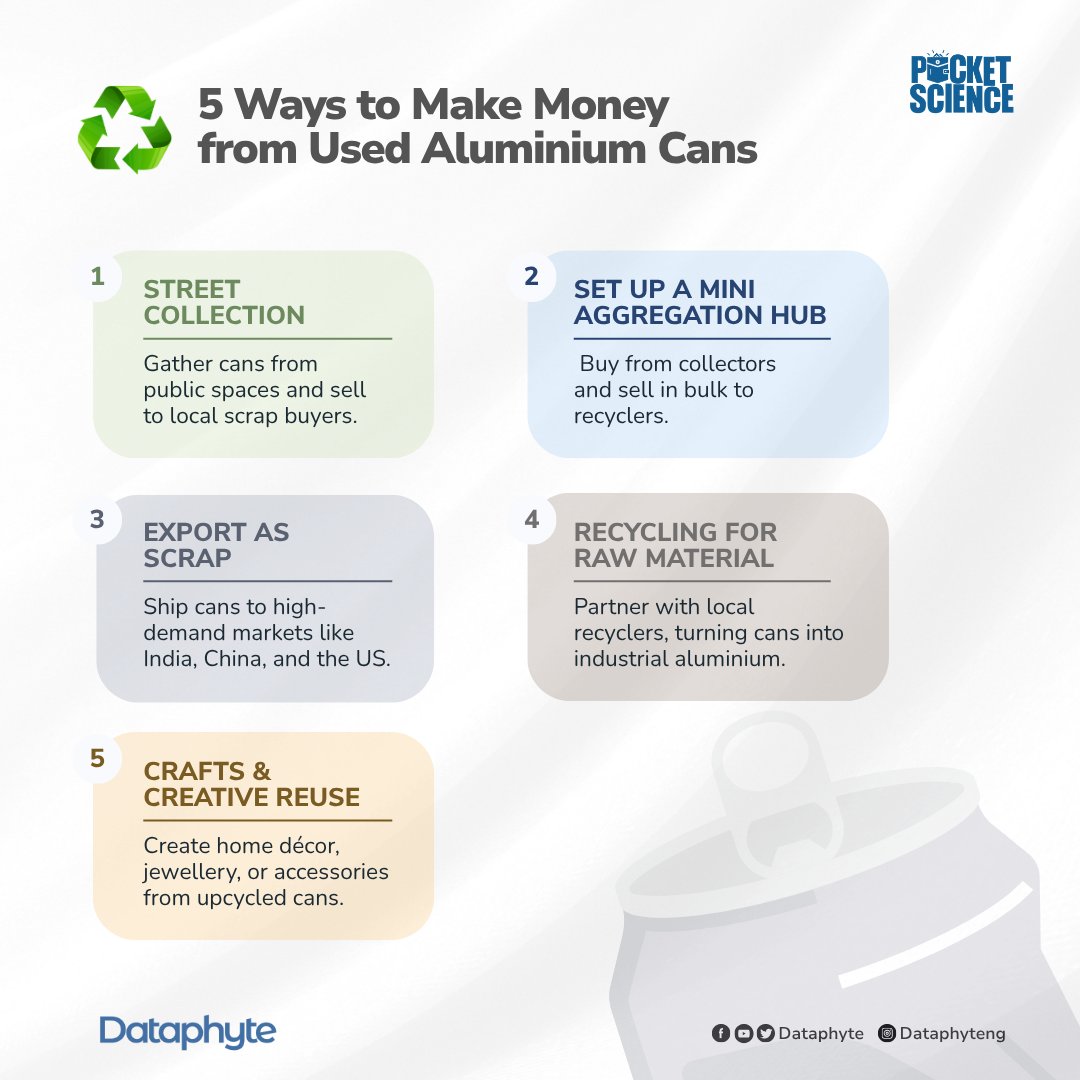
Nigeria is emerging as a key exporter of aluminium cans across Africa and beyond. Despite a dip in Q1 2025, cans remained in Nigeria’s top 10 exports.
With rising global demand and a strong local collection system, aluminium cans are fuelling jobs, trade, and sustainability.
Read more: dataphyte.com/issue/pocket-s…
#PocketScience #RecyclingPays #GreenEconomy
@WorldBankAfrica @joduwole @fmitiofficial
1
2
93
10 Jul 2025
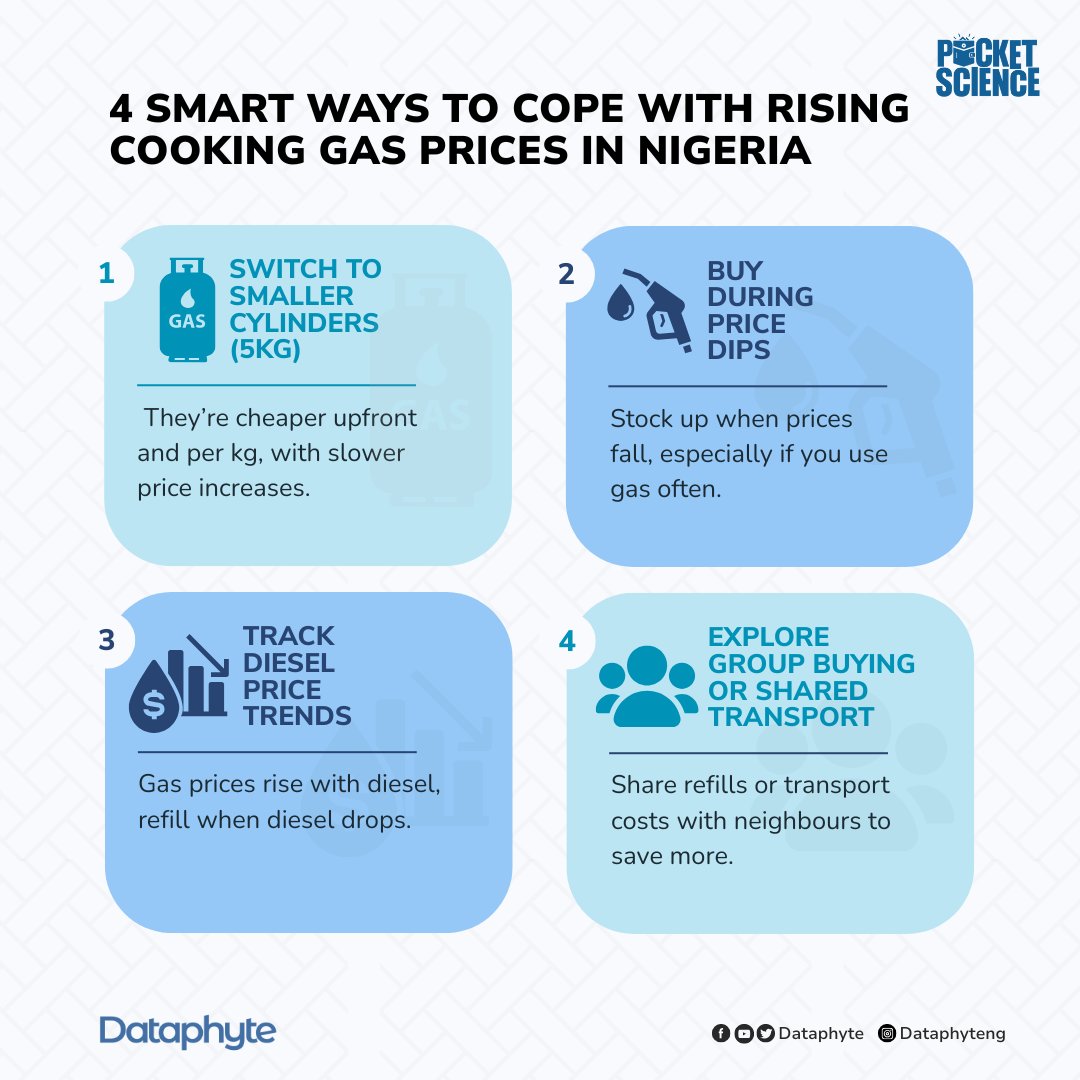
In April 2025, the average price of 5kg of cooking gas in Nigeria rose to ₦7,886, the highest in 10 months. The main driver?
Rising diesel costs are affecting transport. Until logistics and local production improve, many households may struggle to afford clean cooking energy.
Read more:
dataphyte.com/issue/pocket-s…
#RisingCost #Inflation #PocketScience
2
2
157
4 Jul 2025
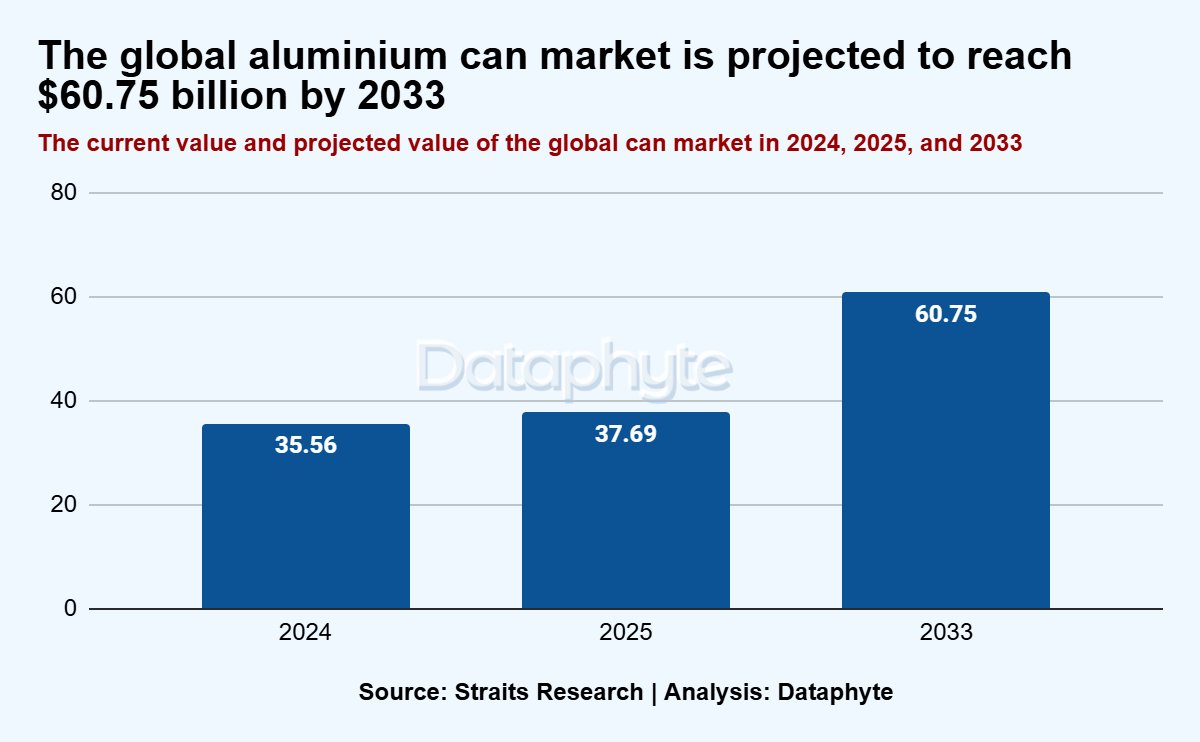
The global aluminium beverage can market, valued at $35.56 billion in 2024, is projected to reach $60.75 billion by 2033.
This booming global demand positions Nigeria to significantly benefit economically by leveraging its growing export capacity and robust informal collection system, aligning profit with environmental sustainability.
Read more: dataphyte.com/issue/pocket-s…
#PocketScience #trade #export #India
1
2
317

5 Jan 2025
O2kr Call Home...
January 5, 2000 a memoir of my bike trip around the world.
Day 5, Ensenada to Colonet 76/315.4 miles
A couple posts ago, I made a statement then wandered off before finishing my thought. I do not have a lot of existing written content for the next 3 countries, Mexico, Costa Rica and Panama. I do have pictures to jog my memory so I’ll use them.
Consider this a disclaimer if the photo doesn’t match the right location. So can we agree to pretend it does? I filed my photos per country, so at least the country is right!
In the absence of written entries I’ll present photos, and chat about some of the things we did, for example how we connected with folks back home.
Connectivity
Remember the iPhone wasn’t even a twinkle in Steve Jobs eye in the Year 2000! Yes, there were mobile phones, but going from country to country made their use difficult.
So what did we do?
Enter the Pocket Mail.
The What?
PocketMail was developed by the company PocketScience and used technology developed by NASA.[1] This was the first ever mass-market mobile email. The hardware cost around US$100 and the service was initially US$9.95 per month for unlimited use. Later the monthly fee increased. _Wikipedia
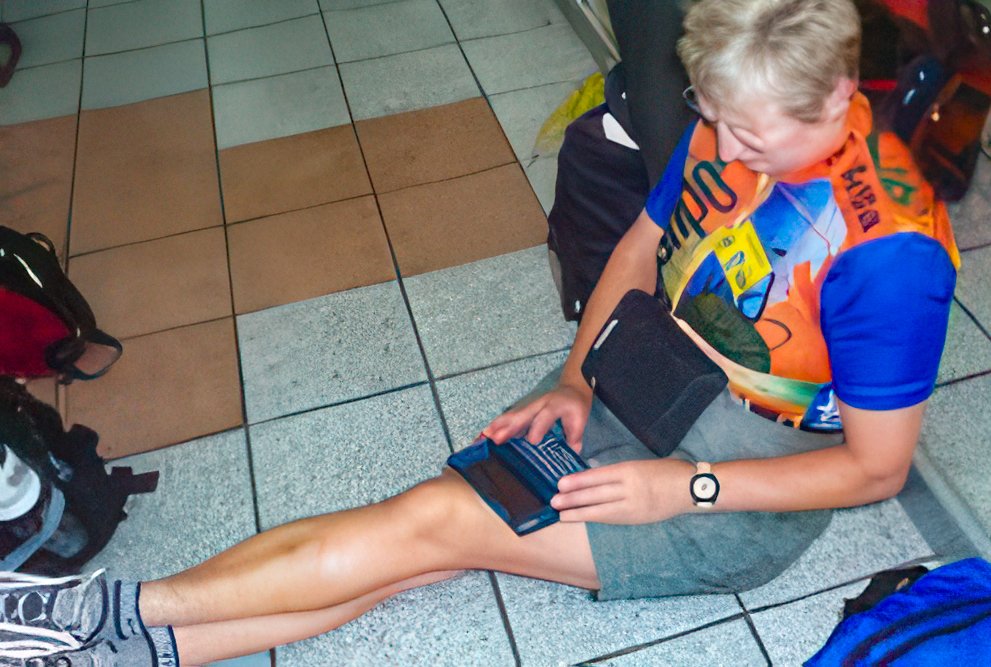
The PocketMail was our iPhone of 2000. We all had them. I remember walking into a laundry mat that was full of Odyssey riders and everyone was on their PocketMail. No one was talking. Does this sound familiar?
So how did it work? Well you would open it up and type your message onto the keyboard. When you were done, you’d find a land line, you know the old phones that hang on the wall? Well them. On the back side of the PocketMail was a coupler device that you snugged up to the telephone. You would first dial the connection for that country, snug your PocketMail coupler to the handset. The device would start sending your messages to the computer on the other end of the phone. Your email would be sent!
If you had incoming messages they would download onto your device.
Connectivity was not always guaranteed. Sometimes the connection would get dropped and you’d have to start all over.
Next to our bikes, the PocketMail was our most valued possession. It allowed us to connect back home.
The only downside, we had one more line to wait in. Telephone booths, Food, and the baño.
#somewhereontheroadplanetearth
1
6
417

22 Dec 2024
Three Body Problems
Three bodies move,
each bound by the unseen pull of the others,
a dance of gravity and inertia,
never still, never resolved.
They whirl through a vast emptiness,
each orbit carved by the silent force of another,
each step altered by the distant mass they cannot touch.
No single rhythm can hold them,
no neat equation to bind their paths,
only chaos that seems to pulse in perfect time,
a web of possibilities spun from every motion,
unfolding in ways we cannot predict,
each moment its own beginning,
each turn its own end.
Yet there is beauty in this uncertain ballet,
a wild grace in the way they circle,
falling together, spinning apart,
locked in a loop that has no master,
where symmetry is shattered,
and still, they move.
In this chaos, there is life,
in this unsolvable riddle,
the universe breathes.
Video via @pocketscience
9
58
219
21,468

2 Oct 2024
voorpublicatie! 👇🏽 boekje verschijnt 15 oktober #PocketScience

2 Oct 2024

In ‘Rode reuzen, witte dwergen en zwarte gaten’ duikt @govertschilling in de veelzijdige levens van de sterren. In deze voorpublicatie: welke invloed heeft het geboortegewicht van een ster op zijn levensloop? newscientist.nl/blogs/een-vo…
1
3
27
3,485
25 Sep 2024
zelf heb ik het nog niet gezien, maar dit boekje verschijnt ergens in de komende weken: alles over geboorte, leven en dood van sterren, in de #PocketScience reeks van @NewScientistNL

1
1
15
2,345
28 May 2024
zojuist manuscript opgestuurd van nieuw deeltje in de leuke #pocketscience-reeks van @NewScientistNL (verschijnt eind dit jaar). and now we wait... 🙂 #strengeredactie
2
13
1,739
27 Mar 2024
It’s always been said that Nigeria is an import-dependent economy. So people attributed the growing cost of food and commodities in the country to the higher cost of import as a result of the increasing price of the dollar against the Naira.
However, in contrast to public expectations, the prices of commodities remain high even though the value of the dollar against the Naira is declining. Why?
Watch full video below 👇
To read full edition of our #pocketscience newsletter, click here: open.substack.com/pub/dataph…
#pocketscience #insights #foodprices #naira #dollar #exchangerate #floatingnaira
4
3
340