
4 Aug 2025
Hidup baru beneran dimulai setelah lulus
dan obrolan malam hari di polyub kemarin seperti ada rasa lahir kembali tentang trauma2 dan nasib di masa lalu, perjuangan & rutinitas di masa kini, dan pengharapan di masa depan
9
168

4 Jul 2025
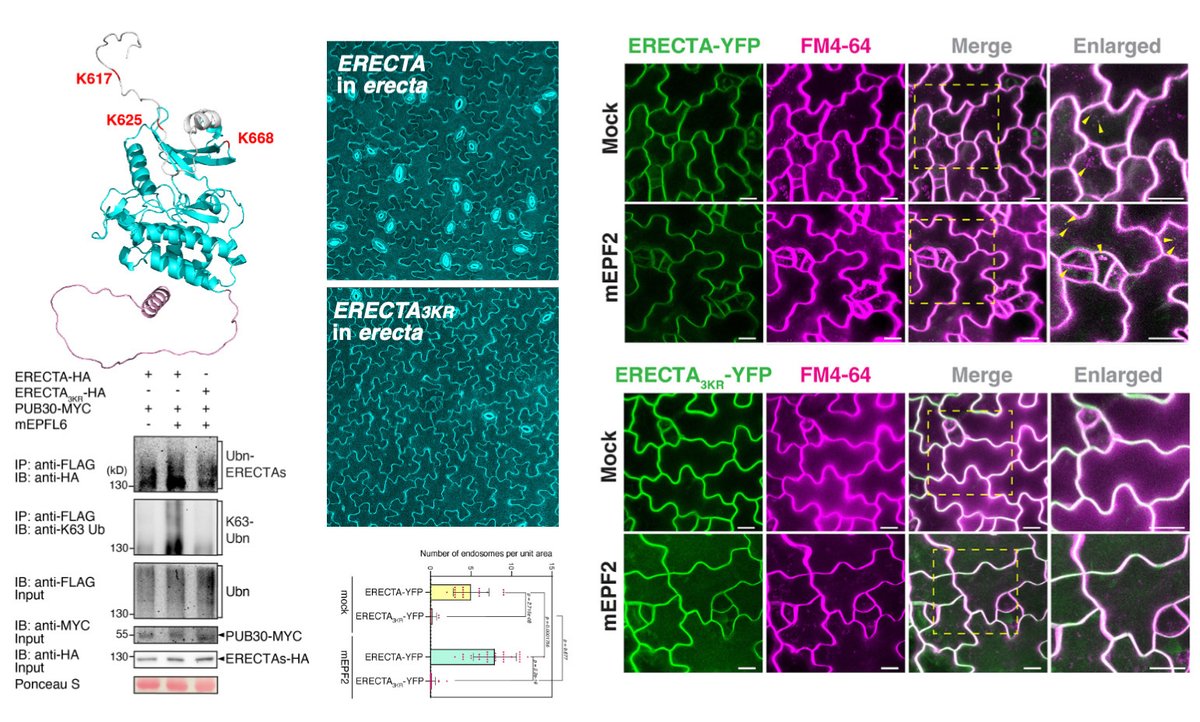
Our latest! K63-polyUb of ERECTA receptor kinase by PUB30/31 is required for the ligand induced receptor endocytosis for stomatal patterning. Our results show that ERECTA signals at the PM. Congrats, Liangliang, Minh & the team🌱!
biorxiv.org/content/10.1101/…
13
74
60,357

31 May 2025
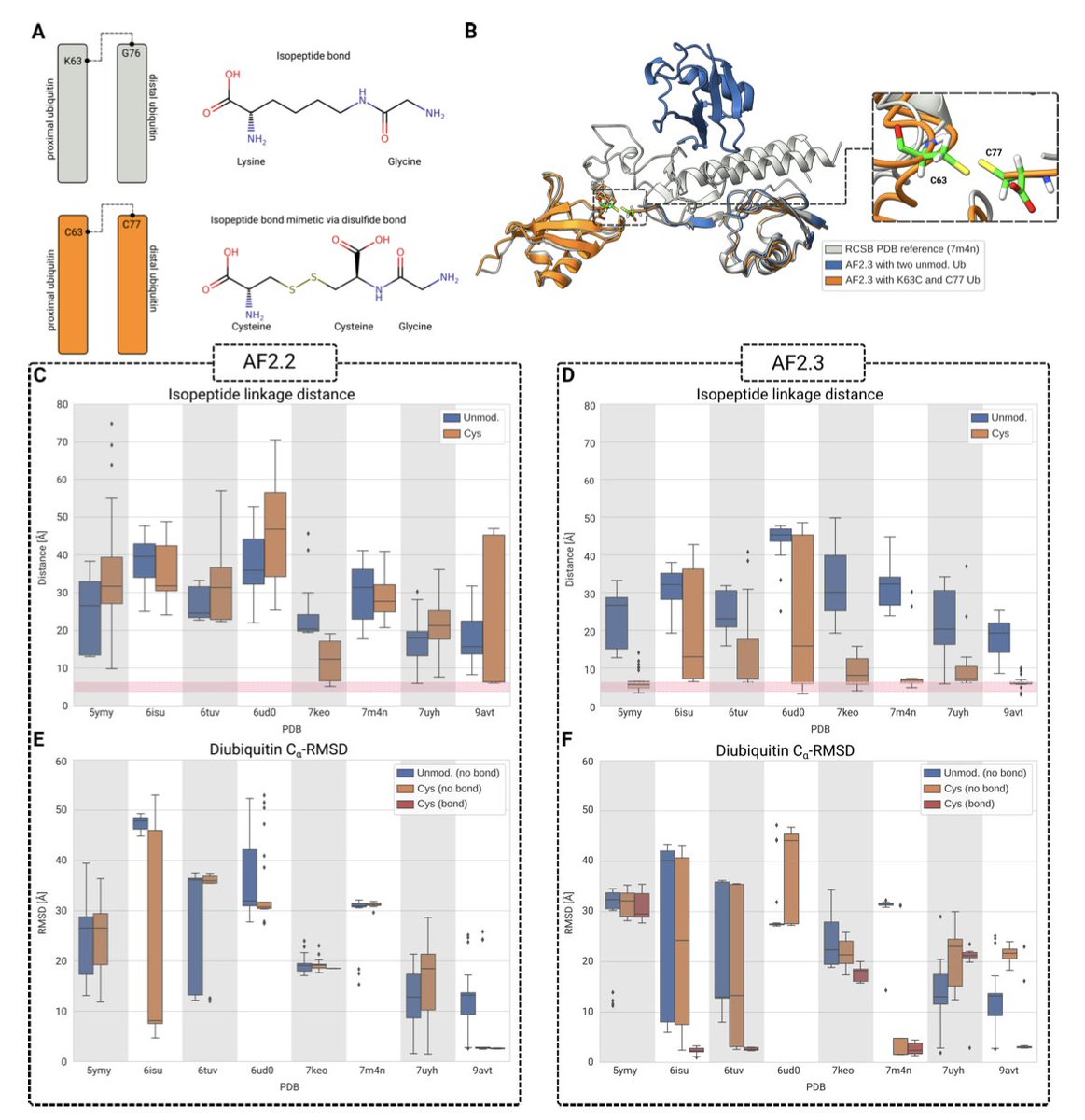
AlphaFold modeling of polyubiquitin complexes and covalently linked proteins
1.The paper presents two strategies for improving AlphaFold’s ability to model covalently linked ubiquitin chains and their complexes: one based on cysteine mutations and another using covalent linkers that mimic isopeptide bonds.
2.The most impactful finding is that introducing a propane-based isopeptide-bond mimetic in AlphaFold 3 allows for accurate prediction of both di- and polyubiquitin structures with predefined linkages, including branched chains and complex architectures.
3.Standard AlphaFold struggles to predict polyubiquitin structures due to the high sequence conservation of ubiquitin and the combinatorial explosion of linkage types, which suppresses coevolution signals and prevents the formation of valid inter-Ub linkages.
4.To address this, the authors first applied correlated cysteine mutations to encourage proximity between linkage sites. This approach improved structural predictions in AlphaFold 2.3 and AlphaFold 3 by favoring disulfide bond formation between modified ubiquitins.
5.However, the most robust improvements came from the second approach: using AlphaFold 3’s new bonded ligand functionality to introduce a propane molecule as a covalent linker, mimicking the natural isopeptide bond between ubiquitins.
6.This covalent linker strategy successfully placed ubiquitins in positions matching experimental structures, reduced RMSD values, and generalized well to triUb and polyUb systems. It even captured elusive conformations that are challenging to resolve experimentally.
7.For particularly challenging complexes (e.g., synthetic antibody-ubiquitin complexes), combining covalent linkers with cross-linking restraints further improved model accuracy, highlighting the approach’s flexibility.
8.The linker-based method enables modeling of arbitrarily linked polyubiquitin chains, including mixed and branched topologies, and can be extended to other covalent PTMs, hybrid Ub-like chains, and small-molecule-constrained complexes such as PROTACs.
9.The authors provide open-source scripts to automate polyUb generation and demonstrate AlphaFold 3’s potential in decoding the "ubiquitin code" by structurally resolving linkage-specific conformations and binding modes.
💻Code: github.com/bio-phys/polyUb-A…
📜Paper: biorxiv.org/content/10.1101/…
#AlphaFold3 #Ubiquitin #StructuralBiology #DeepLearning #ComputationalBiology #ProteinModeling #PostTranslationalModification #PolyUb
12
54
3,694
31 May 2025
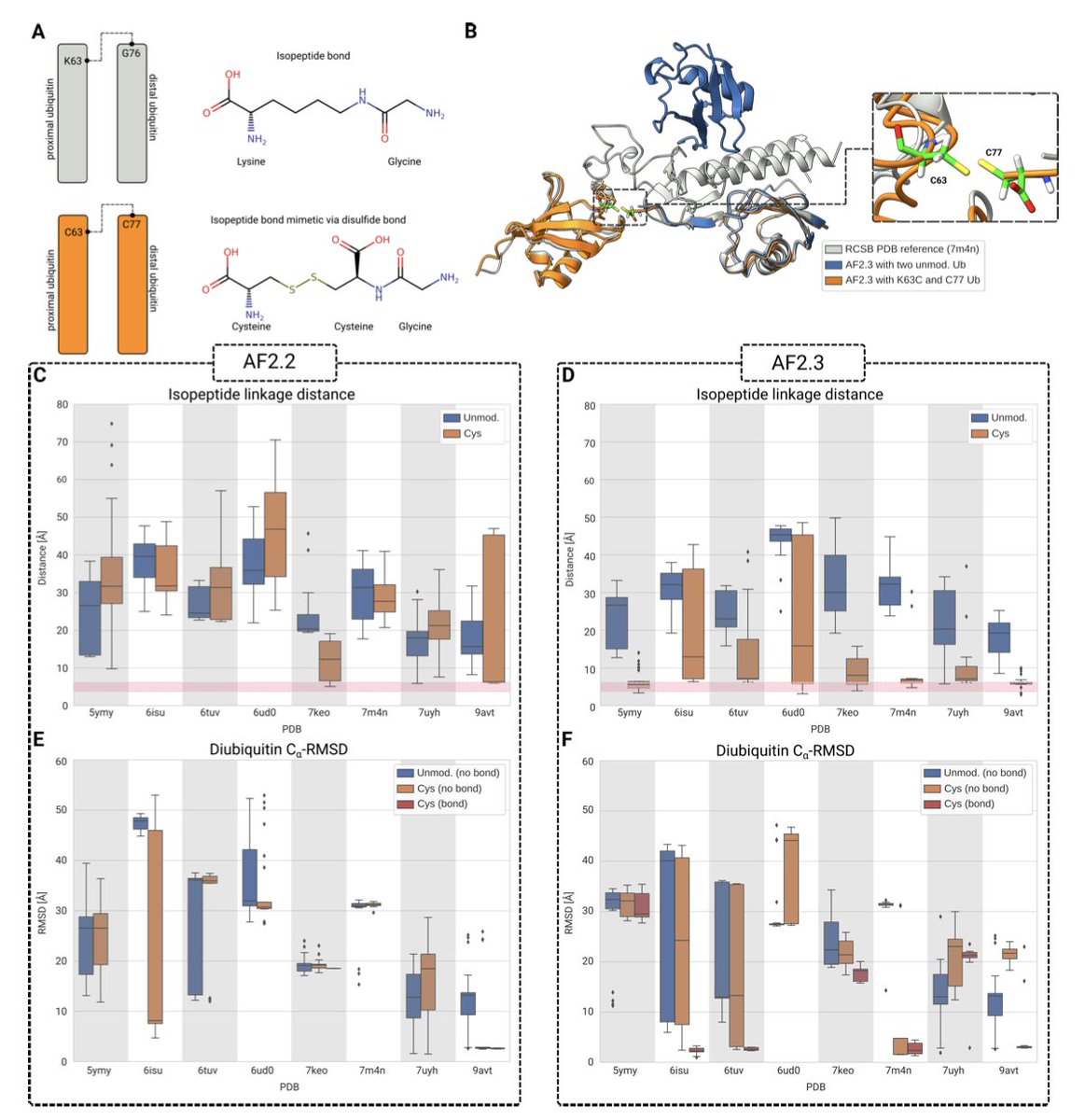
AlphaFold modeling of polyubiquitin complexes and covalently linked proteins
1.The paper presents two strategies for improving AlphaFold’s ability to model covalently linked ubiquitin chains and their complexes: one based on cysteine mutations and another using covalent linkers that mimic isopeptide bonds.
2.The most impactful finding is that introducing a propane-based isopeptide-bond mimetic in AlphaFold 3 allows for accurate prediction of both di- and polyubiquitin structures with predefined linkages, including branched chains and complex architectures.
3.Standard AlphaFold struggles to predict polyubiquitin structures due to the high sequence conservation of ubiquitin and the combinatorial explosion of linkage types, which suppresses coevolution signals and prevents the formation of valid inter-Ub linkages.
4.To address this, the authors first applied correlated cysteine mutations to encourage proximity between linkage sites. This approach improved structural predictions in AlphaFold 2.3 and AlphaFold 3 by favoring disulfide bond formation between modified ubiquitins.
5.However, the most robust improvements came from the second approach: using AlphaFold 3’s new bonded ligand functionality to introduce a propane molecule as a covalent linker, mimicking the natural isopeptide bond between ubiquitins.
6.This covalent linker strategy successfully placed ubiquitins in positions matching experimental structures, reduced RMSD values, and generalized well to triUb and polyUb systems. It even captured elusive conformations that are challenging to resolve experimentally.
7.For particularly challenging complexes (e.g., synthetic antibody-ubiquitin complexes), combining covalent linkers with cross-linking restraints further improved model accuracy, highlighting the approach’s flexibility.
8.The linker-based method enables modeling of arbitrarily linked polyubiquitin chains, including mixed and branched topologies, and can be extended to other covalent PTMs, hybrid Ub-like chains, and small-molecule-constrained complexes such as PROTACs.
9.The authors provide open-source scripts to automate polyUb generation and demonstrate AlphaFold 3’s potential in decoding the "ubiquitin code" by structurally resolving linkage-specific conformations and binding modes.
💻Code: github.com/bio-phys/polyUb-A…
📜Paper: biorxiv.org/content/10.1101/…
#AlphaFold3 #Ubiquitin #StructuralBiology #DeepLearning #ComputationalBiology #ProteinModeling #PostTranslationalModification #PolyUb
1
3
817

12 Apr 2025
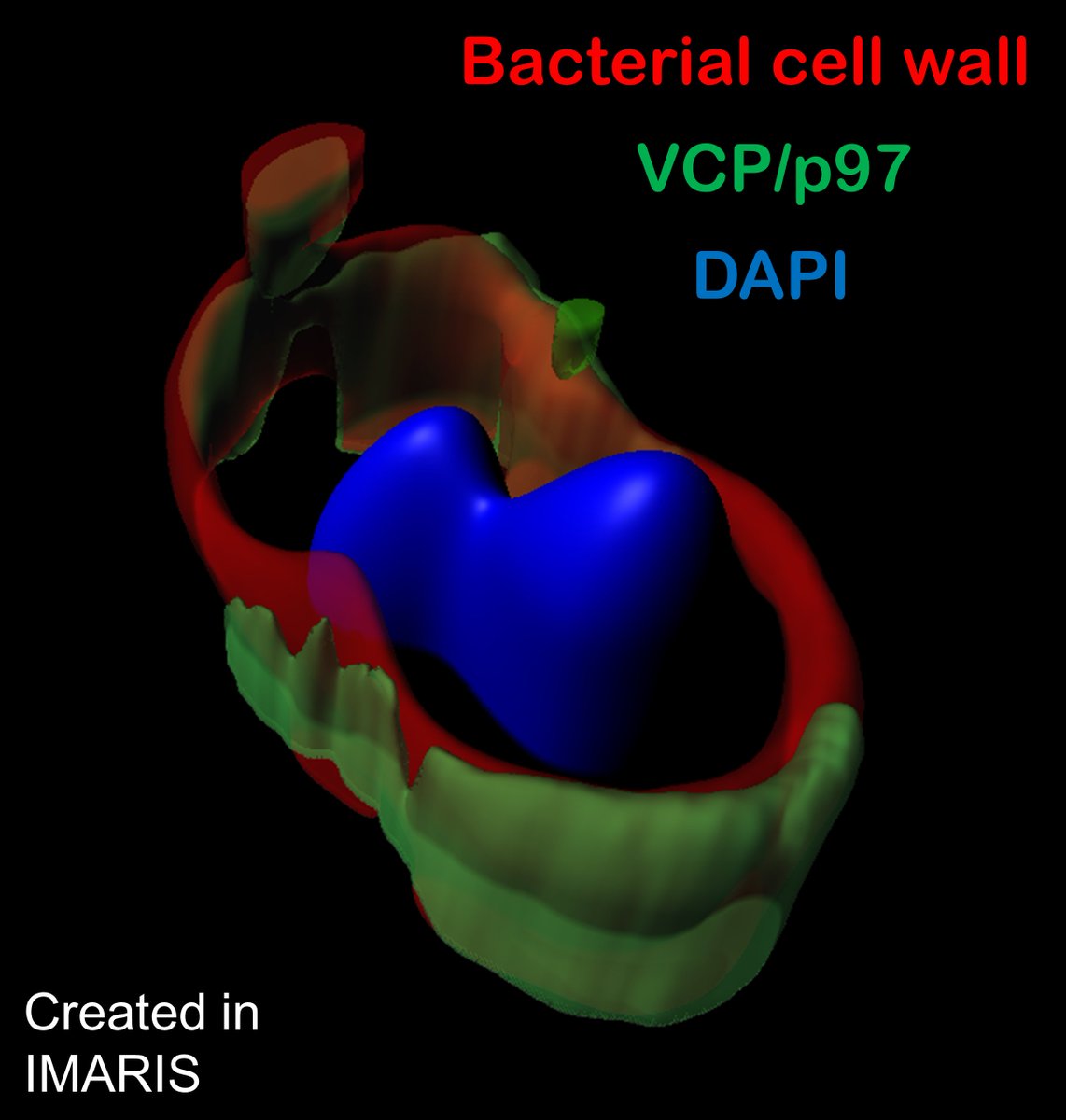
4/9 Our findings reveal four key criteria that dictates p97’s recruitment to bacterial surfaces: (1) Cytosolic exposure, (2) K48-polyUb modification, (3) Presence of ubiquitinable substrates, (4) Recognition by ubiquitin binding cofactors, in this case NPLOC4-UFD1.
1
8
421

24 Feb 2025
Our work on K63-polyubiquitin in membrane trafficking is out! Check out how we use a high affinity and specific sensor for K63-polyUb to identify K63-polyubiquitylated plasma membrane proteins in clusters of vesicles containing ATG9A.
Link: molbiolcell.org/doi/10.1091/…
4
8
20
2,336

18 Sep 2024
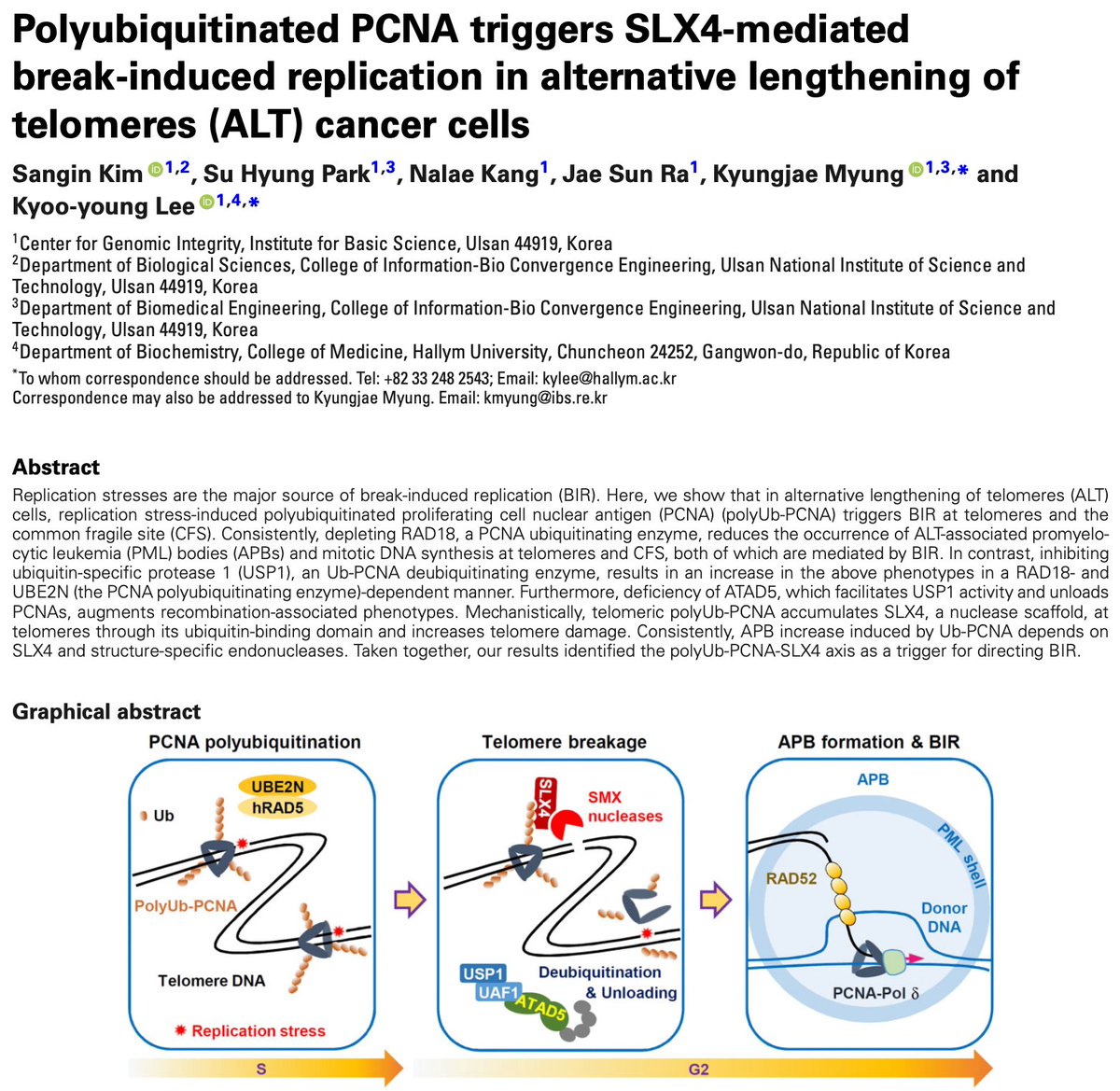
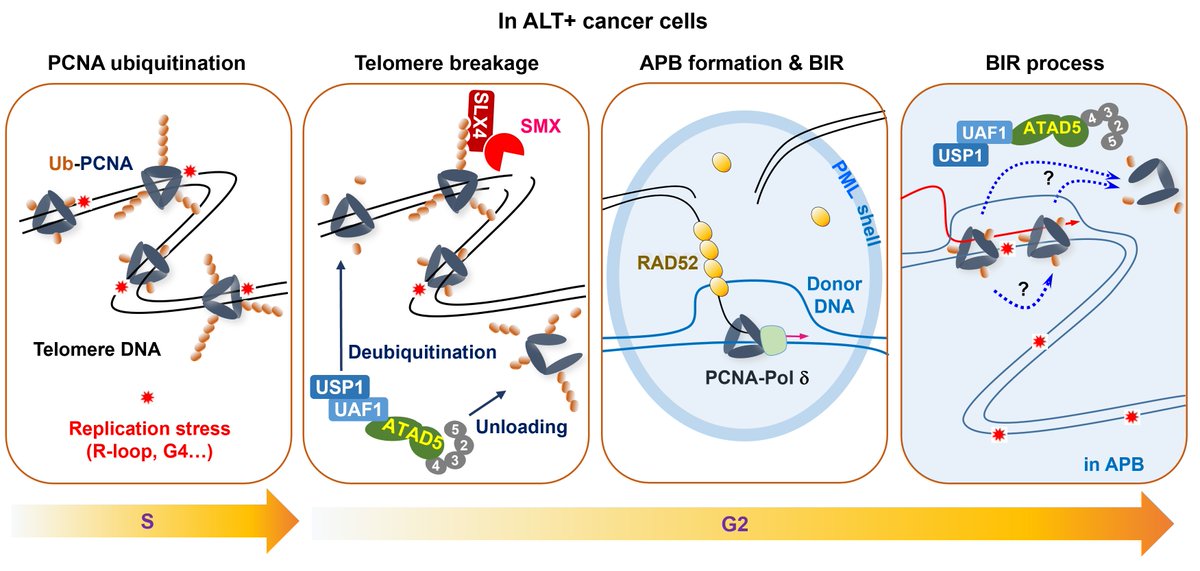
Excited to share our latest research in @NAR_Open on the role of the PolyUb-PCNA-SLX4 axis in Break-Induced Replication (BIR) initiation within Alternative Lengthening of Telomeres (ALT). Please check here 🫴 doi.org/10.1093/nar/gkae785
17
7
47
5,750


11 Sep 2024
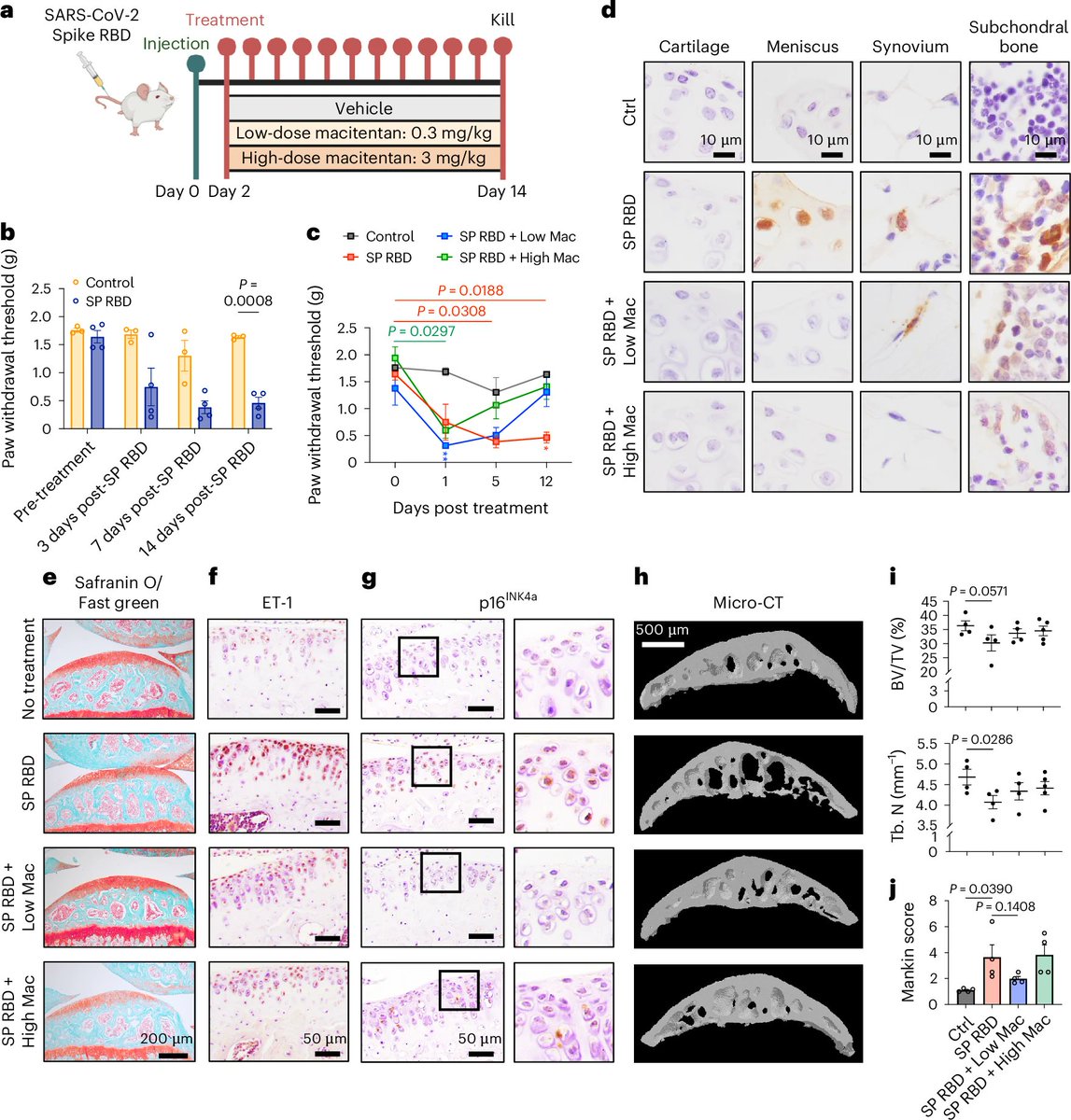
Freshoffpress! Dr Wen @PolyuB and us found SARS-CoV-2 induced arthritis, explaining the joint pain happening clinically after COVID infection @NatureMicrobiol #COVID #LongCovid #PostCovid #ORSSML #ORSSMC doi.org/10.1038/s41564-024-0…
1
4
15
2,554

8 Jul 2024
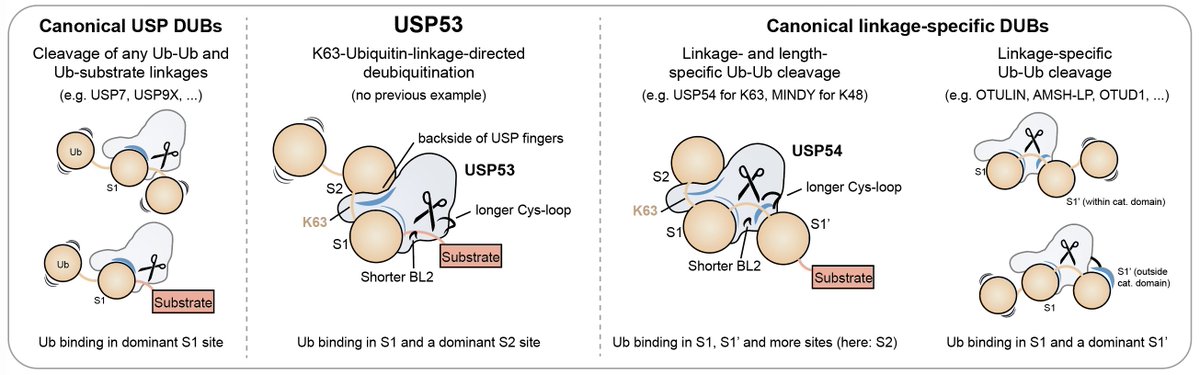
In summary, we revise USP53 and USP54 to be active DUBs, establish K63-linkage directed deubiquitination, motivate the use of protein-anchored polyUb chains for DUB assessment and trigger work into the role of USP53-dependent deubiquitination in pediatric cholestasis. (9/10)
1
5
397

18 Apr 2024
CO2 impacting signaling:
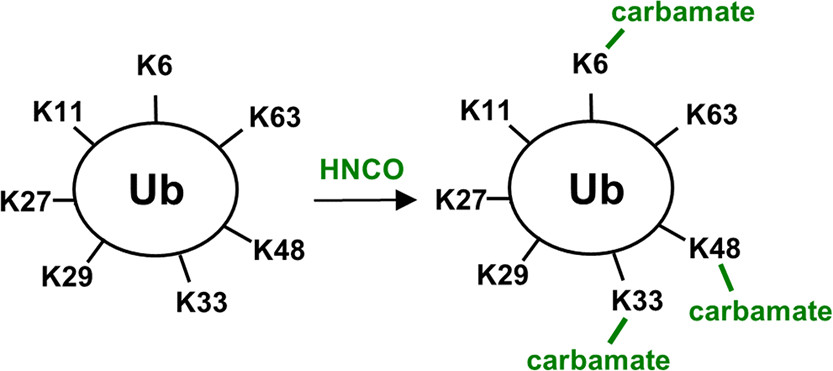
Pawloski et al expand on initial reports of ubiquitin carbamylation, testing susceptibility of all amines & finding candidates that likely affect polyUb-mediated pathways in cells.
pubs.acs.org/doi/10.1021/acs…
#tbt
#PTM
@UofMaryland
@JHUArtsSciences
2
3
1,043

2 Mar 2024
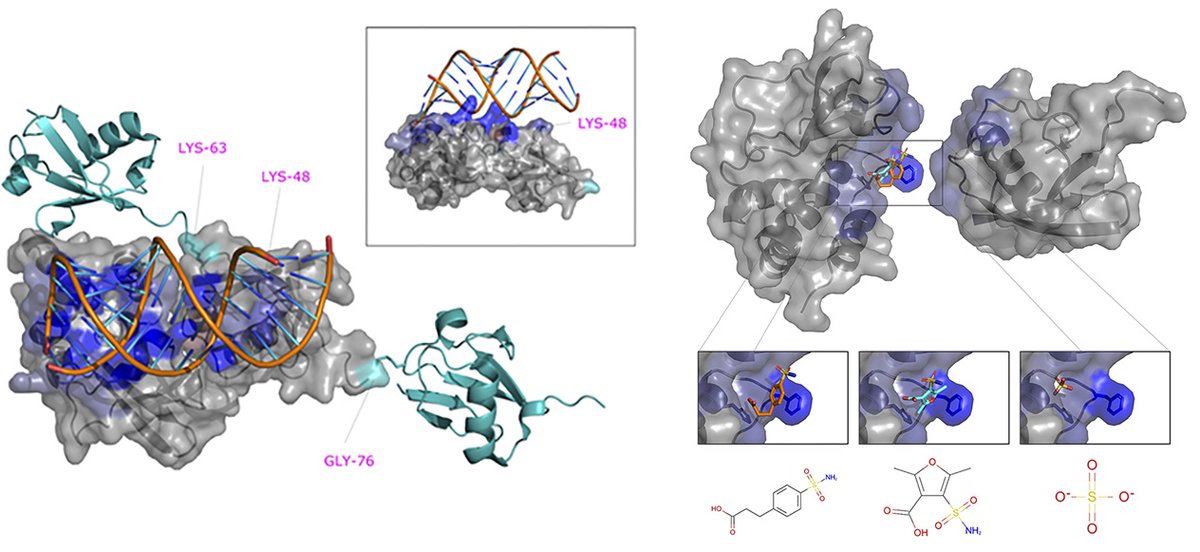
#EbolaVirus replication relies on the viral #polymerase complex, including cofactor VP35. @rrajsbaum &co show that unanchored polyUb chains modulate polymerase function by interacting with VP35; inhibiting this reduces viral replication #PLOSBiology plos.io/49U2siP
4
1,862
1 Mar 2024
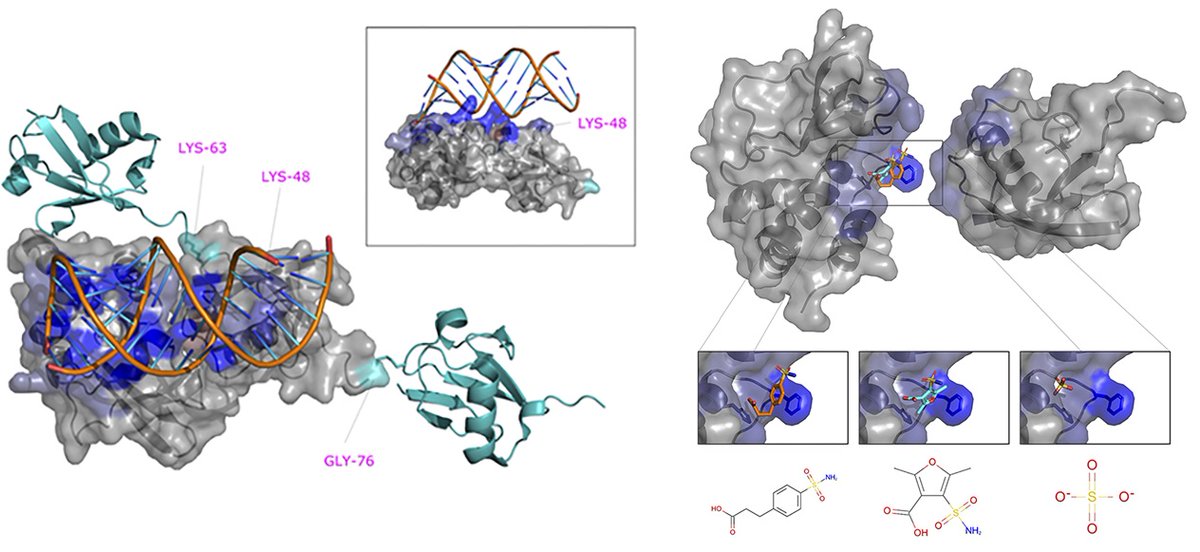
#EbolaVirus replication relies on the viral #polymerase complex, including cofactor VP35. @rrajsbaum &co show that unanchored polyUb chains modulate polymerase function by interacting with VP35; inhibiting this reduces viral replication #PLOSBiology plos.io/49U2siP
1
2
952
1 Mar 2024
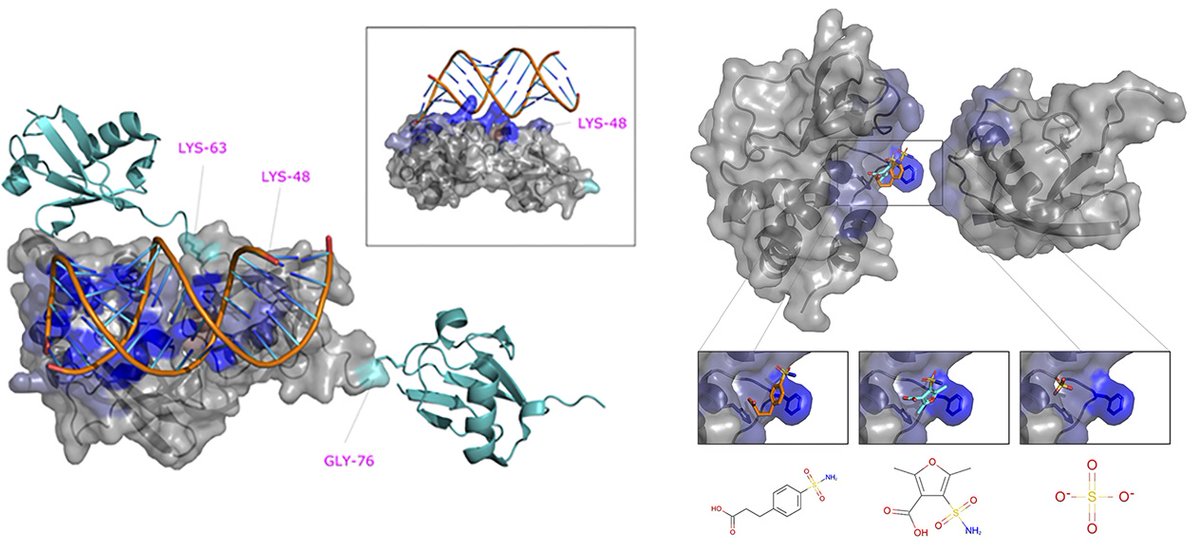
#EbolaVirus replication relies on the viral #polymerase complex, including cofactor VP35. @rrajsbaum &co show that unanchored polyUb chains modulate polymerase function by interacting with VP35; inhibiting this reduces viral replication #PLOSBiology plos.io/49U2siP
1
1
5
1,260

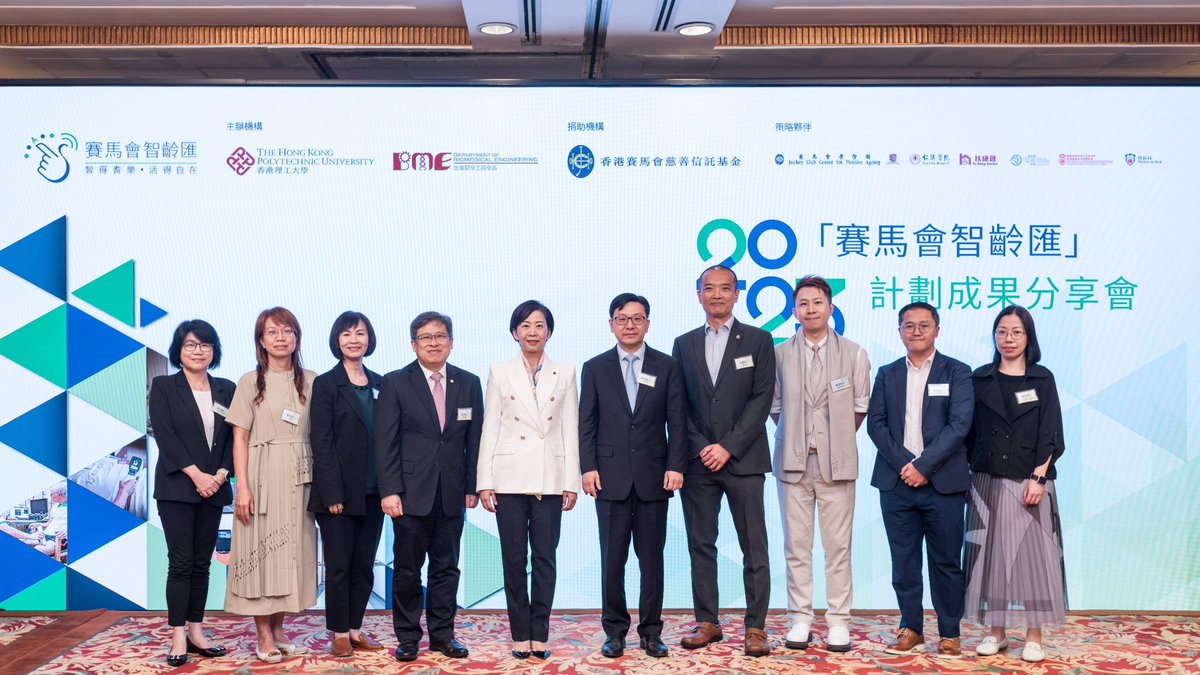
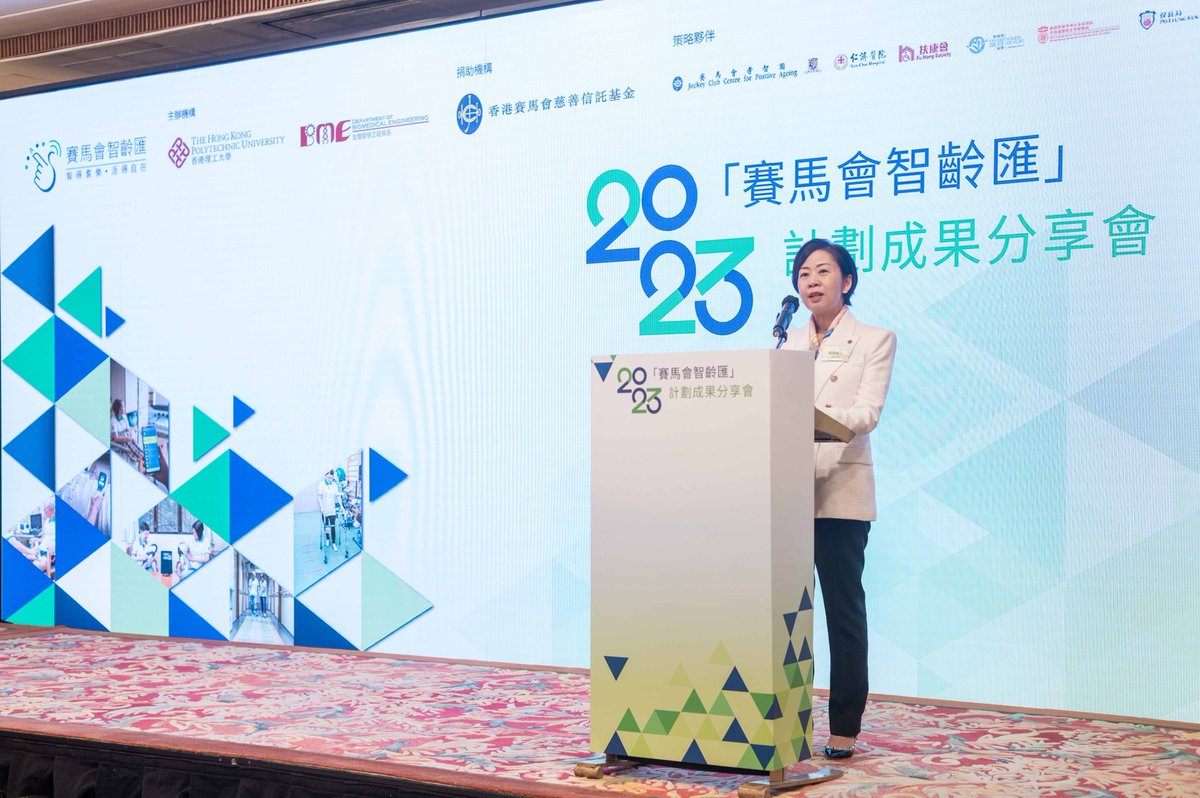
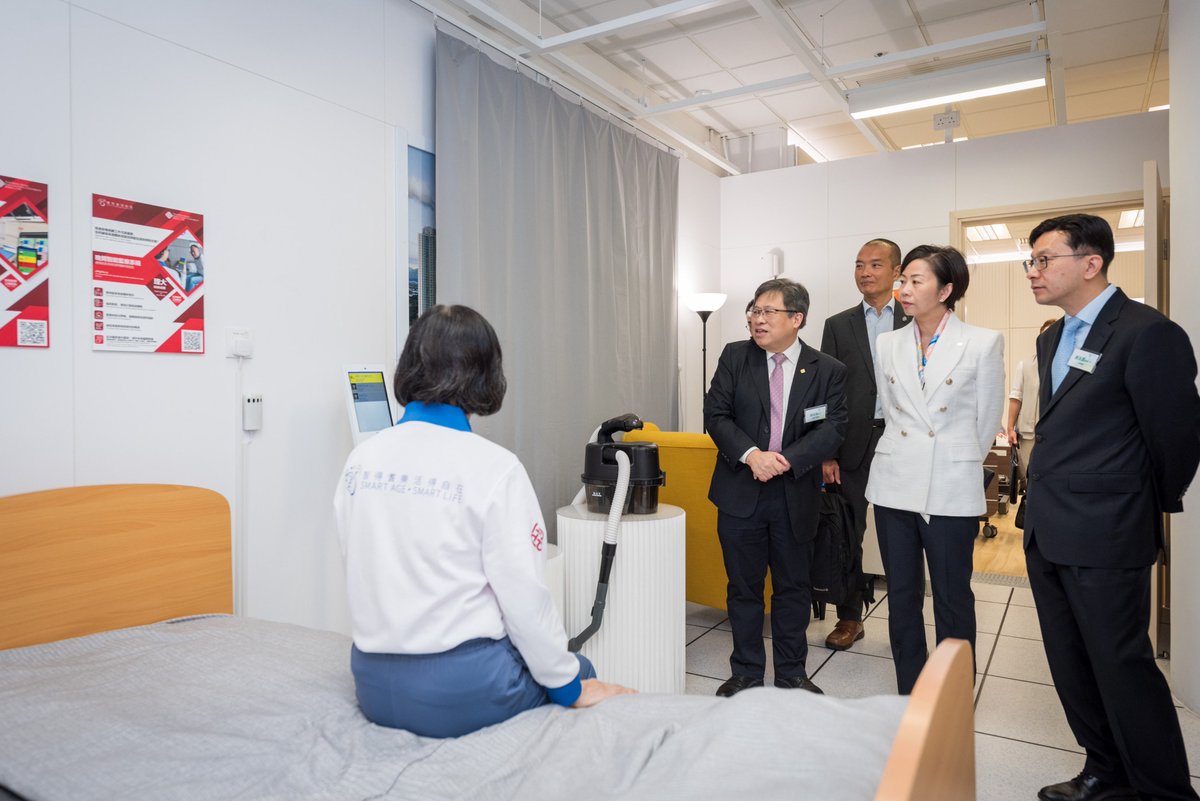
#PolyU hosted the Jockey Club Smart Ageing Hub Project Achievement Sharing Day last Friday, officiated by Mr Chris SUN, Secretary for Labour and Welfare of the HKSAR, Mr Bryan Wong, Head of Charities (Positive Ageing & Elderly Care) of The Hong Kong Jockey Club and Dr Miranda Lou, PolyU Executive Vice President. The event was attended by more than 300 cross-disciplinary representatives from the gerontechnology (#gerontech) field, including stakeholders from the elderly care industry, academia and the business sector.
Currently managed by the PolyU Department of Biomedical Engineering, the Jockey Club Smart Ageing Hub aims to tackle issues related to Hong Kong’s ageing population through the establishment of a cross-disciplinary network, in order to promote not only innovative gerontech solutions for elderly care, but also to enhance quality of life for the elderly. The Project team shared the fruitful achievements of the Project with stakeholders in the gerontech field. The event brought together cross-disciplinary experts to share their experience and best practices and to discuss the future development of Hong Kong’s gerontech ecosystem.
Learn more: polyu.hk/BFCNr
@HKJC_Racing @PolyuB #LWB #JockeyClub #PopulationAgeing #ElderlyService #Elderly #Tech
1
5
1,019
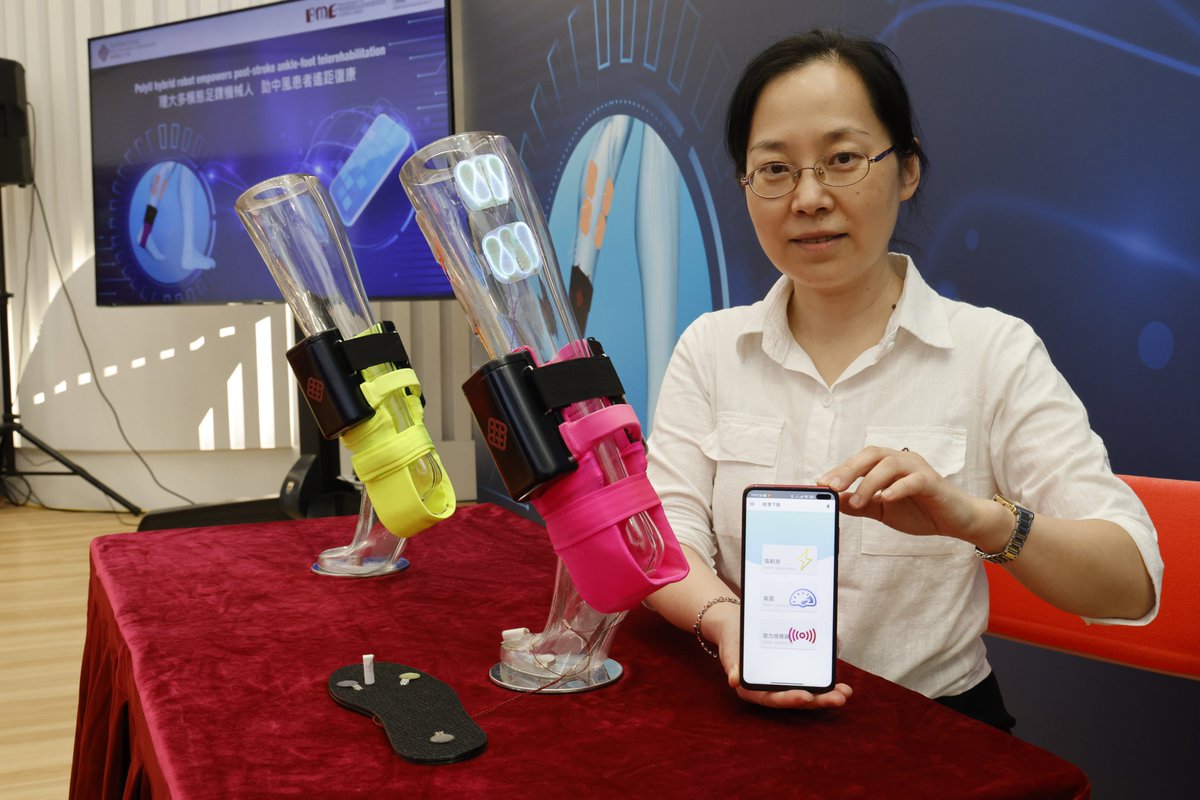
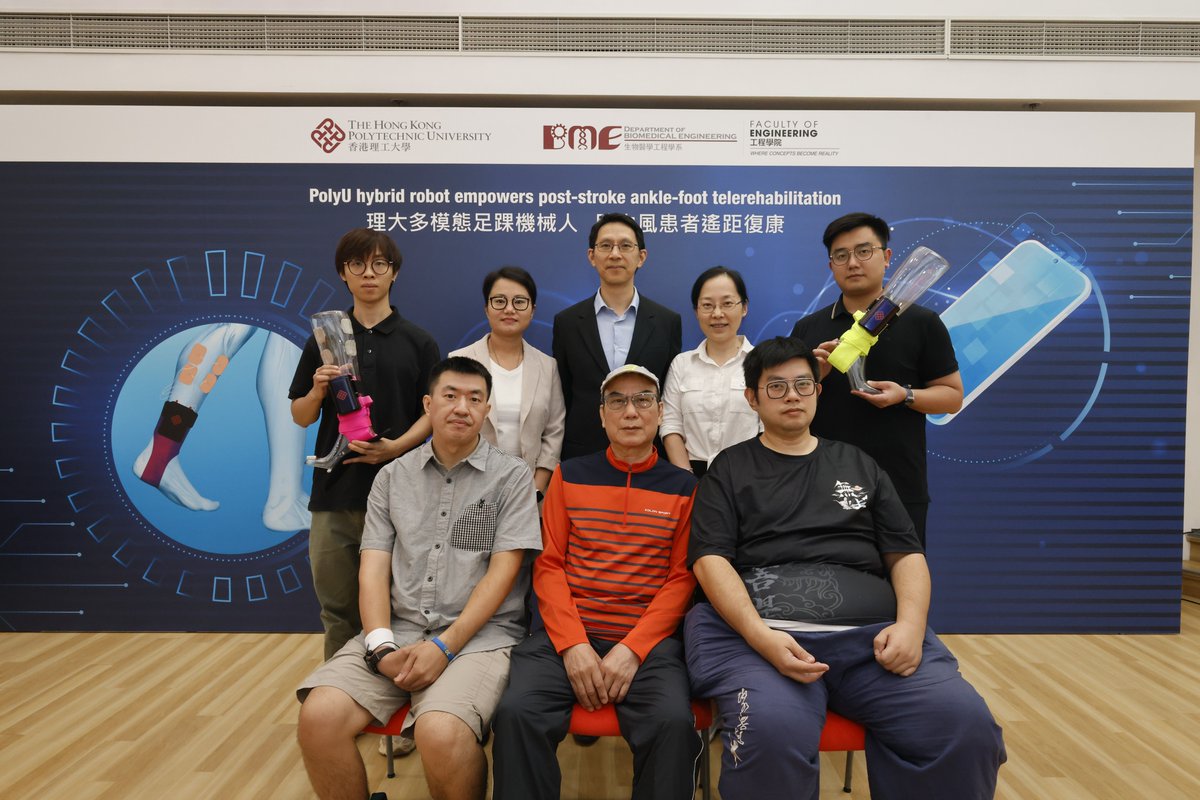
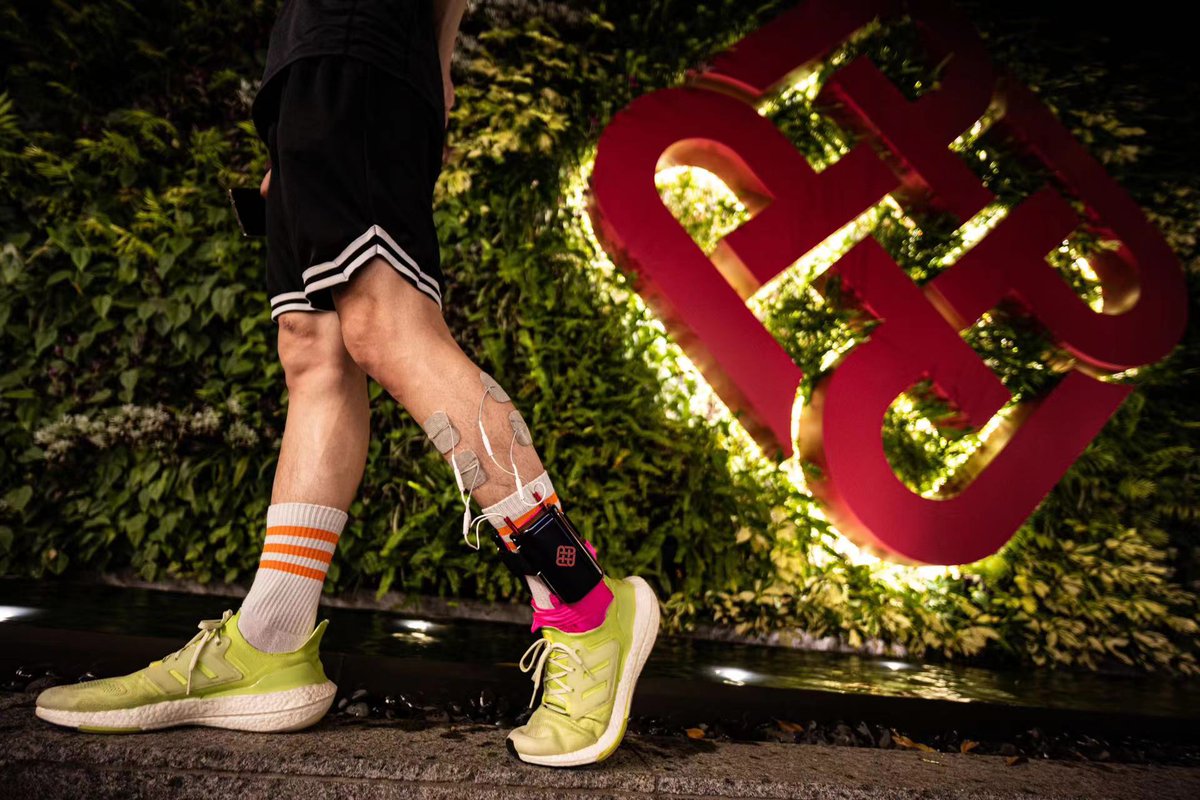
【#PolyUTech 💡】Hong Kong has seen around 50,000 new cases of #stroke annually, with many patients experiencing varying degrees of impaired physical mobility. #PolyU has achieved another breakthrough in rehabilitation device development. The Mobile Ankle-foot Exoneuromusculoskeleton is the first-of-its-kind multimodal robot for ankle-foot rehabilitation specifically designed for stroke patients with hemiplegia, which helps improve the motor function of their lower limb and walking ability. Powered by Internet of Things (IoT) technology, the device enables telerehabilitation for remote management of patients’ rehabilitation progress and allows them to undertake self-help rehabilitation exercises at home. Therapists can remotely monitor the rehabilitation progress of multiple patients.
Developed by a research team led by Dr Hu Xiaoling, Associate Professor of the Department of Biomedical Engineering of PolyU, the Mobile Ankle-foot Exoneuromusculoskeleton is an innovative multimodal wearable robot for ankle-foot rehabilitation that integrates the advantages of exoskeleton, soft pneumatic muscles, tactile sensory feedback and neuromuscular electrical stimulation technology in one system, that is planned to be commercialised next year.
Learn more: polyu.hk/LAdwn
#PolyUResearch #ResearchForImpact #Rehabilitation #Treatment #Robot @PolyuB
2
588

21 Sep 2023
Happy Proteasome Week! The key days are 19 Sept, 20 Sept, and 26 Sept. Get it? If you're on campus, bring a friend to the KLSIC first floor to play Pin the polyUb on the 26S proteasome!!
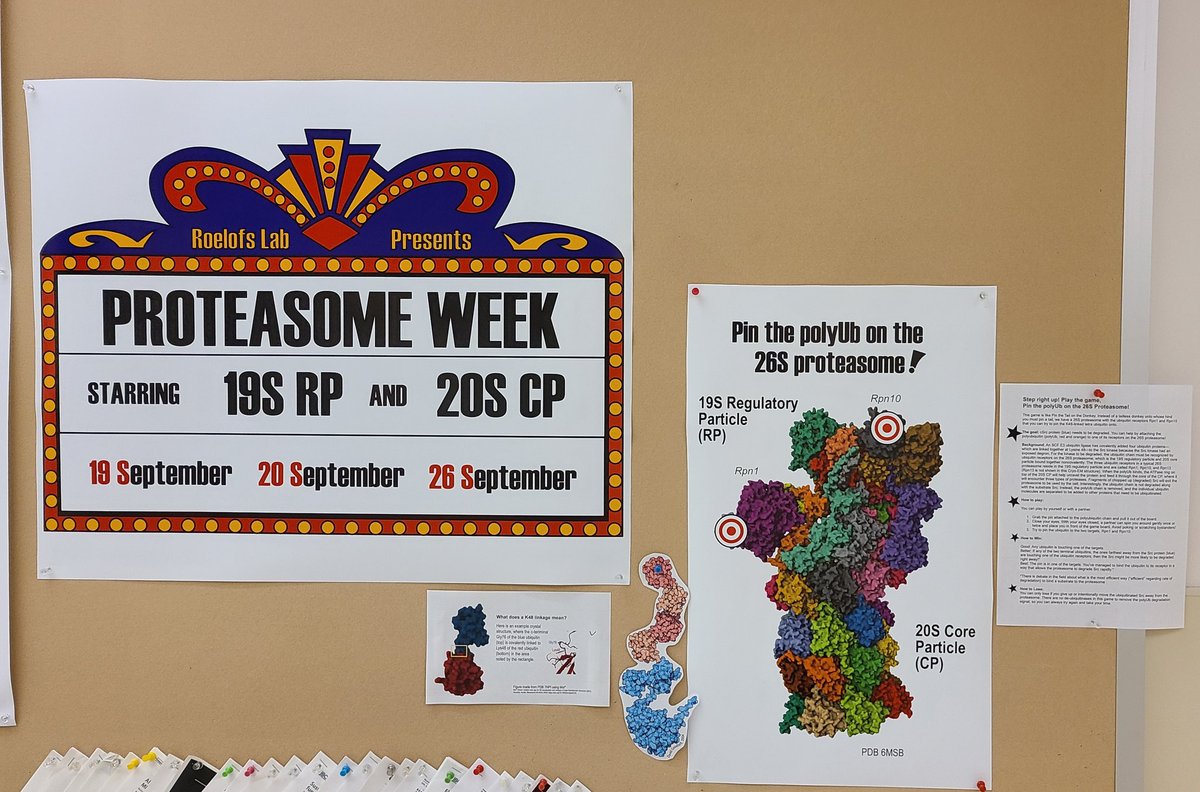
ALT Bulletin board with a theater marquee-style printed sign that says Roelofs Lab Presents Proteasome Week, starring 19S RP and 20S CP. To the right of that there is a printed model of a 26S proteasome with targets on each of the ubiquitin receptors. There is also info about what a K48 ubiquitin linkage means.
2
2
4
156

12 Sep 2023
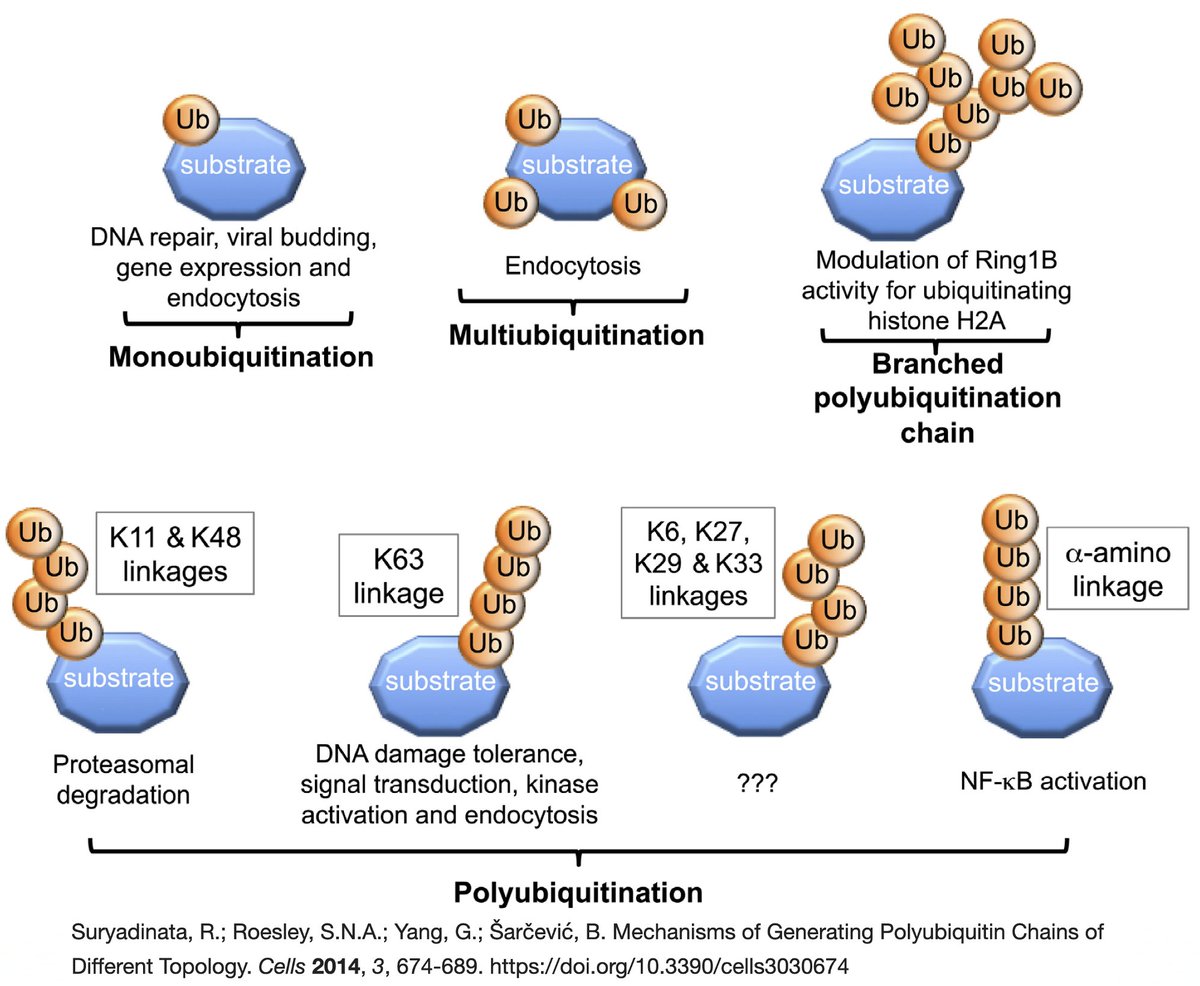
Briefly, ubiquitin (Ub) is a small protein that gets attached ("conjugated") to a multitude of host and viral proteins, typically in the form of polyUb chains. This affects their function & fate in complex & diverse ways. This attachment process is called "ubiquitination." 22/58
1
3
64
3,363

30 Aug 2023
New work from @PolyuB @HongKongPolyU: engineering #nanosubstrates with ligand nanogeometry modulates integrin/clathrin-mediated #adhesion and #endocytosis of stem cells.
Read the #Letter today! 🔗 go.acs.org/60V
5
5
2,378
17 Jul 2023
How telomeric replication stress leads to telomere breakage initiating break-induced replication (BIR) in alternative lengthening of telomeres (ALT)? We identified the polyUb-PCNA-SLX4 axis as an endogenous trigger for directing BIR. Please check here 👉doi.org/10.1101/2023.07.13.5…
7
7
51
6,010