
Viola, Trivellato, and colleagues use NMR and computational approaches to map how ubiquitination alters the structural conformations of the tau repeat domain—the core of tau filament formation. This is mechanistic chemistry informing a major neurodegenerative protein.
What strikes me is that posttranslational modifications of tau aren't just 'damage tags'—they fundamentally reshape how the protein behaves. Ubiquitination appears to influence aggregation propensity and filament nucleation. This level of detail could eventually guide inhibitors that target specific pathogenic conformers.
Clinically, this connects to why different tauopathies (AD vs. FTLD vs. PD) have different phenotypes. Protein structure matters. If we can selectively target ubiquitinated tau conformers, we might achieve disease-specific neuroprotection.
doi.org/10.1073/pnas.2425831…
#TauPathology #Tauopathies #ProteinStructure #PosttranslationalModification #Neurodegeneration
3
342

🤯 Did you know proteins inside cells can be glycosylated?! 🔬 Our latest blog post dives into the surprising world of intra-cellular protein glycosylation & its vital role.
👉 research.bidmc.org/ncfg/blog…
#glycans #glycosylation #posttranslationalmodification #cellbiology #glycotime
2
2
155

10 Jul 2025
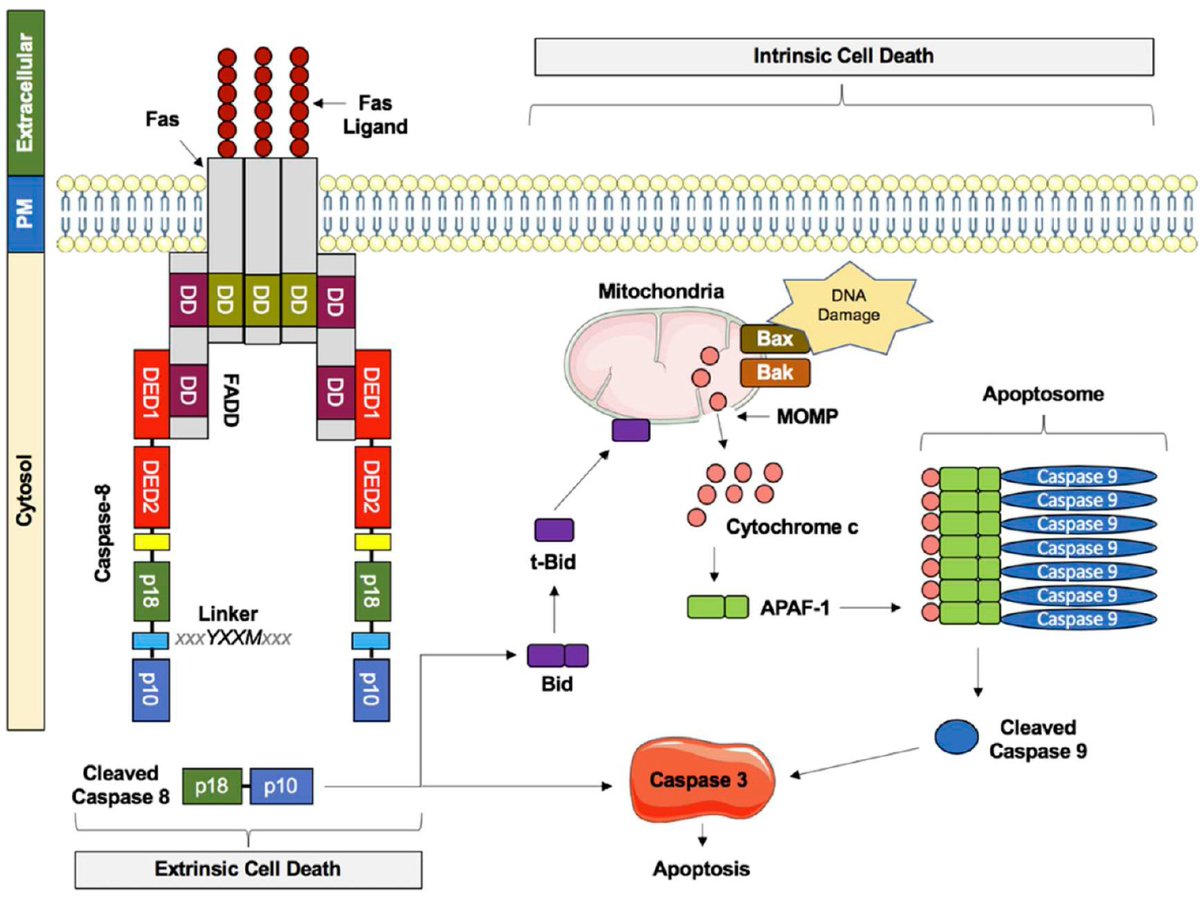
Caspase-8: Arbitrating Life and Death in the Innate Immune System
👉mdpi.com/3171878
#apoptosis
#inflammation
#alternativesplicing
#posttranslationalmodification
2
2
44

31 May 2025
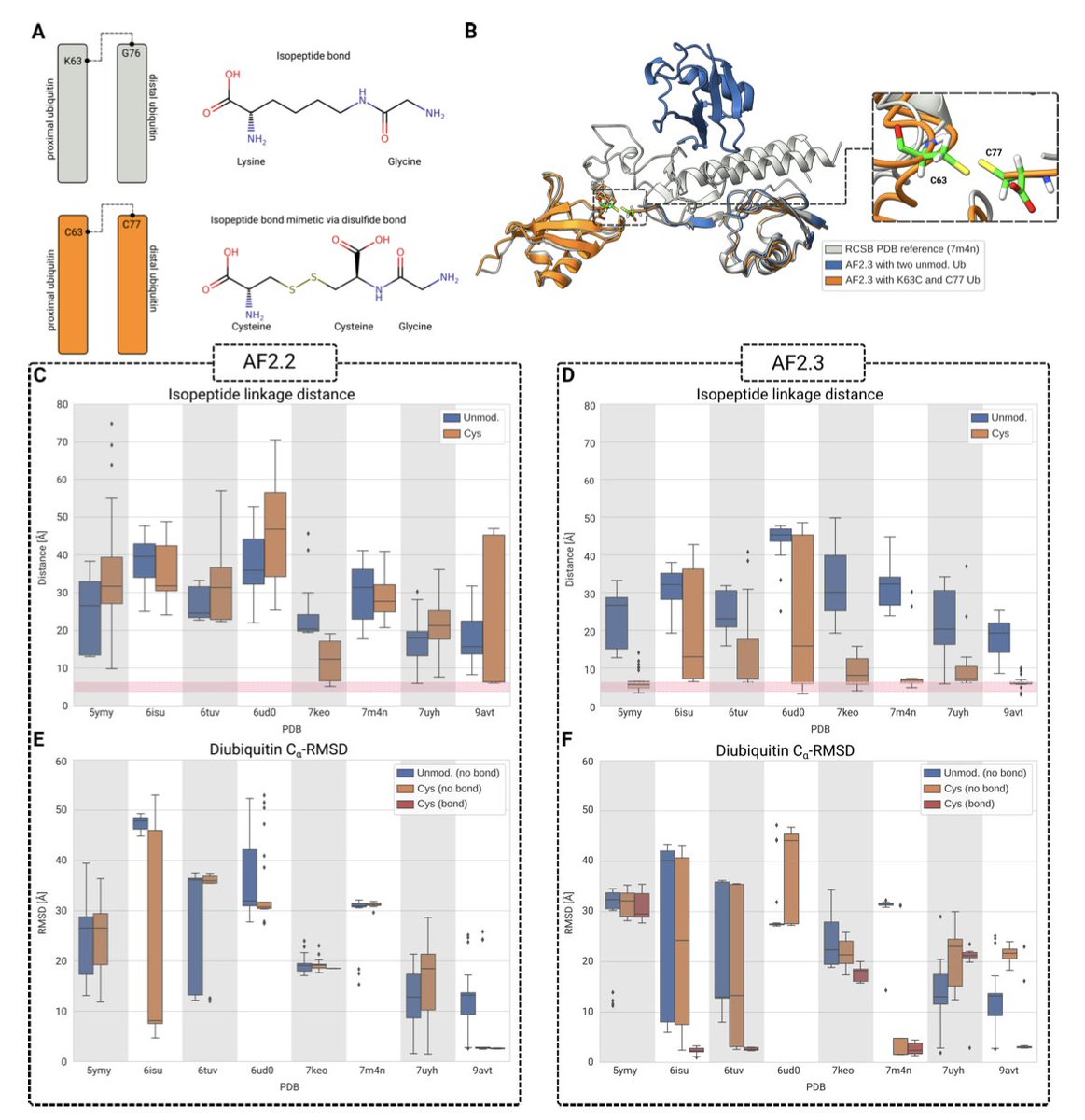
AlphaFold modeling of polyubiquitin complexes and covalently linked proteins
1.The paper presents two strategies for improving AlphaFold’s ability to model covalently linked ubiquitin chains and their complexes: one based on cysteine mutations and another using covalent linkers that mimic isopeptide bonds.
2.The most impactful finding is that introducing a propane-based isopeptide-bond mimetic in AlphaFold 3 allows for accurate prediction of both di- and polyubiquitin structures with predefined linkages, including branched chains and complex architectures.
3.Standard AlphaFold struggles to predict polyubiquitin structures due to the high sequence conservation of ubiquitin and the combinatorial explosion of linkage types, which suppresses coevolution signals and prevents the formation of valid inter-Ub linkages.
4.To address this, the authors first applied correlated cysteine mutations to encourage proximity between linkage sites. This approach improved structural predictions in AlphaFold 2.3 and AlphaFold 3 by favoring disulfide bond formation between modified ubiquitins.
5.However, the most robust improvements came from the second approach: using AlphaFold 3’s new bonded ligand functionality to introduce a propane molecule as a covalent linker, mimicking the natural isopeptide bond between ubiquitins.
6.This covalent linker strategy successfully placed ubiquitins in positions matching experimental structures, reduced RMSD values, and generalized well to triUb and polyUb systems. It even captured elusive conformations that are challenging to resolve experimentally.
7.For particularly challenging complexes (e.g., synthetic antibody-ubiquitin complexes), combining covalent linkers with cross-linking restraints further improved model accuracy, highlighting the approach’s flexibility.
8.The linker-based method enables modeling of arbitrarily linked polyubiquitin chains, including mixed and branched topologies, and can be extended to other covalent PTMs, hybrid Ub-like chains, and small-molecule-constrained complexes such as PROTACs.
9.The authors provide open-source scripts to automate polyUb generation and demonstrate AlphaFold 3’s potential in decoding the "ubiquitin code" by structurally resolving linkage-specific conformations and binding modes.
💻Code: github.com/bio-phys/polyUb-A…
📜Paper: biorxiv.org/content/10.1101/…
#AlphaFold3 #Ubiquitin #StructuralBiology #DeepLearning #ComputationalBiology #ProteinModeling #PostTranslationalModification #PolyUb
12
54
3,694
31 May 2025
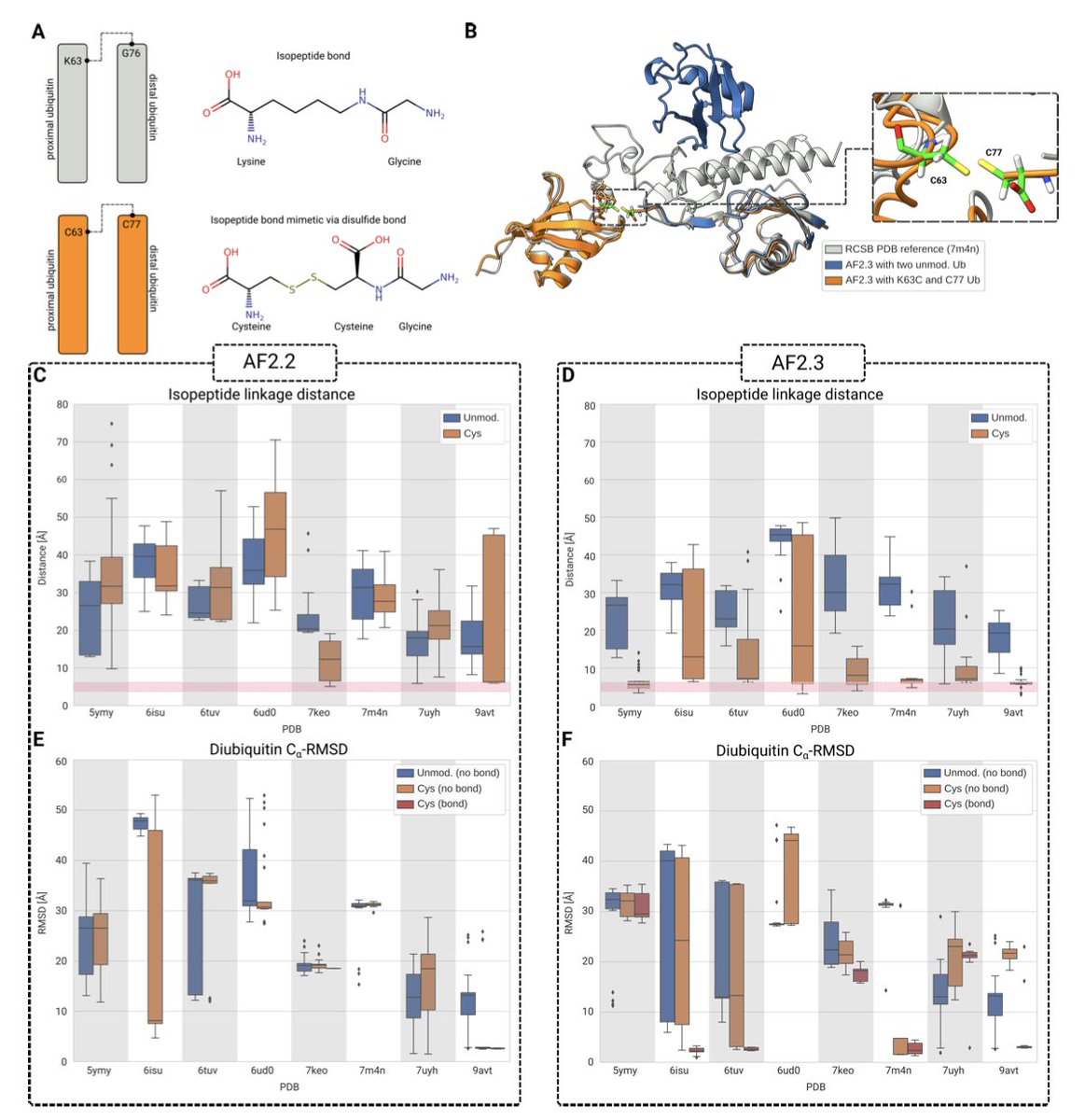
AlphaFold modeling of polyubiquitin complexes and covalently linked proteins
1.The paper presents two strategies for improving AlphaFold’s ability to model covalently linked ubiquitin chains and their complexes: one based on cysteine mutations and another using covalent linkers that mimic isopeptide bonds.
2.The most impactful finding is that introducing a propane-based isopeptide-bond mimetic in AlphaFold 3 allows for accurate prediction of both di- and polyubiquitin structures with predefined linkages, including branched chains and complex architectures.
3.Standard AlphaFold struggles to predict polyubiquitin structures due to the high sequence conservation of ubiquitin and the combinatorial explosion of linkage types, which suppresses coevolution signals and prevents the formation of valid inter-Ub linkages.
4.To address this, the authors first applied correlated cysteine mutations to encourage proximity between linkage sites. This approach improved structural predictions in AlphaFold 2.3 and AlphaFold 3 by favoring disulfide bond formation between modified ubiquitins.
5.However, the most robust improvements came from the second approach: using AlphaFold 3’s new bonded ligand functionality to introduce a propane molecule as a covalent linker, mimicking the natural isopeptide bond between ubiquitins.
6.This covalent linker strategy successfully placed ubiquitins in positions matching experimental structures, reduced RMSD values, and generalized well to triUb and polyUb systems. It even captured elusive conformations that are challenging to resolve experimentally.
7.For particularly challenging complexes (e.g., synthetic antibody-ubiquitin complexes), combining covalent linkers with cross-linking restraints further improved model accuracy, highlighting the approach’s flexibility.
8.The linker-based method enables modeling of arbitrarily linked polyubiquitin chains, including mixed and branched topologies, and can be extended to other covalent PTMs, hybrid Ub-like chains, and small-molecule-constrained complexes such as PROTACs.
9.The authors provide open-source scripts to automate polyUb generation and demonstrate AlphaFold 3’s potential in decoding the "ubiquitin code" by structurally resolving linkage-specific conformations and binding modes.
💻Code: github.com/bio-phys/polyUb-A…
📜Paper: biorxiv.org/content/10.1101/…
#AlphaFold3 #Ubiquitin #StructuralBiology #DeepLearning #ComputationalBiology #ProteinModeling #PostTranslationalModification #PolyUb
1
3
817

5 Dec 2024
Watch the "How epichaperomes drive adaptability in cancer and stem cells" video byte produced by @journalexperts here: youtu.be/L37A4O6gYMk?si=oxAJ…
#posttranslationalmodification #signaling #proliferation #adaptation #NatureCommunications #cellsignaling #epichaperomes #chaperone

1
5
6
312

Did you know that pyroglutamate (pGlu) formation in peptides is a post-translational modification? But why does it happen? Let's explore further: eu1.hubs.ly/H08H20d0
#BioChemistry #PostTranslationalModification #pGlu #PeptideScience #PeptideSynthesis
1
38

Unveiling the non canonical activity of E2: a new study from De Cesare lab ppu.mrc.ac.uk/news/unveiling…
#Research #Ubiquitin #E2enzymes #PostTranslationalModification #Discovery #MassSpectrometry #StructuralModeling #UbiquitinSignaling

2
10
781

#OpenAccess
A non-canonical scaffold-type E3 ligase complex mediates protein UFMylation
buff.ly/40nHqoU
@UoDLifeSciences @mrcppu @GREDundee @joshuajk2007 @DMillrine @YKulathu et al.
#E3Ligase #Ribosome #PostTranslationalModification
1
2
384

12 Dec 2022
🔎 Viewpoint 🔍
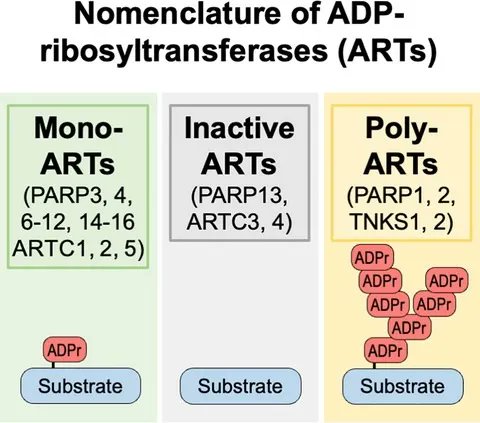
ADP-ribosyltransferases, an update on function and nomenclature
✒️ By Bernhard Lüscher and colleagues @RWTH @UniklinikAachen @UniofOxford @UZH_en @DEgyetem
🔗 buff.ly/3h3QOw4
#ADPribosylation #MARylation #PARP #PARylation #posttranslationalmodification
1
2

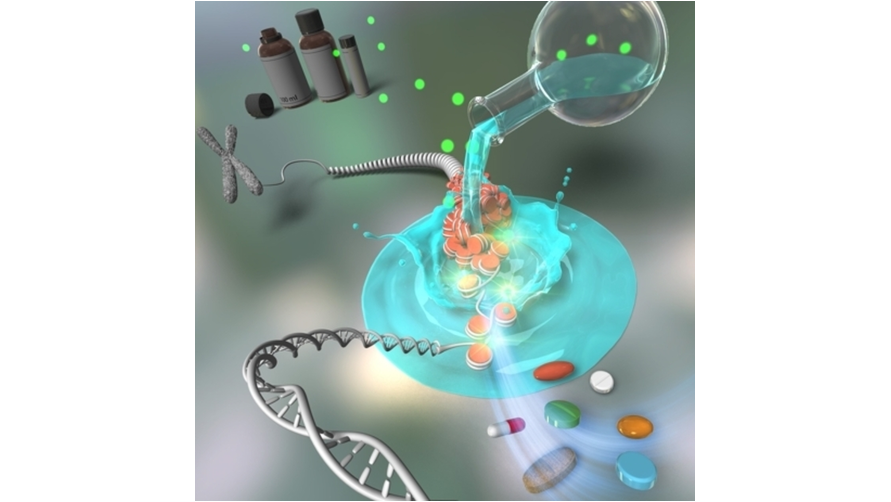
Moe Toyobe & Fumika Yakushiji review synthetic modifications of histones and their functional evaluation. @HokkaidoUni #epigenetics #nucleosome #posttranslationalmodification onlinelibrary.wiley.com/doi/…
2

21 Feb 2022
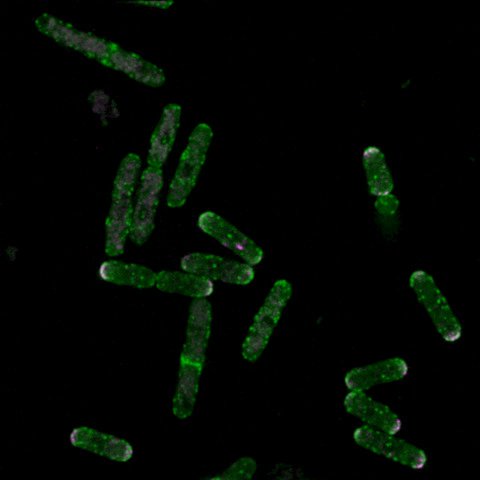
N-terminal #acetylation affects the structure and #calciumsignalling function of #calmodulin
🔬@LabMulvihill @UniKent
➡febs.onlinelibrary.wiley.com…
#cellsignalling #endocytosis #myosin #posttranslationalmodification
2
6

10 Oct 2021
We found out this week that VHIO’s @SandraPeiro & @gemma_serra4 are co-authors of a Mini Review on #posttranslationalmodification as a regulator of #proteinfunction, an insightful article recently published in @FEBSJournal.
bit.ly/PeiroFEBS
2
6 Oct 2021
Recently published in @FEBSJournal, VHIO’s @SandraPeiro & @gemma_serra4 are co-authors of a Mini Review on #posttranslationalmodification as a regulator of #proteinfunction. More on their discussion of latest insights & the signposting of next directions: bit.ly/PeiroFEBS

2
10

Thanks @Virus_Parasite and all invaluable collaborators @EDGEItn @MSCActions #CMV #herpesvirus #posttranslationalmodification @unito @NatureComms @HorizonEU
3

1 Jun 2021
💥Check out our new @PLOSBiology paper💥
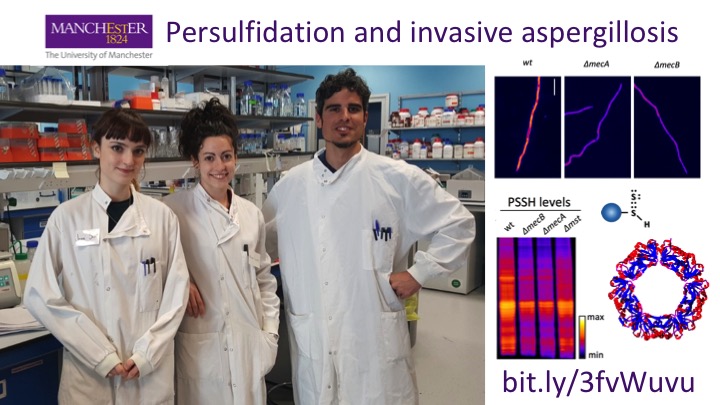
Find out how #persulfidation (a #posttranslationalmodification) is important for both #Aspergillus virulence and host defence during invasive aspergillosis
- Full paper bit.ly/3fvWuvu
- Watch video bit.ly/3wHeCrM
5
16
43

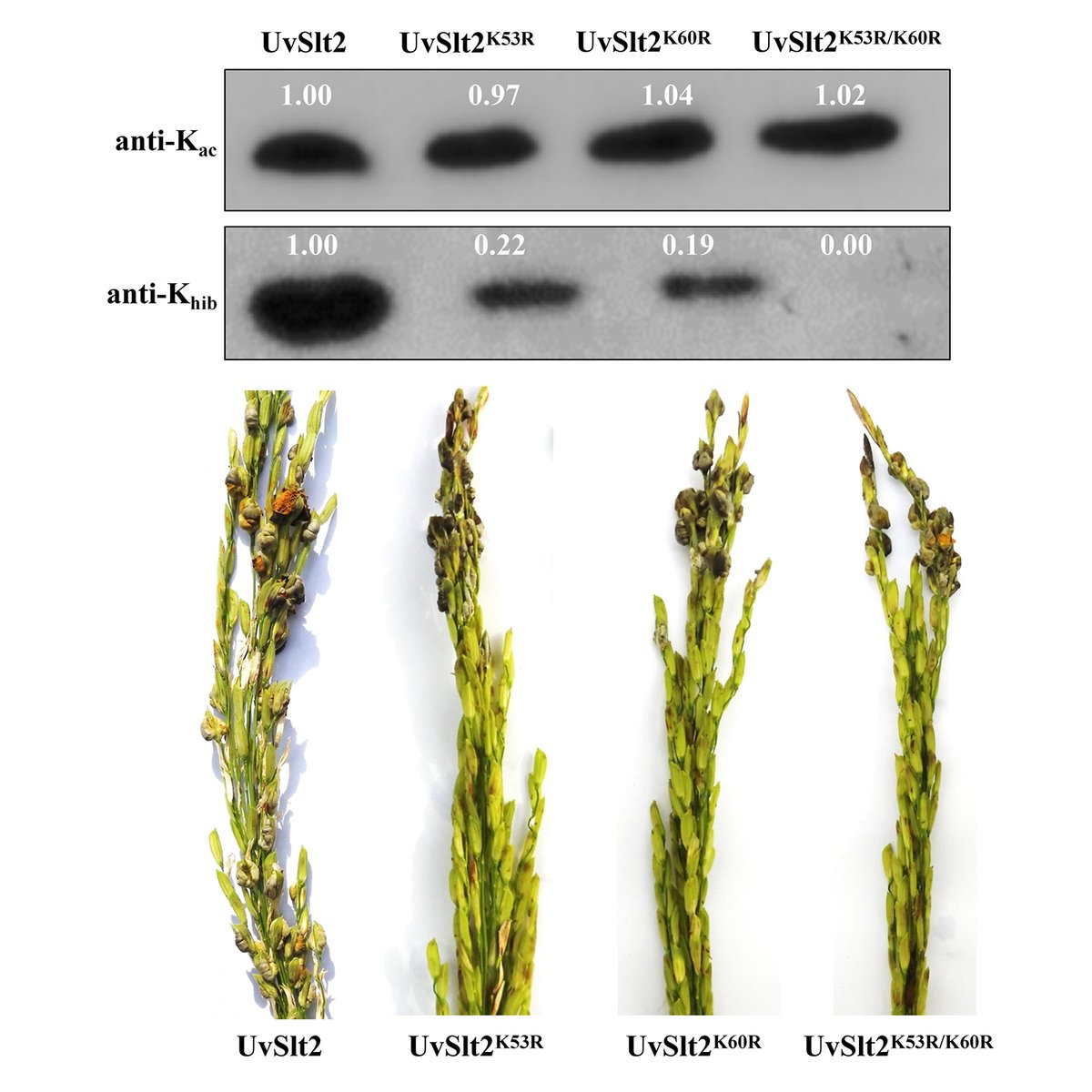
In today's #rice focus, we explore the function of Lysine 2‐hydroxyisobutyrylation (K[hib]) in the phytopathogenic rice false smut fungus, Ustilaginoidea virens. Read more at onlinelibrary.wiley.com/doi/… #PlantSci #PlantPathology #JIPB #PostTranslationalModification @wileyplantsci
2
3

2 Sep 2020
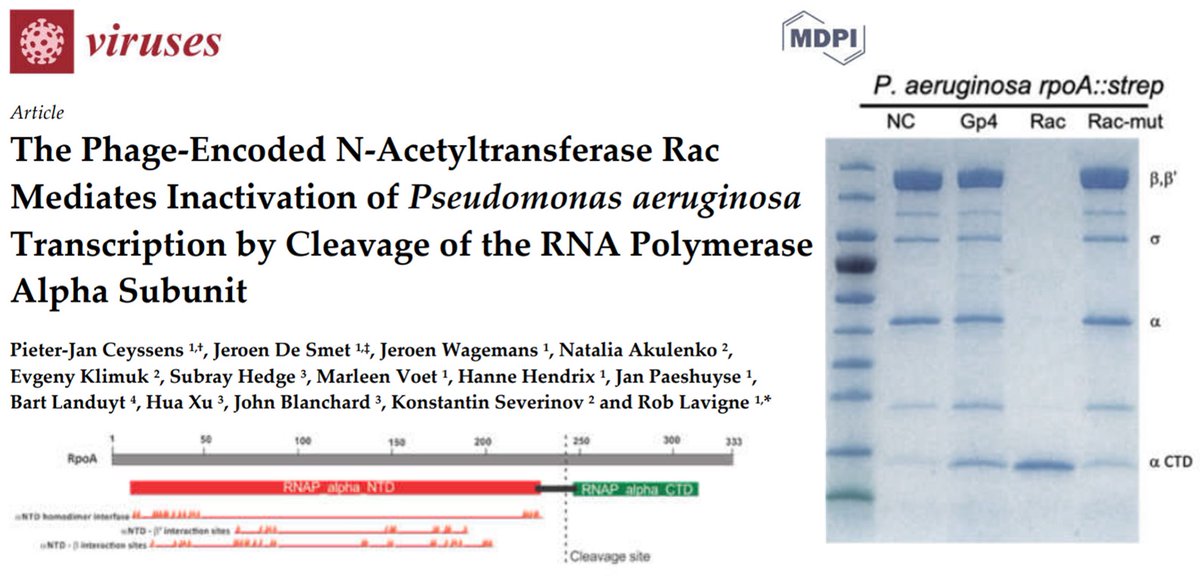
#phage phiKMV encodes a #protein triggering #Pseudomonas #RNA #polymerase cleavage/inactivation. Does our phage exploit a #posttranslationalmodification #mechanism of the #bacterium ? #research #publication in @VirusesMDPI bit.ly/3lHYUIf in the @VoM2020 #special issue
11
39


25 Jun 2019
Proteins before Post translational modification VS Proteins after Post translational modification
#Posttranslationalmodification


1