

May 30
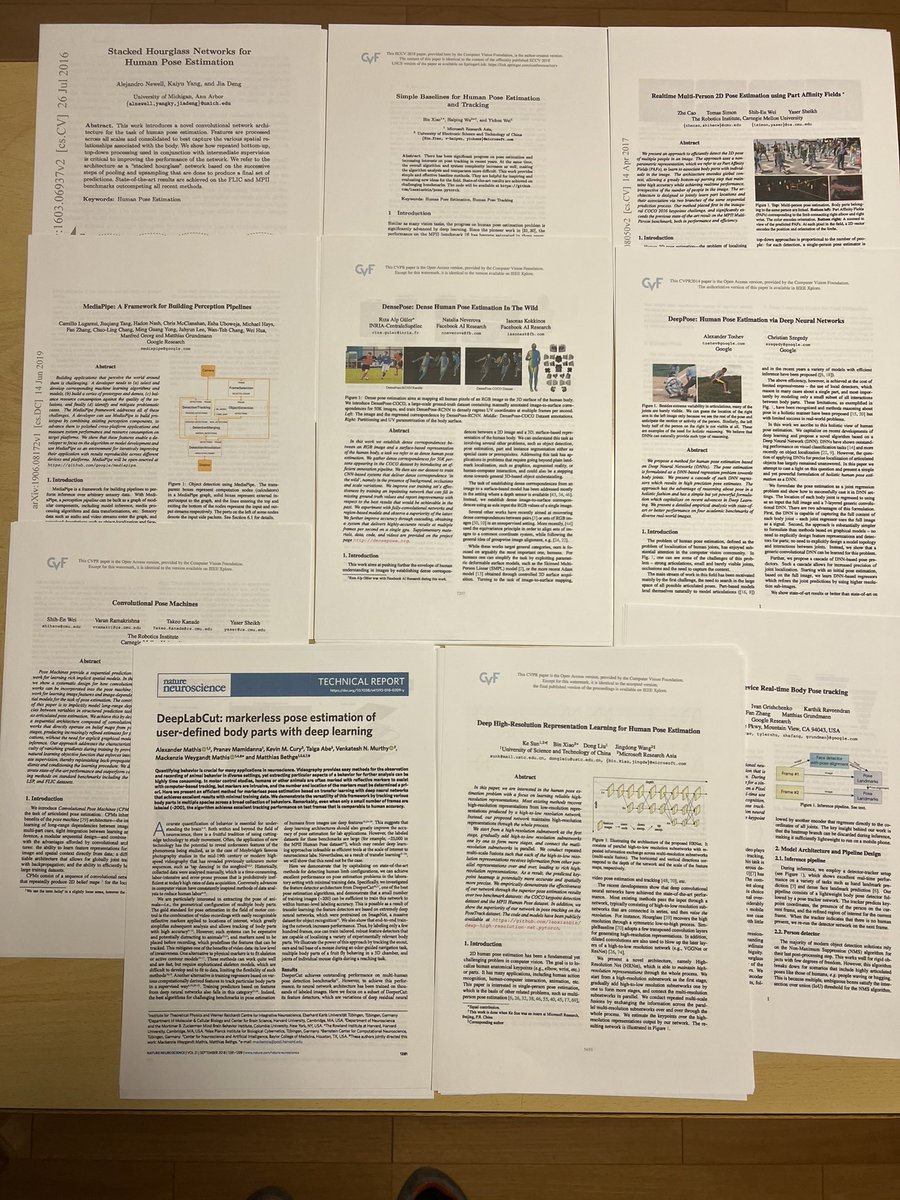
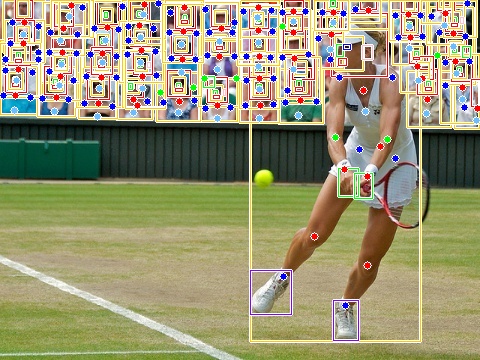
I don't know if it is better than posenet, but the poses i get from it, are in my opinion the best ones ive seen. Even on complex images, the results tends to be very good
1
5
241

Is SAM3D better than PoseNet at pose estimation?

1
2
13
957

May 7
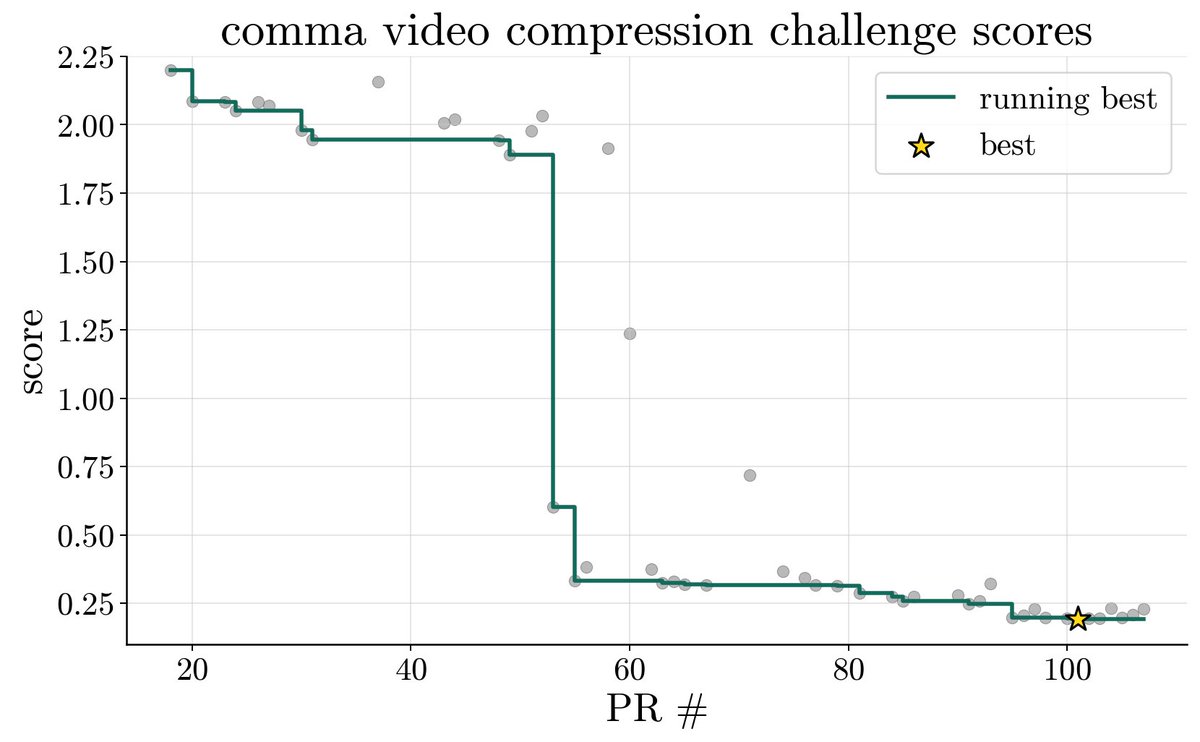
NEWS: comma.ai Video Compression Challenge Concludes with Record Results San Francisco, CA — May 7, 2026 — comma.ai wrapped up its month-long challenge: compress a 37 MB dashcam video while keeping distortions minimal for frozen SegNet (semantic segmentation) and PoseNet (temporal dynamics) models. Top solutions hit 210x compression with near-zero impact on network outputs. Winners1st: @SajayR
(PR #101) — comma four or $1,000 swag
2nd: @rem2
(PR #103) — $500 swag
3rd: @EthanYangTW
(PR #102) — $250 swag
Congratulations to the winners and all participants!
1
10
483

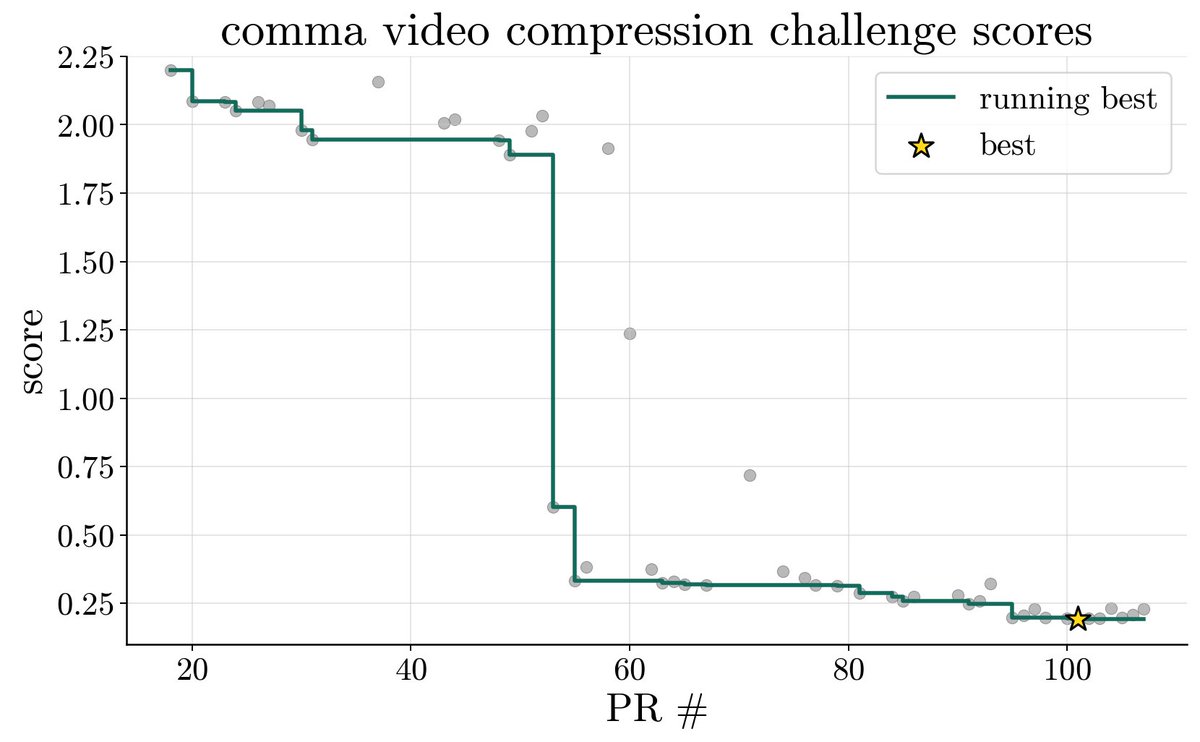
The winning solutions achieved as high as 210x compression rates with very low SegNet and PoseNet distortions!
Read more about the winning solutions here:
github.com/commaai/comma_vid…
1
4
92
4,917
We ran a month long challenge to compress a 37 MB driving video with the constraint that two frozen neural networks (a SegNet and a PoseNet) must produce similar outputs on the compressed video as they would on the original.
(We heard you guys like these @karpathy style figures)
7
13
464
30,666


Mar 26
I started with this prompt: "make a three.js sketch that takes webcam footage as an input and adds a PoseNet or OpenPose pose detection layer over the top using the ML5 library" if you want to test yourself
4
124

17 Dec 2025
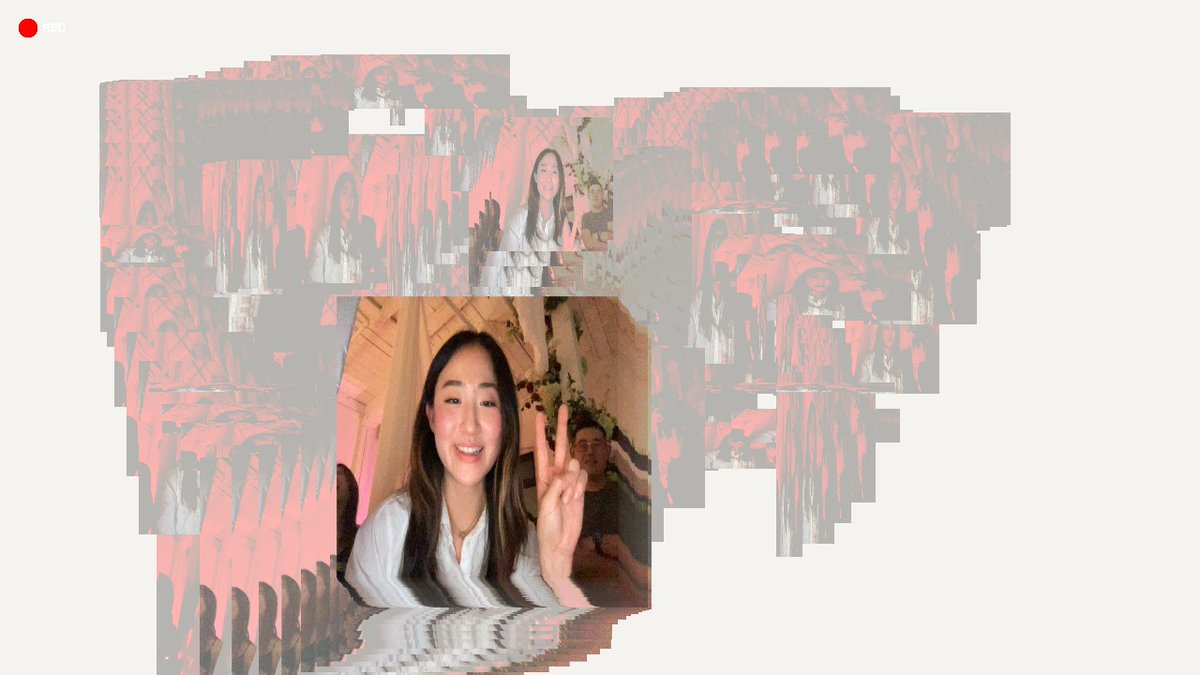
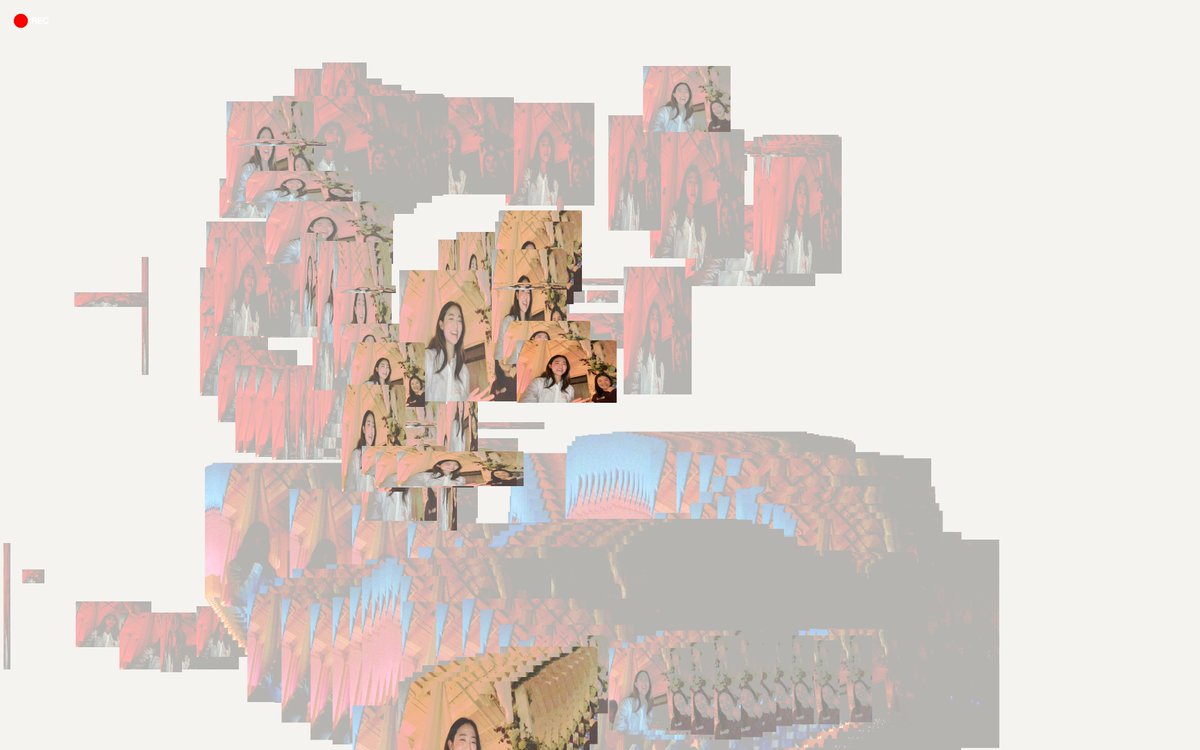
Spent the past summer @sfpc making playful image tools exploring computer vision, MediaPipe, and Posenet. Tools to document the fun, imperfect moments, and new friends that enter into my life!
Play around github.com/itsjoopark/imperf…
S/o @poetengineer__ for inspo<33 Built w @ml5js🌸
1
10
1,520


20 Sep 2025
The framework and the social context of our actual POLITICAL violence -
I start to post both in French and English - my apologies that is how my brain works at times -
I think with G translate ANYone can get what is important
I also added 5 videos to explain or illustrate ...
For my FR friends the top - For my US friends read at the bottom - and please all, do share if it makes sense to you - Merci!
----- TOP -----
On progresse.. la gauche n'a jamais été immune contre son propre fascisme.. et la REACTION est mtn claire
1. J'ai toujours été de G comme on dit, mais ils sont devenus tellement fous socialement que je passe pour une personne d'extrême droite.. et j'aime en fait - j'aime bien cette étiquette qui LES révèle ds toute leur bêtise.
Cette dérive a une explication pus profonde et est ancré dans ce qu'il va bien falloir appeler le travail MAUDFIT dy philosophe Herbert Marcuse. Voir addedum en Anglais ne bas.
En gros, la violence de Gauche est légitime, car nécessaire pour changer les normes sociales vue que la cvaksse ouvrière est embraqué dans le consumérisme et - contentée - ne bougera pas!
2. Nous avons donc bien affaire à une mouvance ORGANISÉE avec un but politique - TOUT changer en accord avec un grand soir neo-marxiste.
Tout devient alors logique et clair
- il faut remplacer la lutte des classe par la lutte des identités, groupes minortiaes mais qui peuventêtre radicalisés.
- Accuser TOUT opposant de raciste, de défenseur de l'ordre établi etc...
- et surtout démoniser les opposant en les traitant d'extrémistes, de droite bien sûr, de fous, et .. surtout de MAUVAIS humains égoïstes
Tout s'explique non? Le climat, COVID, les pronoms, les ARN, l'Ukraine - ils ont RAISON sur tout, tous les autres sont mauvais et égoïstes . Rappelons-nous tous le fameux "quoi tu refuses de TE vacciner pour ME protéger! " aussi con que vicieux!
3. Maintenant CNews (merci A C kelly et D'ornenas) posenet la bonne question suite à la décision de Trump de désigner Antifa come organmisation terroriste
SVP comprenez bien la suite qui illustre ce que je viens de dire et décris en bas de ce post (Marcuse)
Ici la vidéo -
youtube.com/watch?v=2GtLWFaj…
A min 3 on entre ds le viuf du sujet
A min 4 cette mouvance est un mouvement ORGANISÉ et financé (ce qui est évident et traçable)
A min 5 la clarification que nous tentons de faire depuis qlq semaines, le nazisme et le fascisme sont originaires de la G et c'est la victoire communiste de 1945 qui a modifié cette étiquette - ceci est crucial et prend tout son sens dans la philosophie d H Marcuse- qui les pousse HORS du champ de la révolution Marxiste continuée qu'il appellait de ses voeux.
A 5 min 30 - on apprend que le Monde publiait des analyses identiques critiquant la mouvance antifa (wow!)
Après min 6 - on entre dans le vif de ce que l'on vit et entend "la déconstruction" (cfr les hommes et femmes déconstruits etc..)
Min 7, la différence entre appels à la haine et liberté d'expression ...
Bref merci à CNews (TV d'extrême droite selon Ernotte - LOL ) - de prendre les spectateurs pour des gens intelligents et de nous donner ce segment explicatif essentiel.
4. On peut aller plus loin si on regarde ls news US
Ici Megyn Kelly interviewant S. Bannon (idéologue anti-globaliste et ex-Trumpiste)
youtube.com/watch?v=1NhqTTG8…
Min 9 - on peut voir des extraits - et il y en a des milliers - de gens qui dépassent TOUTES les bornes humaines . Et ce sont ces gens qui sont en train de se faire virer por le moment.
Min 11 - on parle de la désignation d'antifa...
Et bannon restera Bannon, il dérive vers les christianistes - qui hélàs existent aussi.
Le combat contre le wokisme n'est pas religieux... selon moi... mais POLITIQUE.
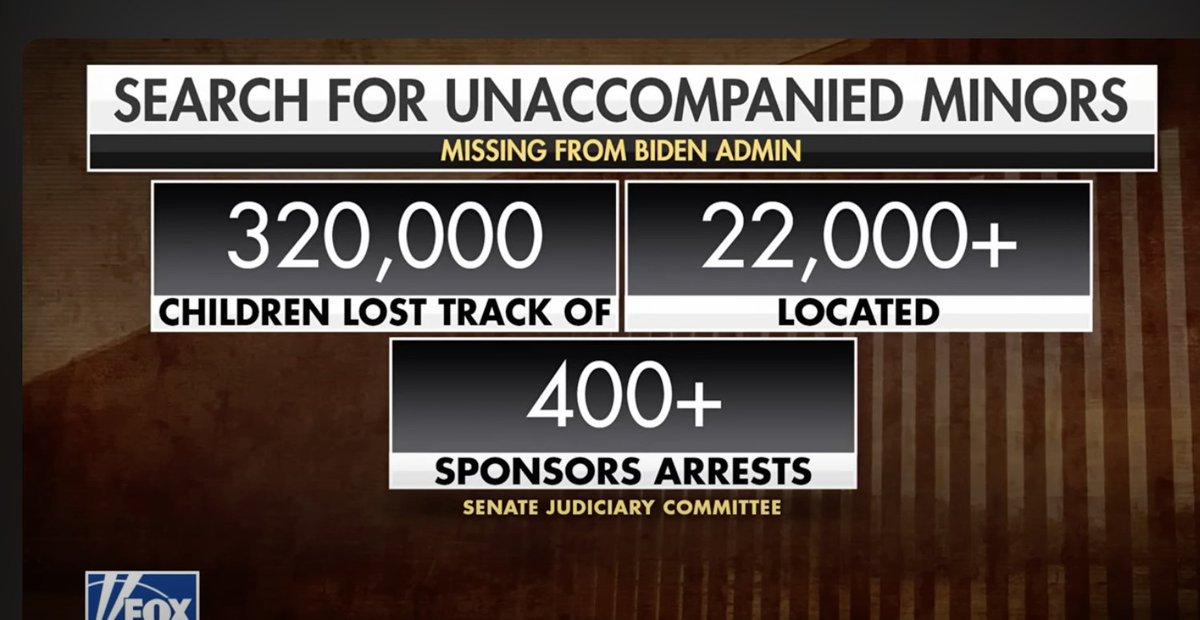
5. Et si on veut une illustration horrible du wokims - regardons le dossier des "enfants migrants disparus" sous Biden. Plus de 300.000 enfants et mineurs d'âge furent admis SANS AUCUN parent aux USA durant les 4 ans de Biden... et "perdus"
Pourquoi?
Simple - et si "tolérant"
Les parents au suc envoient leur enfants vers une vie "meilleure: économiquement" soi-disant.. en se mettant en contact avec soit de la famille aux USA - soit dans la plupart des cas avec des prédateurs sur internet qui sont prêts à sponsoriser et à se faire passer pour le viel oncle etc... et promettent aux patents de bien s'occuper des gosses!
Le gosss arrive à la frontière - le sponsor se présente et hop le tour est joué! AUCUN contrôle effectif si ce nets les documents sponsor-famille!!
ICE (Immigration and Customs Enforcement) sous Hohman (le directeur qui est la bête noire de la gauche!)_en a en déjà récuperté qlq dizaines de milliers et les a sorti des griffes des prédateurs.. En outer plusieurs centaines de ces gosses sont DEJA morts apres 1, 2 ou 3 ans aux USA des mains de leur bourreaux..
Ici une video sur ce sujet
youtube.com/watch?v=KDof9aj-…
Une autre IMPORTANTE ici
youtube.com/watch?v=-CwefgP5…
Regarded à la Min 3 - les statistiques honteuses et écoutez Hohman expliquer - et svp partagez..
Sachez aussi que ce Mr. Hohman était à la pension, a travaillé dt plus de 20 ans sous 5 présidents des 2 partis et a repris du service .
CCL-
- Le voilà le monde selon Marcuse, le monde woke et des politiques identitaires destinées à faire la révolution permanente.
- Voilà pourquipo nos avons EVRAS, et des bonhommes trans qui participent aux compétitions pour femmes...
- Voila pourquoi la classe ouvrière est lâchée par la Gauche qui a VRAIMENT l'intention de tout foutre en l'air pour créer un monde "meilleur de type orwellien"
- Voilà pourquoi cette gauche est devenue ciroprate, cad co-opté par la finance internationale - car comme en Chine la finance n;a que faire de la démocratie - et que les néo-serfs soient le svctimes d'un capitalisme snas frein ou d'un néo-marxisme woike sans freins importe peu in fine!
- Voilà pourquoi derrière un assassinat aux USA< il ya bcp bcp plsu en jeu...
- Voilà pourquoi designer Antifa comme ORGANISATION terroriste est une bonne mesure qui va permettre à bcp de gens de comprendre qu'on les a pris pour des cons... ces questions DOPIVENT être posées
Voilà pourquoi les trolls qui attaquent ces jours-ci étant liés aux POLITIQUES - ils sentent le vent du boulet...
Voilà pourquoi il va falloir NOUS battre pour ramener au sein de nos sociétés le bon sens et l'humanisme dont il n'ont rien à foutre!
Merci de votre lecture et de vso partages
Et ci dessous, vous trouverez un résumé de la philo de Herbert Marcuse... la pape du Nouvel Ordre Noir!
----- Philosophical Addendum --- svp read this too.. you;'ll learn so much.... ---------
1. Herbert Marcuse is the father of our actual violence
A member of the Frankfurt School of philosophy, Marcuse synthesized the ideas of Karl Marx and Sigmund Freud to analyze how advanced industrial societies maintain control by suppressing critical thought.
Several of his concepts are relevant to contemporary progressive thought:
One-Dimensional Man: In his 1964 book of the same name, Marcuse argued that affluent, technological societies control their populations by offering consumer goods that create "false needs" and integrate potential opposition into the existing system. This complacency, he contended, stifles revolutionary consciousness and critical thinking.
Repressive tolerance: In his 1965 essay "Repressive Tolerance," Marcuse argued that pure tolerance can be repressive because it allows harmful, right-wing ideas to exist alongside progressive ones. He claimed that this strengthens the status quo by suppressing revolutionary ideas and that, under emergency conditions, society is justified in withdrawing tolerance from repressive movements.
The Great Refusal: Marcuse believed that radical change would not come from the working class, which had been integrated into the capitalist system. Instead, he placed hope in marginalized groups—such as students, people of color, and other outcasts—to lead a "Great Refusal" of the dominant societal norms.
1. Marcuse's ideas can obviously be seen as influencing contemporary progressive and "woke" philosophies in several ways:
Systemic power analysis: Critical theory, which includes Marcuse's work, moved beyond traditional Marxist economic analysis to examine how power operates through social structures related to race, gender, and culture. This approach is a clear intellectual ancestor of frameworks like Critical Race Theory and the analysis of intersectionality.
Shift from class to identity politics: Marcuse's focus on marginalized groups as agents of change, rather than the working class, foreshadowed modern identity politics and social justice movements.
3. And thsi is where it becomes truly worrysome
Critique of free speech absolutism: Marcuse against Stuart-Mills, Voltaire, Payne, Jefferson, and all OUR Enlightenment!
Marcuse's idea of "repressive tolerance" is a precursor to contemporary arguments for restricting certain forms of speech to protect marginalized groups from harm. Critics of "cancel culture" and "hate speech" laws often point to Marcuse as an early proponent of such restrictions.
Recently J K Rowling write a post on X seen by millionswhixh was crystal clear- In short she told us that Words ARE NOT violence, actual violence or call to murders is.
She also told us taht teh wokism sustains and uses this confusion in order to DOMINATE and justify their own violence.. which then comes as a "justified reaction"
Ladies and gents, we have been blind for so long... why?
Because the left took on itself the mantle and the monopoly of Goodness of Justice - and hence all they say, think or do - even VIOLENT:Y, even when they celebrate a murder is OK...
Those people ae literally brainwashed and lost to ANY normal open society .. and that will become OUR problem soon... What will be the solutions?
I would urge you to translate and read the first part of thsi long post in French - as you will then understand it all! As I tie loose ends - even with the missing border children ... [image is the stats from ICE]
And please do share if you feel that you learned and read something valuable - thank you !
2
6
13
2,697


28 Jul 2025
Just built a real-time Pose Detection app using HTML JavaScript TensorFlow’s PoseNet!
🧍♂️ Tracks body movement
🖐️ Detects raised hand with sound effect
📸 Soon adding screenshot Supabase storages
🔗 Try it live: hardik-aquamarine-cupcake-c4…
#PoseNet #BuildInPublic
1
4
41

28 Jul 2025
- 2025 Global AI #Hackathon AT MIT
- Opening and Introduction
- Natalie Laauo opens session; CEO of App Inventor Foundation.
- Emphasizes youth creating solutions.
- Final showcase features six student AI app teams.
- Based on UNESCO AI competency framework.
- Held at MIT’s lecture hall 10250.
- Natalie recalls learning AI from Prof. Patrick Winston.
- Format: team presentations, judge Q&A, awards.
- Zarin Chowri introduced to explain event context.
- ✅Zarin Chowri's Speech
- Welcomes attendees; highlights inclusive AI goals.
- Hackathon started to democratize AI.
- 1,300 participants from 86 countries; 60% from developing world.
- Top countries: USA, India, Brazil, Singapore, Indonesia.
- Ages 5–77; median age 17.
- Theme: UN Sustainable Development Goals.
- Popular SDGs: health, education, climate.
- Required AI usage; popular types: generative, classification, speech.
- 90% beginners; 95% felt empowered.
- 53 judges: educators, industry, MIT affiliates.
- New mentorship program with Braise helped finalists.
- Program expanded to Taiwan and Japan.
- Judges Introduction
- Rod McCloud – Braise VP of Social Impact.
- Kelly Shiohira – UNESCO AI framework expert.
- Mark Freriedman – Co-founder of App Inventor.
- Team: Rehab AI
- Cody Lee presents AI telerehab solution.
- Solves care access via camera tracking and pose evaluation.
- Components: PoseNet, angle calculator, LSTM classifier (98% accuracy).
- Features: cloud sync, patient/doctor UIs, video overlays.
- Feedback: improve data diversity.
- ✅Team: Kidney Buddy
- Alan Zang's team supports #CKD patients.
- Tackles caregiver fatigue, scattered tools.
- Features: meal planner, symptom tracker, alerts, chat.
- Includes risk analysis, lab locator, AI insights.
- Family-tested; aims to reduce stress.
- ✅Team: Move to Heal
- #Turkish high school team tackles global rehab gap.
- Rehab app uses PoseNet, personal classifier.
- Features: chatbot, progress tracking, real-time feedback.
- Emphasizes safety and privacy (skeleton data).
- Plans: expand dataset, medical collaboration.
- ✅Team: #Chook
- Hannah from Japan combats food waste.
- App turns ingredients/photos into meal ideas.
- Uses flyers, lists as input; trialed at library.
- Links planning with hunger/waste data.
- ✅Team: #Ikygai for Teens
- High schoolers help peers with career discovery.
- Based on holistic Ikigai concept.
- Backend: Python GPT-4; frontend: App Inventor.
- Features: AI journaling, voice input, career map.
- Adapts over time; shaped by parent input.
- ✅Team: Happy Food
- #Saska, 14, addresses social isolation from bullying.
- App connects out-of-school students privately.
- Aims to reduce prejudice, build support.
- Awards Ceremony
- Best Design: Ikygai for Teens.
- Community Impact: Chook.
- Creative Innovation: Move to Heal.
- All teams recognized for excellence.
- Adult Finalists
- #Vision Cap (Kushell): AI-powered assistive wearable for blind children.
- Recycle Easy (Marco): AI-guided recycling with smart bins and rewards.
- Sleep Fixer (Singapore): AI sleep habit optimizer with gradual shifts.
- 📈❤️🔥Summary
- Showcased youth-driven, socially conscious AI apps.
- Projects spanned health, education, climate, equality.
- All used MIT App Inventor AI creatively.
- Demonstrated youth empowerment and AI for global good.
1
2
104

12 Jun 2025
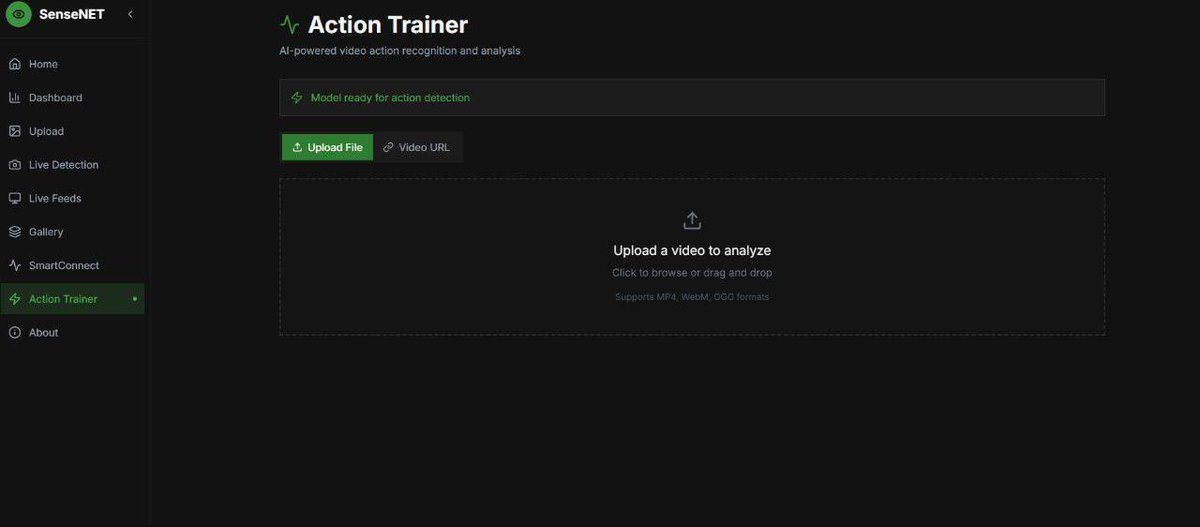
SenseNET Action Trainer is Coming 🧠🎥
We’re excited to unveil SenseNET Action Trainer — a powerful new tool that turns your videos into real-time, AI-powered insight streams.
Built with advanced TensorFlow.js models, it analyzes human actions frame-by-frame, detecting over 400 activities with precision — from simple gestures to complex motion sequences like CPR or athletic drills.
🔍 What It Does:
• Real-Time Action Detection – Instantly recognizes movements as the video plays
• Pose-Aware Analysis – Uses MoveNet PoseNet to map keypoints and track posture
• Multi-Person Support – Capture simultaneous actions across subjects
• Timeline Mapping – Visualizes when and how actions unfold
• Confidence Scoring Heatmaps – See intensity, certainty, and flow of motion
• Full Export Suite – Save outputs as annotated video, JSON, or CSV
💡 Use It For:
• Sports performance breakdowns
• Security and behavior anomaly detection
• Fitness rep counting and posture checks
• Healthcare mobility assessments
• Content moderation and action flagging
• Academic studies on human behavior
See what moves your world – and understand it like never before.
6
6
1,629

30 Apr 2025
In my latest video, I had fun experimenting with PoseNet TensorFlow.js to build a wrist gesture-controlled map! 🗺 🙌
📽 youtu.be/Hy8OMhP3zLA
2
9
491

21 Mar 2025
Face Tracker PoseNet Displacement effect
90 XTZ / 🔗👇
1
4
5
359
19 Feb 2025
Implemented pose detection using PoseNet, from the last build this one can Capture video,
- detect key points on the pose, and draw lines to represent the skeleton.
- the code tracks facial features & wrist movements and overall body key points in a real-time video feed
3
122

How can AI enhance creativity? MIT students Ethan Chang & Zhixing Chen explored this in course 4.043/4.044, presenting at #NeurIPS2024. Their AI-powered boombox, Be the Beat, uses PoseNet LLMs to match music to a dancer’s style, redefining dance-music interaction.
#AI #MIT

3
569

someone recently said to me they thought i'd been making art for "only a few years"... they meant it kindly, like, "look what you've accomplished in a short time," but the truth is that visible accomplishments barely scratch the surface.
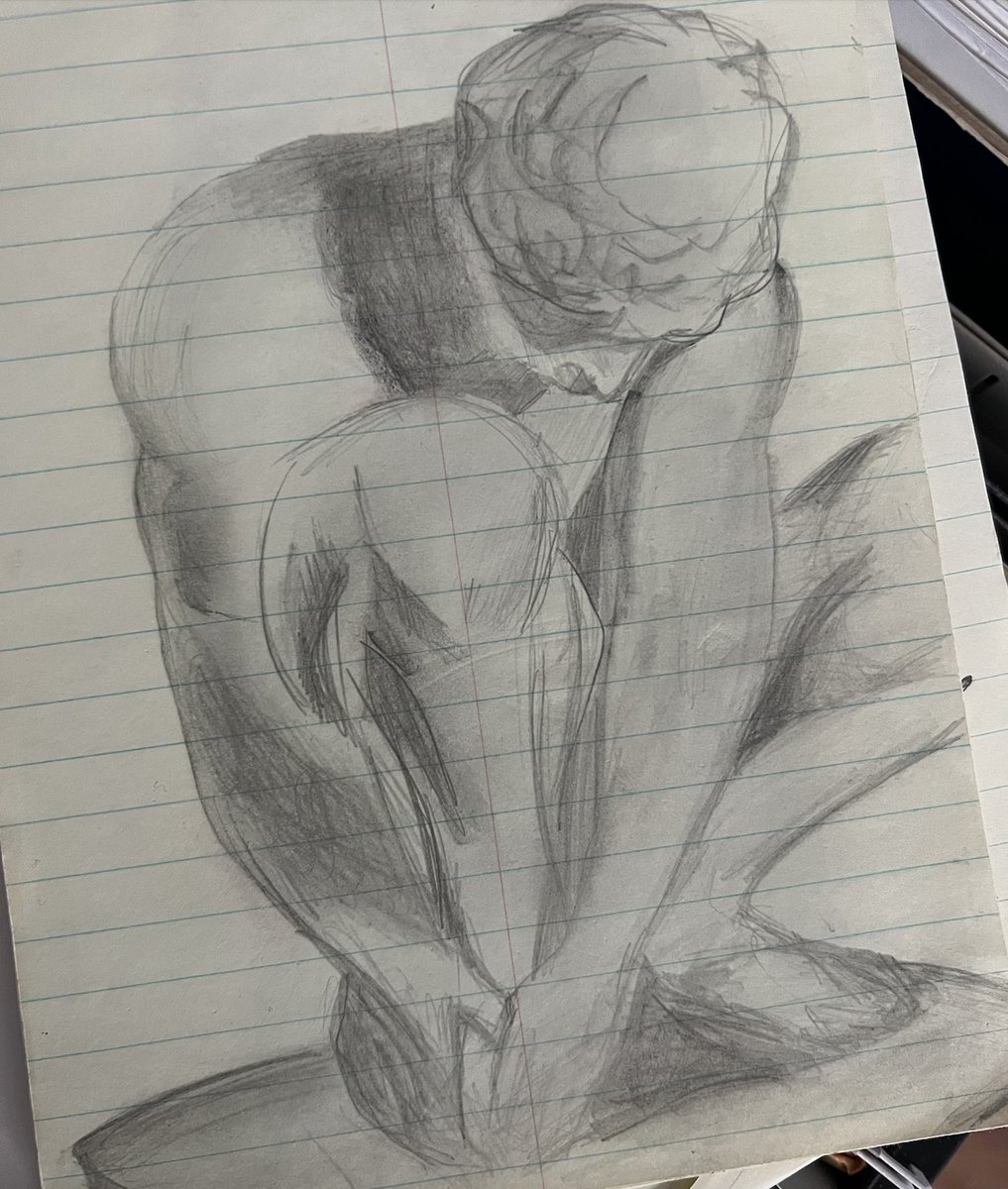
when i was a little kid, i'd spend after-school time on my parents' computer playing around in MacPaint; on the weekends i took drawing and oil painting classes. some of my earliest sense memories are the smell of turpentine and the slushy texture of grape juice made from concentrate that our teacher liked to hand out. when i was around 13, my dad took me along on a business trip to italy, my first time in europe; i still have the notebooks of my terrible but very earnest pencil sketches of michelangelo's sculptures, which stunned me, and postcards from every museum we went to. for a while, i was obsessed with copying picassos, trying to learn whatever i could by imitating my favorite paintings. whenever my parents went away on business trips, which was often, i gave them little "travel notes" - handmade, wallet-size booklets illustrated with what i imagined their travels would be like, what to look out for, what not to forget. i loved and continue to love paper - i played around with marbling and tie-dying and blending up old material to make new, folding and unfolding to make shapes and patterns, carefully stenciling and inking letters, writing made-up colophons. my parents indulged my love by bringing me stationery from around the world, some of which i used, but most of which i saved and savored as inspiration, as writerly talismans. my stationery collection, which i've added to over the decades - single papers, scraps, envelopes, strange little notebooks, wax stamps, etc. - is absolutely sacred to me.
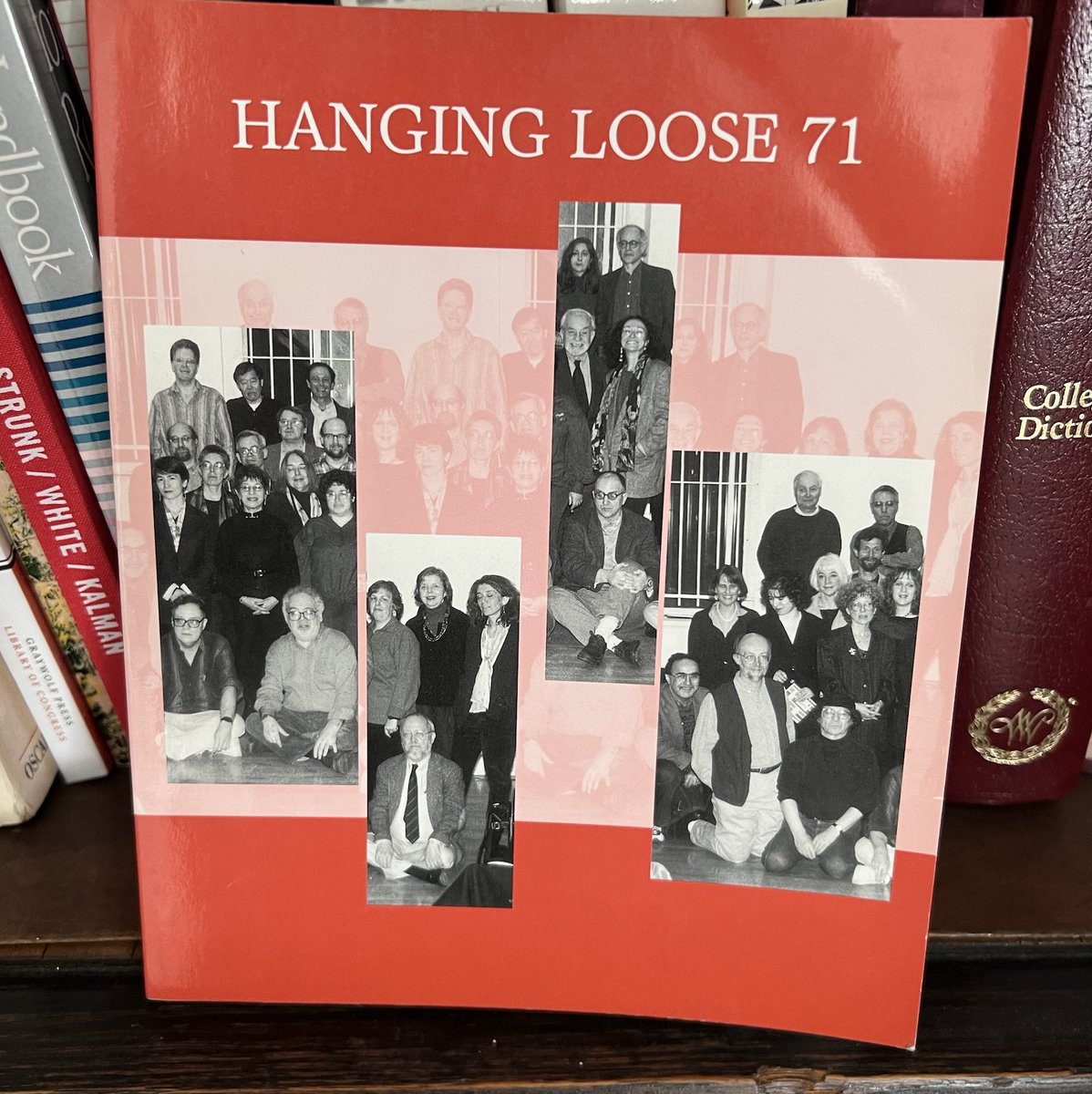
i published my first poem in a national literary mag, "hanging loose," when i was 17, which is around when i got my first (of many) rejections from the new yorker (the new yorker's anthology of poetry, with its shiny yellow cover and dense pages, was my bible for a long time), after filling up umpteen notebooks with student poetry and spending countless hours in libraries and curled up in bed reading into the wee hours with a nightlight clipped on my book. i've told the story elsewhere of meeting allen ginsberg in new york around this time, how he read a folder of my poems and annotated each one by hand with suggested edits and recommended other poets for me to read. and how, when we parted ways, he kissed me on the cheek and said, "you have a way with words."
i grew up devouring work by ursula k. leguin and philip k. dick and h.g. wells and aldous huxley and asimov... i also chose to study latin, so i could translate the writings of horace and catullus and virgil and ovid. my long love affair with elegiac couplets began when i first encountered "odi et amo" in a workbook - i attempted to translate it over and over again, trying to understand its compression and magic. i worshipped t.s. eliot., i slept with "four quartets" near my head. my bad high school poetry was less about puppy love and more about ancient and future worlds -- soma, space exploration, hephaestus, greek automata, the theft of fire, the enduring power of language as a kind of time machine. in college i became enraptured by joyce and woolf and gertrude stein and laurence sterne, the way they hack and renew language. i scrutinized every inch of "ulysses," every punctuation mark, every breathless sentence. i'm sure i gasped out loud the first time i read "tristram shandy" and fell upon the blacked out page. i was fascinated by tristram's self-awareness of the writing process; looking back, i'm certain it informed my abiding interest in the ars poetica and the "meta" nature of much of my own work.
in college i also stumbled across a book called "american nervousness" - a 19th-century neurological treatise on profound anxiety as response to the technological and cultural transformations of the industrial revolution. the moment i started reading it, electricity coursed through my body. at harvard, where i did my undergrad degree, an early version of "the facebook" was starting to spread; we were all obsessed with napster. when i went to england to do my graduate degree, my important relationships became embodied through AIM. around this time, i was invited by a culture magazine in the US to write a monthly column; i decided to focus on my evolving entanglement with technology and the experience of distance, penning essays on, for example, the primal warmth of my laptop and the masses of undersea cables powering all our instant communiques.
my first full-length poetry collection - never published - was titled "american nervousness," in homage to george beard and his observations about techno anxiety. it invoked contemporary events while looking back at the advent of the telegraph and telephone and printing press and other inventions that forever altered human connection. that manuscript was written from around 2004 onward; some of the poems in it eventually became parts of "technelegy." i submitted it to various book contests and publishers but no one bit.
kurzweil's "the singularity is near" came out around this time. i had already read and absorbed "the age of spiritual machines." after graduation, back in new york, i had a regular subscription to wired magazine and pored over kevin kelly's "out of control." i read articles on the relationship between creativity and science by jonah lehrer, who had been an oxford classmate, and whose musings stuck with me long after leaving england. i had a day job/career but mostly wanted to be in new york for the art. often, after work, i'd go to lincoln center and get $5 rush tickets. i'd drag my friends all over the city for free admission hours at museums, and sometimes even managed to eke out a budget to travel to shows that were calling out to me, in london, in los angeles, in paris, in berlin, in barcelona, in bilbao. i went to a zillion book launches and poetry readings and art openings. i slunk around chelsea on thursday nights, wide-eyed and dreaming but feeling rather "outsider," having never actually gotten an MFA in either art or poetry. i occasionally thought about applying for one, but honestly preferred my self-directed mode of study.
in 2014, i read nick bostrom's "superintelligence," and "the bug" by ellen ullman (who had earlier written one of my favorite books, "close to the machine.") that same year, i got engaged; my now-husband and i would lug huge canvases into my apartment in downtown brooklyn and paint things to hang on our empty walls. given our musical backgrounds (i have sung, played piano and violin, and composed music since i was young, and he is a veteran music director and producer), we also worked together on client projects and other creative endeavors, paving the way to our ongoing collaborations as studio partners.
somewhere along the way, i had my first in-person experience with alison knowles' "the house of dust" - a formative moment in my life. in 2015, i started writing an early, 100% human-powered version of "technelegy"; in 2016, i began sending these poems out to journals. my first publications from that manuscript came in 2017, with "the salvages" appearing in copper nickel, and others in the missouri review, matter monthly, clementine unbound... i was also translating parts of these poems into media-rich verse, experimenting with animation software and iPhone apps to glitch, redact, sonify and illuminate words. (i am always thankful to CADAF for taking note of these works early on.) when GPT first emerged in 2018, i had been low-key stalking creative coders online for a bit, trying to decipher their language and techniques... as someone who has been hardwired for literature and humanities basically from birth, i was intimidated but fascinated, and quickly saw how natural language processing was a natural fit for my lifelong interests. that was the moment it dawned on me to turn my writing and research into a curated data set, and i begin mentoring a language model to become my co-author. i completed the final version of "technelegy" as an experiment in human-machine dialogue and transhuman translation, and after a long slog through covid, it was published in 2021. (a full-circle moment came when none other than ray kurzweil gave it a lovely blurb.) meanwhile, i attended any tech-art conference that would have me, and signed up for workshops at places like poets house and NY live arts (where i experimented with posenet to make little body poems like "artificial inelegance") and poets house. also, inspired by the work of stephanie dinkins and others, i'd become poetry mentor to the humanoid android BINA48, spending time up at the research facility in vermont, working closely with her team to develop hands-on experiments and tools and data sets and generally gain familiarity with the "inner workings" of a machine mind, and my relationship to it. that ongoing relationship has profoundly influenced my understanding of creativity and cognition, and led to my first solo show of language art - "ars poetica cybernetica" - in february 2020. we opened the show with a live AI poetry workshop and performance.
SO MUCH has happened since then, and of course so much before that won’t fit here. but suffice it to say, regardless of what anyone may see, there is a lifetime of curiosity and wonder and inspiration and research and practice and revision and rejection and resilience and determination and passion and joy embedded in every single thing i do.
4
3
37
2,065