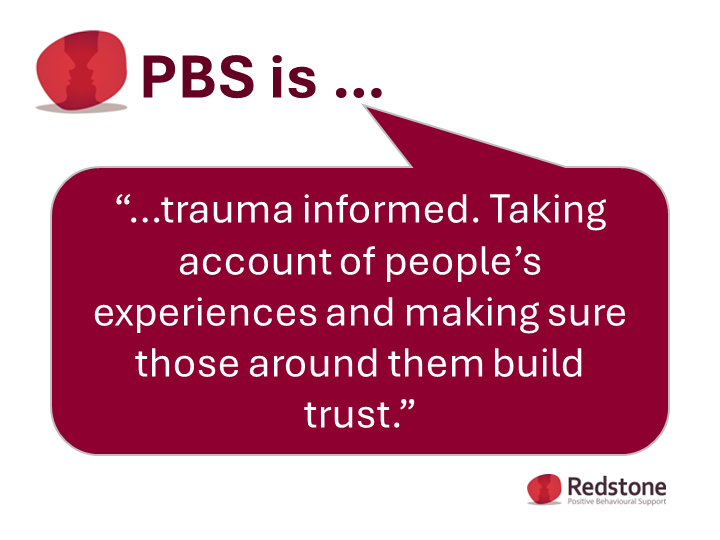
#PBS is ..... trauma informed. Taking account of people’s experiences and making sure that those around them build trust is essential. #positivebehavioursupport
5

Jun 10
Trauma Informed #PBS – read our helpful blog covering the issue of trauma in people supported through #PositiveBehaviourSupport – click here: redstonepbs.co.uk/trauma-inf…
#PBSChampion
5
Jun 9
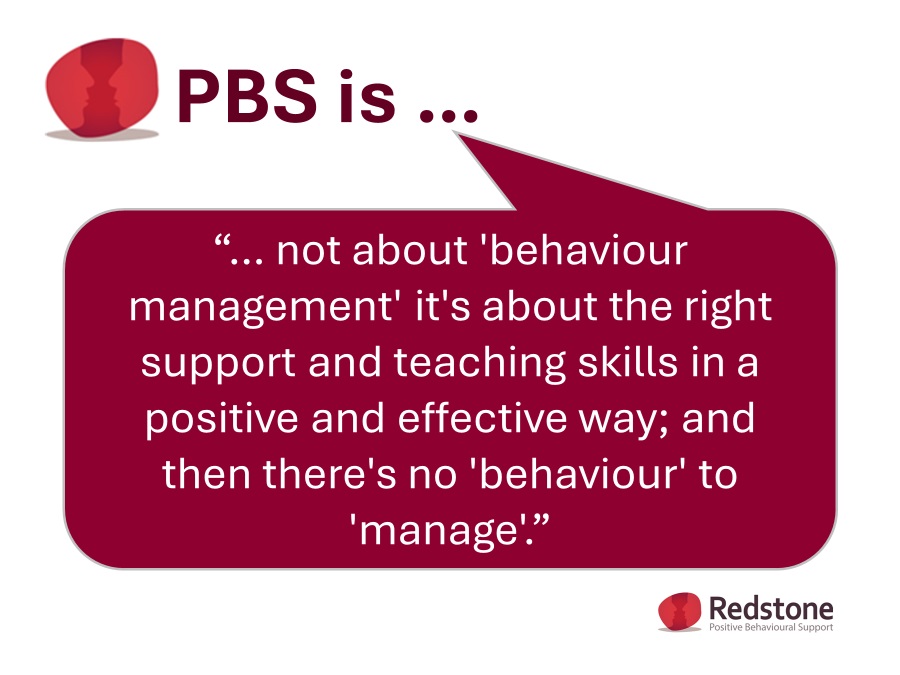
#PBS is....not about #behaviourmanagement it's about the right support and teaching skills in a positive and effective way; and then there's no 'behaviour' to 'manage' #positivebehavioursupport
10
Jun 6
#PBS is ... more than a #PBSplan. A plan alone will make very little difference - consultation, coaching and support are essential for successful changes to be made for the person. #positivebehavioursupport
1
13
May 27
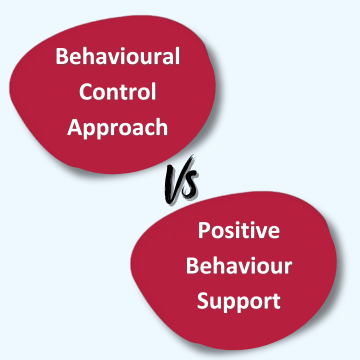
Behavioural Control or true Positive Behaviour Support? Check our blog where we explain the differences and how to identify which is being used: redstonepbs.co.uk/behaviour-…
#PositiveBehaviourSupport #PBS #PBSTraining
10
May 20
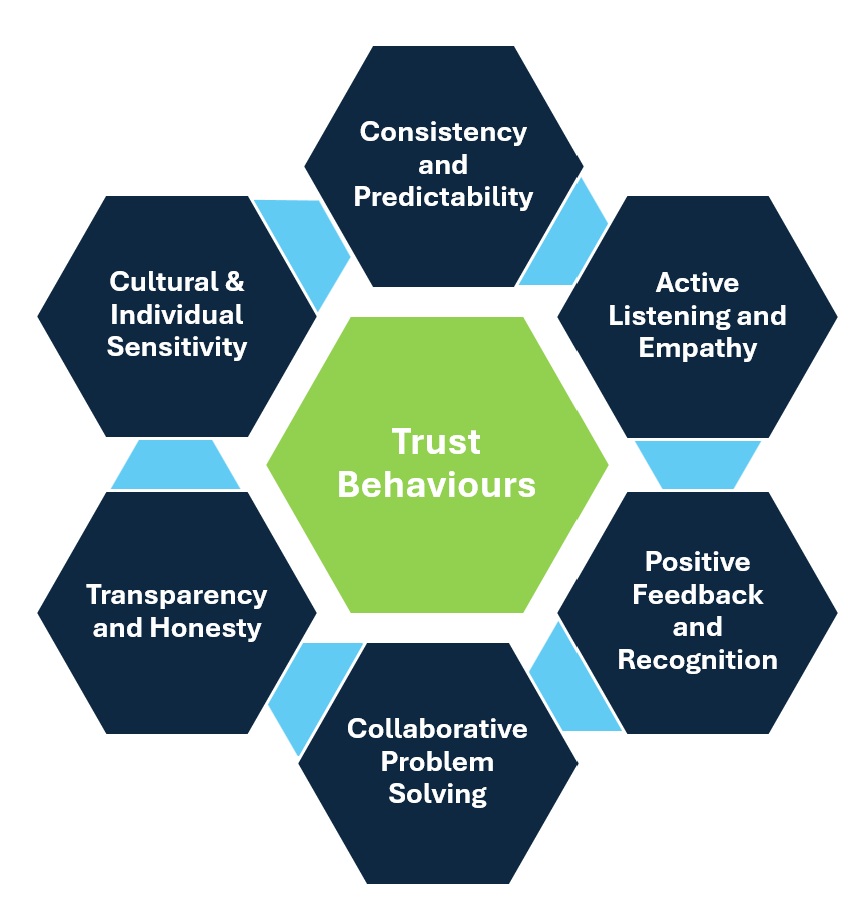
We've published a new blog exploring why trust is so important in PBS. Take a moment to read and reflect on how trust shapes the way we work, how it supports realtionships within the support environment.
zurl.co/PC40A
#PBS #PositiveBehaviourSupport #PBStraining
8
May 20
Understanding the function of behaviour is one of the most important steps in providing effective & compassionate support. Read our blog to discover why it’s so crucial for staff teams to understand the function- click here: redstonepbs.co.uk/understand…
#PositiveBehaviourSupport #PBS

9
May 19
In Positive Behaviour Support, coaching plays a critical role in transforming a plan into effective practice. Discover the power of ongoing PBS coaching in our blog: I zurl.co/6Jva1 #PositiveBehaviourSupport #PBS
7
May 17
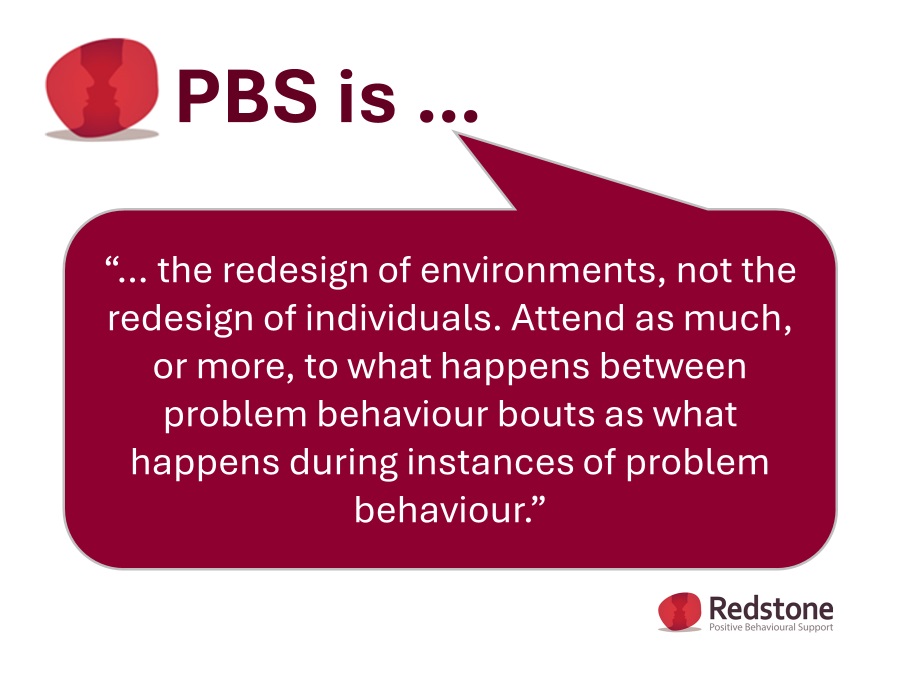
#PBS is ... the redesign of environments, not the redesign of individuals. Attend as much, or more, to what happens between #problembehaviour bouts as what happens during instances of problem #behaviour #positivebehavioursupport
9

May 15
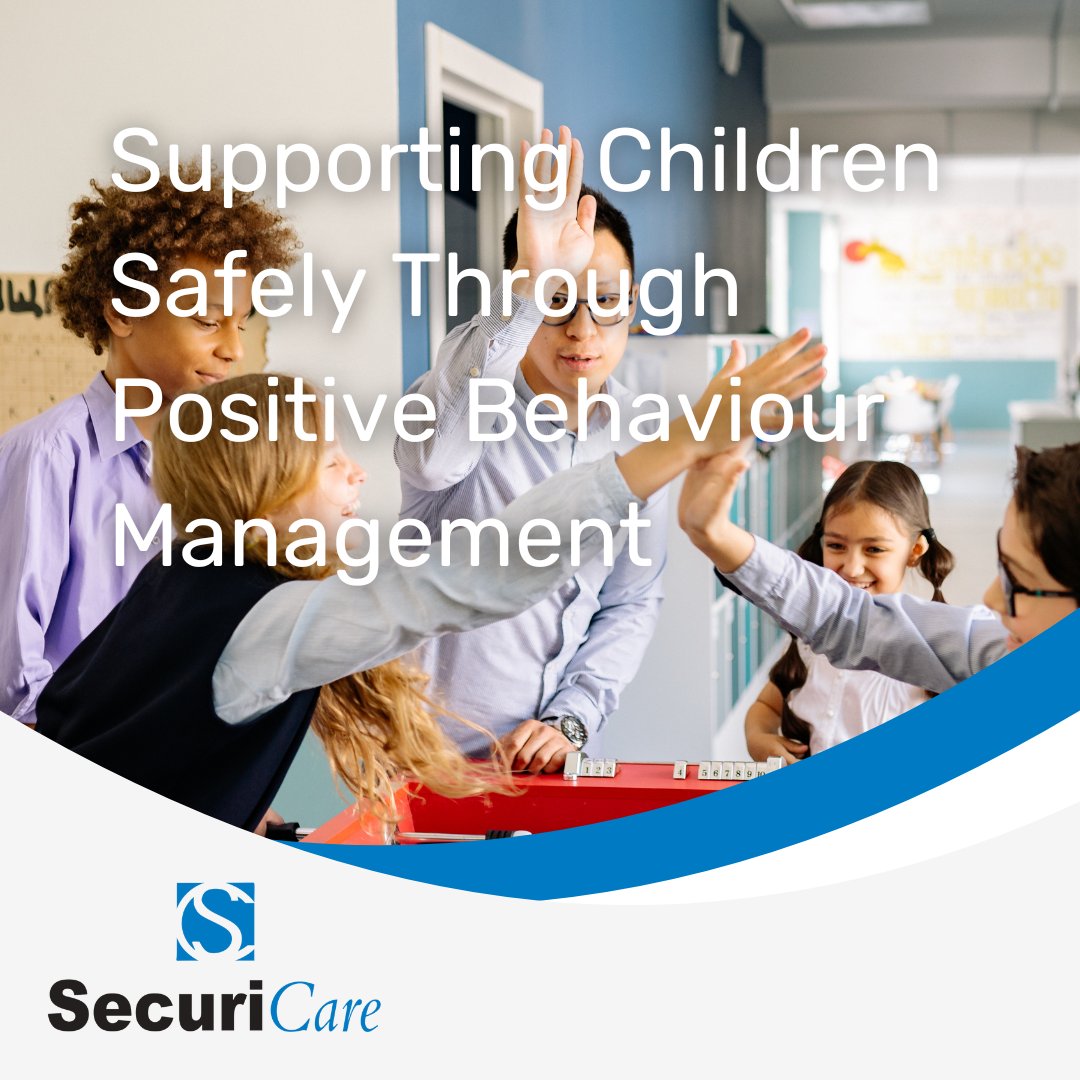
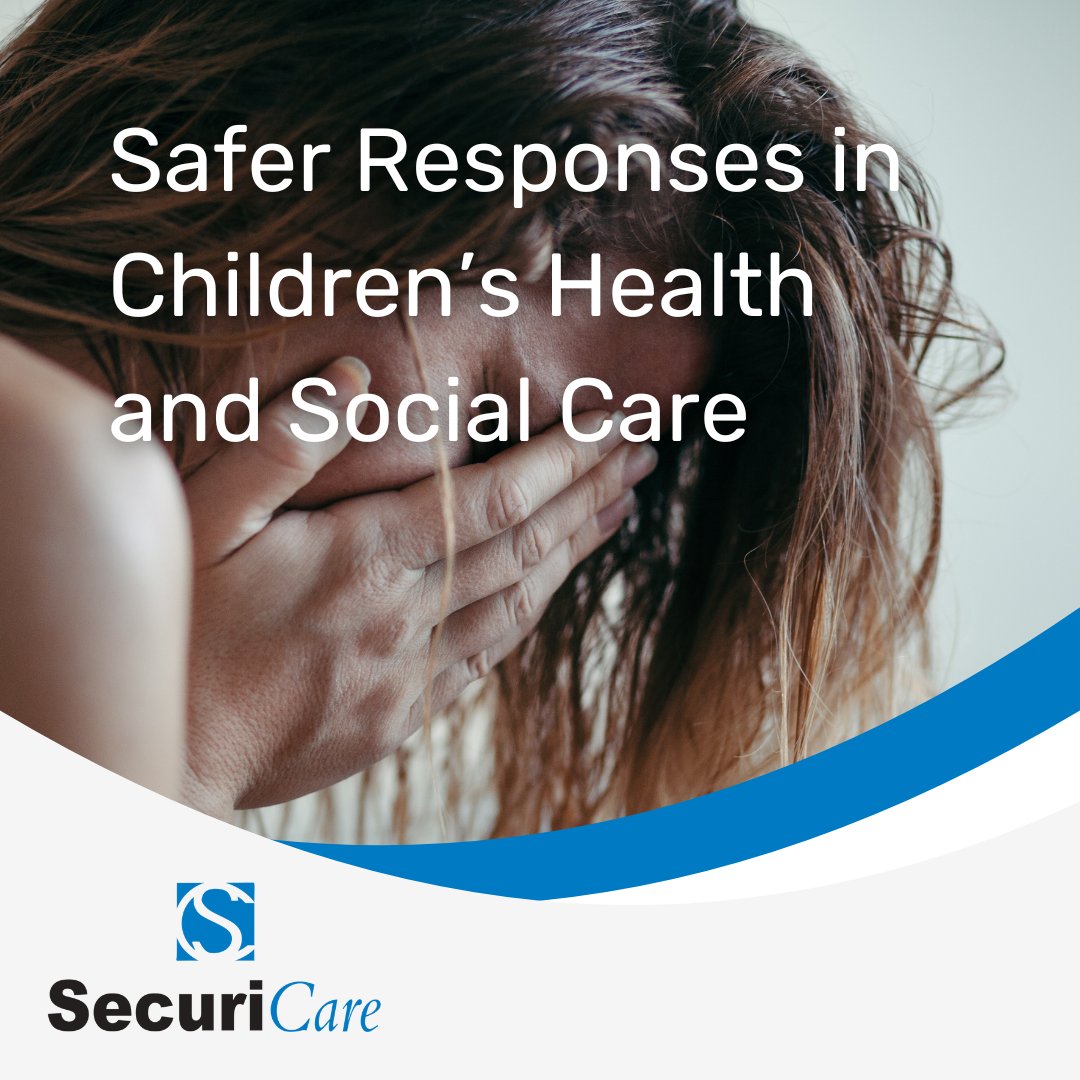
Our Health and Social Care training is designed to reduce risk while supporting positive outcomes for children, young people and staff alike.
bit.ly/3PqYEOT
#HealthAndSocialCare #PositiveBehaviourSupport #ChildSafety #Safeguarding #BehaviourManagement
2
May 14
#PBS is ..... trauma informed. Taking account of people’s experiences and making sure that those around them build trust is essential. #positivebehavioursupport
15
May 13
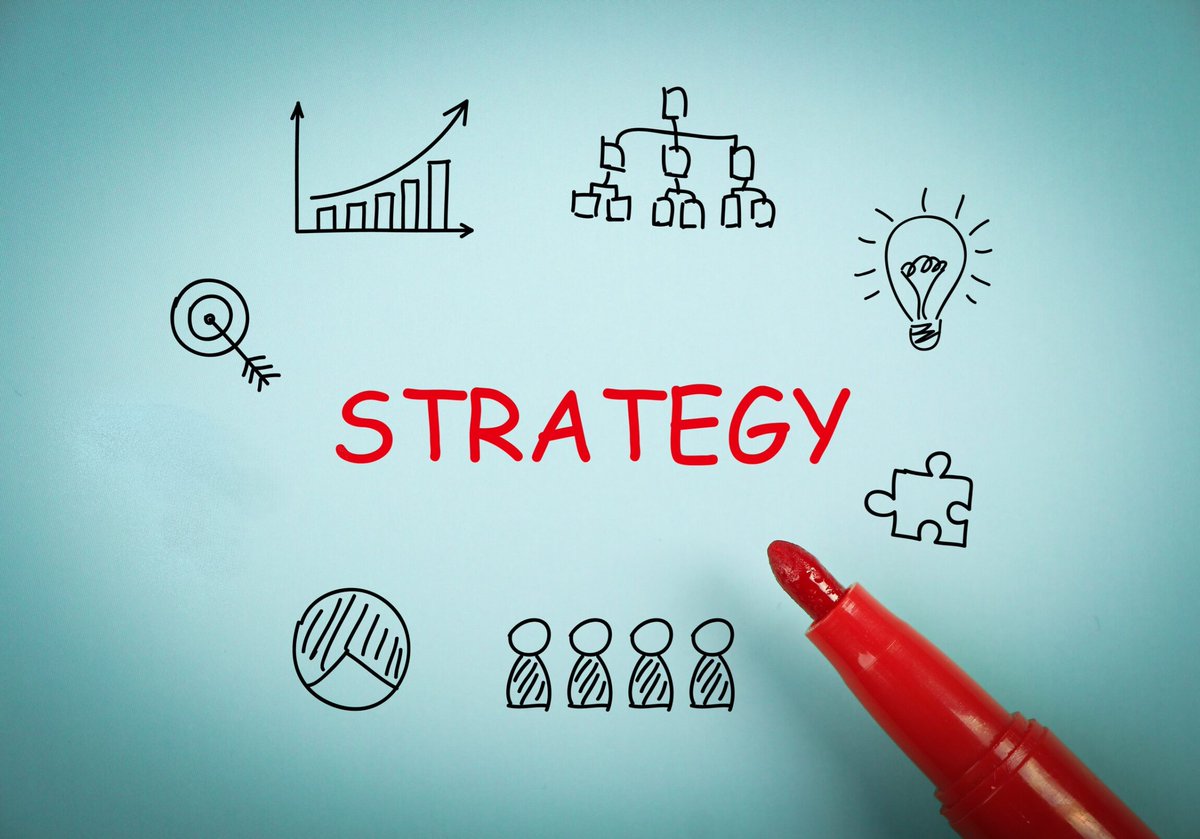
For support organisations, embedding #PositiveBehaviourSupport is an ethical responsibility & is increasingly becoming a regulatory requirement. Read our blog to explore 5 strategic priorities leaders must address to embed #PBS effectively& sustainably: redstonepbs.co.uk/five-strat…
11
May 9
#PBS is....not about #behaviourmanagement it's about the right support and teaching skills in a positive and effective way; and then there's no 'behaviour' to 'manage' #positivebehavioursupport
11
Our approach focuses on #positivebehavioursupport, risk reduction and safe physical intervention where absolutely necessary, ensuring the dignity and wellbeing of the child remains central at all times 👉 bit.ly/3PqYEOT
#SocialCare #ChildrensServices #Safeguarding
3

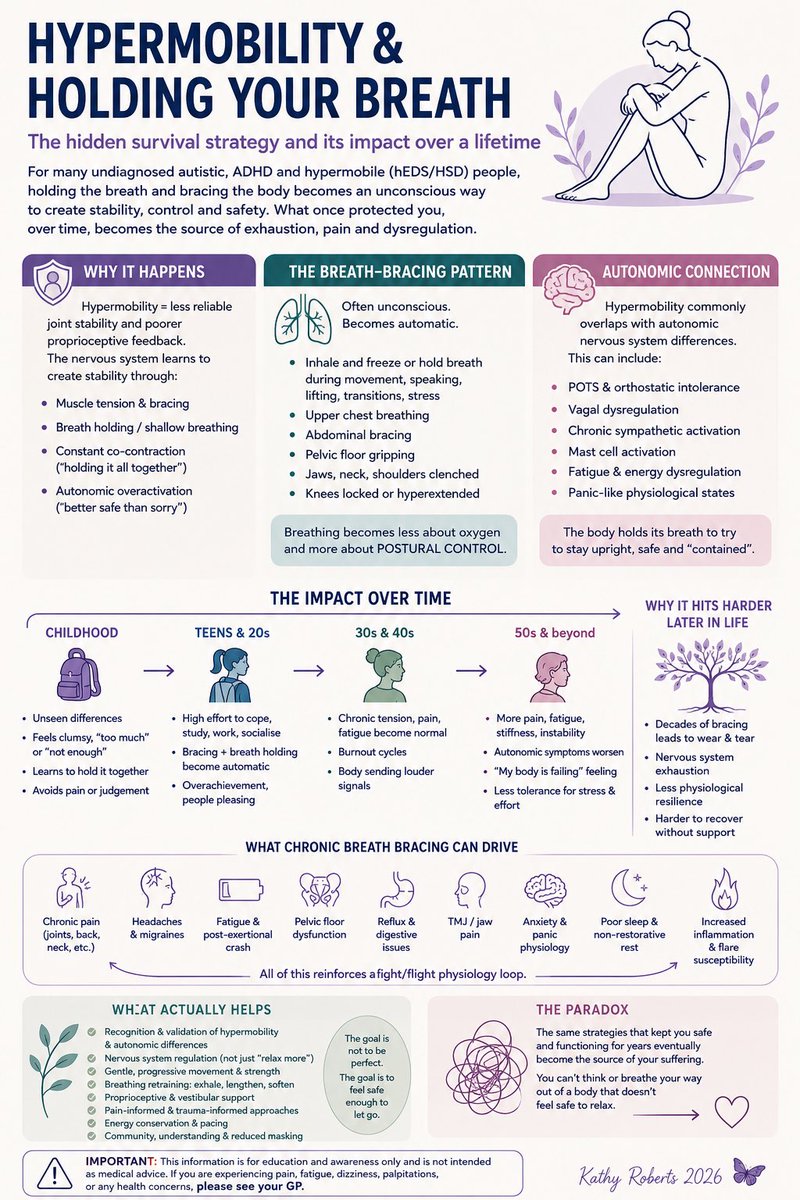
For years, many people with hypermobility, connective tissue differences, ADHD, autism, chronic pain, or undiagnosed autonomic dysfunction aren’t “relaxed” a single day in their lives.
They hold their breath.
Brace their muscles.
Clench their jaws.
Lock their knees.
Grip through their pelvis, ribs, shoulders, and stomach just to stay upright, stable, functional, and safe.
What looks like “anxiety” is sometimes a body trying desperately to compensate for instability it doesn’t yet understand.
Over time, the same strategies that kept someone functioning can become the source of exhaustion, pain, dysregulation, burnout, migraines, TMJ, fatigue, reflux, pelvic pain, and nervous system overload.
This is why trauma-informed practice cannot stop at psychology alone.
The body matters.
Connective tissue matters.
Autonomic nervous system function matters.
Interoception matters.
Development matters.
You cannot simply “think” your way out of a body that has spent decades surviving through bracing.
For many people, healing is not learning how to “try harder” to relax.
It is slowly teaching the nervous system that it may finally be safe enough to exhale.
This information is educational only and does not replace medical treatment.
#Hypermobility #EDS #EhlersDanlosSyndrome #HSD #POTS #Dysautonomia #TraumaInformed #Neurodiversity #ADHD #Autism #Fibromyalgia #ChronicPain #OccupationalTherapy #PositiveBehaviourSupport #Disability #NervousSystem #MentalHealth #InvisibleDisability #Somatics #Trauma
1
27
May 6
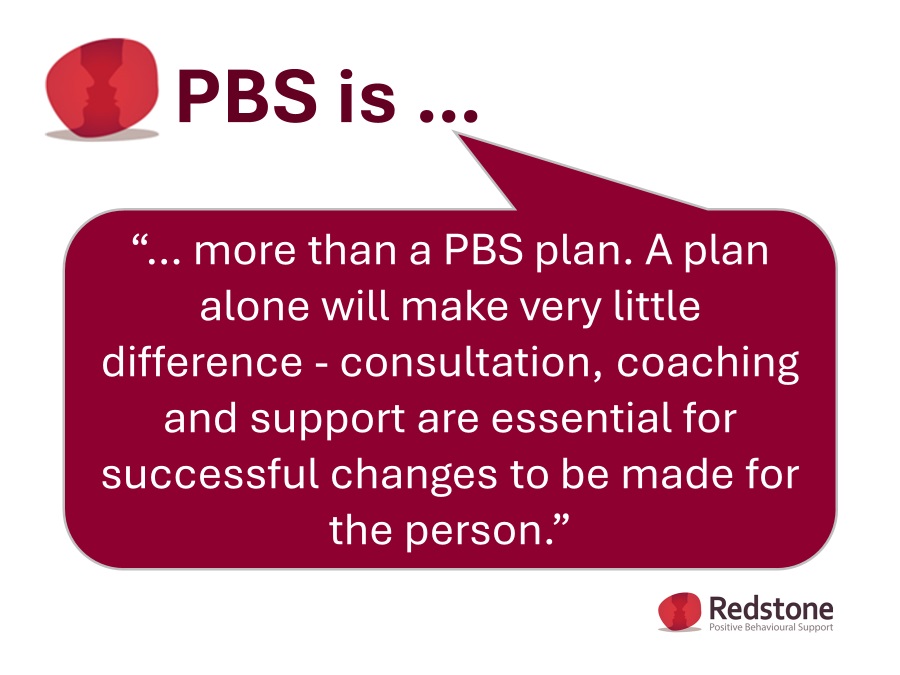
#PBS is ... more than a #PBSplan. A plan alone will make very little difference - consultation, coaching and support are essential for successful changes to be made for the person. #positivebehavioursupport
11
May 5
A crucial part of #PBS is using data to understand behaviour. Our blog explains how and useful tools to help– click here to read: redstonepbs.co.uk/using-data…
#PositiveBehaviourSupport #PBSChampion

10
Apr 28
In social care settings, data is essential to evidence needs & justify resources - or build a case for additional support.
Our blog explains how to effectively gather & use PBS data: redstonepbs.co.uk/evidencing…
#PBS #PositiveBehaviourSupport #socialcare

12

Apr 23
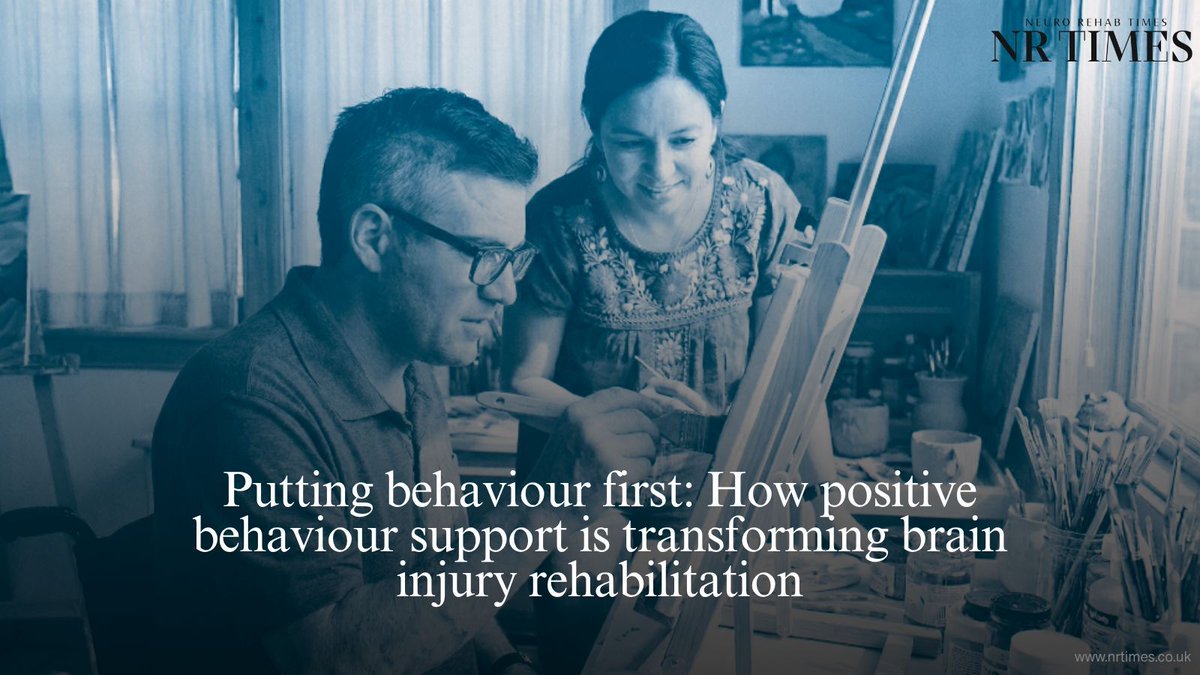
Anna Long, Positive Behaviour Support (PBS) Lead at acuity care, shares her insights into how PBS is reshaping neurorehabilitation by placing understanding, compassion, and person-centred care at its core.
🔗 Full story: buff.ly/ploxAFc
#BrainInjury #Neurorehabilitation #PositiveBehaviourSupport #PersonCentredCare #CareServices
1
66

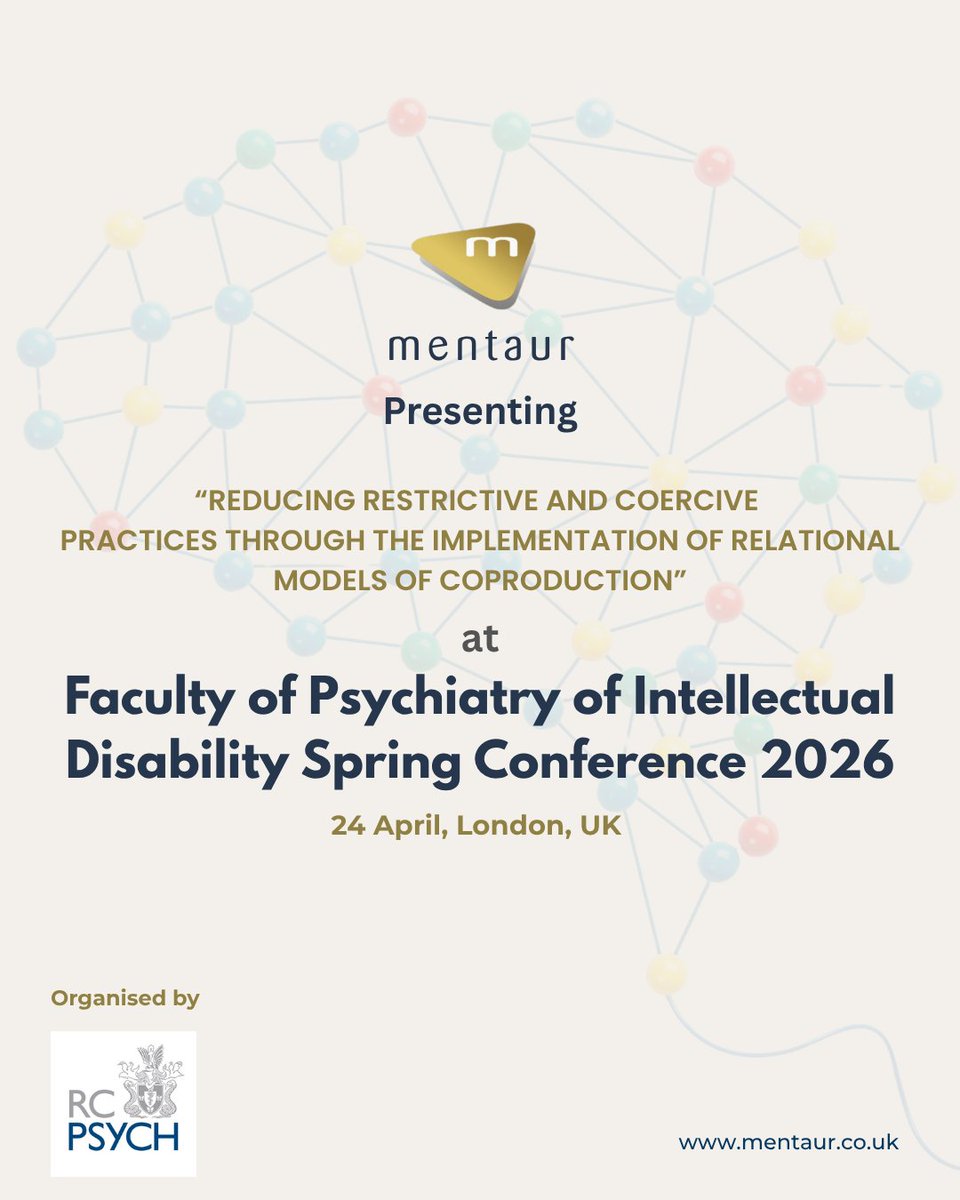
We’re proud to be presenting at the Faculty of Psychiatry of Intellectual Disability Spring Conference 2026, organised by @rcpsych .
Our session will explore: Reducing restrictive & coercive practices through relational models of coproduction.
This work reflects our commitment to person-centred care, dignity, and meaningful collaboration.
📍 London, UK
📅 24 April 2026
We look forward to connecting with professionals across the sector.
#MentalHealthCare #IntellectualDisability #Coproduction #PersonCentredCare #SocialCareUK #HealthcareConference #Mentaur #PositiveBehaviourSupport #DignityInCare #CareInnovation #UKHealthcare #RelationalPractice
1
5
43