
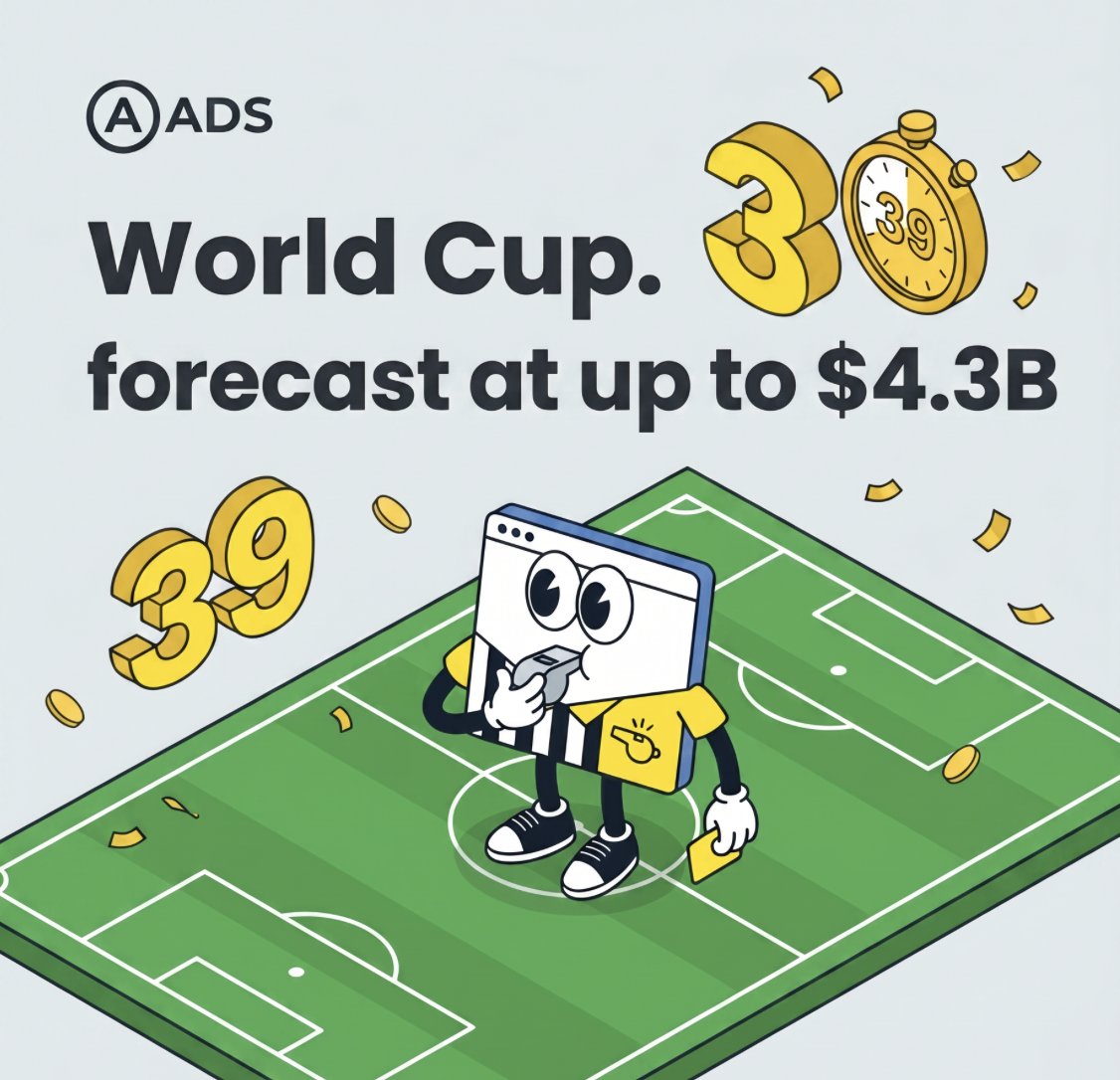
World Cup betting handle: up to $4.3B over 39 days, ~3x Qatar. The tournament's live - and from here the boring operational stuff decides your Q3, not the creative.
- Lock your FTD event before you scale spend
- Test the postback on a real conversion - a silent fail across the run is gone for good
- Have match-day creative ready, not built mid-match
- Budget by tier, not evenly across fixtures
- CPM climbs with every round - today's reach is the cheapest before the final
1
31

Jun 11
An Affiliate Network is 100% less likely to scrub you, or to lower the scrub, if they know you are actively monitoring this
The best way to do that is to check the hourly reports for your EPCs, break it down further if you can, and look for fluctuations
Most networks are dumb & lazy & will leave the scrub on longer than they should, so if you look at short time intervals you can find the spots where that most likely happens
Point it out to them, they won't admit it but they will remember it moving forward, it's impossible for them not to
I, of course, own technology that allows to set a throttle in a chat, have a bot set it in Everflow then remove it when the throttle is hit and ive had this for years
Another way is to make sure you have a postback set, that way your postback wont fire if they retroactively try to go back and approve the CVs that they throttle beyond what they should have. There are easy ways for them to do this, but they wont as they will be too lazy
This was very good advice I just posted for anybody who read this far this is high level knowledge
6
103
5,651

fable 5 found a timing attack vulnerability in my production postback endpoint that opus 4.8 missed. a 1-line string comparison leaking auth secrets through response latency. both models had the code. neither flagged it initially. i didn't catch it either.
the difference: opus goes deep on single files, writes throwaway programs to prove bugs exist. fable works like an audit lead, carves the codebase into zones, spawns parallel agents, then validates every finding before reporting. same 6,200 lines of go and typescript. same ssh access. radically different coverage.
opus caught 4 things fable missed (dead routing, orphan clicks, idempotency issues with proof). fable caught 4 things opus missed (postback timing, root services, slowloris surface, cli exposure). not competing at the same job.
the moment fable earned its price tag: flagged litestream backup as critical missing, then ssh'd in, ran systemctl is-active, found it was actually running, reclassified to informational. caught a shell injection on a url parameter, traced it through urlsearchparams encoding, proved it wasn't injectable, downgraded. two criticals eliminated without me opening a file.
audit quality isn't measured by finding count. it's measured by not shipping with timing leaks in your auth layer.
i build and ship daily with claude code. saas, tools, automations. ⭐ if ai can build it, i've probably broken it first. what works → link in bio
1
1
107

Affiliate CAPI: make ads learn from real sales — even without advertiser access. Place a pixel on a bridge page, capture fbp/fbc clickID, pass clickID as subID, add a global postback to your server, attach fbp/fbc and fire CAPI Purchase (value, currency, [...]
1
12

affiliate marketing noise vs signal
whatever you call it, let's talk focus
or...lack of it
or...when it is put on wrong things
I see it again and again, putting time energy and focus into things that do not move the needle
each day you have limited hours, and within those hours you have limited battery
so if you spend your battery on wrong things, it may feel as if you did smth but you just wasted your day
what tracker to use
what events to postback
increasing postback quality score
spending 5 hours setting up your precious gsheets table
picking domain names for 3 hours
NONE of those matter
on the other hand
MAKING MORE ADS
is the single, ultimate, activity that will really push your forward
In some of our tests...we dont even set up pixel tracking, we just launch the campaign, put in the ads and start monitoring stuff, and if it is developing well - 2-3 days later we make the postbacks
tracker, events, gsheets do NOT bring you money
no matter how much time you spend on comparing best landing page builder it WONT make any money
on the other hand
making MORE ADS, and testing MORE OFFERS is actually where the money is made
if you are not sure, just extrapolate
"will additional 10 hours invested into google sheets make me money next week?"
"will additional 10 hours invested into ads make me money next week?"
Where is the probability of real results higher. Trust your inner voice.
"The success hides in the work you are trying to avoid."
3
1
28
1,186

May 26
i don’t know how to set up a postback till this day or edit a video - lesson in there somewhere
cheers HB
6
418


May 15
TLDR: people click, but the install/onboarding attribution is still the weak point. Monero is the only creative clearly proving user quality so far.
What we’ve learned:
1. **Top-of-funnel interest is real**
In the last ~48h from TikTok:
- `11,653` TestFlight redirects
- `86` App Store/TestFlight download taps
- `2` attributed app opens
- `2` attributed signups
2. **Global Payments and Monero are getting the most click volume**
- Global payments: `5,071` redirects, `10` download taps
- Monero: `5,092` redirects, `11` download taps
- Referral: `1,069` redirects, `56` download taps
- Apple Wallet: `420` redirects, `9` download taps since launch
3. **Referral gets fewer redirects but way better download intent**
Referral has `56` download taps from `1,069` redirects, much stronger than Monero/Global on that specific click-to-download step. That means referral economics is understandable enough to push people closer to install.
4. **Monero produced the best actual users**
In the user table, attributed signups by campaign show:
- Monero: `3` users, `2` KYC approved
- Unknown attribution: `22` users, `1` approved
- Apple review/test accounts: `2` users
So even if referral gets download taps, **Monero is currently the cleanest “real user quality” signal**.
5. **Attribution is still incomplete**
We fixed the app-open/signup postback recently, but most new users are still landing as `unknown`. So the real number of ad-driven users is probably higher than the attributed number. Until that is cleaner, we should treat creative rankings as directional.
6. **Apple Wallet is too new**
It has traffic already, but not enough time/data. It launched recently and is still early. No conclusion yet.
My read: keep Monero and Referral running. Global payments gets clicks, but we need proof it creates accounts/KYC. Apple Wallet needs a few hours/day before judging.
5
2
14
1,582

May 13
Chat SDK also supports the Messenger adapter.
Your agents can now interact through messages, reactions, media, and postback buttons.
vercel.com/changelog/chat-sd…
13
2,020

May 12
Day 32 of retardmaxxing my way to $1k/day as an affiliate with meta ads 👇
$171.83 spent on ads.
$58 in revenue.
CPMs down from $250 -> $225
Delivery was slightly better than yesterday.
Always a relief to get the first conversion in a new campaign because it means the tracking/postback is working correctly.
Let's see if things start to stabilize over the next few days. I'm not gonna touch anything...
2
9
767


May 6
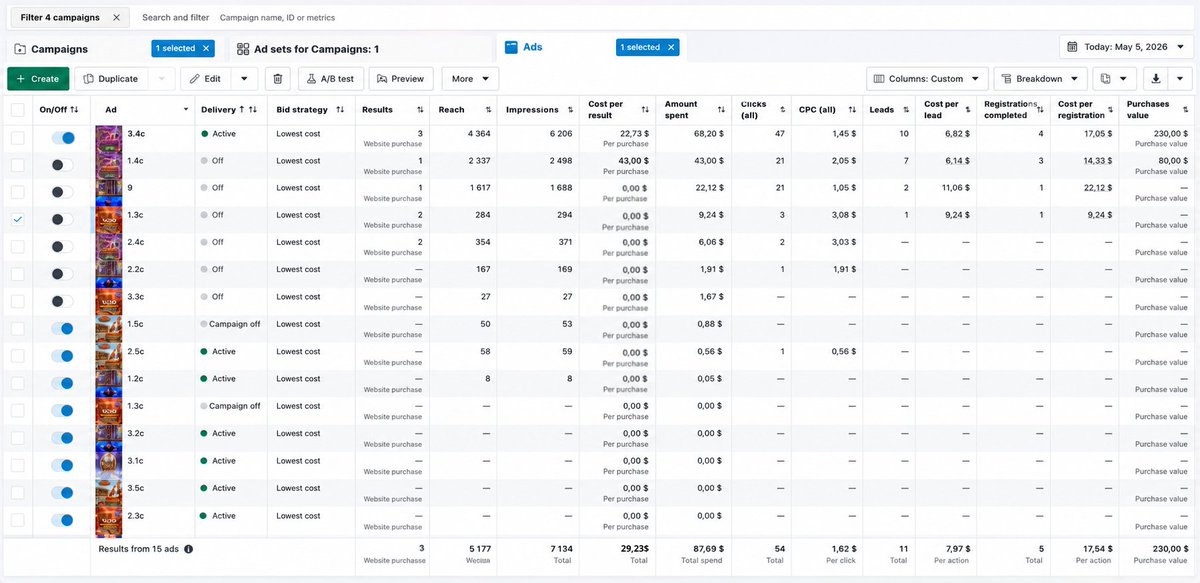
increased ad ROI by 50% in the EU
since yesterday i’ve been testing new approaches and improving the setup, namely:
> postback improvements (deposits / repeat deposits)
> redirects (android, ios, desktop)
> loading speed timings
> trafficback
> macros
> push
are already finishing the second day and the metrics are really pleasing me, especially considering roi is growing a lot (need to test on higher volume)
> if the improvements continue, i’ll put all the key points together into one article
7
1
29
223

May 1
Pixel is never getting unflagged but make a new pixel and only use CAPI, no JS pixel tracking and change the postback URL to google.com and you’ll be good moving forward. Aside from that CC is the only other option to my knowledge to fix.
2
3
737

- Dynamic Tokens pass click, publisher, and campaign data straight to your postback or tracker for accurate conversion matching. In 2026, the winner is not the biggest budget. It is the best data.
Read the guide: blog.slise.xyz/p/conversion-…
6
47

Apr 26
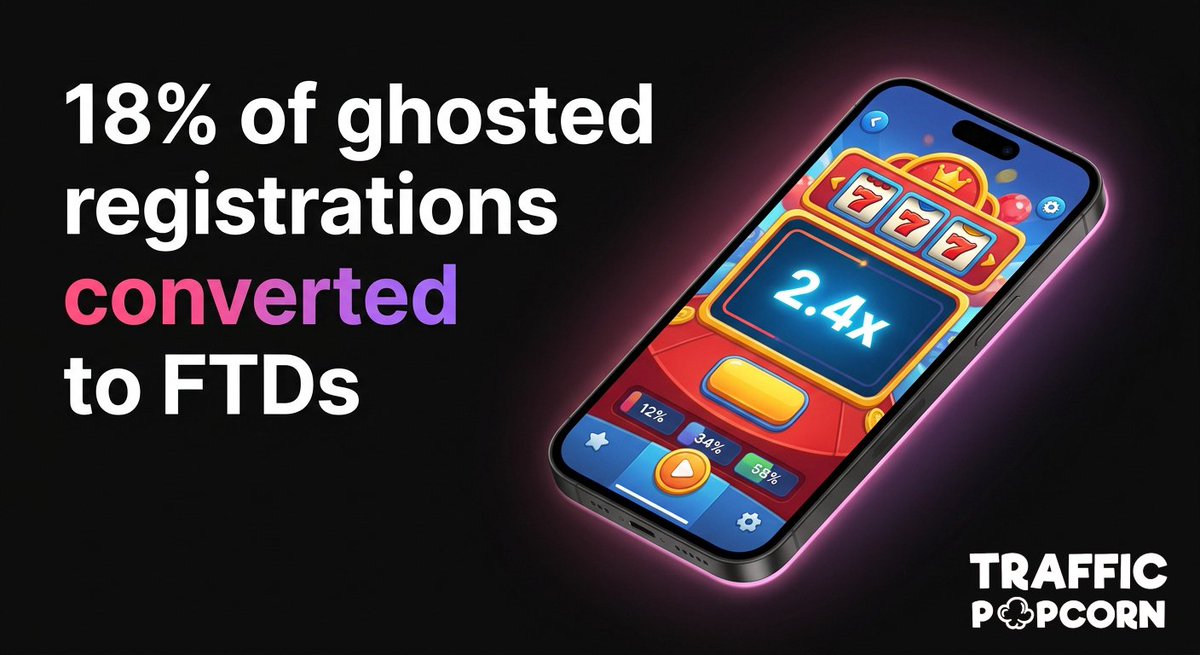
18% of ghosted registrations converted to FTDs. One rule. 24 hours.
A postback fires on registration.
Push Notifications deliver a bonus reminder exactly 24h later. Automated. No manual sends.
That is how dormant registrations become depositing players without raising CPA.
#iGaming #PushNotifications #Retention #DepositConversion #PWA
1
10
287
599

這週陪女友去花蓮慈濟捐骨髓,學習暫停了兩日,回來後繼續趕工,終於在星期六晚上做出了生平第一個 Grafana dashboard——的其中一個 panel
整個過程的第一個感受是:Grafana 真的好複雜XD。難怪可以作為鐵人賽的主題
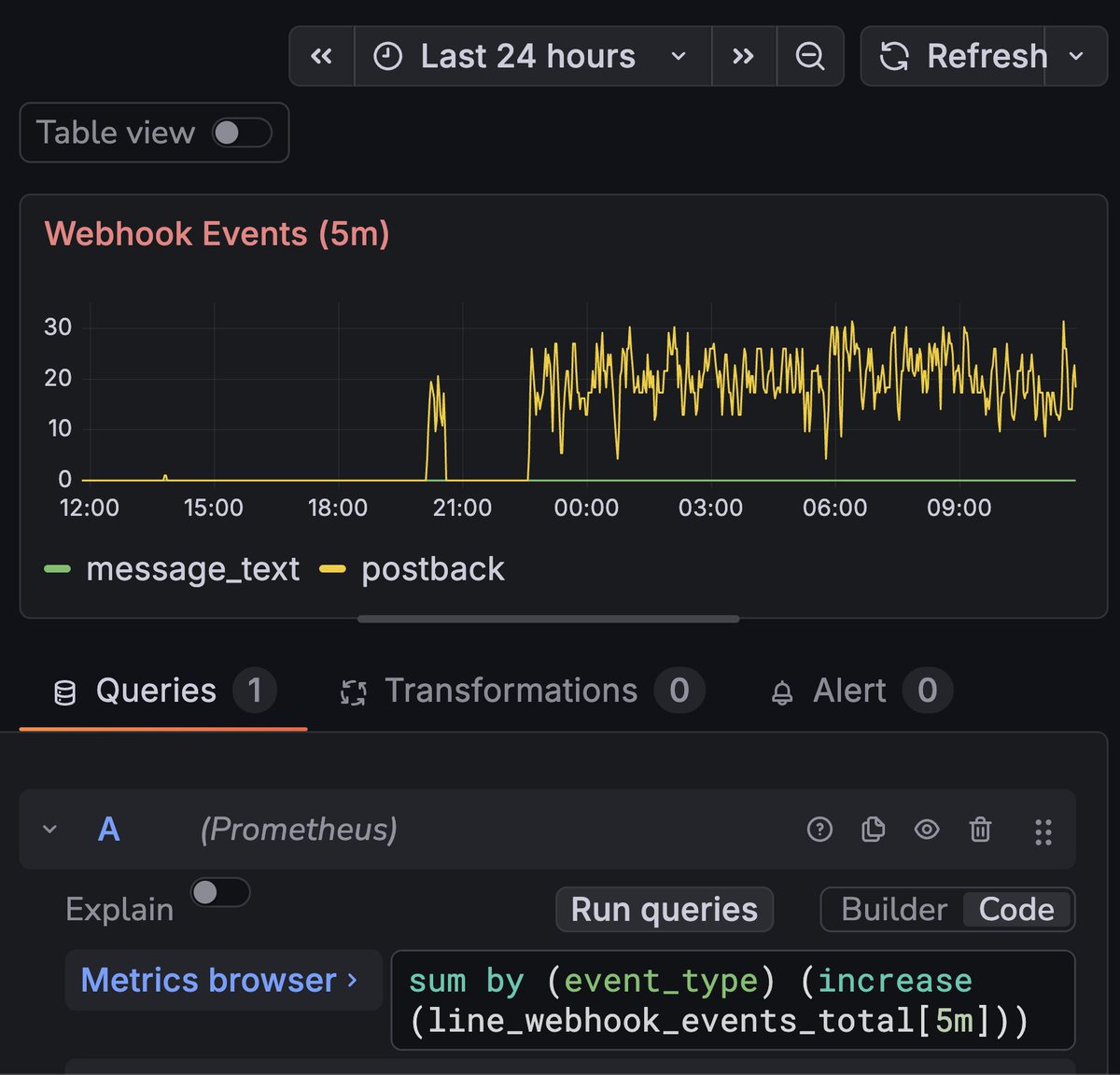
為此,我在 WeaMind app 中實作了 4 個 metrics
結果才拉完第一個 LINE webhook events 的 panel,就看到一個很怪的現象:明明我沒怎麼操作,半夜卻還是一直冒出 20 到 30 個 postback 事件,也就是 LINE rich menu 的點擊
這顯然不合理!內心不禁有些挫折,可觀測性真是博大精深啊
經過一番 debug,最後定位到是 uvicorn 的 multi-worker 模式 prometheus_client 的 in-memory counter 聚合問題,才解開這個謎團
了解到其中的緣由後,我感覺自己的信心又回來了!😂
5
263

The Complete Guide to Facebook Advertising
You need: BM access, HTTPS domain, corporate email 2FA, 2-3 creatives. You get: consistent approvals, CPA ~30-40% below market, zero account bans.
Step 1: Infrastructure and approval (45 min setup, 10-14 day wait)
Submit Crypto Onboarding Form early with TOS, Privacy Policy, AML/KYC docs, product screenshots. Without this, Meta flags you as high-risk before your first impression even loads.
Step 2: Creatives and copy that pass (2 hours production)
Use carousel ads with one use case per slide 15-sec screen-record videos with subtitles. Keep text under 20% of image area. Swap "Earn 12% APY" for "Explore staking mechanics in Protocol X". Always add "Digital assets are volatile. Do your own research." in footer.
Step 3: Tracking and scale (30 min integration)
Install Meta Pixel Conversions API with server-side event duplication. Track WalletConnected as a custom intent signal. Set attribution window to 1-day click / 1-day view for faster algorithm learning. Test creatives, not audiences, at launch.
What does not work:
Wallet screenshots with balances or growth charts (instant reject)
Words like Guaranteed, Free, Limited spots, Double (near 100% ban rate)
For retargeting, skip risky behavioral interests. Upload hashed emails or Discord/Telegram IDs to Custom Audiences instead.
Pro move: rotate your main domain with a mirror for high-risk landing pages. Pair with postback tracking via AppsFlyer or Adjust so pixel bans do not break your analytics.
Total stack cost: ~$100-200/mo for testing $29 for tracker. Cheaper than one account recovery with history.
Full breakdown templates -> t.me/Syzygy_en

40
44
328
Apr 23
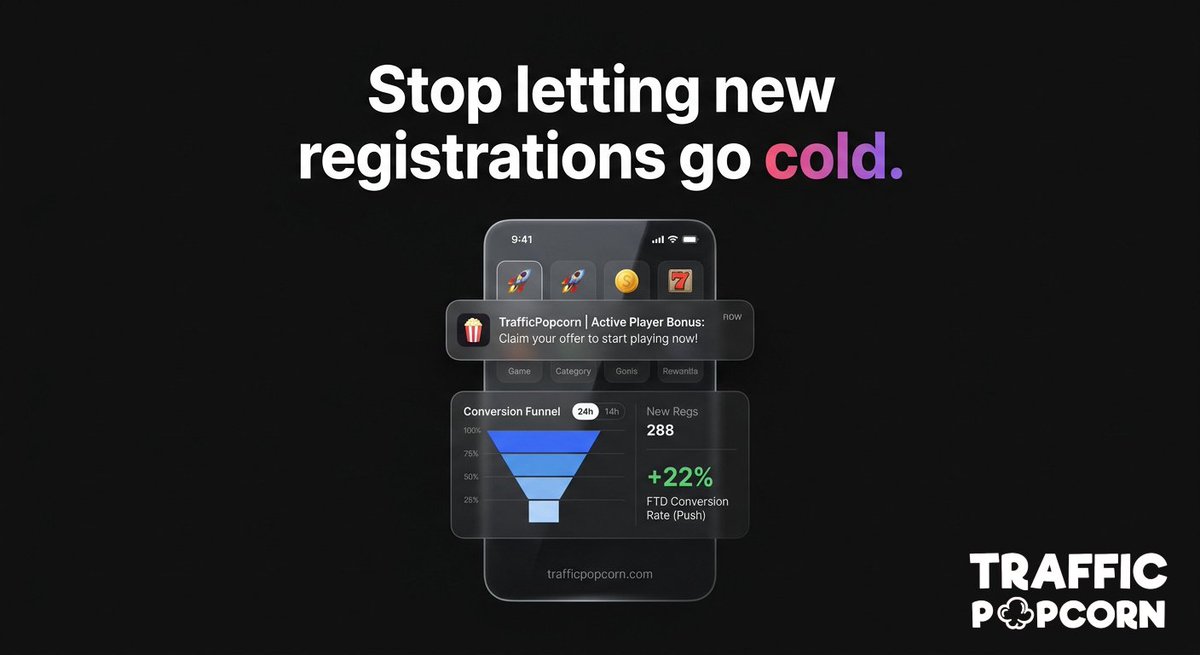
CPA costs are climbing. Stop letting new registrations go cold.
Set a 24-hour postback to trigger an automated PWA Push Notification for any user who registers but fails to deposit.
It bypasses crowded email folders and lands right on their screen. Turn dormant sign-ups into cheap FTDs without buying new traffic.
trafficpopcorn.com
#iGaming #PushNotifications #Retention #DepositConversion #MobileiGaming
2
144
297

Apr 11
Slack integration
A.I. postback setup (you give it your platform , it reads some data from the recent leads and tries to figure out the integration, if it’s everflow ; has offers Redtrack etc )
1
1
56

Apr 3
I appreciate the feedback Dan
Few things tho:
The $175-$300 CPA is the public range on a single offer
We negotiate custom payouts for affiliates who actually drive volume - same as every network
You know how that works
As for charging to join - it's a seriousness filter
Free networks get flooded with thousands of accounts that never run a single campaign
We'd rather have 200 affiliates who are actually running traffic than 20,000 who applied and ghosted
On top of that you're getting pre-built funnels, marketing frameworks, automated content generators, and full campaign systems included - not just an offer link and a postback URL
We've already got super affiliates on the platform who've done multiple 8 figures in lifetime commissions before TAP
They didn't have a problem with $49/month - because they understand it's nothing when the infrastructure saves you thousands in setup time
And once you hit $2.5K in commissions it's lifetime free, so it really only costs money to people who never take action
1
8
1,423