
19 Dec 2025
OH in SF: "We spent our entire Series B migrating off of MongoDB to Postgres. I would never make that mistake again."
🎯
#PostgresForEverything
@TigerDatabase @TimescaleDB
1
7
331

17 Sep 2024
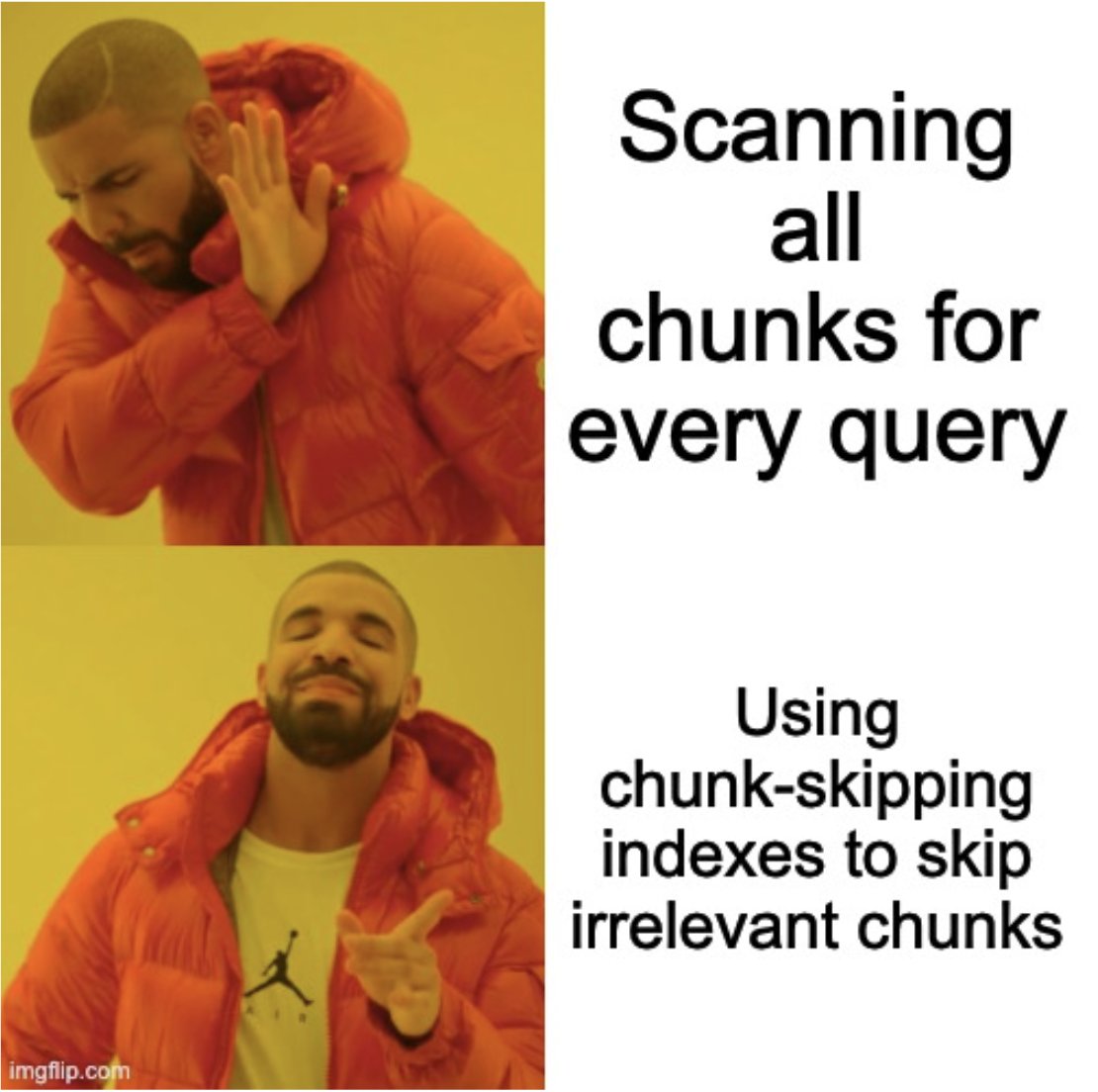
PostgreSQL making you scan all the partitions? 😅
Enter TimescaleDB 2.16.0 with chunk-skipping indexes!
🚀 7x faster queries and 87% less storage. It’s like giving PostgreSQL a shortcut key. ⌨️
tsdb.co/chunkskippingindexes
#PostgreSQL #TimescaleDB #LaunchWeek #RealTimeAnalytics #PostgresForEveryThing
1
8
981
16 Sep 2024
🚀 Say hello to hyperstore: the hybrid row/columnar engine for real-time analytics we've been working on for five years.
Hyperstore is for developers who need fast, real-time analytics without giving up mutability or consistency in #PostgreSQL.
timescale.com/blog/hyperstor…
#PostgreSQL #TimescaleDB #LaunchWeek #RealTimeAnalytics #PostgresForEveryThing
3
11
51
7,069
16 Sep 2024
🚀Postgres on turbo mode for real-time analytics? Yep, we did that. 💥
It’s September Launch Week at Timescale! We’re introducing hyperstore and dropping features like 7x faster queries with chunk skipping, 500x quicker updates, and 400x faster queries over tiered data.
Plus, hear how we helped @Ndustrial get 360x faster upserts and get an update on the insane amount of data our Insights product is processing.
Stay tuned all week at: timescale.com/launch
Check out the launch blog at:
timescale.com/blog/making-po…
#PostgreSQL #TimescaleDB #LaunchWeek #RealTimeAnalytics #PostgresForEveryThing
2
5
940

23 Jul 2024
So glad to see content about latest @timescale extension: PGAI
Look this guy just build a content translator with @PostgreSQL to translate all courses simply using Postgresql🚀
#postgresforeverything
youtube.com/watch?v=U8Cwws8M…
3
69
11 Jun 2024
That's how opensource chain works! Happy to see it's going to be available via stackgres too!
#postgresforeverything #postgresforall
11 Jun 2024

I'm impressed by this work by @TimescaleDB, making Postgres an even better vector database. Kudos for contributing it as open source for the benefit of all the Postgres Community.
pgvectorscale needs to land very soon in StackGres. Issue created: gitlab.com/ongresinc/stackgr…
6
164
17 May 2024
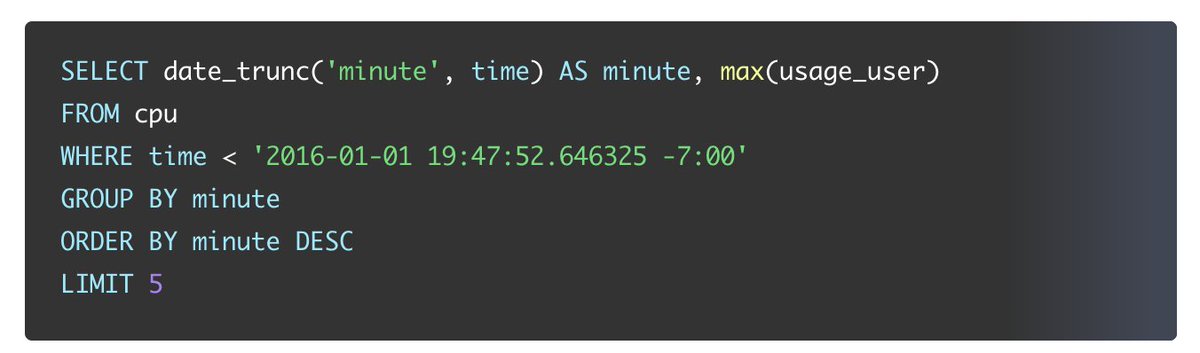
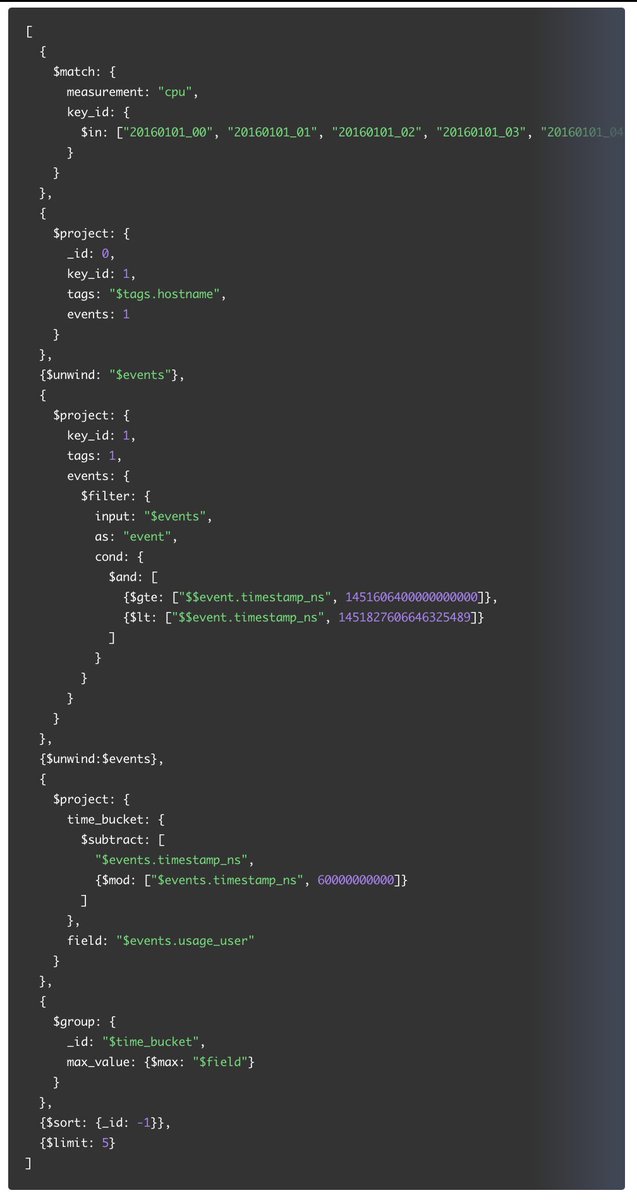
i try not to think about competitors too much, but i cannot stop thinking about the aesthetic difference between postgresql and mongodb
#PostgresForEverything
5
5
53
6,667
8 May 2024
Postgres 👏👏 for 👏👏 Everything! 👏👏
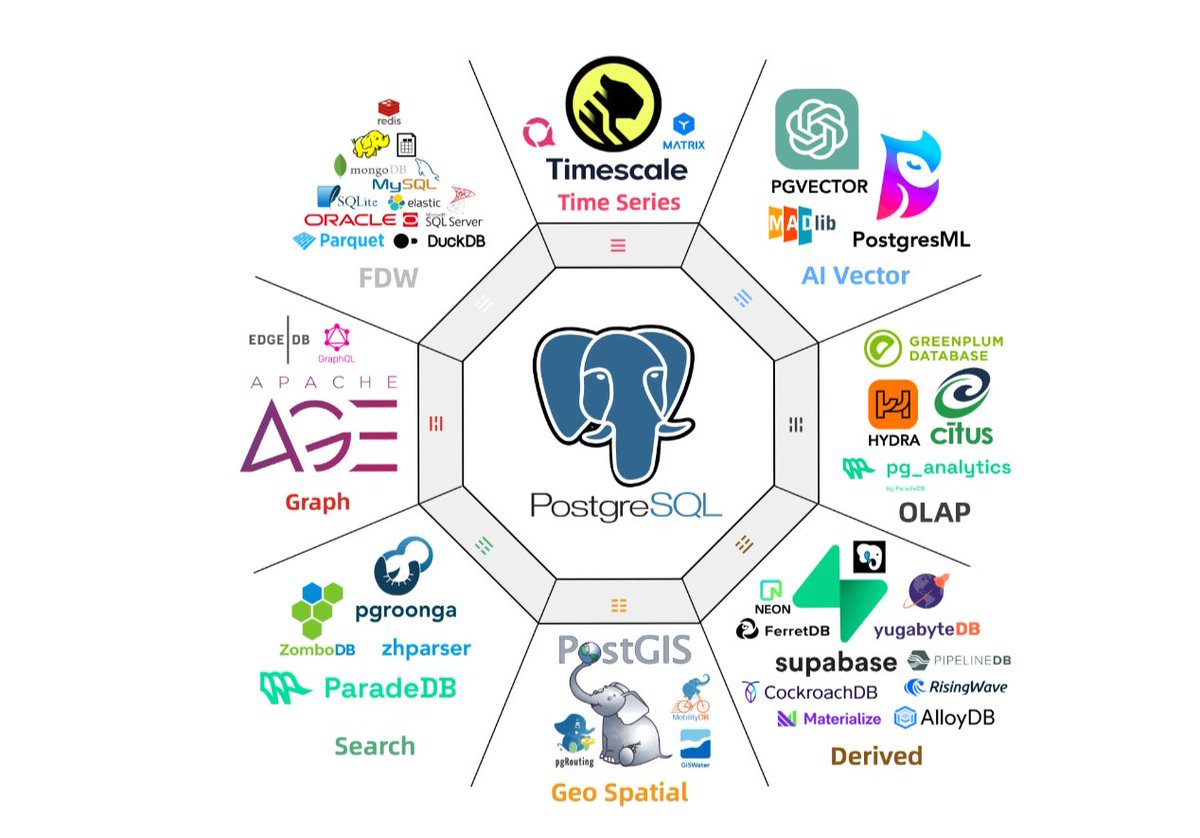
PostgreSQL has become the de facto database platform.
Here’s why this matters:
1. Data is flooding the world:
Everything — our cars, our homes, our cities, our factories, our farms — is becoming a computer spewing tons of data.
2. Databases are flooding the world:
Two decades ago developers had maybe 5 database to choose from. Today that number is closer to 500, just to keep up with the data flood.
3. But more databases = more complexity = more problems:
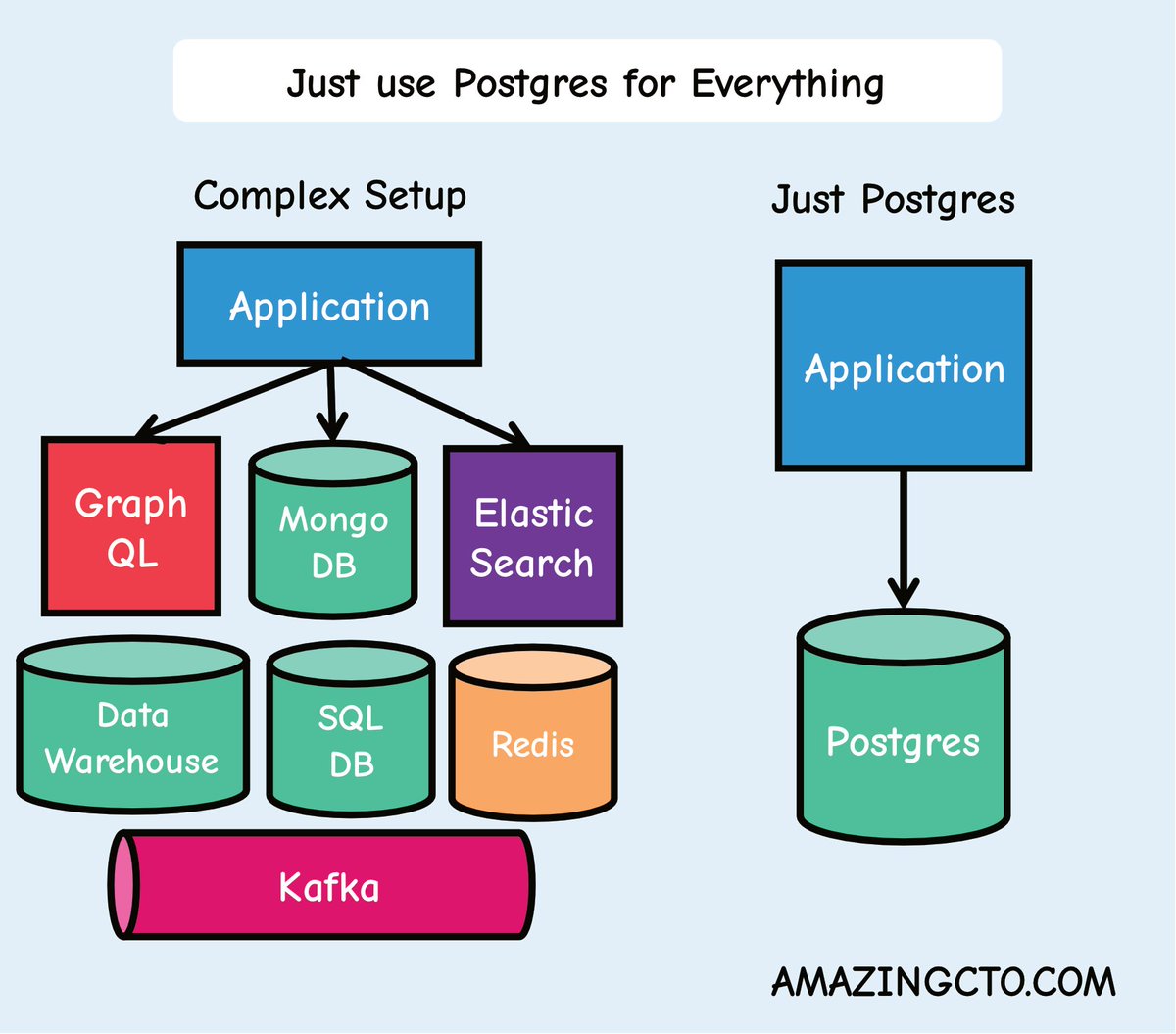
Faced with the flood, we have had no choice but cobble together Rube Goldberg architectures with several different “purpose-built” database types: a relational database, a vector database, a time-series database, etc.
4. More complexity means less time to build:
Complex architectures are more brittle, need more complex application logic, and slow down development.
5. Instead of building the future, we are now maintaining the plumbing:
Developers are forced to spend their time and energy on the wrong things.
The answer is simplicity.
The answer is Postgres, for everything.
Thanks to extensions, Postgres is now a versatile platform. Thanks to pgvector, it’s a vector database. Thanks to TimescaleDB, it’s a time-series database. Thanks to PostGIS, it’s a geospatial database.
Postgres is also still the same rock-solid relational database that developers and businesses have trusted with their core workloads for decades.
By choosing Postgres, developers can get back to the real work we are here to do: building the future.
Want to learn more? Read this longer post that I recently wrote:
timescale.com/blog/postgres-…
Want to join the movement? Retweet this post and join the discussion.
#PostgresForEverything
6
17
53
15,264
2 May 2024
“More complexity means less time to build. Complex architectures are more brittle, require more complex application logic, offer less time for development, and slow down development.”
#PostgresForEverything
tsdb.co/postgresforeverythin…
1
3
36
2,436

Disagree :) it’s been easy, safe, and convenient to store JSON in Postgres for years now (and many other data types). No need for a novel database chassis, just for JSON #PostgresForEverything
2
17
2,169

27 Feb 2023
Just had an awesome session showing @Omnigres to @darkproger, and he was able to do some great stuff in relation to his ML data set needs:
* Log requests to a table
* Integrate with sqlite_dw
* Build a dynamic micro web app
All in a few lines of SQL.
#PostgresForEverything
3
903