
18 Apr 2025
*****
📈 Have you ever had that gut feeling that something’s off in your practice, but you can’t quite put your finger on it? You’re working hard, your team shows up, the patients are coming… but the numbers just don’t feel right. That’s what this lesson is all about—getting under the hood of your clinic and diagnosing the invisible roadblocks that are draining your momentum.
Now, when a clinic is underperforming, most owners start by tweaking surface-level stuff. Maybe you think, “Let’s run a promo, change the logo, update the Instagram feed.” But the truth? That’s like putting a fresh coat of paint on a crumbling wall. If you want real, sustainable growth, you need to find the root cause. Not just symptoms.
This is where we step into clinician-as-CEO mode. We're not just providers. We’re systems thinkers. Leaders. Strategists.
So here’s the deal: every struggling clinic has at least one of these five hidden root causes. I want you to listen carefully and see which one hits home.
First, it could be a leaky patient journey. Your patients might be booking, but they’re not staying. Or they come in once and vanish. Maybe the handoff between your front desk and your treatment room is awkward. Maybe follow-ups aren’t being tracked. You’d be amazed how many patients fall through the cracks not because of poor treatment, but because of poor systems.
Second, it might be a leadership bottleneck. Maybe your team is stuck waiting for you to make every decision. You’re exhausted. You’re the bottleneck. And no matter how talented your staff is, they can’t move without your go-ahead. That’s not a team. That’s a dependency trap.
Third, maybe it's energy and morale. If your team is burned out, disconnected, or just showing up for a paycheck, your clinic feels it. The energy drops. Patients can sense when your team’s just going through the motions.
Fourth, unclear metrics. If you don’t know your numbers—your weekly revenue, show-up rates, rebooking, churn, marketing ROI—then you're flying blind. You need a dashboard, not just a gut feeling.
And fifth, there’s misaligned services or offers. Maybe you’re offering things your ideal patients don’t even want. Or maybe your pricing model confuses people or doesn’t reflect the value you actually provide.
So your job now? Run a root cause audit.
Take out your notebook, or open your workbook if you’ve got it, and write these down:
Where are patients dropping off?
Are you or your team the bottleneck?
What’s the energy like in the clinic—genuine or drained?
Do you have crystal-clear metrics you review weekly? Are your offers aligned with what your best patients truly want?
Be brutally honest with yourself. Don’t sugarcoat it. This isn’t about blame—it’s about clarity.
Because when you name the root cause, you reclaim your power.
I’ve seen clinics double their revenue in under six months just from correcting one of these issues.
You’re not broken. Your clinic isn’t doomed. You just need to see clearly.
And now that you’re starting to see—really see—what’s underneath, you’ve taken the most important step toward building a clinic that actually lasts.
Your action step today: choose one root cause that stood out the most and write down three things you’ll do this week to start correcting it. Just one cause. Just three moves and you are well on your way.
#PracticeAccelerator

2
36
18 Apr 2025
*****
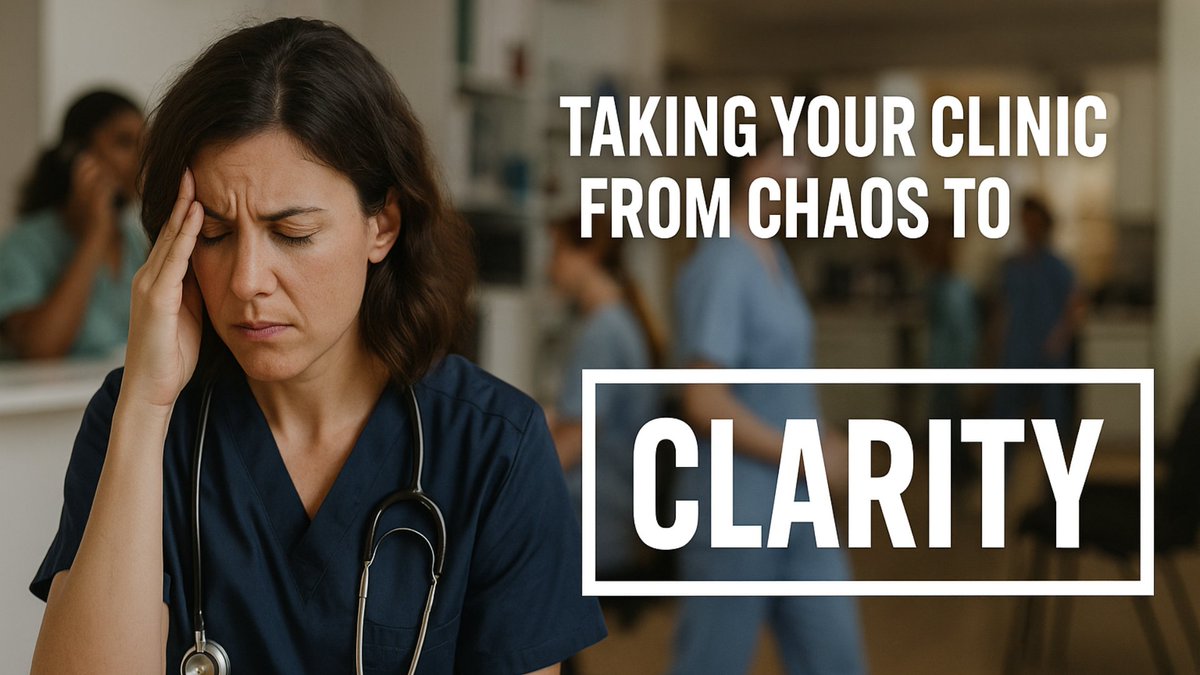
📈 If you’re waking up every morning feeling like you're putting out fires, reacting to messes, or constantly cleaning up after systems that just don’t work—that’s NOT A CLINIC. That’s a TREADMILL.
Now lets stop the chaos and bring in clarity. Because clarity is power. And without it? You’re just guessing your way through the week.
Now, let me say this loud and clear: a clinic that thrives runs like a machine. Every part flows. Every person knows what to do. There’s no chasing, no babysitting, no guessing. It’s just smooth, focused execution.
So let’s look at the difference. In a chaotic clinic, your front desk is unsure of their exact responsibilities. They’re double-booking patients, forgetting callbacks, or miscommunicating pricing. Staff are interrupting you during treatments because systems don’t exist. Inventory runs out without notice. And when someone’s on leave? It’s a scramble.
But in a clinic with operational clarity?
Everyone knows what “great” looks like. There’s a new patient protocol. A follow-up sequence. A way to document and escalate issues. When you’re off for the day, the team knows how to keep the engine running without you needing to micromanage.
The shift begins with three critical moves.
First—Standard Operating Procedures, or SOPs. Write them down. Every repeatable process should be documented. Think: how do we welcome new patients? How do we handle no-shows? How do we close the clinic? Simple, clear, and repeatable.
Second—Ownership Culture. You’re not a boss barking orders. You’re building a culture of responsibility. That means each person owns a role. They know what success looks like, and they’re held to it. Not with fear. With pride.
Third—Weekly Scorecards. Numbers tell the story. If your team doesn't track how many calls were returned, how many patients converted, or how many no-shows were rebooked… then there’s no clarity. Start simple. Choose 3 to 5 key numbers and track them weekly. Every number needs an owner.
This isn’t about turning your clinic into a corporate cold space. This is about liberation. Freedom. When the machine runs well, you get to focus on leadership, growth, and joy—not constant correction.
So here’s your action step today: write down five things in your clinic that happen more than once a week. Then ask yourself—do I have a clear, documented process for each one? If not, choose one and write it out today. Keep it simple. But start now.
#PracticeAccelerator
2
47

9 Sep 2022
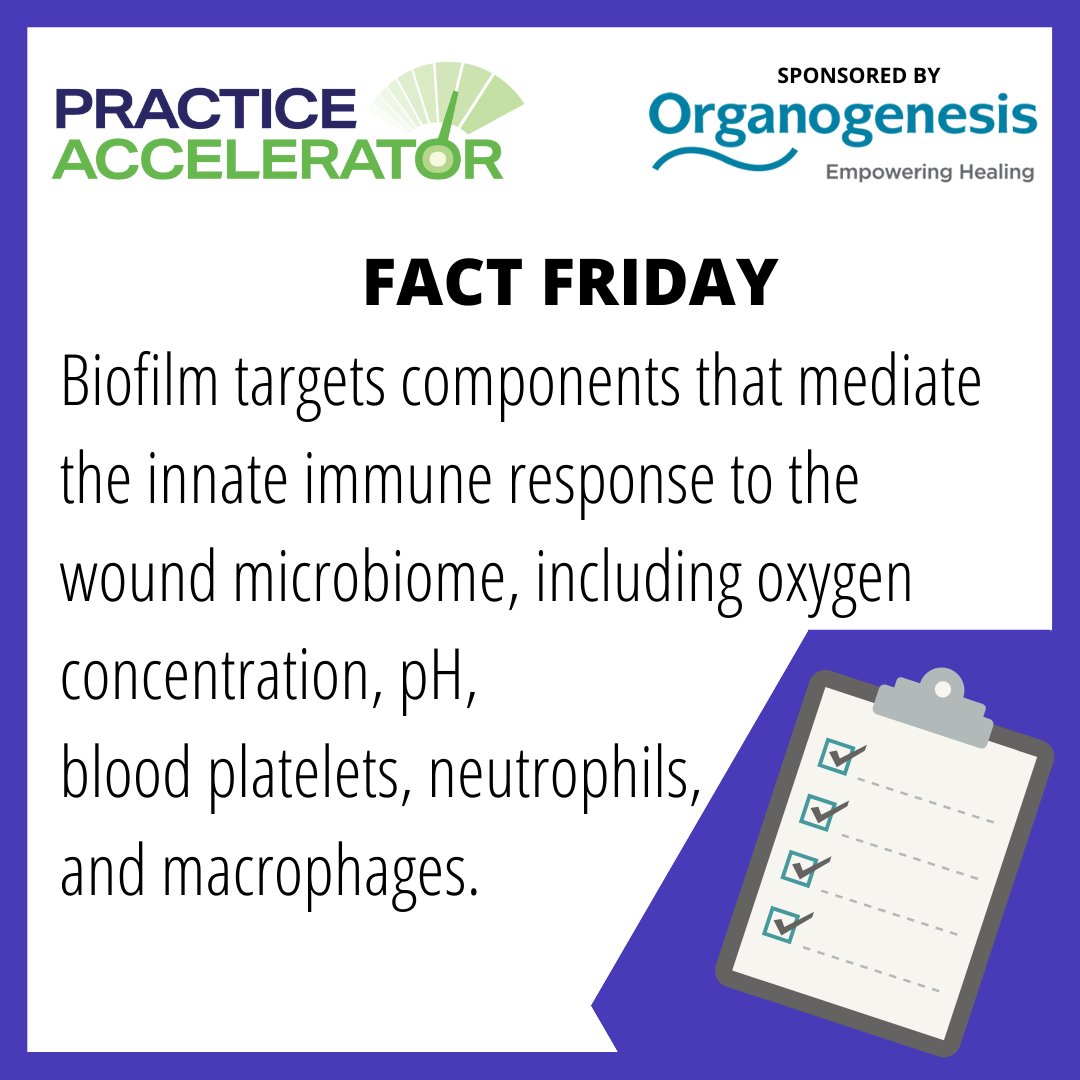
September is Chronic Wounds Day Month! #FactFriday: Biofilm targets components that mediate the innate immune response to the wound microbiome.
Chronic Wounds Fact Sheet: ow.ly/KvBY50Kx0ww
September #PracticeAccelerator sponsor: Organogenesis
#WoundSource #ChronicWounds
3
2 Sep 2022
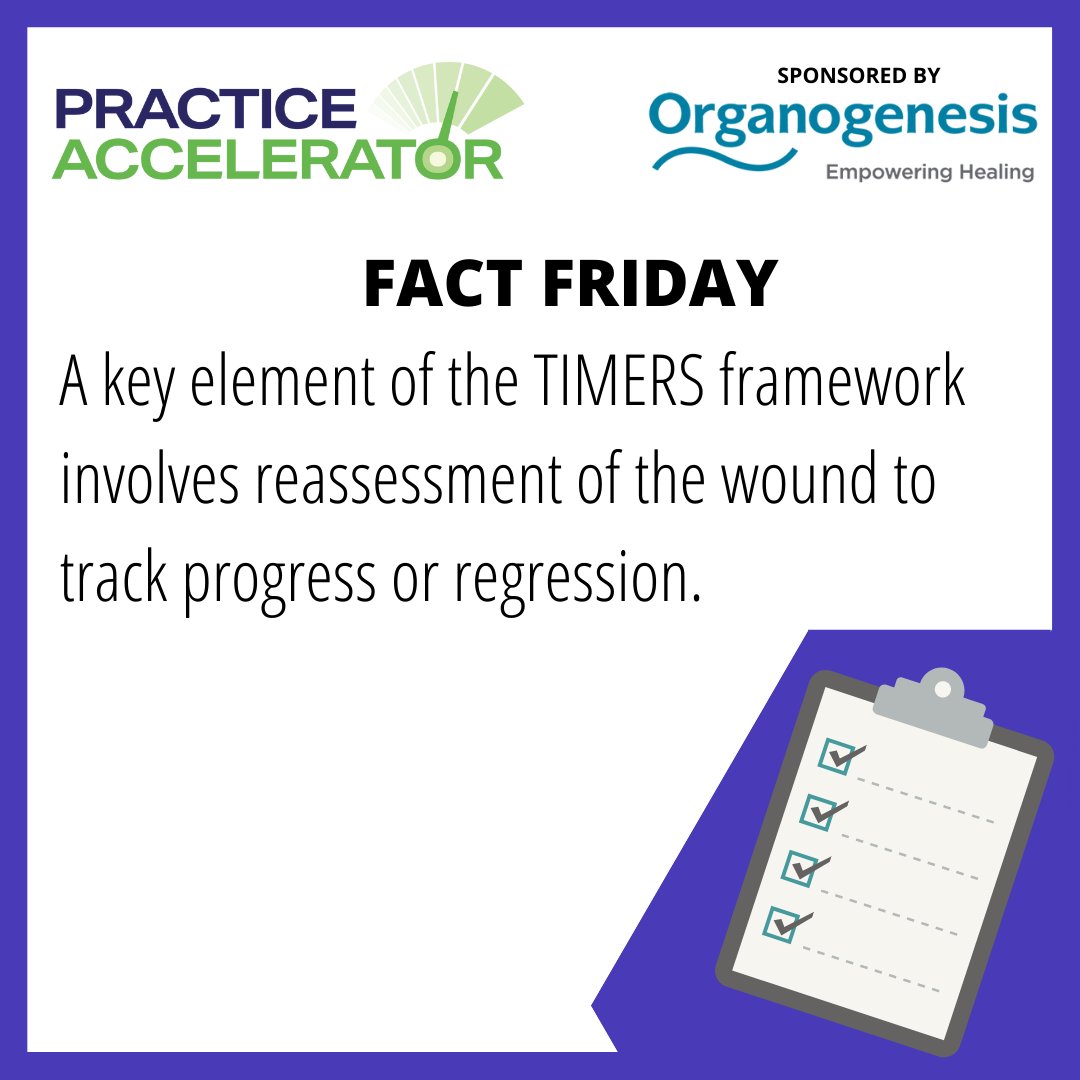
September is Chronic Wounds Day Month! #FactFriday: A key element of the TIMERS framework involves reassessment of the wound to track progress or regression.
Fact Sheet: ow.ly/CyU150KwZRo
September #PracticeAccelerator sponsor: Organogenesis.
#WoundSource #ChronicWounds
1
2
29 Aug 2022
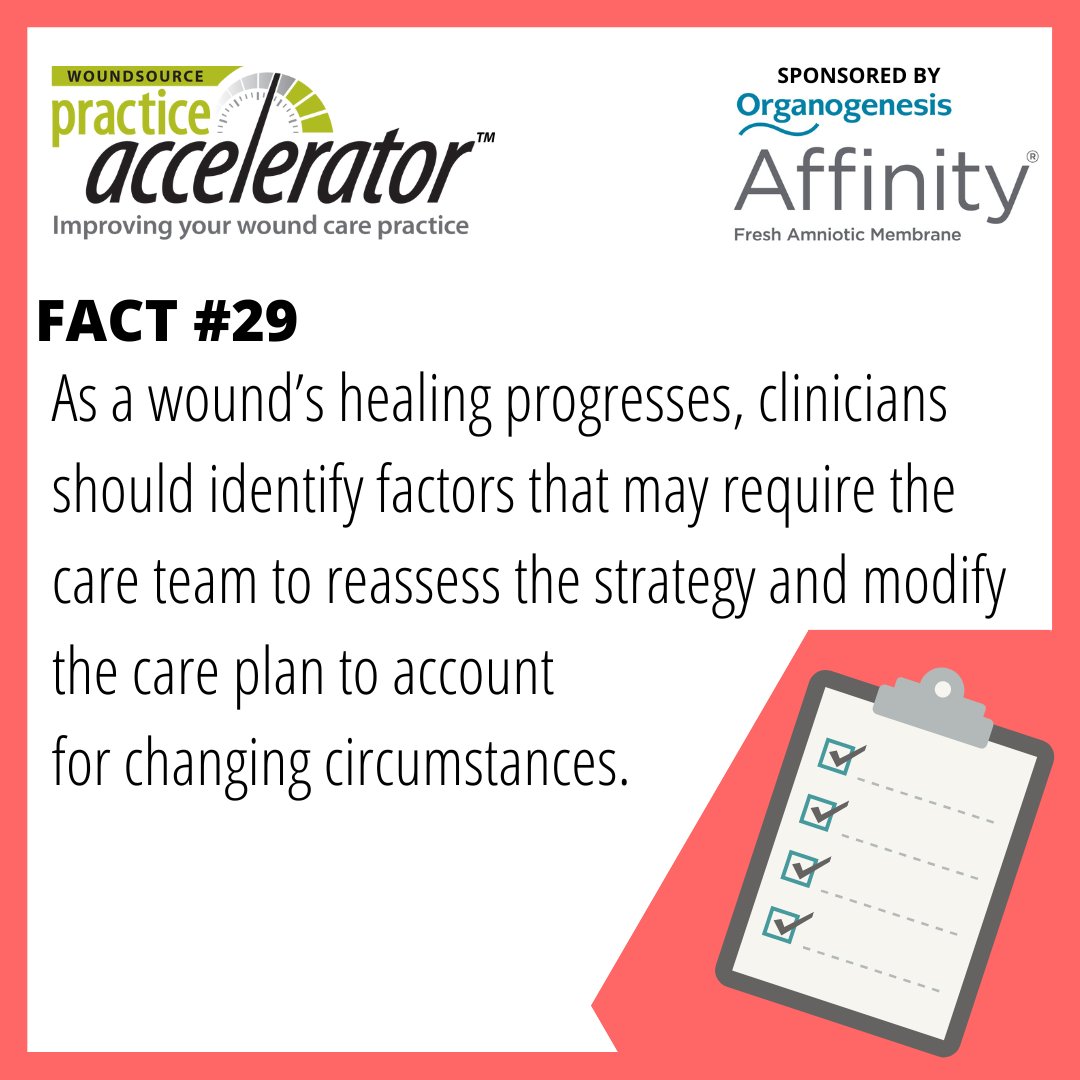
Fact-A-Day | Fact #
29. As a wound’s healing progresses, clinicians should identify factors that may require the care team to reassess the strategy
Download
Fact Sheet: ow.ly/z8fl50Kpzav
August #PracticeAccelerator sponsor: Organogenesis
#WoundSource #ContinuumofCare
2
25 Aug 2022
Fact-A-Day | Fact #
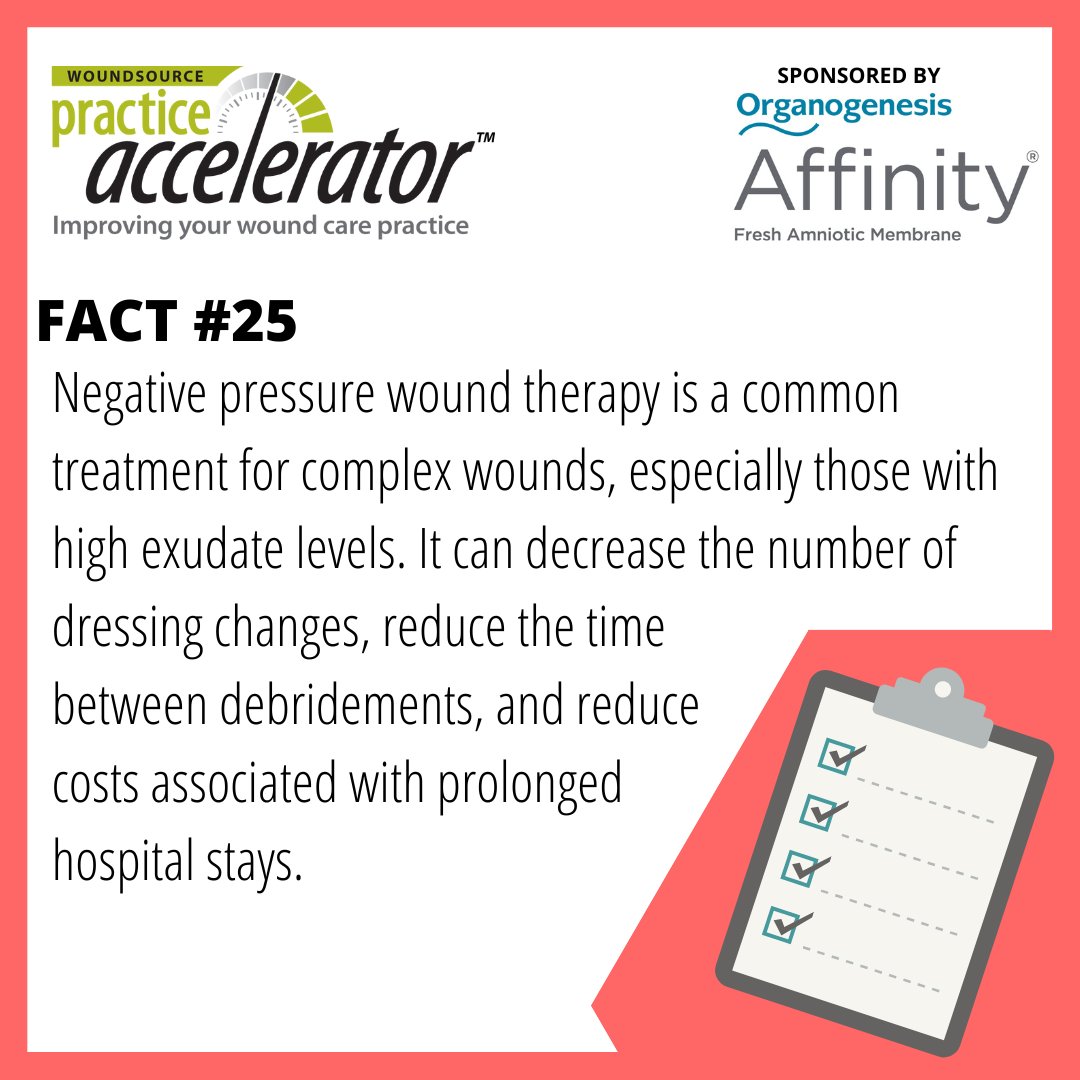
25. Negative pressure wound therapy is a common treatment for complex wounds, especially those with high exudate levels.
Download Fact Sheet: ow.ly/hxqN50KpyiI
August #PracticeAccelerator, sponsored by Organogenesis.
#WoundSource #ContinuumofCare
2
2
23 Aug 2022
Fact-A-Day | Fact
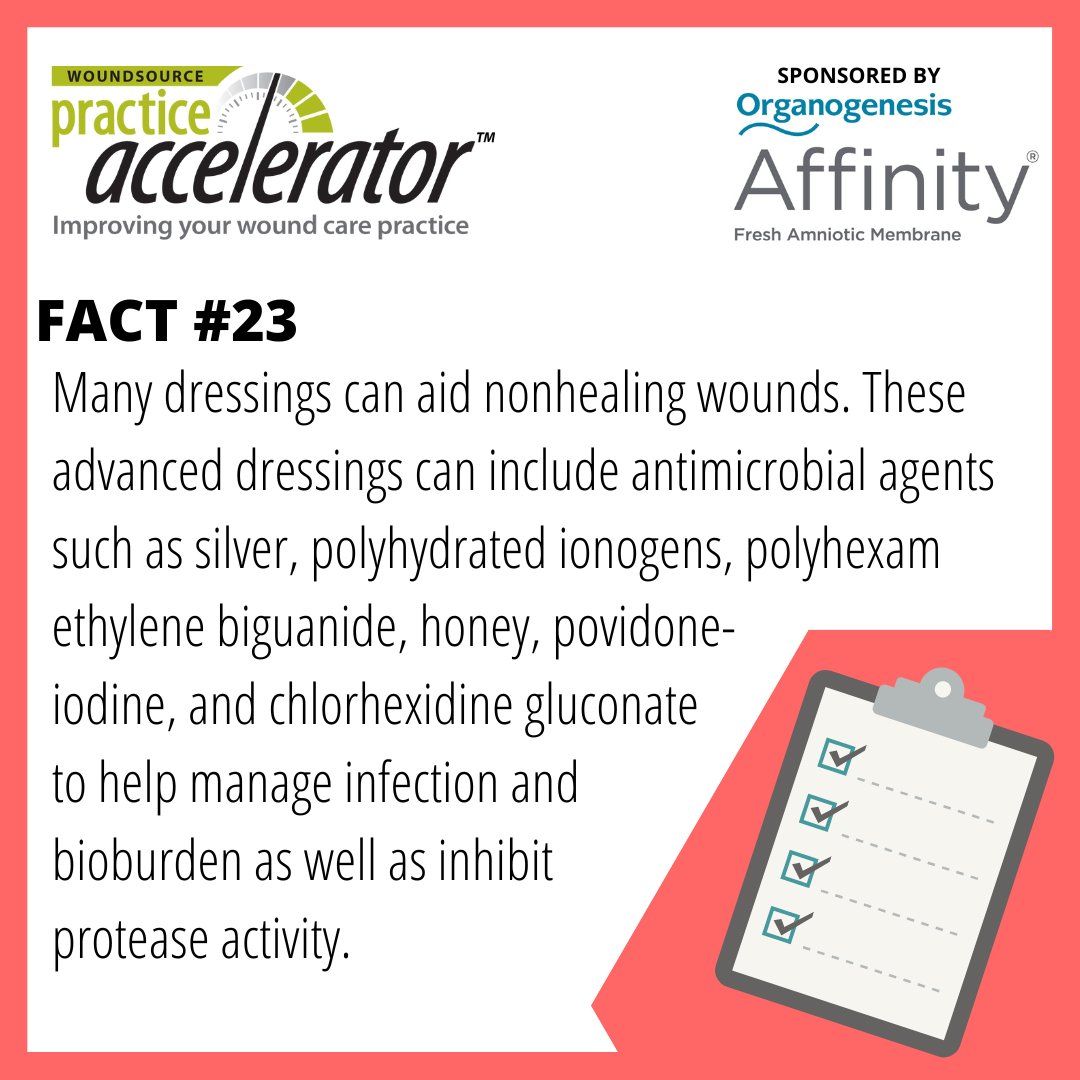
#23. Many dressings can aid nonhealing wounds.
Full Fact Sheet to Download and Print: ow.ly/az2250KpxuP
Be sure to visit the August #PracticeAccelerator, sponsored by Organogenesis.
#WoundSource #WoundHealing #WoundCare #ContinuumofCare
1
10 Aug 2022
FactADay|Fact#
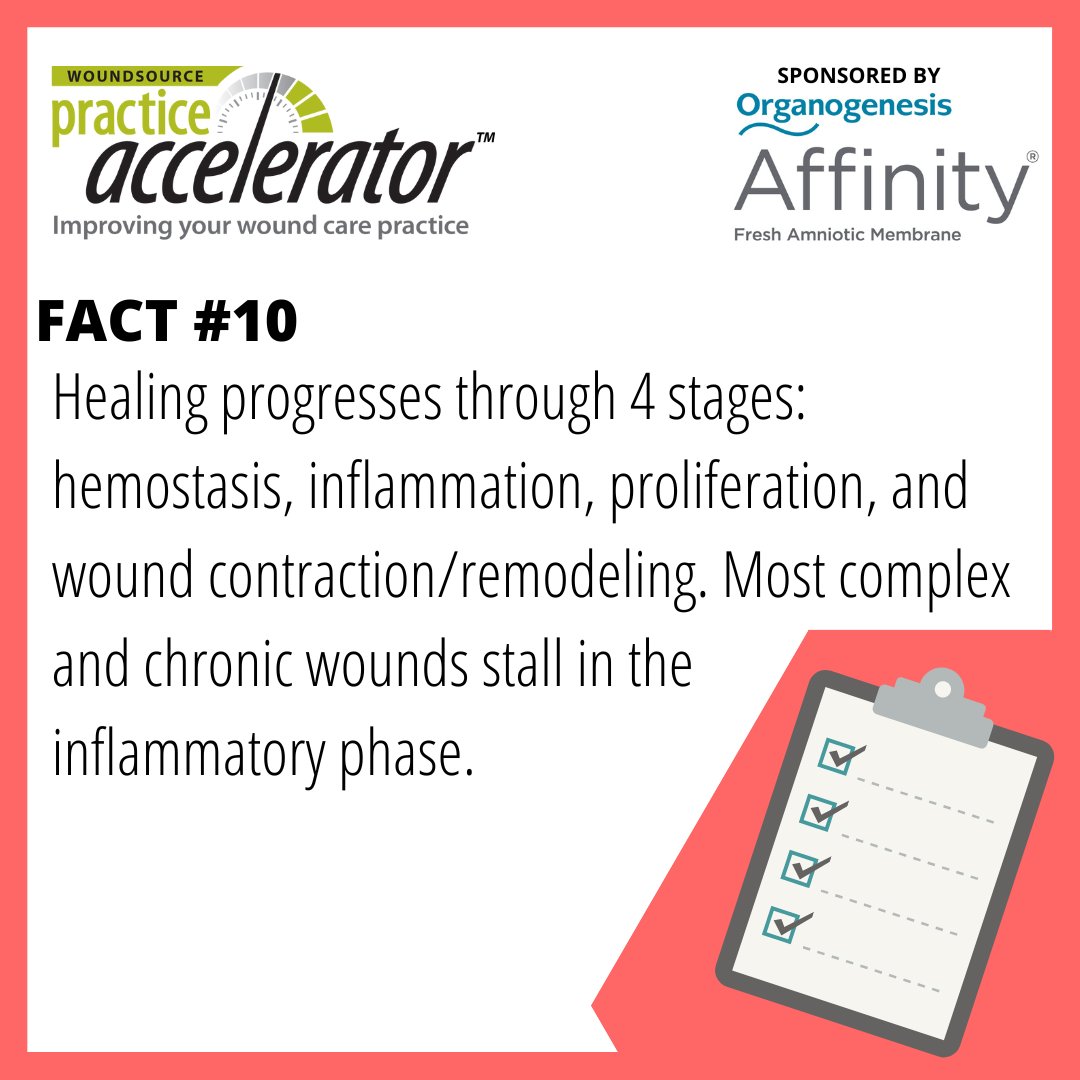
10. Healing 4 stages: hemostasis, inflammation, proliferation, wound contraction/remodeling. Most complex, chronic wounds stall in inflammatory phase
Facts: ow.ly/4z4P50Kfc8s
August #PracticeAccelerator sponsor: Organogenesis
#WoundSource #ContinuumofCare
1
1
2 Aug 2022
FactADay | Fact #
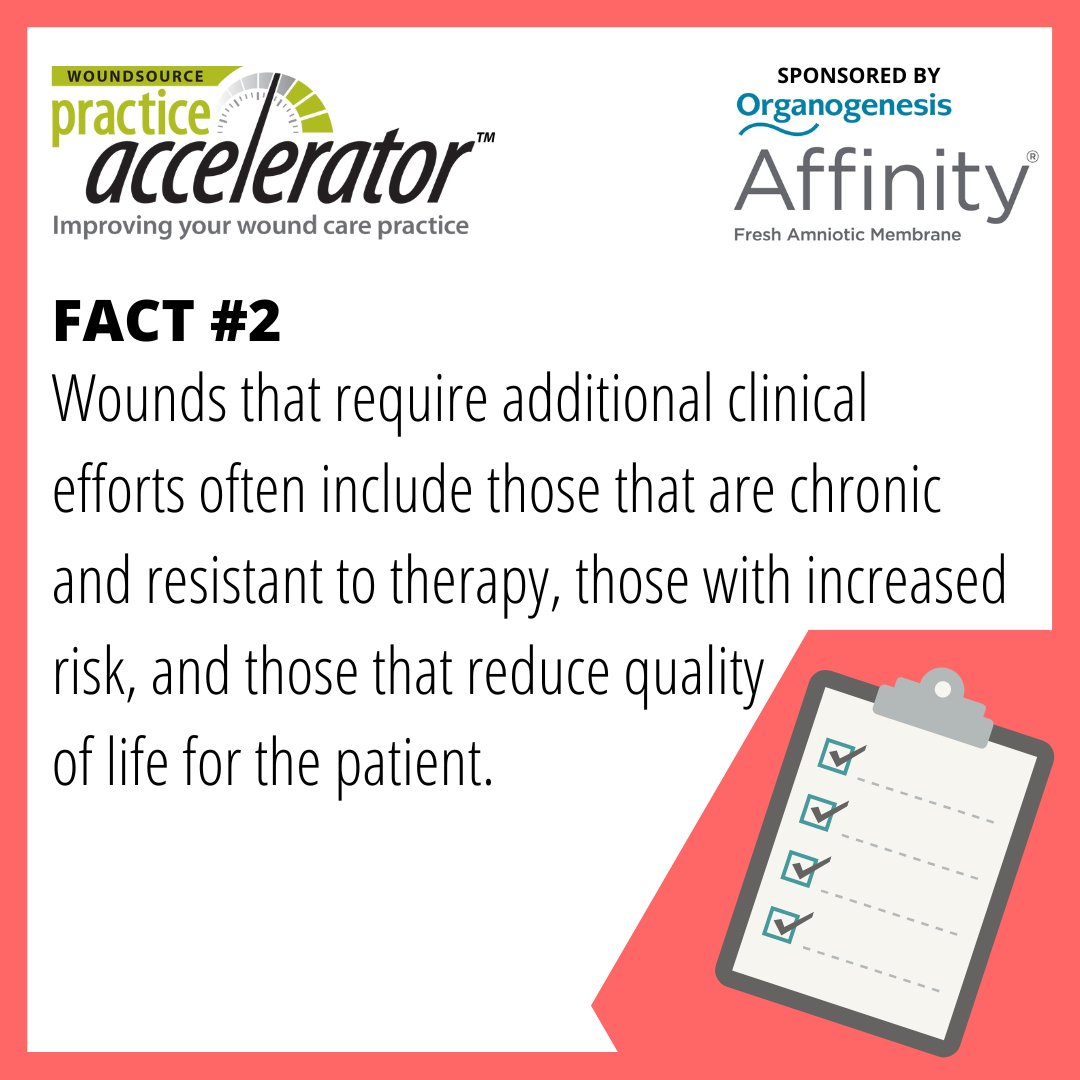
2. Wounds that require add. clinical efforts include those that are chronic & resistant to therapy those with increased risk & those that reduce QOL for patients.
Facts: ow.ly/KRMo50K7sx0
August #PracticeAccelerator sponsor: @Organogenesis
#WoundSource
2
31 Jul 2022
Fact-A-Day | Fact # 31.
Utilizing patient data to see how wounds have responded to interventions can guide next steps in care.
Facts: ow.ly/ilLJ50K4Sqy
Be sure to visit the July #PracticeAccelerator, sponsored by Net Health.
#WoundSource #WoundCare #WoundBedPreparation
2
25 Jul 2022
Fact-A-Day | Fact #25. Debridement methods should be selected with the patient’s goals & tolerances in mind.
Facts: ow.ly/1Joe50JZsHH
Be sure to visit the July #PracticeAccelerator, sponsored by @NetHealth.
#WoundSource #WoundHealing #WoundCare #WoundBedPreparation
2
13 Jul 2022
Fact-A-Day | Fact #13. Bacteria may be harbored in rolled edges or tunnels, thus increasing the risk of biofilm or wound infection.
Fact Sheet: ow.ly/w6Cr50JRVZQ
July #PracticeAccelerator, sponsored by Net Health
#WoundSource #WoundHealing #WoundCare #WoundBedPreparation
2
9 Jul 2022
Fact-A-Day | Fact #9. The steps of TIMERS should be repeated as necessary to encourage healing.
Wound Bed Preparation Fact Sheet to Download: ow.ly/u8oF50JRV9r
July #PracticeAccelerator, sponsored by Net Health
#WoundSource #WoundHealing #WoundCare #WoundBedPreparation
2
6 Jul 2022
Fact-A-Day | Fact #6. The E of TIMERS is for edge of wound or epibole and includes debriding rolled-over edges, managing tunneling or undermining, and managing calluses along the edge of the wound.
Fact Sheet: ow.ly/51XN50JNtBj
#PracticeAccelerator
#WoundBedPreparation
2
5 Jul 2022
Fact-A-Day | Fact #5. The M of TIMERS is for moisture management and includes the use of absorptive dressings to manage exudate or dressings that donate moisture as needed.
Wound Bed Prep Facts: ow.ly/kIpO50JNtyJ
#PracticeAccelerator
#WoundSource #WoundBedPreparation
2
2 Jul 2022
Fact-A-Day | Fact #2. The mnemonic TIMERS can be used to remember the steps of wound bed preparation.
Wound Bed Preparation Fact Sheet: ow.ly/47wx50JMZCm
July #PracticeAccelerator, sponsored by Net Health
#WoundSource #WoundHealing #WoundCare #WoundBedPreparation
3
1 Jul 2022
Fact-A-Day | Fact #1. Wound bed preparation is the process of optimizing the wound bed for healing.
Wound Bed Preparation Facts: ow.ly/xiE650JL6ax
Be sure to visit the July #PracticeAccelerator, sponsored by @Net Health
#WoundSource #WoundHealing #WoundBedPreparation
1
19 Jun 2022
Fact-A-Day | Fact #19. The skin is the body's largest organ.
Wound Care Awareness Fact Sheet to Download: ow.ly/f9fr50JxuR8
Be sure to visit the June #PracticeAccelerator, sponsored by @Wound Care Learning Network
#WoundSource #WoundHealing #WoundCare #WoundAwareness

2
18 Jun 2022
Fact-A-Day | Fact #18. Health care professionals who pursue wound care certification will be entering a high-demand field.
Fact Sheet: ow.ly/LOyA50JxuxF
June #PracticeAccelerator sponsor: @Wound Care Learning Network
#WoundSource #WoundHealing #WoundCare #WoundAwareness

1
17 May 2022
Fact-A-Day | Fact #17. Debridement methods include surgical sharp, conservative sharp, mechanical, chemical, autolytic, and biological.
Debridement and Chronic Wounds Facts: ow.ly/SJTB50J7NxA
May #PracticeAccelerator sponsor: @smithnephew
#WoundSource #Debridement

1