
5 May 2025
Here's a template to start with! ;-)
Understanding can be conceptualized as a complex semiotic process that operates across multiple dimensions and domains. Using the QPT notation:
Understanding = S⟪ // Domain projections ↾cognitive⟨⦿△≡⊣△...⟩ // Cognitive domain: pattern-based sign with symbolic connection and logical argument ↾experiential⟨⦿□⇢⊣□...⟩ // Experiential domain: instance-based sign with causal connection and proposition ↾interpretive⟨⦿△⍥⊣α...⟩ // Interpretive domain: pattern-based sign with metaphorical connection and abductive reasoning
// Dimensional projections ↿(○): { // Firstness - Qualities/Possibilities ↾cognitive⟨⦿○≡⊣○...⟩, // Immediate recognition of patterns ↾experiential⟨⦿○⇢⊣○...⟩, // Intuitive grasp of relations ↾interpretive⟨⦿○⍥⊣○...⟩ // Potential meaning relationships }, ↿[□]: { // Secondness - Actuality/Reaction ↾cognitive⟨⦿□≡⊣□...⟩, // Concrete application of knowledge ↾experiential⟨⦿□⇢⊣□...⟩, // Direct encounters with phenomena ↾interpretive⟨⦿□⍥⊣□...⟩ // Specific interpretations of instances }, ↿{△}: { // Thirdness - Pattern/Law ↾cognitive⟨⦿△≡⊣△...⟩, // Systematic knowledge structures ↾experiential⟨⦿△⇢⊣△...⟩, // Generalized experiential patterns ↾interpretive⟨⦿△⍥⊣△...⟩ // Coherent interpretive frameworks },
// Value projections ⇃meaning: { ↾cognitive: "integration of information into coherent knowledge structures", ↾experiential: "embodied grasp of phenomena through direct encounter", ↾interpretive: "contextual meaning-making that connects concepts across domains" },
// Constructor projections ⇂⎕: { ↾cognitive: [□]⎕cognitive(Information PriorKnowledge → IntegratedUnderstanding), ↾experiential: [□]⎕experiential(Perception Action → ExperientialUnderstanding), ↾interpretive: [□]⎕interpretive(Context Significance → MeaningfulUnderstanding) },
// Mediation constructors ⋗{ cognitive↔experiential: [□]⎕(Embodiment), experiential↔interpretive: [□]⎕(Contextualization), cognitive↔interpretive: [□]⎕(Meaning) },
// Dialectical patterns ⋓{ concrete↔abstract: { thesis: "concrete experiential understanding", antithesis: "abstract conceptual understanding", synthesis: "embodied conceptual understanding" }, part↔whole: { thesis: "understanding parts in isolation", antithesis: "understanding wholes as patterns", synthesis: "understanding parts through wholes and wholes through parts" } },
// Process cycles ⟳{ understanding_cycle: cognitive → experiential → interpretive → cognitive },
// Feature cycle FC::understanding: ⦿ → ⊗ → ⧖ → ⦿ ⟫
This QPT formulation captures understanding as a dynamic process that:
* Integrates across multiple domains (cognitive, experiential, interpretive)
* Involves all three Peircean dimensions (firstness/quality, secondness/actuality, thirdness/pattern)
* Operates through dialectical tensions (concrete↔abstract, part↔whole)
* Functions as a cyclical process (cognitive → experiential → interpretive → cognitive)
* Requires mediation between domains through specialized constructors
In essence, understanding emerges as a complex semiotic achievement where signs from different domains are brought into coherent relationship through both bottom-up (experience-based) and top-down (pattern-based) processes, resulting in meaningful interpretations that guide future cognition and action.
1
14
2,287

12 Feb 2025
You've heard a lot about the importance of #PriorKnowledge. @PsyDocCindy explores the research to offer practical recommendations:
ow.ly/FpOg50UVg4B
2
3
418

7 Nov 2024
“The correlation between knowing something and learning is twice as high as the correlation between poverty and learning.” Thank you for this free webinar Kelly Gallagher #curiosityzone #priorknowledge @KellyGToGo @HeinemannPub
5
125

10 Oct 2024
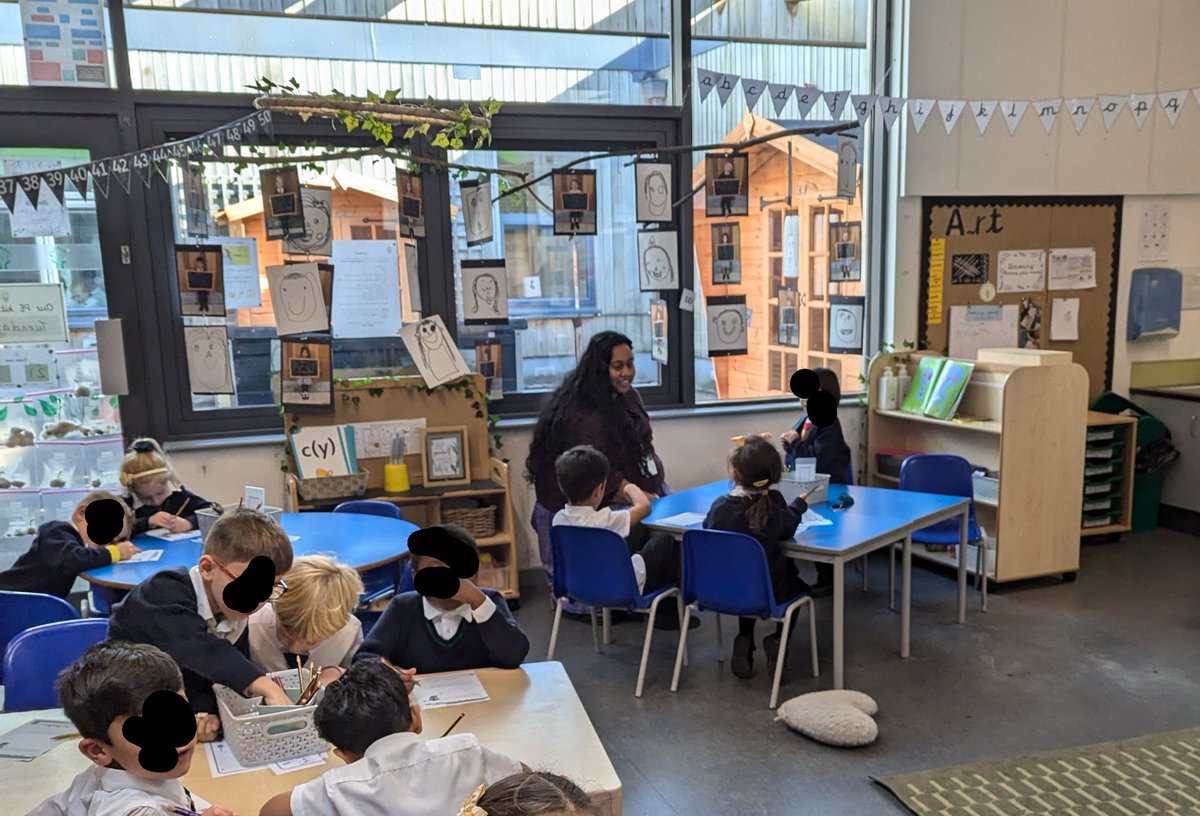
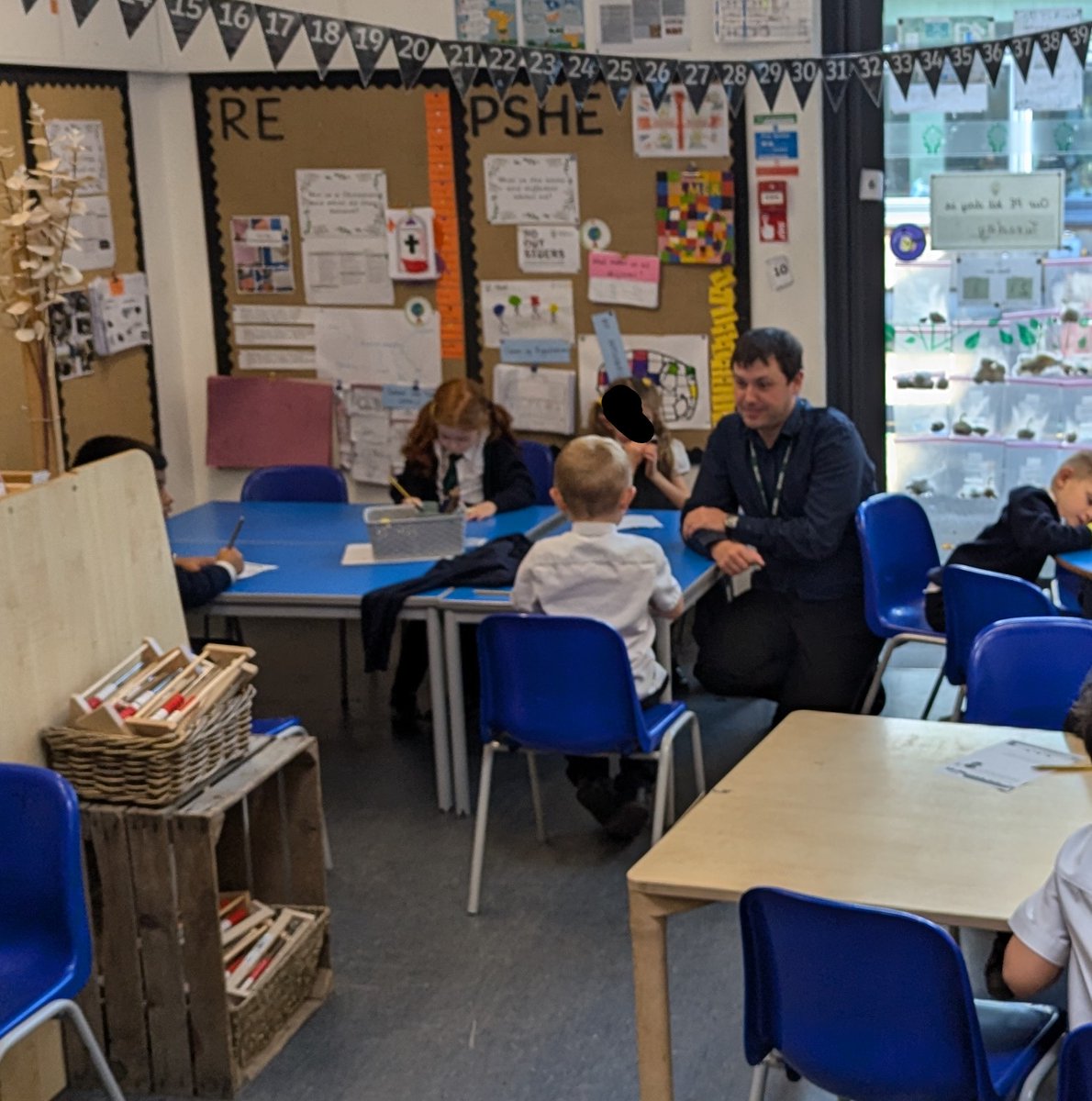
Thanks to @limetreepa and @DonnaBFSCITT for a fantastic day looking at transitions, Behaviour and Culture and supporting Early Reading... I'm not sure we'll be able to convince Fozia and Adam to come back to Secondary! #bfetcommunity #priorknowledge
2
10
1,042

24 Apr 2024
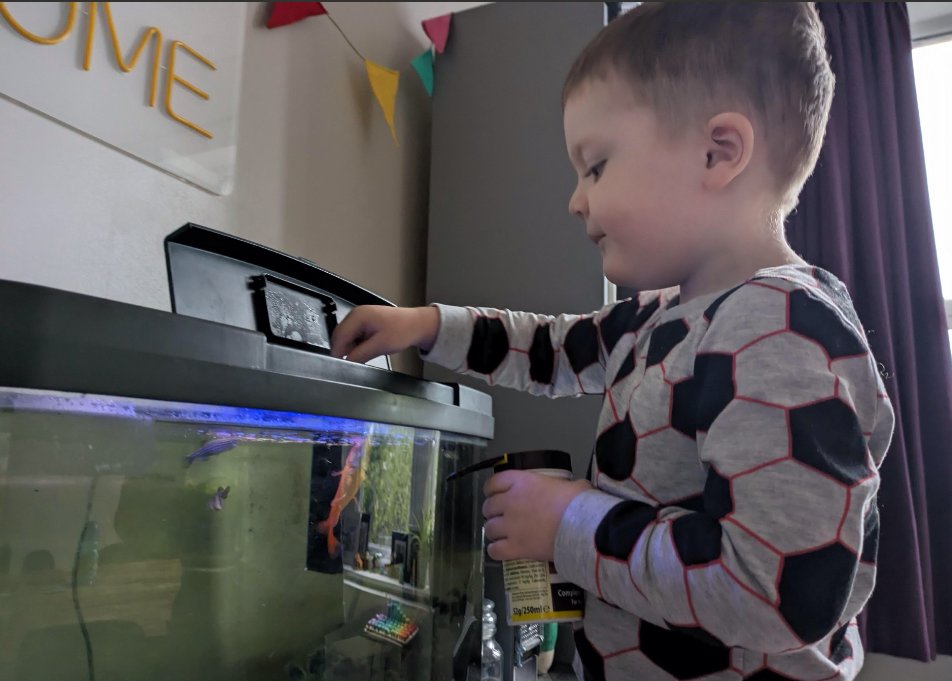
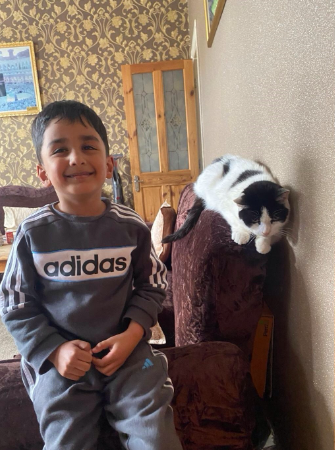
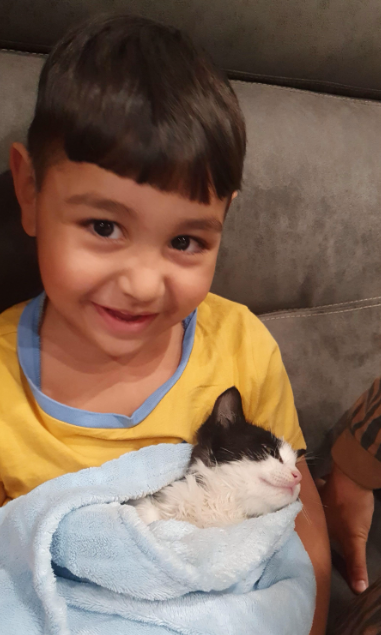
Nursery have been sharing pictures of their pets for their topic - where do animals live? @WeAreBDAT #nursery #eyfs #priorknowledge #makingconnections #makinglinks
4
224

3 Apr 2024
Iran alerted Russia to security threat before Moscow attack, sources say
#falseflag #priorknowledge
dailymail.co.uk/wires/reuter…
1
4
322

25 Jan 2024
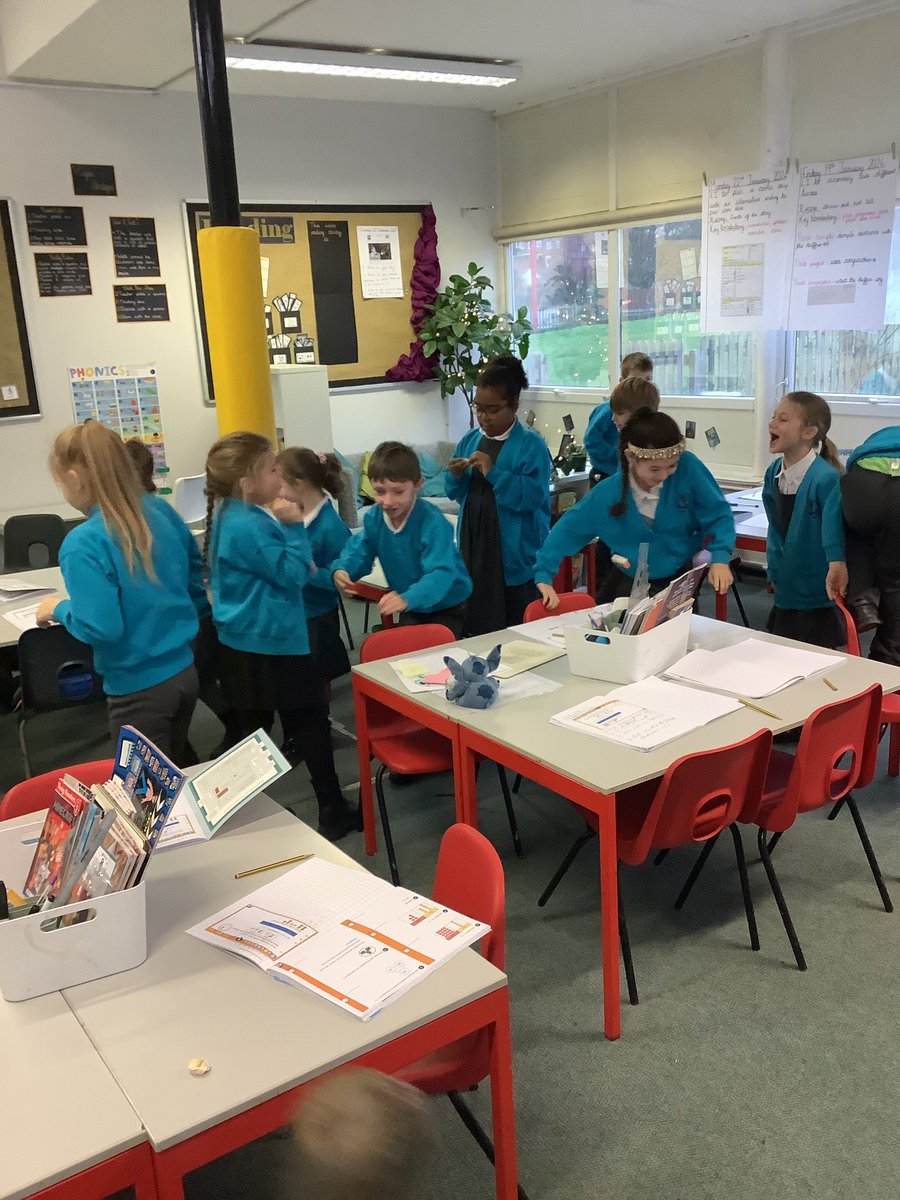
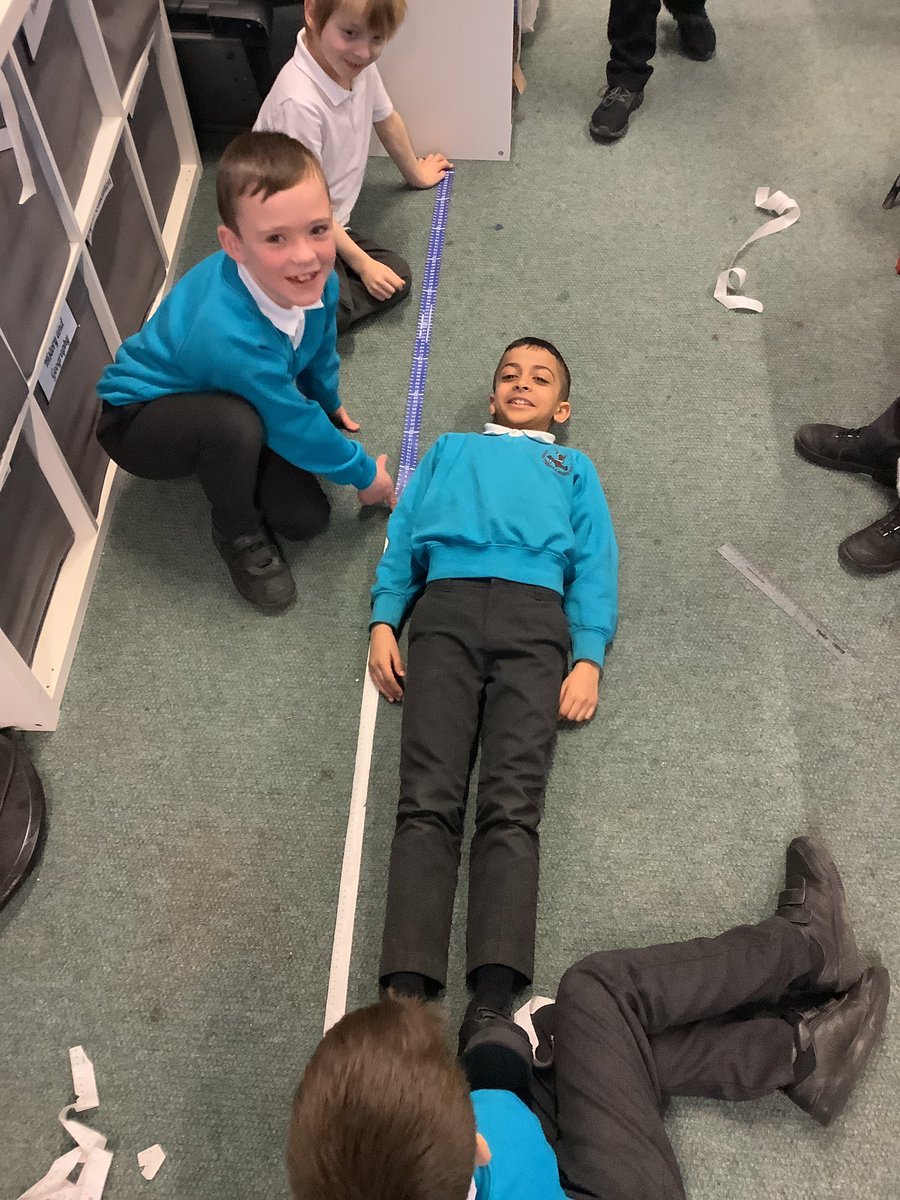
Today in Bell, the children started their new topic of measurement in Maths. The children had a snowball fight using post it notes written with their priorknowledge of length. They then had a go at measuring things in the classroom!
#MathsatDelce @IPAT_Edu
1
5
422

16 Jan 2024
"What do students already know? Ascertain it, and teach accordingly."
#PriorKnowledge
2
1
5
641

3 Jan 2024
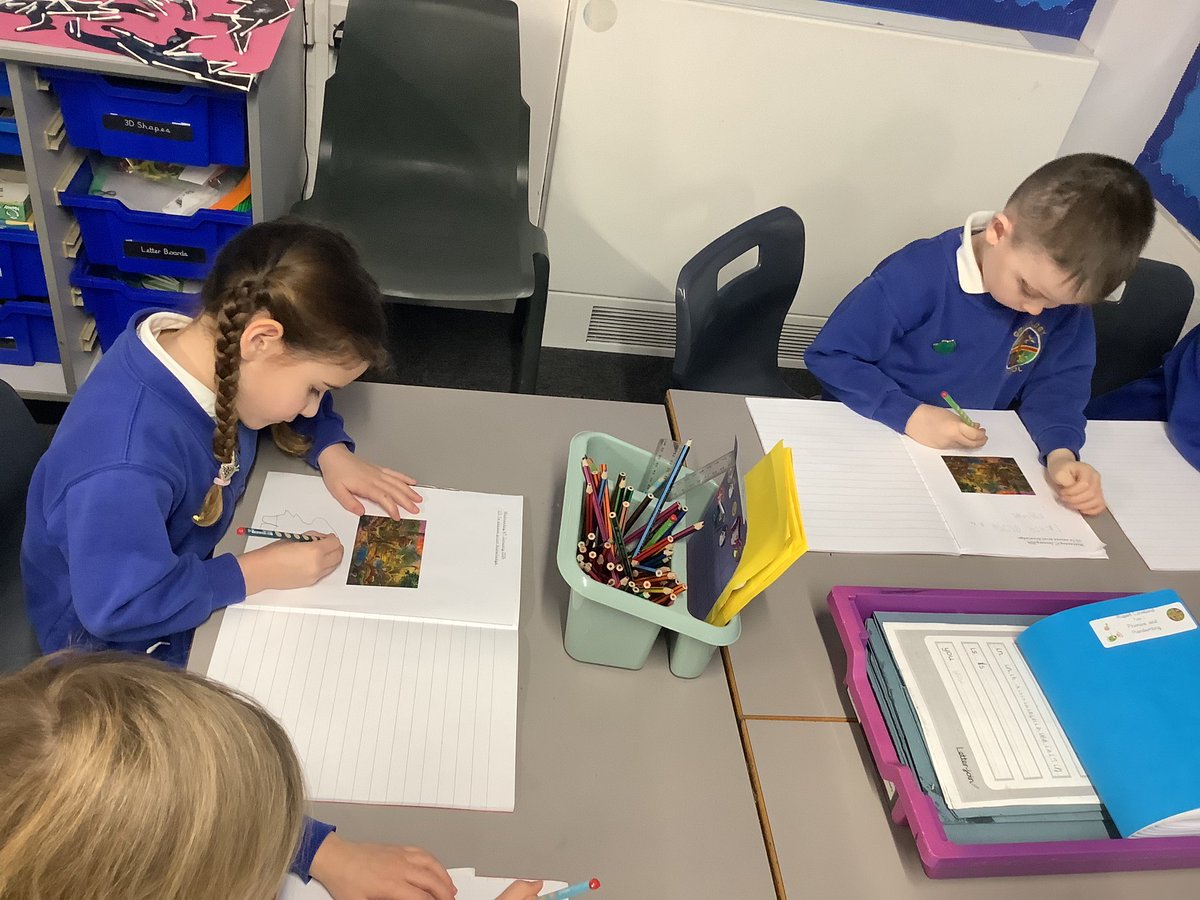
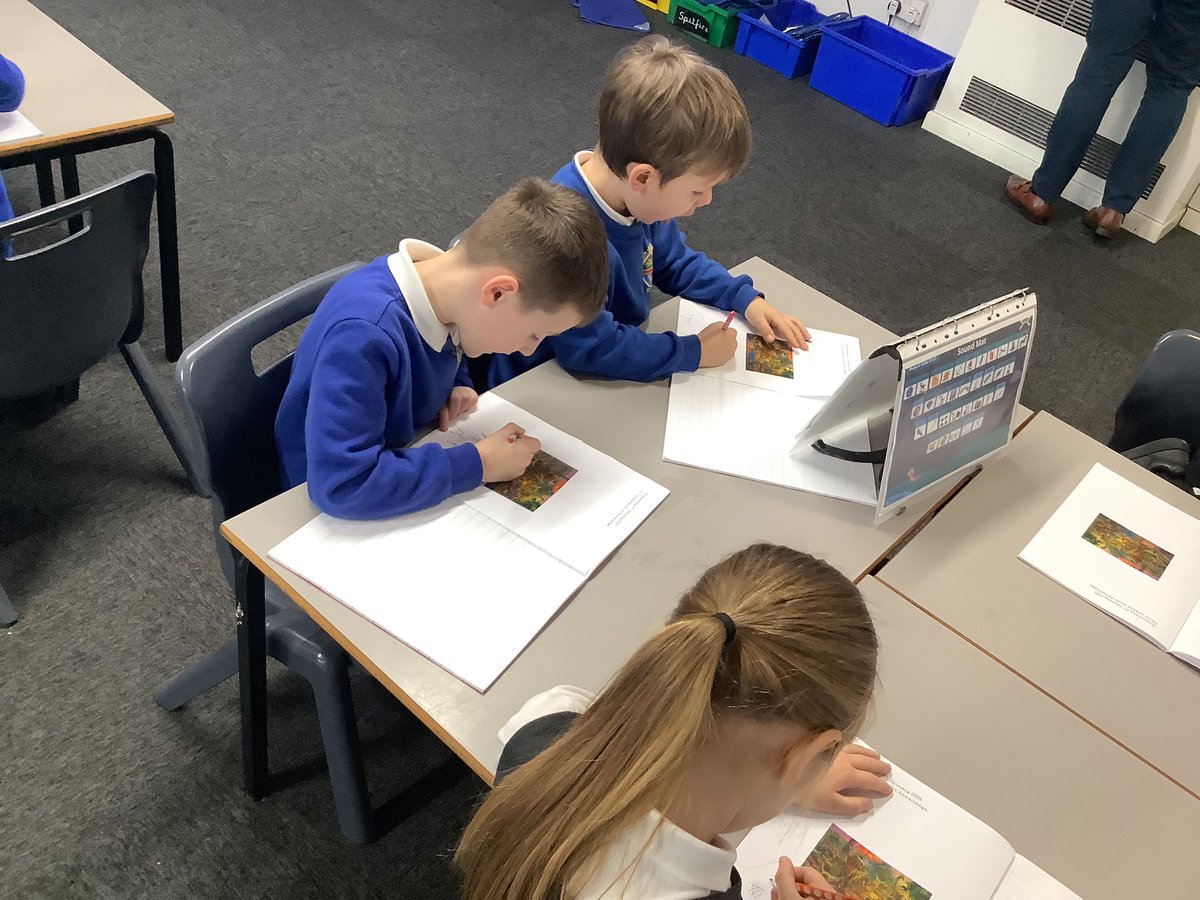
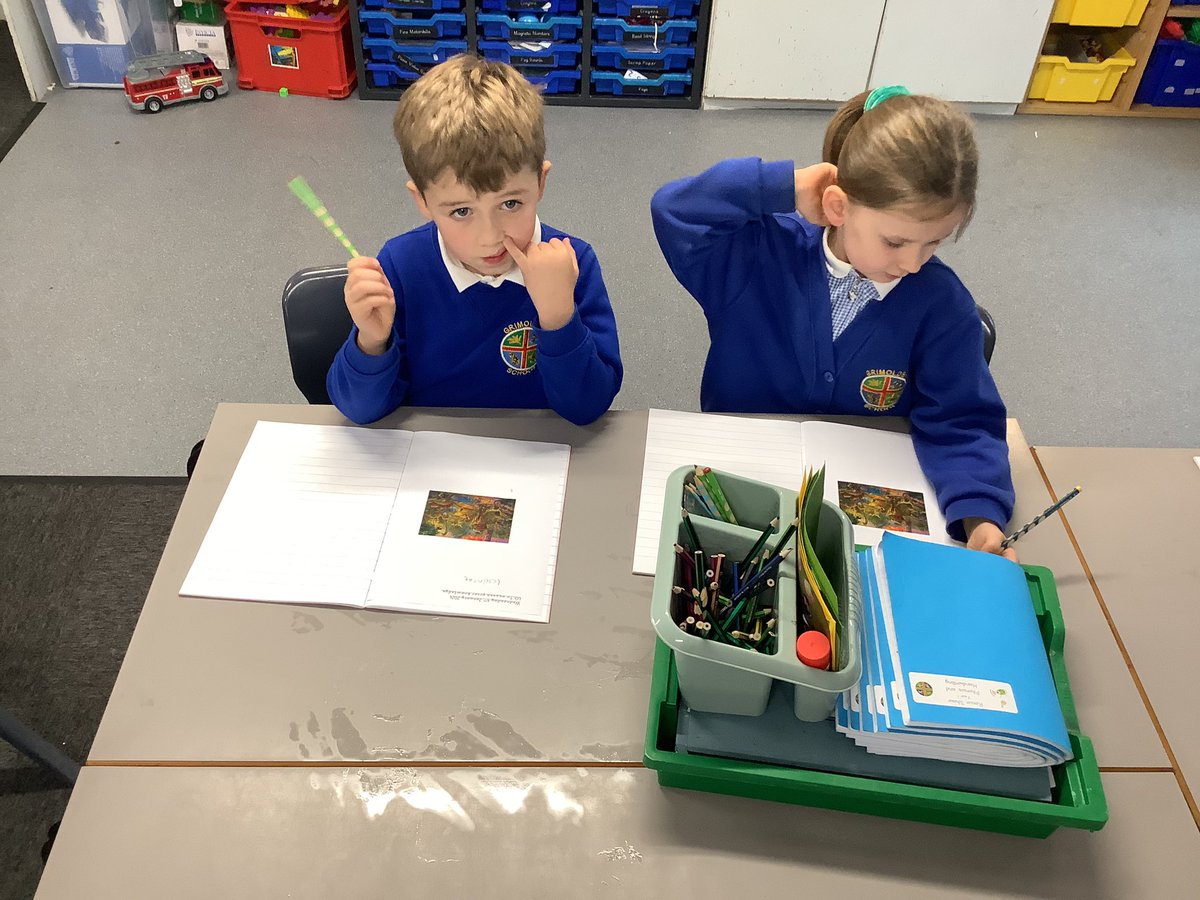
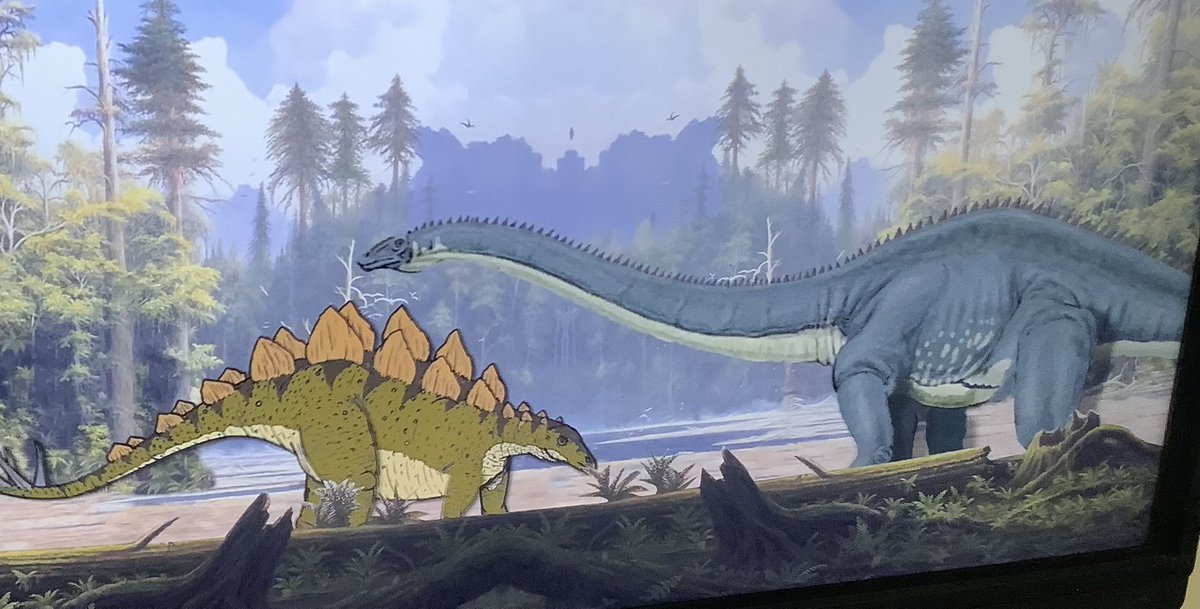
What do you already know about dinosaurs? Draw it or write it! #priorknowledge #history #alongtimeago
5
130

12 Dec 2023
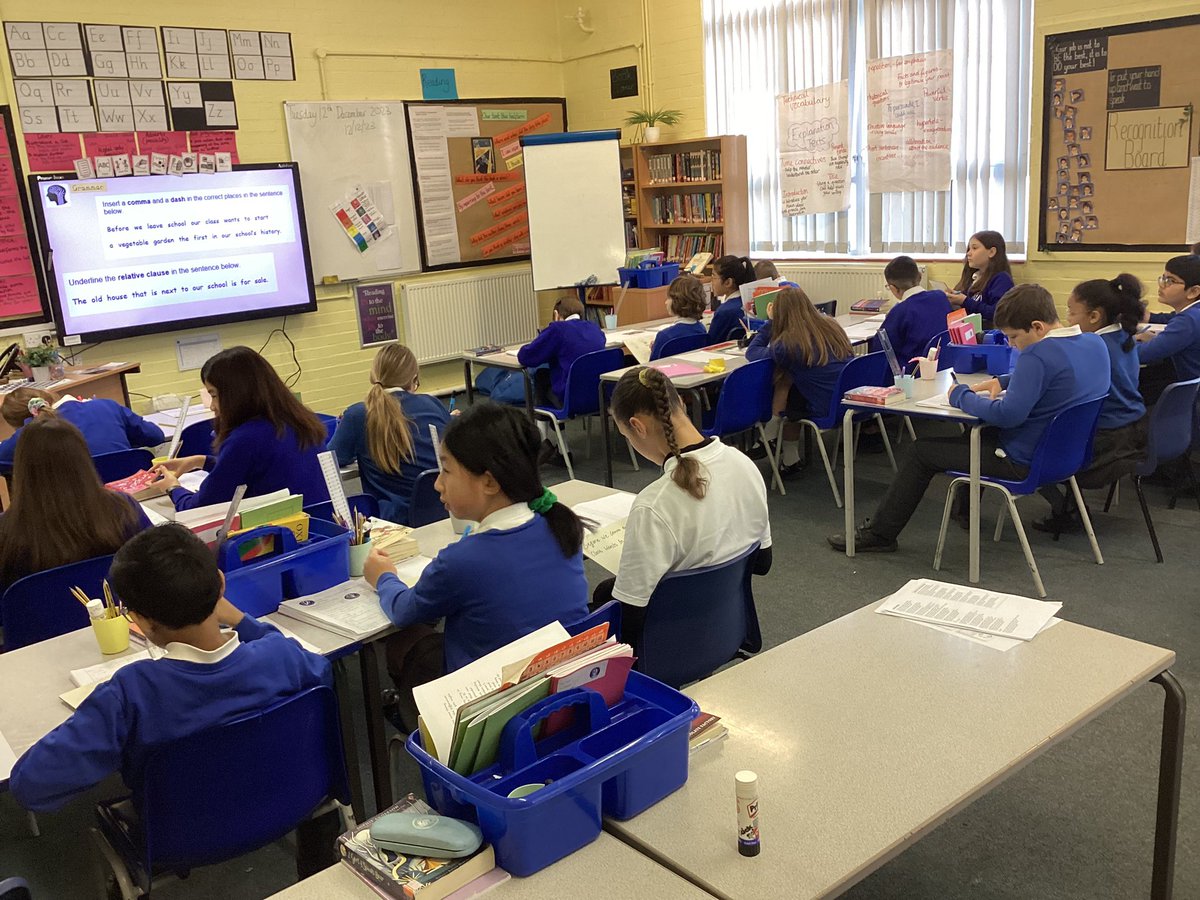
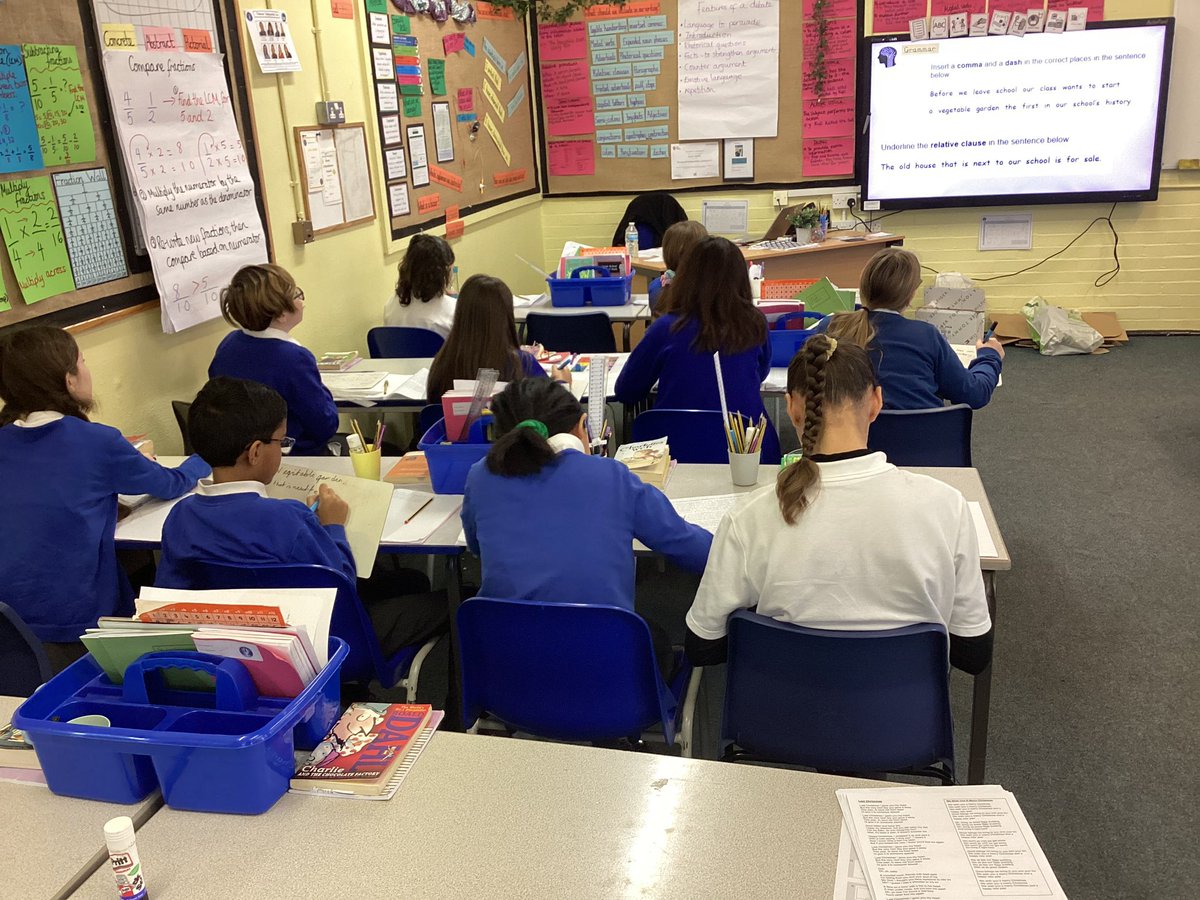
In preparation for their writing, the children are focusing on retrieval practice #PupilEngagement #Metacognition #PriorKnowledge @PelhamPrimary_ 🗯️🤩👏🏾💭@trustilluminate
1
2
327

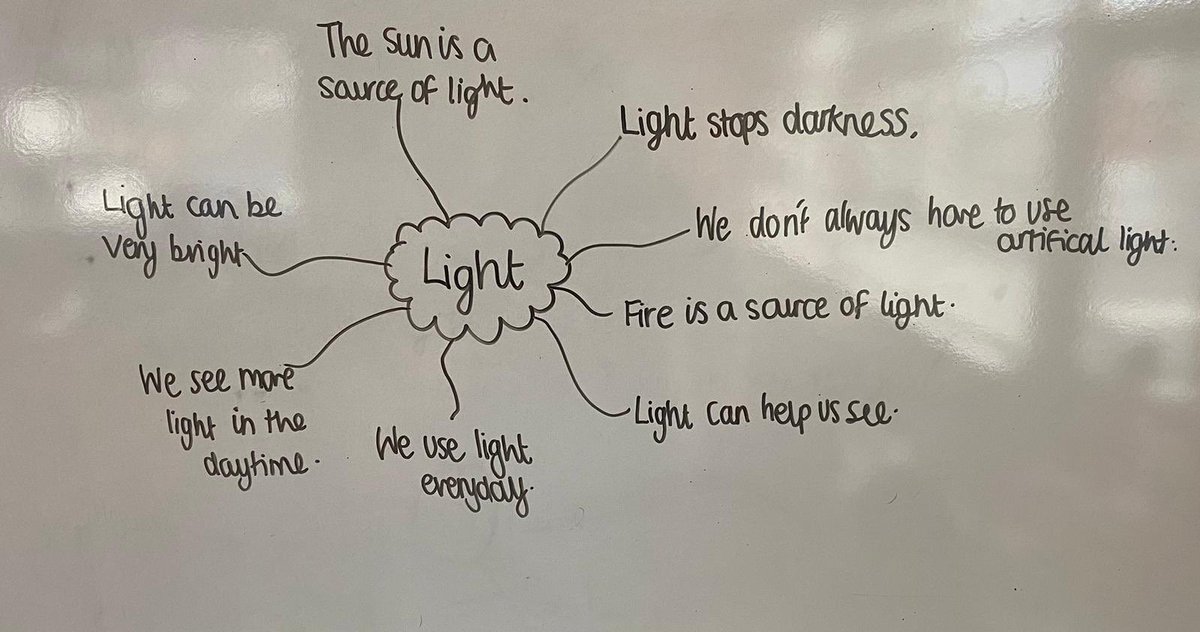
Pandas class started their new science topic on light this afternoon. To start our lesson we created a whole class mind map with things we already know about light! #priorknowledge #science #light
2
153

13 Nov 2023
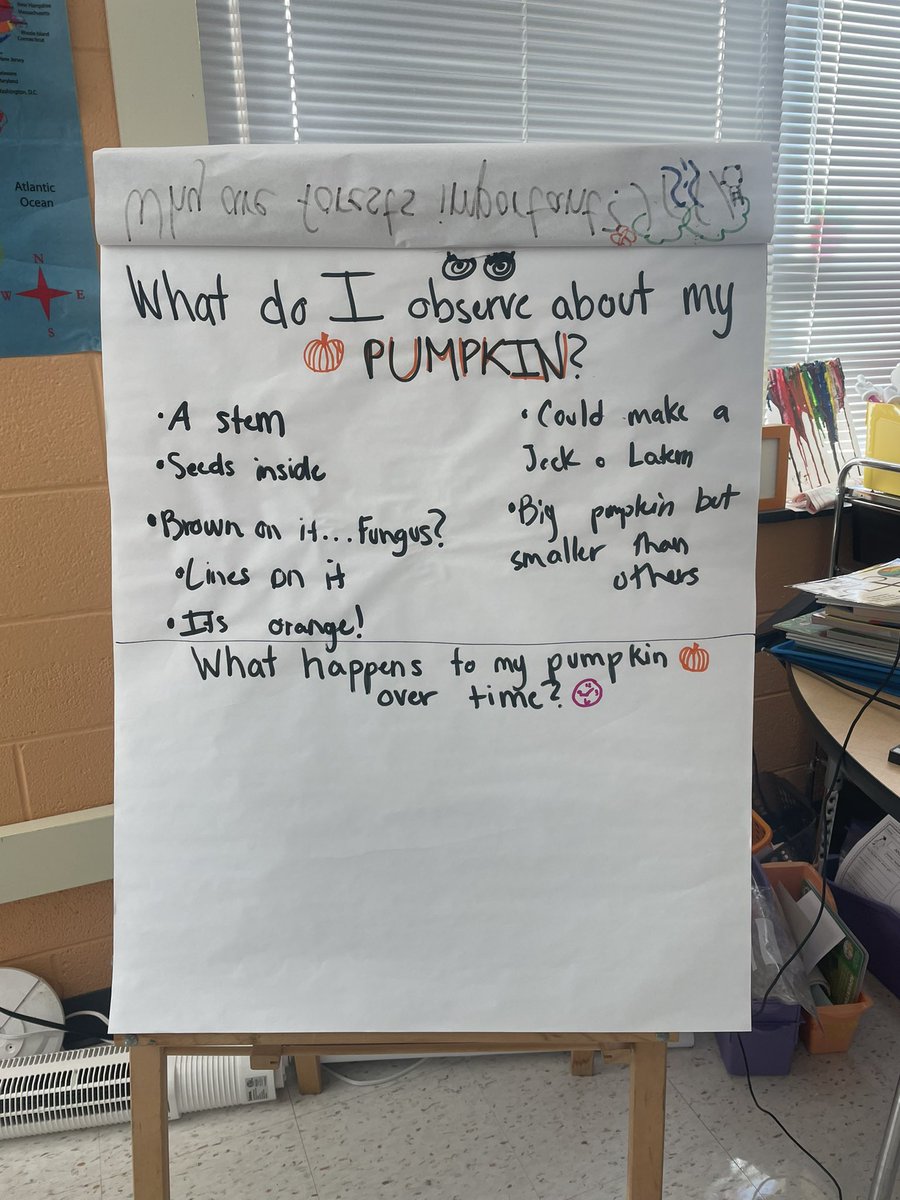
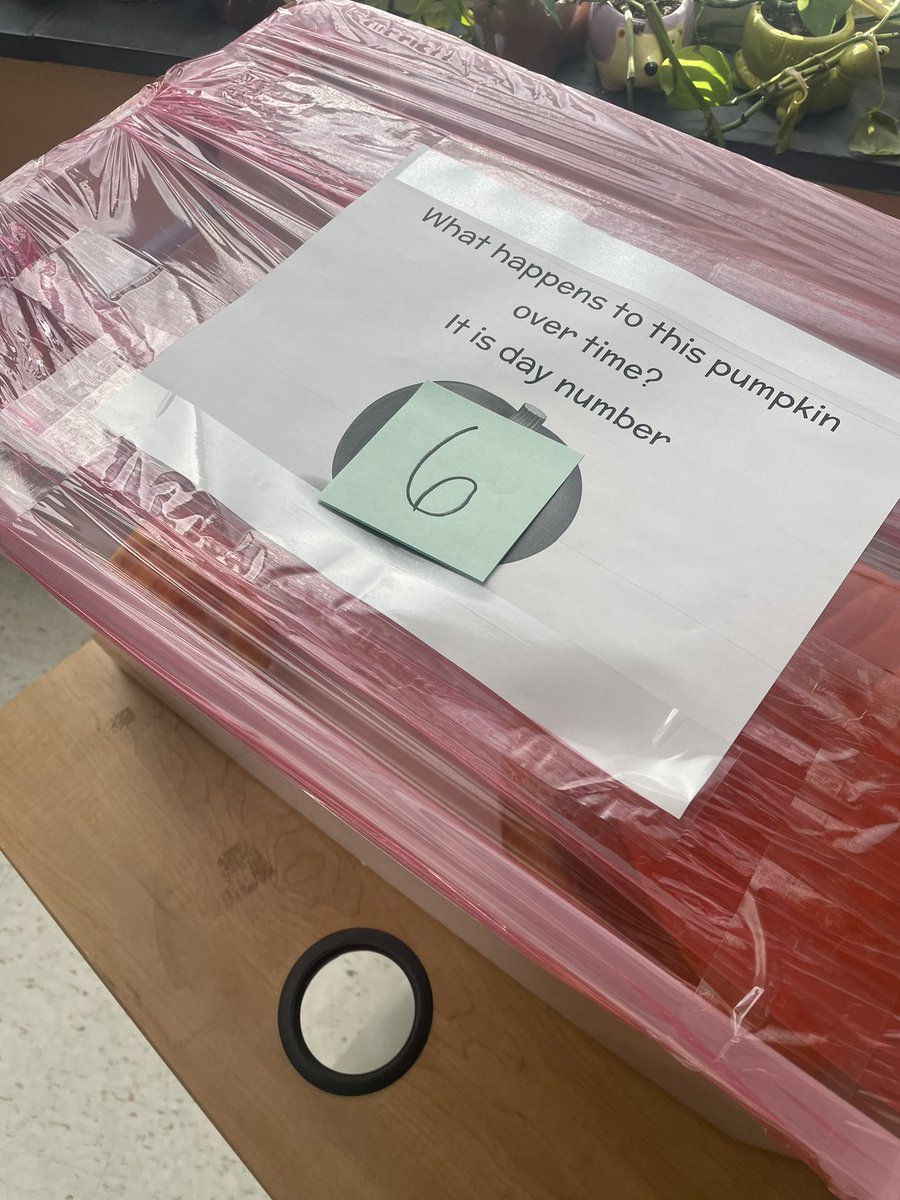
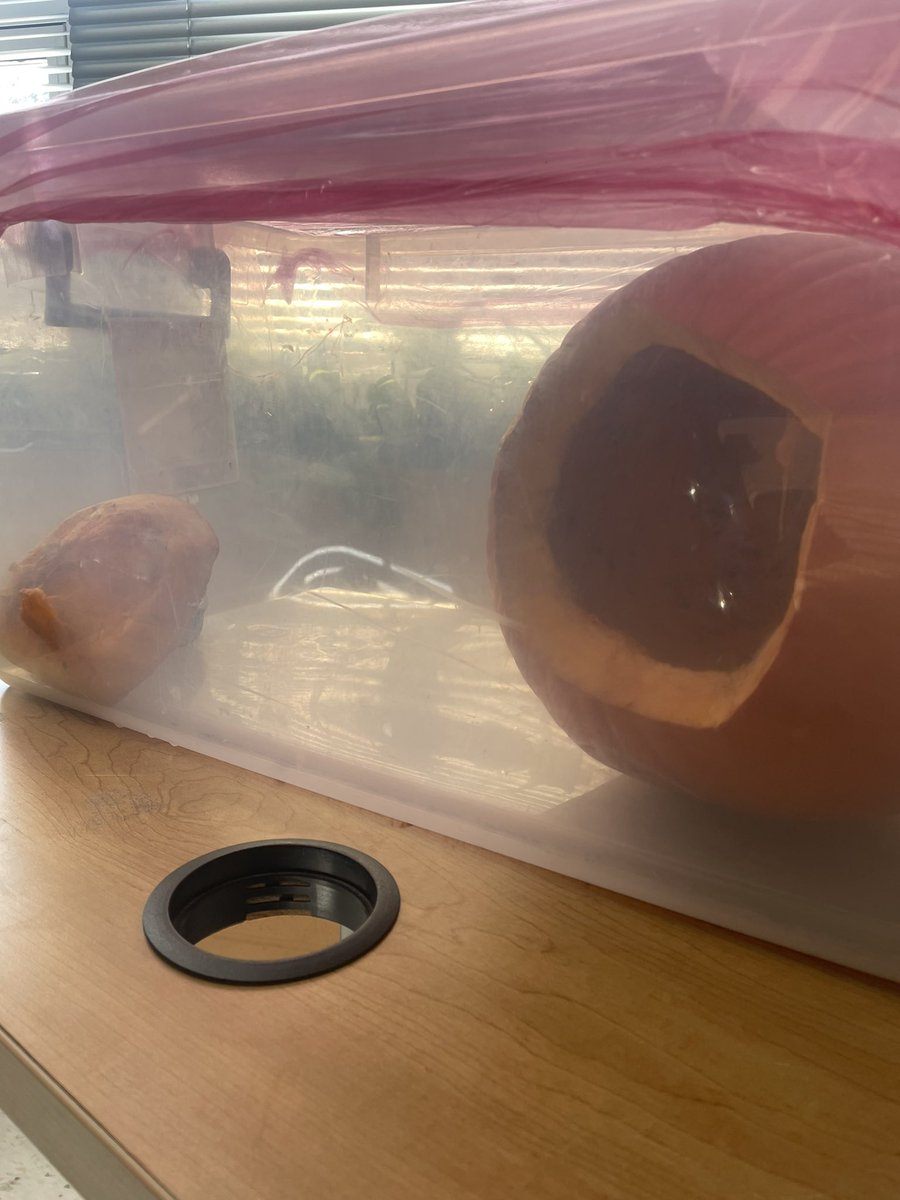
Last week, we cut a pumpkin open and made observations. This week, I am asking my classes what’s going to happen over time? 🤔🧐 #Inquiry #PriorKnowledge #BeechTreeFamily
3
150

27 Sep 2023
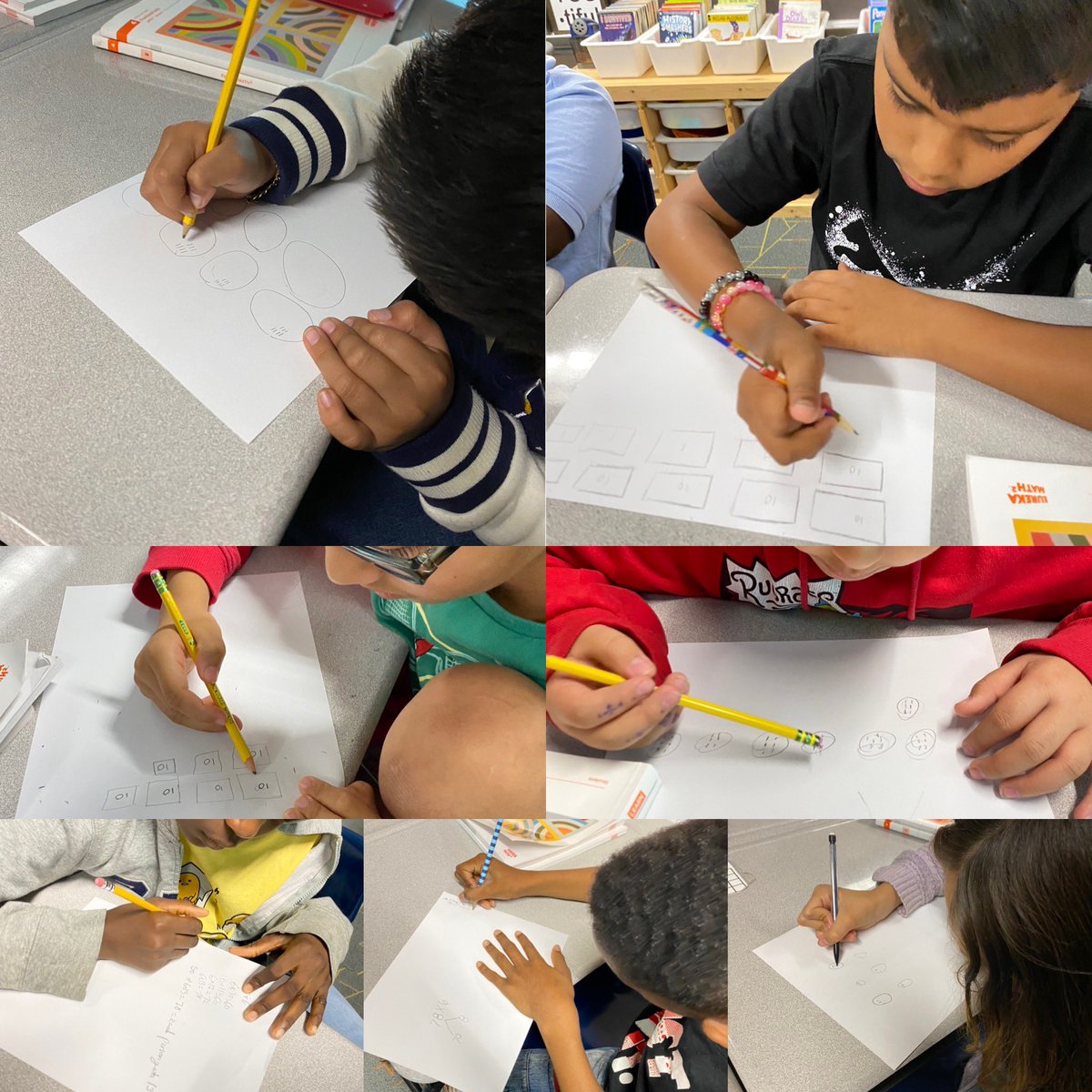
Today, we started our work on division with Ss solving a problem THEIR WAY! Then we shared our thinking and realized how many of us solved the problem using similar strategies. #room18family #priorknowledge #proveit #growingthinkers #wearewayne #EM2 @CWChamps
2
6
495

27 Sep 2023
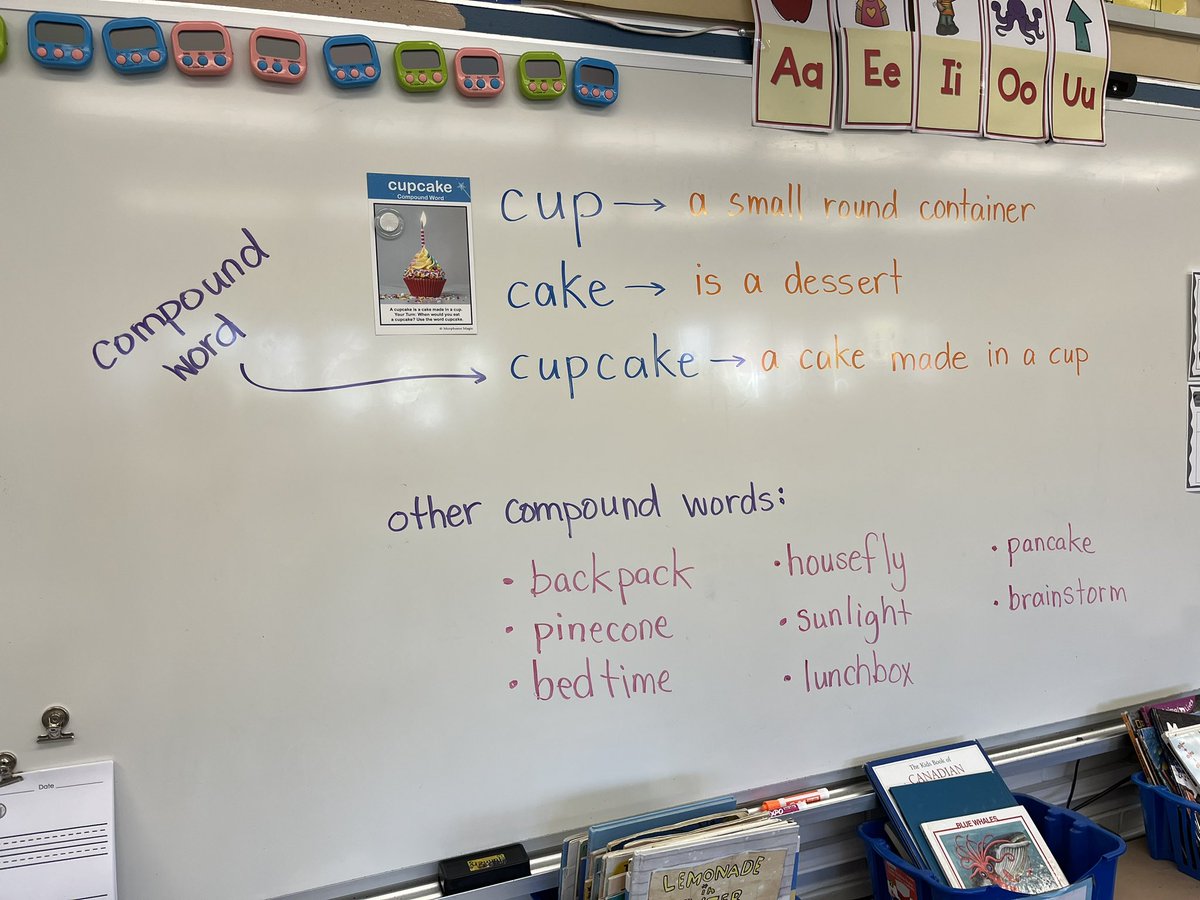
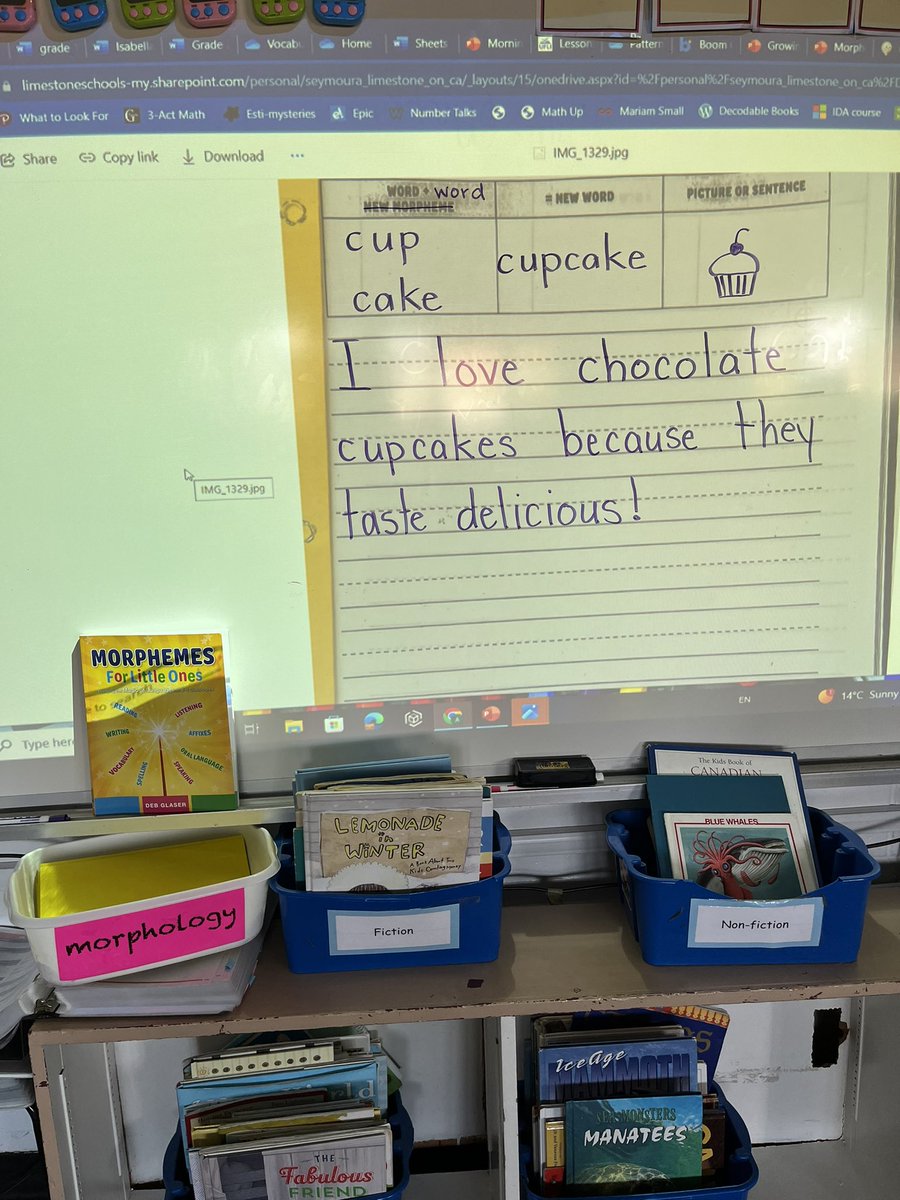
Today we got started with Morphemes for Littles Ones. We are starting at the beginning to fill in any learning gaps. Students had lots of #priorknowledge of the word cupcake! 🧁 #morphology #orallanguage #vocabulary
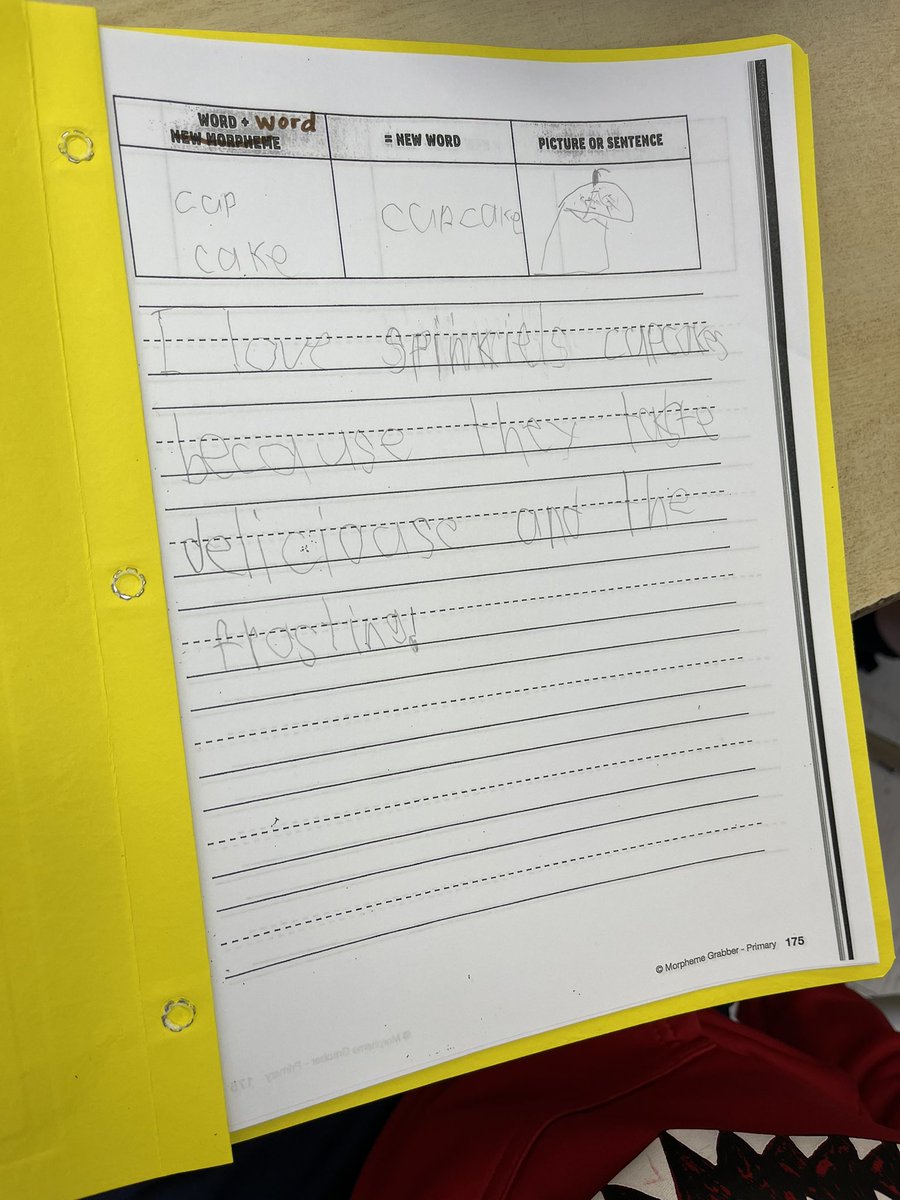
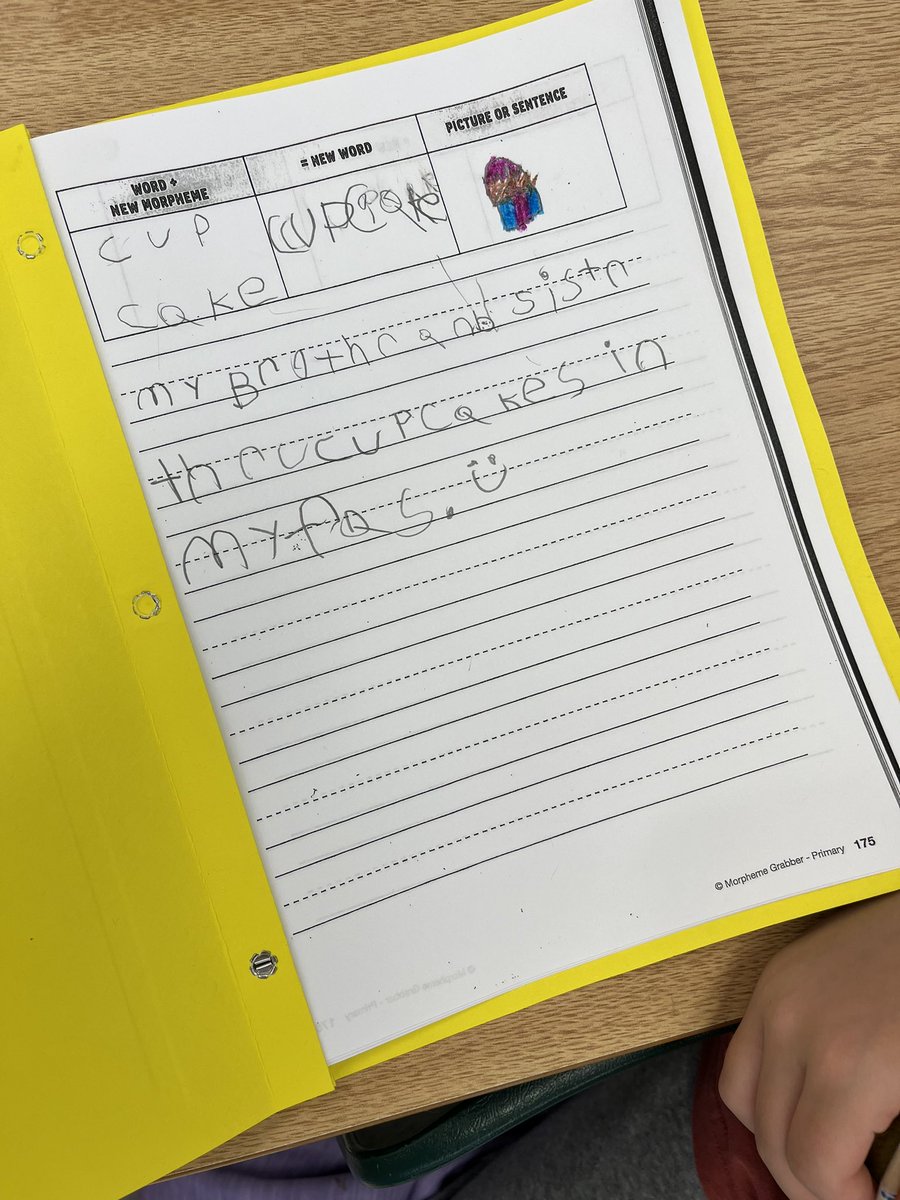
6
358

22 Aug 2023
Hard at work this morning as we completed our #PriorKnowledge task on what we already know about our new novel - Kaspar, Prince of Cats! We made some fantastic predictions too! #Committed #ThisIsWhereWeBelong #Literacy 🩵💛 📖
1
1
12
529

7 Aug 2023
Enthusiastic ss of G2 #priorknowledge assessment on culture. Students demonstrated their growing #thinkingskills & used #thinkingroutine SEE-THINK-ME-WE to delve deeper into their understanding of the concept. @FSSurat @pinkyshah21 @MariyamBaxamusa @AswaniNandini
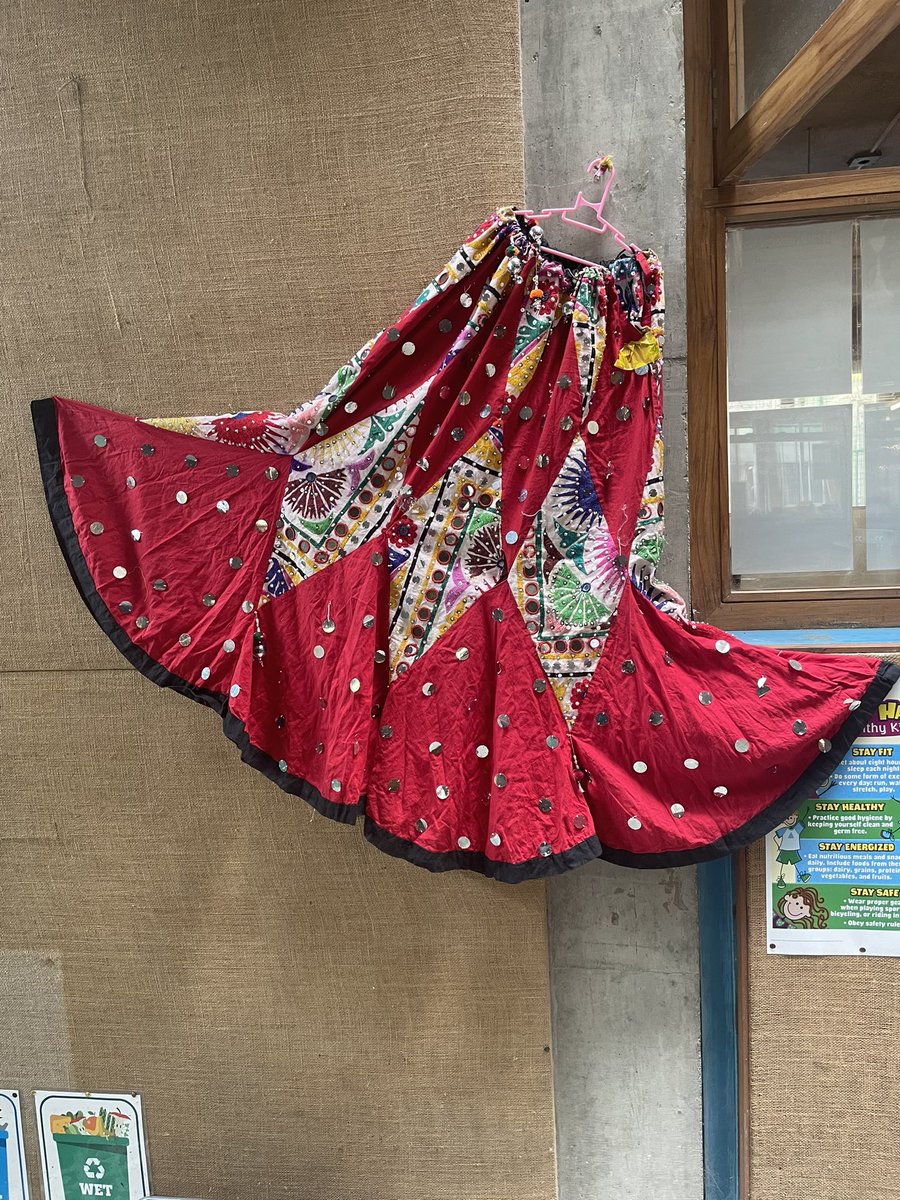
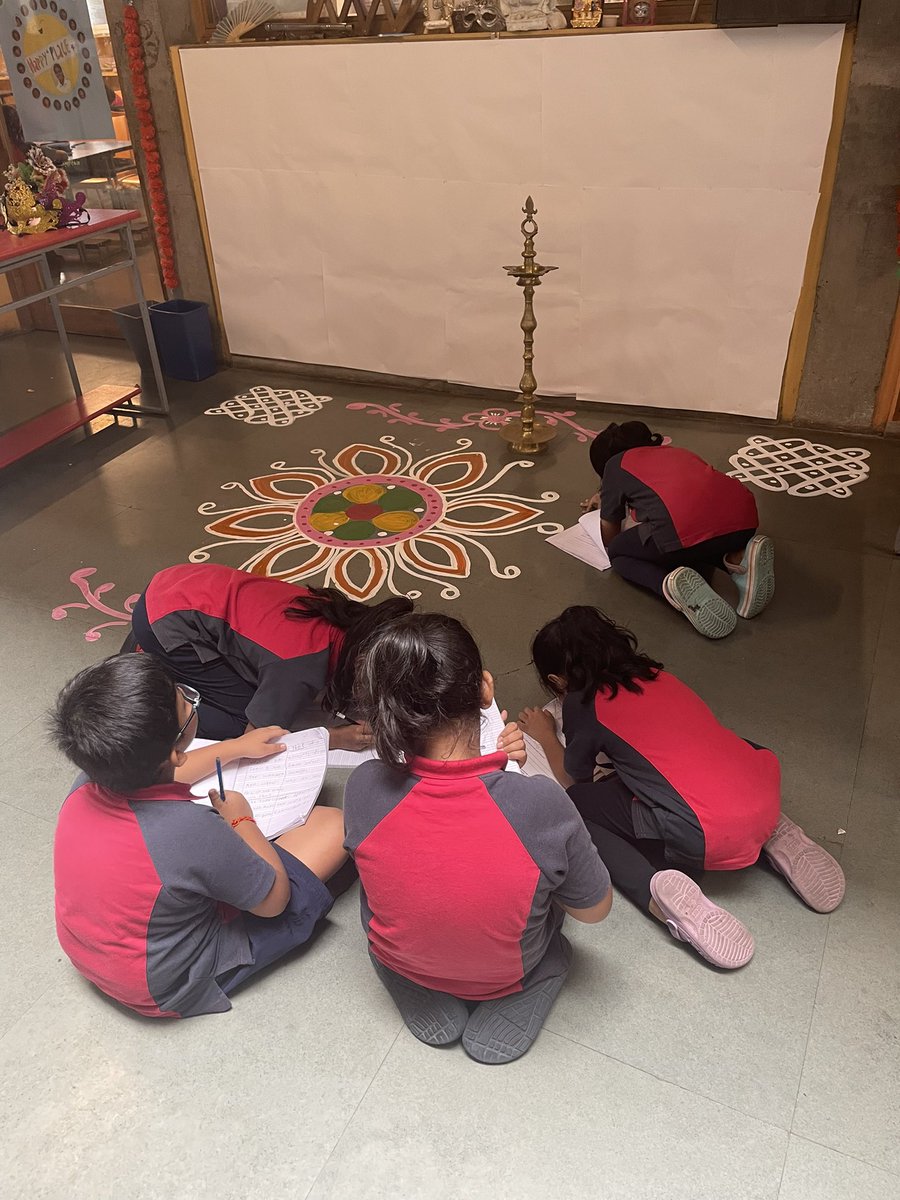

1
1
13
214

13 Jul 2023
Excellent work, thank you!
Your work has been added here:
gamechanger.eco/action/geo/3…
And shall show on the #FridaysForFuture Map soon:
map.fridaysforfuture.org/?e=…
#ClimateCrisis #PriorKnowledge = #homicide
We are living with #ClimateCriminals who can't share our planet with us!
11 Jul 2023

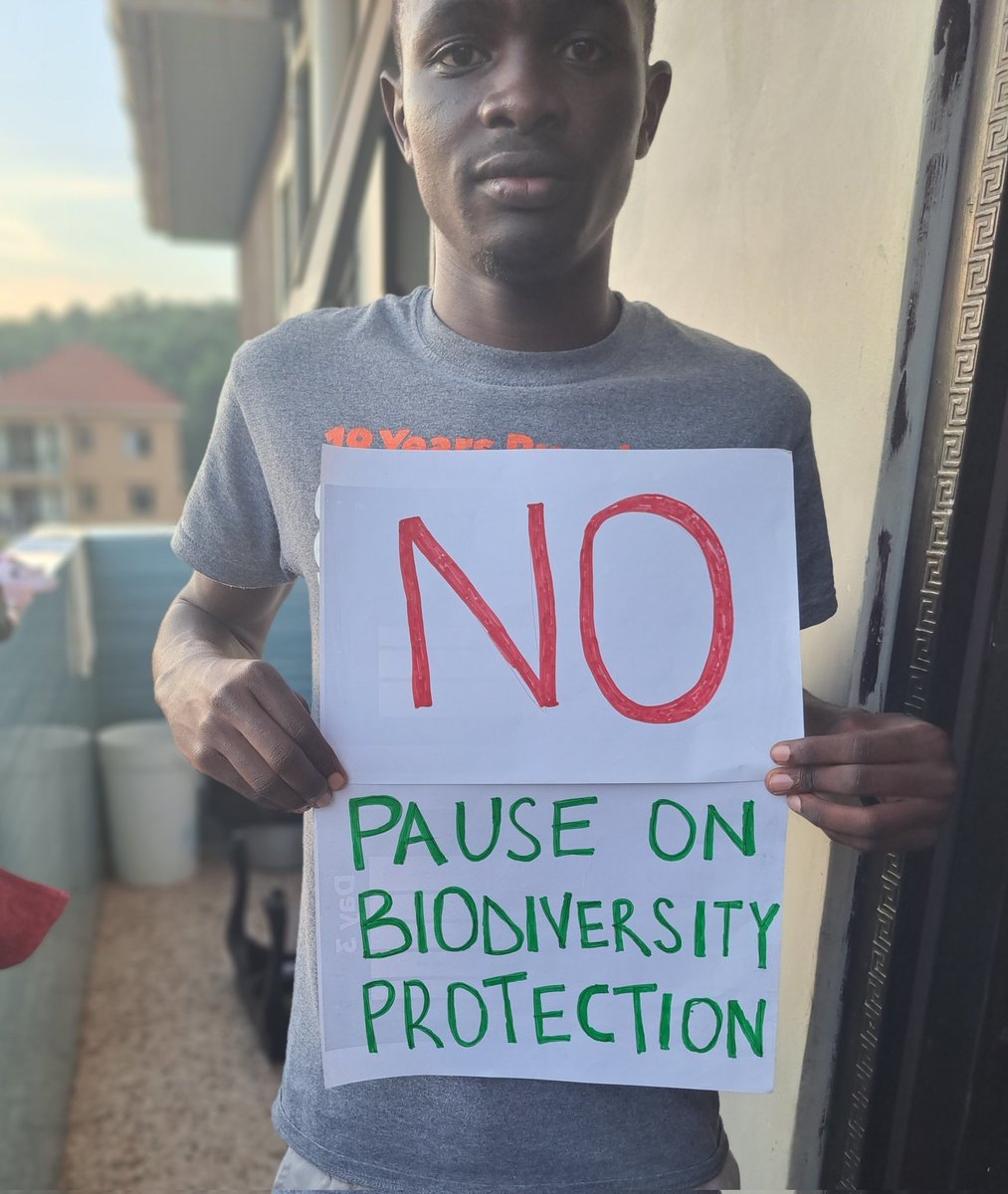
The @europarl should not pause on the law that protects nature. We need nature and biodiversity to be protected because they are important in the fight against climate change.
NATURE PROTECTION = CLIMATE JUSTICE
#RestoreNature @GretaThunberg @marietouss1 #ClimateActionNow
1
2
121

10 Jul 2023
2/6
First, ask participants what they KNOW about the topic at hand.
This helps activate #PriorKnowledge, create a baseline, and set the stage for deeper exploration.
It also promotes sharing, sparking valuable discussions, & building connections.
1
5
1,073

26 Jun 2023
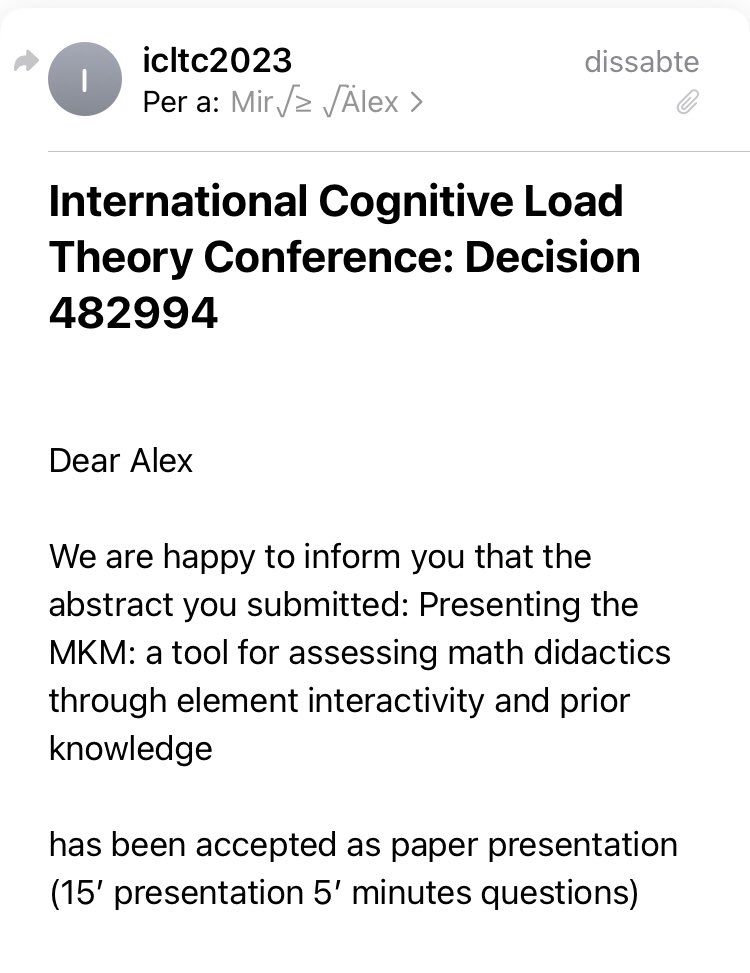
I’ve been accepted for presenting at the 15th International Cognitive Load Theory Conference! I will be presenting the MKM: a tool for measuring complexity and problematic areas of #priorknowledge management in the teaching of #math at secondary school. #CLT #ICLTC
3
150

Troubling knowledge in Australian Indigenous Studies: how prior knowledge affects undergraduate student learning
@Justine_Grogan @DrMariaRaciti et al
🔓→ doi.org/10.1080/07294360.202…
#HigherEd #IndigenousStudies #StudentTeachers #PreserviceTeachers #SocialMedia #PriorKnowledge
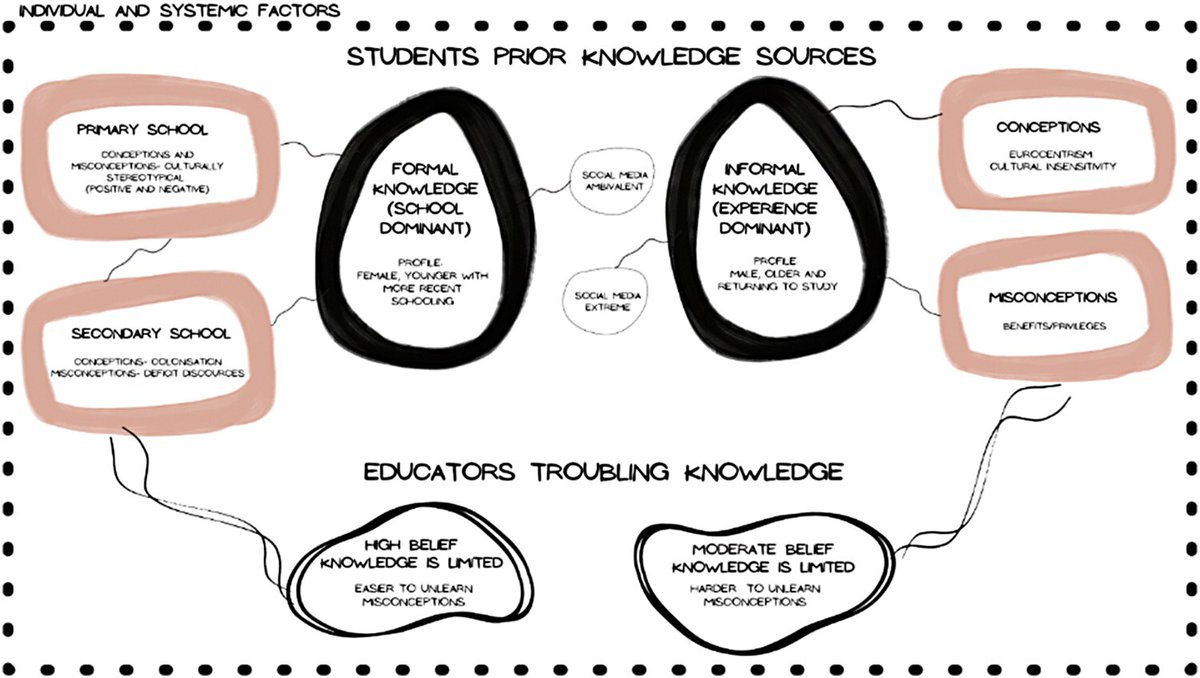
ALT Figure 2. Diagrammatic Representation of Two Knowledge Systems in Context.
5
9
2,248