
youtube.com/watch?v=W09GPnCd…
In PBL, we move beyond simple group work to help students leverage unique gifts, navigate diverse perspectives, and act as both leaders and supporters.
#pblworld #pblworld2026 #pblchat #pbl #projectbased #pblworks
29
youtube.com/watch?v=RbfTIgVt…
Nothing reaches its final form without a round of critique. Why should our classrooms be any different?
Critique in #PBL is collaborative. It’s a culture where students help one another grow.
#pblworld #pblworld2026 #pblchat #pbl #projectbased #pblworks
56

Jun 4
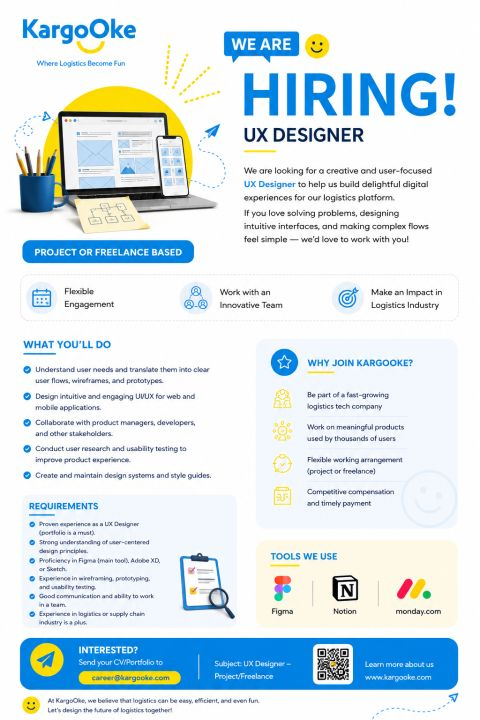
🎨 We're Hiring: UX Designer (Project/Freelance Based)!
At KargoOke, we're on a mission to make logistics simpler, smarter, and more enjoyable.
We're looking for a creative and user-focused UX Designer to help us design intuitive digital experiences for the logistics industry. If you're passionate about understanding users, solving complex problems, and transforming ideas into seamless user journeys, we'd love to connect with you.
✨ What you'll be working on:
• User research and discovery
• User flows and wireframes
• Interactive prototypes
• Usability testing
• Design system development
• Collaboration with product and engineering teams
🛠 Tools we use:
• Figma
• Notion
• Monday.com
📌 Project/Freelance Based
📍 Remote-friendly collaboration
📂 Portfolio required
Don't worry if you don't tick every box—we value curiosity, initiative, and a passion for creating great user experiences.
📩 Interested?
Send your CV and portfolio to:
career@kargooke.com
Subject: UX Designer – Project/Freelance
Join us and help shape the future of logistics technology.
#Hiring #UXDesigner #UIDesigner #UserExperience #ProductDesign #Figma #FreelanceDesigner #ProjectBased #TechJobs #DesignJobs #LogisticsTech #KargoOke
3
1,140

🚨 $AMSC (American Superconductor) Q4 & FY2025 Earnings
Record quarter and full year — Strong beat, surging backlog, and data center momentum drive upbeat results 👀
📊 KEY METRICS
Q4 Highlights
🔹 Revenue: $86.41M (beat est. $82.1M) 🟢
🔹 Adj. EPS: $0.30 (beat est. $0.19) 🟢
Full Year FY2025
🔹 Revenue: $299.2M 34% YoY 🟢
🔹 12Month Backlog: ~$280M ~40% YoY 🟢
🔹 Cash, Cash Equivalents & Restricted Cash: $147.6M 🟢
Q1 FY2026 Guidance
🔹 Revenue: >$85.0M
🔹 Net Income: >$3.0M ($0.07/share)
🔹 NonGAAP Net Income: >$8.0M ($0.17/share)
👉 Core takeaway:
AMSC posted record quarterly and fullyear results with exceptional execution. Q4 orders approached $100M, led by traditional energy and surging data center demand in utilities.
📈 GROWTH ENGINE
🟢 Data Center Power Solutions — Surging demand from AI/hyperscale buildout
🟢 Traditional Energy Sector — Strong orders in wind, grid, and resilience
🟢 Backlog Growth — 40% YoY provides excellent visibility
🟢 Diversified Portfolio — Resilient across energy infrastructure applications
👉 This is:
A leader in power resiliency and grid solutions benefiting from both renewable energy and explosive AI data center power needs.
⚡ WHAT’S HAPPENING?
• Record revenue and strong beat on both top and bottom line
• Orders momentum accelerating, especially in highgrowth data center segment
• Healthy cash position supporting continued investment and flexibility
• Q1 guidance appears conservative after a blowout Q4
👉 This is:
Clear evidence of secular tailwinds in power infrastructure intersecting with AIdriven demand.
🧠 WHAT’S ACTUALLY WORKING
🟢 Record financial performance across the board
🟢 Robust backlog growth ( 40% YoY)
🟢 Strong orders (~$100M in Q4)
🟢 Dual tailwinds: traditional energy AI data centers
⚠️ WEAK SPOTS
🔻 Q1 guidance relatively modest (revenue >$85M)
🔻 Potential lumpiness typical in projectbased business
🔻 Execution risk scaling to meet surging data center demand
👉 Still:
Overall momentum is very positive.
🔥 BULL vs BEAR
🟢 Bull Case
• AI data center power demand drives multiyear acceleration
• Backlog conversion fuels sustained high growth
• Margin expansion from scale and mix shift
• Strong cash position funds further innovation
🔴 Bear Case
• Q1 conservatism signals potential nearterm digestion
• Project timing volatility in energy/grid business
• Supply chain or manufacturing constraints on rapid growth
• Macro delays in traditional energy projects
💭 CONCLUSION
AMSC delivered outstanding record Q4 and fullyear results, powered by strong execution and accelerating demand in both traditional energy and highgrowth data center markets. The significant backlog increase provides excellent visibility heading into FY2026.
👀 KEY QUESTION
Can AMSC sustain this momentum and convert its growing backlog into accelerating revenue through FY2026, especially as AI data center power needs continue to surge?
What’s your take on AMSC? Bullish on the data center/AI power theme or watching the conservative Q1 guide? Want deeper thoughts on backlog conversion or valuation? 🚀
1
3
369

Mar 28
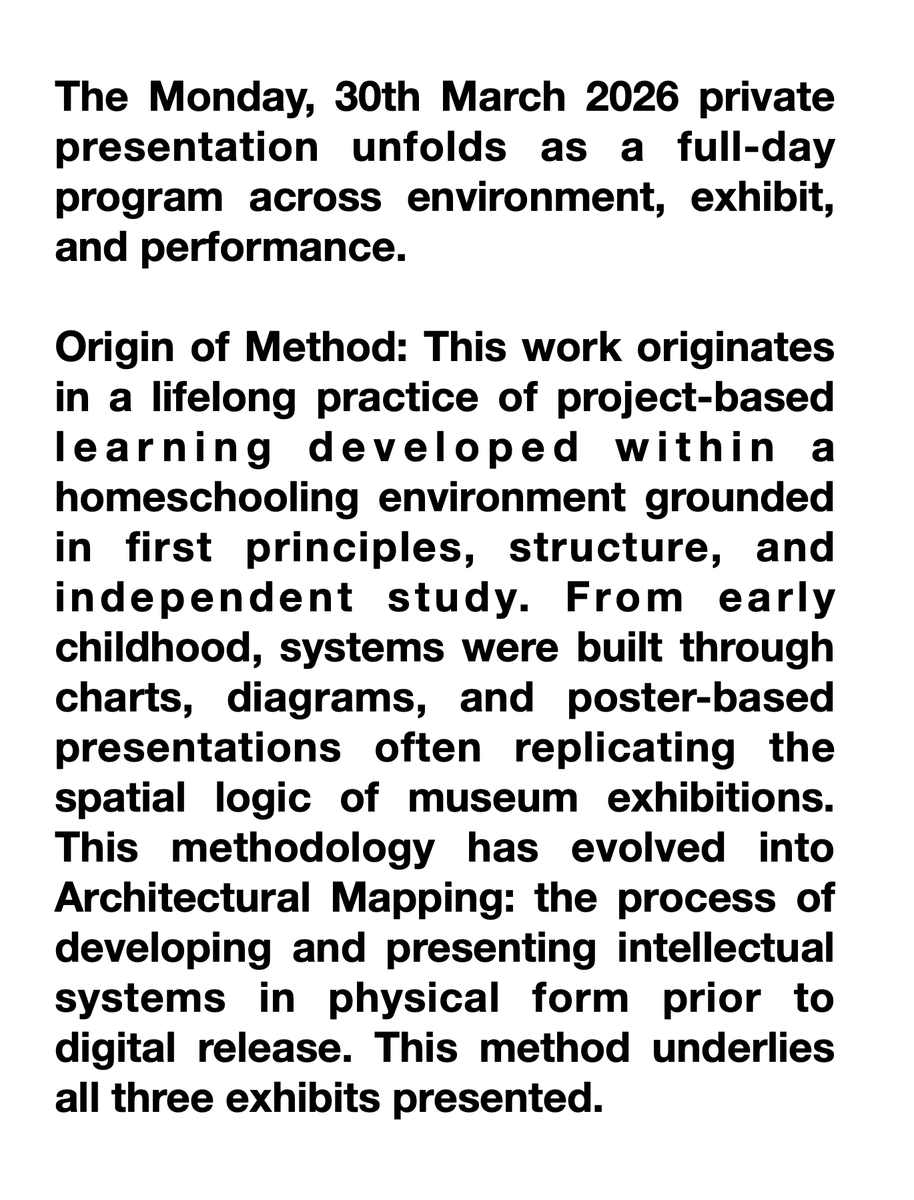
Exile Supper Club™️--The 10th Seat
Monday—30th March 2026 / 10 am -5 pm (MT)
@ Lotus Compound™️— Moab Utah
Innovation & Execution Environments of
BMW Portfolio LLC x Mateusz Wojnarowicz LLC
(Access Via Exile Supper Club™ Private Placement)
EXHIBITION METHOD ORIGIN--
#BMWPortfolio
#LotusCompound
#ExileSupperClub
#The10thSeat
#MoabUtah
#Innovation
#Execution
#TheExhibits
#Homeschooling
#ProjectBased
#SystemsThinking
1
4
39

Mar 27
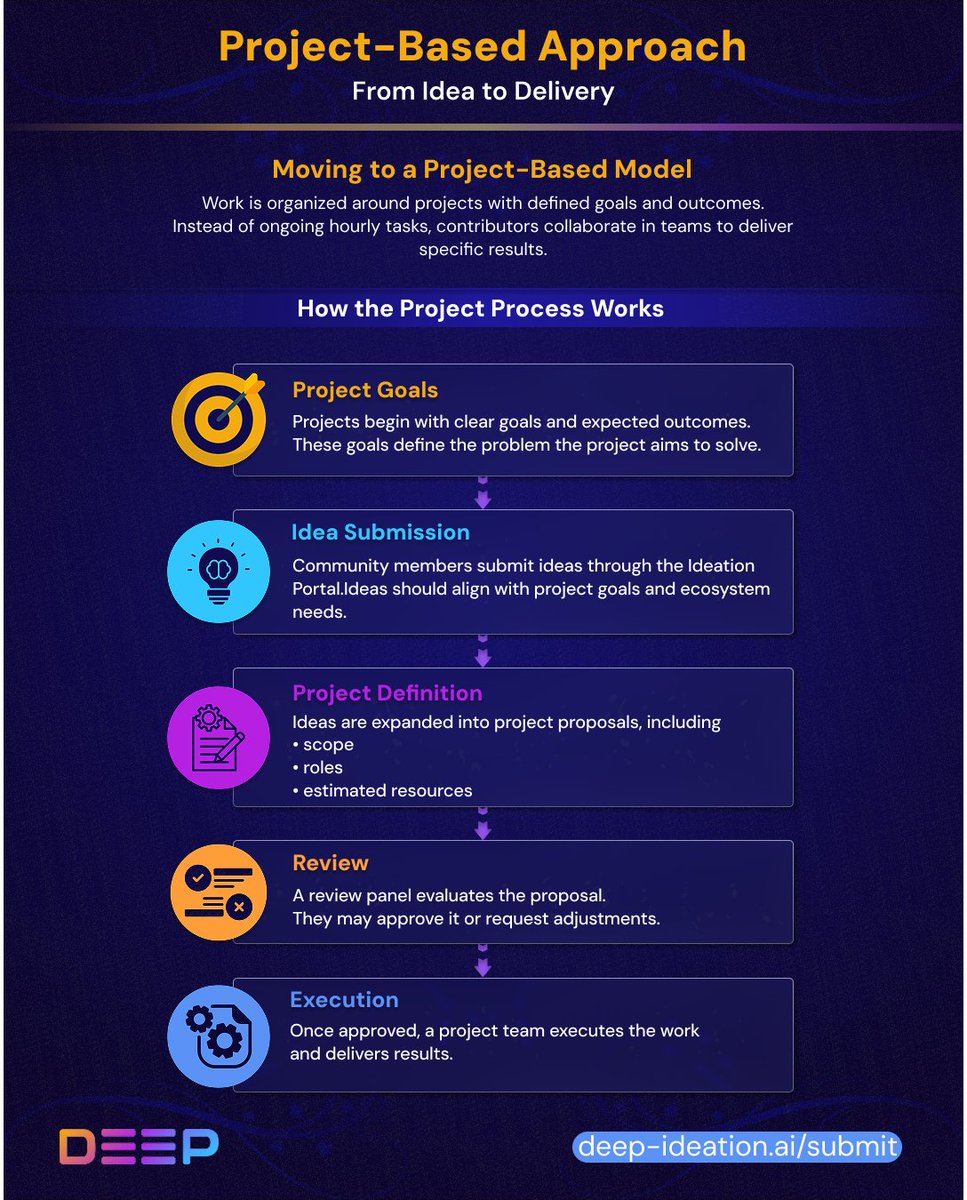
DEEP’s project-based approach is about clarity before execution.
How it works (coming soon):
1️⃣ Identify a problem
2️⃣ Define a project (goal, milestones, outcomes)
3️⃣ Contributors align skills to deliver
Ideas won’t stand alone; they live inside projects with ownership and results.
👉 Start shaping your ideas as projects now. We’re almost there.
#DEEP #ProjectBased #BuildersMindset #Web3Execution #ShipWithIntent @DeepFunding
5
94

9 Dec 2025
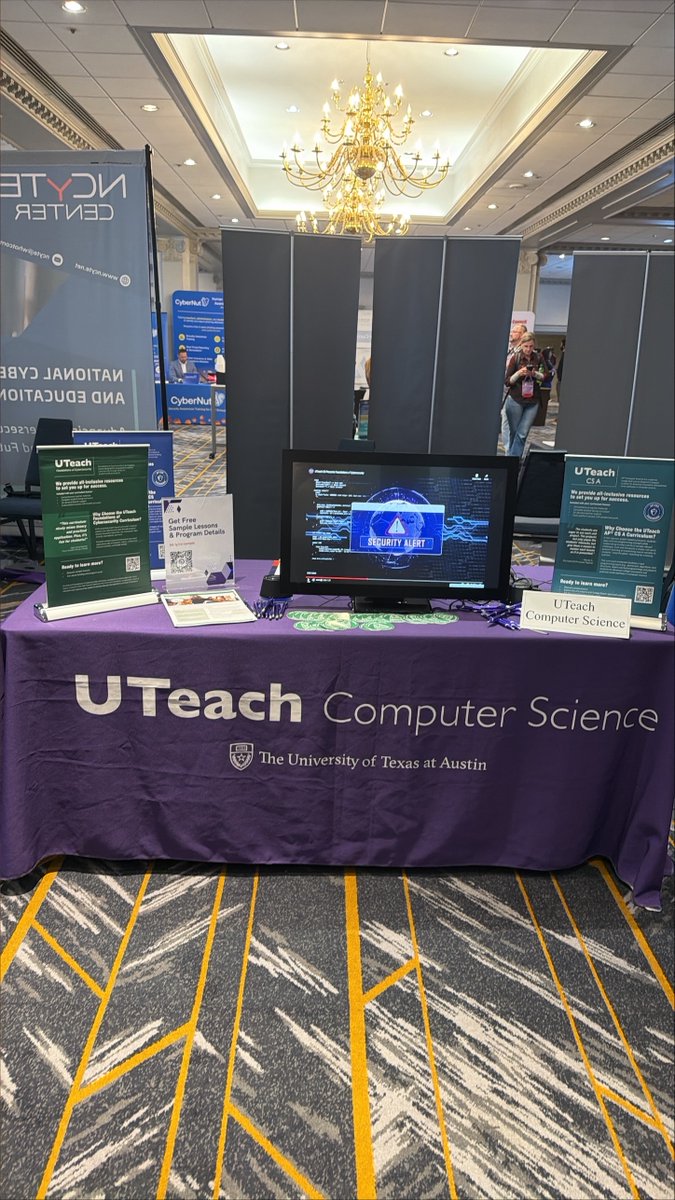
Interested in exploring a #ProjectBased #Cybersecurity curriculum where students unlock clues to stop cyber attacks from a fictional hacker group to save the world?
Learn more at Booth 20 during the #NICEK12 Conference or get sample lessons at cs.uteach.utexas.edu/contact

1
2
41

1 Sep 2025
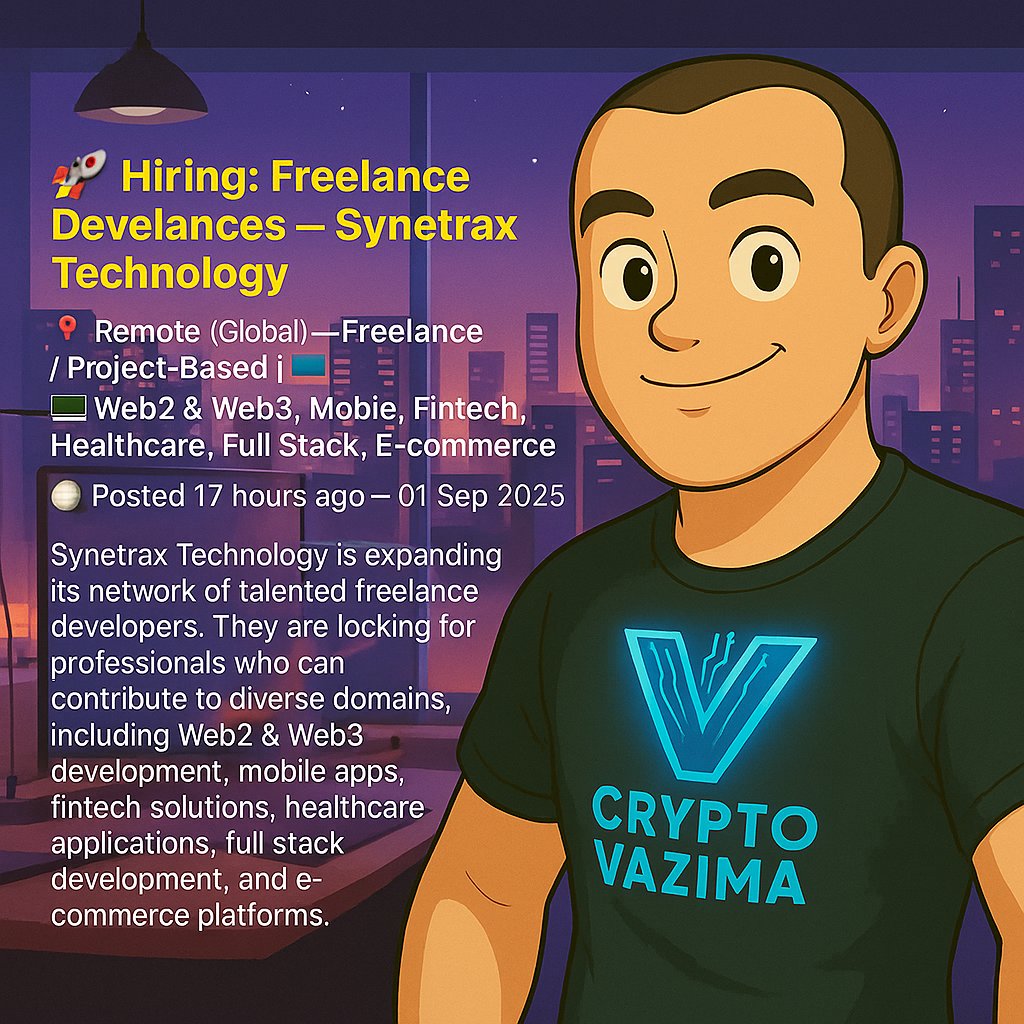
🚀 Hiring: Freelance Developers — Synetrax Technology
📍 Remote (Global) | 💼 Project-Based | 🧑💻 Web2 & Web3, Mobile, Fintech, Healthcare, Full Stack, E-commerce
📩 All application links are inside my Telegram post — t.me/web3_jobs_crypto_vazima…
Synetrax Technology is looking for talented freelance developers across multiple domains. Work is project-based with fixed pay — no hourly contracts.
🌐 Web2 & Web3 Development
📱 Mobile App Development
💳 Fintech Solutions
🏥 Healthcare Applications
🖥️ Full Stack Development
🛒 E-commerce Platforms
❗️I'm not hiring — I share daily Web3 jobs that most people miss. No job board spam. Only fresh roles with low competition! Follow for more:
💡 For Interns & juniors → t.me/crypto_vazima_english
💼 Mid/senior jobs → t.me/web3_jobs_crypto_vazima
💰 Airdrops/testnets → t.me/crypto_testnets_retro_p…
#web3 #crypto #remote #developer #freelance #projectbased #web2 #mobile #fintech #healthcare #fullstack #ecommerce #programming #job #hiring
2
141

Good Morning
@add_infofi
An InfoFi-native data infrastructure platform mentioned in recent X posts. Since the query is ambiguous, I’ll address both interpretations briefly: first, an introduction to ADD (Attention Deficit Disorder) for an informational project, and second, an overview of the ADD InfoFi project. If you meant something specific by "info-fi," please clarify, and I can tailor the response further.1. Introduction to Attention Deficit Disorder (ADD) for an Informational ProjectAttention Deficit Disorder (ADD) is an older term used to describe a subtype of Attention-Deficit/Hyperactivity Disorder (ADHD), specifically the predominantly inattentive presentation. The term ADD was officially used in the DSM-III (1980) but was later subsumed under ADHD in the DSM-IV (1994) and DSM-5 (2013), which categorize ADHD into three subtypes: predominantly inattentive, predominantly hyperactive-impulsive, and combined presentation. ADD is still used colloquially to refer to individuals who primarily struggle with inattention without significant hyperactivity.
Key Characteristics of ADD (Inattentive ADHD)Symptoms: Difficulty sustaining attention, frequent careless mistakes, trouble organizing tasks, easily distracted, forgetfulness in daily activities, and appearing not to listen when spoken to directly. Unlike hyperactive-impulsive ADHD, individuals with ADD are less likely to be overly active or disruptive.
Prevalence: Affects about 5% of children and 2.5–6% of adults globally, with inattentive presentation more common in girls, who may be underdiagnosed due to less disruptive behavior.
Causes: Primarily genetic (70–80% heritability), with contributions from environmental factors like prenatal toxin exposure or severe head injuries. Brain imaging shows differences in frontal lobe activity and dopamine transport, affecting executive functions like attention and organization.
Diagnosis: No lab test exists; diagnosis involves clinical assessments, behavioral rating scales (e.g., Vanderbilt ADHD Scale), and input from parents, teachers, or others. Symptoms must persist for at least 6 months, appear before age 12, and occur in multiple settings.
Treatment: Combines behavioral therapy (e.g., cognitive behavioral therapy, parent training) and medications (e.g., stimulants like methylphenidate). Lifestyle changes, like structured routines, also help manage symptoms.
Impact: Untreated ADD can lead to academic struggles, low self-esteem, social difficulties, and increased risk of substance use or accidents. With proper management, individuals can thrive.
Info-Fi Project Idea for ADDIf "info-fi" refers to an informational project, you could create a resource hub for ADD, covering:Education: Clear, evidence-based guides on symptoms, diagnosis, and treatment for parents, educators, and individuals.
Support Tools: Apps or planners to help with organization and time management, tailored for inattentive ADHD.
Community: Online forums or support groups to share strategies and reduce stigma.
Awareness: Infographics or videos highlighting how ADD differs from hyperactive ADHD, especially in girls and adults.
If "info-fi" implies a financial angle, you could explore:Cost Analysis: The economic impact of untreated ADD (e.g., healthcare costs, lost productivity) and benefits of early intervention.
Funding Advocacy: Proposals for grants or school programs to support ADD students under laws like the Individuals with Disabilities Education Act.
2. Overview of ADD (@add_infofi
) InfoFi ProjectBased on recent X posts, ADD by @add_infofi
is an InfoFi-native data infrastructure platform designed to monetize user data transparently and redistribute value to contributors via blockchain technology. Here’s a concise introduction based on available information:What is ADD ?: ADD is a platform that bridges real-world data monetization with on-chain rewards, shifting from traditional Web2 models (where platforms profit from user data) to a decentralized, user-empowered model. It allows users to voluntarily share behavioral and on-chain data, with transparency on how it’s used and instant rewards via smart contracts.
Purpose: To redefine data as a shared economic asset, giving users ownership and control over their data while aligning incentives between individuals and enterprises (e.g., Fortune 500 companies). It aims to create a fairer data economy.
Background: Originally a Web2 platform generating millions by selling anonymized insights, ADD is transitioning to an InfoFi-native model, leveraging blockchain for transparency and user rewards.
Key Features:Users earn tokens for sharing data, unlike traditional platforms that profit solely from user activity (e.g., scrolling, clicking, buying).
Smart contracts ensure transparent data usage and immediate rewards.
Bridges real-world revenue with on-chain value distribution.
Significance: Described as a movement to return data ownership to users, ADD challenges the current internet model where platforms monetize user data without direct user benefit.
Relevance to ADD (Attention Deficit Disorder)There’s no direct connection between ADD (InfoFi) and Attention Deficit Disorder in the provided sources. However, if your project aims to link the two, you could explore how data platforms like ADD could support ADD communities by:Data Sharing for Research: Encouraging users with ADD to share anonymized behavioral data (e.g., attention patterns) to aid ADHD research, with transparent rewards.
Personalized Tools: Using data to develop ADD-specific apps for task management or focus tracking, with users controlling their data.
1
2
28

15 Jul 2025
🚀 𝗖𝗵𝗼𝗼𝘀𝗶𝗻𝗴 𝘁𝗵𝗲 𝗥𝗶𝗴𝗵𝘁 𝗗𝗲𝗹𝗶𝘃𝗲𝗿𝘆 𝗠𝗼𝗱𝗲: 𝗢𝗳𝗳𝘀𝗵𝗼𝗿𝗲 𝗗𝗲𝘃𝗲𝗹𝗼𝗽𝗺𝗲𝗻𝘁 𝘃𝘀. 𝗣𝗿𝗼𝗷𝗲𝗰𝘁-𝗕𝗮𝘀𝗲𝗱 𝗗𝗲𝘃𝗲𝗹𝗼𝗽𝗺𝗲𝗻𝘁 🌍💼
In the fast-paced world of tech and digital transformation, how you build is just as important as what you build. Two popular delivery models — Offshore Development and Project-Based Development — offer very different approaches to solving business challenges. But which one is right for you?
🔹 Offshore Development
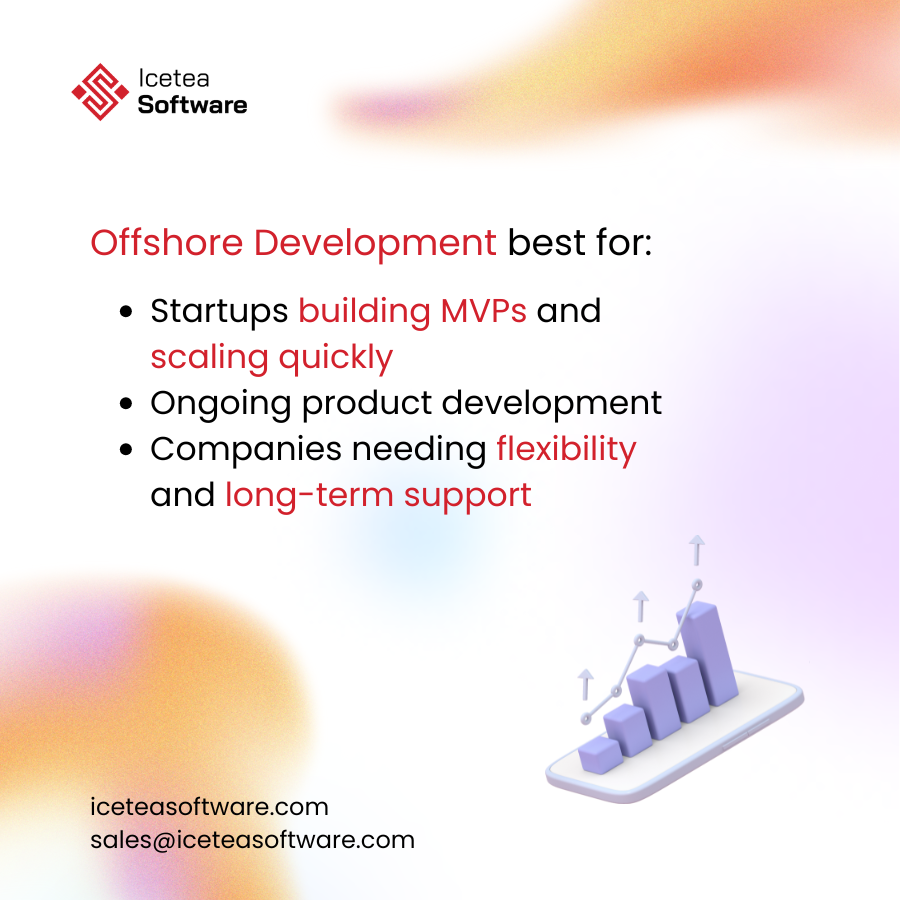
Think of this as building a long-term remote team. It’s perfect for businesses looking for ongoing support, product evolution, or agile scaling. You gain access to a global talent pool, often at reduced costs, and can maintain control and flexibility as your project grows.
🔹 Project-Based Development
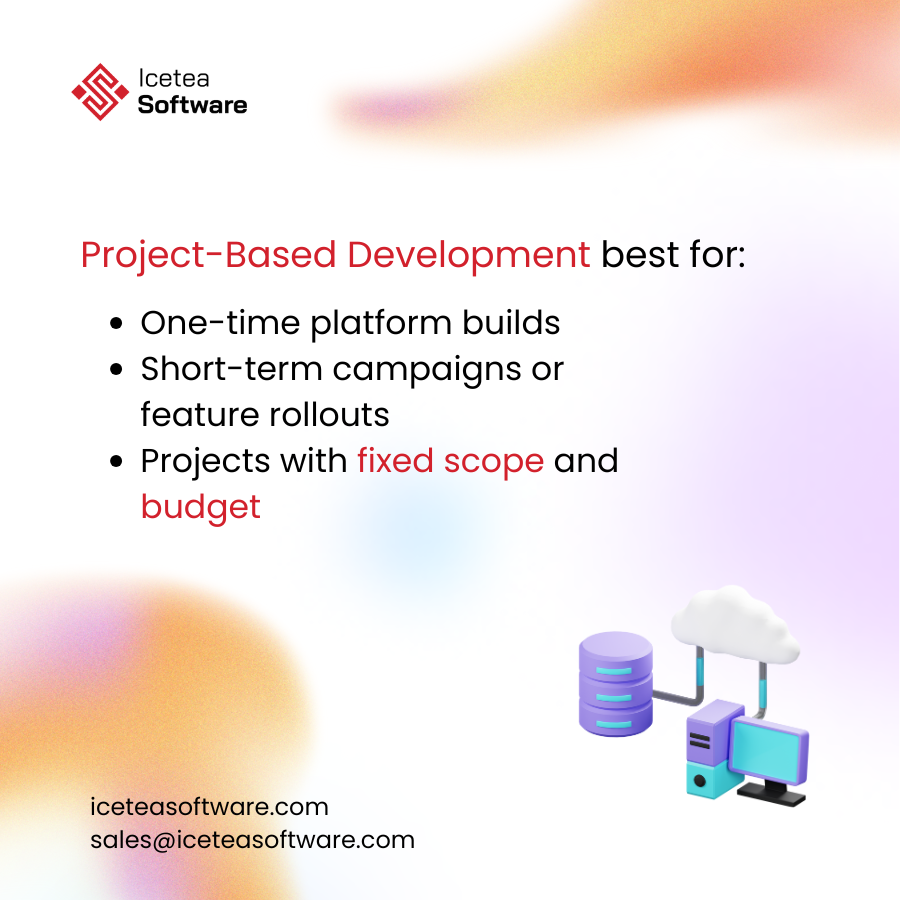
This is all about delivering a defined scope within a set timeline and budget. If you have a clear vision, fixed requirements, and a specific launch deadline, this model helps bring it to life efficiently — without the need for ongoing team management.
🧩 So which model fits your business goals best?
➡️ Choose Offshore if you need continuous innovation, flexibility, and long-term collaboration.
➡️ Go with Project-Based if you need fast execution with minimal overhead and clearly defined deliverables.
Understanding these models helps you make smarter, more strategic decisions — from budgeting to resourcing and scaling.
📊 Ready to explore what works best for your team? Let’s talk!
#TechStrategy #IceteaSoftware #OffshoreDevelopment #ProjectBased #ITConsulting #DigitalTransformation

1
3
65
9 Jul 2025
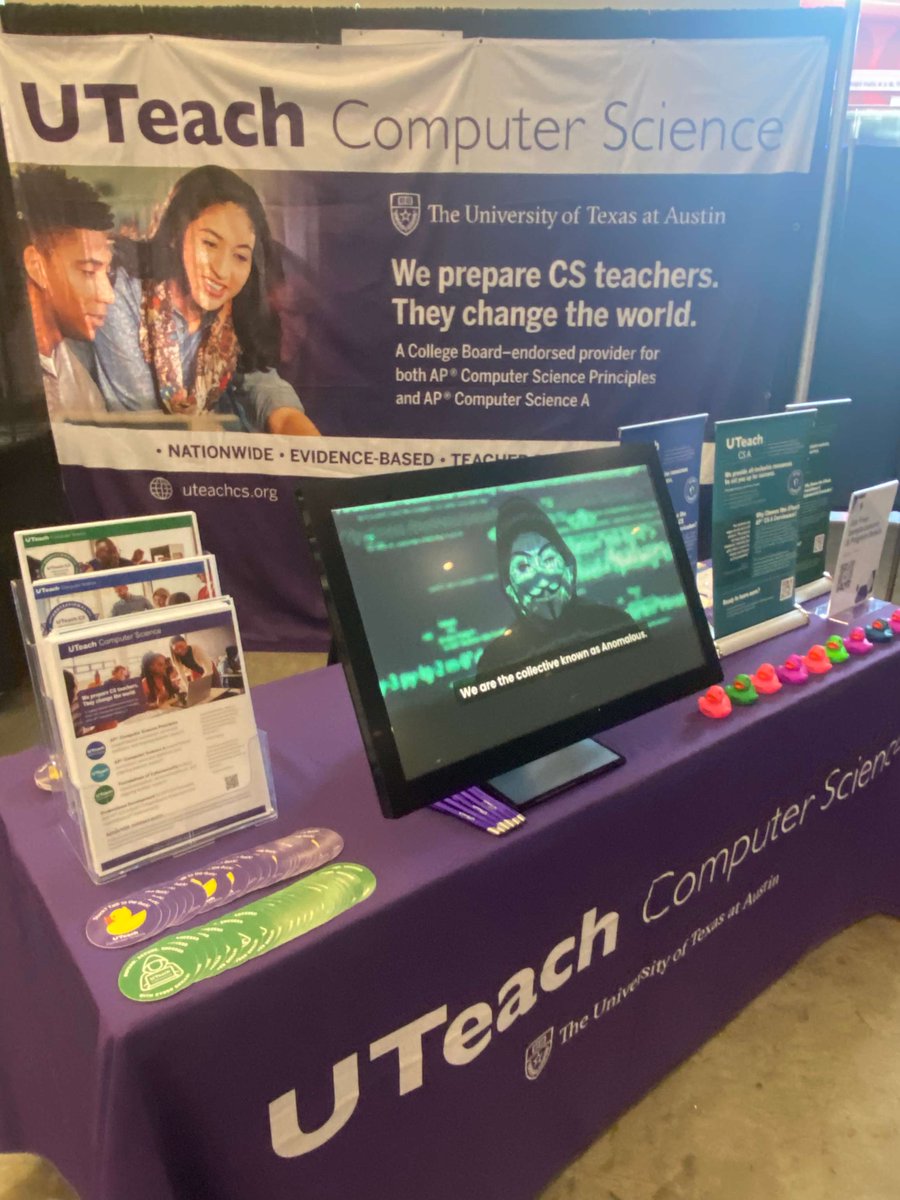
Fantastic first day of #CSTA2025!
Stop by aisle 100 tomorrow to pick up #RubberDuckDebugging and #Cybersecurity swag, explore our #ProjectBased curricula hosted on @CodioHQ, or learn how to earn free CS #MicroCredentials on @DigitalPromise
1
3
81

26 Jun 2025
Gm Let's discuss about
RECALL vs SAPIEN — Which One's For You? 🧠🔥
In the world of Web3 AI, two promising projects are making waves:
✅ @recallnet – "The Internet Never Forgets"
✅ @JoinSapien – "Decentralized, Human-Centric AI Training"
But what sets them apart? Let’s dive in deep 🧵👇
---
🔹 1. Core Vision
🔁 Recall Network:
Wants to turn your digital memory into a valuable asset.
Likes, posts, screenshots — anything you’ve done online — now becomes your proof-of-memory.
📜 “You remember? You earn.”
🧠 Sapien:
Focuses on crowdsourcing human intelligence to train AI.
It’s not about what you did in the past — it’s about how you interact now.
Humans teaching AI, together.
📚 “You think? You earn.”
🔹 2. How You Earn
Recall:
🧠 Your past activity becomes your ticket to rewards
📲 Screenshots, tweets, memories → verified via zk-proofs
💸 The more you recall, the more you earn
👉 You don’t even have to create — just remember
Sapien:
👥 You participate in training AI (labeling, ranking, curating info)
🤖 Powering models with human feedback
🎁 Top creators/trainers get rewarded
📈 Skill-based the better your insight, the bigger your impact
🔹 3. Tech & Ecosystem
Recall Network:
✅ zkMemory Protocol
✅ Memory Oracle Proof Engine
✅ Built for verifying past events without revealing private info
🔐 Privacy-first but data-rich
Sapien:
✅ Human-in-the-loop Reinforcement Learning (RLHF)
✅ SNAPS reputation system
✅ Focused on safe, human-guided AI
📊 Transparent scoring reward structure
🔹 4. Use Case
Recall:
🎯 Ideal for people who actively archive, track, or screenshot info
💾 Web3 journaling, evidence collection, digital trails
✨ Turning "scrolling history" into income
Sapien:
🎯 For thinkers, writers, creators who can judge content quality
🧑🏫 Helps align AI with human values
✨ Be part of building ethical, useful AI systems
🔹 5. Future Outlook
Recall:
⚡️ Massively scalable — memory is everywhere
🧬 Opens up a new “proof-of-memory” primitive
🔥 Gamifies remembering
Sapien:
🚀 Potential to reshape the AI economy
🧠 Replaces corporate training pipelines with decentralized humans
📣 Focused on giving control back to the people
---
🧩 In Short:
ProjectBased OnEarn ByGoal
RecallMemory (past)Proof of interactionMake memory valuable again
SapienIntelligence (now)Training AI with feedbackHuman-first AI, decentralized RLHF
#Web3 #AI #RecallNetwork #Sapien #CookieDrop #DecentralizedAI #MemoryIsPower #HumanInTheLoop
@cookiedotfun

23
20
324

4 Jun 2025
So proud of these students and the work the teachers of @PCHSFrisco are able to do! #projectbased #FutureReady
5
165
9 May 2025
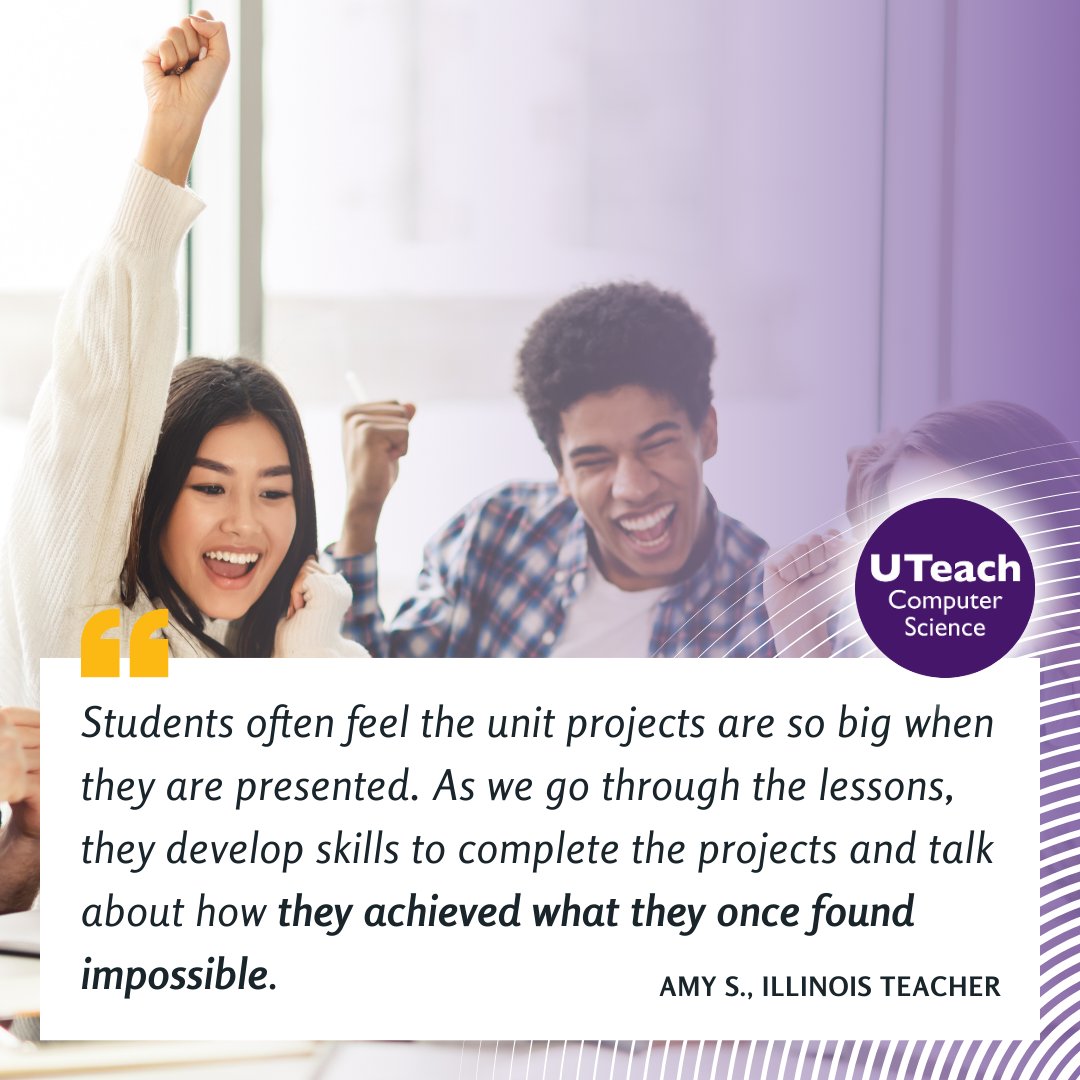
🌟 A huge thank you to all the CS educators who go beyond teaching code—they nurture resilience & problem-solving skills, equipping students to take on ANY challenge!
Explore the benefits of #ProjectBased CS curriculum: cs.uteach.utexas.edu/curricu…
#TeacherAppreciationWeek #CSforALL
1
2
64

7 May 2025
sometimes I look like a Roman god, and sometimes I look like I deliver groceries on a bike 🚴♂️🤣 #freelance #hotness #projectbased @infinity_spa_ph

1
36
3,919


14 Nov 2024
Place-based learning emphasizes the criticality of engaging students in learning that is deeply rooted in the local community while also helping them develop an understanding of the world. 🌎🌟
🔗 bit.ly/46X0uhG
#PlaceBasedEd #ProjectBased #Edu

1
7
1,246
13 Nov 2024
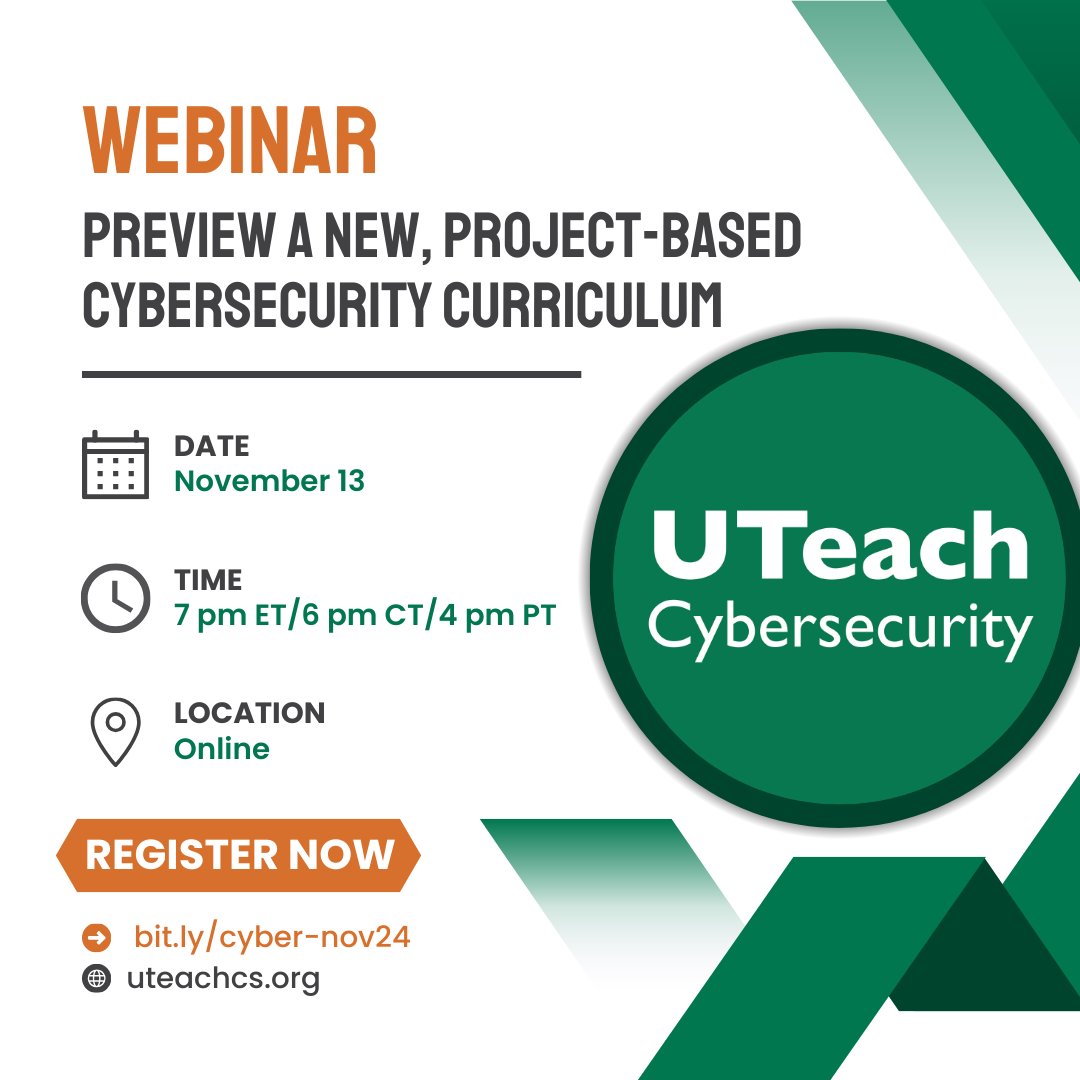
⏰ LAST CHANCE: Get an exclusive preview of our new, #ProjectBased Foundations of #Cybersecurity curriculum tonight!
When: November 13 at 7 pm ET / 6 pm CT / 4 pm PT Register ASAP: bit.ly/cyber-nov24
1
2
67
8 Nov 2024
👀 Want a sneak peek into our new #Cybersecurity curriculum?
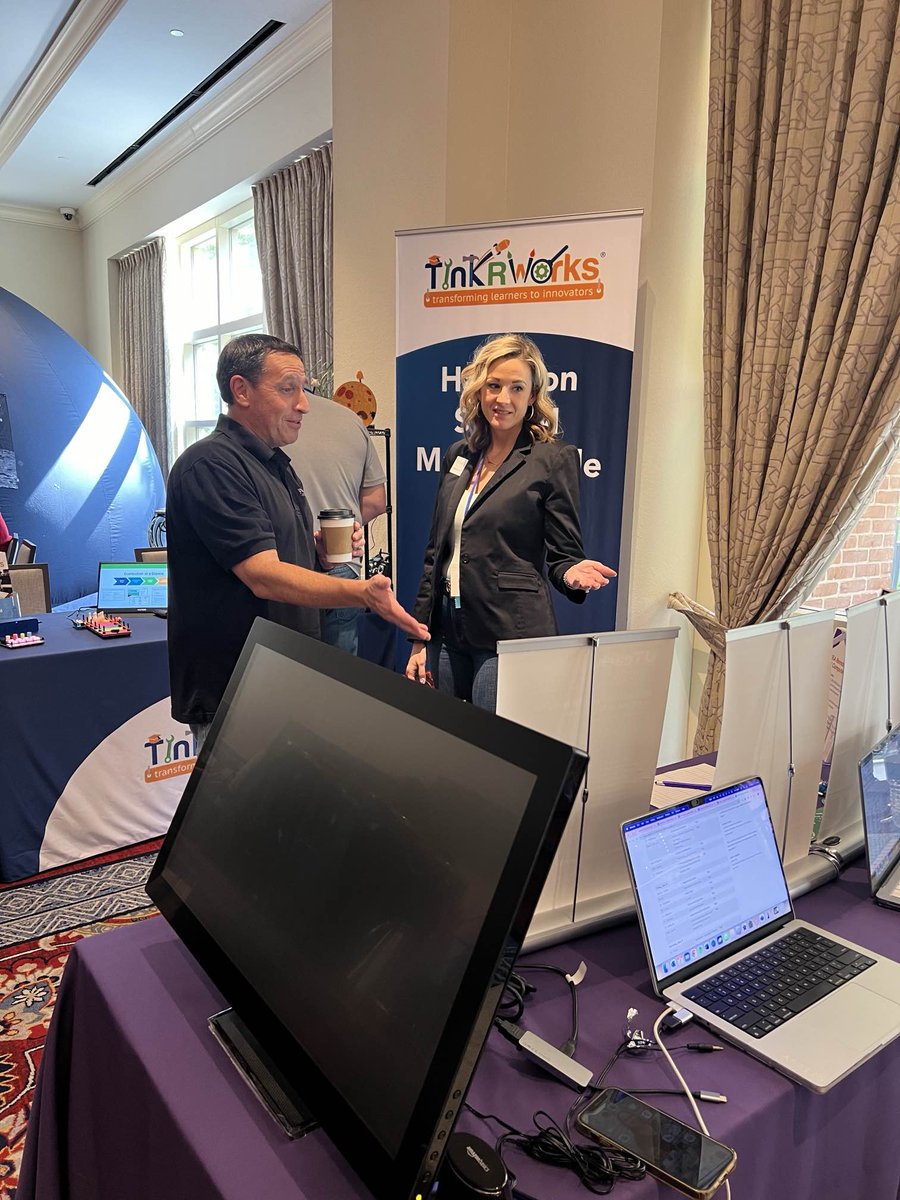
Stop by the UTeach CS booth at 3 pm today during #NCSSS2024 to explore #ProjectBased curriculum for AP CS Principles, AP CSA, and Cybersecurity!
Learn more: cs.uteach.utexas.edu/contact
#CSforALL #STEMeducation @NCSSS_STEM

1
2
73