
5 Dec 2025
@CrisisMedicine* breaks down the ins and outs of our Prolonged Field Care Handbook—what #medics need to know when the mission goes long, resources run thin, and care must continue under fire.
*CrisMedicine and Dr. Mike Shertz had no role in writing the book and do not receive any direct benefit from sales of the PFC manual. #PFC #ProlongedFieldCare #TACMED #CombatMedicine
1
1
4
88

11 Nov 2025
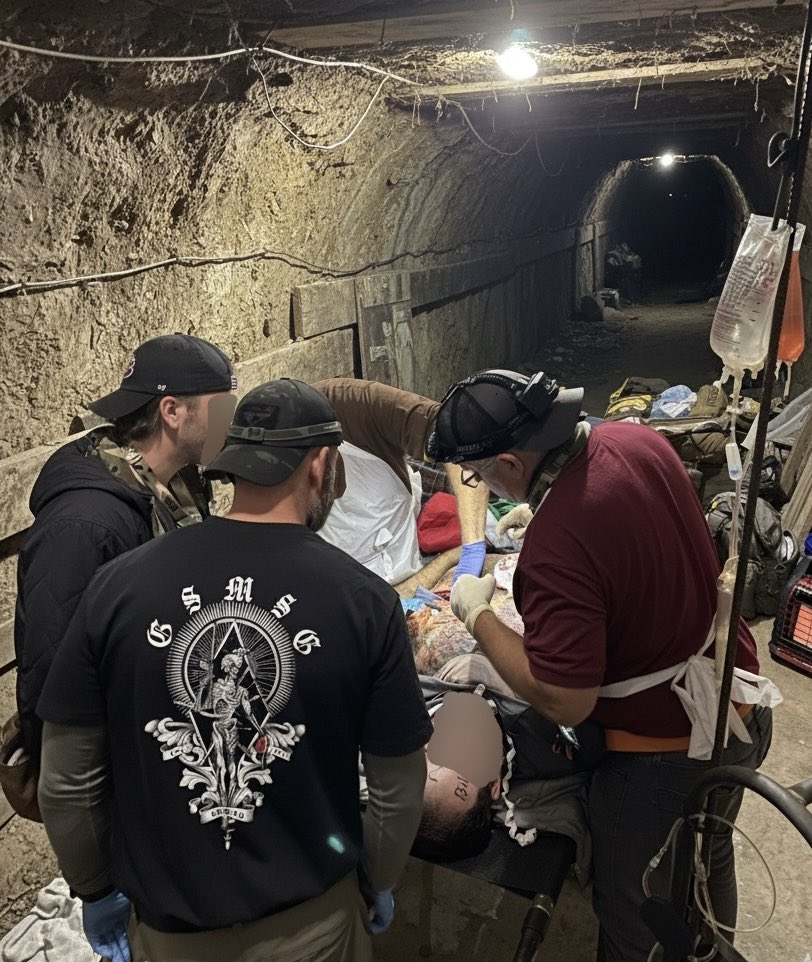
Behold the Golden Hour — it lives.
If it has to happen at 30,000 ft in the air or 100 ft underground, we can do it.
The most elite DCR/DCS teams on the planet.
No backup. No infrastructure. No excuses.
We bring the OR to the point of injury.
#GSMSG #ProlongedFieldCare #DCR #DCS #AustereMedicine #SOFmedicine
1
2
7
224

10 Nov 2025
🩸 MENTAL STATUS IS YOUR #1 BLOOD TRIGGER 🧠
Trauma surgeon Max on PFC Podcast 252.
“Change in mental status?
HEMORRHAGE until you PROVE otherwise.
Don’t blame drugs or TBI first—prove it.”
⏰ From the SECOND you get the patient:
👉 “Where you from?”
👉 “Favorite movie?”
👉 “What’d you eat today?”
👿NOT just “You okay, buddy?
→ Ask random, thought-provoking Qs to test higher brain function.
✅ Coherent & fast? → Brain’s perfused.
❌ Slow, quiet, confused, “drunk”? → START BLOOD NOW.
🚨 This beats waiting for BP to tank.
Mental decline = brain starving = about to CRASH.
Your Protocol:
Talk non-stop from contact → evacuation.
Re-check mental status with every intervention.
Any drop? → Transfuse EARLY.
🎙️ Full ep: ProlongedFieldCare.org
📲 Tag a medic. Train this. Save a life.
#MentalStatus #HemorrhagicShock #GiveBloodEarly #ProlongedFieldCare #TCCC #CombatMedicine #TraumaResus #FOAMed #MedTwitter
@GreenBeretMD @SpecOpsMedics @DeltaDev_Team @NARescue @CeloxMedical
2
3
309

29 Oct 2025
Tourniquet conversion is a necessary knowledge for prolonged field care, and it’s something we teach in class.
Come to class.
Upcoming courses:
Train The Trainer Nov 9th-11th
Responder 1,2,&3 April 16th-17th
#refugemedical #refugetraining #tqconversion #prolongedfieldcare #tccc #tecc
10
52
1,999
26 Oct 2025
Posting tomorrow... PFC Podcast 252: Prolonged Tourniquet Conversion
Posting tomorrow... PFC Podcast 252: Prolonged Tourniquet Conversion
🚨 Battlefield Hack: Convert Tourniquets Early to Save Limbs! 🩹
In the chaos of Ukraine's front lines, up to 75% of tourniquets applied pre-hospital were unnecessary in hindsight. But for those that are? Delaying conversion can lead to deadly ischemia-reperfusion injury – think kidney failure from potassium overload.
From the latest Ukrainian study (via @prolongedfieldcare podcast):
🔹 Focus on the "middle group" – stable patients where surgeons fight to save the limb.
🔹 Key tip: Convert ASAP at the aid station. Success rate? 50-75%!
🔹 Winter woes: Extra layers make wound assessment tougher – double-check those bleeds.
Watch the full breakdown with Dr. John Holcomb on PFC Podcast Ep. 255. Link in bio! What's your go-to TQ conversion strategy? Drop it below 👇
#TacticalMedicine #TourniquetTraining #UkraineWarLessons #ProlongedFieldCare #CombatMedic #SOFMed #AustereMedicine #PFCpodcast
@SpecOpsMedics @GreenBeretMD @armyemdoc @DeltaDev_Team @NARescue
2
8
382
19 Oct 2025
Posting tomorrow... PFC Podcast 251: Hemorrhagic Shock Progression.
🚨 Don’t Wait for the Crash: Act Smart in Hemorrhagic Shock 🚨
In the heat of trauma care, guidelines like TCCC are critical, but they’re NOT the law. On the latest PFC Podcast, trauma surgeon Max drops a vital truth: **Don’t hang your patient’s life on an algorithm.** Here’s how to make life-saving decisions in hemorrhagic shock:
🩺 Trust Your Instincts: If hemorrhage control feels shaky and vital signs are trending wrong—rising heart rate, narrowing pulse pressure, worsening mental status, or heavier breathing—don’t wait for a blood pressure drop to act. That trigger might come too late.
🔍 Key Signs to Watch:
- Sympathetic Tone: Is it ramping up? That’s your body fighting to compensate.
- Pulse Pressure: Narrowing means trouble’s brewing.
- Mental Status & Breathing: Changes here scream urgency.
💡 Why It Matters: In Class 2 shock, patients can look “fine” but be on the edge of decompensation. If you’re not a surgeon or can’t intervene further, act early to prevent a crash into Class 3 or 4.
🛠️ Pro Move: Use at least two data points (e.g., heart rate mental status) to guide decisions. One data point can mislead; two confirm the trend. Be proactive—stop the bleed, reassess, and act fast.
🎧 Dive deeper into real-world trauma care at ProlongedFieldCare.org. Learn to read the signs, trust your gut, and save lives! 💪
#HemorrhagicShock #CombatMedicine #TraumaCare #MedicTraining #ProlongedFieldCare #TCCC #EmergencyMedicine #BattlefieldMedicine
2
5
315
18 Oct 2025
PFC Podcast 251: Hemorrhagic Shock Progression
🚨 Understanding Hemorrhagic Shock: Key Insights from the PFC Podcast 🚨
In our latest PFC Podcast episode, Dennis and trauma expert Max dive deep into hemorrhagic shock—a critical topic for medics, first responders, and anyone in high-stakes trauma care. Here’s what you need to know:
🩺 Classes of Shock Simplified:
- Class 1: Up to 750cc blood loss (~15%). Your body compensates by mobilizing venous reserves. Vital signs? Normal. Think "first gear."
- Class 2: 750-1500cc (~15-30%). Heart rate spikes, pulse pressure narrows, and breathing gets heavy. You’re in high gear, but still compensating.
- Class 3 & 4: Over 1500cc (30-40% ). The wheels come off—blood pressure drops, organs lose perfusion, and you’re in uncompensated shock. Act fast!
⚠️ Key Takeaway: Young, healthy individuals (like military operators) can mask severe blood loss, staying in Class 2 until they crash into Class 4. Don’t wait for a blood pressure drop to intervene!
🩹 When to Act:
1. Hemorrhage Control: Stop the bleeding first—check extremities, abdomen, chest, pelvis, and thighs.
2. Trend Vital Signs: Look for worsening tachycardia, narrowing pulse pressure, or mental status changes. Two red flags? Time to act, even if systolic BP is above 100.
3. Don’t Rely on Guidelines Alone: Algorithms like TCCC are guides, not law. Trust your assessment.
🎧 **Listen to the full episode** at ProlongedFieldCare.org for a masterclass in trauma care from real-world experience. Stay sharp, save lives! 💪
#CombatMedicine #HemorrhagicShock #TraumaCare #MedicTraining #ProlongedFieldCare #TCCC #EmergencyMedicine

2
6
200
2 Aug 2025
No bird. No truck. No backup. Just you, the casualty, and the clock.
In drone-saturated warfare, you are the medevac. Train like lives depend on it — because they do.
#ProlongedFieldCare #LSCO #GetOffTheX #GSMSG @Forsvarsmakten @DefenceU @Team_Wendy
1
5
358
28 Jun 2025
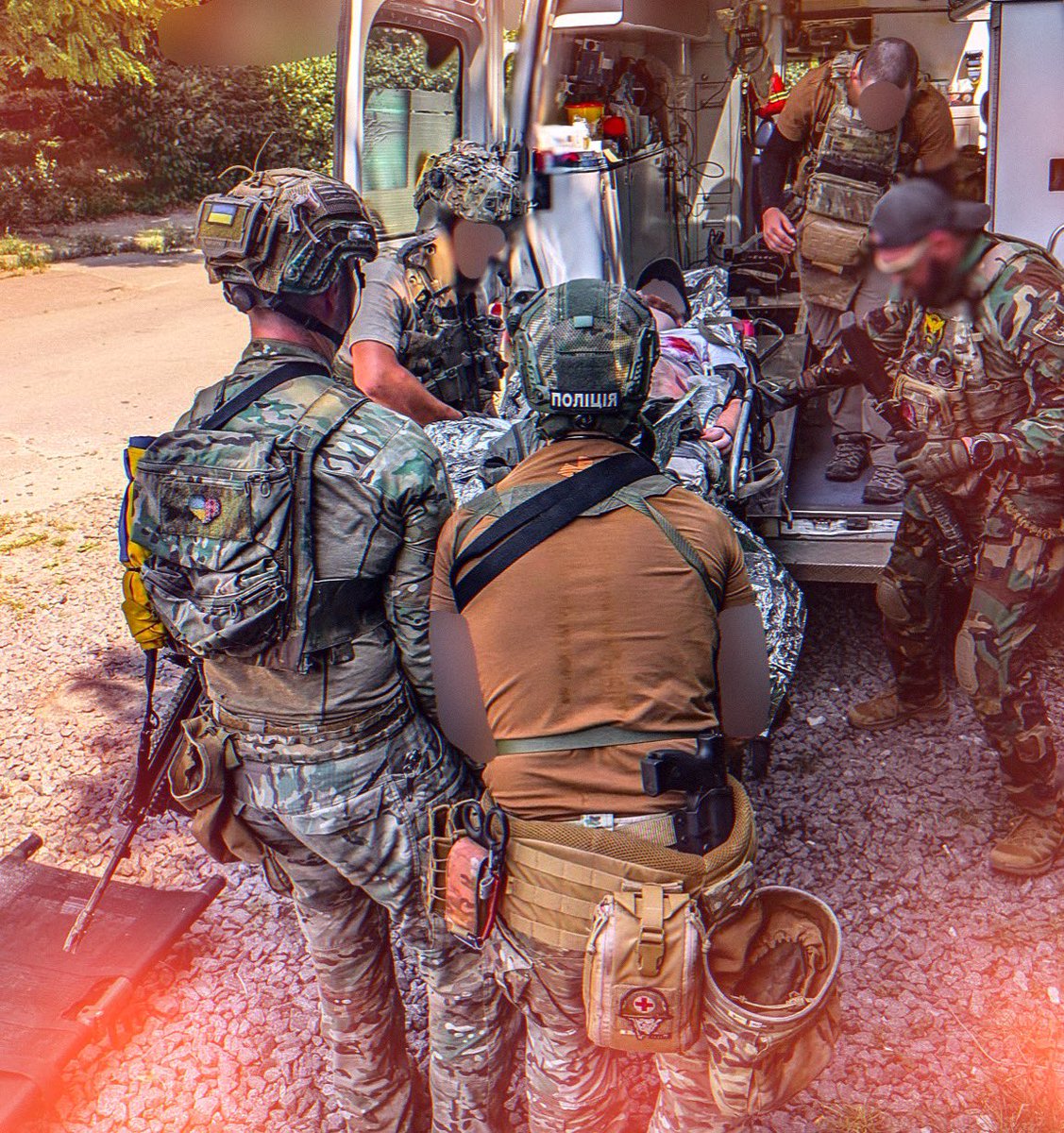
At GSMSG, we’ve fought in these wars.
Now we train our partners (SSO GUR) to survive them.
Because freedom isn’t self-sustaining.
It requires action, sacrifice—and a refusal to look away when evil advances.
#GSMSG #Ukraine #SOF #ProlongedFieldCare #CombatMedicine #TrainToFight
3
201

27 Jun 2025
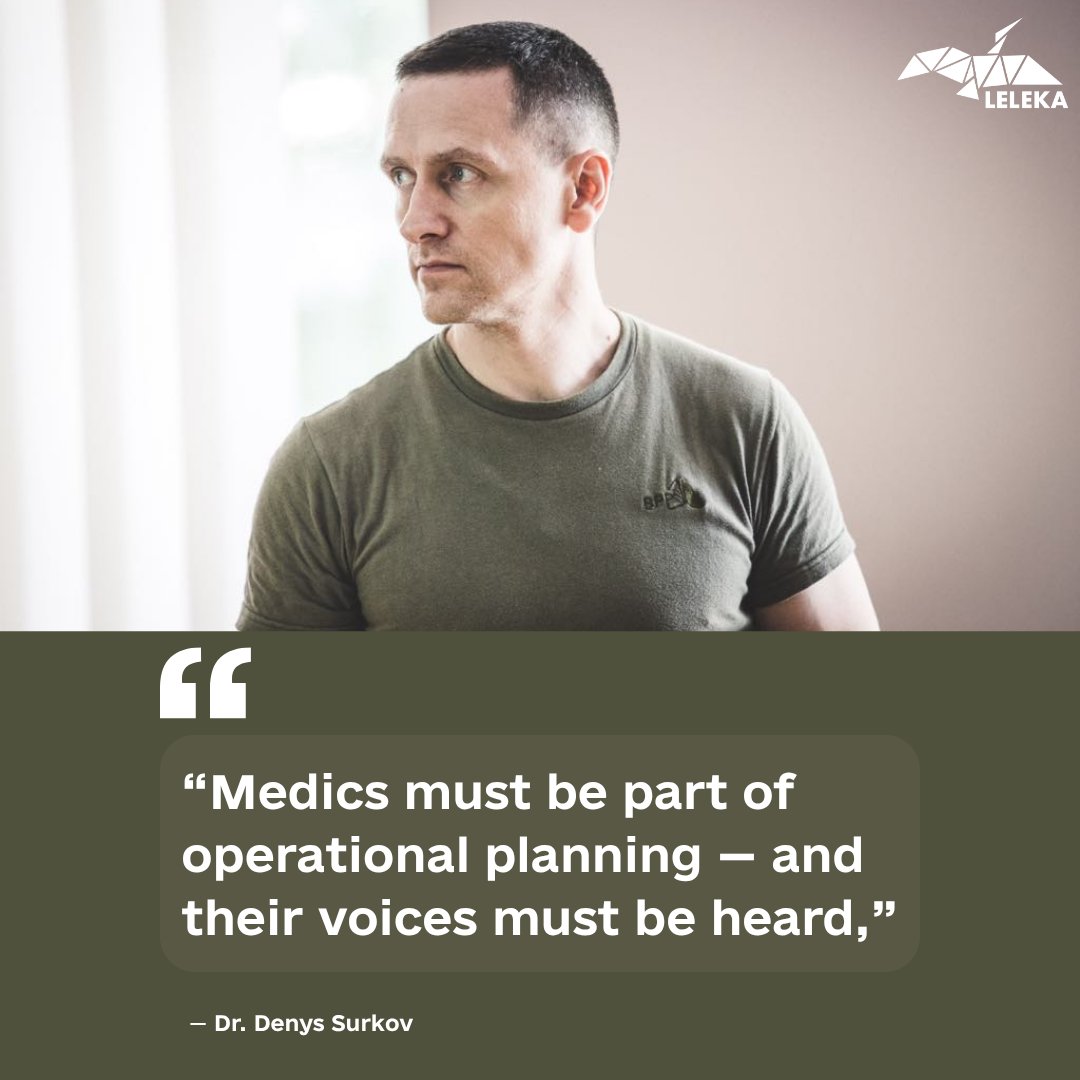
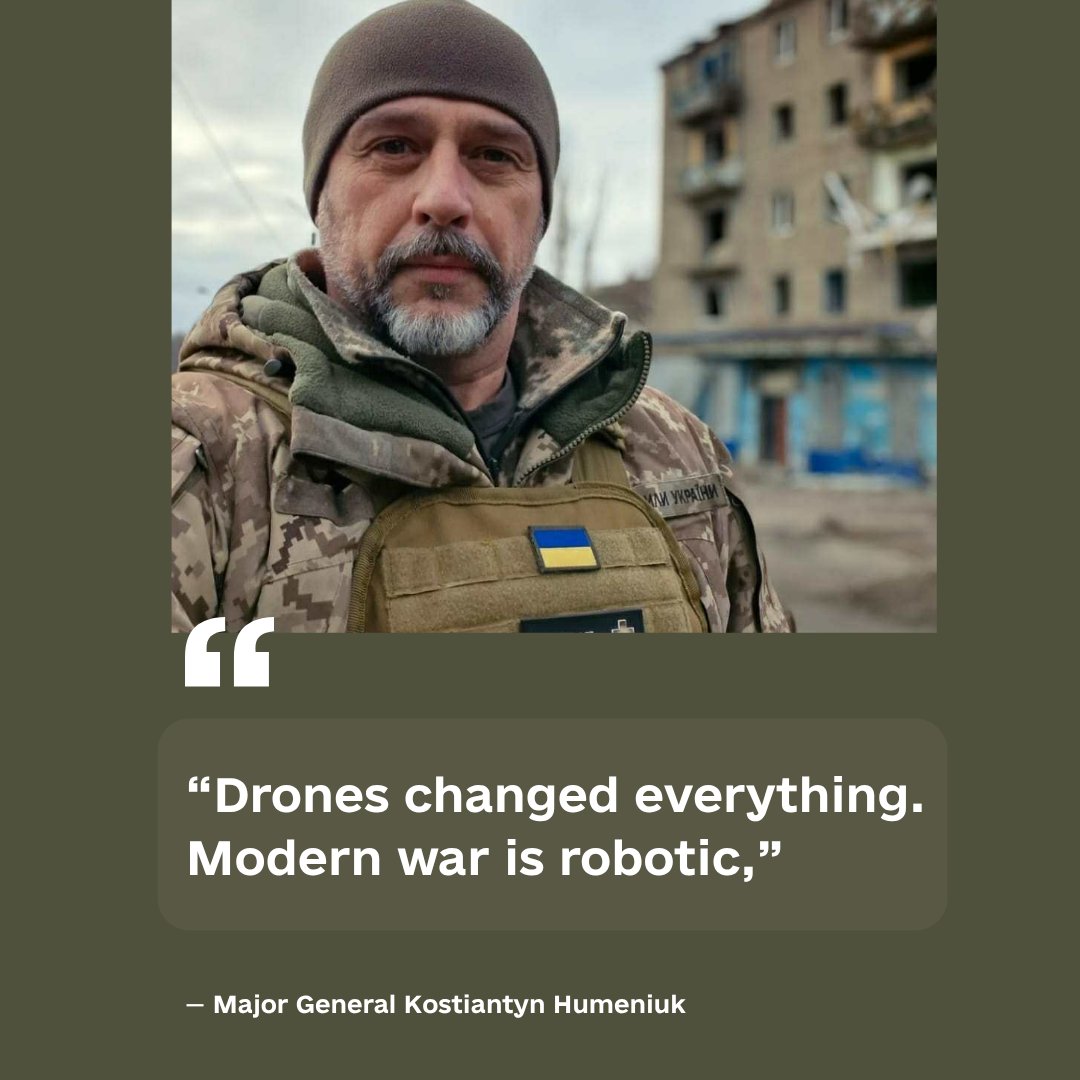
How the Russo-Ukrainian war is transforming military medicine — and why NATO models are no longer enough? Answers are in the new article in Military Medicine co-authored by 🇺🇦 frontline experts:
shorturl.at/jKjch
#FrontlineMedics #ProlongedFieldCare #LelekaFoundation
15
213

10 Jun 2025
Muista:
• Pään suojaaminen (suurin lämpöhäviö)
• Estä hypotermia = paranna selviytymistä
#lääkintämies #combatmedic #TCCC #hypotermia #trauma #kuolemantimantti #TSTEA #Taistelupelastaja
#ProlongedFieldCare #PFC #sotilaslääkintä #lethaltriad
1
20
427
16 May 2025
⚠️Polttotaisteluaineet ovat äärimmäisen vaarallisia ja vaikeasti hallittavia⚠️
Suojaa. 🛡️ Tunnista. 🔬 Hoida. ⛑️ – nopeasti⏳
#tstea #tstpelastaja #taistelupelastaja #lääkintämies #combatmedic #Fieldmedicine #TCCC #kenttälääkintä #ProlongedFieldCare #PCF #BurnInjuryCare
5
208
14 May 2025
⚠️Lääkintämies on koko joukon terveyden asiantuntija⚠️
#fieldmedic #combatmedic #TCCC #kenttähygienia
#PFC #ProlongedFieldCare #sotilaslääkintä #taistelukyky #finmedic
22
488
30 Apr 2025
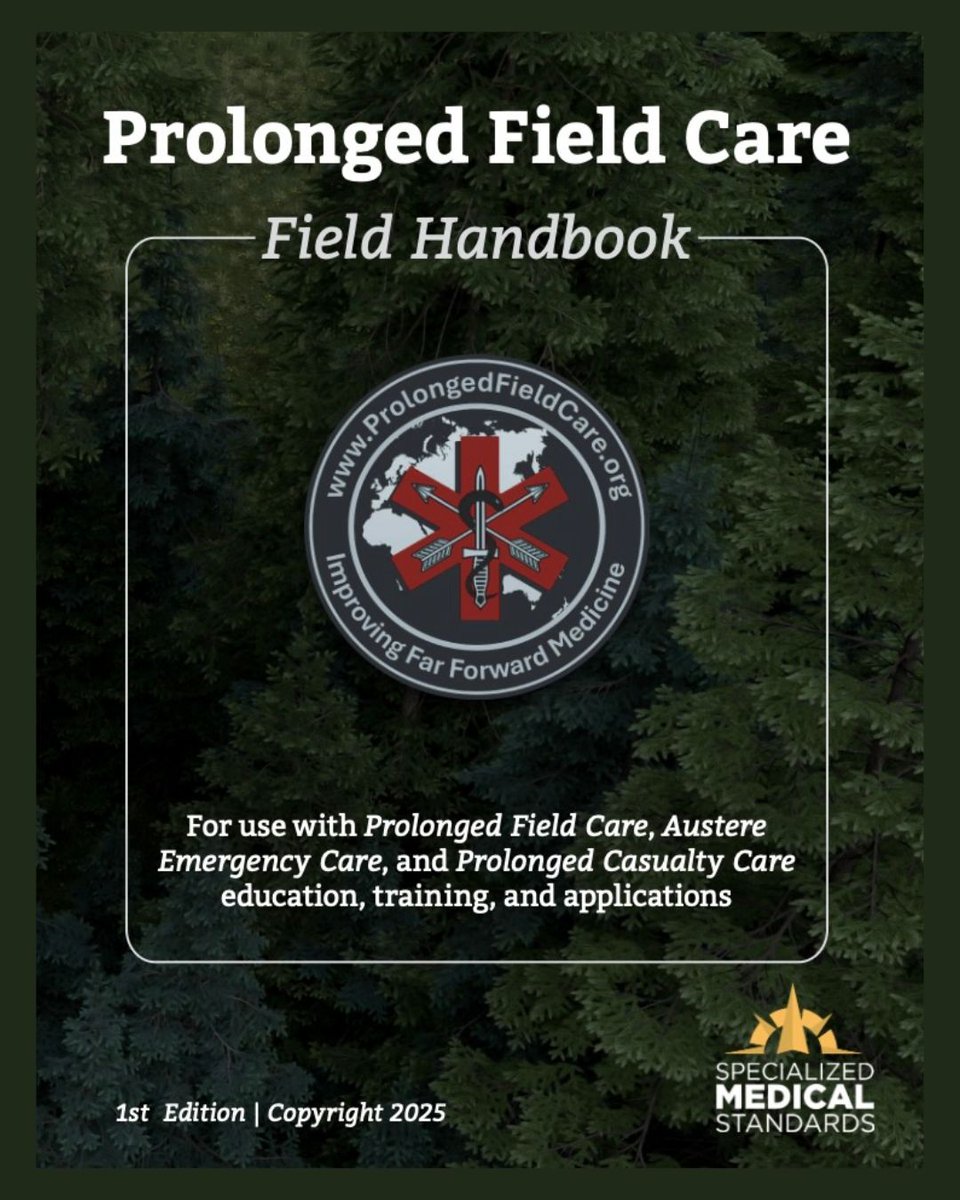
2 years in the making! The long-awaited PFC Field Handbook makes its debut at the 2025 SOMA symposium. Set a reminder to purchase your copy at the JSOM booth #633. Available to ship worldwide May 12th exclusively from jsomonline.org #ProlongedFieldCare #PFC #medicine #austeremedicine @PFCCollective24 @SpecOpsMedics
3
5
10
511
13 Feb 2025
kun se on välttämätöntä potilaan hengen pelastamiseksi.
#FieldMedic #CombatMedic #ProlongedFieldCare #PFC #bloodtransfusion
#kenttälääkintä #lääkintämies #TCCC
6
291
13 Jan 2025
Yhteenveto:
Intranasaalinen lääkkeenanto on monipuolinen ja käytännöllinen vaihtoehto kenttä- ja hätätilanteisiin, erityisesti silloin, kun nopeus ja helppous ovat tärkeitä.
#FieldMedicine #Intranasaalinen #CombatMedic #prolongedfieldcare
10
221
27 Dec 2024
Haittojen hallinta:
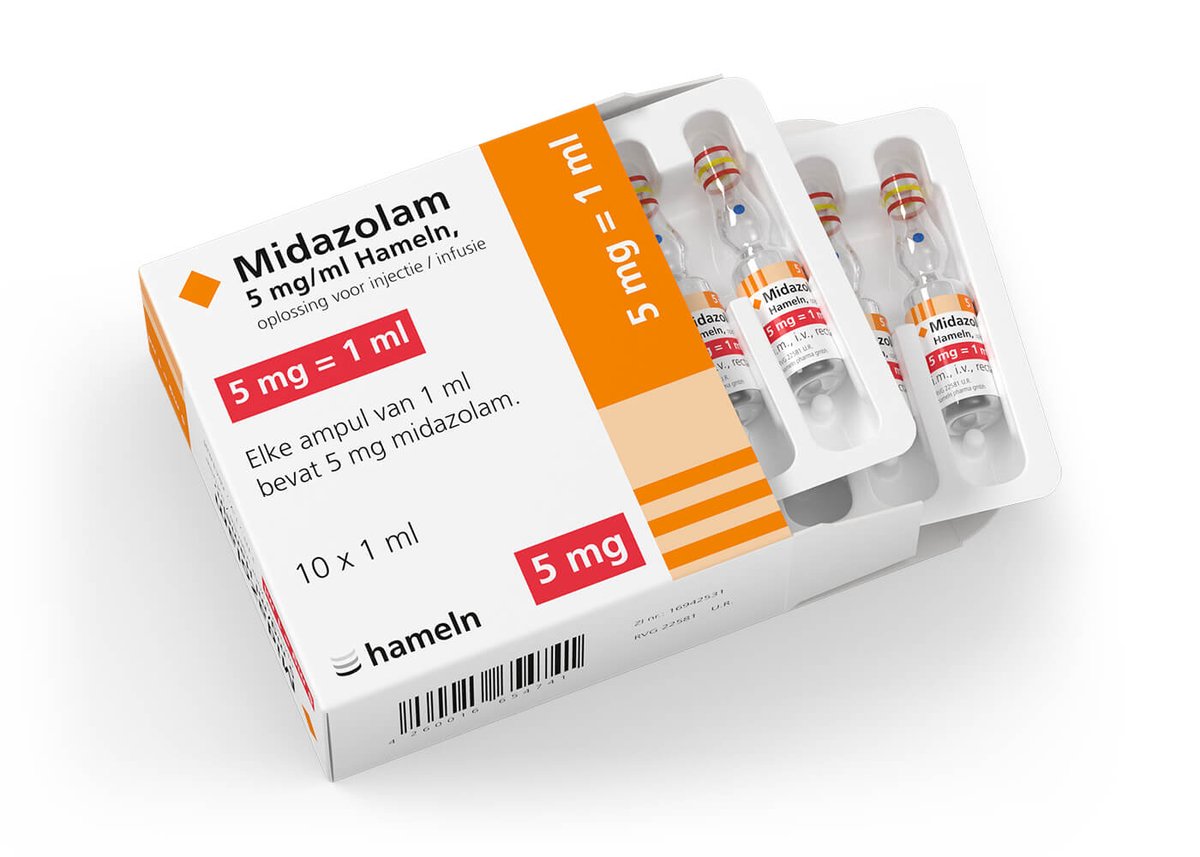
1. Midatsolaami: Rauhoittaa dissosiaatiota, ahdistusta ja hallusinaatioita (pieninä laskimonsisäisinä annoksina).
2. Ketamiiniannoksen säätö: Käytä pienempiä tai toistuvia annoksia.
ENDEX/🧵
#Taistelulääketiede #fieldmedic #combatmedic
#prolongedfieldcare #PFC
9
412
20 Dec 2024
Valitse antoreitti olosuhteiden mukaan: IV/IM, jos mahdollista, mutta suun kautta (PO) on hyvä vaihtoehto evakuoinnin aikana.
#fieldmedic #combatmedic #Prolongedfieldcare
1
17
532

15 Dec 2024
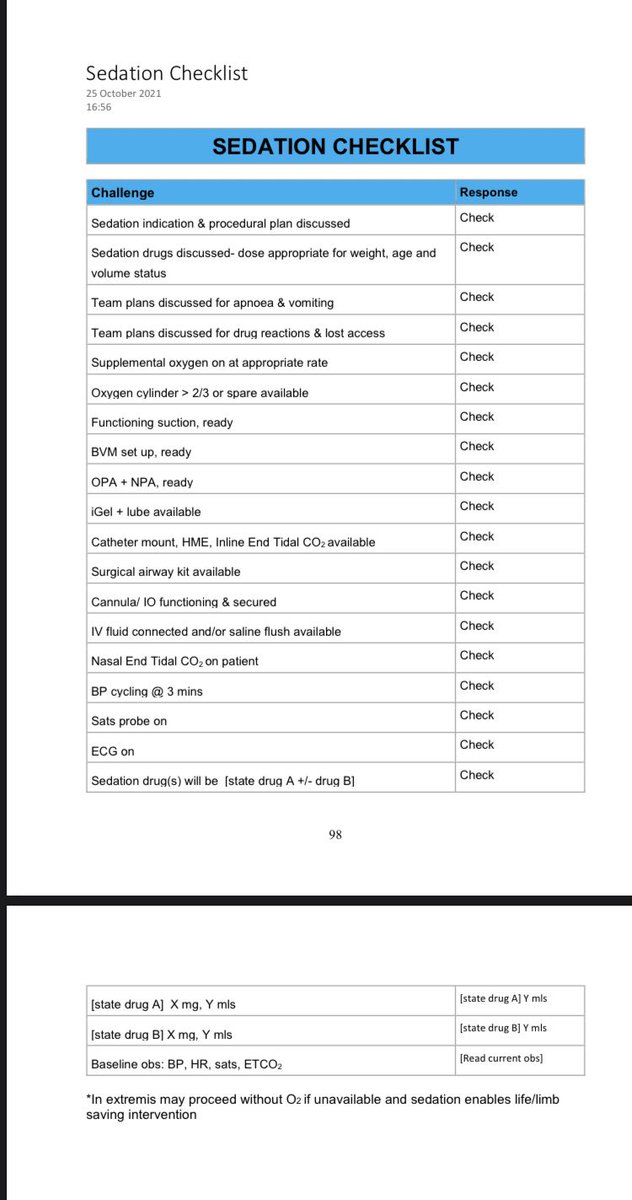
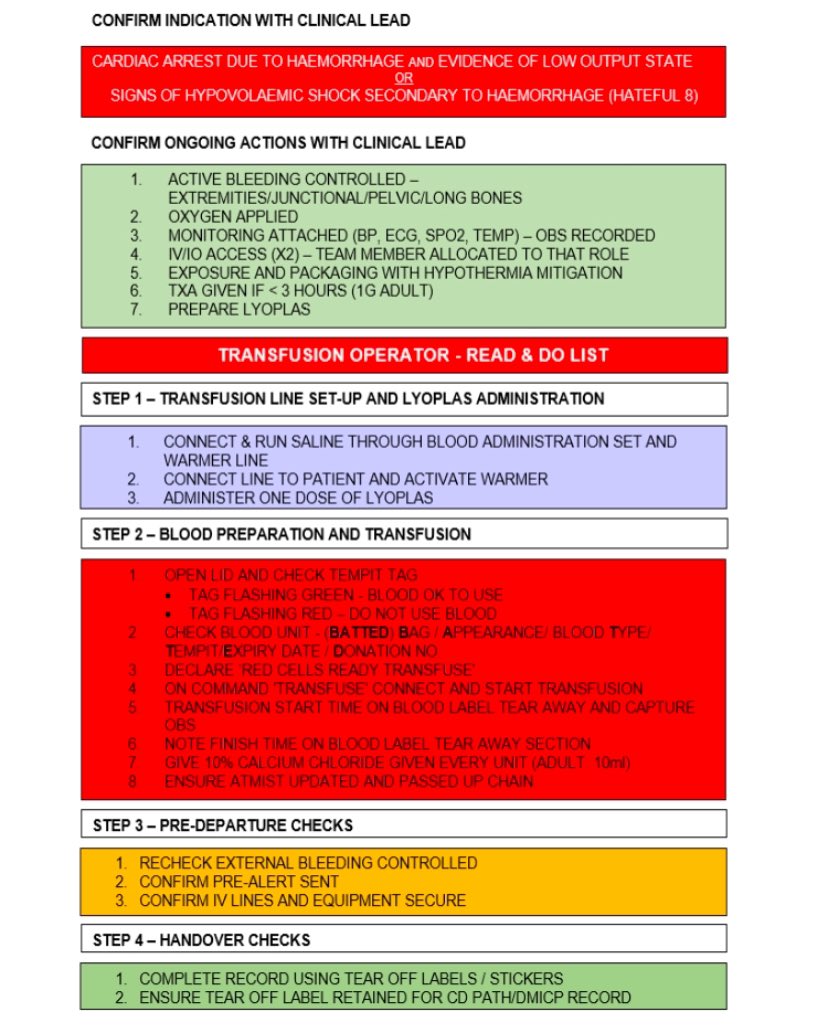
Check lists are vital in Pre-Hospital care. Whether you are sedating a patient during prolonged field care or performing a blood transfusion, you MUST always prepare and follow your guidelines.
#Trauma #TCCC #ProlongedFieldCare #PFC #NSOCM #CombatMedic #SOFmed #Tacevac #Medic
1
1
182