
10 Aug 2025
【locとilocの違い再確認|🍙】
💡 お昼の学びタイム
locはラベル、ilocは整数位置。混同防止に、最初にラベル/indexの種類をチェックしましょう!
記事はこちら👇
pythondatalab.com/pandas-loc…
#Pandas #PythonTip #DataScience
5
97
9 Aug 2025
【info()とdescribe()でデータ要約|🍙】
💡 お昼の学びタイム
再掲:describe(include='all')で文字列含む全カラム要約。数値だけでなくカテゴリも確認しましょう!
記事はこちら👇
pythondatalab.com/pandas-inf…
#Pandas #PythonTip #DataScience
2
45
8 Aug 2025
【read_csvでデータ読み込み|🍙】
💡 お昼の学びタイム
read_csvは、sepやencoding、dtype指定で読み込み精度を向上。ヘッダーやインデックス列の指定に注意しましょう!
記事はこちら👇
pythondatalab.com/pandas-rea…
#Pandas #PythonTip #DataScience
4
36

7 Aug 2025
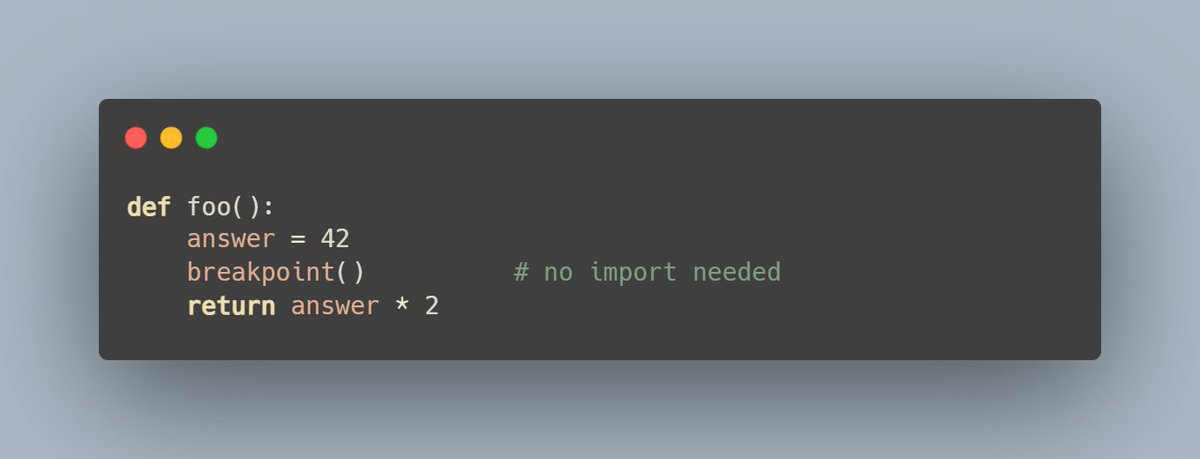
🚨 #PythonTip: 99% of devs are still sprinkling print() like confetti 🎉, meanwhile Python ships with a built-in function breakpoint() that you can drop anywhere with no imports needed. Type c to continue, n to step, or poke around in the REPL.
1
11
1,151
6 Aug 2025
【mergeでデータ結合(marge)|🍙】
💡 お昼の学びタイム
mergeは SQL の JOIN 相当。on引数や how='inner'/'left' の違い、キーの重複に注意して使いましょう!
記事はこちら👇
pythondatalab.com/pandas-mar…
#Pandas #PythonTip #DataScience
6
169
5 Aug 2025
【条件指定でデータ抽出(filtering)|🍙】
💡 お昼の学びタイム
filteringは、Boolean 配列で DataFrame を絞り込む手法。複数条件の結合時は&や|の優先順位に注意しましょう!
記事はこちら👇
pythondatalab.com/pandas-fil…
#Pandas #PythonTip #DataScience
2
31
4 Aug 2025
locでデータ抽出|🍙】
💡 お昼の学びタイム
locは、行ラベルと列ラベルを指定して抽出するメソッド。スライス指定では両端が含まれる点に注意しましょう!
記事はこちら👇
pythondatalab.com/pandas-loc…
#Pandas #PythonTip #DataScience
3
41

20 Apr 2025
🧠 #PythonTip
Want to access object attributes dynamically?
Use getattr()!
code :
name = getattr(obj, "name")
✅ Cleaner than obj.__dict__
Perfect for serializers, reflection, or dynamic access! 🔁
#Python #CodeNewbie #DevTips
3
79

6 Sep 2024
Good morning, Pythonistas! 🐍
Today’s #PythonTip: Did you know you can use list comprehensions to make your code more readable and efficient?
💡 Example:
squares = [x**2 for x in range(4)]
print(squares)
Output:
[0, 1, 4, 9]
#CodeBetter #LearnPython #Python
#CodingLife
4
26
892

29 Jul 2024
#PythonTip
Допустим, у вас есть строчка
y = f(x) f(x)**2
Но вы не хотите считать f(x) дважды. Что делать? Заводить новую переменную?
fx = f(x)
y = fx fx**2
Есть метод получше!
y = (lambda t: t t**2)(f(x))
6
14
1,218

29 Jul 2024
#PythonTip Assume you want to execute a line:
y = f(x) f(x)**2
If you don't want to evaluate f(x) twice, you usually introduce a new variable to store f(x):
fx = f(x)
y = fx fx**2
What if you don't want to introduce new variable? Use lambda!
y = (lambda t: t t**2)(f(x))
1
3
211

4 Jul 2024
🚀 #PythonTip: Understanding return vs. print!
🔄 return:
Used in functions to send a value back to the caller.
Ends function execution and returns a result.
🖨️ print:
Outputs messages to the console.
Useful for debugging and displaying info.
Know when to use each! 👨💻👩💻
2
91

9 Nov 2023
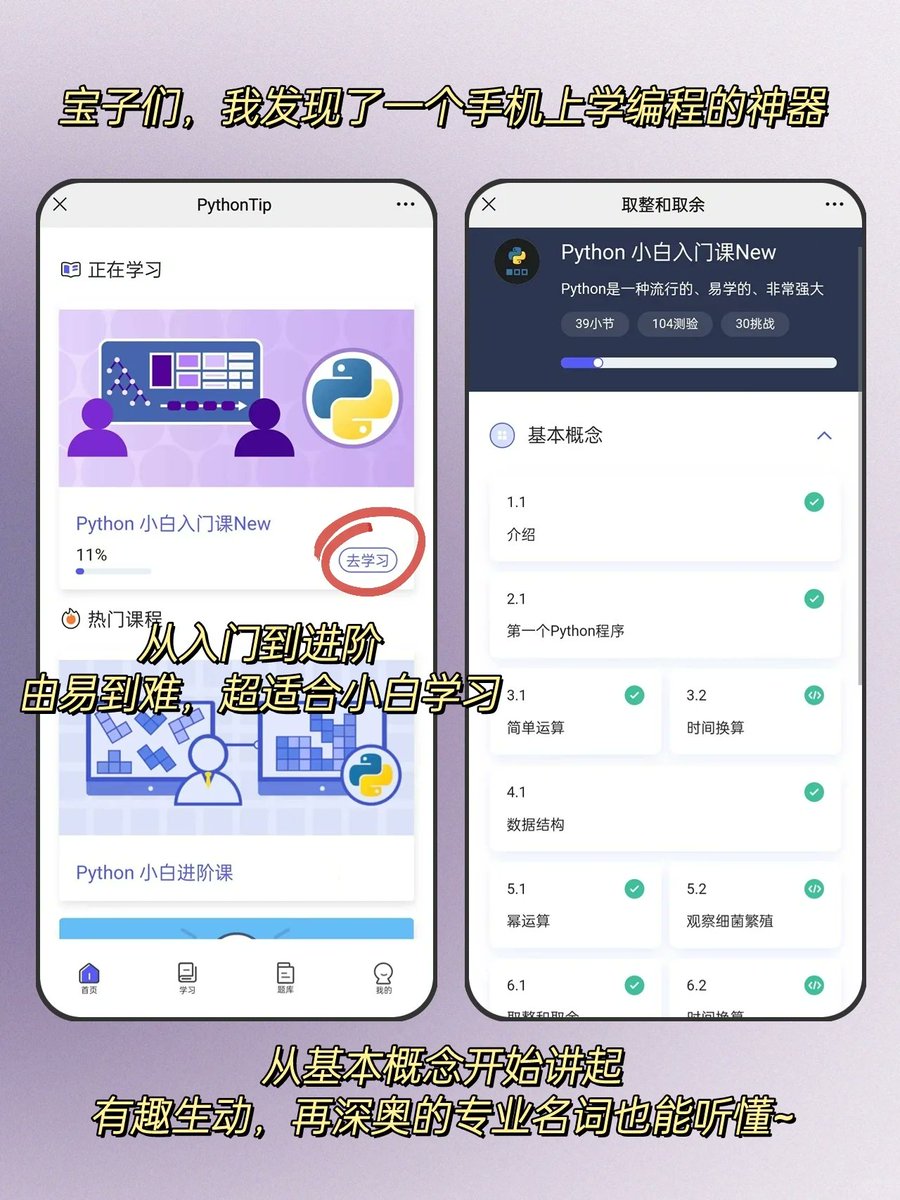
一个手机上自学Python的宝藏APP
从基础到进阶,超适合小白学习
✨ 名称: PythonTip
📱 Android ✅ iOS ✅ PC ✅ IPAD ✅
1.
5
44
124
29,353

10 Oct 2023
#PythonTip 🐍🔥
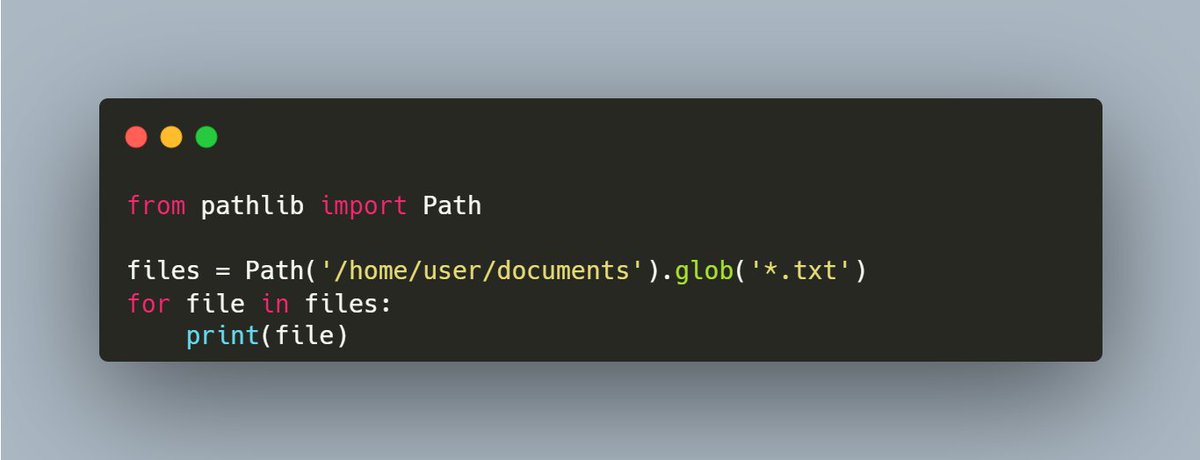
Use `pathlib` to list all the files of a specific type in a folder.
Here's an example:
4
2
31
5,347

3 Oct 2023
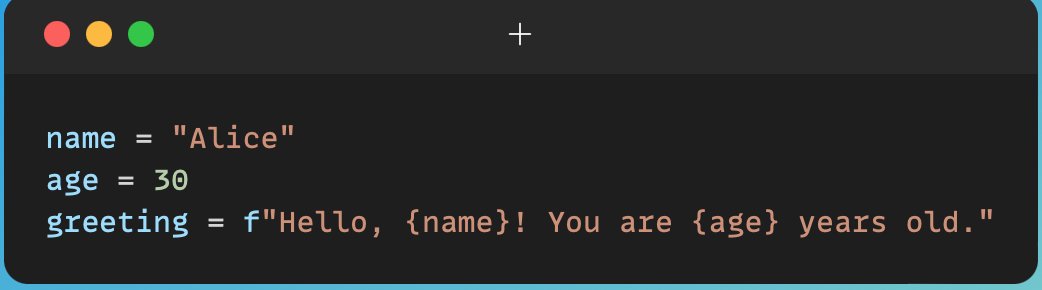
Python Tip of the Day: Empower Your Strings with F-Strings
F-strings, introduced in Python 3.6, provide a concise and readable way to embed expressions inside string. They are incredibly useful for string formatting,making your code cleaner and more expressive. #pythontip #python
1
1
2
75
19 Sep 2023
🐍 #PythonTip: Use list comprehensions for concise and readable one-liners.
Example: `[x**2 for x in range(10) if x%2 == 0]` #CodeClean
6
4
42
7,606

27 Jul 2023
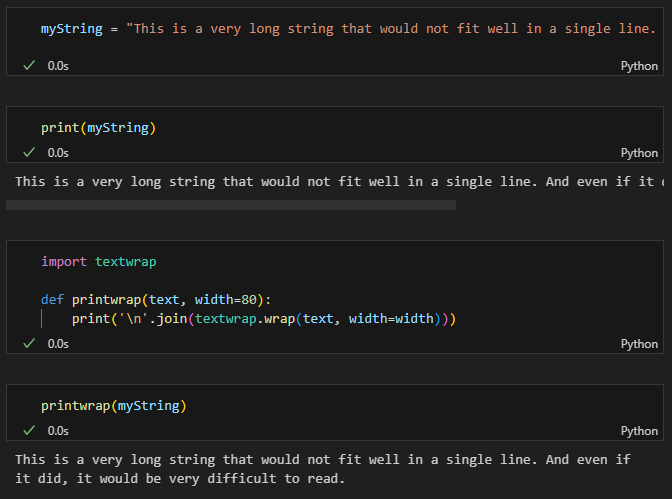
You might deal with long strings that do not get printed nicely on screen.
Enter 𝚝𝚎𝚡𝚝𝚠𝚛𝚊𝚙
#PythonTip
1
5
540

21 Jul 2023
BTW both of us (@karlafej & @simecek) are here at #EuroPython2023. If you run into us, feel free to say hello and what would you like to read as #pythontip. Greetings from Prague! 🇨🇿

9
2,533

29 Jun 2023
Remember, in Python indexing starts at 0, not 1. So, the first element in a list or a string is at position 0.
#PythonTip #coding #pythonprogramming
1
2
49
27 Jun 2023
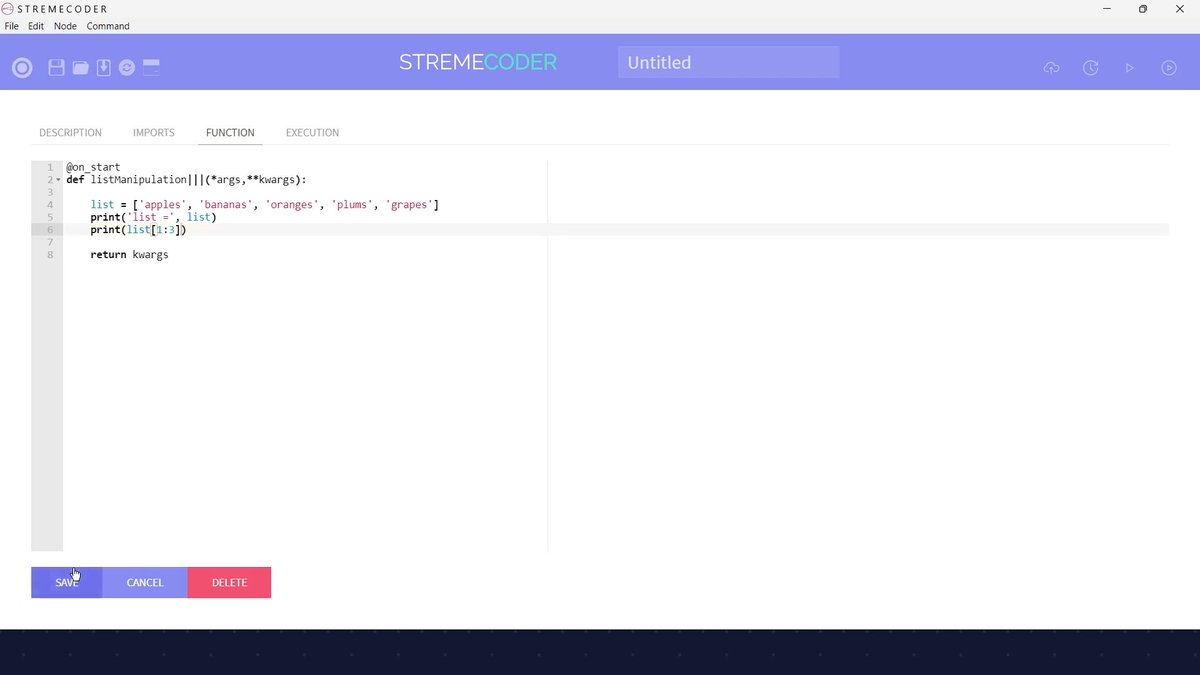
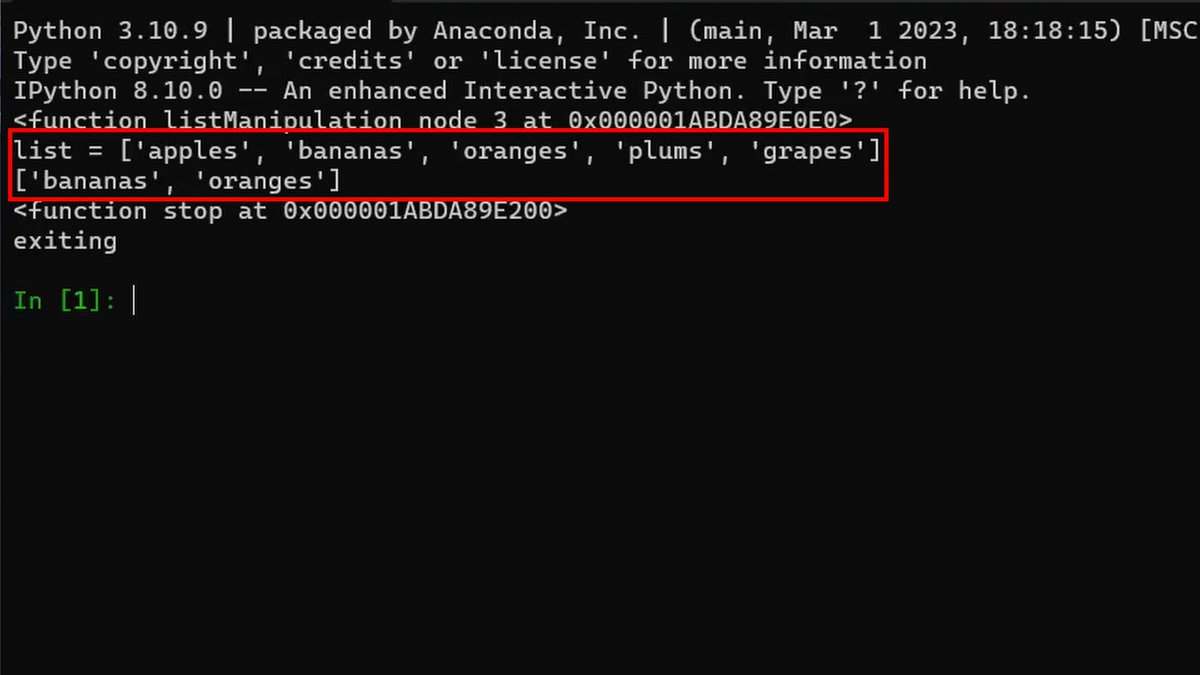
#PythonTip: Are you familiar with slicing? It's a quick way to access subsets of lists, strings, and other sequences. For example, list[1:3] gives the 2nd and 3rd items.
#datascience #coding #Python #pythonprogramming #data
1
1
3
126