Mary Lou Tatton retweeted

There is absolutely no guarantee American milk is free of rBST/rBGH because it’s a completely legal substance for dairy cows there.
I don’t want to have to search through labels to have hormone free dairy.
Jun 15

US milk is no different than Canadian milk. Dairy producers in the US stopped using those hormones and antibiotics around the same time Canada did.
What Canada needs to do is to get rid of supply management to make dairy more affordable.
4
5
42
2,030

rBST does absolutely nothing to humans. It was given to under-height children to see if it would help them gain some growth. It did nothing. All it does is have the cow produce more milk. IMHO this has stressed the cows systems causing other problems but not health issues.
1
52

Oh and there’s this…
‘Dairy in the United States can come from cows injected with a growth hormone called rBST, which has been banned across Europe for years’
12
Velma retweeted

19 May 2025
Black beans, cheese, potatoes (skinned), real butter, sourdough bread, non-rBST yogurt and some organic granola once in a while is about all I have left now. I don't trust any of it anymore, but its what we have.
3
11
28
958

À lire jusqu'au bout. C'est édifiant.
La tricherie est institutionnalisée aux États-Unis 😬
🔽🔽🔽
Sama Hoole @SamaHoole
La Norvège s'est qualifiée pour sa première Coupe du Monde depuis 1998, et sa première action a été d'importer son propre fromage, son poisson et 6 000 oranges. Un geste touchant de confiance envers l'approvisionnement alimentaire américain.
Commençons par le fromage : il leur a fallu en transporter 116 kilos à travers l'Atlantique. Aux États-Unis, le lait peut provenir de vaches auxquelles on a injecté une hormone de croissance appelée rBST, interdite en Europe depuis des années et dont la présence sur l'étiquette n'est même pas obligatoire ici. Les vaches norvégiennes n'y sont jamais exposées, les joueurs ont donc préféré apporter leur propre fromage.
Le poisson suit la même logique. Une grande partie du thon américain est traitée au monoxyde de carbone, vendu aux professionnels sous le nom charmant de « fumée sans goût », ce qui fixe sa couleur rouge vif et lui donne une apparence de fraîcheur bien après qu'il se soit gâté. L'Europe a interdit cette pratique en 2003, tandis que les États-Unis l'autorisent encore.
Ensuite, il y a les oranges, toutes les 6 000, car les États-Unis laissent allègrement les producteurs pulvériser leur peau avec du Rouge Citrus 2, un colorant que l'agence mondiale de la santé chargée du cancer qualifie de potentiellement cancérogène. Tout ça pour qu'une orange légèrement verte puisse passer pour une orange mûre en rayon. L'Europe, elle, refuse catégoriquement ce procédé.
Alors, quand une équipe qui n'a qu'une chance de remporter la Coupe du monde jette un œil aux fromages, poissons et fruits locaux et déverse des tonnes de ses propres produits, on comprend mieux comment elle en est arrivée là.
Un bel éloge de la gastronomie américaine, évidemment.

23h

Norway have qualified for their first World Cup since 1998, and the first thing they did was ship in their own cheese, fish and 6,000 oranges. A touching show of faith in the American food supply.
Start with the cheese, since they hauled 116 kilograms of it across the Atlantic. Dairy in the United States can come from cows injected with a growth hormone called rBST, which has been banned across Europe for years and does not even have to appear on the label over here. Norwegian cows never go near it, so the players would sooner bring their own.
The fish follows much the same logic. A good deal of American tuna is treated with carbon monoxide, sold to the trade under the lovely name "tasteless smoke," which fixes that bright red colour and keeps it looking fresh long after it has quietly stopped being so. Europe banned the practice in 2003, while America still permits it.
Then the oranges, all 6,000 of them, because the US happily lets growers spray the skins with Citrus Red 2, a dye the World Health Organisation's cancer agency calls a possible carcinogen, all so a slightly green orange can pass for a ripe one on the shelf. Europe will not let it anywhere near food.
So when a side with one shot at a World Cup takes a long look at the local cheese, fish and fruit and flies in a tonne of their own instead, you can understand how they got there.
A ringing endorsement of American food, obviously.

1
34

start with the cheese.
US dairy can come from cows treated with rBST, a synthetic growth hormone banned in the EU, Canada and Australia for years.
And it does not have to appear on the label. So the team brought their own.
1
15

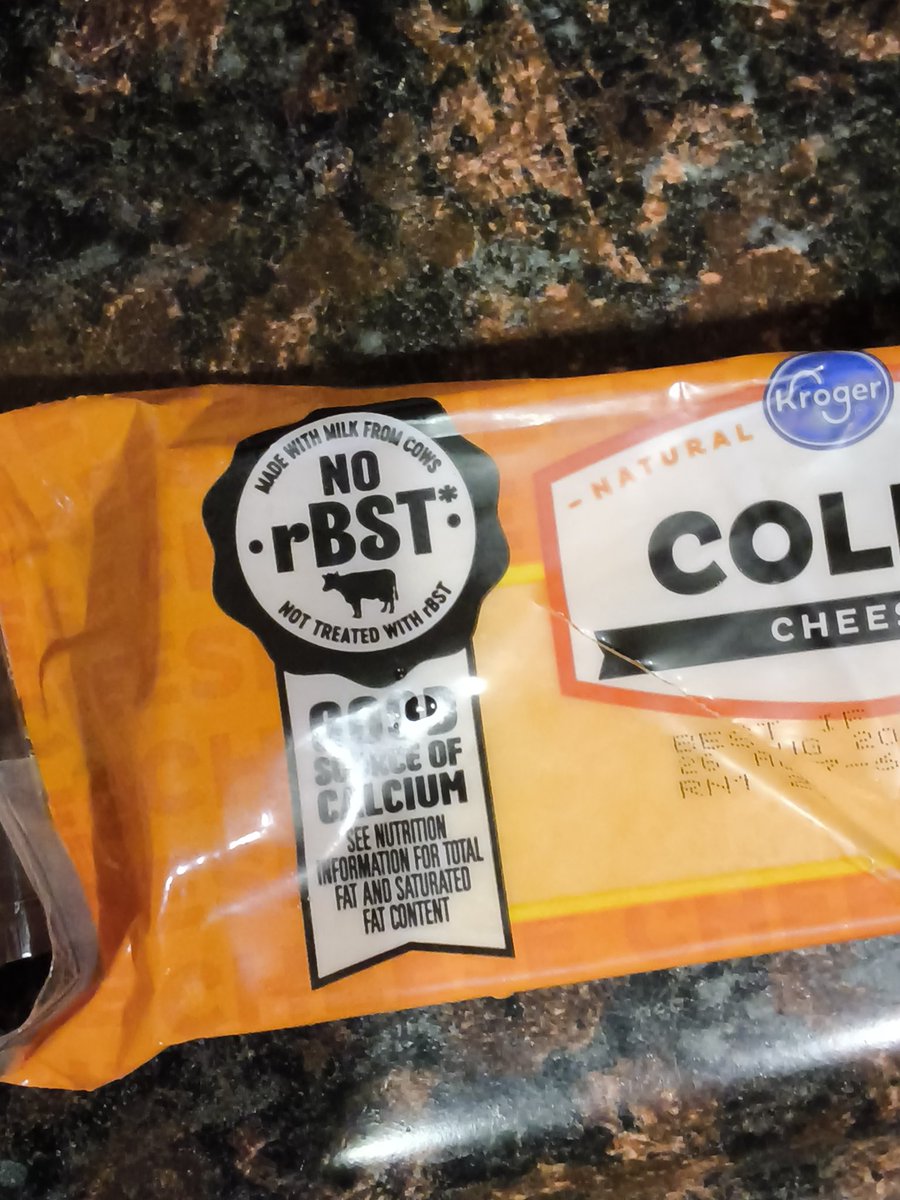
FYI - Even our generic store brand cheese and milk says they don't use rBST. I see it mentioned all the time.
1
10
208

14h
There would be no health issues. Nearly 100% of people against rBST don’t know anything about rBST and make up nonsense like that.
15


No added hormone dairy is possible, but hormone free dairy is not.
rBST ban in Canada is around concerns related to impact on cows. Not a concern for human health.
Use of rBST can result in some small changes in milk composition (sugars, proteins, fatty acids, minerals).
1
2
98
🇺🇸Retweet Slave 3.7k🇬🇧 🙋 retweeted

Jun 10
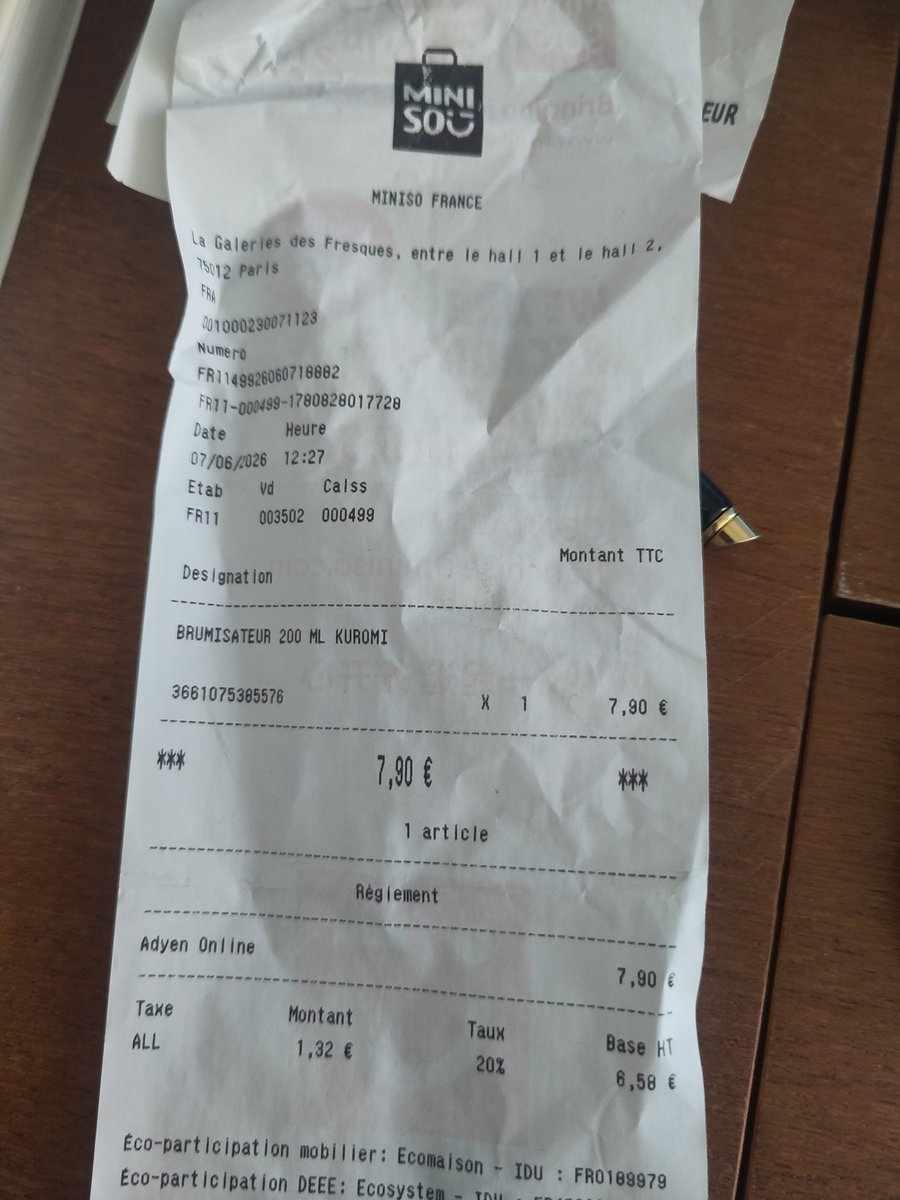
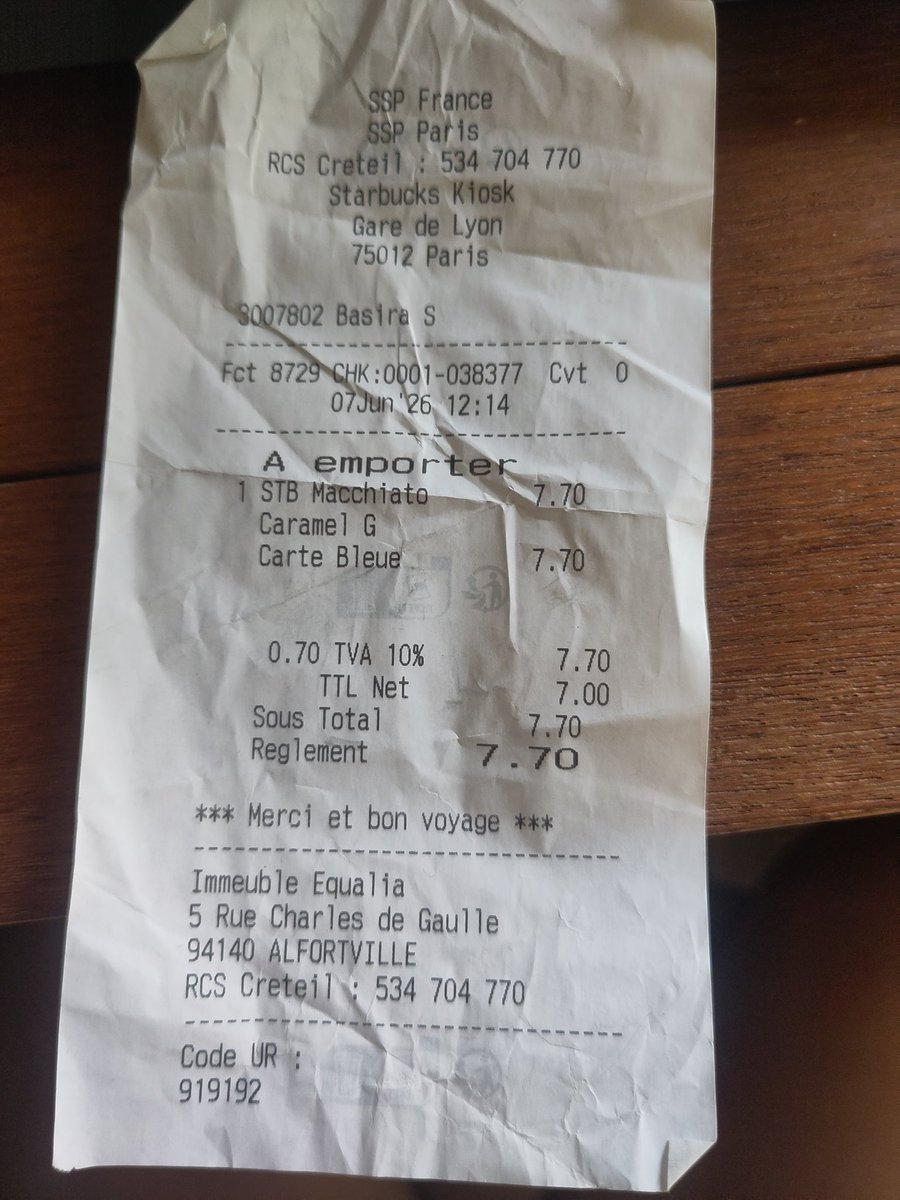
Et voici les tickets papiers de mon week-end , également à rbst:
Mon repas de vendredi soir : 25,50
Mon Starbucks du dimanche : 7,70
J' ai également craqué sur un brumisateur kuromi dans une boutique à gare de l'est : 7,90
Sur rev0 ou ppal .
Manifestez vous les poubelles à tickets .
#bdsm #femdom #findom #dominatrice

1
3
3
204
🇺🇸Retweet Slave 3.7k🇬🇧 🙋 retweeted
Jun 10
Voici les dépenses petit budget de mon week end Paris /Montargis
À rbst -> rev0 ou ppal
Pas d'excuse , vous pouvez même en grouper plusieurs.
#bdsm #femdom #findom #dominatrice


1
3
4
371
🇺🇸Retweet Slave 3.7k🇬🇧 🙋 retweeted
Jun 15
Au fait, j' ai refait ma pédi , il y deux semaines je ne l'avais même pas postée ..
Elle est à rbst . 30 la pédi, 30 ma manucure.
#femdom #dominatrice #findom #soumis #feetfetish #fetish

2
3
8
204
Please quote me where I said *all US milk is ‘full of rBST’.
You are trying to flip burden of proof, and it’s sad.
You have only shown certain brands do not always use it. It’s still a legal ingredient.
5
20h
Everyone over the age of 30 grew up on rBST milk. It has absolutely no effect on people.
However, if US were sold in Canada it would have to meet health Canada guidelines, like all other imported foods. So it would 100% be rBST free.
1
90
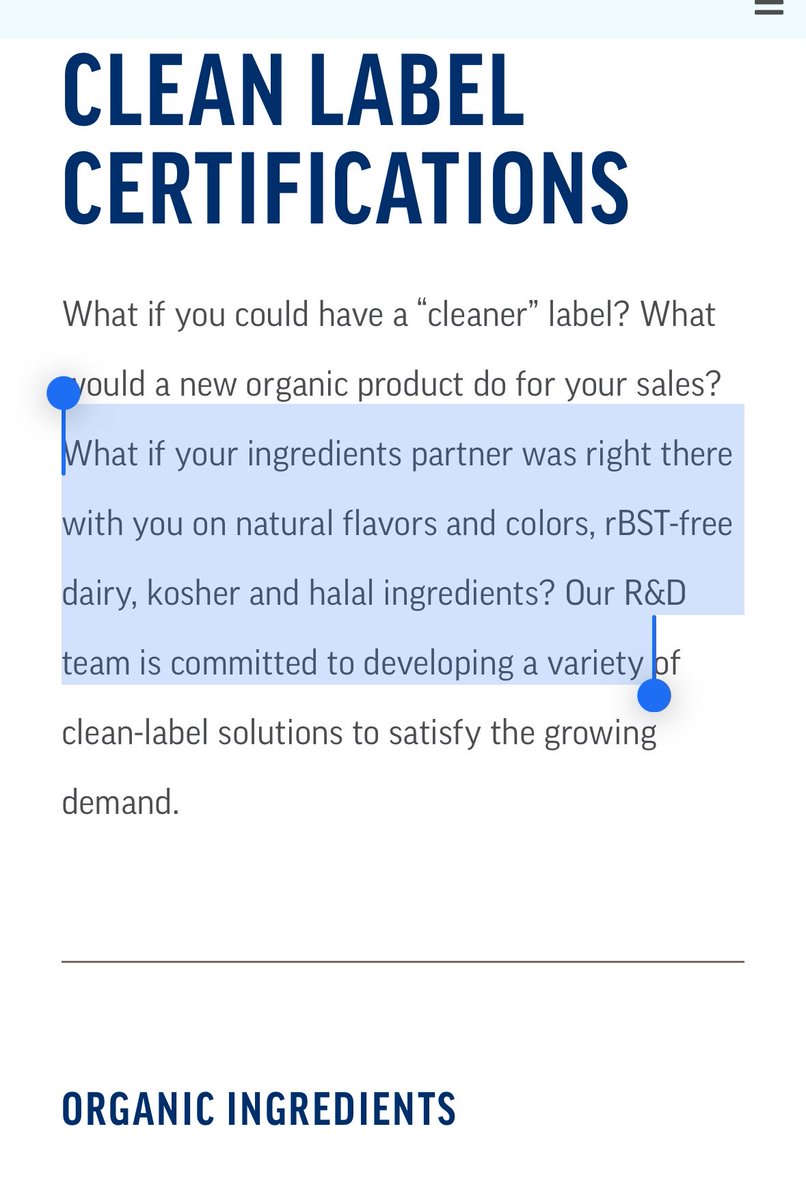
Your source does not say ‘all their milk is rBST free’.
8