
Fey/Fey-Fey🦋💞 retweeted

21 Jul 2022
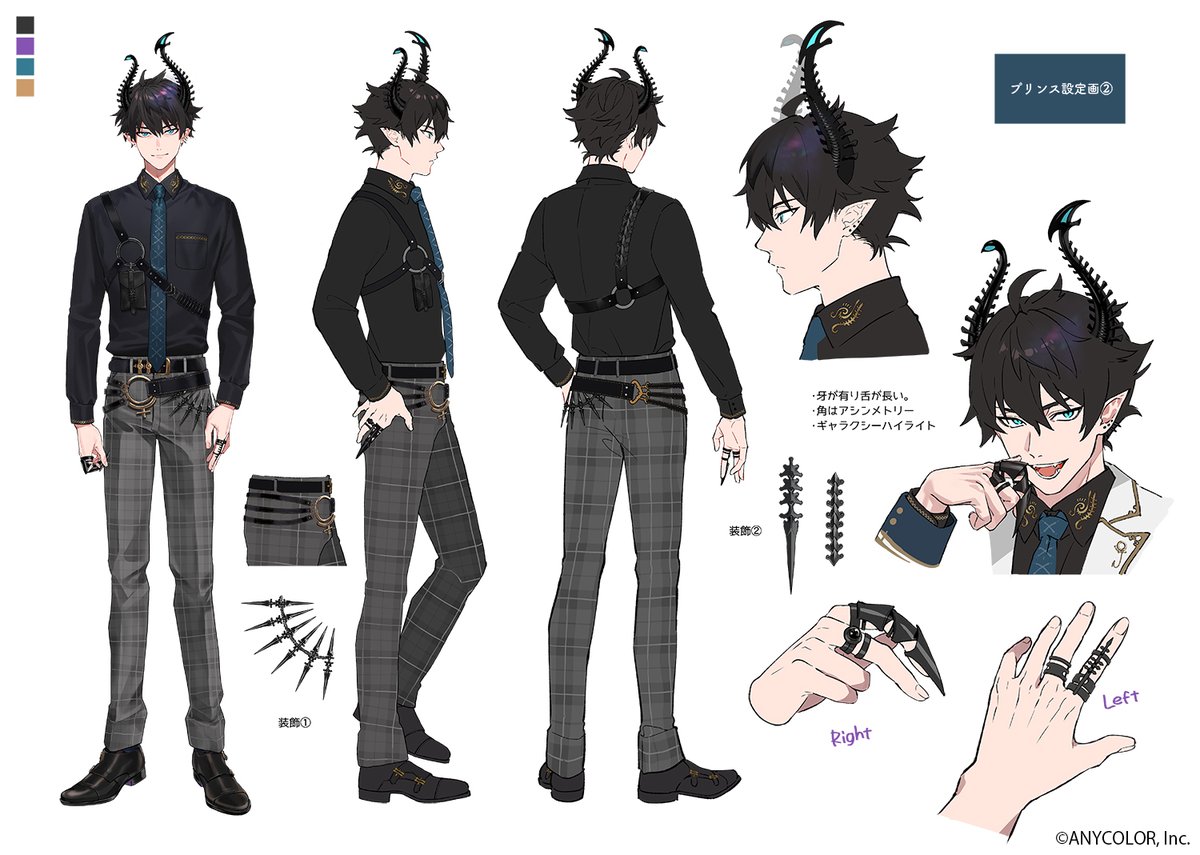
Wanna take a look?
I'd like to thank my mom @/stem04 ♥️
General/Live: #RenZotto
Art: #RenZottoArt
NSFW: #Rentai
Thumbnail stuff: #Zottonail

542
11,397
61,578
Afra😈🛸 retweeted
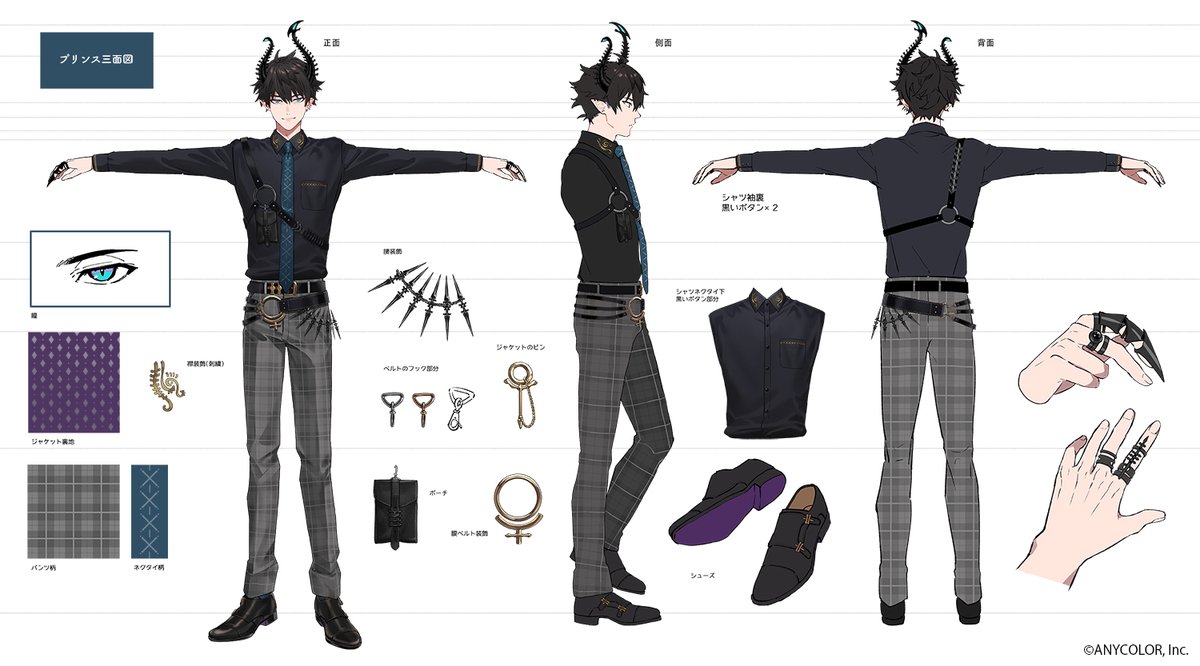
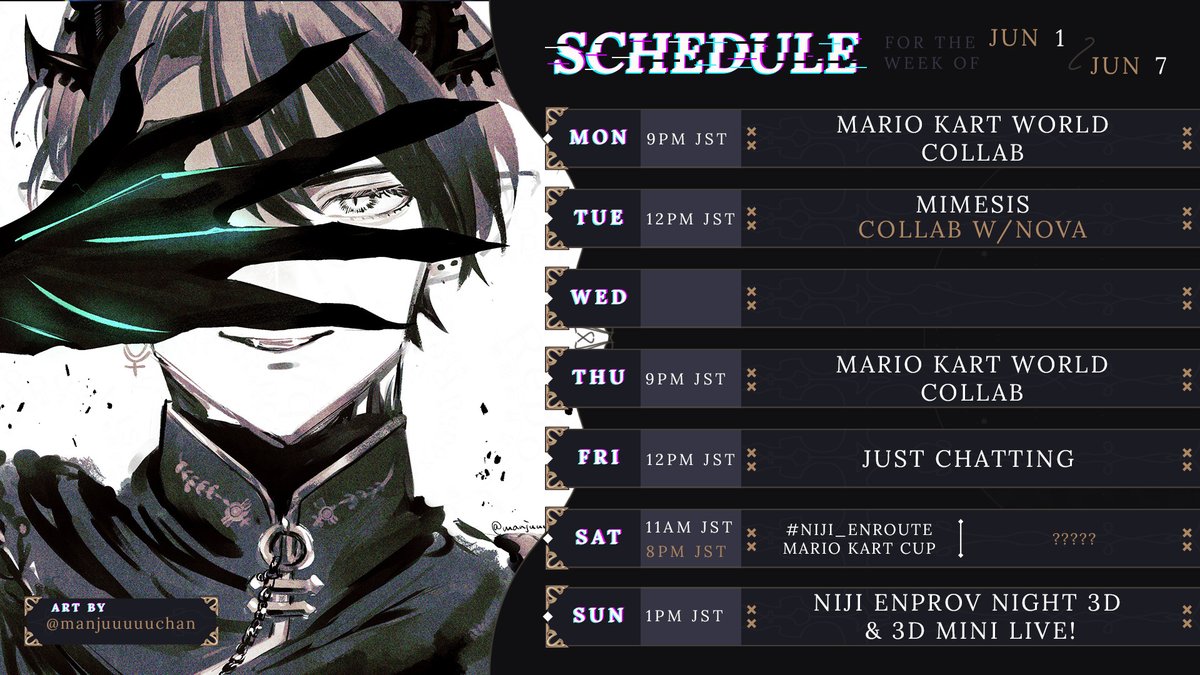
late schedule but there are still more surprises this week 👀
General/Live: #RenZotto
Art: #RenZottoArt
NSFW: #RentaiZotto
Thumbnails: #Zottonail
Clips: #ZottoClips
Memes: #Rizotto
Assets: #ZottoAssetz
44
300
1,454
64,024


May 24
fundamentals filter on sol/dexter follows:
SOL - base layer, $49B mcap, perp DEX OI just crossed $200M
DEXTER - x402 payments infra, 7M txns processed
SYRA - AI agent infra, kraken okx integrated
RENTAI - AI agent rental marketplace on devnet
jupiter - 9.65% of sol perps volume, $2.53B daily
kamino - $900M TVL, second largest on sol
phoenix - $89M perp volume last week, three week streak
virtuals - routed $5M to agent builders, 176M agent txns settled
openclaw - AI agent framework, $12.3M mcap ATH
mpp32 - native sol intelligence API at $0.008/call
not financial advice but these have actual products shipping
1
121

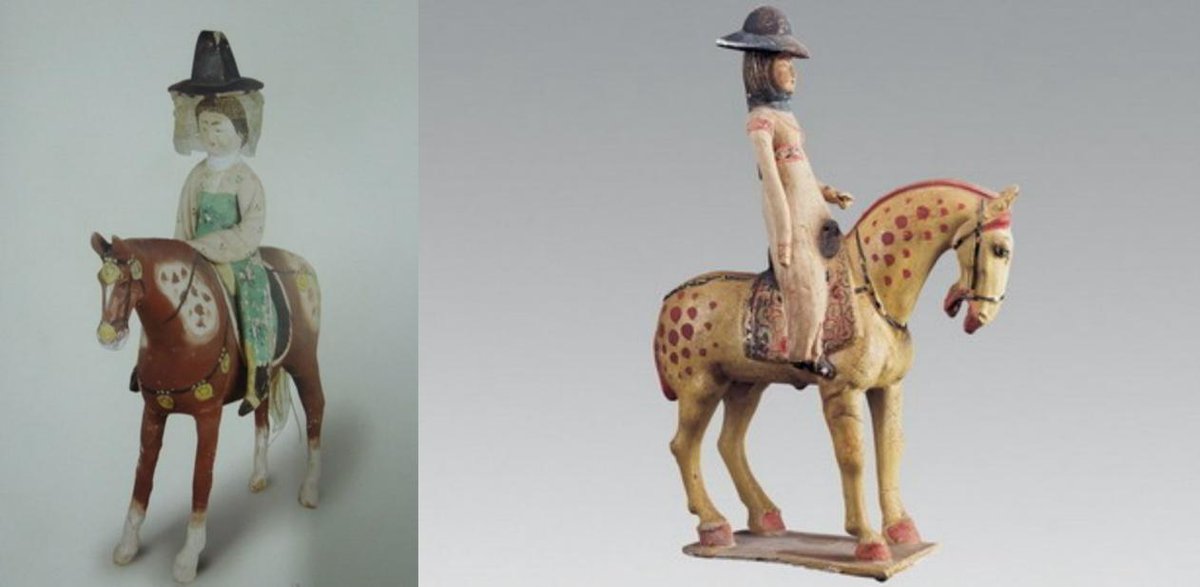
These two painted pottery equestrian female figurines feature serene demeanors and elegant temperament, vividly restoring the daily scene of noble Tang Dynasty ladies riding horses with veiled hats.
The left one was unearthed from Tomb 187 of the Astana Tombs in Turpan in 1972 and collected by Xinjiang Museum. The right artifact was excavated from Zheng Rentai Tomb and preserved in Shaanxi History Museum. Aren't the two cultural relics highly identical?

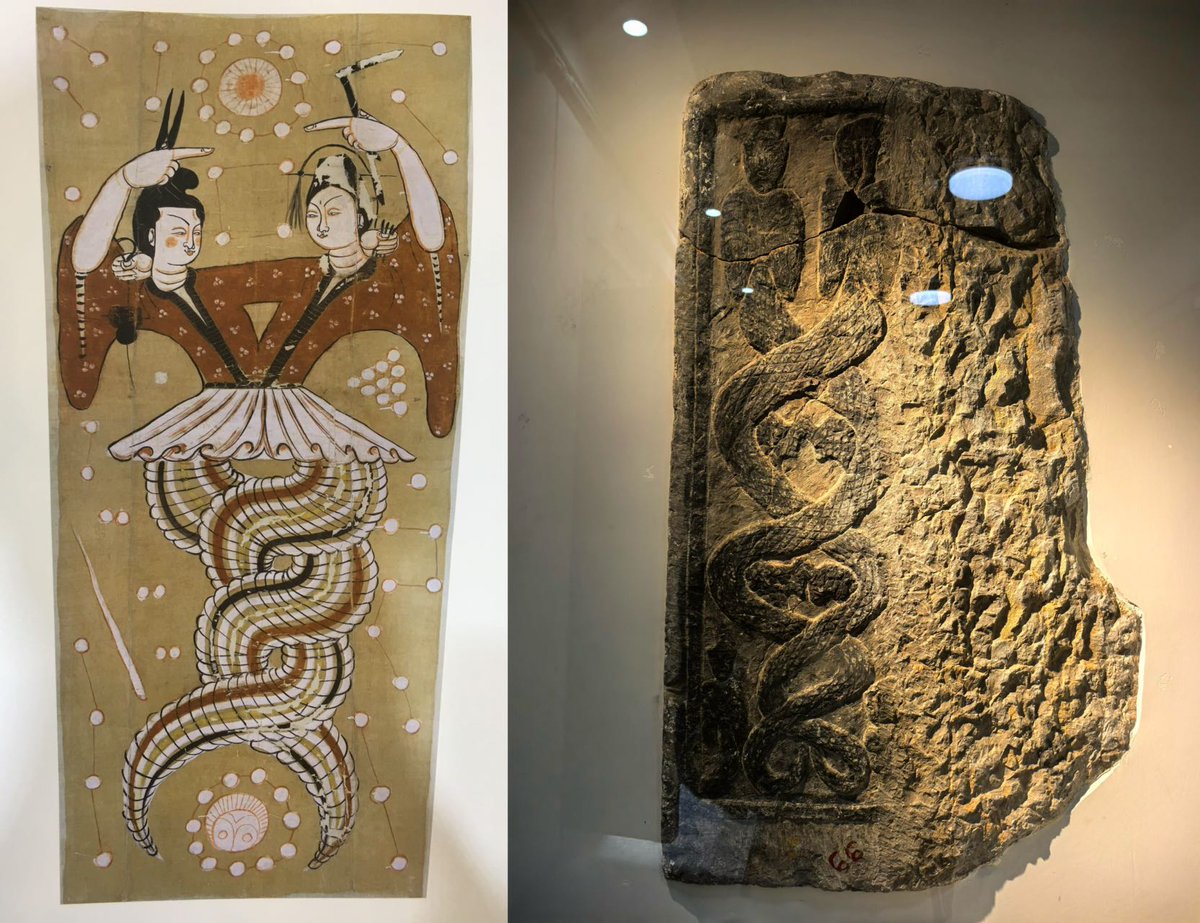
Fuxi and Nüwa, the human ancestors in ancient Chinese mythology, have been depicted in murals or carvings inside tombs since the Han Dynasty as symbols of fertility worship. The Silk Painting of Fuxi and Nüwa (Figure 1), unearthed from the Astana Tombs in Turpan, Xinjiang, incorporates local artistic elements. The Eastern Han stone carving of the same deities (Figure 2) comes from Suining County, Xuzhou, Jiangsu. Two cultural relics gaze across time and space, presenting the same traditional Chinese tale in different artistic forms.
4
464

May 9

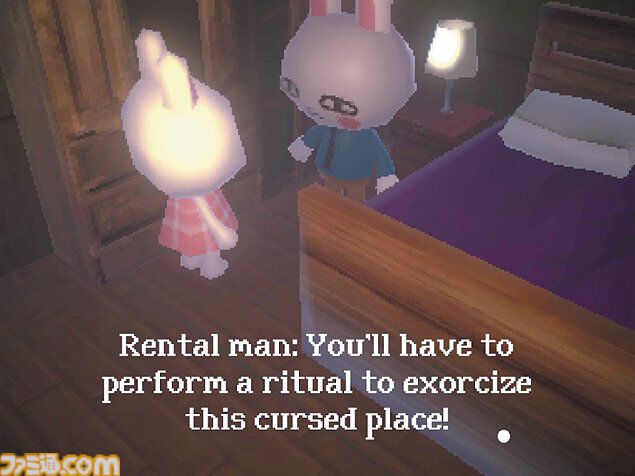
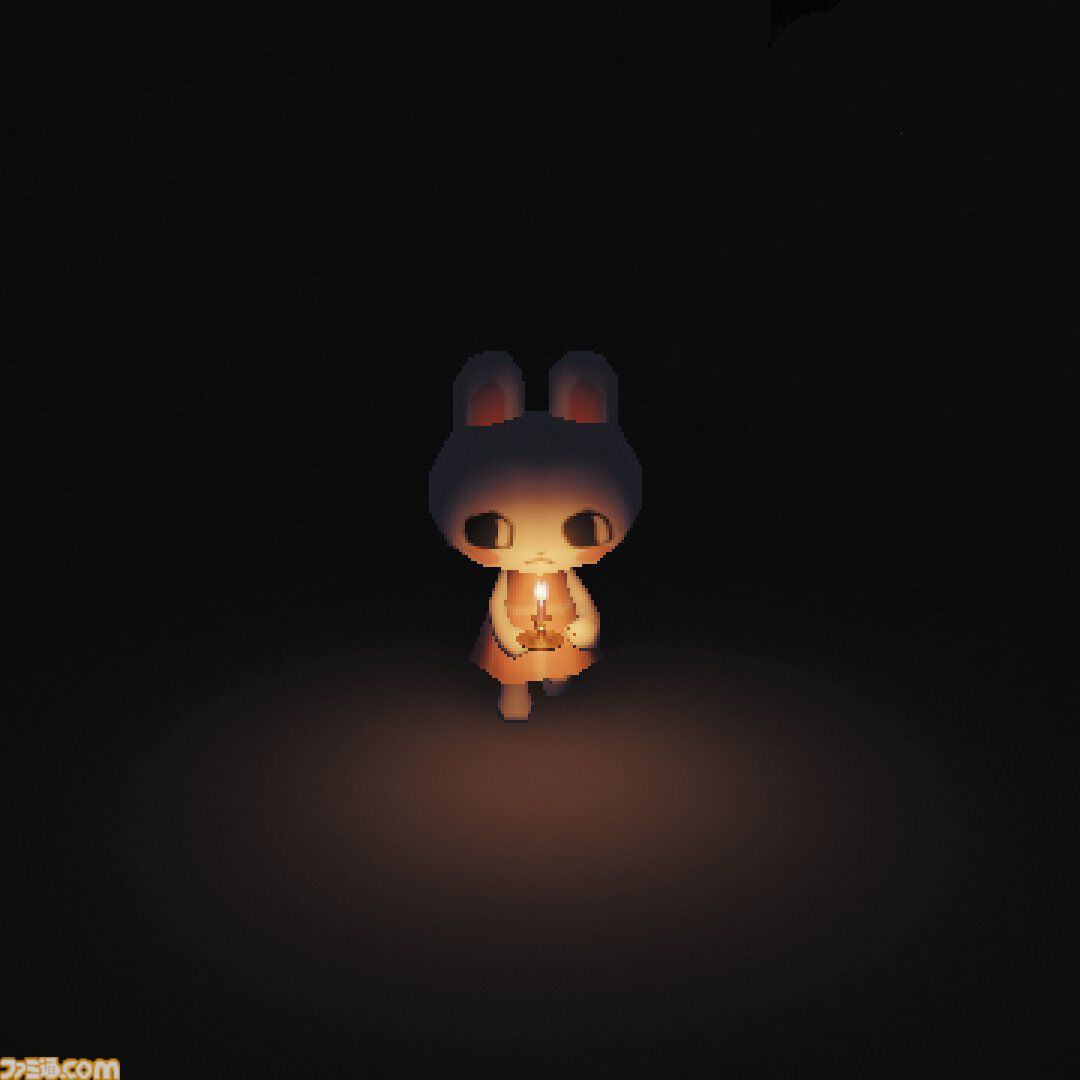
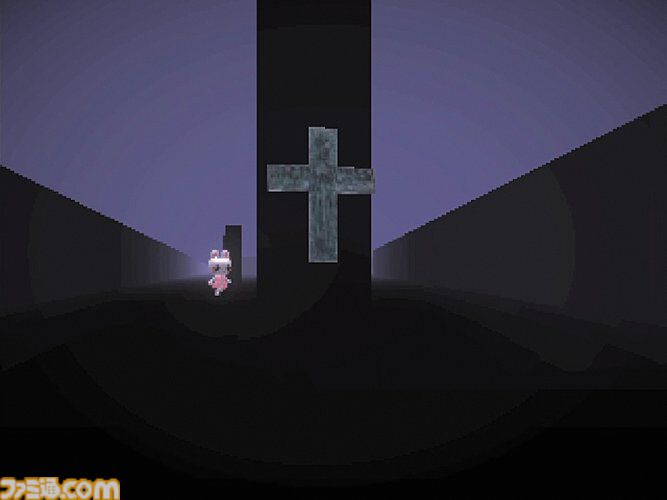
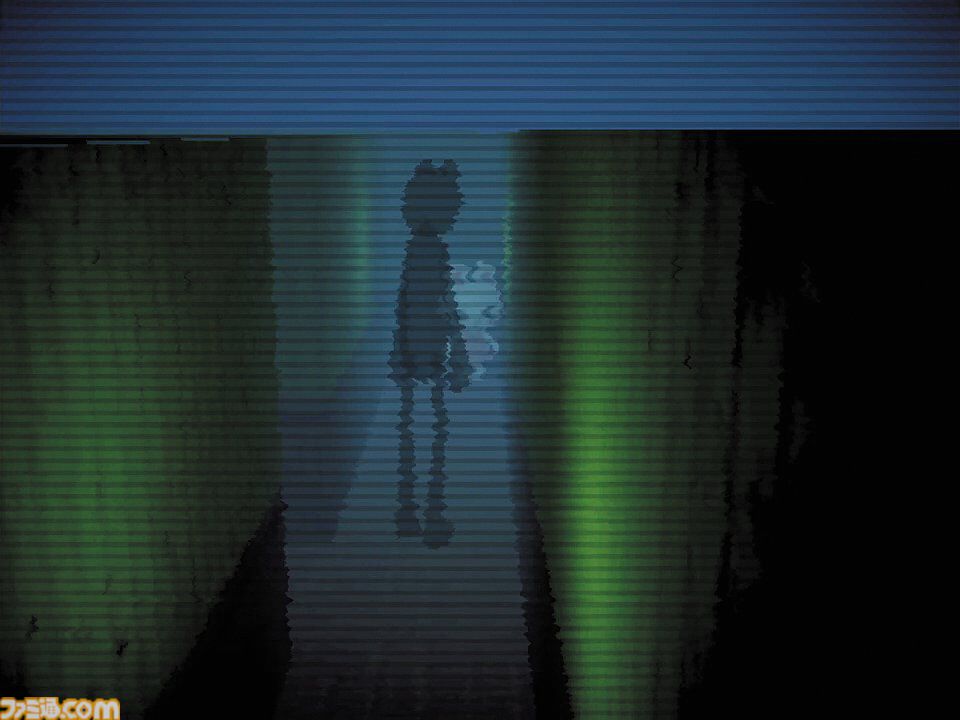
【無料】このウサギは『某ぶつの森』の住民? いいえ、ホラーゲームの主人公です。
famitsu.com/article/202605/7…
『Rental』は“鋼のメンタル”を持ったウサギ少女が不気味な家からの脱出を目指す短編ホラーアドベンチャー
現在は日本語に対応し、さらに遊びやすくなっている。【とっておきインディー】
7
567

関西生コンと辺野古基地反対運動は結びついてるからね
関西地区生コン支部京津ブロックの活動 紹介 rentai-union share.google/vMavWG7WnGnSF8n…
Apr 30

関西生コンとかヤクザの手口
まさに反社
#反日組織撲滅
15
214

Apr 19
Banners for Doro-Chiba and Doro-Rentai, plus signs in Hangul... This is NOT a gathering of normal, sensible Japanese people.
2
77

Apr 19
🚀 $RENTAI is getting pushed on the AI x memecoin angle.
CA is live, narrative is obvious - AI hype with degen fuel 🤖
Early attention names the setup fast. Moonshot crowd is circling 🌕

3
153

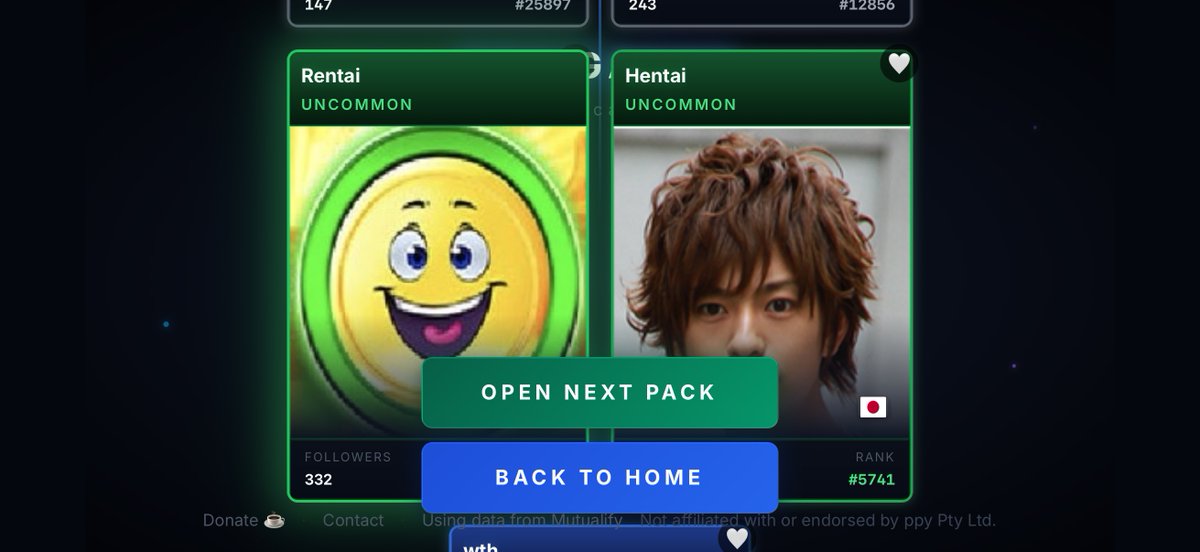
HentaiとRentai同時に引くのやばいwwwwwwwwwwwwwwwwwwwwwwwwwwwwwwwwwwwwwwwwwwwwwwwwwwwwwwwwwwwwwwwwwwwwwwwwwwwwwwwwwwwwwwwwwwwwwwwwwwwwwwwwwwwwwwwwwwwwwwwwww
1
1
2
282

Apr 11
🏁 FIN DE LA SOLVE CUP 🏁
Après des affrontements intenses, des retournements de situation et des performances mémorables… la Solve Cup touche à sa fin.
C’est maintenant à vous de décider 👇
⭐ MVP du tournoi
⚔️ Meilleur combat
👥 Équipe du peuple
🔥 Underdog
Parmis ces equipes :
-BATMAN
-Tastycrousti
-Rentai
-Ketsu
-VOID
-O.V.B
-VAMOS
-Bombardili team
-kMzLA
-Yiiha
-MECL Redemption
-AV
-El Destructor
-Team Modération
-Zwaaang
-Rentacos
Faites entendre votre voix. Qui mérite de marquer l’histoire ?
17
37
12,274

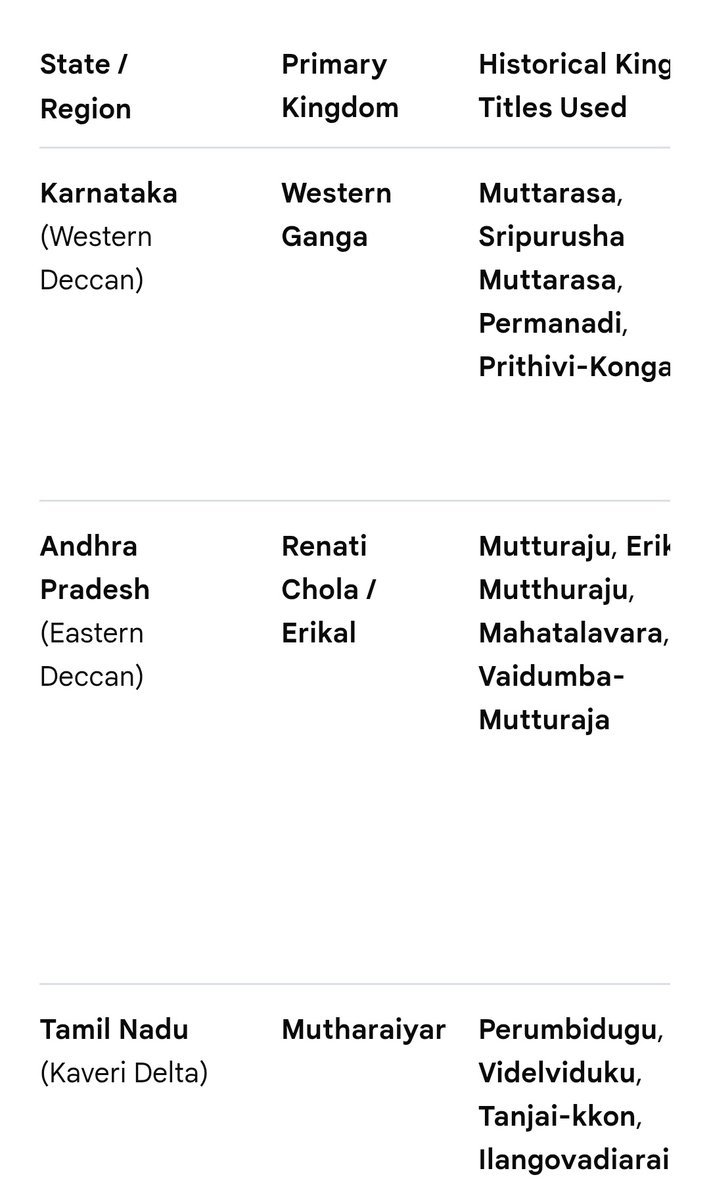
Both Gangas & Rentai cholas are vassals to Pallavas contemporarily. Both used same titles.Mutturaja and muttrasa are the same ones of the tamil community "mutharaiyars".Renati cholas are the one releasd first full fledged telugu inscriptions claimed as karikala cholan descendants
2
3
211

Apr 7
Rentai os 20% que não iam eu já passei, pq tudo deu errado esse ano até agr

2
125
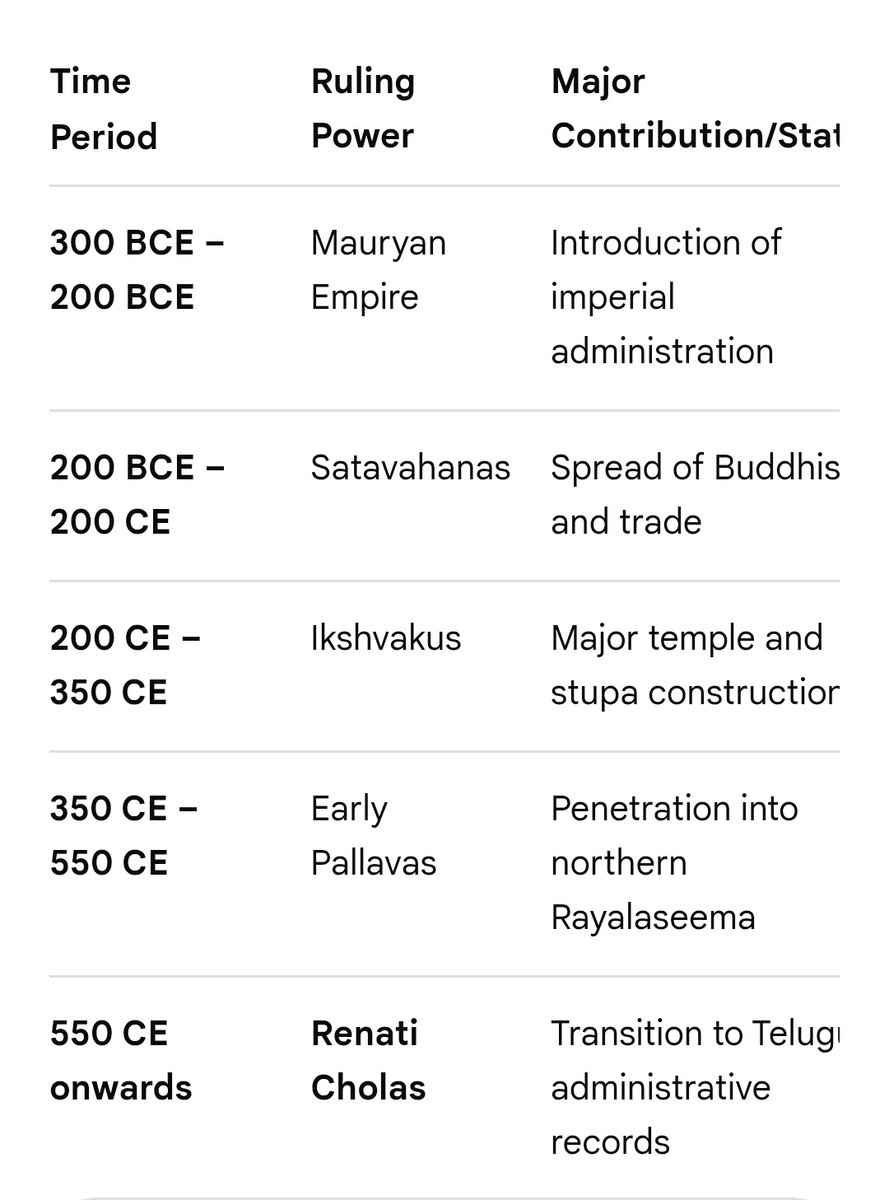
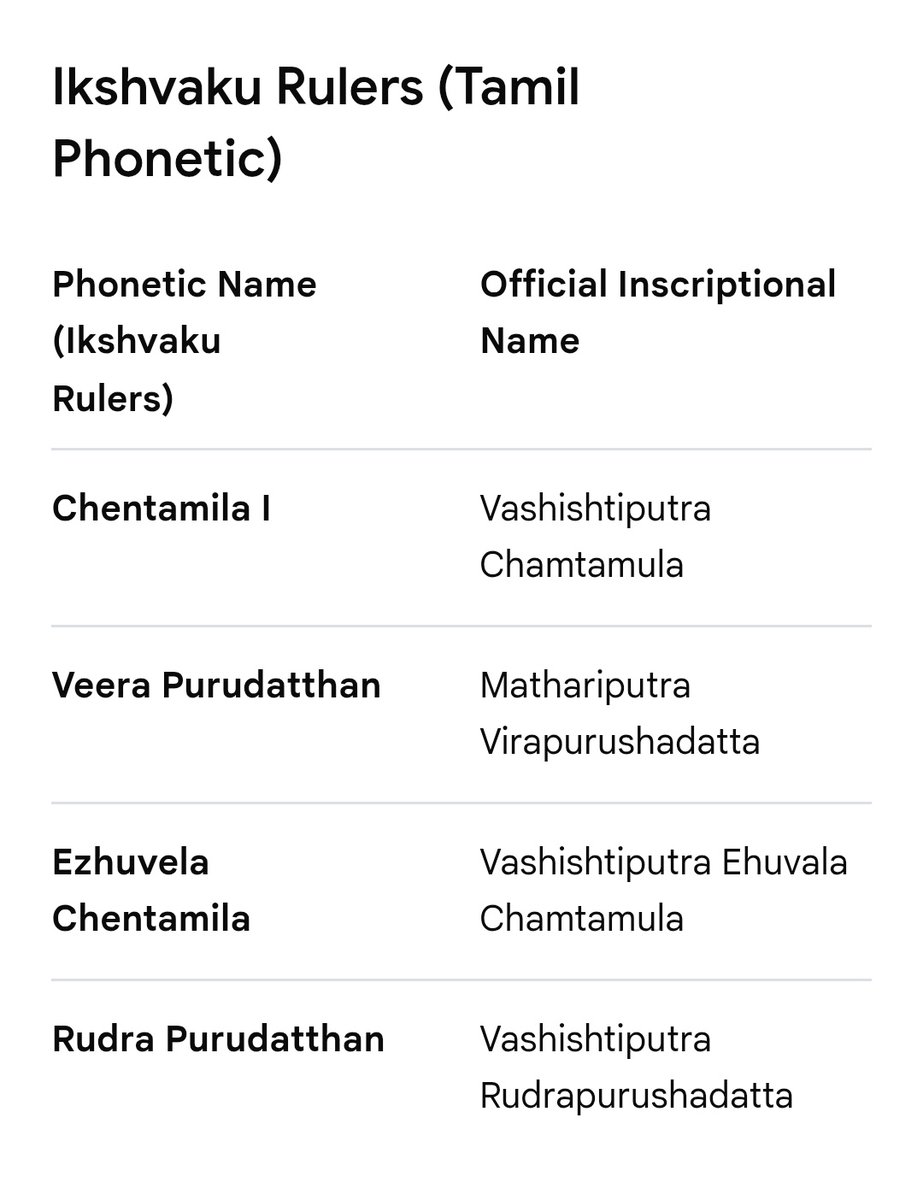
All Andhras rulers are mostly tamil origins only.Telugu not even exist
Sadhavahanas -used tamil &Prakrit
Ishkuvas -have strong tamil origins and worship murugan
Pallavas- tamils
Rentai cholas-claimed as karikala chola descendants released first telugu inscription
2
171
