
Mario 🤬Congolese haven’t forgotten your previous videos or the narratives you pushed when our people were suffering.
We don’t need your reminders, approval, or commentary about our national team.
Our pride, resilience, and support for the DR Congo don’t Need nothing from You!
Vil ꕤ | CCS retweeted

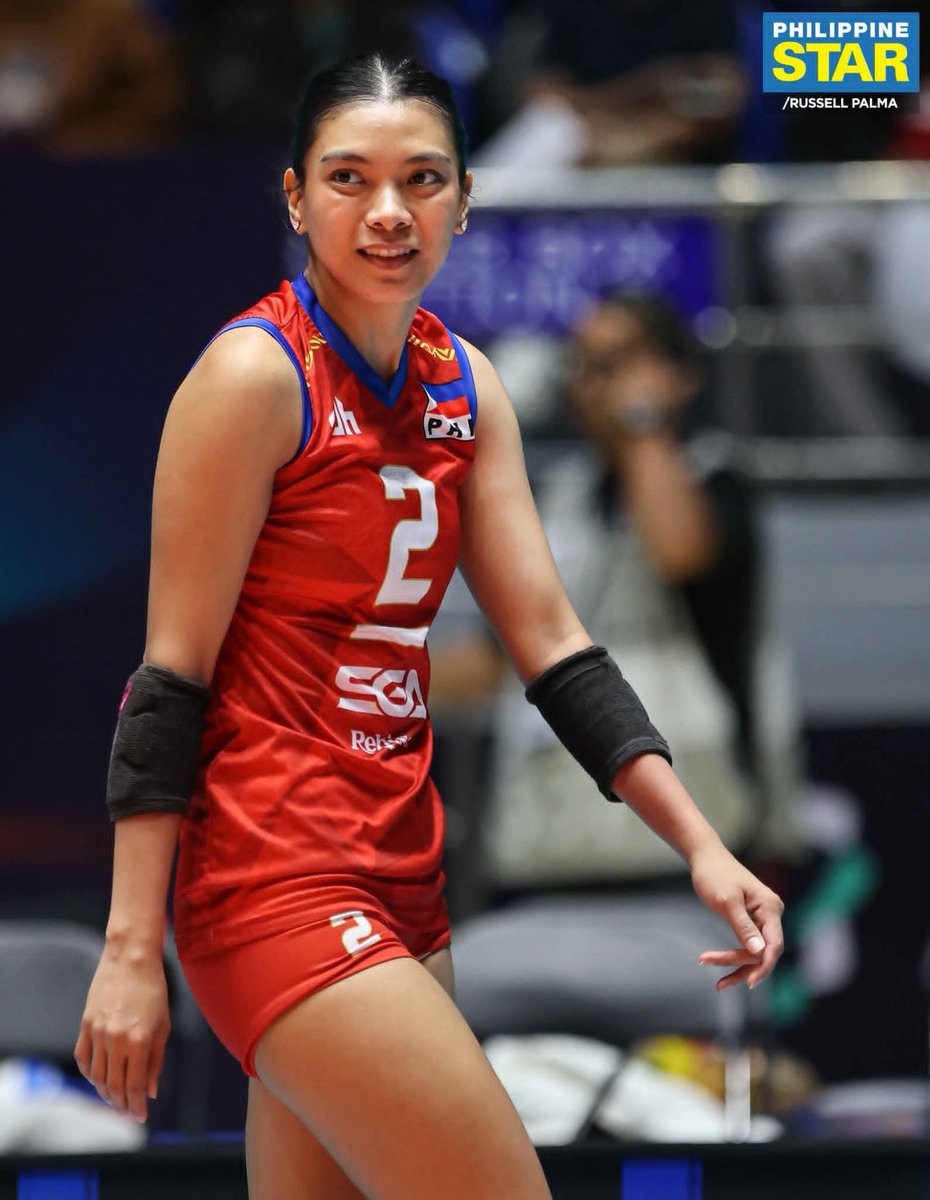
Alyssa Valdez inspires not just through her game, but through her humility, resilience, and character. A true role model on and off the court.
Salamat Kapitana sa pagtindig para sa bayan 🇵🇭.
1
9
39
257
Chart Sufi retweeted

23 Dec 2025
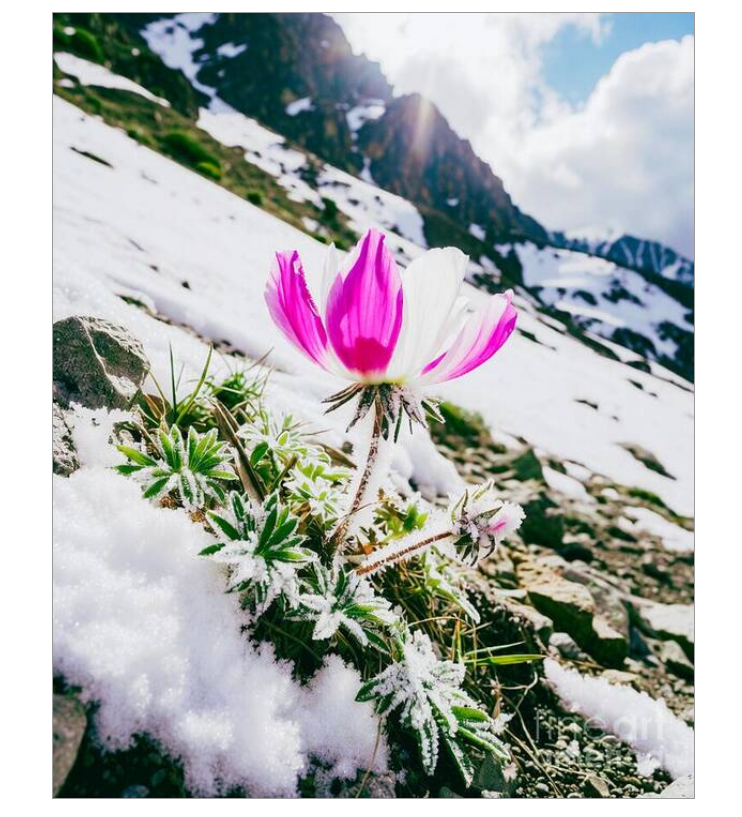
A rare alpine flower blooming through fresh snow — a moment of resilience, beauty, and quiet hope ❄️🌸
“Blooming Through the Snow” is now available as fine art wall décor. Perfect for nature lovers, collectors, and serene interiors.
is.gd/P4HfOd
#NatureArt #FloralArt #WinterBloom #AlpineFlower #FineArtPhotography #LuxuryHomeDecor #NatureLovers #BotanicalArt #WellnessDecor
4
168
229
1,947
Farhana ⁱᴾⁱᵃⁿ retweeted

The resilience of the Kashmiri people continues to inspire many. Their determination reflects their commitment to their future. They deserve to be heard.
#شہ_رگ_کا_سانس_بند_نہ_کرو
@TeamPakPower

6
2
11


Prayer gives an entrepreneur a place to put the pressure that cannot fit in a spreadsheet. Sales can fall, suppliers can delay and plans can fail, but prayer steadies the heart so fear does not become the chief executive of every decision. In difficult seasons, prayer gives.
Prayer therefore becomes part of sound leadership: seek God, study the numbers, consult capable people, decide responsibly and work diligently. Faith does not cancel effort; it gives effort direction, resilience and moral boundaries. Prayer reminds entrepreneurs that revenue.
3

President Trump is a man of Mars with Leo Ascendant who knows no fatigue in a Country founded on the fire of Freedom.
The Heavens have placed President Trump exactly where he was meant to be to carry out this collective cosmic project.
It is a cosmic mandate that Donald Trump carefully preserves.
His SENSE OF POWER is understood as the PROTECTION of something that otherwise risks being lost.
The Sun in Taurus anchors him to the earth. It allows him to never retreat.
On the contrary, he builds or destroys with the implacable force of one who knows he cannot afford surrender.
He concretely builds his power with strong resilience and his visionary capacity.
His Leo Ascendant is the sign of the King and of the light he carries with him — a naturally regal presence capable of polarizing collective attention, exactly as the Sun polarizes the light.
This ascendant gives him a theatrical ability, the capacity to attack when others defend themselves, and, why not, to turn every battle into a spectacle.
The people are strong with a President of such depth and stature.
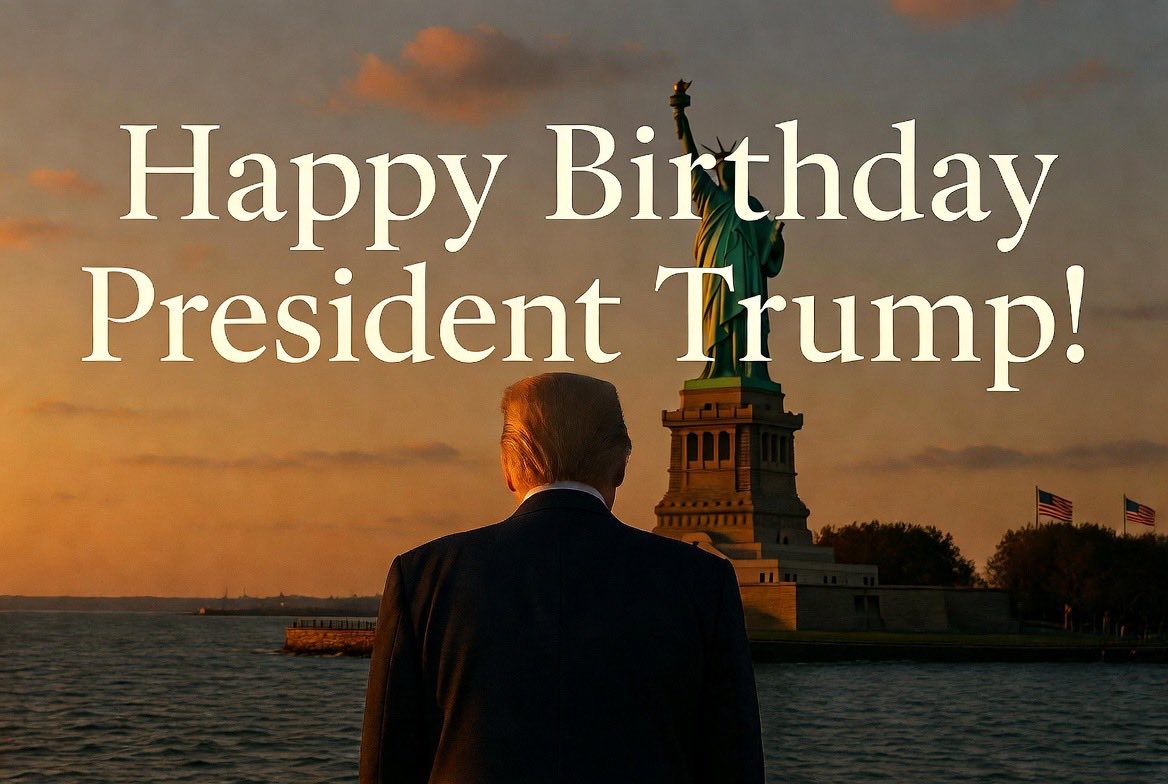
Happy Birthday President Trump! 🎉
3
Mohamed Waheed (Happy) retweeted

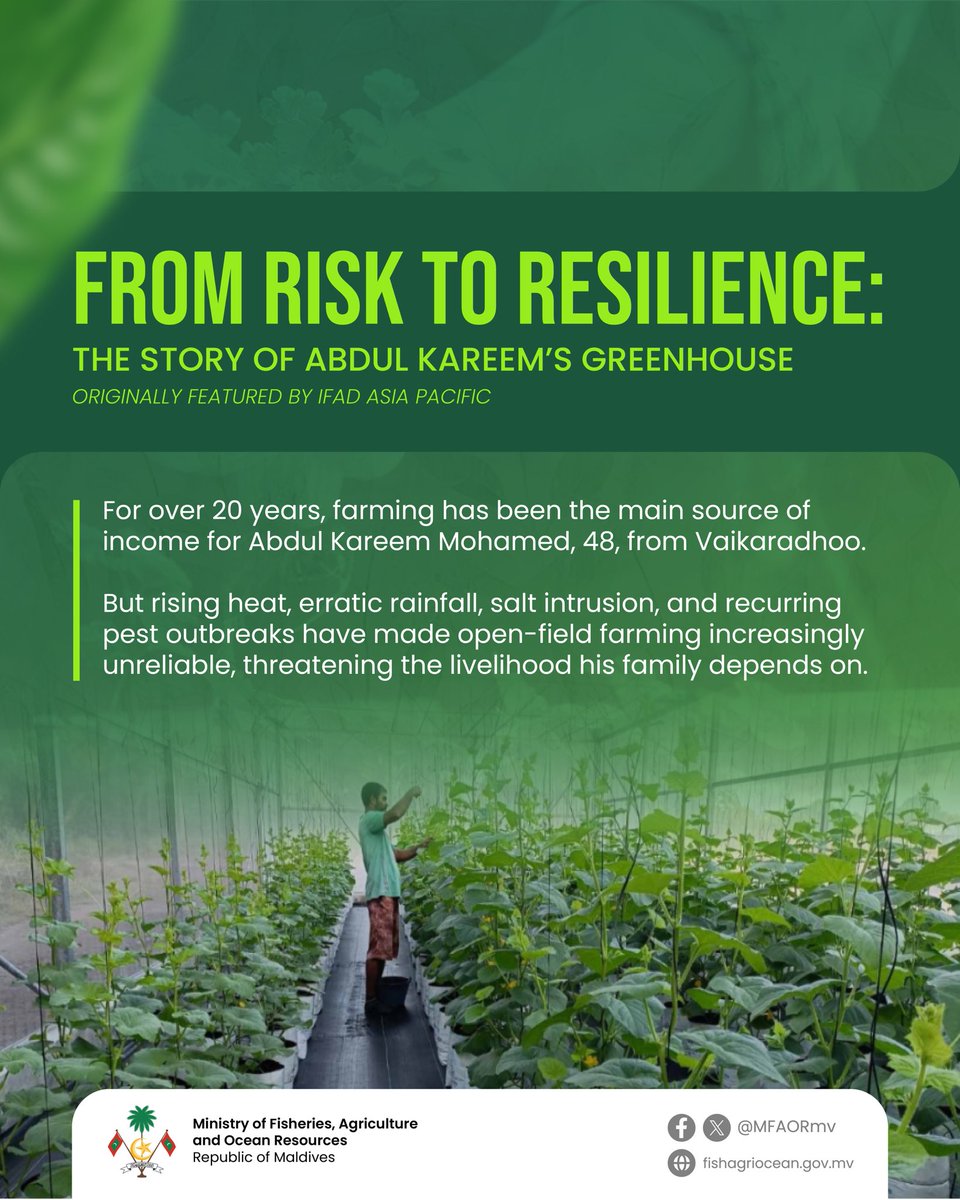
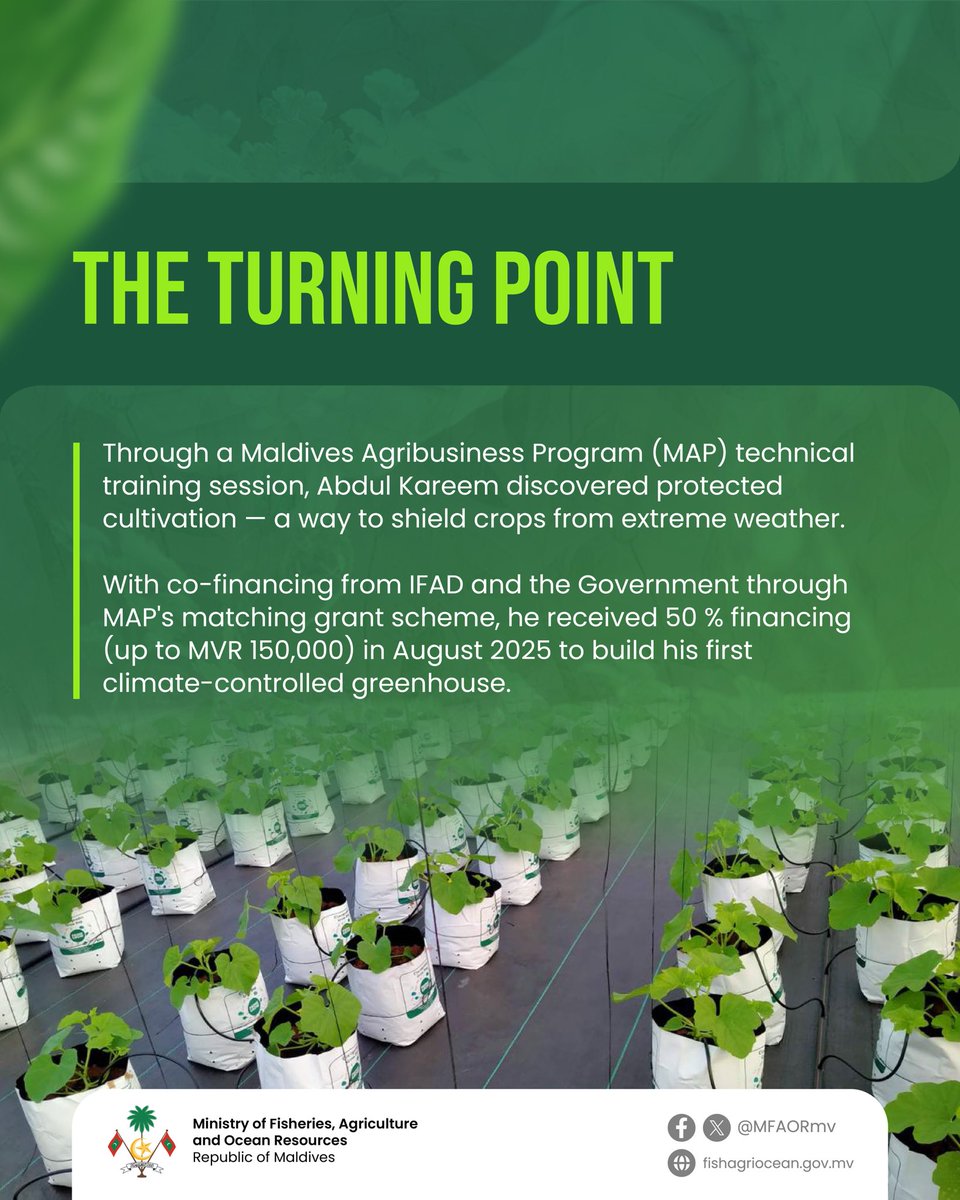
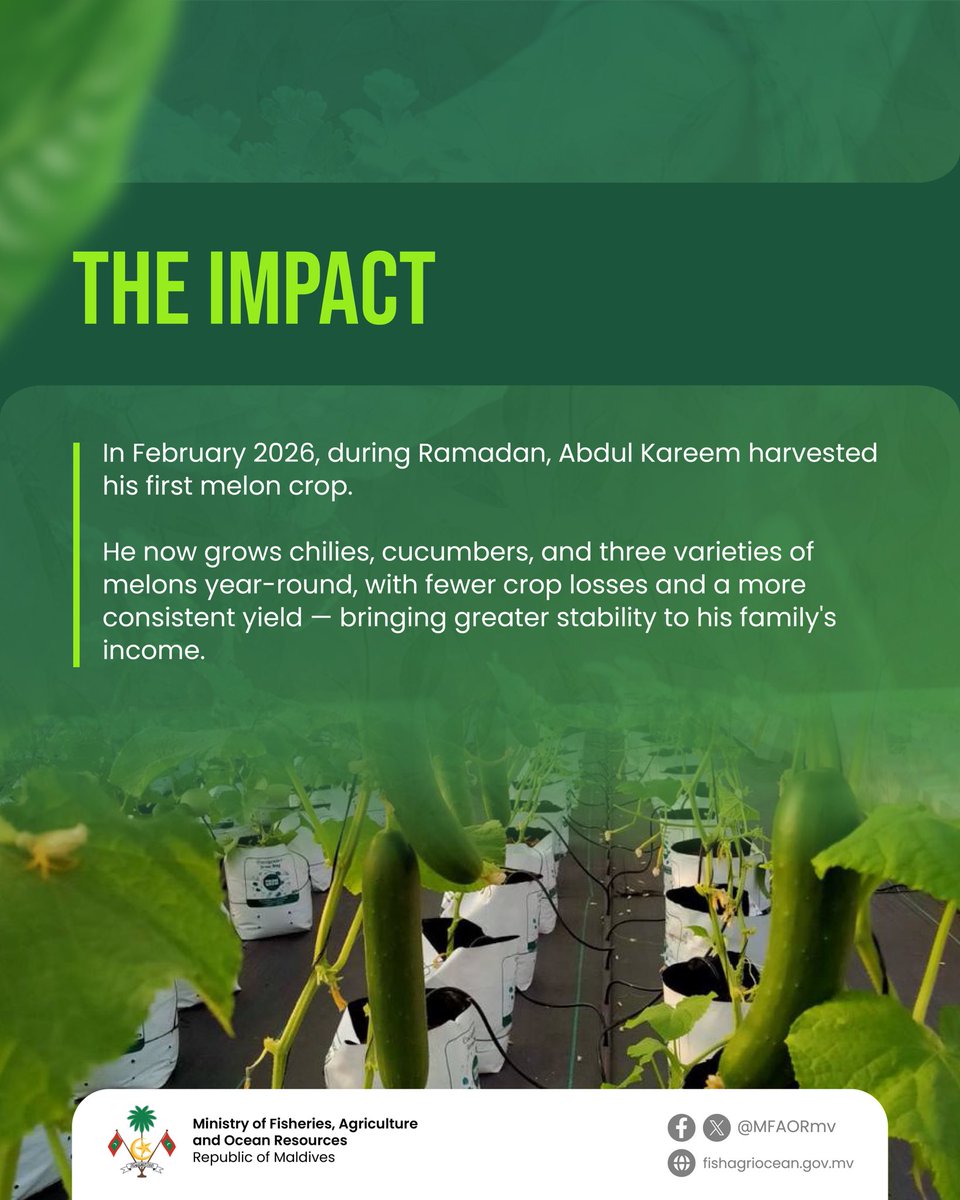
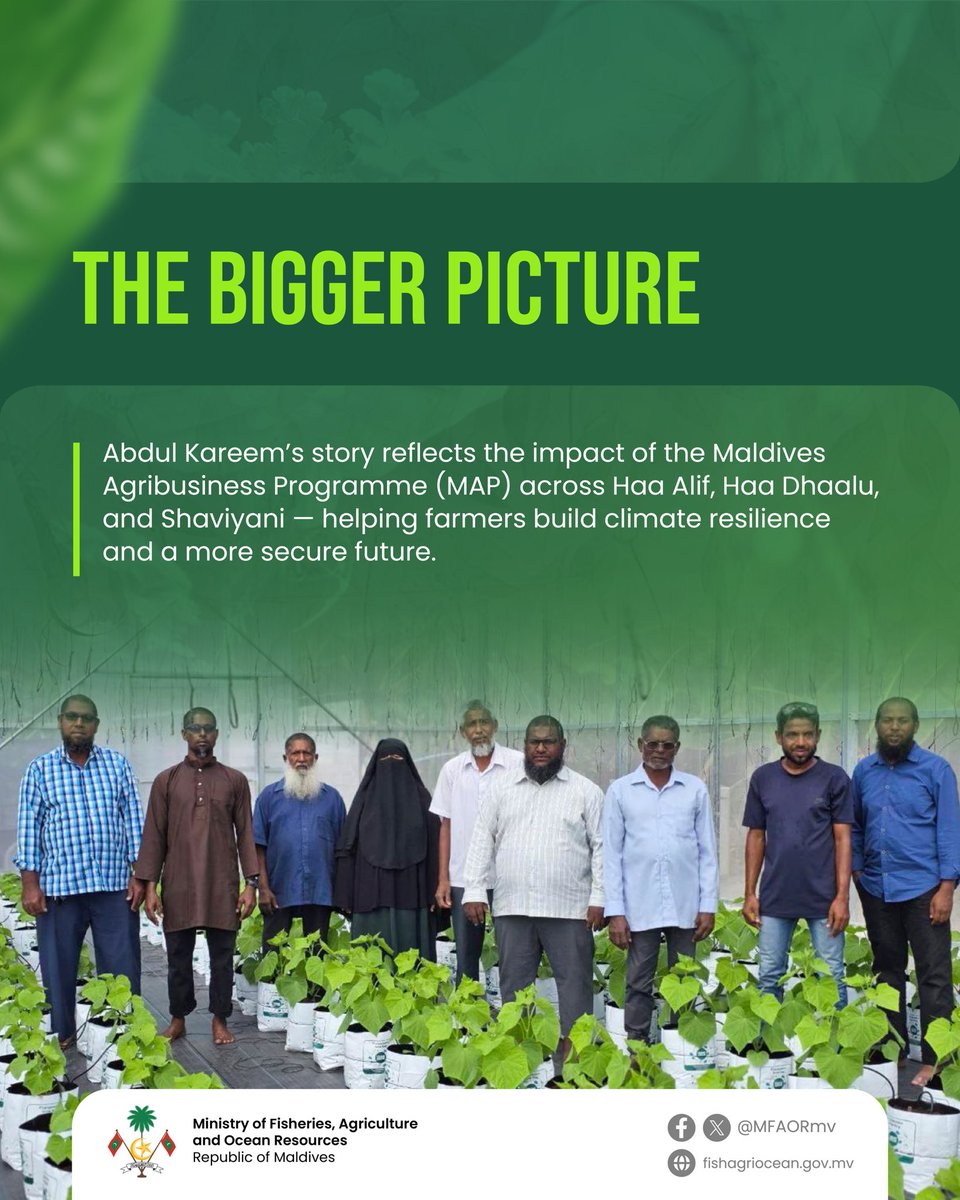
From Risk to Resilience:
The Story of Abdul Kareem's Greenhouse
@IFAD @AgriBusinessMV
22
21
135
CARE Syria Response retweeted

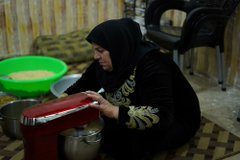
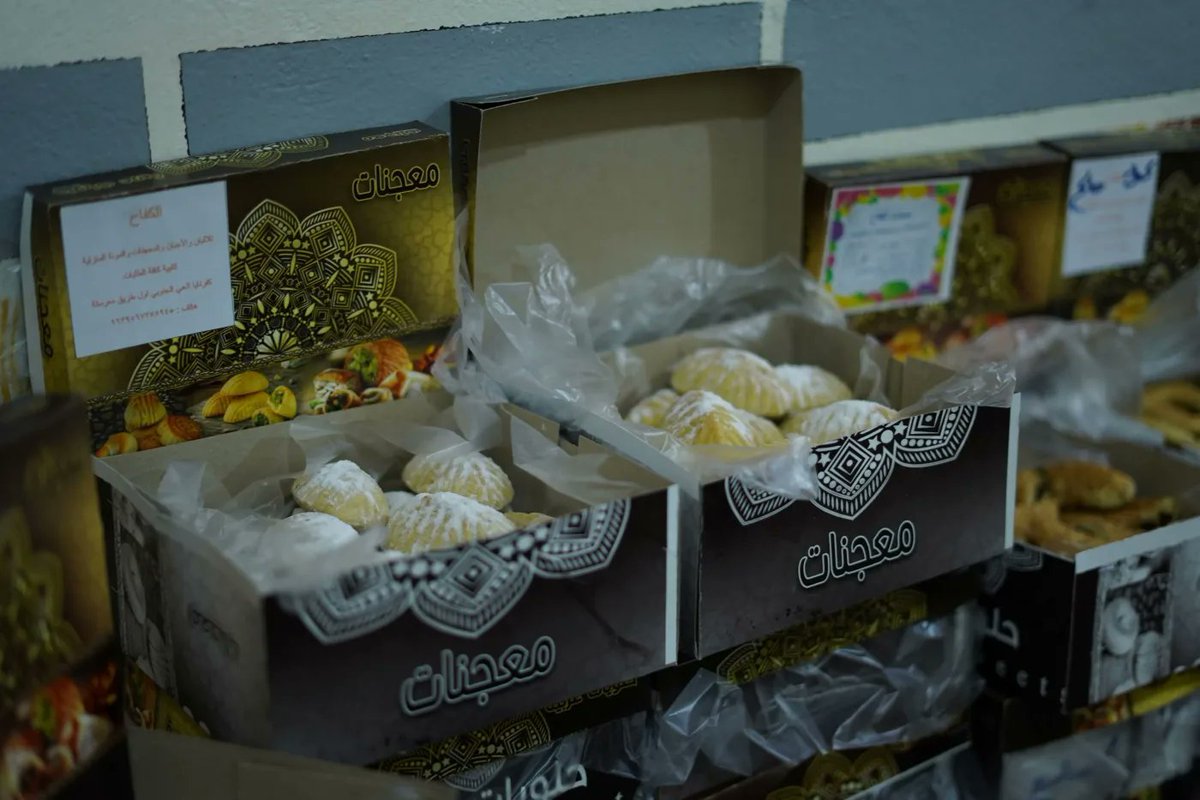
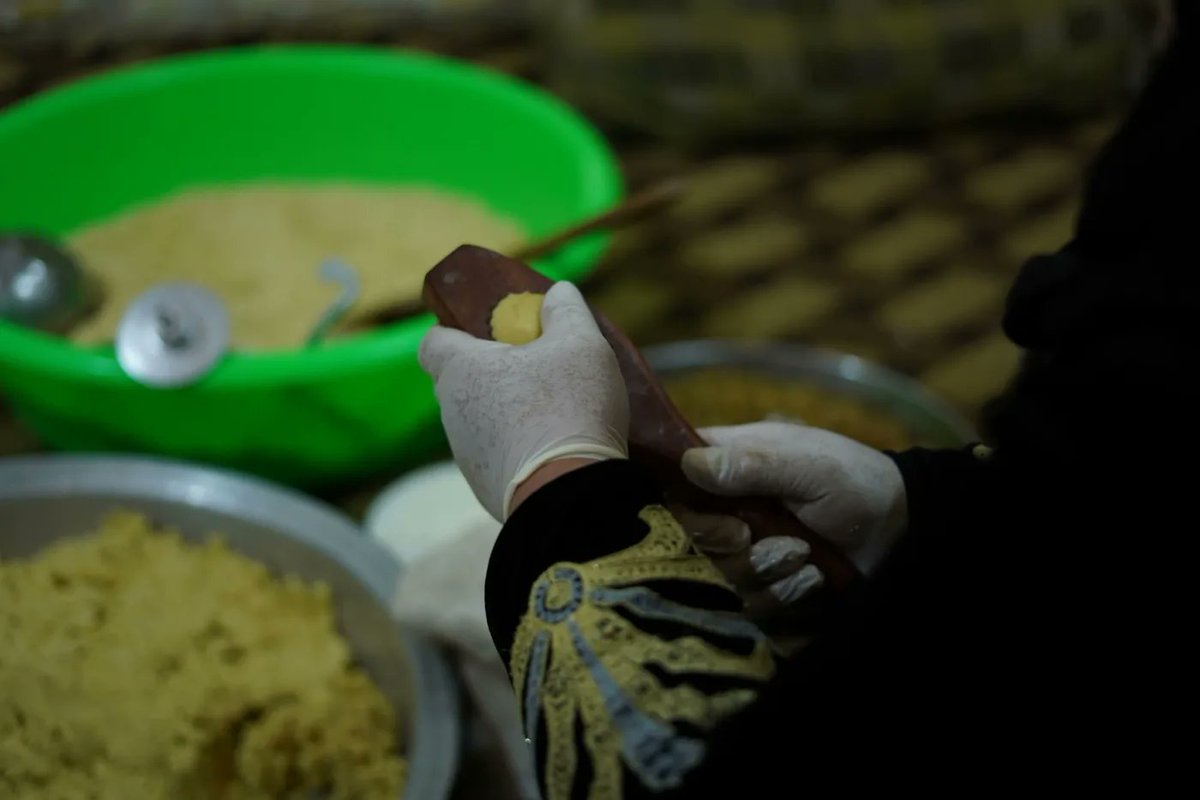
In Syria, women are rebuilding their lives with resilience and determination.
With support from the 🇪🇺,@CARESyriaResp is helping women gain skills, start small businesses, and create new opportunities for themselves and their families.
2
3
91

Economics, the broader mother of the economy, doesn’t teach us what to think, but how to think.
It is the study of human decisions in the face of scarcity.
A weak economy has forced people to learn how to survive amid limited resources.
The choices made in that struggle build strength and sharpen our ability to separate needs from wants.
On the positive side, this economy has taught us discipline, resilience, and how to become better managers of our resources.
6

Doubt fades quickly when resilience keeps delivering on the biggest stage 👏

The Sacred Torch and the Next Unicorn: A spectacular destiny connects a legendary master and his chosen successor across the grandest stages of baseball history. For years, the global community watched in awe as Shohei Ohtani displayed spectacular dominance both as a hitter and a pitcher. Today, Roki Sasaki steps onto the mound bearing the immense mantle of being the next global icon. Having successfully navigated early mechanical adjustments and a slippery official baseball, Roki Sasaki delivered a breakthrough performance that captured massive momentum. With the mental backing of Shohei Ohtani, his true journey to global perfection has officially begun. Witness this historic narrative of resilience and raw talent. We are updating videos daily! Please enjoy this video along with our latest releases!
Listen on the Podcast Playlist: youtube.com/playlist?list=PL…
Watch the Video Here: youtube.com/watch?v=mYe6SCxs…
#ShoheiOhtani #RokiSasaki #MLB #YoshinobuYamamoto #MunetakaMurakami #KazumaOkamoto #SeiyaSuzuki #Dodgers #homerun #Unicorn #baseball #Shotime #DodgersNation #SamuraiJapan #PitchingNinja #MLB2026
2

It will get better. One day, you'll look back at this time and tell stories about your resilience.
⧙ ⌭ 𝘏𝘢𝘥𝘢𝘯 𝘑, 𝘗 — 𝘈𝘳𝘤𝘩𝘪𝘷𝘦 𝘏𝘶𝘣 📸 ⧙ retweeted

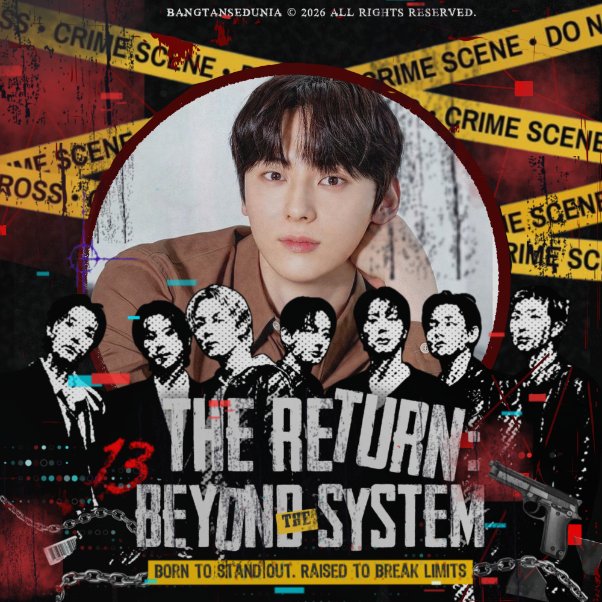
13th year of brilliance, defined by unwavering resilience and the beauty of shared dreams. May the path ahead be even more luminous than the trail you’ve already blazed. Happy 13th Anniversary, BTS!
#BTS #방탄소년단
#2026BTSFESTA
#BTS13thAnniversary

3
3
55

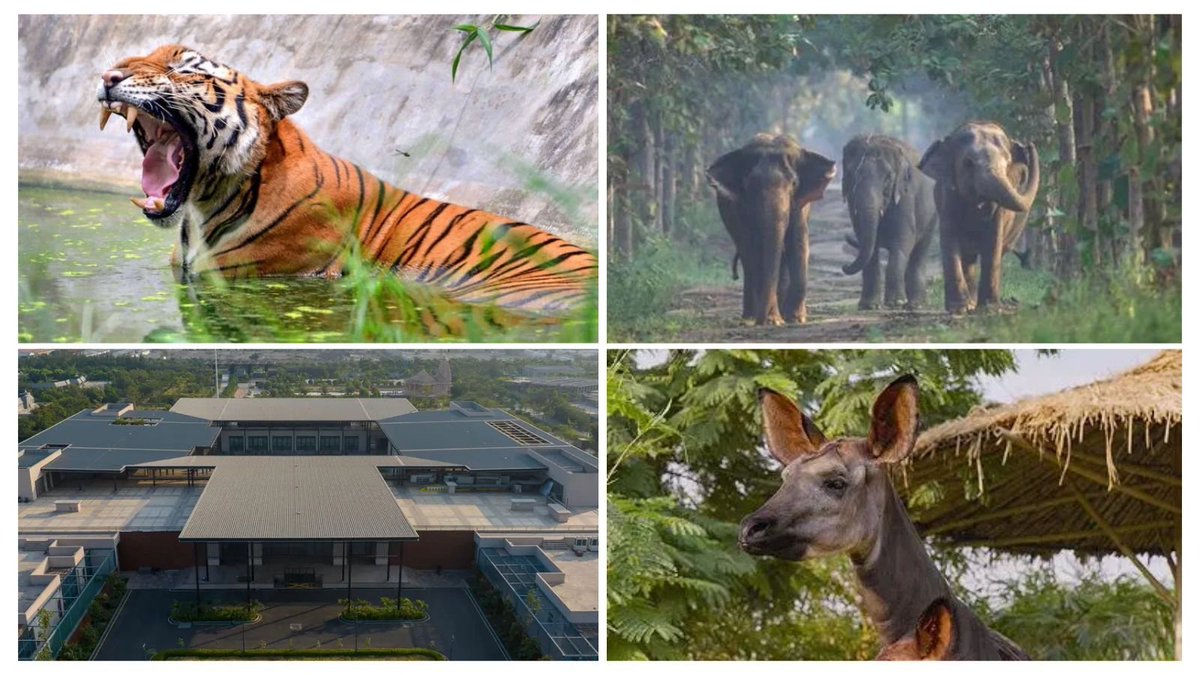
Stories of recovery and resilience are always worth sharing. It's great to see animals receiving proper support at Vantara.
2

Baidoa After the Political Upheaval: A Personal Reflection
By a Concerned Resident of Southwest State
Over the past several days, I have spent time traveling throughout Baidoa, speaking with local residents and observing conditions on the ground following what many people in Southwest State describe as the political overthrow of their elected leadership.
What I witnessed was deeply troubling.
The overwhelming sentiment I encountered was not one of hope or optimism, but of fear, frustration, and disappointment. Many people told me they feel abandoned by the very institutions that were supposed to protect them. They spoke of insecurity, uncertainty, and a growing sense that their voices no longer matter.
As I moved through different parts of the city, residents consistently described a deterioration in security. Reports of theft, armed robberies in broad daylight, and the spread of illegal checkpoints were common topics of conversation. Several people told me they believe law and order have weakened significantly compared to previous years.
Perhaps most disturbing were allegations from some residents regarding abuses committed against local women and girls by security personnel brought from outside the region. These claims are serious and deserve impartial investigation and accountability wherever evidence exists.
I repeatedly asked people why there had not been larger public demonstrations or organized resistance against the current situation. The answers I received were often accompanied by sadness and hesitation. Many expressed fear of speaking openly. Some believed that criticizing the authorities could bring consequences upon themselves or their families. Whether these fears are justified or not, the perception itself speaks volumes about the current atmosphere.
Economic conditions also appeared to have worsened. Business owners and ordinary residents described declining commercial activity, with some shops closing and families relocating out of the city. Others said they simply no longer wished to remain and witness what they viewed as the humiliation of their region.
One of the most striking changes I observed was the self-imposed curfew adopted by many residents. Numerous people told me they avoid leaving their homes after 7 p.m. because they no longer feel safe at night. Streets that were once active and full of life now become quiet much earlier than before.
At the same time, warnings of possible attacks and nightly security alerts have become part of everyday life. The constant anticipation of violence has created an atmosphere of tension that hangs over the city.
As I walked through Baidoa, I saw a city that physically looked familiar but emotionally felt different. The buildings remain, the streets remain, and the people remain, yet many residents described feeling as though the soul of the city has been diminished.
A recurring theme in my conversations was nostalgia for the recent past. Many residents spoke fondly of the previous administration and expressed a desire for its return. Whether one agrees with that political position or not, it is undeniable that many people remember a period when they felt safer, more secure, and more optimistic about the future. They recalled a city where families could move freely late into the evening and where daily life felt more normal.
Baidoa has long been a city known for its resilience. Its people have endured conflict, hardship, and political uncertainty before. Yet today, many residents feel they are carrying a heavy burden and waiting for better days.
As someone who loves this city, it is painful to witness the suffering and anxiety that so many people describe. My hope is that peace, stability, justice, and genuine self-governance will one day return, allowing Baidoa to regain the vibrancy and freedom that its people remember and deserve.
Above all, I pray that my beautiful city, one that I love and cherish, will once again find its liberty and its peace.
5

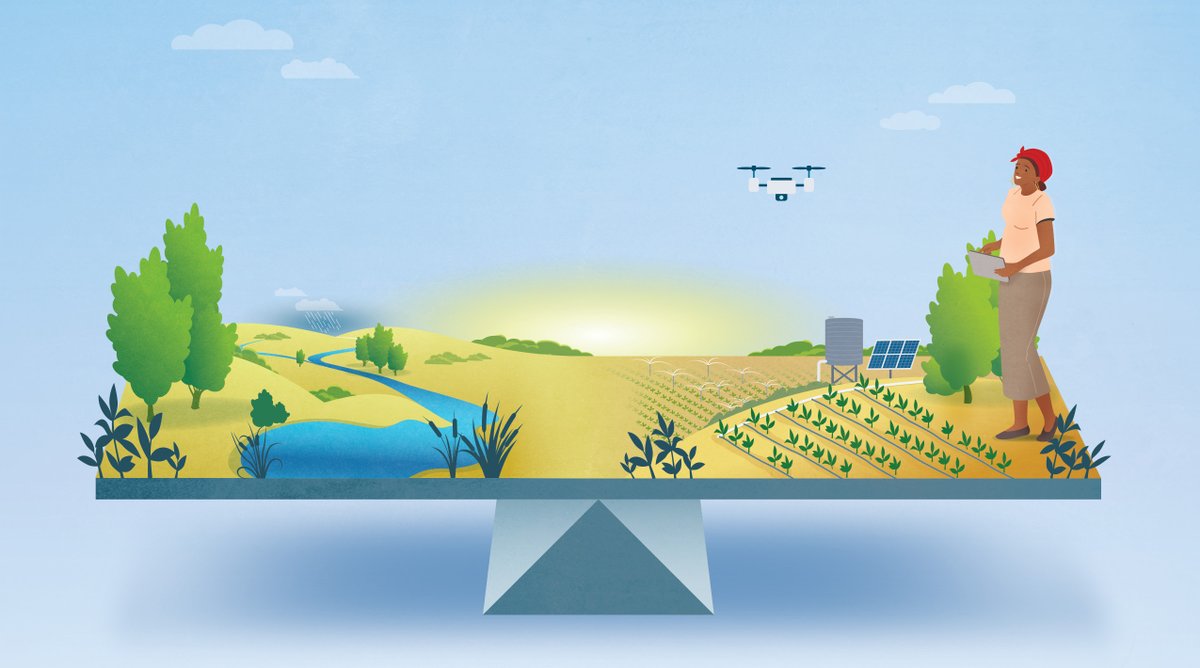
Farmer‑led irrigation is transforming smallholder agriculture in Sub‑Saharan Africa.
With farmers in the driver’s seat, shallow groundwater and low‑cost pumps are boosting incomes, food security & climate resilience.
Find out more in this report: wrld.bg/fVYG50YWmFH
1
5
𝓟𝓻𝓲𝓷𝓬𝓮𝓼𝓼 𝓱𝓪𝓷𝓲 ♥¸.•*❤´°◦¸¸.◦°˚° retweeted
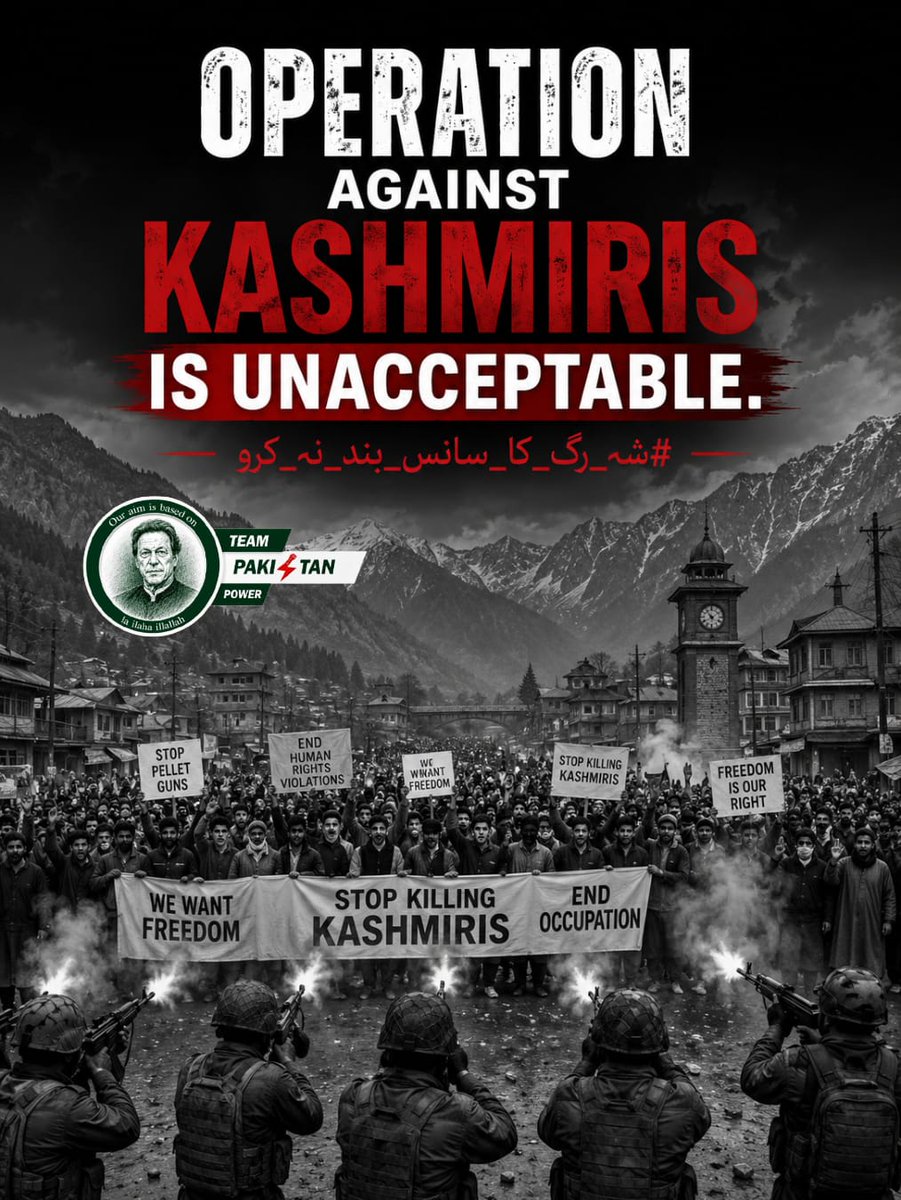
The resilience of Kashmir's people reflects extraordinary character. Their commitment to their community is admirable.
#شہ_رگ_کا_سانس_بند_نہ_کرو
@TeamPakPower
3
16
7
44

Extreme heat is now one of Europe’s most urgent public health threats.
@WHO’s new Heat–Health Action Plans Guidance calls on governments to redesign cities, workplaces and health systems — not just respond after heatwaves hit.
Cooler cities, stronger warning systems, worker protections, health-system resilience and targeted outreach to vulnerable groups are now central to climate adaptation and health equity. 🌍
📰➡️healthpolicy-watch.news/extr…
✍️@f_argonaut
@WHO_Europe @hans_kluge @umweltministerium @schneidercar @SenWGP @CzyIna @EU_Commission @WBHoekstra
4