
May 13
Module 8 - Live ACTively: sustaining psychological flexibility over time
The video introduces the final module of the ReACT psychoeducational program, which focuses on consolidating the skills developed throughout the program and building a personalized, long-term strategy for psychological flexibility.
This module guides participants in creating their own ReACT Plan: identifying early signs of stress and inflexibility, clarifying anchor values, selecting go-to practices, and planning how to get back on track when life gets difficult. Psychological flexibility is not a destination - it is a practice to return to, especially on the hard days.
The ReACT platform — Researchers' ACT: Training for Psychological Flexibility and Work-Related Stress Management — is a free, multilingual psychoeducational web-based program co-funded by the European Union (Erasmus KA220-HED, Grant No. 2024-1-RO01-KA220-HED-000250043).
The platform will enter its pilot phase in July 2026, with a selected cohort of researchers from partner institutions across five countries. Following the evaluation and refinement of the program, the platform will be made available to the general public in December 2026.
#ReACTproject #Erasmusplusproject #EuropeanUnion #psychologicalflexibility #researcherwellbeing #researchermentalhealth #stressmanagement
2
7
Apr 2
🌍 Today is World Autism Awareness Day, and this year's theme - Autism and Humanity: Every Life Has Value - resonates with the work we do at #ReACTproject.
💙So let's ask a question that matters for research and higher education: why don't we see more autistic people in academia?
📌Autistic researchers bring strengths to the table, such as deep focus, attention to detail, intellectual honesty, creativity, and an extraordinary capacity to immerse themselves in a field of knowledge. And yet, many quietly contemplate leaving the profession.
📌A study by Sandra Thom-Jones (2023) brought together 37 autistic academics from around the world to reflect on their experiences. Their advice for autistic people considering a career in academia? Know the role. Find the right people. Know and value yourself. Maintain balance. And proceed with caution and passion.
📌As Thom-Jones also writes for Cambridge University Press blog, the barriers autistic researchers face are: hidden curricula, opaque social rules, limited accommodations, and the exhausting weight of masking.
💙At #ResearchersACT, we believe that inclusive research environments are stronger. Teams that embrace neurodiversity benefit from a larger range of cognitive strengths.
💙On this World Autism Awareness Day, we commit to continuing our work toward research workplaces where every researcher - autistic or not - can contribute.
💙 Share this post to help spread the word.
#WorldAutismAwarenessDay #AutismAndHumanity #AutisticResearchers #Neurodiversity #ResearchersACT #InclusiveAcademia #EveryLifeHasValue #ErasmusPlus
------------
References:
Thom-Jones, S. (2023). Advice for autistic people considering a career in academia. Autism, 27(7), 2187–2192. doi.org/10.1177/136236132311…
Thom-Jones, S. (2025, March 13). Why don't we see more autistic people in academia? Fifteen Eighty Four. cambridgeblog.org/2025/03/wh…
United Nations. (2026). World Autism Awareness Day. un.org/en/observances/autism…

3
15

Feb 24
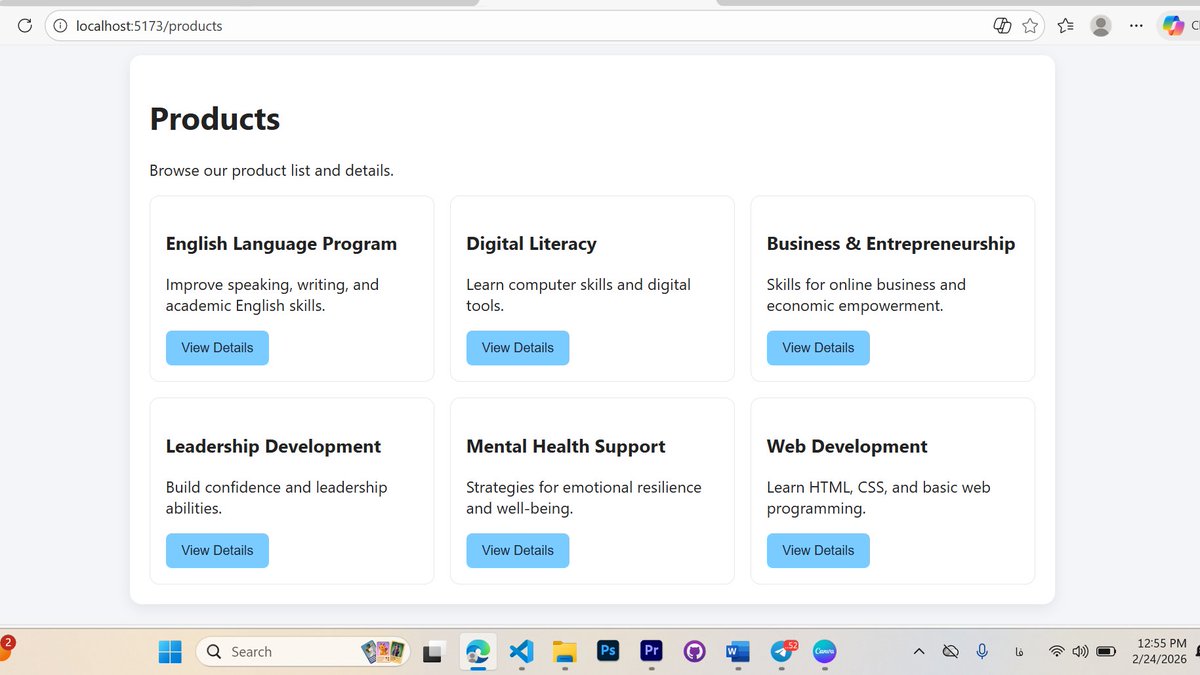
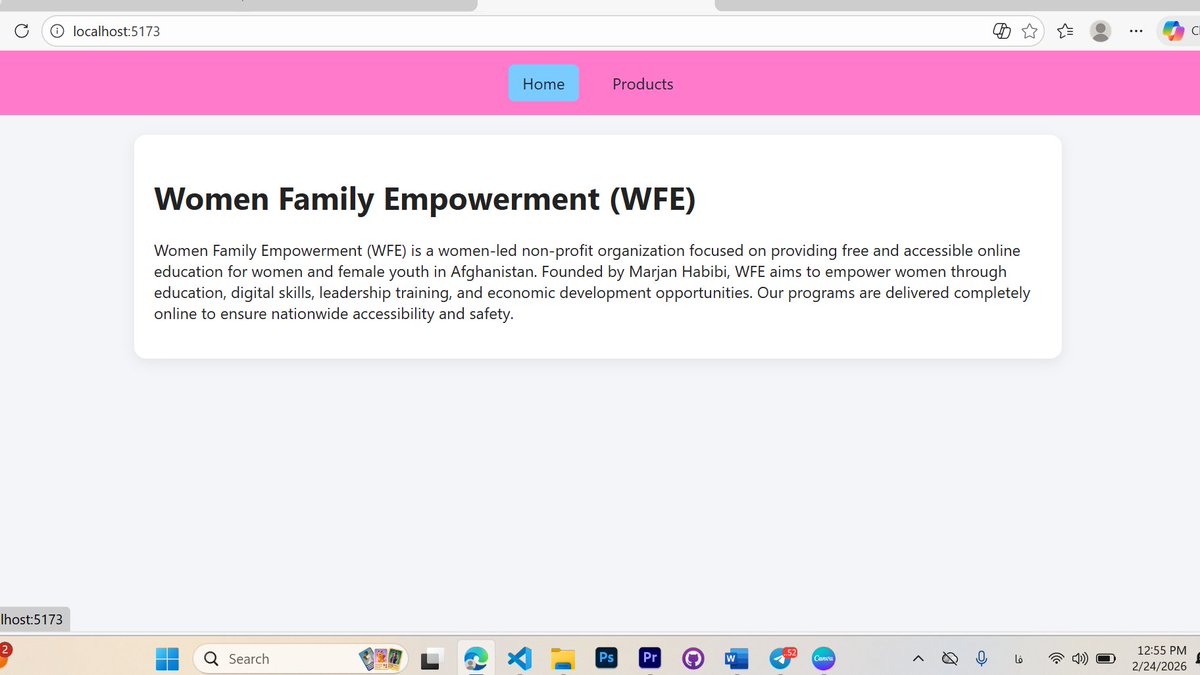
Homework 4 completed successfully 🎓
Project task finished and ready for submission. Learning and improving step by step 🚀
#HomeworkCompleted #ReactProject #Learning #WebDevelopment
@E_Ehrari
@f_forough
@CodeToInspire
1
12
112

10 Oct 2025
amoebakorea IG update with CHEN
[Re:Act Project]
✅️Re:Act Project🪄 Train Ver.
🎧 Dynamicduo, CHEN - 혼자 (YOU)
#아메바컬쳐 #AmoebaCulture #ReActProject #다이나믹듀오 #Dynamicduo #첸 #CHEN #혼자 #YOU
1
41
103
3,684

10 Oct 2025
[Re:Act Project]
✅ Re:Act Project🪄 Train Ver.
🎧 Dynamicduo, CHEN - 혼자
_
#아메바컬쳐 #AmoebaCulture #ReActProject
#다이나믹듀오 #Dynamicduo #첸 #CHEN #혼자 #YOU
72
112
5,342
26 Sep 2025
[Re:Act Project]
✅ Re:Act Project🪄 ANIME Ver.
🎧 Dynamicduo - Solo (Feat. Alex)
_
#아메바컬쳐 #AmoebaCulture #ReActProject
#다이나믹듀오 #Dynamicduo #Solo #Alex
1
2
292

19 Sep 2025
[Re:Act Project]
✅ Re:Act Project🪄 Paint Ver.
🎧 Huh - MBT
_
#아메바컬쳐 #AmoebaCulture #ReActProject
#허성현 #Huh #MBT
8
23
893
5 Sep 2025
[Re:Act Project]
✅ Re:Act Project🪄 Color Chip Ver.
🎧 Huh - one dead one alive
_
#아메바컬쳐 #AmoebaCulture #ReActProject
#허성현 #Huh #onedeadonealive
3
9
491
27 Aug 2025
[Re:Act Project]
✅ Re:Act Project🪄 Color Chip Ver.
🎧 Padi - DO (Feat. 이하이)
_
#아메바컬쳐 #AmoebaCulture #ReActProject
#페디 #Padi #이하이 #LeeHi #DO
3
4
547
22 Aug 2025
[Re:Act Project]
✅ Re:Act Project🪄 Clay Ver.
🎧 Dynamicduo - 19
_
#아메바컬쳐 #AmoebaCulture #ReActProject
#다이나믹듀오 #Dynamicduo #Nineteen
1
3
401
20 Aug 2025
[Re:Act Project]
✅ Re:Act Project🪄 Driver Ver.
🎧 Dynamicduo - 불면증 (Feat. Bobby Kim)
_
#아메바컬쳐 #AmoebaCulture #ReActProject
#다이나믹듀오 #Dynamicduo #불면증 #Insomnia #바비킴 #BobbyKim
2
11
500
15 Aug 2025
[Re:Act Project]
✅ Re:Act Project🪄 Figure Ver.
🎧 Dynamicduo - 해뜰때까지만 (girl)
_
#아메바컬쳐 #AmoebaCulture #ReActProject
#다이나믹듀오 #Dynamicduo #해뜰때까지만 #girl
2
4
384
6 Aug 2025
[Re:Act Project]
⠀
✅ Re:Act Project🪄Lyric Ver.
🎧 Dynamicduo - 거기서거기 (Without You)
_
#아메바컬쳐 #AmoebaCulture #ReActProject
#다이나믹듀오 #Dynamicduo #거기서거기 #WithoutYou
6
8
588

31 Jul 2025
Day 15 #WebDev
Completed my Dice Game project in React today! It's rewarding to see all the pieces work together in a functional app.
Love finishing these projects!
But I didn't win my own game 😂
#ReactJS #100DaysOfCode #ReactProject #DiceGame
3
63
27 Jul 2025
Day 11 #WebDev
Time to build! 🛠️
Started my first React project: a To-Do List app! Using hooks in a real app is making things click.
Loving turning theory into practice.
#ReactJS #100DaysOfCode #Frontend #ReactProject #ToDoApp
2
23

13 Jul 2025
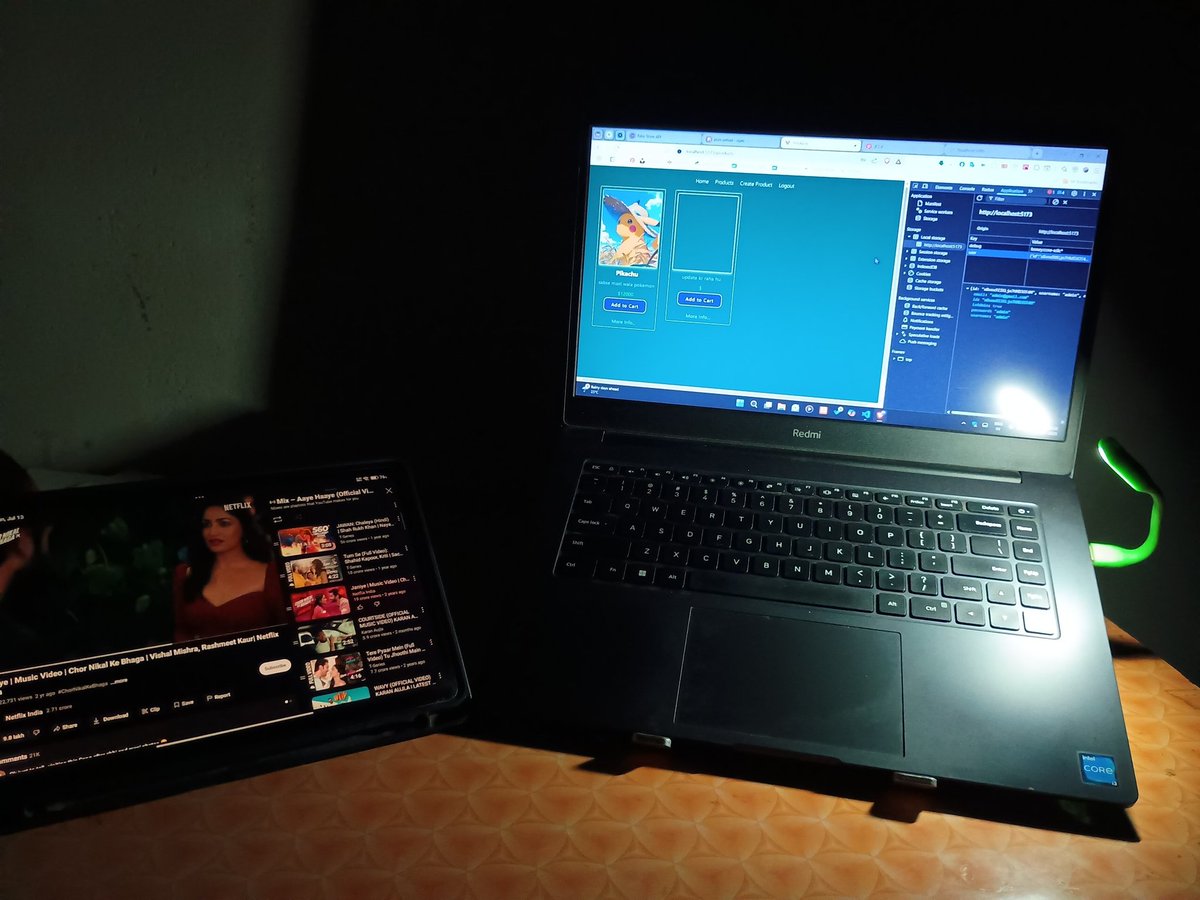
Cohort project @harshbhaiyaa @masterdhanesh_ @sheryians_
#code #frontend #react #reactproject @fullstack #mern #it #developer #coding #developmemt
1
4
96

6 Jul 2025
Started working on a Swiggy clone today!
Using React Tailwind CSS to rebuild the UI step by step.
More to come soon 📷
#ReactJS #TailwindCSS #reactproject #SwiggyClone #Frontend @Swiggy @rohit_negi9
3
117

5 Jul 2025
I built an Escrow Transaction Interface to simulate real-world escrow payments between buyers and sellers. #ReactJS #TailwindCSS #EscrowApp #FrontendDevelopment #UIUX #WebDev #ReactProject #Vercel #opentowork 🔗 Live Preview: escrow-app-wine.vercel.app
1
1
5
127
5 Jul 2025
I built an Escrow Transaction Interface to simulate real-world escrow payments between buyers and sellers.
#ReactJS #TailwindCSS #EscrowApp #FrontendDevelopment #UIUX #WebDev #ReactProject #Vercel #opentowork
🔗 Live Preview:
escrow-app-wine.vercel.app
1
1
4
147