DeepAncientThought retweeted

⚠️ PART VII -Continues-Hidden Terms, Forgotten Mineral Sciences, Obscure Correspondences, & Rare Mineral Realms from Griffin's System of Crystallography - (again) Ft. Griffin's contents, obscure index entries, forgotten mineral names, old crystallographic language, & the scientific world of 1841(1800s) "symmetry, geometry
CCCXXVI. Aeschynitics
Derived from Aeschynite, one of the stranger mineral species known to nineteenth-century mineralogists. Containing rare metallic constituents, it stood as evidence that the Earth concealed entire chemical provinces beyond the common metals. To Griffin's contemporaries, minerals of this type suggested that nature possessed a treasury of substances still awaiting discovery and classification. Aeschynite represented a frontier mineral, pointing toward hidden elemental kingdoms.
CCCXXVII. Allanitic Reservoir Theory
Allanite fascinated collectors because it frequently concentrated uncommon earths and metallic constituents into a single mineral body. Such minerals acted almost as geological vaults preserving chemical histories that ordinary rocks could not reveal. The study of Allanite became a search for the Earth's hidden inventories.
CCCXXVIII. Almandinic Garnet Sciences
Almandine was not merely a gemstone. It served as a geological messenger. Garnets preserve pressure, heat, and environmental conditions. Long before modern metamorphic petrology, nineteenth-century observers recognized that garnets recorded the circumstances of their birth within mountain-building regions.
CCCXXIX. Amblygonitic Lithochemistry
Amblygonite introduced the scientific world to unusual combinations of phosphorus, fluorine, and alkali substances. It suggested that mineral chemistry was not governed by a handful of common elements but by elaborate partnerships between many chemical principles.
CCCXXX. Amphigenic Transformation Theory
Amphigene, now largely known under other names, represented transitional mineral forms whose identities seemed to bridge multiple classifications. Such specimens challenged rigid systems and revealed that nature often preferred continuums rather than strict boundaries.
CCCXXXI. Andalusitic Thermal Records
Andalusite became valued because its crystals preserved evidence of heat conditions during formation. Long before modern geothermometry, such minerals acted as natural thermometers recording the hidden temperatures of the Earth's interior.
CCCXXXII. Anthophyllitic Fibrology
Anthophyllite develops elongated fibrous structures resembling bundles, rays, and mineral sheaves. These forms fascinated early natural philosophers because they blurred distinctions between crystalline architecture and botanical growth patterns.
CCCXXXIII. Apatitic Nutrient Geology
Apatite quietly became one of Earth's most consequential minerals. It stores phosphorus, an essential ingredient for biological systems. Thus Apatite connects mineralogy, agriculture, physiology, and terrestrial fertility within a single crystalline substance.
CCCXXXIV. Arsenikblüthe Studies
Known historically as "Arsenic Bloom." These delicate oxidation products demonstrated how minerals continue transforming long after their original formation. They revealed that mineralogy includes decay, alteration, and secondary creation as much as initial genesis.
CCCXXXV. Atakamitic Coastal Mineralogy
Atakamite often develops in arid or saline environments. To nineteenth-century observers it demonstrated the extraordinary influence of climate, evaporation, and surface chemistry upon mineral creation.
CCCXXXVI. Baikalitic Petrogenesis
Baikalite represented one of numerous localized mineral species whose existence showed that geological provinces possess distinctive mineral signatures. Certain crystals belong almost exclusively to particular landscapes.
CCCXXXVII. Berzelitic Compositional Science
Named after the great chemist Jöns Jacob Berzelius, Berzelite symbolized the growing union of crystallography and analytical chemistry during the nineteenth century.
CCCXXXVIII. Bitterspar Mineral Economics
Bitterspar, rich in magnesium, revealed that seemingly ordinary minerals often contain substances of great industrial and agricultural significance.
CCCXXXIX. Bournonitic Metallography
Bournonite became known for its distinctive crystal habits. Collectors often nicknamed it "cogwheel ore" because of its remarkable geometric appearance. It demonstrated how crystals frequently imitate mechanical forms.
CCCXL. Brongniartine Correspondences
Named after Alexandre Brongniart, this mineral reflects the nineteenth-century practice of preserving scientific memory through mineral nomenclature.
CCCXLI. Cancrinitic Alkaline Provinces
Cancrinite revealed the existence of unusual alkaline geological systems distinct from ordinary granite and basalt environments.
CCCXLII. Ceylanitic Gem Mineralogy
Named after Ceylon (Sri Lanka), this mineral testified to the global character of nineteenth-century mineral collecting. Crystal science became an international enterprise spanning continents.
CCCXLIII. Chalkolitic Copper Geochemistry
Chalkolite demonstrated the extraordinary variety of copper-bearing mineral species. Copper was not confined to a single geological expression but manifested itself through countless crystalline identities.
CCCXLIV. Chiastolitic Internal Geometry
Unlike many minerals valued for external form, Chiastolite fascinated observers because its greatest wonder lay hidden within. Cross-shaped internal structures suggested that crystal organization extended deep into the interior.
CCCXLV. Chromsaures Blei Studies
Lead chromates displayed some of the most brilliant colors known in mineralogy. They demonstrated that vivid coloration frequently arises from minute chemical substitutions.
CCCXLVI. Cleavelanditic Feldspathics
Cleavelandite became important because it showed how subtle variations within feldspar families generate entirely new crystal habits and appearances.
CCCXLVII. Coquimbitic Sulfate Chemistry
Coquimbite represented one of many highly soluble minerals demonstrating the importance of water in shaping mineral existence.
CCCXLVIII. Couzeranitic Regionalism
Minerals known only from restricted localities taught nineteenth-century scientists that geological diversity varies dramatically from one province to another.
CCCXLIX. Crichtonitic Ore Sciences
Crichtonite belongs to a group of obscure titanium-bearing minerals whose complexity challenged early analytical methods.
CCCL. Cymophanitic Optical Wonders
Cymophane, famous for chatoyancy, demonstrated that crystals interact with light in extraordinarily subtle ways. Internal structures can transform ordinary illumination into dynamic visual effects.
CCCLI. Devonic Mineral Provenance
Named after regional geological associations, such minerals illustrated how location itself becomes part of scientific identity.
CCCLII. Dreelitic Local Mineral Studies
Numerous minerals in Griffin's index represent local discoveries that later disappeared from common scientific discussion. They preserve the geography of nineteenth-century exploration.
CCCLIII. Edingtonitic Zeolitics
Edingtonite exemplified the remarkable diversity of zeolite minerals, whose intricate architectures fascinated both chemists and crystallographers.
CCCLIV. Egeranitic Naming Traditions
Minerals often preserve the names of regions, towns, scientists, patrons, or collectors, creating a hidden historical record within mineral nomenclature itself.
CCCLV. Endellionic Copper Studies
Endellionite reflects the nineteenth-century fascination with rare copper minerals and their seemingly endless chemical combinations.
CCCLVI. Euklasic Precision
Euclase became prized among crystallographers because of its clean forms and suitability for exact angular measurement.
CCCLVII. Fischaugenstein Phenomenology
"Fish-eye Stone" represents one of the most colorful names in historical mineralogy. Such terms remind us that mineral science once blended careful observation with vivid descriptive imagination.
CCCLVIII. Fluoceritic Frontier Chemistry
Fluocerium-bearing minerals revealed the increasing complexity of rare-earth investigations during the nineteenth century.
CCCLIX. Fraueneis Mineral Folklore
Many mineral names preserve forgotten traditions, regional stories, and folk classifications alongside scientific observations.
CCCLX. Lussitic Correspondence
Named after Joseph Louis Gay-Lussac, this mineral demonstrates how mineralogy became intertwined with the broader development of chemistry and physics.
CCCLXI. Gehlenitic Furnace Geology
Gehlenite commonly forms under high-temperature conditions and thus became important evidence of intense geological transformation.
CCCLXII. Haidingeritic Recognition Science
Named after Wilhelm Karl von Haidinger, it reflects the era's culture of honoring discoverers through nomenclature.
CCCLXIII. Helvinic Sulfur Frameworks
Helvine belongs to an unusual family combining sulfur with silicate structures. Such minerals challenged assumptions concerning what combinations nature could produce.
CCCLXIV. Humboldtilitic Natural History
Named after Alexander von Humboldt, these minerals connect crystallography to the great age of exploration and global scientific travel.
CCCLXV. Hypersthenic Petrology
Hypersthene became important because it appears in major rock-forming assemblages, linking crystallography directly to large-scale geological architecture.
⚠️(see NEXT REPLY) -There are still hundreds of untouched entries remaining: Johannite, Koupholite, Lanthanite, Menakerz, Oerstedtite, Paulite, Pharmacolite, Plagionite, Polybasite, Polymignite, Pyrosmalite, Tetradymite, Turnerite, Uwarowite, Vauquelinite, Wavellite, Yttrocerite, Zinkenite, and dozens more.

⚠️ PART VII. (7) - DEEPER REPUBLICS OF CRYSTAL KNOWLEDGE - Key Fts - Forgotten Tags, Facets, Correspondences, Sciences, Authors, Propositions, & Mineral Mysteries Beyond the Common Textbooks -
📜 📜
Griffin's actual contents, mineral index,
Rose's classification system, obscure nineteenth-century (1800s-Ancient ages)mineralogy, crystallographic
mathematics, & forgotten
natural philosophy gives
us far richer material.
CCLXXXI. Acmitics
Derived from Acmite (now Aegirine). A forgotten branch of mineral observation concerned with dark green sodium-iron silicates occurring in igneous environments. Nineteenth-century mineralogists often regarded these black crystalline needles as signatures of profound subterranean fire-processes hidden beneath volcanic provinces.
CCLXXXII. Actinolitics
The study of radiating fibrous minerals such as Actinolite. These starburst structures fascinated early observers because they appeared to embody frozen rays, petrified light, or mineralized radiance emerging from the Earth's interior workshops.
CCLXXXIII. Amphibological Mineral Science
Not logical ambiguity but the science of Amphiboles. These minerals demonstrated that crystals could belong to enormous structural families while displaying striking variations in color, habit, density, and geological occurrence.
CCLXXXIV. Anatase Dynamics
The study of titanium-bearing crystal forms. Anatase became important because it showed how rare metallic substances could organize themselves into highly elegant geometric structures far removed from ordinary rock-forming minerals.
CCLXXXV. Arfvedsonian Studies
The investigation of dark alkaline silicates such as Arfvedsonite. These minerals became windows into unusual magmatic environments where rare elements accumulated and produced extraordinary crystalline architectures.
CCLXXXVI. Axinitic Architectonics
The science of Axinite crystals, whose sharply angled forms appeared almost mechanical in their precision. Early mineralogists frequently described them as resembling artificial instruments produced by nature herself.
CCLXXXVII. Azuritic Chromatics
The study of vivid mineral coloration. Azurite demonstrated that geometry alone could not explain mineral beauty. Color, transparency, and reflective power formed secondary kingdoms of mineral knowledge.
CCLXXXVIII. Boracitology
The science of Boracite and boron-bearing crystals. Such minerals fascinated nineteenth-century chemists because they connected geometric regularity with unusual chemical compositions.
CCLXXXIX. Botryogenic Morphology
The study of grape-like mineral aggregates. Botryogen and similar minerals showed that geometry sometimes expresses itself through clusters rather than isolated crystals.
CCXC. Brongniartian Geognosy
Inspired by Alexandre Brongniart. The interpretation of mineral systems within vast geological formations. Crystals became citizens of larger terrestrial provinces.
CCXCI. Brookitic Mineral Physics
Brookite demonstrated how identical chemistry could produce different geometries. This challenged simplistic assumptions and hinted at deeper structural laws governing matter.
CCXCII. Chabasitic Zeolitics
The study of zeolites as mineral sponges, absorbers, and geological transformers. Chabasite represented a forgotten frontier between chemistry, crystallography, and subterranean hydrology.
CCXCIII. Chiastolitic Symbolics
Chiastolite crystals naturally produce cross-like internal markings. They fascinated nineteenth-century collectors because geometry seemed to create symbolic forms without human intervention.
CCXCIV. Chromiferous Mineral Philosophy
The study of chromium-bearing minerals whose brilliant colors transformed ordinary geological specimens into objects of aesthetic and scientific wonder.
CCXCV. Cobalt Bloom Studies
Cobalt bloom minerals displayed remarkable colors and oxidation patterns. Their appearance often resembled natural paintings executed upon stone..
CCXCVI. Corundic Sovereignties
The science of Corundum, Sapphire, and Ruby. These minerals occupied aristocratic positions within mineral classification because of their hardness, brilliance, and geological rarity.
CCXCVII. Cryolitic Mysteries
Cryolite appeared almost magical to nineteenth-century investigators because of its unusual optical properties and strange appearance. It represented one of the mineral kingdom's great enigmas.
CCXCVIII. Cubicitics
The study of minerals dominated by cubic habits. Such forms embodied equilibrium, stability, and geometric perfection.
CCXCIX. Datolithic Mineral Genesis
Datolite became important because it linked boron chemistry, hydrothermal processes, and crystal growth within a single mineral species
CCC. Demantoid Studies
The investigation of exceptionally brilliant garnets whose optical fire rivaled diamonds and challenged assumptions concerning gemstone hierarchies.
CCCI. Diamond Architectonics
Diamond represents not merely hardness but one of nature's most efficient structural arrangements. Its internal geometry became a model of maximum stability.
CCCII. Diopsidic Petrology
The study of Diopside as a bridge between mineralogy and geology. Such minerals reveal the conditions under which deep terrestrial processes crystallize into visible form
CCCIII. Eudialytic Cosmochemistry
Eudialyte contains unusual elemental assemblages. To nineteenth-century observers it hinted that Earth's chemistry was vastly richer than previously imagined.
CCCIV. Euclasian Symmetrology
Euclase crystals display extraordinary clarity and symmetry, providing ideal examples for precise crystallographic measurement.
CCCV. Feldspathic Commonwealths
The feldspars constitute one of the largest mineral republics on Earth. Entire continents are constructed from their crystalline dominions.
CCCVI. Fergusonitic Mineral Analytics
Rare earth minerals such as Fergusonite revealed hidden chemical provinces largely invisible to earlier generations.
CCCVII. Franklinitic Metallogeny
Franklinite illustrated the intimate relationship between metallic ores and geometric organization.
CCCVIII. Gadolinitic Frontiers
Gadolinite opened pathways toward the discovery of rare earth elements, reshaping nineteenth-century chemistry.
CCCIX. Garnetic Genealogies
The garnet family demonstrated that one structural blueprint could generate numerous mineral species through compositional variation.
CCCX. Harmotomic Dynamics
Harmotome crystals exhibit twinning phenomena that challenged simple explanations of crystal growth.
CCCXI. Helvinic Mineral Philosophy
Helvine belongs to a rare class of minerals whose compositions revealed surprising relationships between sulfur, metals, and silicates.
CCCXII. Idocrasian Architectures
Idocrase (Vesuvianite) occupies an intermediate territory between several mineral families, making it a natural bridge-builder within mineral classification.
CCCXIII. Iridosmine Studies
One of the most exotic minerals in Griffin's index. Composed largely of iridium and osmium, it represented almost metallic relics from the Earth's deepest laboratories.
CCCXIV. Johannitic Uranology
Not celestial astronomy but uranium mineralogy. Johannite hinted at hidden energies and uncommon chemical processes long before radioactivity became known.
CCCXV. Lanthanitic Discoveries
Lanthanite belongs to the mysterious rare-earth domain. Such minerals suggested that Earth's elemental inventory was still incompletely known.
CCCXVI. Lazulitic Chromodynamics
The science of deep-blue phosphate minerals whose colors rivaled the finest pigments known to artists
CCCXVII. Lepidolitic Lithochemistry
Lepidolite introduced lithium into nineteenth-century mineral consciousness, opening entirely new chemical territories.
CCCXVIII. Magnetitic Cosmophysics
Magnetite fascinated natural philosophers because it appeared to unite mineral structure with invisible force fields.
CCCXIX. Mesolitic Fibrology
The study of needle-like zeolite growths whose delicate architectures resemble crystalline forests.
CCCXX. Monazitic Antiquities
Monazite later became crucial for rare-earth studies, but already in Griffin's day it represented one of the mineral kingdom's least understood treasures.
CCCXXI. Natrolitic Hydrodynamics
Natrolite crystals frequently emerge from fluid-rich geological environments, preserving evidence of ancient subterranean circulation.
CCCXXII. Nephelinic Petrogenesis
Nepheline-bearing rocks revealed alternative geological pathways distinct from granite-dominated terrains.
CCCXXIII. Oerstedtitic Mineral Theory
Rare minerals named after scientific pioneers often preserve forgotten histories of discovery embedded within nomenclature itself.
CCCXXIV. Olivinian Mantle Philosophy
Olivine later became recognized as a dominant mineral of Earth's mantle. Griffin's inclusion hints at the deep-earth significance later generations would uncover.
CCCXXV. Osmiridic Metallurgy
The study of naturally occurring osmium-iridium associations, among the rarest metallic substances known in the nineteenth century.
⚠️See next reply for continuation into Pyrochlore, Polymignite, Titanite, Tetradymite, Tourmaline, Zircon, Yttrocerite, Wolfram, Vanadinite, Titaniferous minerals, Tellurides, Uranites, and the forgotten rare-earth republics hidden throughout the remainder of Griffin's index.
1
1
1
75
Professor0712 retweeted

$RIBIX REALMS (demo)
This is the published game inside the game builder dev @mdrkraqib53 building from. It’s already taking shapes,and needs more development..
You can play this demo and comment yours opinion below.
$RIBIX is the only native token of our ecosystem.
H7p9ja2AeGqu5w8LVRvKc7tjdJtLNu4LhzAvMe12pump tesana.ai/game/ribix-realms
19
1
61
2,025

Getting upset at other creators for taking your own clips out of context is insane.
Nick, everything Realms showed, is a stereotype generated from your stream. Realms isn't portraying a new narrative.
Calling for a SAC removal and threatening copyright strikes is insane.
10h

Welcome to streaming in 2026 where making deceitful content and jumping on the NickEh30 hate bandwagon gets more views than your regular videos @NotRealms. You should lose your Support-A-Creator code. Adding to a fake narrative that I "report everyone" and fueling a hate brigade...He rotoscoped my face/reaction from another video of mine (youtube.com/shorts/bvOSTWA3k…), and then recorded an entirely fake clip with his friend. And if you go to my past streams, I haven't even used that edit style for my icon skin all season...terrible fake content for views.
20
18
286
36,546


Exploring treacherous realms, battling fierce foes, and searching for a hidden prize. The long-awaited adventure finally begins! #Silksong #HollowKnight
Sardor retweeted

Mel Gibson: "There are spiritual realms & there is a war going on between good & evil"
"The are fighting over our souls"
He asked Joe Rogan: "Why are they fighting for our souls? Whay are we even important?"
"There are bigger things at play here"
10
52
380
19,305

16m
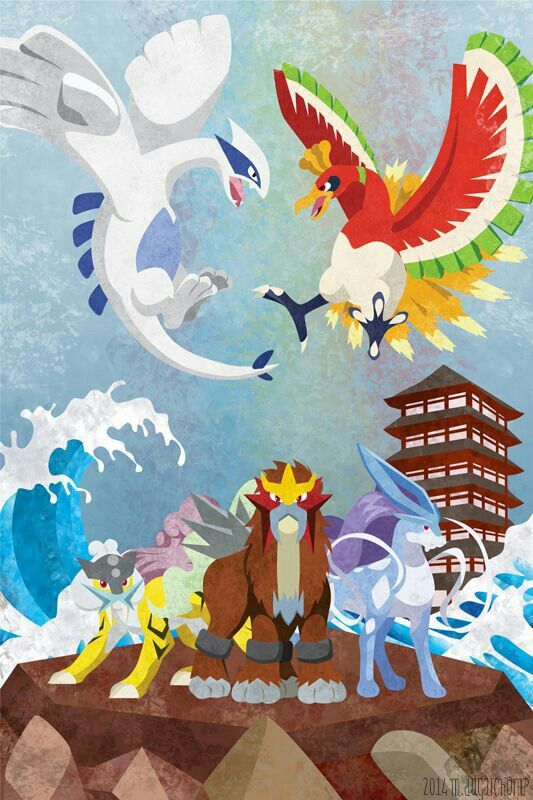
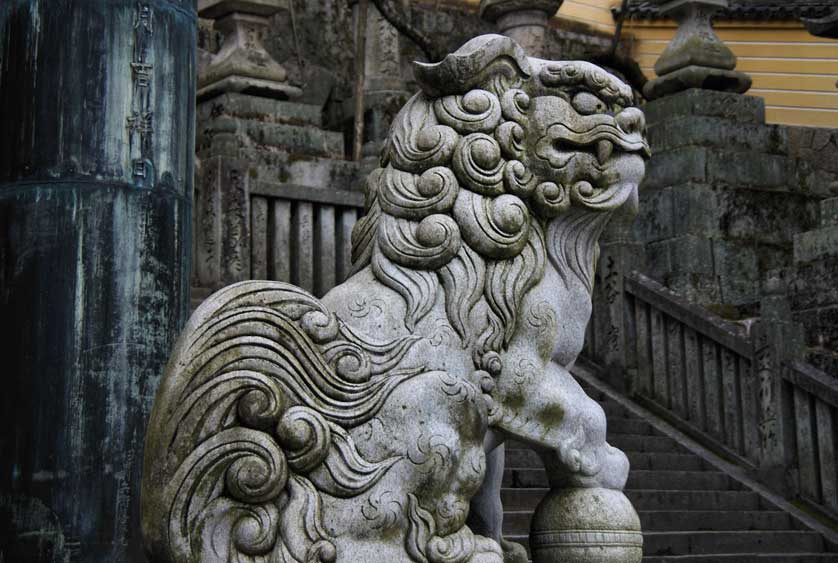
Real-life mythological creatures Generation 2's Legenadries are based off.
When it comes to Johto, the Pokémon and region designs are heavily based off of and rooted in Shintoism and the historical culture of the Kansai region.
Some of the folklore from this region based the legendaries off of their myths, including:
> Ho-Oh : the Japanese name for the Fenghuang, the mythological Phoenix. Ho-Oh's connection to rainbows is based off of the belief that rainbows serve as a bridge connecting earth to the heavenly realms.
> Lugia : heavily resembles the dragon god of the sea, Ryujin, who lives in an underwater palace made of coral, to protect the houses from being destroyed by the flap of its massive wings.
> Entei : Inspired by two beasts, the Shishi ( Chinese Guardian Lions ) and the Komainu ( Lion-dogs seen guarding the Shinto shrine entrances )
What's your favourite?


2
4
36

Chakra's do not exist in the higher realms. You only have chakra's because it represents a fractalized state of being which you need in order to experience dense realms such as earth. So once the shift happens you'll only have a heart center, one energy center completely whole!.
4

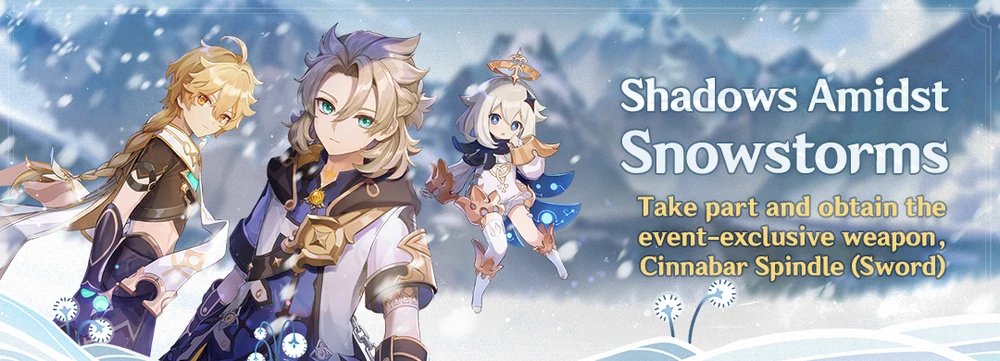
Realms?



22

GM Gamers
The Starknet Gaming Ecosystem is stacked in June 2026
Fully on-chain games across multiple genres:
⚔️ Strategy / MMO
• @LootRealms — Realms Blitz
• @ponzidotland — Ponziland
• @influenceth — Influence
🏰 Rogue-like / Dungeon
• @LootSurvivor — Loot Survivor
• @darkshuffle_gg — Dark Shuffle
• @abyssdotfun — Abyss
🃏 Card Games
• @jokers_of_neon — Jokers of Neon
• @Dopewarsx — Dope Wars
🔫 Action / PvP
• @Blobarena — Blob Arena
• @Pistols_gg — Pistols at Dawn
• @PlayCorsair — Corsair
• @just_brove_it — Brove Royale
🧩 Puzzle / Casual
• @zKube_game — zKube
• @GuessmyNft — GM NFT
• @numsgg — Nums
🎨 Creative / Social
• @art_peace_sn — ART/PEACE
Powered by the infrastructure behind on-chain gaming:
@ohayo_dojo
@cartridge_gg
The ecosystem keeps expanding, and we're still early.
Which game are you playing right now? 👀👇

3
1
5
24

are sent to accomplish.
I glory in the grace and beauty of God, carrying the consciousness of the Father and possessing insight into both the natural and supernatural realms. I am a partaker of the glorious works of Abba today and always.
Blessed am I in my going out and in my
1
1
11

Come and experience angelic realms, manifold wisdom of God at the Zoe grounds Plot 47 Kigo Lweza.
#ProphetElvisMbonye

Fellowship with Prophet Elvis Mbonye this Tuesday June 16, 2026 5:30pm at Zoe Grounds along Entebbe Express Highway
#ProphetElvisMbonye

1
3
6
Sadie ✨ retweeted

15h
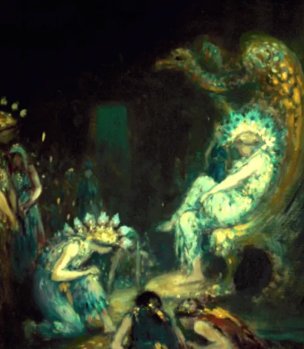
🌿'There is no mental action without corresponding effects in subtler realms. Every thought is an entity… Space is thronged with dragon-like forms, chimaeras of the fearful mind. One day we will have to slay the brood we have brought forth.' 🌿
- The Descent of the Gods: The Mystical Writings of G.W. Russell #AE #Esoteric #Spirituality #Consciousness
1
1
46

What? Don’t claim what you can’t prove reishi vs kishi only explains what the realms are made of, not what size they are. Different matter types do not automatically create separate universes.
1
4

Taking things out of context matters depending on the intent. It intent by Realms is to have lighthearted fun and not targeted harassment, then there isn’t an issue. But if it’s harassment by crafting a narrative that is untrue (even if you feel otherwise), that’s an issue.

Getting upset at other creators for taking your own clips out of context is insane.
Nick, everything Realms showed, is a stereotype generated from your stream. Realms isn't portraying a new narrative.
Calling for a SAC removal and threatening copyright strikes is insane.
3


ure alr there kaya na my fishykarma!!! (i miss u) r u gonna be back in the realms of x app? 🧚♀️
7