
Costo: Alto por km, pero justificado en activos críticos.
### Frecuencia Recomendada (Superacueducto 71" / 65 km)
- Inicial: Inspección baseline completa.
- Rutinaria: Cada 3-5 años, o más frecuente en zonas de alto riesgo (suelos corrosivos, historial de fallas en PR).
- Combinar con: Monitoreo acústico continuo (AFO), inspecciones visuales y pruebas catódicas.
### Beneficios en el Programa de Mantenimiento
- Permite **análisis de vida remanente** (remaining life) por sección usando modelos estructurales (ej. número de alambres rotos vs. presión operativa).
- Prioriza intervenciones: Refuerzo CFRP, relining o reemplazo solo donde sea necesario.
- Reduce riesgo de fallas catastróficas.
**Proveedores líderes**: Xylem (Pure Technologies - PipeDiver/P-Wave), PICA Corp (EMIT/RAFT), entre otros. En Puerto Rico, recomiendo contactar especialistas con experiencia en PCCP de gran diámetro y condiciones tropicales (humedad, corrosividad).
Si necesitas:
- Especificaciones de un equipo concreto.
- Ejemplos de reportes o interpretaciones de datos.
- Comparación con otras técnicas (acústica, visual, etc.).
- Presupuesto estimado o plan de implementación para los 65 km.
¡Proporciona más detalles y te ayudo a profundizar! Este método es clave para el mantenimiento preventivo del superacueducto.
5
moderados (reparación interna estructural).
- **Relining o Slip-lining**: Inserción de liners de acero o HDPE para rehabilitación permanente (Clase IV AWWA M28). Ideal para grandes longitudes.
- **Reemplazo Selectivo**: En secciones muy deterioradas, preferiblemente con acero o nuevo PCCP.
- **Post-tension o wraps externos**: En accesos excavados.
- **Sellado de Fugas**: Inyecciones o sellos mecánicos.
**Criterios de Intervención**: Basados en umbrales (ej. número de alambres rotos por sección según modelos de riesgo). Reparar antes de falla funcional.
### 5. Plan de Ejecución Anual / Ciclo
1. **Preparación (Q1)**: Planificación, presupuestos, permisos, coordinación con operaciones (minimizar impacto en suministro).
2. **Inspecciones (Q2-Q3)**: Ejecución de evaluaciones.
3. **Mantenimiento (Q3-Q4)**: Reparaciones durante ventanas de bajo demanda (ej. mantenimiento anual de ~1 mes donde se desagua).
4. **Evaluación Post-Mantenimiento**: Pruebas hidrostáticas, verificación.
5. **Reporte Anual**: Métricas (km inspeccionados, fallas prevenidas, costos).
**Recursos Necesarios**:
- Equipo especializado (herramientas inline, drones, laboratorios).
- Personal capacitado contratistas (ej. expertos en PCCP).
- Presupuesto: Asignar % anual del valor del activo (ej. basado en LCCA - Life Cycle Cost Analysis).
### 6. Medidas de Seguridad y Operativas
- Protocolos de desagüe seguro y control de waterhammer.
- Planes de contingencia para interrupciones (líneas paralelas, suministros alternos).
- Seguridad en espacios confinados, excavaciones y trabajo en altura.
- Cumplimiento ambiental (protección de mantos acuíferos en PR).
### 7. Monitoreo de Efectividad y Mejora Continua
- KPIs: Tasa de fallas, % de pipeline en condición "buena", costo por km/año, tiempo de respuesta.
- Revisiones cada 5 años del programa completo.
- Actualización con nueva tecnología (sensores IoT, IA para predicción).
### 8. Referencias y Mejores Prácticas
- AWWA M28 (Rehabilitation of Water Mains), C301 (PCCP), estándares de inspección.
- Casos: Central Arizona Project, San Diego County Water Authority (programas de relining a largo plazo).
- RCM para PCCP.
**Recomendación Final**: Contratar una evaluación inicial por especialistas en PCCP (ej. usando EM AFO) para personalizar este programa al Superacueducto específico. Esto es crítico dada la historia reciente de averías en PR. El costo inicial se recupera rápidamente al evitar fallas mayores que afectan cientos de miles de usuarios.
Si necesitas plantillas (Excel/Gantt), detalles por fase, presupuestos estimados o adaptación a un segmento específico, proporciona más datos. ¡Este programa puede extender significativamente la vida útil del acueducto!
6
**Programa de Mantenimiento Preventivo Estructural para un Superacueducto de 71 pulgadas (aprox. 1.8 m) y 65 km de longitud.**
Este programa se basa en prácticas recomendadas de la industria para tuberías de gran diámetro, especialmente **PCCP (Prestressed Concrete Cylinder Pipe)**, material común en superacueductos como el de Puerto Rico (confirmado en referencias técnicas para líneas de 72"). Se enfoca en mantenimiento preventivo para extender la vida útil, minimizar fallas catastróficas (roturas por rotura de alambres de pretensión, corrosión, etc.), reducir interrupciones y optimizar costos.
El enfoque principal sigue **Reliability-Centered Maintenance (RCM)**, evaluación de condiciones (Condition Assessment) y estándares como AWWA (C301 para PCCP, M28 para rehabilitación). Incluye inspección, monitoreo, reparaciones y planificación.
### 1. Objetivos Generales
- Detectar y mitigar degradación estructural temprana (alambres pretensados rotos, corrosión del cilindro de acero, grietas, pérdida de pretensión).
- Mantener integridad estructural y estanqueidad.
- Minimizar riesgos de falla y tiempos de inactividad.
- Cumplir regulaciones ambientales y de seguridad.
- Planificar rehabilitaciones a largo plazo (ej. relining o reemplazo selectivo).
- Frecuencia: Inspecciones anuales/rutinarias evaluaciones profundas cada 3-5 años, ajustadas por riesgo.
### 2. Evaluación Inicial de Riesgos (Fase 0 - Implementación)
- **Inventario y Zonificación**: Dividir los 65 km en segmentos (ej. por accesibilidad, presión, edad, suelo, historial de fallas). Identificar zonas críticas (cruces de ríos, zonas sísmicas, suelos corrosivos en PR).
- **Historial**: Revisar fallas previas (como las recientes en 72" del Superacueducto), presiones operativas, waterhammer y corrosión.
- **Análisis de Riesgo**: Probabilidad de falla × Consecuencia (población afectada, costos). Usar herramientas como EM (Electromagnetic) para conteo de alambres rotos.
- **Instalación de Monitoreo Permanente**: Considerar Acoustic Fiber Optic (AFO) o sensores de fibra óptica para detección en tiempo real de roturas de alambres.
### 3. Actividades de Inspección y Monitoreo (Preventivas)
**Frecuencia recomendada**:
- **Diaria/Semanal**: Monitoreo operativo (presión, flujo, turbidez, fugas visibles).
- **Mensual/Trimestral**: Inspecciones visuales externas en accesos, estaciones de prueba catódica.
- **Anual**: Inspecciones internas selectivas pruebas.
- **Cada 3-5 años**: Evaluación completa de condición (o más frecuente en zonas de alto riesgo).
**Técnicas clave**:
- **Inspección Interna (Inline)**: Herramientas EM/RFT para detectar alambres rotos, corrosión del cilindro y pérdida de pretensión. Herramientas acústicas para fugas. Desagüe parcial o completo (durante mantenimiento anual).
- **Inspección Visual y Sonora**: Cámaras CCTV, inspección manual en accesos, detección de grietas, spalling (desconchado) o humedad.
- **Pruebas No Destructivas**: Ultrasonido, radiografía selectiva, close-interval surveys para corrosión.
- **Monitoreo Estructural**: Potencial de corrosión, cathodic protection (CP) stations, AFO para alertas en tiempo real.
- **Evaluación Externa**: Excavaciones de prueba en zonas de riesgo, análisis de suelo.
- **Análisis de Datos**: Modelos numéricos para predecir progresión de daños (ej. número y ubicación de alambres rotos).
**Documentación**: Base de datos GIS con historial por segmento, priorizando por riesgo.
### 4. Actividades de Mantenimiento Estructural Preventivo
**No Estructurales (Rutinas)**:
- Limpieza interna (pigging o flushing) para remover sedimentos/depósitos que aceleran corrosión.
- Reparación de juntas con grout/epoxi.
- Parcheo de concreto spalled.
- Mantenimiento de cathodic protection (anodos, rectificadores).
- Control de vegetación y erosión en superficie.
**Estructurales (Según Condición)**:
- **Refuerzo con CFRP (Carbon Fiber Reinforced Polymer)**: Para secciones con alambres rotos moderados (reparación interna
3
8

The Garden State Parkway is collecting so many dimes and quarters from this guy that they're planning on repaving, relining the whole thing, AND upgrading most of the bridges and tunnels from NYC to Caper May!

24

📍As part of our final phase of our surface dressing programme, we will be carrying out road relining works this week on:
🚧Old Park Road #Weston
🚧Crewe Road/Hatherton Road #Wynbunbury
🚧Radway Green Road #RadwayGreen
🚧Wrexham Road #Bulkeley
More info: cheshireeast.gov.uk/highways…
1
359

They really can't grasp that Brits go out to get drunk. Not socialise, not eat, and after a few hours not even talk. Just drink. A £3 snack is just relining the stomach for the final hour or two.
1
6
899

Jun 14
Little bit of research will reveal they knew this would happen and were expecting it
What Officials Said and Did
They described the current algae as expected "residual" growth: An Interior Department spokesperson (Katie/Kate Martin) stated it's from nutrients and algae in the supply lines that sat dormant for ~8 weeks during construction. They called it a "normal startup process" after draining and refilling—not a surprise failure.
newsbreak.com
Active cleanup is underway: Workers were documented skimming/vacuuming algae shortly after refilling (around June 10–12, 2026), with ongoing removal efforts.
politico.com
Long-term prevention was part of the project: As part of the ~$14M renovation (which included relining the pool), they installed a new ozone nanobubbler filtration system (contracted for $1.7M to Green Water Solutions). Ozone neutralizes the nutrients algae needs to grow. Officials explicitly said this will "maintain the pool and keep it algae free."
1
3
290
Jun 14
Like usual the left jumps at the first chance to make this administration look bad and later eats crow , just give it a bit of time
What Officials Said and Did
They described the current algae as expected "residual" growth: An Interior Department spokesperson (Katie/Kate Martin) stated it's from nutrients and algae in the supply lines that sat dormant for ~8 weeks during construction. They called it a "normal startup process" after draining and refilling—not a surprise failure.
newsbreak.com
Active cleanup is underway: Workers were documented skimming/vacuuming algae shortly after refilling (around June 10–12, 2026), with ongoing removal efforts.
politico.com
Long-term prevention was part of the project: As part of the ~$14M renovation (which included relining the pool), they installed a new ozone nanobubbler filtration system (contracted for $1.7M to Green Water Solutions). Ozone neutralizes the nutrients algae needs to grow. Officials explicitly said this will "maintain the pool and keep it algae free."
1
278

Jun 14
changing the water introduced a rich supply of nutrients
a filter that removed nutrients- not the zooplankton is how you can have health pools
relining the pool solved nothing
1
8

Jun 14
A guy named Stenchfield complaining about what every pool owner knows will happen. Relining the pool is cosmetic, the pipes and pumps are contaminated and they didn’t touch those. Once the pumps were turned back on, the reflecting pool was inoculated with algae.
1
510

Jun 12
Pipe relining. It's to repair damaged pipes without requiring excavation.
3


Jun 11
This is my new panda girl Delilah. this is all you get because I'm not relining and coloring everything. I'll draw a proper pic of her when I'm not fuming at how fucking stupid this shit is

Jun 11

love when my fucking laptop updates when I go get something to eat so I lose all my progress on a drawing AWESOME
2
42
3,326

Apparently people are closing the window and then relining on NOL to get closer to the them when cancellations will happen (around 5 PM KST) could be wrong but multiple people have told me this
1
337

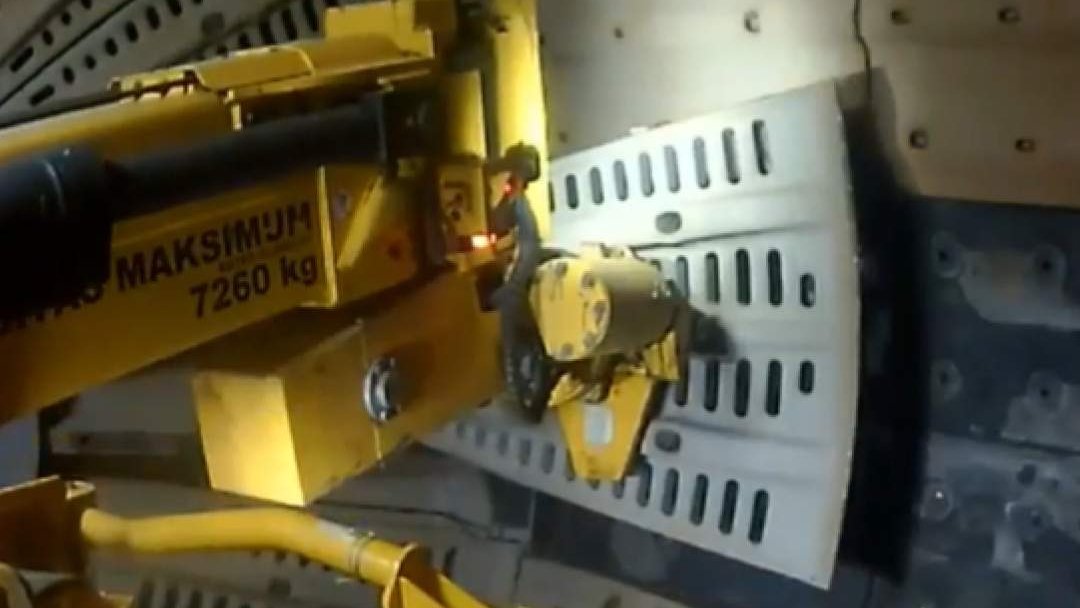
Bradken has teamed up with Russell Mineral Equipment to expand its MillSafe range with the introduction of the MillSafeWorn Liner Removal System, a solution to enhance safety and efficiency in the mill relining process | tinyurl.com/2fdcafde #Bradken @RUSSELLMINERAL #METS
133

Jun 10
@pgdailynews Please be informed
PUBLIC HEALTH CONCERN - WARNING
COLLEGE HEIGHTS -SOUTHRIDGE AVENUE JULY 2026 WATERLINE “RELINING”
DRINKING WATER TOXIC CHEMICAL EXPERIMENT ON YOUR CHILDREN AND FAMILIES
(Beginning July 2026 UNLESS?)
You email City of PG, Mayor, Council, administration of your concerns.
JUST SAY NO!
To Chemical, health harming; temporary, unreasonable financial failures; toxic NOT APPROVED. Experimental “HIGH RISK”. “LINEAR’S” to be injected in to our drinking water System!
Protect your CHILDREN and FAMILIES NOW!
HAS CITY provided ANY CREDIBLE INFORMATION? To inform you? Defining serious drinking water, public health concerns?
NO!
City of Prince George is preparing to insert a chemical, toxic resin and CHEMICAL hardener impregnated “LINEAR” into our aged out; HIGH PRESSURE, cast iron water line. The month of July. WITHOUT informing anyone what KNOWN, identifiable public health harms include.
Making you long term SICK! TAXES up! Save money by harming public health IS NOT Saving money. Temporary? Will cost more later!
“The City’s water, sewer and solid waste services are self funded!” (Fact stated on Utility Bills!)
Tax payers have been, are paying for full, NOT temporary, toxic replacement of Failed. Cast-iron. Aged out high pressure, potable lines. Supplying potable water to at least 300-homes. Pushed by the City into NEW Developments. Expanding to possibly, over 3,000 housing units.
Unable to provide safe and effective, clean, non toxic drinking water? Including Safe and effective water pressures and volumes to PROTECT our homes from Fires. As required by Insurance demands.
City continues to IGNORE–Resident DEMANDS for Safe, potable drinking water. Financially prudent accountability is missing! Long Term solutions caused by City, short term temporary “managers?”
YOU HAD ONE JOB. Keep residents safe, within financial means! Success report? FAILED!
Process identified as “Cured in Place-Pipe” (CIPP).
Used in College Heights-to “temporarily” repair. Significant Sewer line failures (2021-2023).
Did you known about that? Did City inform you about long term “leaching” and Volatile Organic Compounds (VOC’s). BEFORE applying their “cheap”, problematic, temporary; solution”?
VOC’s Escaping from treated sewer lines? Into homes? Expect to pay more, to resolve “temporary!”
What is Cured in place-Pipe?
“Cured-in-Place Pipelining is a trenchless pipe repair method that allows damaged sewer pipes to be repaired without digging large trenches or replacing the entire pipe system. Instead, a specialized resin liner is inserted into the damaged pipe and then "cured," or hardened, in place, creating a new, seamless pipe within the old one.” Source: pittsburghpipeliningpros.com……
Resins and Materials: Liners are typically made of non-woven polyester or fiberglass felt saturated with thermosetting resins. Polyester resins are commonly used for mainline lining, while epoxy resins are preferred for lateral connections due to lower shrinkage rates.
corrosionpedia.com/definitio……
Styrene is a part of the chemical mixture for the pipe liner. It has been classified as “probably carcinogenic” by the International Agency of Research on Cancer “based on limited evidence in humans and sufficient evidence in experimental animals for carcinogenicity.” It causes respiratory irritation, central nervous system impairment, and hearing loss.”
archive.cdc.gov/www_cdc_gov/……
City has apparently chosen an Out of Province “Ontario-Contractor”. Are there NO “qualified” Contractors in British Columbia? BC has different legislation!” DEMAND personal Accountability!
Write Mayor, Council and administration; Prince George, BC; City Email list: NO CIPP LINERS!
Formal Email to city Clerk: cityclerk@princegeorge.ca
Email: mayorandcouncil@princegeorge.ca
or to Council's individual email addresses located on Individual Council Members page.
princegeorge.ca/city-hall/ma……
1
95
Jun 10
Is @SD57PG concerned about the scools in college heights
Coming soon 🔜
PUBLIC HEALTH CONCERN - WARNING
COLLEGE HEIGHTS -SOUTHRIDGE AVENUE JULY 2026 WATERLINE “RELINING”
DRINKING WATER TOXIC CHEMICAL EXPERIMENT ON YOUR CHILDREN AND FAMILIES
(Beginning July 2026 UNLESS?)
You email City of PG, Mayor, Council, administration of your concerns.
JUST SAY NO!
To Chemical, health harming; temporary, unreasonable financial failures; toxic NOT APPROVED. Experimental “HIGH RISK”. “LINEAR’S” to be injected in to our drinking water System!
Protect your CHILDREN and FAMILIES NOW!
HAS CITY provided ANY CREDIBLE INFORMATION? To inform you? Defining serious drinking water, public health concerns?
NO!
City of Prince George is preparing to insert a chemical, toxic resin and CHEMICAL hardener impregnated “LINEAR” into our aged out; HIGH PRESSURE, cast iron water line. The month of July. WITHOUT informing anyone what KNOWN, identifiable public health harms include.
Making you long term SICK! TAXES up! Save money by harming public health IS NOT Saving money. Temporary? Will cost more later!
“The City’s water, sewer and solid waste services are self funded!” (Fact stated on Utility Bills!)
Tax payers have been, are paying for full, NOT temporary, toxic replacement of Failed. Cast-iron. Aged out high pressure, potable lines. Supplying potable water to at least 300-homes. Pushed by the City into NEW Developments. Expanding to possibly, over 3,000 housing units.
Unable to provide safe and effective, clean, non toxic drinking water? Including Safe and effective water pressures and volumes to PROTECT our homes from Fires. As required by Insurance demands.
City continues to IGNORE–Resident DEMANDS for Safe, potable drinking water. Financially prudent accountability is missing! Long Term solutions caused by City, short term temporary “managers?”
YOU HAD ONE JOB. Keep residents safe, within financial means! Success report? FAILED!
Process identified as “Cured in Place-Pipe” (CIPP).
Used in College Heights-to “temporarily” repair. Significant Sewer line failures (2021-2023).
Did you known about that? Did City inform you about long term “leaching” and Volatile Organic Compounds (VOC’s). BEFORE applying their “cheap”, problematic, temporary; solution”?
VOC’s Escaping from treated sewer lines? Expect to pay more, to resolve “temporary!”
What is Cured in place-Pipe?
“Cured-in-Place Pipelining is a trenchless pipe repair method that allows damaged sewer pipes to be repaired without digging large trenches or replacing the entire pipe system. Instead, a specialized resin liner is inserted into the damaged pipe and then "cured," or hardened, in place, creating a new, seamless pipe within the old one.” Source: pittsburghpipeliningpros.com……
Resins and Materials: Liners are typically made of non-woven polyester or fiberglass felt saturated with thermosetting resins. Polyester resins are commonly used for mainline lining, while epoxy resins are preferred for lateral connections due to lower shrinkage rates.
corrosionpedia.com/definitio……
Styrene is a part of the chemical mixture for the pipe liner. It has been classified as “probably carcinogenic” by the International Agency of Research on Cancer “based on limited evidence in humans and sufficient evidence in experimental animals for carcinogenicity.” It causes respiratory irritation, central nervous system impairment, and hearing loss.”
archive.cdc.gov/www_cdc_gov/……
City has apparently chosen an Out of Province “Ontario-Contractor”. Are there NO “qualified” Contractors in British Columbia? BC has different legislation!” DEMAND personal Accountability!
Write Mayor, Council and administration; Prince George, BC; City Email list: NO CIPP LINERS!
Formal Email to city Clerk: cityclerk@princegeorge.ca
Email: mayorandcouncil@princegeorge.ca
or to Council's individual email addresses located on Individual Council Members page.
princegeorge.ca/city-hall/ma……
1
104
Jun 10
Coming soon 🔜
PUBLIC HEALTH CONCERN - WARNING
COLLEGE HEIGHTS -SOUTHRIDGE AVENUE JULY 2026 WATERLINE “RELINING”
DRINKING WATER TOXIC CHEMICAL EXPERIMENT ON YOUR CHILDREN AND FAMILIES
(Beginning July 2026 UNLESS?)
You email City of PG, Mayor, Council, administration of your concerns.
JUST SAY NO!
To Chemical, health harming; temporary, unreasonable financial failures; toxic NOT APPROVED. Experimental “HIGH RISK”. “LINEAR’S” to be injected in to our drinking water System!
Protect your CHILDREN and FAMILIES NOW!
HAS CITY provided ANY CREDIBLE INFORMATION? To inform you? Defining serious drinking water, public health concerns?
NO!
City of Prince George is preparing to insert a chemical, toxic resin and CHEMICAL hardener impregnated “LINEAR” into our aged out; HIGH PRESSURE, cast iron water line. The month of July. WITHOUT informing anyone what KNOWN, identifiable public health harms include.
Making you long term SICK! TAXES up! Save money by harming public health IS NOT Saving money. Temporary? Will cost more later!
“The City’s water, sewer and solid waste services are self funded!” (Fact stated on Utility Bills!)
Tax payers have been, are paying for full, NOT temporary, toxic replacement of Failed. Cast-iron. Aged out high pressure, potable lines. Supplying potable water to at least 300-homes. Pushed by the City into NEW Developments. Expanding to possibly, over 3,000 housing units.
Unable to provide safe and effective, clean, non toxic drinking water? Including Safe and effective water pressures and volumes to PROTECT our homes from Fires. As required by Insurance demands.
City continues to IGNORE–Resident DEMANDS for Safe, potable drinking water. Financially prudent accountability is missing! Long Term solutions caused by City, short term temporary “managers?”
YOU HAD ONE JOB. Keep residents safe, within financial means! Success report? FAILED!
Process identified as “Cured in Place-Pipe” (CIPP).
Used in College Heights-to “temporarily” repair. Significant Sewer line failures (2021-2023).
Did you known about that? Did City inform you about long term “leaching” and Volatile Organic Compounds (VOC’s). BEFORE applying their “cheap”, problematic, temporary; solution”?
VOC’s Escaping from treated sewer lines? Into homes? Expect to pay more, to resolve “temporary!”
What is Cured in place-Pipe?
“Cured-in-Place Pipelining is a trenchless pipe repair method that allows damaged sewer pipes to be repaired without digging large trenches or replacing the entire pipe system. Instead, a specialized resin liner is inserted into the damaged pipe and then "cured," or hardened, in place, creating a new, seamless pipe within the old one.” Source: pittsburghpipeliningpros.com……
Resins and Materials: Liners are typically made of non-woven polyester or fiberglass felt saturated with thermosetting resins. Polyester resins are commonly used for mainline lining, while epoxy resins are preferred for lateral connections due to lower shrinkage rates.
corrosionpedia.com/definitio……
Styrene is a part of the chemical mixture for the pipe liner. It has been classified as “probably carcinogenic” by the International Agency of Research on Cancer “based on limited evidence in humans and sufficient evidence in experimental animals for carcinogenicity.” It causes respiratory irritation, central nervous system impairment, and hearing loss.”
archive.cdc.gov/www_cdc_gov/……
City has apparently chosen an Out of Province “Ontario-Contractor”. Are there NO “qualified” Contractors in British Columbia? BC has different legislation!” DEMAND personal Accountability!
Write Mayor, Council and administration; Prince George, BC; City Email list: NO CIPP LINERS!
Formal Email to city Clerk: cityclerk@princegeorge.ca
Email: mayorandcouncil@princegeorge.ca
or to Council's individual email addresses located on Individual Council Members page.
princegeorge.ca/city-hall/ma……
REMEMBER! Keep OUR Children SAFE, effectively!
39
Jun 10
PUBLIC HEALTH CONCERN - WARNING
COLLEGE HEIGHTS -SOUTHRIDGE AVENUE JULY 2026 WATERLINE “RELINING”
DRINKING WATER TOXIC CHEMICAL EXPERIMENT ON YOUR CHILDREN AND FAMILIES
(Beginning July 2026 UNLESS?)
You email City of PG, Mayor, Council, administration of your concerns.
JUST SAY NO!
To Chemical, health harming; temporary, unreasonable financial failures; toxic NOT APPROVED. Experimental “HIGH RISK”. “LINEAR’S” to be injected in to our drinking water System!
Protect your CHILDREN and FAMILIES NOW!
HAS CITY provided ANY CREDIBLE INFORMATION? To inform you? Defining serious drinking water, public health concerns?
NO!
City of Prince George is preparing to insert a chemical, toxic resin and CHEMICAL hardener impregnated “LINEAR” into our aged out; HIGH PRESSURE, cast iron water line. The month of July. WITHOUT informing anyone what KNOWN, identifiable public health harms include.
Making you long term SICK! TAXES up! Save money by harming public health IS NOT Saving money. Temporary? Will cost more later!
“The City’s water, sewer and solid waste services are self funded!” (Fact stated on Utility Bills!)
Tax payers have been, are paying for full, NOT temporary, toxic replacement of Failed. Cast-iron. Aged out high pressure, potable lines. Supplying potable water to at least 300-homes. Pushed by the City into NEW Developments. Expanding to possibly, over 3,000 housing units.
Unable to provide safe and effective, clean, non toxic drinking water? Including Safe and effective water pressures and volumes to PROTECT our homes from Fires. As required by Insurance demands.
City continues to IGNORE–Resident DEMANDS for Safe, potable drinking water. Financially prudent accountability is missing! Long Term solutions caused by City, short term temporary “managers?”
YOU HAD ONE JOB. Keep residents safe, within financial means! Success report? FAILED!
Process identified as “Cured in Place-Pipe” (CIPP).
Used in College Heights-to “temporarily” repair. Significant Sewer line failures (2021-2023).
Did you known about that? Did City inform you about long term “leaching” and Volatile Organic Compounds (VOC’s). BEFORE applying their “cheap”, problematic, temporary; solution”?
VOC’s Escaping from treated sewer lines? Into homes? Expect to pay more, to resolve “temporary!”
What is Cured in place-Pipe?
“Cured-in-Place Pipelining is a trenchless pipe repair method that allows damaged sewer pipes to be repaired without digging large trenches or replacing the entire pipe system. Instead, a specialized resin liner is inserted into the damaged pipe and then "cured," or hardened, in place, creating a new, seamless pipe within the old one.” Source: pittsburghpipeliningpros.com……
Resins and Materials: Liners are typically made of non-woven polyester or fiberglass felt saturated with thermosetting resins. Polyester resins are commonly used for mainline lining, while epoxy resins are preferred for lateral connections due to lower shrinkage rates.
corrosionpedia.com/definitio……
Styrene is a part of the chemical mixture for the pipe liner. It has been classified as “probably carcinogenic” by the International Agency of Research on Cancer “based on limited evidence in humans and sufficient evidence in experimental animals for carcinogenicity.” It causes respiratory irritation, central nervous system impairment, and hearing loss.”
archive.cdc.gov/www_cdc_gov/……
City has apparently chosen an Out of Province “Ontario-Contractor”. Are there NO “qualified” Contractors in British Columbia? BC has different legislation!” DEMAND personal Accountability!
Write Mayor, Council and administration; Prince George, BC; City Email list: NO CIPP LINERS!
Formal Email to city Clerk: cityclerk@princegeorge.ca
Email: mayorandcouncil@princegeorge.ca
or to Council's individual email addresses located on Individual Council Members page.
princegeorge.ca/city-hall/ma……
REMEMBER! Keep OUR Children SAFE, effectively!
1
74
Jun 10
PUBLIC HEALTH CONCERN - WARNING
COLLEGE HEIGHTS -SOUTHRIDGE AVENUE JULY 2026 WATERLINE “RELINING”
DRINKING WATER TOXIC CHEMICAL EXPERIMENT ON YOUR CHILDREN AND FAMILIES
(Beginning July 2026 UNLESS?)
You email City of PG, Mayor, Council, administration of your concerns.
JUST SAY NO!
To Chemical, health harming; temporary, unreasonable financial failures; toxic NOT APPROVED. Experimental “HIGH RISK”. “LINEAR’S” to be injected in to our drinking water System!
Protect your CHILDREN and FAMILIES NOW!
HAS CITY provided ANY CREDIBLE INFORMATION? To inform you? Defining serious drinking water, public health concerns?
NO!
City of Prince George is preparing to insert a chemical, toxic resin and CHEMICAL hardener impregnated “LINEAR” into our aged out; HIGH PRESSURE, cast iron water line. The month of July. WITHOUT informing anyone what KNOWN, identifiable public health harms include.
Making you long term SICK! TAXES up! Save money by harming public health IS NOT Saving money. Temporary? Will cost more later!
“The City’s water, sewer and solid waste services are self funded!” (Fact stated on Utility Bills!)
Tax payers have been, are paying for full, NOT temporary, toxic replacement of Failed. Cast-iron. Aged out high pressure, potable lines. Supplying potable water to at least 300-homes. Pushed by the City into NEW Developments. Expanding to possibly, over 3,000 housing units.
Unable to provide safe and effective, clean, non toxic drinking water? Including Safe and effective water pressures and volumes to PROTECT our homes from Fires. As required by Insurance demands.
City continues to IGNORE–Resident DEMANDS for Safe, potable drinking water. Financially prudent accountability is missing! Long Term solutions caused by City, short term temporary “managers?”
YOU HAD ONE JOB. Keep residents safe, within financial means! Success report? FAILED!
Process identified as “Cured in Place-Pipe” (CIPP).
Used in College Heights-to “temporarily” repair. Significant Sewer line failures (2021-2023).
Did you known about that? Did City inform you about long term “leaching” and Volatile Organic Compounds (VOC’s). BEFORE applying their “cheap”, problematic, temporary; solution”?
VOC’s Escaping from treated sewer lines? Into homes? Expect to pay more, to resolve “temporary!”
What is Cured in place-Pipe?
“Cured-in-Place Pipelining is a trenchless pipe repair method that allows damaged sewer pipes to be repaired without digging large trenches or replacing the entire pipe system. Instead, a specialized resin liner is inserted into the damaged pipe and then "cured," or hardened, in place, creating a new, seamless pipe within the old one.” Source: pittsburghpipeliningpros.com……
Resins and Materials: Liners are typically made of non-woven polyester or fiberglass felt saturated with thermosetting resins. Polyester resins are commonly used for mainline lining, while epoxy resins are preferred for lateral connections due to lower shrinkage rates.
corrosionpedia.com/definitio……
Styrene is a part of the chemical mixture for the pipe liner. It has been classified as “probably carcinogenic” by the International Agency of Research on Cancer “based on limited evidence in humans and sufficient evidence in experimental animals for carcinogenicity.” It causes respiratory irritation, central nervous system impairment, and hearing loss.”
archive.cdc.gov/www_cdc_gov/……
City has apparently chosen an Out of Province “Ontario-Contractor”. Are there NO “qualified” Contractors in British Columbia? BC has different legislation!” DEMAND personal Accountability!
Write Mayor, Council and administration; Prince George, BC; City Email list: NO CIPP LINERS!
Formal Email to city Clerk: cityclerk@princegeorge.ca
Email: mayorandcouncil@princegeorge.ca
or to Council's individual email addresses located on Individual Council Members page.
princegeorge.ca/city-hall/ma……
REMEMBER! Keep OUR Children SAFE, effectively!
33