
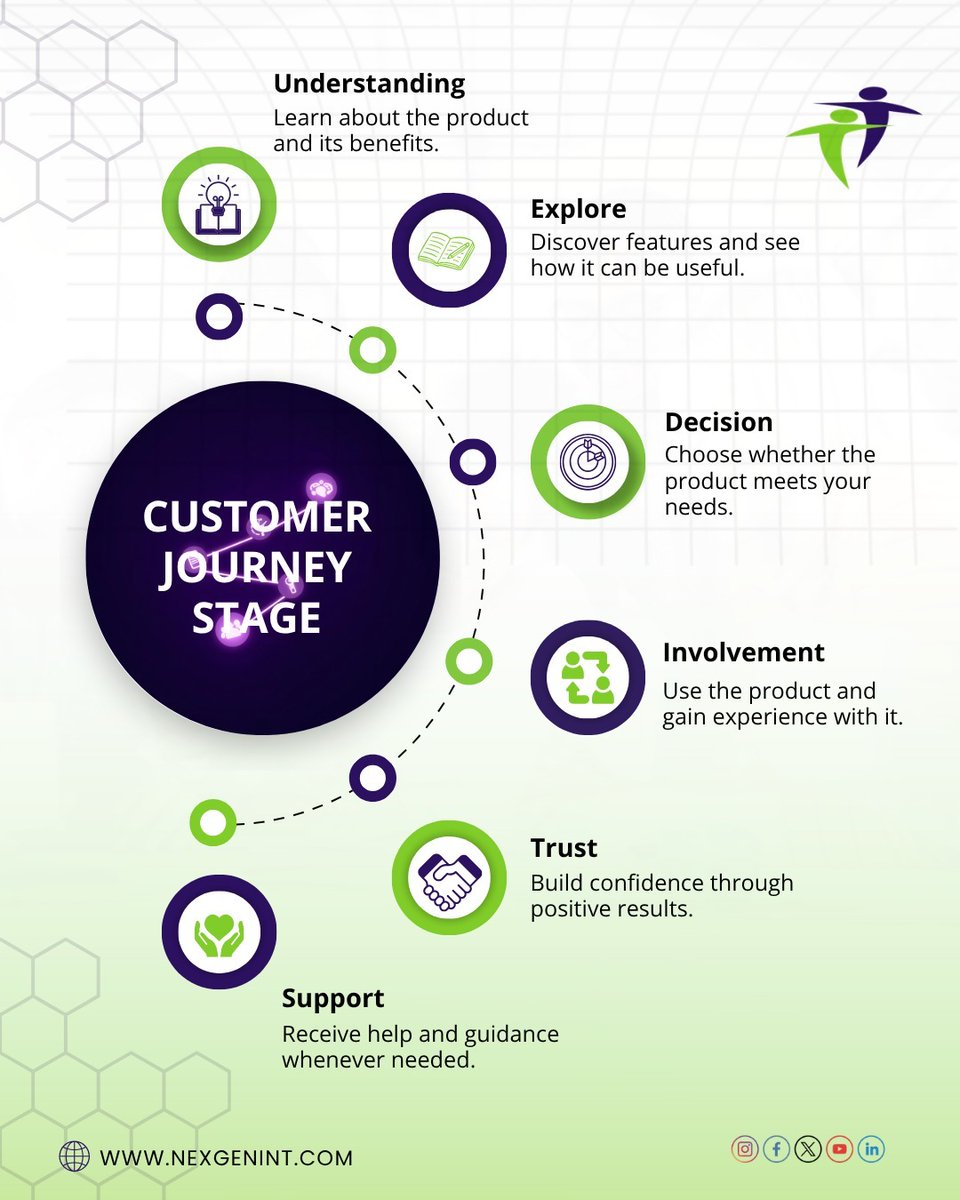
Every customer has a story. Smart brands know where that story begins—and where it leads. Understanding the customer journey isn't just strategy; it's the key to lasting relationships.
#marketresearch #startup #researchinsight
1
2
4
24

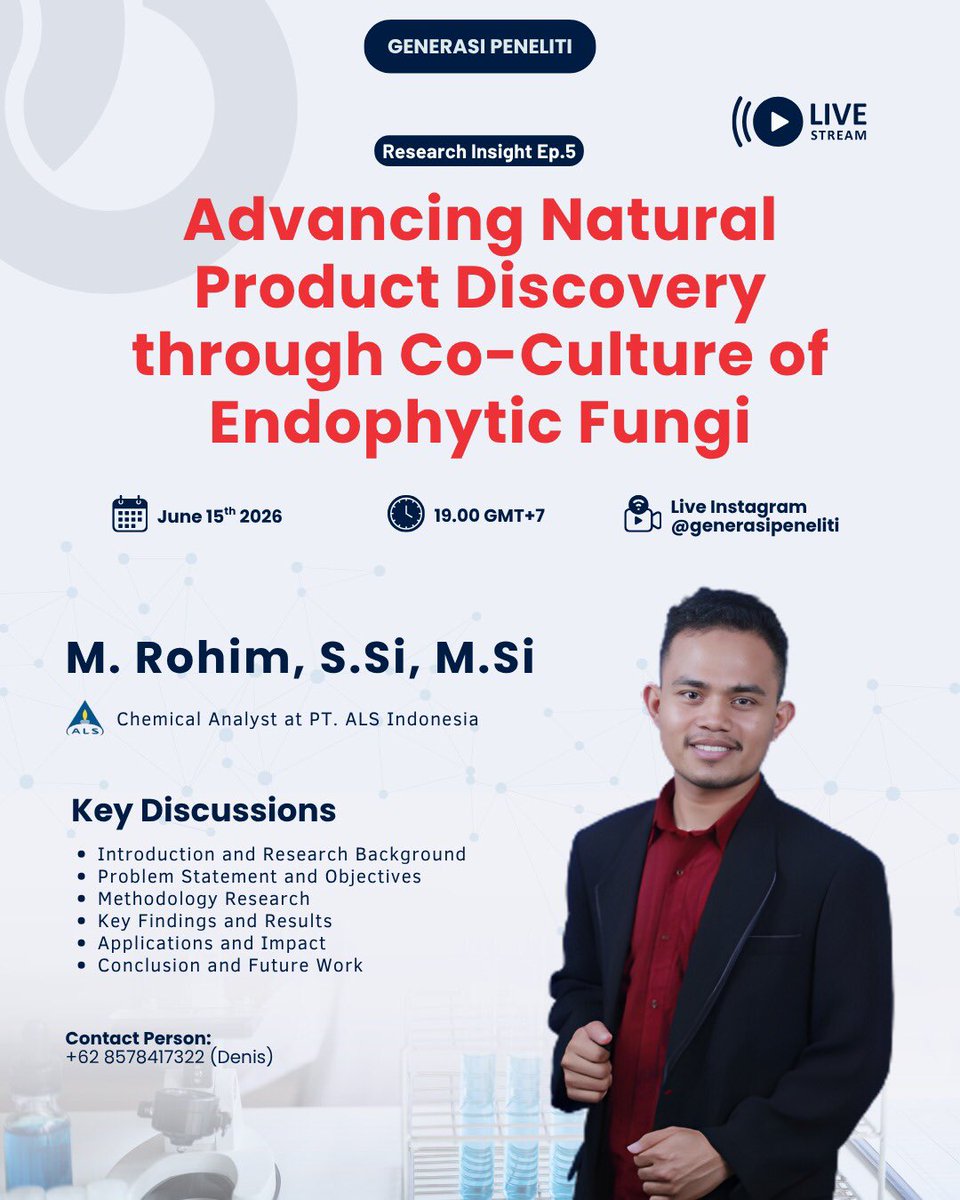
[Research Insight Ep.5]
👨🔬 M. Rohim, S.Si., M.Si.
📅 15 Juni 2026
🕖 Pukul 19.00 WIB (GMT 7)
📍 Live di Instagram @generasipeneliti
#ResearchInsight #NaturalProducts #EndophyticFungi #DrugDiscovery #Biotechnology
5

3 Dec 2025
African languages don’t just diversify AI they make it smarter, fairer, and more context-aware.
Recent research is clear:
Generic multilingual models still struggle with African languages (AfroBench, 2025; How Good Are LLMs on African Languages?, 2024).
But when AI is trained properly with authentic African-language data, its reasoning, alignment, and contextual understanding improve dramatically.
Masakhane’s AfriSenti study (SemEval-2023) proves it: models fine-tuned on African-language datasets outperform generic multilingual systems in sentiment reasoning across Swahili, Hausa, Yoruba, Amharic, and more.
And the 2025 Lugha-LLaMA project shows how mixing high-quality African-language text with English educational material boosts comprehension, question-answering, and multi-choice reasoning, closing the performance gap.
Why does this happen?
Because African languages carry rich contextual structures tone, metaphor, deep semantics, layered meaning forcing models to interpret beyond the literal.
So when AI learns from African languages:
It reasons better, It aligns better, It reflects people more accurately
This is why language inclusion isn’t a “nice to have” it’s the path to better, more globally capable AI.
At EqualyzAI, our mission is to make that future real by building tools, datasets, and research pipelines that amplify underrepresented languages and unlock deeper intelligence.
#ResearchInsight #AfricanAI #LanguageTechnology #EqualyzAI

1
49
228

31 Jan 2025
Explore BryceTech's report library for insights into the space and launch industries.
Plus, browse older reports for a comprehensive view of industry shifts.
BryceTechs Insights Hub: ow.ly/9iIq50UKtOe
#SpaceIndustry #LaunchTrends #Smallsats #ResearchInsight
4
395

6 Dec 2024
Cultural mobility between UK and Ireland - have your say!!
Follow links below 👇🏼
Research commissioned by @ieBritish @BritishCouncil @BritishArts @InsightBritish #researchinsight #culturalrelations

Don't forget to have your say!
Artists & cultural workers resident in the UK and Ireland are invited to take part in the 10 minute Culture Connects survey.
Part of a research project commissioned by @BritishCouncil Ireland
Deadline 09 Dec
britishcouncil.ie/events/cul…

ALT A silhouette stands on a long flat rock by the ocean looking out at a yellow, pink and purple sunset
1
1
202

🔬 For researchers, understanding this allows balancing between detailed activity data and managing power, storage, and data processing needs.
#ResearchInsight
🧵 8/10
1
3
19

26 Apr 2023
#ResearchInsight
In this co-authored article, #DevanshiSingh @BIPP_ISB writes on, "Why is farming important for rural livelihood security in global south? #COVID19 and changing livelihoods in Nepal's mid-hills." Read more: tinyurl.com/m83hf459.

4
302

25 Apr 2023
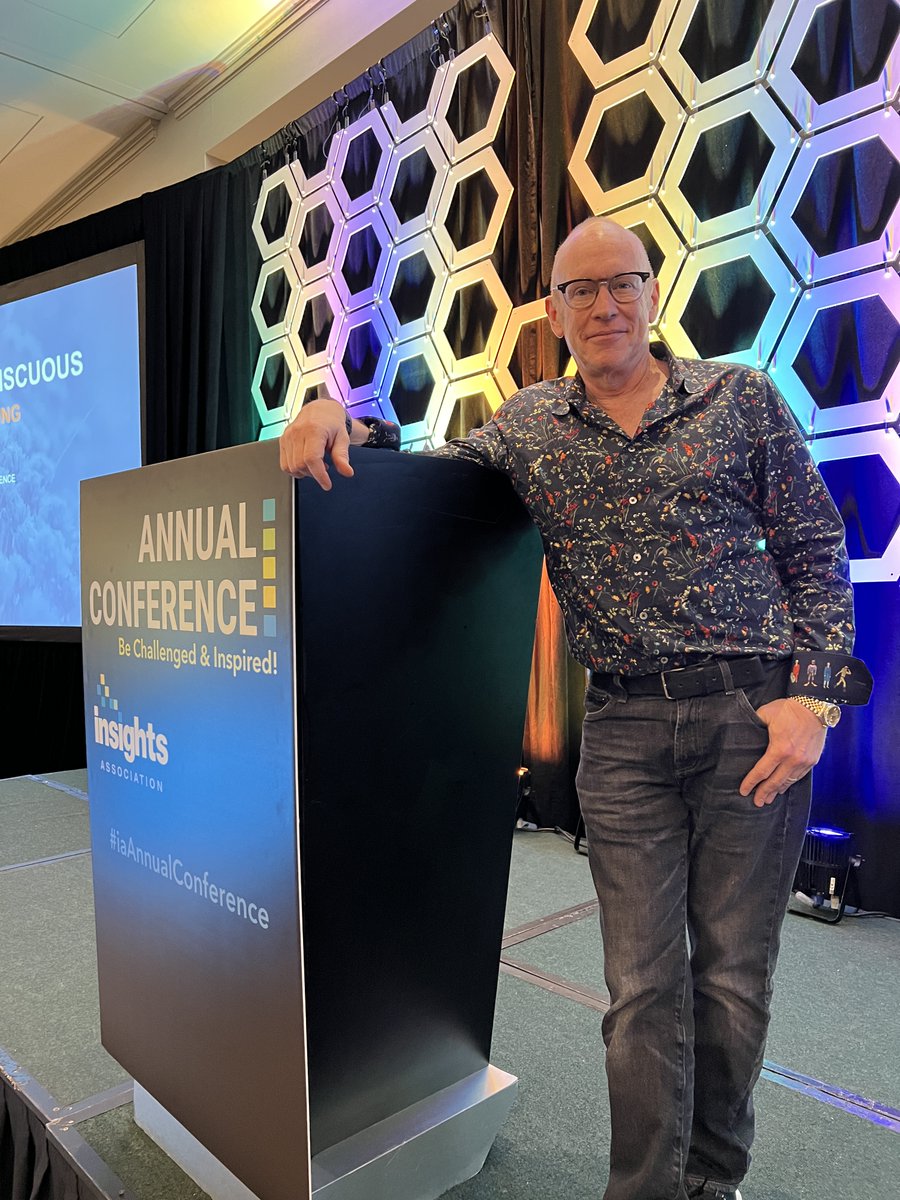
I enjoyed day one at the #InsightsAssociationConference in Hilton Head, South Carolina 🌞 and met some new #researchinsight friends. This photo was taken during my presentation tech check. Stay tuned for an inside look at my speech! 👨💻🎤
1
146

10 Mar 2023
8 ideas to activate insights and make real impact with your research (dscout.com/people-nerds/acti…) a gdoc ideation workshop template to help you get started
- Involve stakeholders in the research
- Run debriefs
- Facilitate ideation workshops, etc.
#UserResearch #ResearchInsight
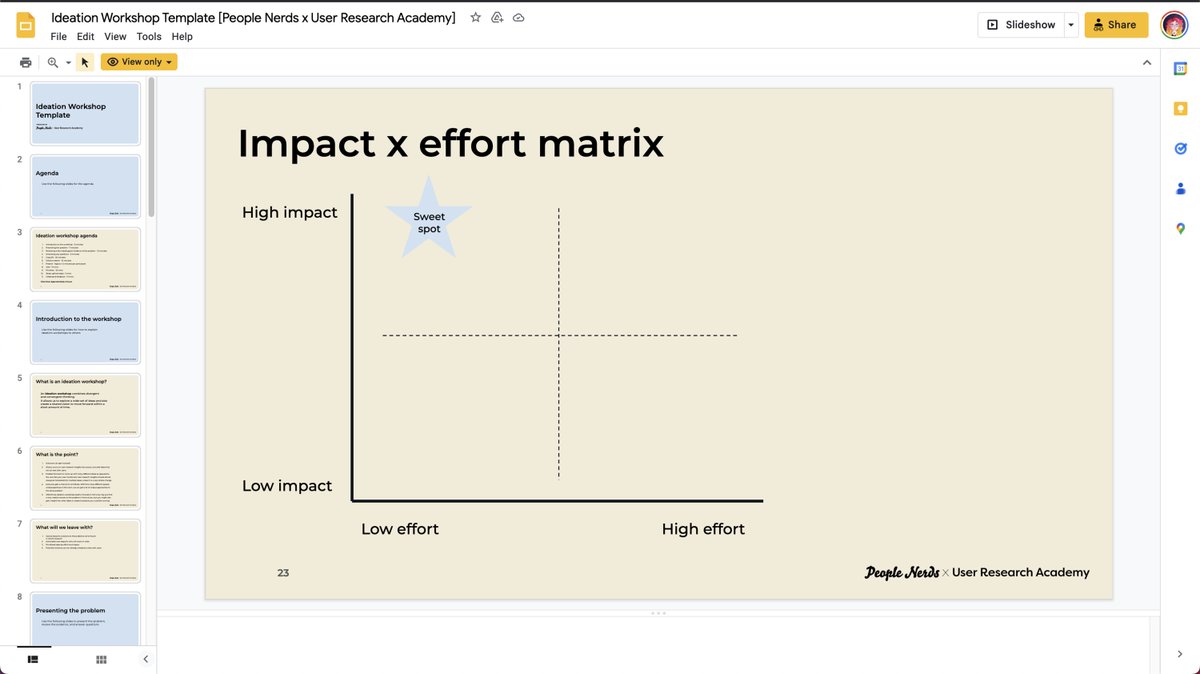
ALT A google Doc, with an impact matrix and a lot of other slides to make a ideation workshop
12
1,282

22 Nov 2022
Buy Suprajit Engineering; target of Rs 386: #Sharekhan Research Team.
👉Read the complete article – bit.ly/3AC2n4l (4/4)
#StockMarketindia #StockMarket #ResearchInsight #BREAKOUTSTOCKS #Newsnight #Moneycontrol
1
6

1 Jul 2022
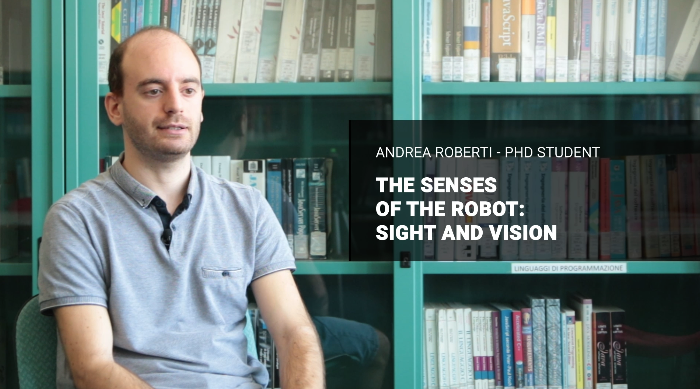
🤓Sight is the most important sense for a surgical robot. Unlike humans robot's vision is not limited to two eyes 👀🤖👀 but goes far beyond...
>> Discover more bit.ly/3AmREeC<<
With @ERC_Research @LabAltair
#sciencenugget #researchinsight #ERCFunded #robotica #robots
1
2
27 Dec 2021
With #Omicron, fears of restricted #Mobility follow. The interesting #researchinsight, created from #IndiaPulse #datasets & #datavisualisations at @IndiaDataPorta1, focusses on decline & recovery of public mobility in times of #COVID19 #pandemic. Read more:isb.edu/en/research-thought-…

2
4

9 Dec 2021
Private security is a fast-growing industry, and it's important to understand its role in the organisation and governance of security. Read this #CTPSR #ResearchInsight about research by @mnoortmann and @koning_juliette on the complex elements of private security. @CovUniResearch

ALT Text document. For pdf download for screen readers visit: https://www.linkedin.com/feed/update/urn:li:activity:6874742448841723904
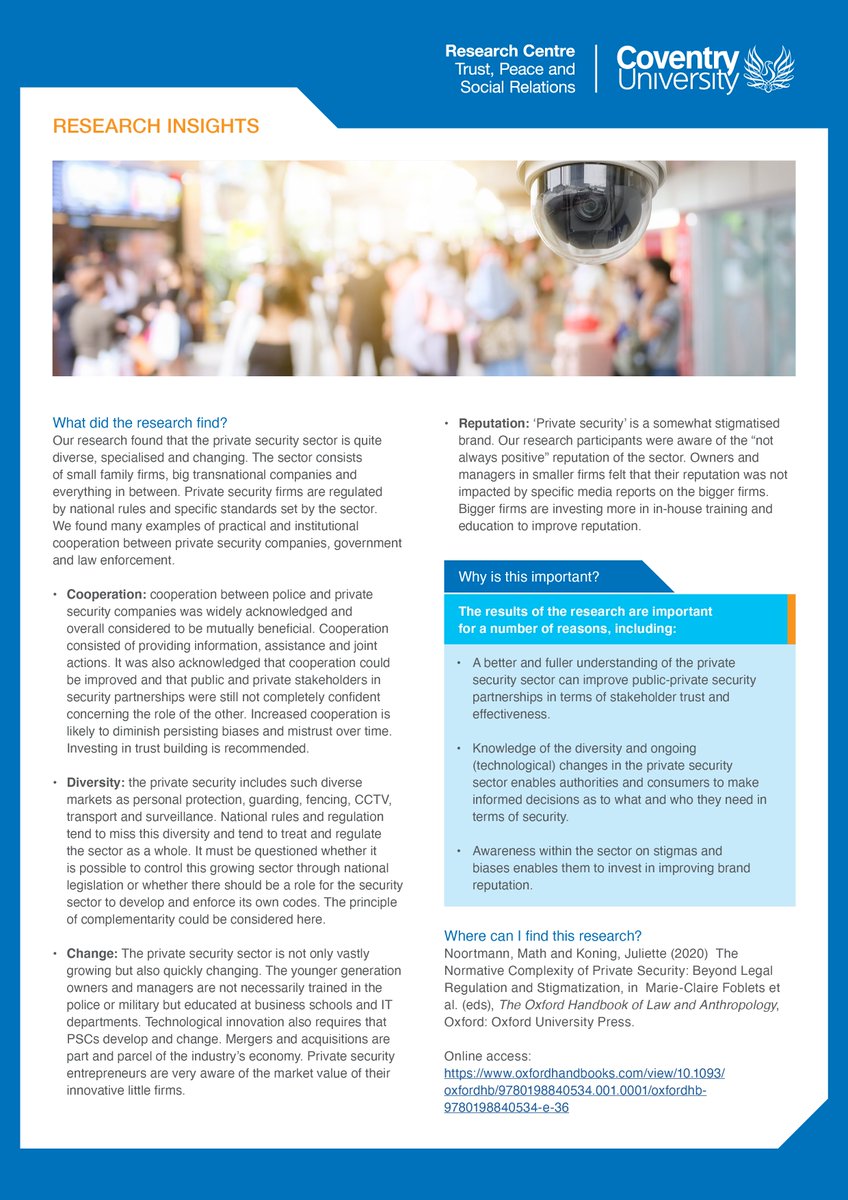
ALT Text document. For pdf download for screen readers visit: https://www.linkedin.com/feed/update/urn:li:activity:6874742448841723904
2
5

8 Dec 2021
"Cultivating Precarisation: Intersecting Vulnerabilities of Syrian Refugees in the Turkish Agricultural Sector"
Published in @WESjnl | Authored by Saniye Dedeoglu of @muglaedutr
Link: doi.org/10.1177/0950017021…
#AcademicResearch #Refugees
#Agriculture #ResearchInsight

1
5

5 Dec 2021
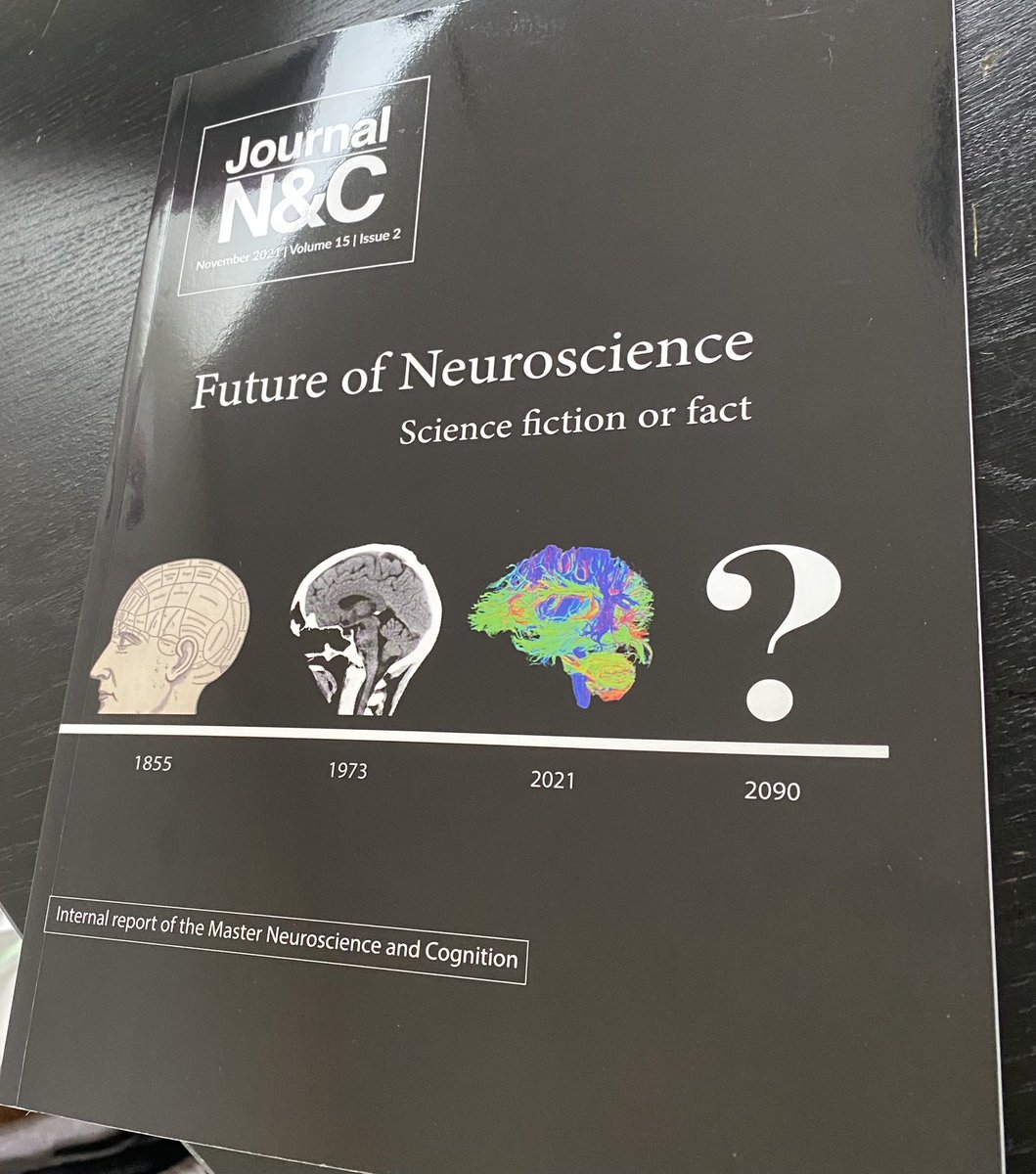
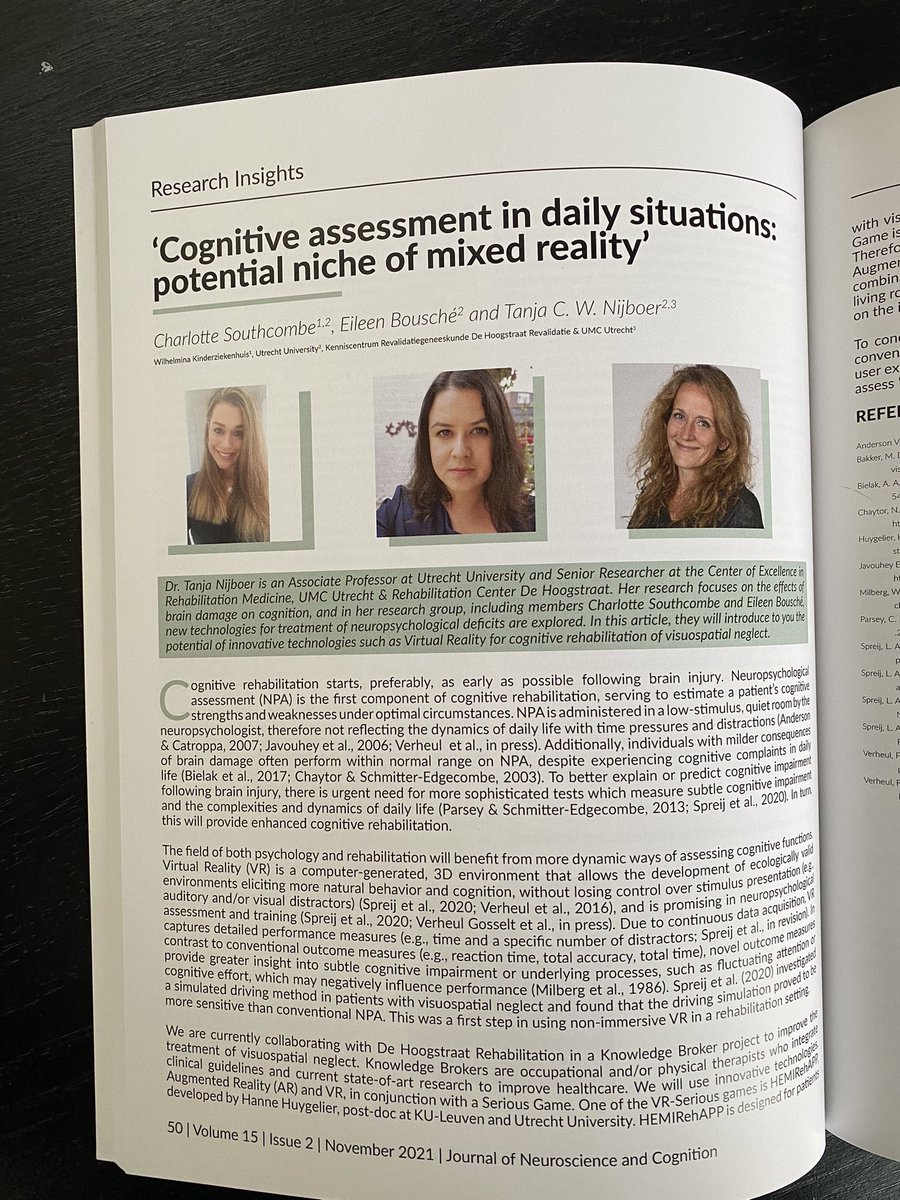
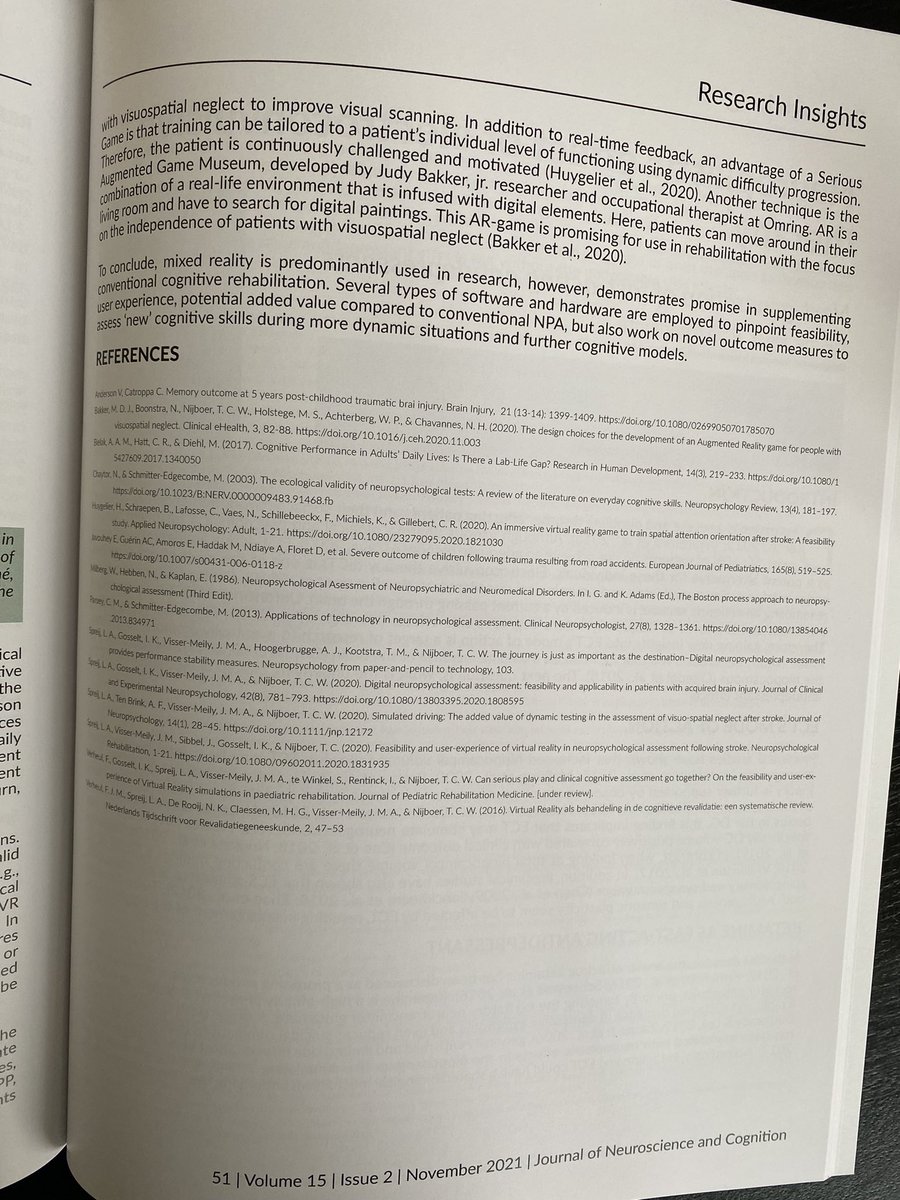
Nieuwe glossy Journal of #Neuroscience & #Cognition is uit. Ons onderzoek @SMARTneurolab naar de meerwaarde van #MixedReality in #neuropsychologie #revalidatie als #ResearchInsight. @ClSouthcombe @EBousche @HanneHuygelier @judybakker @DeHoogstraat @MarikeJansen @EugenieBrinkhof
4
10

1 Dec 2021
Just amazing!! Great efforts and superb job by the publication, The Holkar Sirkar (Govt) Gazette in 1922, tks Mr @ans_bajanama #learnings #researchinsight
4

6 May 2021
Had a lovely chat with @RayPoynter who interviewed me about my book with Kogan Page @KPMktng 'Games and Gamification in Market Research" Listen/watch the interview here: youtube.com/watch?v=57SnW13D…
#Gamification #Gamify #ResearchGames #ResearchInsight #ResearchSuccess #Book #NewMR
2
5

15 Mar 2021
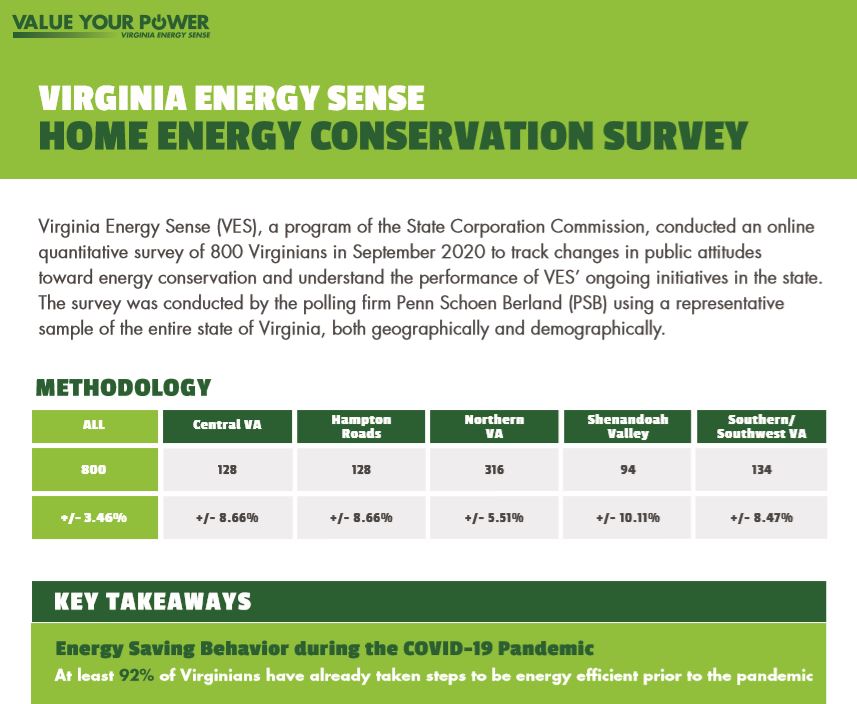
#ResearchInsight: About 4 in 5 Virginians say it's possible to be energy efficient while also maintaining their current level of comfort in their home. #VAlueYourPower bit.ly/2LQD346
1
5 Aug 2020
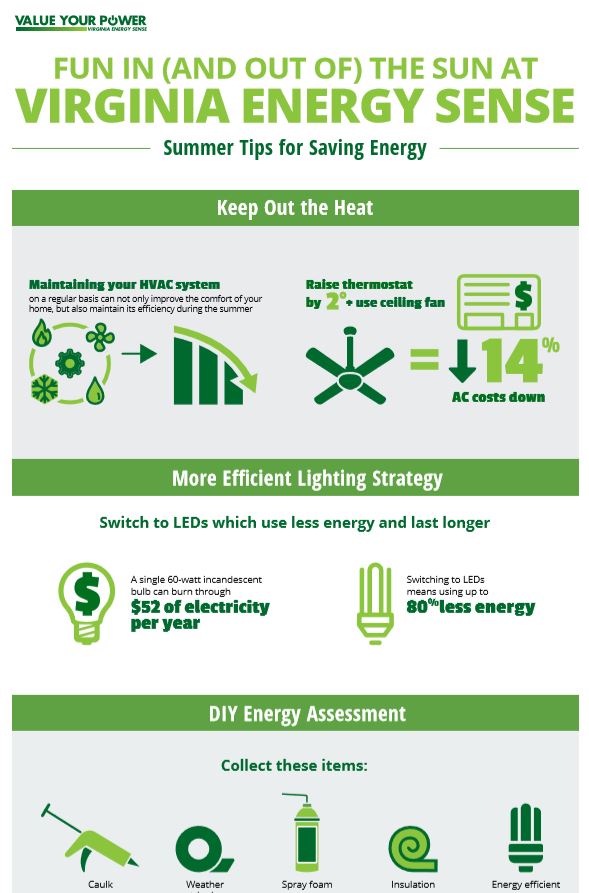
#ResearchInsight: Raising your thermostat by just two degrees and turning on your ceiling fan can bring down your AC costs by up to 14%. Learn more: bit.ly/2NLHFWW
3
2

.@samroscoe56 contributes to new @delawarepro #researchinsight report, '#Innovation driven by necessity', exploring the latest #innovativetechnologies, processes & techniques, vital for building resilience & lessening impact of risk events in future: delaware.co.uk/en-GB/Discove…
3
4