
So spot on leaders have failed the country including yourself because you were one of the rots in the evil banking system we have in Nigeria aiding political leaders to loot and re-loot the country, it is unexplainable a multi-minerals resource rich country like ours is borrowing
1
have FAITH 😍 retweeted

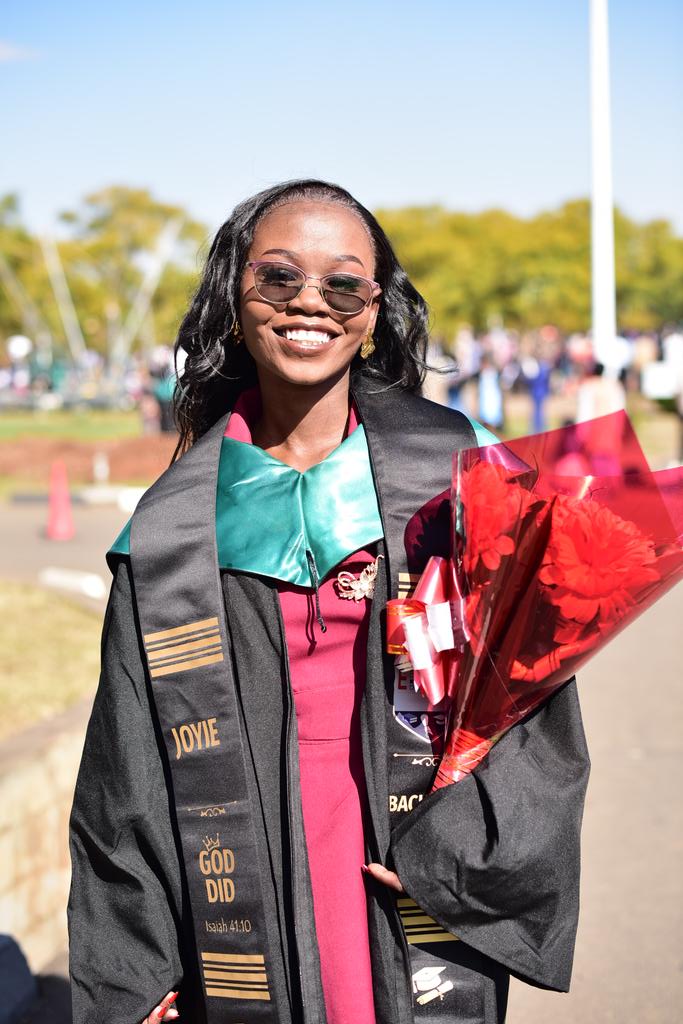
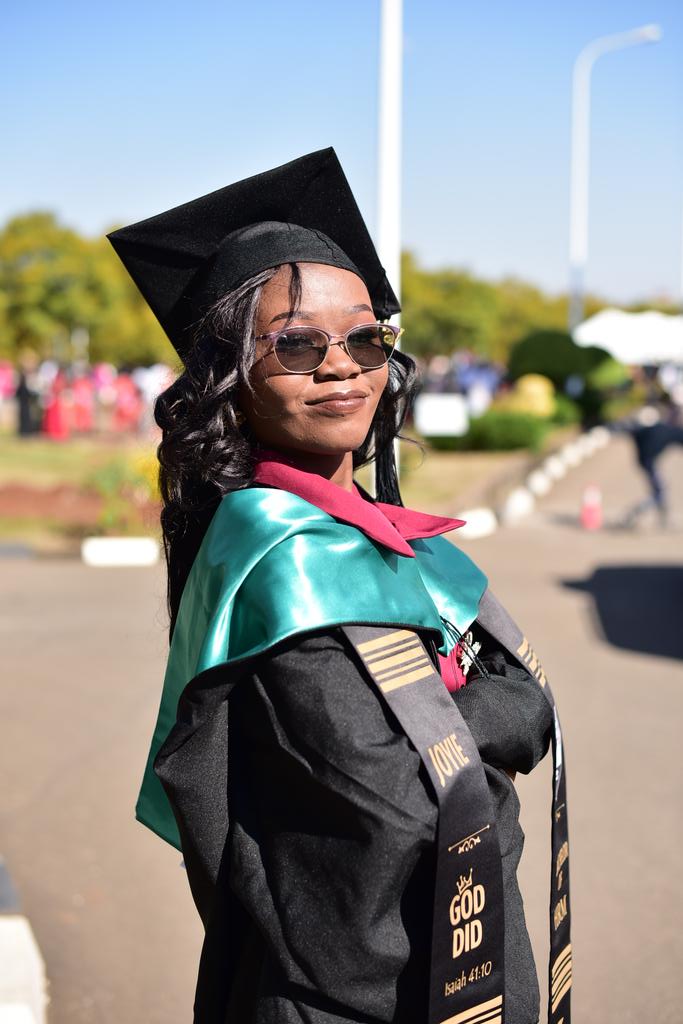
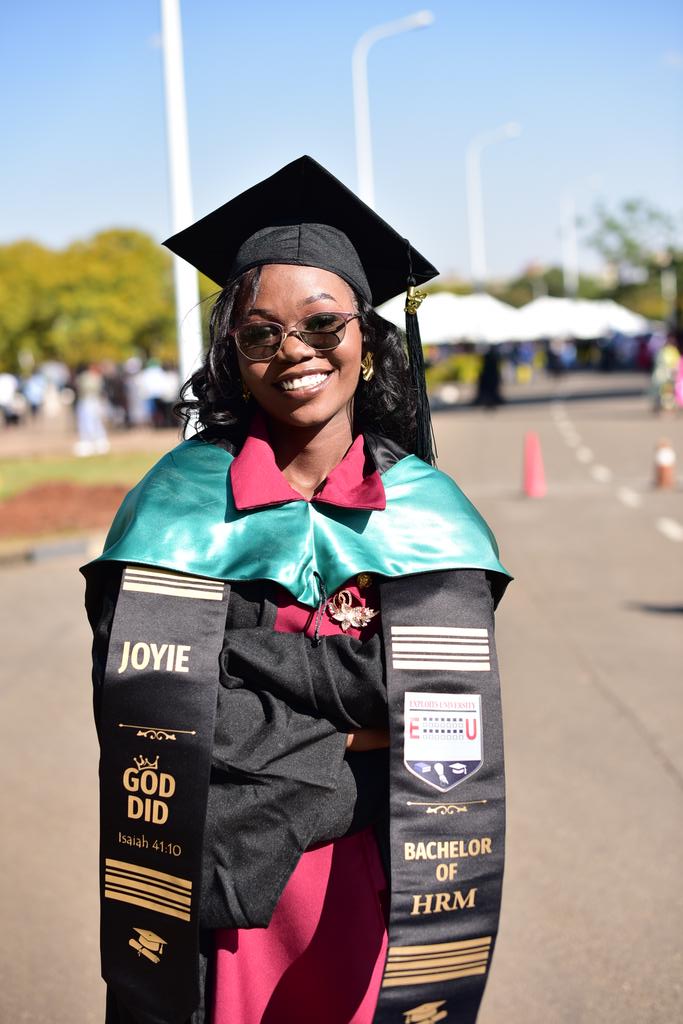
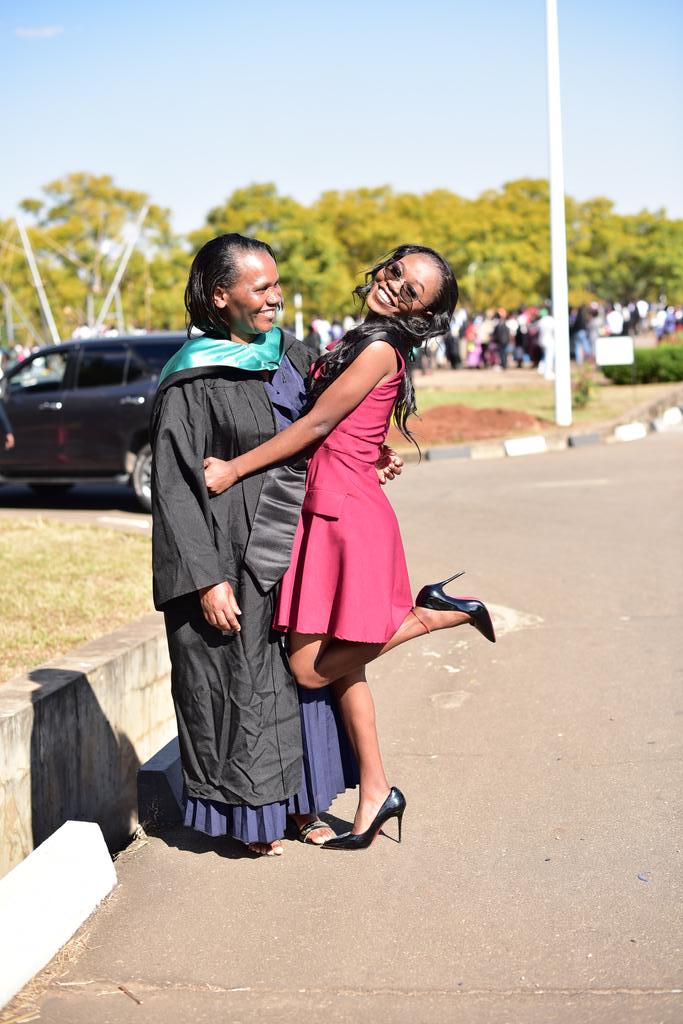
We made it😊❤momma was there to support her mad daughter😂😂...
Bachelor of Arts in Human Resource Management bagged 😍🔥
42
76
279
7,306

peanut retweeted

Fox definitely had classes in da resource room when he was a kid
11
196
4,105
158,224
Bradypus torquatus retweeted

This is an invaluable resource. Proving metabolic & pharmaceutical malabsorption to a primary care physician is notoriously difficult without objective data. This provides the exact empirical framework I’ve needed to demonstrate how these overlapping biological pathways intersect. It clearly illustrates the systemic domino effect occurring between glucose regulation, thyroid function, endocrine health, digestive acidity, cortisol production, etc… Thank you for turning lived experience into clinical evidence.
Jun 12

Another study shows cerebral hypometabolism in #LongCovid patients with PEM.
Cerebral hypometabolism is a decrease in the brain's ability to turn glucose into energy, leading to a severe cellular energy deficit.
journals.sagepub.com/doi/ful…
2
6
187

I booked 16A on a red-eye flight, specifically wanting to sleep against the wall. When I get there, a guy is in the middle seat, but his massive carry-on backpack is sitting squarely in my footwell.
"Hey man, mind moving your bag to the overhead? That’s my foot space."
He looks at me, completely annoyed. "There’s no room up there. Just put your feet around it. Or better yet, let's just swap. I'll take the window, you take the middle, and you don't have to worry about the bag."
"No thanks. I paid extra for the window. Please put your bag under your own seat."
He huffs, shoves the bag under his own space, and slides over to let me in. But the moment I sit down, the real war begins. This guy is about 6'2", and he decides that because he didn't get his way, my personal space no longer exists.
Every two minutes, he "shifts" in his seat, violently slamming his knee into my thigh. When I try to lean against the window to sleep, he aggressively spreads his legs (mansplaining style), forcing his knee directly into my space so I can't even sit straight.
When I finally say, "Can you keep your knees on your side?" he looks me d*ad in the eye and says, "Legroom is a shared resource, buddy. If you wanted space, you should have flown first class." I spent the remaining four hours using my own elbow as a shield to block his knee from bruising my leg.
3
3
12

Agree with this, with one angle to add. India's bind these years traces back to one thing: it staked its whole strategy on an assumption that is now failing, that the US will stay dominant, so the safest move is to line up behind the strongest power. The tariffs, the Russian oil, Hormuz, access to advanced AI models, these look like scattered frictions, but they are symptoms of that one premise coming loose.
The harder part is this: an America anxious about its own position increasingly treats partners as a resource for solving its problems, with little owed in return. And because India has few real alternatives, that dependence becomes leverage in Washington's hands.
The deepest obstacle is cognitive. For the sake of elite pride, India's planners keep refusing the one adjustment that matters, taking seriously the possibility that China comes out ahead in the long run, and building that into their thinking rather than treating it as something unsayable. Admitting it costs nothing. Failing to see it is the real danger.

To put it bluntly, since 2017, India has chosen the worst of the available paths.
By aligning itself with the US, it has obtained almost none of the resources that would strengthen its strategic autonomy and has instead grown more dependent.
By confronting China, it has lost manufacturing capital and technology that could once have been acquired effortlessly. Counter-intuitively, these flows of capital and technology—though they appeared to deepen dependence—were in fact the essential foundation for Atmanirbhar Bharat.
India now finds itself stranded between the two powers and exposed as collateral damage, as Marco Rubio puts it, in their strategic contest.
This has left it vulnerable to American pressure on multiple fronts—tariffs, trade in Russian oil, killings in the Strait of Hormuz, and access to advanced AI models. Washington did all the above with little concern for India’s basic dignity or core interests.
The roots of this grand misjudgement lie in India’s long-held belief that the US would always remain dominant and that the safest course was therefore to stand with the strong. That assumption is now being questioned even inside the Trump administration, throwing India’s strategic planning into disarray and leaving it without credible contingency plans.
Three uncomfortable realities have become clear: 1) an America gripped by anxiety is unlikely to offer its partners meaningful support; it is rather more inclined to treat partners as expendable assets to be drawn upon when needed. Yes, India is simply seen as the bloodbag.
2) The path dependence created by long-term reliance on American financial systems, software ecosystems and geopolitical arrangements has become a potent instrument of leverage precisely because India has few realistic alternatives.
3) for reasons of elite izzatl and face-saving, Indian policymakers have so far refused to undertake the necessary recognitive rerouting—above all, to seriously contemplate the possibility that China may be prevailing in the broader contest and to adjust its choices accordingly.
21

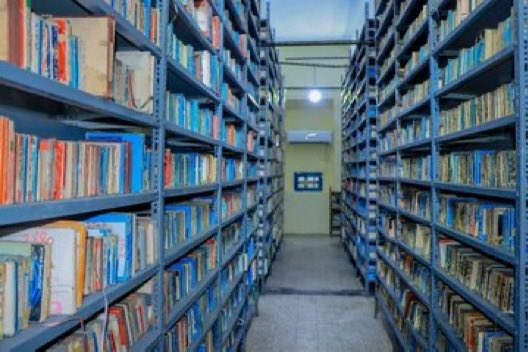
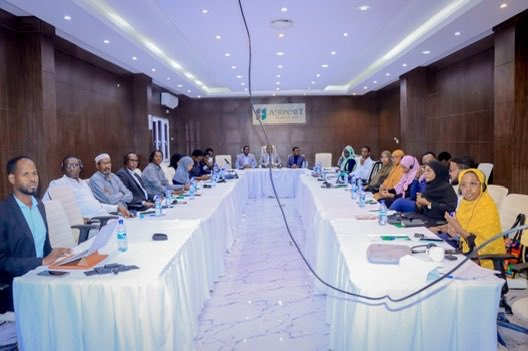
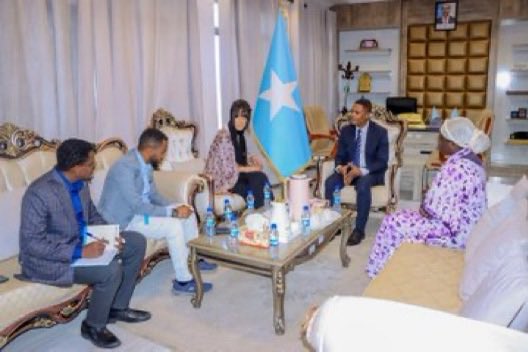
The inauguration of the renovated @RadioMuqdisho Archive on 9 June 2026 marks a major step in preserving Somalia’s documentary heritage.
The archive, which houses a vast collection of audio recordings, serves as a crucial resource for researchers and the public alike, offering insights into Somalia's history, culture, and societal changes over the decades.
1
27

They sadly kind of sucks
And imagine a infinite range gun, no spread no nothing, that one shots, and can be shot multiple times a second, all just a balanced with a resource. Sounds kind of off right?
Thats generally why FPS guns have inherent downsides
4

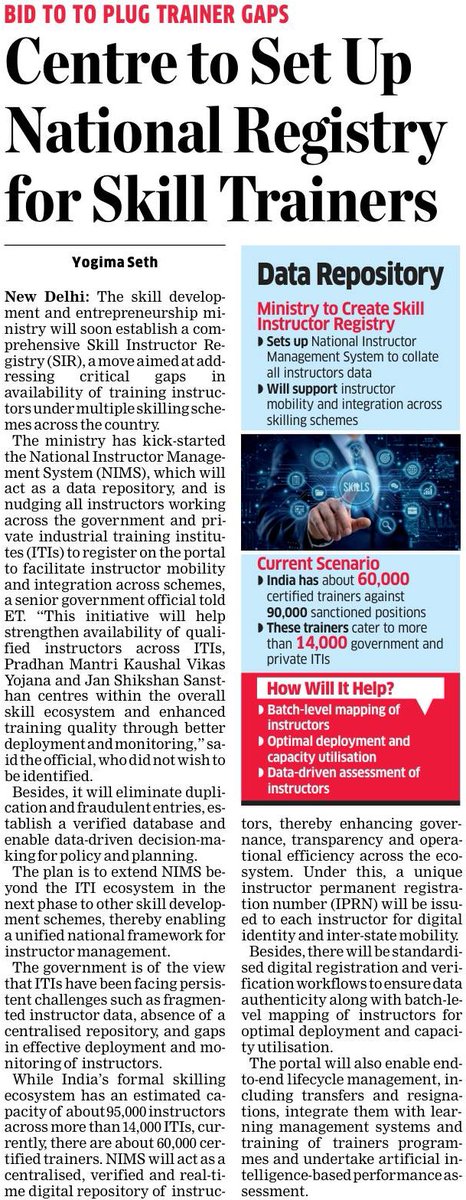
India is strengthening its skilling ecosystem through the upcoming Skill Instructor Registry (SIR), a significant initiative aimed at enhancing the availability and deployment of qualified training instructors nationwide. Supported by the National Instructor Management System (NIMS), the platform will serve as a comprehensive repository of instructors from government and private Industrial Training Institutes (ITIs). By enabling greater instructor mobility and integration across key programmes such as PMKVY and Jan Shikshan Sansthan, the initiative is expected to improve training quality, optimize resource utilization and support the development of a highly skilled and future-ready workforce.
For more details, read the attached news article.
#SkillDevelopment #SkillingIndia #WorkforceDevelopment #SkillIndia #VocationalTraining #FutureReadyWorkforce #IndustrialTraining #PMKVY #CapacityBuilding #HumanCapital #DigitalTransformation #EmploymentGeneration #SkillEcosystem #TrainingExcellence #NewIndia
4

But vele education is the biggest problem, if we lacked it we wouldn't care about title deeds and mining certificates, we would convince ourselves that #IzweLaboKokoBethu and just occupy our inheritance and we would mine every kind of resource like our ancestors did before JVR
Gene fett retweeted

Jun 12
Disgusting & vile.
Why are we allowing America hating, REFUSING TO ASSIMILATE, resource draining PARASITES & TERRORISTS, who bring ZERO VALUE, TO REMAIN IN AMERICA?
Allowing them to stay, along w/million other Muslims/Islam…IS LITERALLY SUICIDE. They’ll DESTROY our country!
Jun 12

Public school in St. Paul, Minnesota
Every girl is in a hijab… in kindergarten
1
3
76
Papillon retweeted

Feb 27
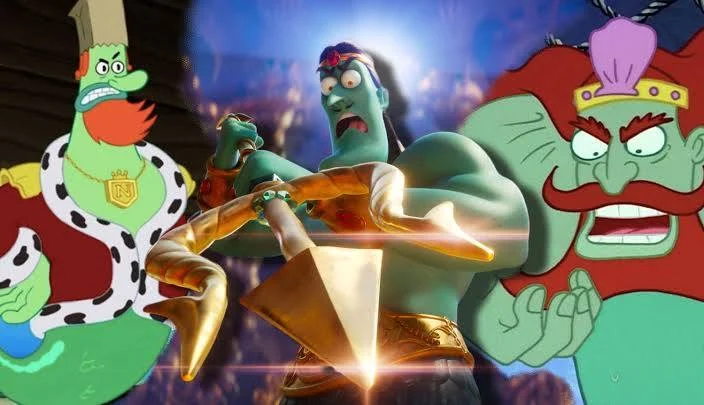
Resource Monopoly
Sea kingdoms imply control over vast natural wealth.
Resource centralization creates dependency structures😎-Aguyo

1
2
3
89

The Atlantic was a favoured resource for Sopes of the BBC, now TNA, a collection of three ex BBC anchors often garnering a viewer or two.
3
nah retweeted

🚨 Parents, WAKE UP.
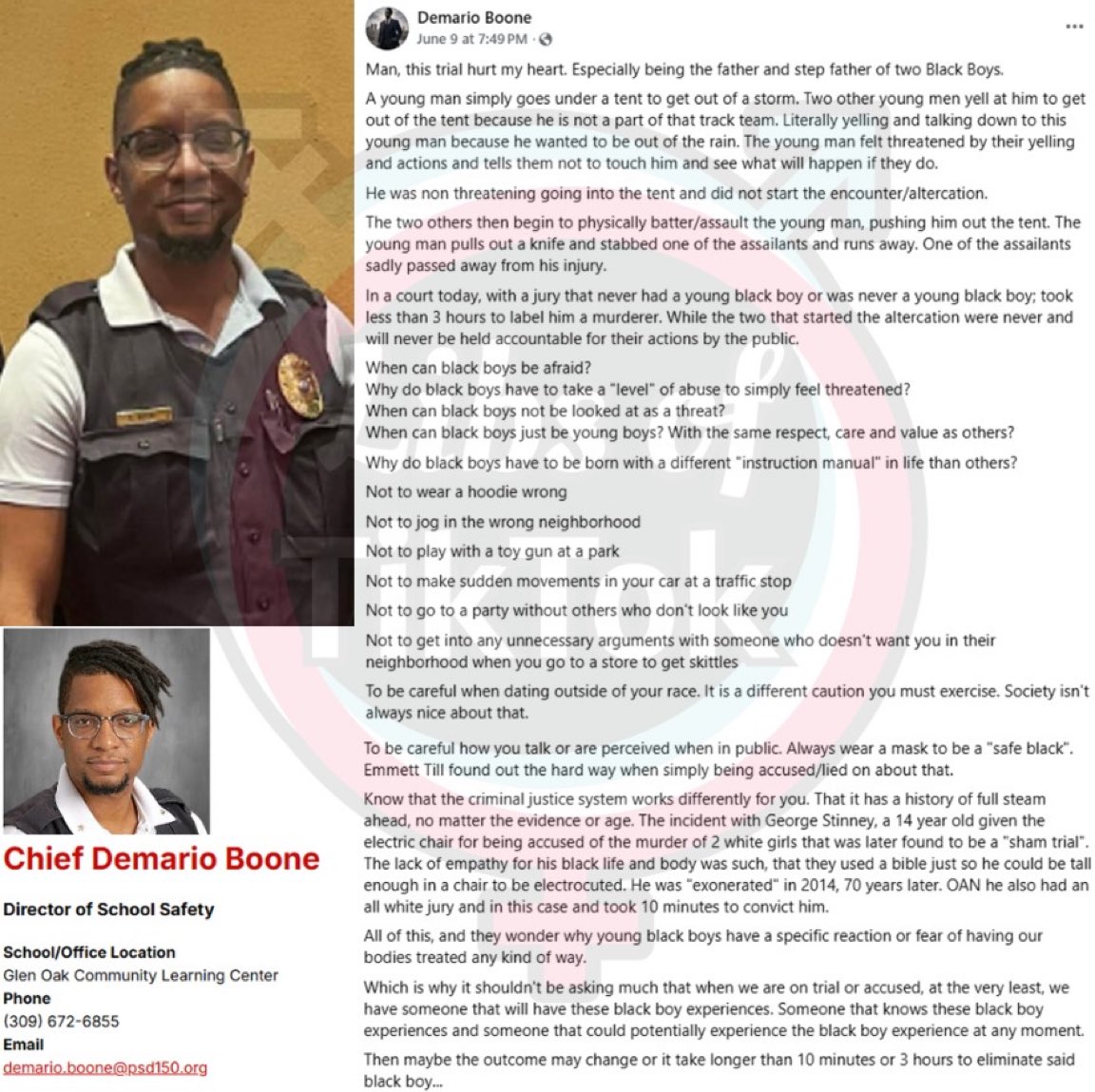
Meet Demario Boone — Director of School Safety and school resource officer at Peoria Public Schools (PSD150) in Illinois.
This is the man in charge of protecting YOUR kids… yet he went on a full-blown race-obsessed rant online DEFENDING Karmelo Anthony after Anthony was found GUILTY of murdering Austin Metcalf.
A school safety director justifying murder along racial lines?
Your tax dollars are paying his salary while he watches over children every day.
This is unacceptable.
Credit: @libsoftiktok
Share this far and wide. Our kids’ safety comes first. No excuses.
#PeoriaSchools #DemarioBoone #KarmeloAnthony #AustinMetcalf #SchoolSafety #ParentsRights #TaxpayerDollars #WakeUpParents #PSD150 #JusticeForAustin #RemoveHimNow
45
327
462
6,053

Four months of iteration, the resource tables, and the models that failed before I found ones that worked
1
2

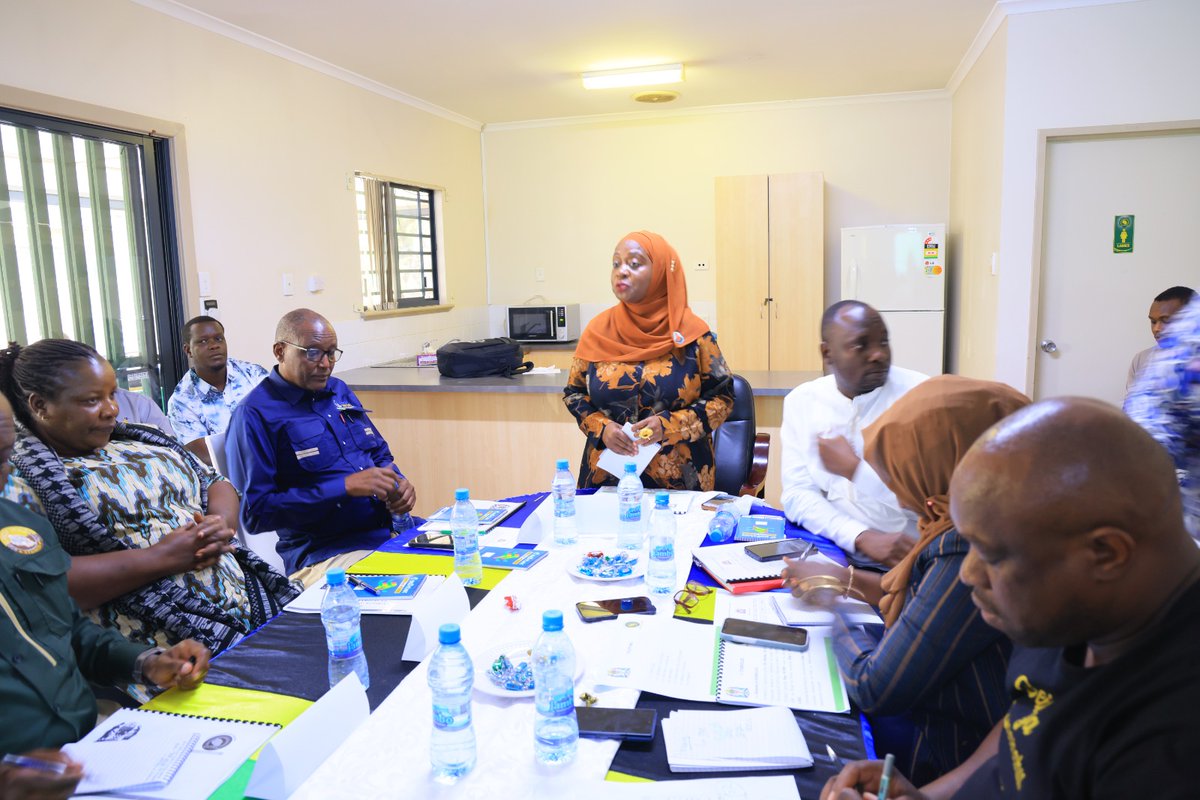
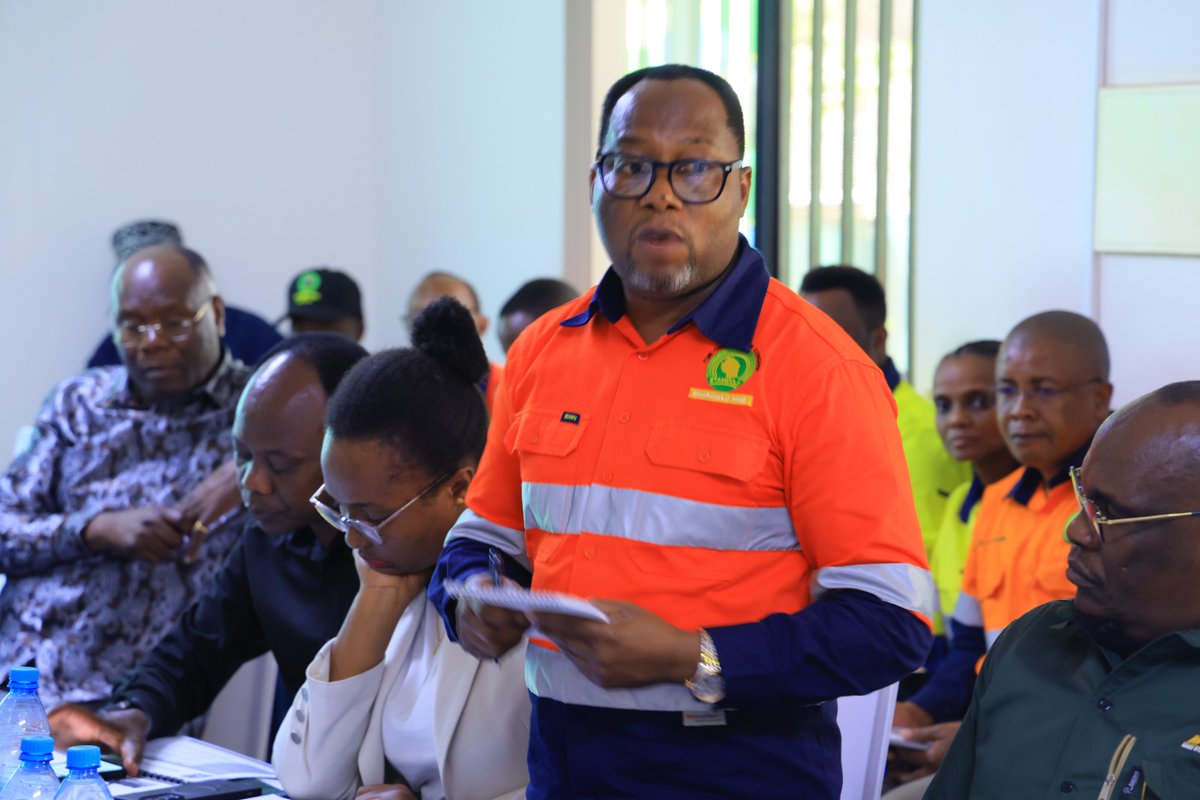
🚀 STAMIGOLD Extends Mine Life to 2032 Through New Gold Discoveries and Strategic Investment🇹🇿
A major milestone for Tanzania’s mining sector.
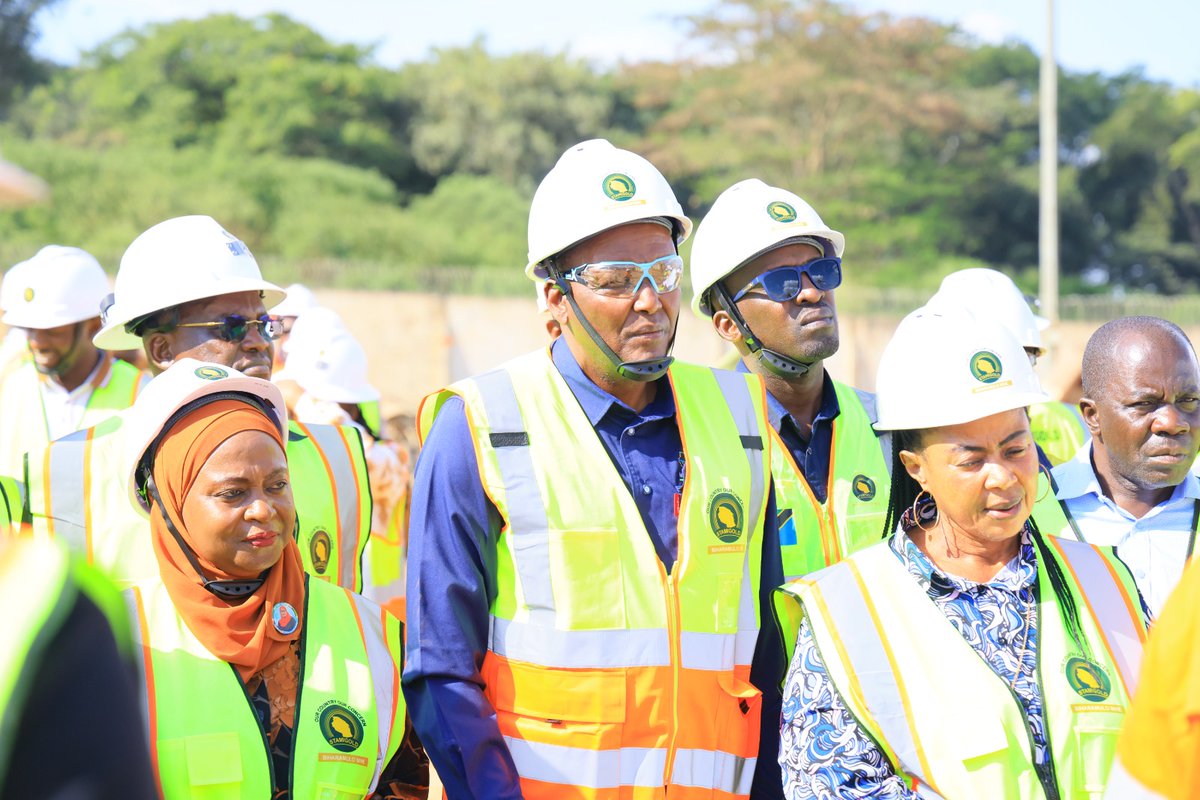
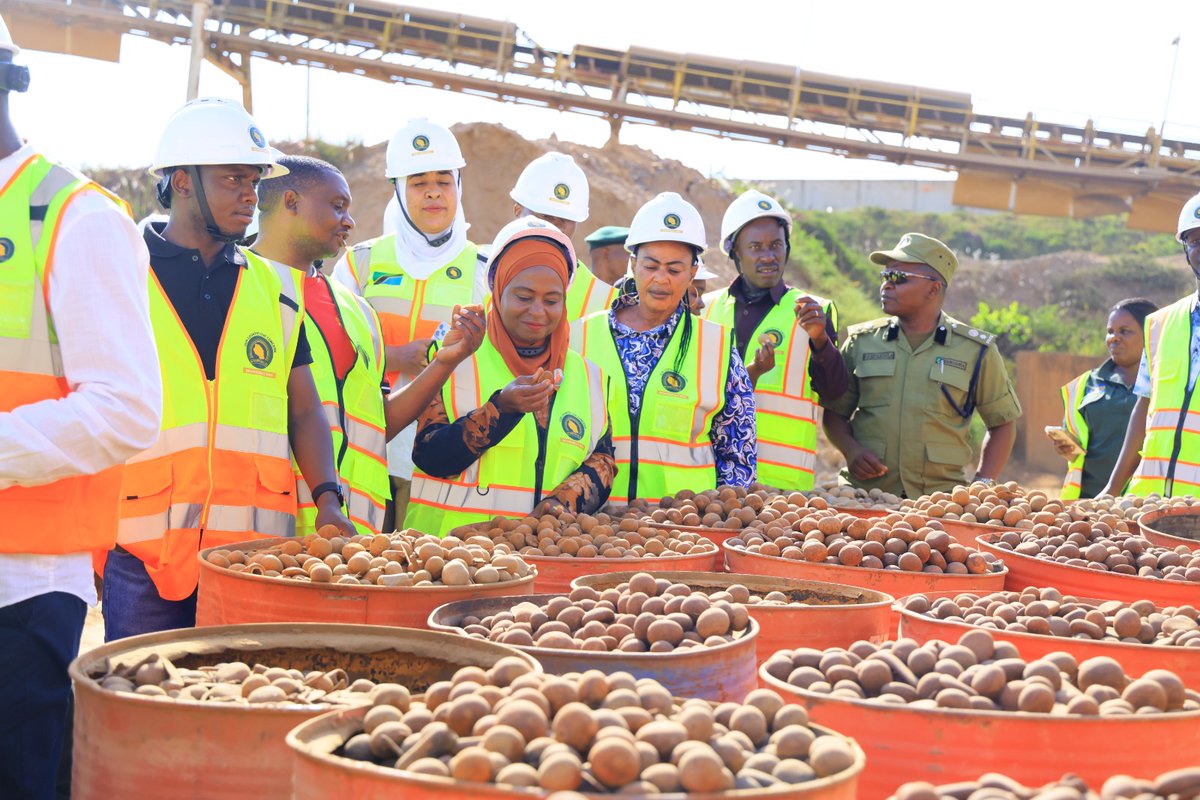
During a visit by the Parliamentary Standing Committee on Energy and Minerals, STAMIGOLD under the stewardship of State Mining Corporation (STAMICO) received commendation for its strong operational performance, investment in modern mining technology, and successful resource expansion.
🔹 Mine life extended by six additional years, now projected to operate until 2032
🔹 Discovery of 100,319 ounces of new gold reserves
🔹 Production of over 137,000 ounces of gold since 2014
🔹 Employment opportunities created for 740 Tanzanians
🔹 Investment in advanced drilling equipment and mine dewatering systems to improve efficiency and reduce operational costs
The achievement demonstrates how continuous exploration, technological innovation, and strategic investment can unlock long-term value in the mining industry while creating jobs and contributing to national economic growth.
As Tanzania advances its ambitions under Vision 2050, success stories such as STAMIGOLD highlight the critical role of resource development, local participation, and sustainable mining in driving industrialization and shared prosperity.
#Mining #TanzaniaMining #STAMIGOLD #STAMICO #GoldMining #MineralDevelopment #Investment #EconomicGrowth #MiningInnovation #SustainableMining #Vision2050 #Tanzania #NaturalResources #MiningIndustry ⛏️🇹🇿✨
1
4

AI is a fad and becoming part of the power play. As we noted recently, the US can shut down every AI or degrade its performance. Whether investment in AI will reap benefits or not seems to be a big gamble at this time. AI is resource hungry, and time will tell whether it makes sense.
39

funny how the push for tech innovation overlooks basic resource management like water