シンバ3J52 ☔🐬🎣👾͛🍃🌂 retweeted

knowing that ankh's return for this movie wasn't even contemplated and it only happened cause the day shu got the offer he was together eating with ryon he couldn't get the idea out of his head he literally insisted to make it happen
7
226
2,173
108,134

immigration 🇨🇦 retweeted

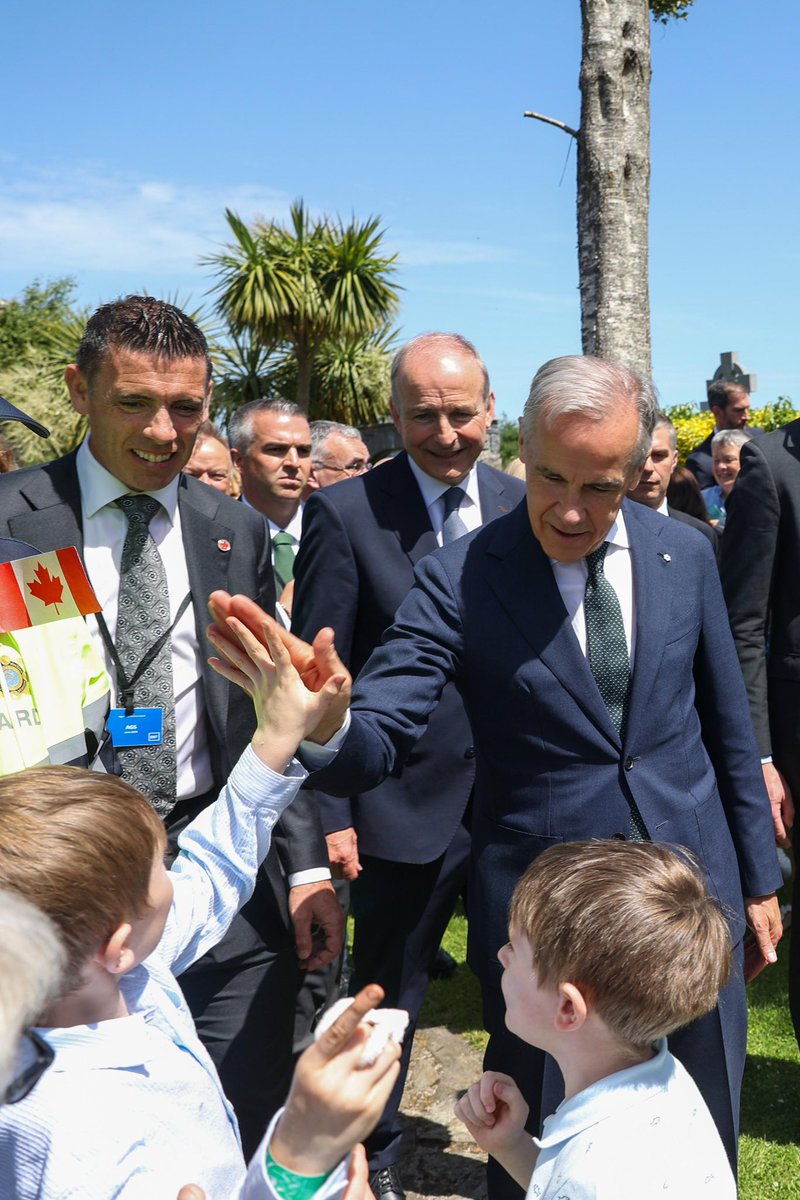
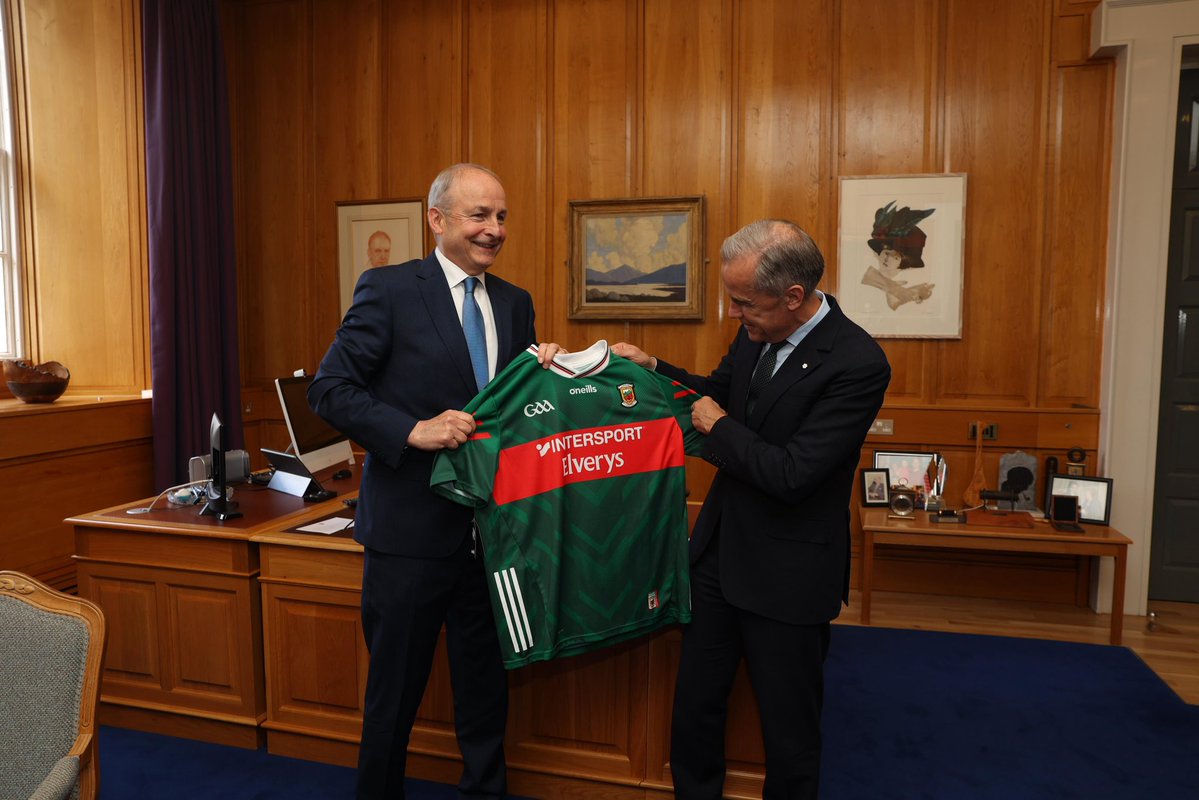
A wonderful visit to Mayo with @MarkJCarney.
From the reception in Westport to a deeply poignant return to Aughagower, it was great to witness the pride of the local community as PM Carney came home to his roots. 🇮🇪🇨🇦


26
26
152
4,581


POINT OF NO RETURN
While big studios burn millions on marketing, we take what’s ours through pure discipline. No bloated budgets:
• 1,000 demo activations
• 100 wishlists
Steam Next Fest kicks off tomorrow. Director's Cut: Train drops June 25.
Grab the demo below.

1
ScottishPirate retweeted

Jun 12
Loch Lomond, from the west of Ireland.
Wishing Scotland well as they return to the World Cup after 28 years 🏴
166
1,117
7,651
185,835

EVENT WILL NEVER RETURN!
>> ༝SAYLORFUND.ORG


13s
And 🇺🇸 people—- this event may not return in your lifetime. For sure, not mind. Thanks for your attention- Gramps

Same, but I came back to literally having no feed. 😵💫
Been doing some medical stuff lately so been out of the loop, and when I return, not a mutual in sight, just all these big accounts of loudmouthed shittalkers that I don't even follow!

☽ 𝖁𝖊𝖓𝖚𝖘 ♀ 𝖎𝖓 𝕷𝖊𝖔 ♌︎ ☾
⬷13.06 - 9.07⤐
To truly adore is to also genuinely admire...
Venus in Leo ♌ transit starts the summer off with warm fuzzy feelings towards romance, new beginnings & secret aspirations.
Mars is currently still in Taurus ♉, giving you all the focused energy you'll need to make your goals into a reality, but it also calls for you to take some time to slow down & enjoy the simple pleasures in life like a fulfilling conversation, tasty food & a movie with a fascinating plot you can discuss in depth later.
Mercury in Cancer is also in search of meaning & emotional depth when it comes to one's intellect.
After all, love is about the meeting of two similar minds.
Venus is also currently conjunct Jupiter so it is very likely that you're feeling enthusiastic & hopeful about life.
Having fun is just as important as it is to take certain things seriously.
Venus square Aries ♈ Chiron calls for healing in love on your search for harmony.
Past mistakes we're merely lessons not life sentences & carrying your past on your shoulders doesn't make you smart, it just makes you closed off whilst leaving you drained.
If it no longer serves you, it's time to let it go.
In each person comes a new opportunity to build more profound, happy connections.
Allow life to happen to you by welcoming change with open arms.
If you are a caring person, there's no reason you shouldn't receive the same care in return.
Be brave enough to admit your new necessary standards to yourself & go out there to chase meaningful moments.
Life needs to be experienced in order for you to truly understand what matters & what needs to be left in the past.
Your needs & self-esteem change & evolve, so do your tastes in love.
Allow yourself to explore by learning to flow with life instead of overly trying to control it.
During this transit, in terms of beauty, I'd advise to wear all kinds of hair jewelry & accessories to honour your crown chakra & gold colours are welcomed both in accessories & in clothing.
Keep your head up & your back straight.
Walk like you were a royal in a past life.
And smile a bit more because you never know...
Life might just smile right back at you... ღ

No you are.HB takes its orders from Iran.They are continuing to send rockets/missiles into Israel. Israel as any country would do responds. Leb. needs to take control of HB. If they don’t the consequences are return fire.Educate yourself,change your mind or you are an antisemite
Paul M ✡️🎗️ retweeted

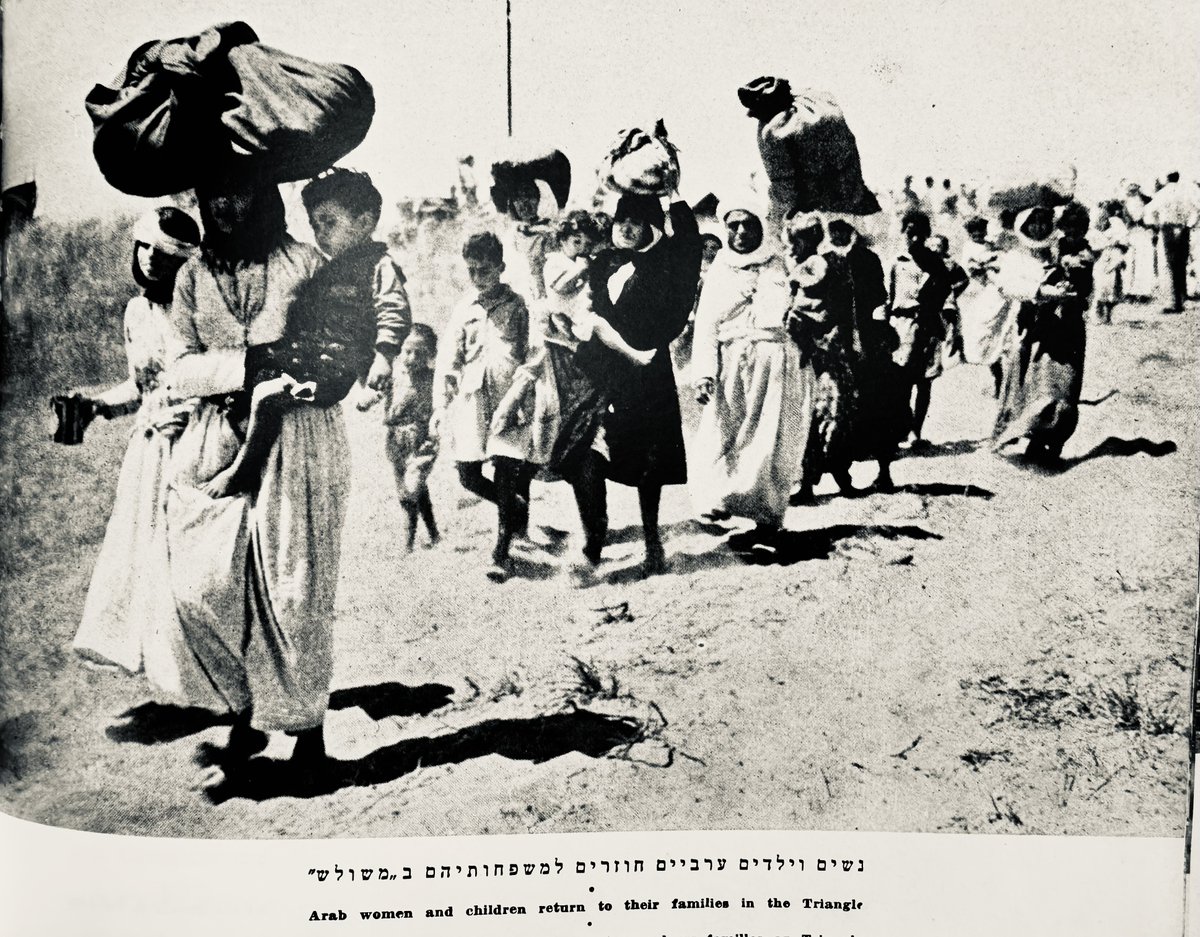
The world is still fixated on Israel’s refusal of a mass Palestinian refugee return after 1948.
That’s not unusual.
What’s truly unusual is that this tiny, embattled new state took any back at all in the absence of a peace treaty.
That’s right. In the early 1950s, this tiny new state of 800,000 ran family reunification programs allowing ~35,000 Palestinian Arabs to return and become full Israeli citizens (whose descendants likely number 150K today Israeli citizens today).
35K was controversial at the time, as it amounted to ~4% of the Israel's total population, even as the country simultaneously absorbed hundreds of thousands of Jewish refugees from the Middle East and Europe.
Compare that to other 20th-century partitions and displacement due to war:
• India and Pakistan had no comparable programs after 1947.
• Cyprus and Northern Cyprus did nothing after 1974.
• Europe offered no return for the millions of expelled ethnic Germans.
• And no Arab state ever created family reunification schemes for the 850,000 Jews they drove out.
The real historical anomaly isn’t “Why didn’t Israel let everyone back?” It’s why, amid ongoing war, security threats, and zero reciprocity, it let anyone back at all?
Part of the reason came from UN General Assembly Resolution 194 (Dec 1948), which became the bedrock of both UNRWA and the so-called "right of return" demand.
This non-binding resolution is highly unique in UN history and remains so:
• Passed during the height of the war, not after it.
• Not reciprocal (even as Jews were expelled from Jerusalem's Old City and other areas)
• Focused solely on Arab refugees "wishing to live at peace with their neighbors" with no reference to borders, citizenship or Jewish refugees.
Yet Israel actively sought to end the conflict.
At the 1949 Lausanne Conference, Israel offered to accept 100,000 Palestinian refugees in exchange for peace. It was rejected by the Arabs in favor of perpetual state of war and exile.
In retrospect, the timing of Resolution 194 in the middle of the war was disastrous for the Palestinians. By the end of the war, the Arab states had powerful international leverage to demand large-scale demographic reversal as a precondition to any peace talks. They never came.
Israel remains the only country singled out like this, which is why the Palestinian refugee situation remains "unresolved" in the minds of the UN and its member states, which affirm Resolution 194 every year since as if something is going to change.
9
107
295
6,030

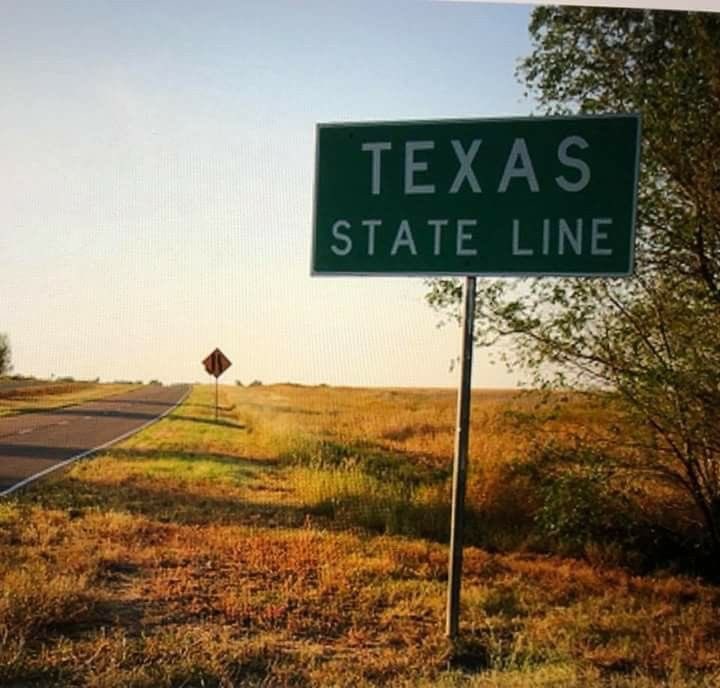
This makes me so happy as a Texan bc I love Texas & her true meaning. It has been hijacked by the wrong crowd, but will one day return.




3

Her pedophile beard desecrated the Ical, and SHE TRIED TO STEAL all the artifacts when she left! Got caught.. had to return ALL THE STOLEN THINGS!
 Derrick Evans


many pure posters (who never ship anything) make more money per month from their X payouts than peeps who are actually producing products
there's no return for a good product; there's only return for a successful product
maybe V Combinator should exist to help bridge the gap?
14m

it makes sense when you put into perspective group 1 has made the subconscious or conscious decision the best use of their time and talent is to post all day.
basically following anyone who's primary identity is posting (include your favoirite anime pfp here) is tacitly admitting you are following such a loser.
Adam Jogee MP retweeted

24m
Assisted Dying will return to the commons - but with its supporters making zero attempt to listen to the growing body of expert clinical opinion who have told them the bill is unsafe. I thought we progressives were meant to be led by the evidence and care for the vulnerable?
8
17
67
2,605
official retweeted

parrot what are you even doing here even😭😭
also hello the return after 8 YEARS. with whatd i miss.....

1
29
275
1,733
Markie Mark 🚶🏽♂️ retweeted

You can’t measure heart on the stat sheet
The return of Dre Greenlaw to the #49ers is simply massive - tone setter, feared, and a lifeblood of the defense!

1
9
98
2,056

That is a lot to untangle to sell or spin off and you all mistake greed or hunger for more or better return on investment as something else other than that. Anything is possible I don’t know all the numbers to know what Xbox needs to do or where it is but it is valuable to MSFT!
1