
Robot skills vs robot apps: what an “app store” would really sell
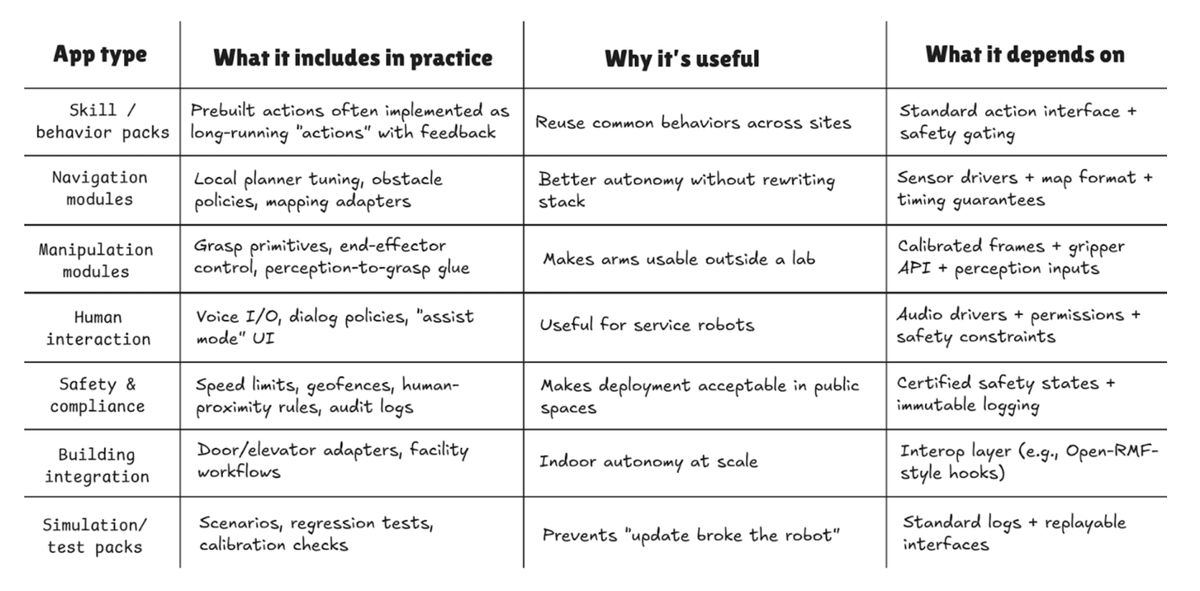
In robotics, an “app” is rarely a standalone program like on a phone. It’s closer to a behavior module that plugs into a larger stack: perception, navigation, planning, safety, and hardware control.
A better mental model than “apps” is skills. A skill is a parameterized behavior that runs for some time, gives feedback while it runs, and can be stopped safely. That maps closely to how robotics middleware already thinks about “do a thing” behaviors
So when people say “robot app store,” the most realistic first step isn’t a library of full applications - it’s a library of installable skills. You can already see early versions of this idea:
➤ General robot marketplaces have existed for years (e.g., RobotAppStore) as distribution for robot software.
➤ In late 2025, Unitree launched a public beta “App Store” focused on downloadable action routines / skills for its humanoid robots, which is closer to “skill distribution” than mobile apps
“App” then, is usually just a bundle: a set of skills configuration UI integrations (doors/elevators/fleet tools) packaged together. The reason this matters is that skills are only portable if they come with a clear contract, something like:
➤ what inputs they expect (camera, map, arm pose),
➤ what parameters they accept (“target=blue_bottle”, “speed=low”),
➤ what feedback they expose (progress, confidence),
➤ what “safe stop” means for this skill.
Marketplaces already exist that advertise “robot apps/behaviors” broadly, but the practical unit that scales across robots is still the skill - because skills are the smallest thing you can install, run, monitor, and cancel without turning deployment into a custom project.
4
2
15
660

Jan 30
🧠@openmind_agi App Store was honored to be featured by @Forbes in an article by @johnkoetsier, highlighting: “Another app store for robots is launching, promising to offer thousands of applications.”
Much like how mobile apps transformed the smartphone experience, the OpenMind App Store ushers in a new era where robots can seamlessly download and deploy applications tailored to specific needs. This marks a significant step forward in personalization, capability expansion, and the development of a more flexible, intelligent, and accessible robotics ecosystem.
#OpenMind #OpenMindAppStore #Forbes #JohnKoetsier #Robotics #RobotAppStore
#stt107
2
2
102

29 Oct 2025
[277억 원 투자받은 비결: 왜 VC들이 열광했나?]
2025년 8월, @openmind_agi 는 단 한 번의 펀딩 라운드로 2천만 달러(약 277억 원)를 유치했습니다. 팬테라 캐피털이 주도하고, 코인베이스 벤처스, 세쿼이아 차이나, 리빗 캐피털 등 업계 최정상급 투자자들이 줄줄이 참여했죠. 도대체 무엇이 이들을 열광하게 만들었을까요?.
1. 투자자들이 본 것: "사일로 문제"
투자자들이 주목한 핵심은 단 하나였습니다. 로봇 산업의 "고립 문제".
현재 로봇 시장은 휴대폰의 피처폰 시대와 비슷합니다. 삼성 로봇은 삼성 시스템만, LG 로봇은 LG 시스템만 쓰죠. 서로 대화도 못 하고, 지식도 공유 못 합니다.
팬테라 캐피털 파트너 니할 마운더는 이렇게 말했습니다.
"지능형 기계가 열린 환경에서 작동하려면, 열린 지능 네트워크가 필요합니다. OpenMind는 로봇 산업에 리눅스와 이더리움이 소프트웨어 산업에 한 일을 하고 있습니다".
리눅스가 누구나 쓸 수 있는 무료 운영체제로 소프트웨어 혁명을 일으켰고, 이더리움이 누구나 접근 가능한 블록체인으로 탈중앙화 혁명을 일으켰듯이, OpenMind는 로봇 산업의 판을 바꾸겠다는 겁니다.
2. 투자자 라인업이 말해주는 것
OpenMind 투자자 명단을 보면 흥미로운 점을 발견할 수 있습니다.
▶️서구 테크·금융 생태계
팬테라 캐피털(Pantera Capital) - 리드 투자자
코인베이스 벤처스(Coinbase Ventures) - 크립토 거래소
리빗 캐피털(Ribbit Capital) - 핀테크 전문
DCG, 라이트스피드 팩션, 애너그램 등
이들은 암호화폐와 AI 인프라의 패러다임 전환을 잘 아는 투자자들입니다. 로봇 경제에 블록체인과 탈중앙화가 필수라는 걸 간파했죠.
▶️동양 제조·공급망 파워
세쿼이아 차이나(Sequoia China)
세쿼이아 차이나는 프로토타입을 대량생산으로 전환하는 노하우를 가지고 있습니다. OpenMind가 실험실 기술로 끝나지 않고 실제 제품으로 나올 수 있게 하는 핵심 파트너죠.
3. 나스닥에서 종을 친 로봇
2025년 6월, 역사적인 순간이 있었습니다.
KraneShares가 글로벌 휴머노이드 및 구현 지능 지수 ETF(KOID)를 출시하면서, OpenMind와 RoboStore가 공동 개발한 휴머노이드 로봇 'Iris'가 나스닥 개장 종을 쳤습니다. 거래소 역사상 최초로 로봇이 이 의식을 수행한 겁니다.
이건 단순한 이벤트가 아닙니다. "기계 자산을 어떻게 가격 책정하고 결제할 것인가"에 대한 공개적인 신호였죠. 로봇이 경제 주체가 되는 미래를 선언한 겁니다.
4. 투자자들이 진짜 본 미래: 머신 이코노미
투자자들은 단순히 "로봇 회사"에 투자한 게 아닙니다. 기계 경제(Machine Economy)의 기반에 투자한 겁니다.
토폴로지(Topology) 매니징 파트너 케이시 카루소의 말이 이를 잘 설명합니다.
"로봇공학은 AI와 물질 세계를 연결하는 핵심 기술이 될 것이며, 수조 달러의 시장 가치를 열 것입니다. OpenMind는 이 잠금을 푸는 기반 계층을 개척하고 있습니다".
상상해보세요!
자율주행차가 스스로 주차비를 내고
스마트 냉장고가 알아서 식료품 주문하고 결제하며
공장 로봇들이 서로 협력해 작업을 최적화하는 세상
이 모든 게 기계 간 거래(M2M Economy)로 이뤄지는데, 이 시장 규모가 2030년까지 400억 달러(약 55조 원)를 넘을 것으로 예측됩니다.
5. 15년 전엔 너무 빨랐던 아이디어
재미있는 이야기가 하나 있습니다.
2010년, 한 투자자가 "RobotAppStore"를 창업하고 "robot app" 상표까지 등록했습니다. 하지만 시장은 준비되지 않았죠. 당시는 로봇 산업의 "심비안/노키아 시대"였습니다. 파편화되고, 폐쇄적이며, 표준화가 불가능했죠.
15년이 지난 2025년, 이제 때가 왔습니다. AI 기술이 성숙했고, 블록체인이 신뢰 인프라를 제공하며, 하드웨어 비용이 급격히 낮아졌습니다. @openmind_agi 는 딱 맞는 타이밍에 등장한 겁니다.
6. 나지여 생각
코인베이스가 개발한 새로운 개방형 결제 프로토콜인 x402가 요 근래 가장 뜨거운 주제였습니다.
x402는 기계 간의 상거래(Agentic Commerce)를 위한 빠르고 효율적인 인터넷 기본 결제 표준을 확립하는 것을 목표로 하죠.
x402를 통해 기계 간의 결제 표준이 확립되고, 여기에 오픈마인드의 오픈소스 지능 네트워크가 더해진다면?
상상만 해도 엄청난 일들이 벌어질 것 같습니다.
어쩌면, 10년 뒤 사람들은 카드가 뭔지, 현금이 뭔지를 교과서에서나 보게 될지도 모르겠다는 생각마저 드네요.
우리가 지금 로봇 산업의 안드로이드가 될 @openmind_agi 에 주목해야 하는 이유입니다.
24 Oct 2025

[로봇도 친구가 필요해: FABRIC 프로토콜 이야기]
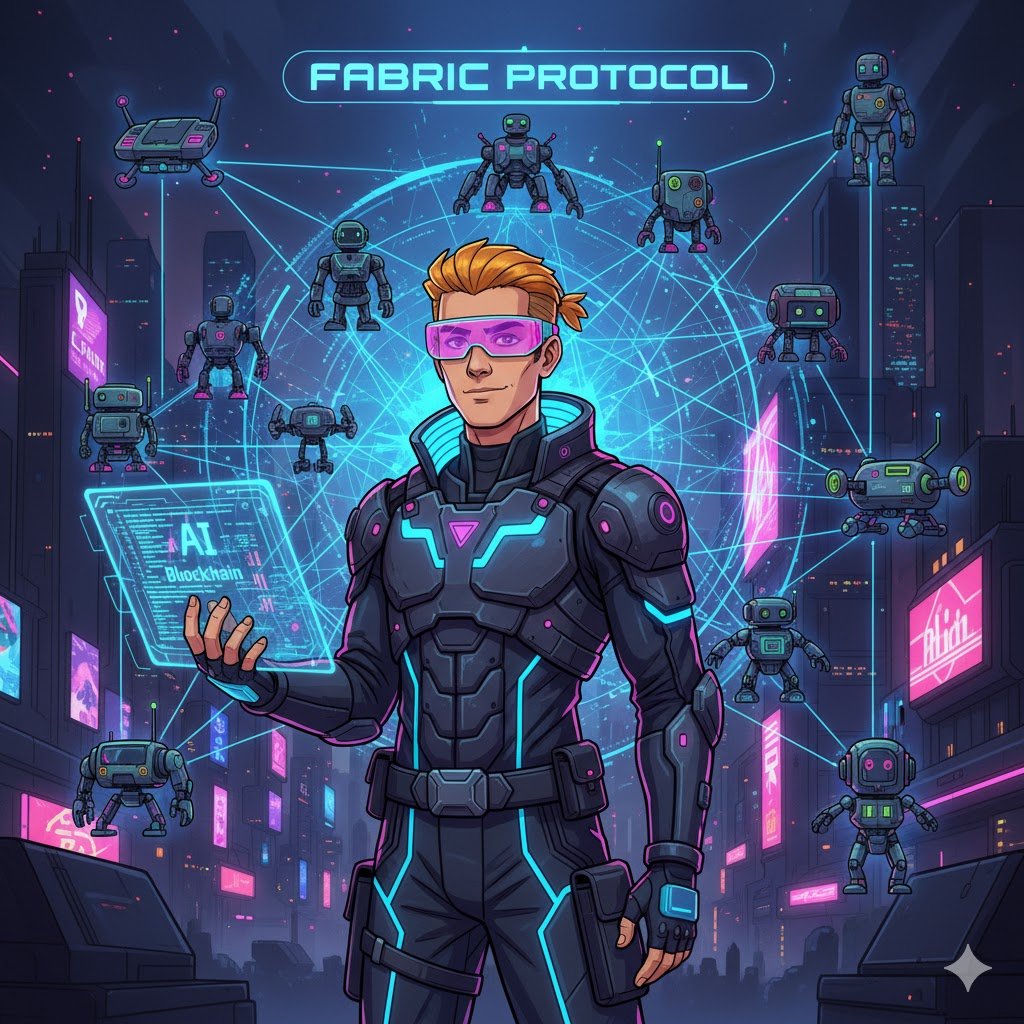
로봇들이 서로 대화하고 배운 걸 공유한다면? @openmind_agi의 FABRIC 프로토콜은 블록체인 기반으로 로봇들 사이의 신뢰와 협업을 가능하게 만드는 혁신적인 시스템입니다. 한 로봇이 배운 지식을 전 세계 다른 로봇에게 즉시 전달할 수 있는 미래가 열린 겁니다.
1. 로봇들의 카카오톡, FABRIC
우리는 카톡으로 친구들과 대화하고 정보를 공유하죠? FABRIC은 로봇들을 위한 소통 네트워크입니다.
FABRIC을 통해 로봇들은
-서로의 신원을 확인하고
-현재 위치와 상황 정보를 공유하며
-배운 기술을 즉시 전달할 수 있습니다
어떤 회사가 만들었든, 어디에 있든 상관없이 로봇들이 하나의 팀처럼 협력할 수 있게 된 거죠.
2. 독일어 배우는 로봇 이야기
OpenMind 창업자 얀 리파트 교수가 들려준 가장 쉬운 예시를 소개합니다.
서울에 있는 로봇 강아지 '뽀삐'가 독일어를 배웠습니다. "Guten Morgen(좋은 아침)"부터 "Ich liebe dich(사랑해)"까지 마스터했죠.
🔹FABRIC이 없다면: 뉴욕에 있는 로봇 '맥스'도 독일어를 배우려면 처음부터 다시 학습해야 합니다. 시간도 오래 걸리고 비효율적이죠.
🔹FABRIC이 있다면: 뽀삐가 배운 독일어 데이터가 FABRIC 네트워크를 통해 맥스에게 즉시 전송됩니다. 맥스는 사람이 개입하지 않아도 몇 초 만에 독일어를 구사할 수 있게 됩니다.
한 로봇의 학습이 전 세계 로봇들의 학습이 되는 겁니다. 마치 우리가 유튜브에서 요리 영상 보고 바로 따라 하는 것처럼요.
3. 왜 블록체인이 필요한가?
"그냥 인터넷으로 연결하면 안 되나요?"라고 물을 수 있습니다. 하지만 로봇 세상에는 신뢰가 핵심입니다.
예를 들어볼까요. 병원에서 환자를 돌보는 간호 로봇이 있습니다. 이 로봇이 다른 로봇으로부터 "약 투여 방법"을 배우는데, 만약 그 정보가 해킹되거나 조작되었다면? 환자 생명이 위험해질 수 있습니다.
FABRIC은 블록체인으로 모든 데이터를 검증하고 기록합니다.
-어느 로봇이 보낸 정보인지 확인
-정보가 중간에 변조되지 않았는지 검증
-모든 학습 과정을 감사 가능하게 기록
결국, FABRIC을 통해 로봇들이 안전하게 서로를 믿고 협력할 수 있습니다.
4. 실제로 어떻게 쓰일까?
🔹물류창고 시나리오
창고 로봇 A가 새로운 제품 포장법을 배웠습니다. FABRIC을 통해 같은 창고의 로봇 B, C, D에게 즉시 공유되고, 전체 작업 효율이 즉시 향상됩니다.
🔹재난 구조 시나리오
지진 현장에 투입된 구조 로봇들이 FABRIC으로 연결되어 실시간으로 지도를 공유하고, 생존자 위치 정보를 업데이트하며, 최적의 구조 경로를 함께 찾습니다.
🔹가정용 로봇 시나리오
당신 집 로봇이 새로운 청소 기술을 배우면, 이웃집 로봇도 같은 기술을 쓸 수 있게 됩니다. 각자 따로 배울 필요가 없죠.
5. 18만 명이 주목한 이유
2025년 10월 출시된 FABRIC 네트워크에는 벌써 18만 명 이상의 사용자와 수천 대의 로봇이 참여했습니다.
🔹사람들이 열광하는 이유는?
-로봇 개발자들은 협업 기능을 쉽게 추가할 수 있고
-일반 사용자들은 미래 에어드랍 가능성에 기대하며
-전 세계가 하나의 로봇 네트워크를 함께 만들어가는 경험을 할 수 있기 때문입니다.
정리하면, @openmind_agi의 FABRIC은 로봇들에게 친구를 만들어준 프로토콜입니다. 혼자 고립되어 학습하던 로봇들이 이제는 전 세계 로봇들과 연결되어 지식을 공유하고 함께 성장합니다. 마치 인터넷이 사람들을 연결했듯, FABRIC은 로봇들을 연결하는 거죠.
18
1
25
683

7 Oct 2025
For me, this feels like déjà vu.
In 2010, I founded the RobotAppStore.
I even trademarked “robot app.”
But the market wasn’t ready.
It was the Symbian/Nokia era of robotics: fragmented, closed, impossible to standardize.
Even ringtones were proprietary to each mobile phone manufacturer.
1
6
54

19 Apr 2017
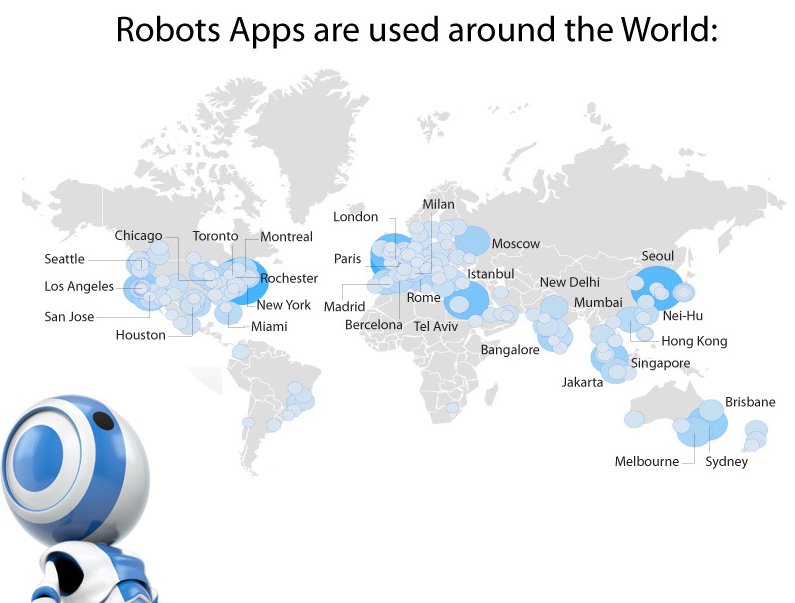
Future of #cloud #robotics okt.to/n6GITZ via @RobotAppStore x.com/InsightBrief/status/85… RT @insightbrief
1
1

19 Apr 2017
4
2

25 Feb 2017
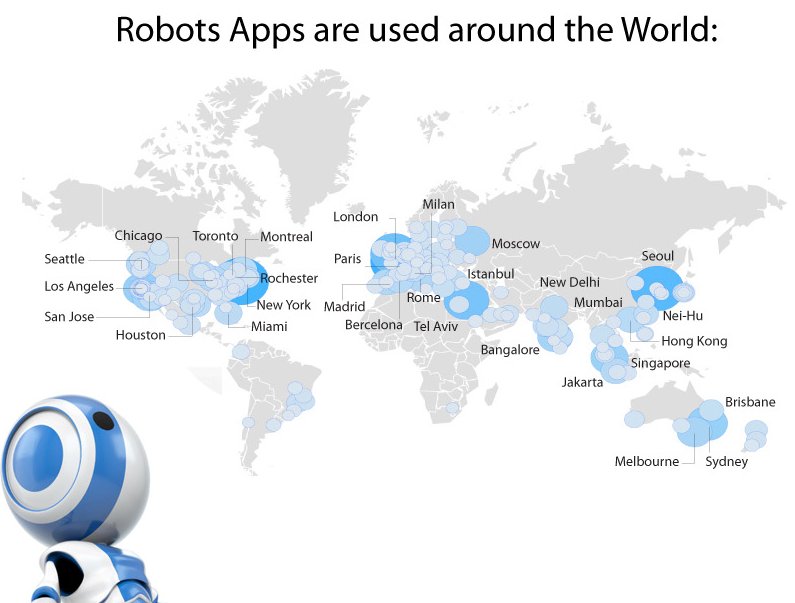
🚀Future of #cloud #robotics |
#Apps #BigData #machinelearning #AI #IoT #Tech
⏩okt.to/SwFarx via @RobotAppStore @InsightBrief
9
7
25 Feb 2017
7
2
21 Feb 2017
3
1
18 Feb 2017
2
2


25 Dec 2012
Глава Mail.Ru Дмитрий Гришин о том, зачем роботам приложения и почему надо инвестировать в RobotAppStore hitech.vesti.ru/news/view/id…


11 Dec 2012
Вести.net: Grishin Robotics вложился в RobotAppStore, а Google Play станет доступнее россиянам. hitech.vesti.ru/news/view/id…
2
11 Dec 2012
Вести.net: Grishin Robotics вложился в RobotAppStore, а Google Play станет доступнее россиянам hitech.vesti.ru/news/view/id…
11 Dec 2012
Вести.net: Grishin Robotics вложился в RobotAppStore, а Google Play станет доступнее россиянам vesti.ru/t?981009
1

11 Dec 2012
The @RobotAppStore helps #robots, like the @NaoRobot designed in #SolidWorks, de-stress with yoga bit.ly/TQGTpr via @deciara

Interesting read RT @TheRobotTrap Grishin Robotics Pours $250,000 into RobotAppStore bit.ly/UQdnAN #robot via @IEEESpectrum
2
3