
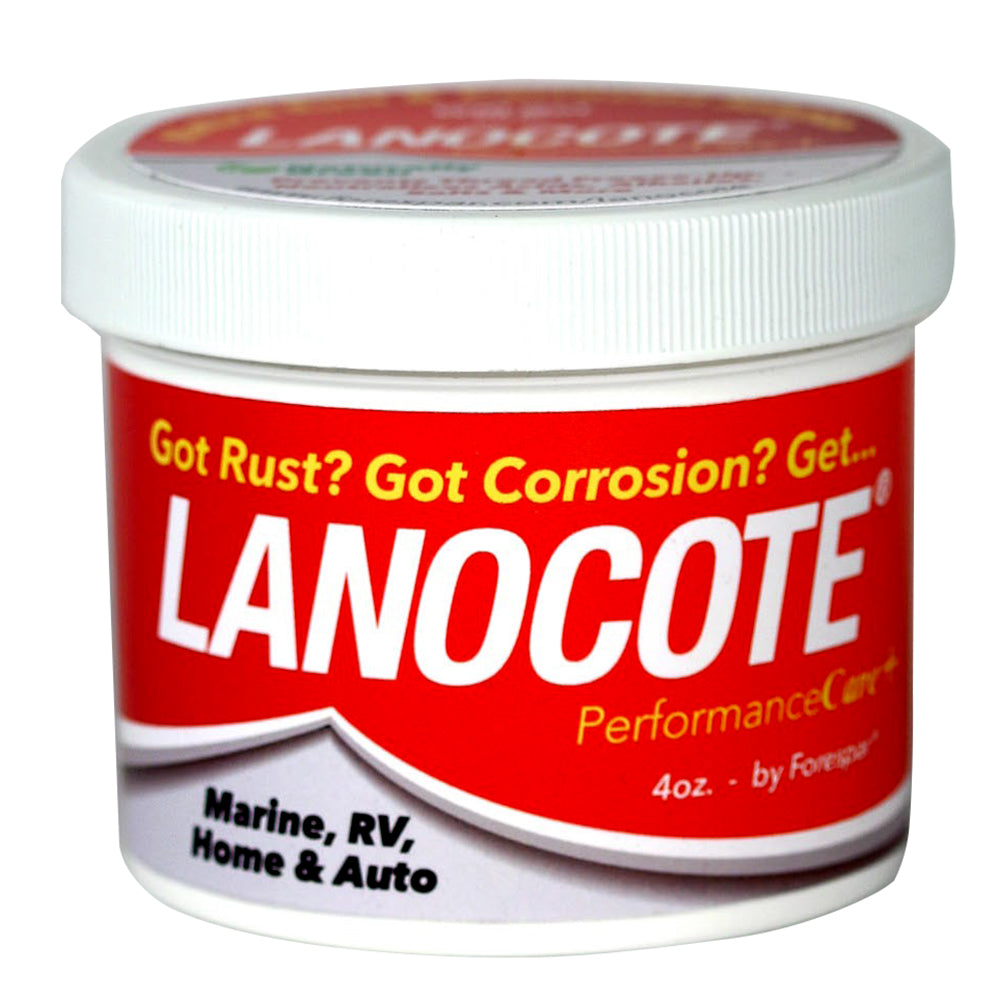
Forespar Lanocote Rust & Corrosion Solution - 4 oz. dlvr.it/TT14tW #RustPrevention #CorrosionControl #MarineProducts #Forespar #BoatMaintenance
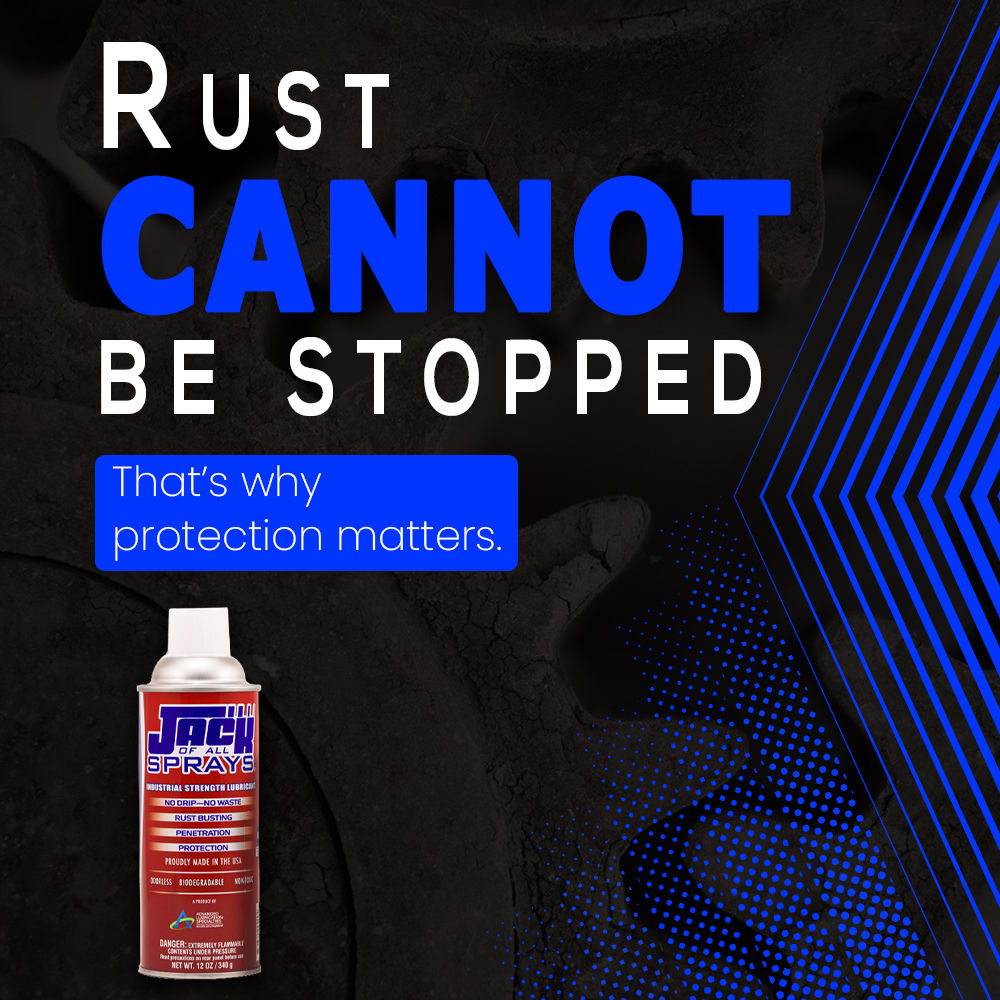
Fight rust before it spreads with Jack of all Sprays.
#JackOfAllSprays #RustCannotBeStopped #RustPrevention #CorrosionControl #Lubricates #Penetrates #Protects #RustBusts #IndustrialLubricant #ToolCare #EquipmentCare #ShopLife
3

Apr 21
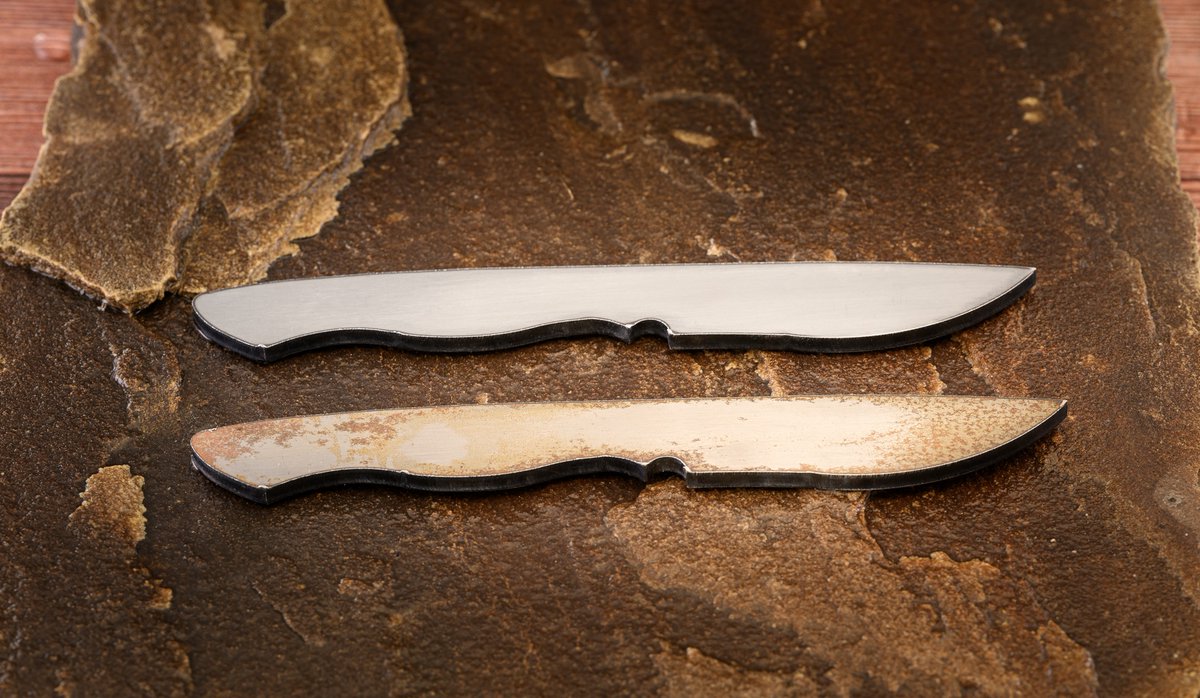
Left unprotected, even the best steel loses. After constant exposure in a Humidity Chamber set at 100° Temperature and 100% Humidity 24/7 for over two (2) months (equal to 2 years real world exposure):
Top - Steel treated with Hoplon Blade.
Bottom - Unprotected steel after exposure.
Rust doesn't ask permission. Don't give it a chance.
#HoplonBlade #KnifeLife #BladeProtection #RustPrevention #EDC #KnifeNerd
1
3
47

18 Jul 2025
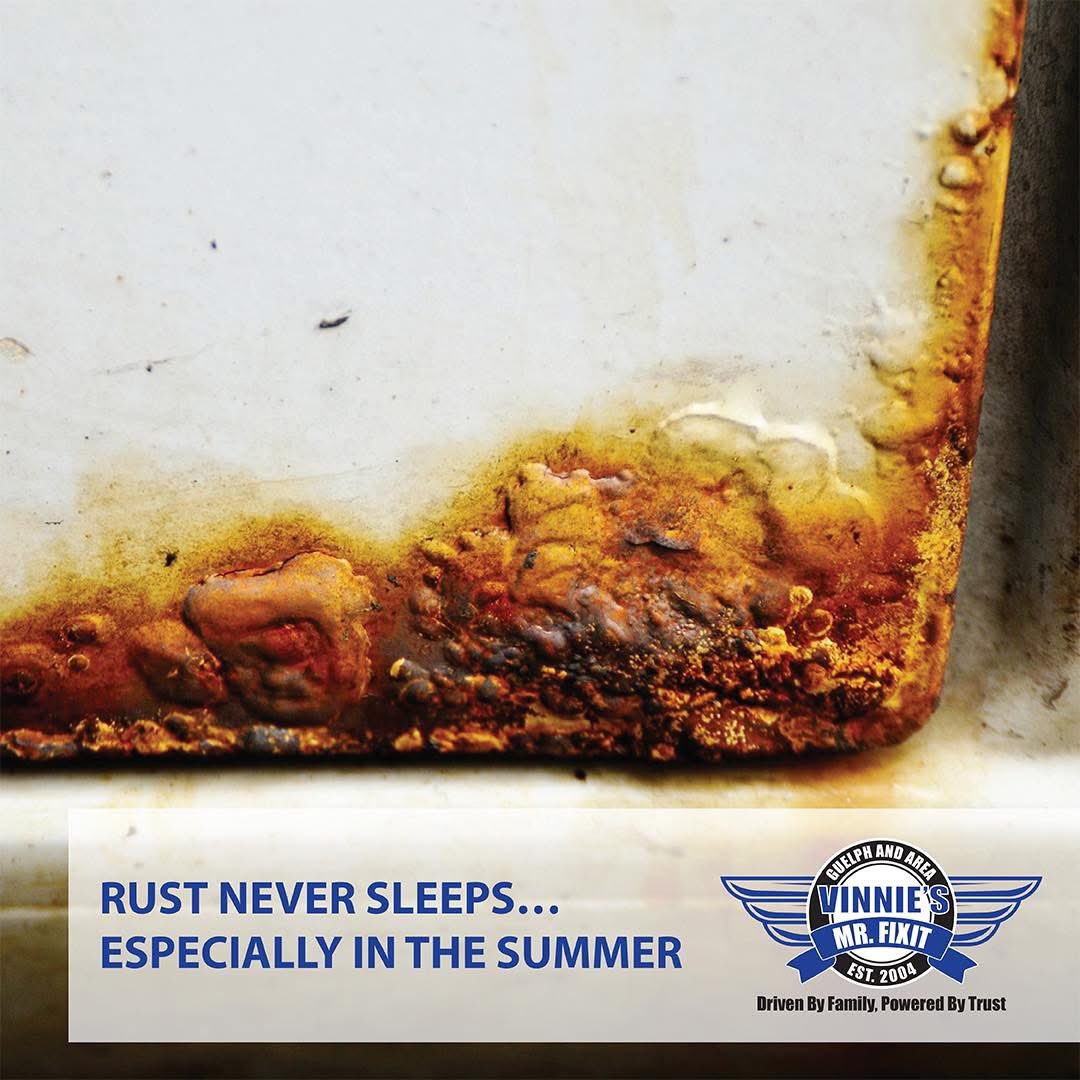
RUST NEVER SLEEPS...ESPECIALLY IN THE SUMMER
While we don’t offer rust proofing services ourselves, our technicians can inspect your vehicle and let you know if it’s time to consider professional rust protection.
#RustPrevention #SummerRust #CarCareTips #VinniesMrFixit
5
23

19 Feb 2025
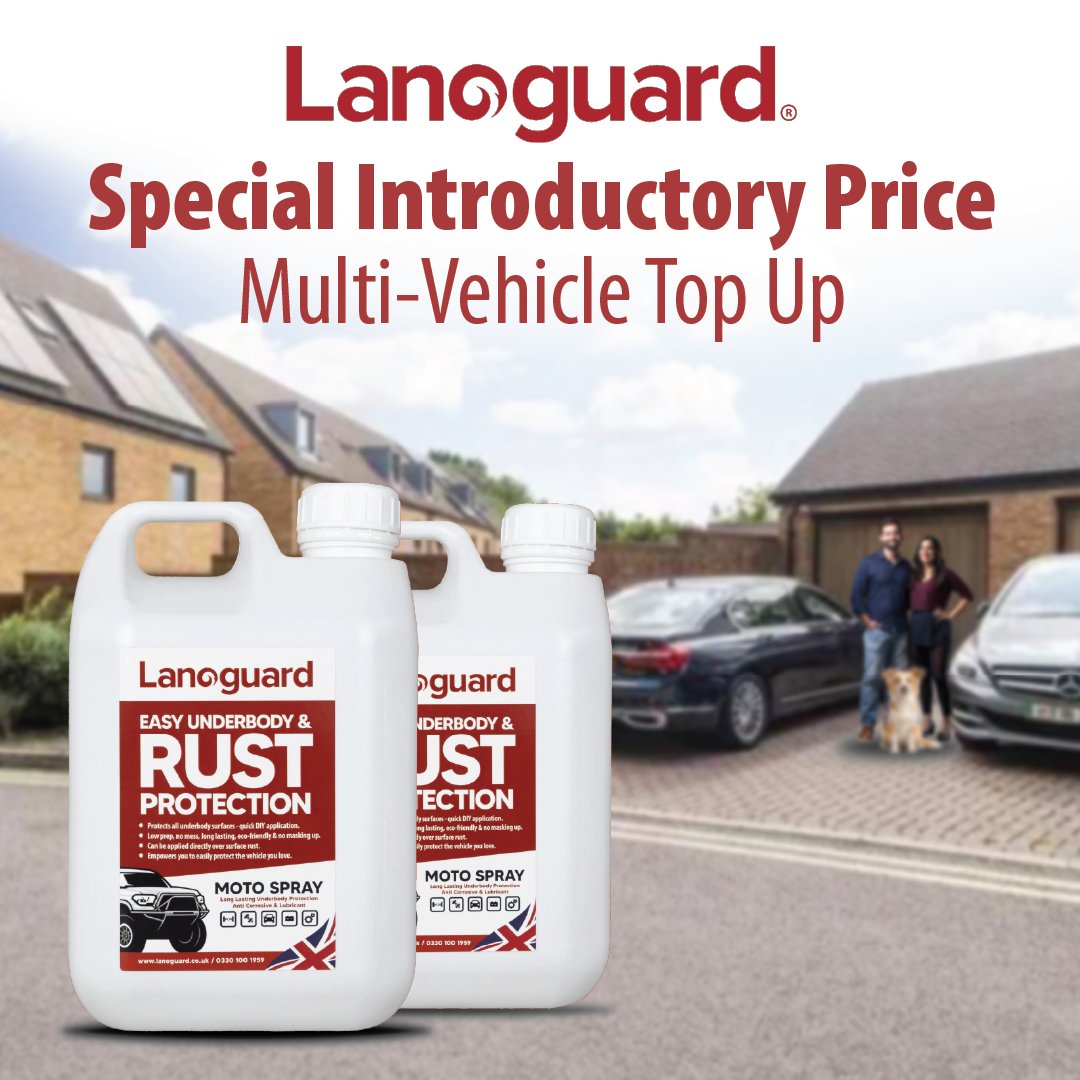
Protect the whole family’s vehicles for less! 🚗🛡️
👀 Have you seen our New Multi-Vehicle Sized Top Up?
Grab it now at a special introductory price! 👉 lanoguard.co.uk/pages/multi-…
#rustproofing #rustprevention #vehiclemaintenance #underseal #sustainable #diy #lanoguard
1
22

24 Jan 2025
In our videos, you see we use Katz Azz spray A LOT because we truly love it—and it works like magic!
Check them out at katzazzproducts.com/super-lu…
#rustbros #rustvalleyrestorers #mikehall #wildmangarage #classiccars #carrestoration #katzazz #rustremoval #SuperLube #RustPrevention
1
3
118

2 Jan 2025
When others can't, Jack can! Trust Jack of All Sprays for unrivaled lubrication, rust removal, and protection. Proudly made in America since 1895. #JackOfAllSprays #MadeInAmerica #RustPrevention #Lubrication #ProtectAndPerform

2
13
18 Dec 2024
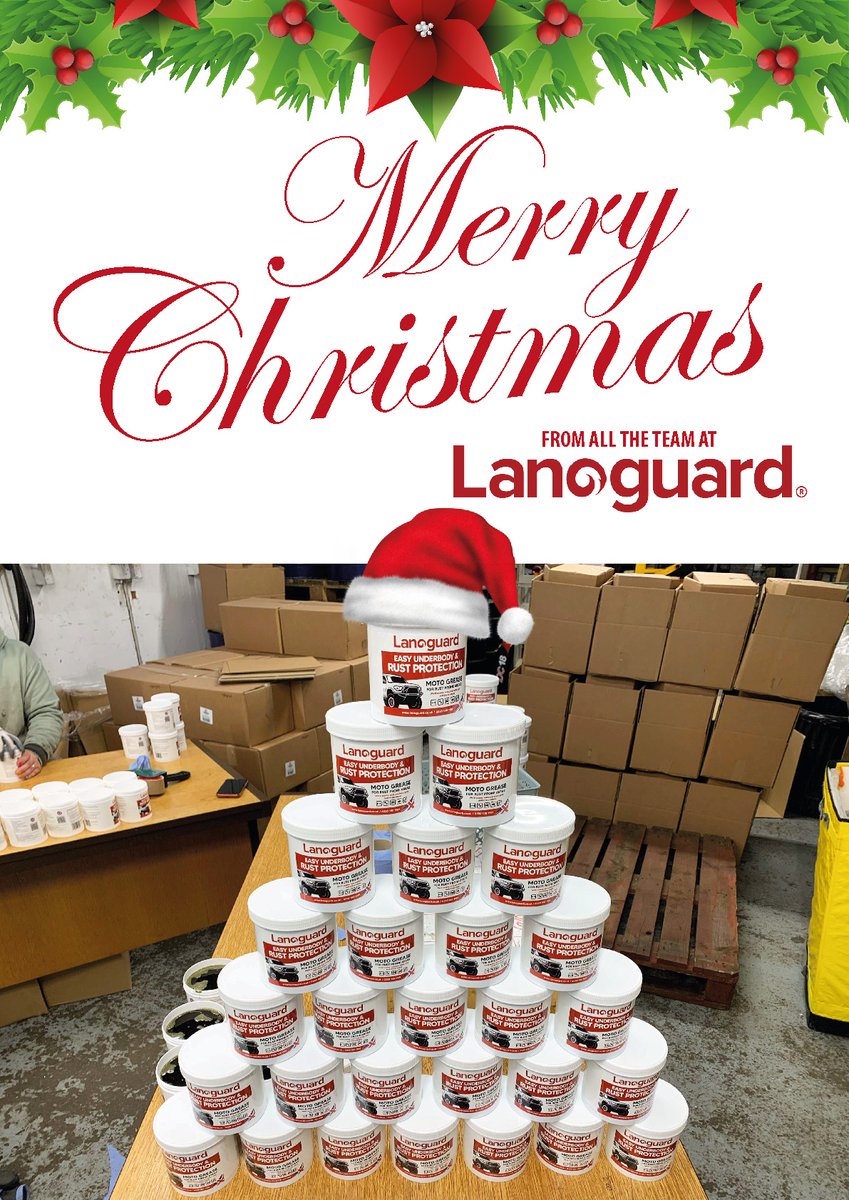
🎅🎄🎁 Merry Christmas and we wish you an enjoyable and rust-free New Year! 🎁🎄 🎅
From all the team here at Lanoguard 🚗
#rustproofing #rustprevention #vehiclemaintenance #diy #lanoguard #winterprep #merrychristmas
2
23

28 Oct 2024
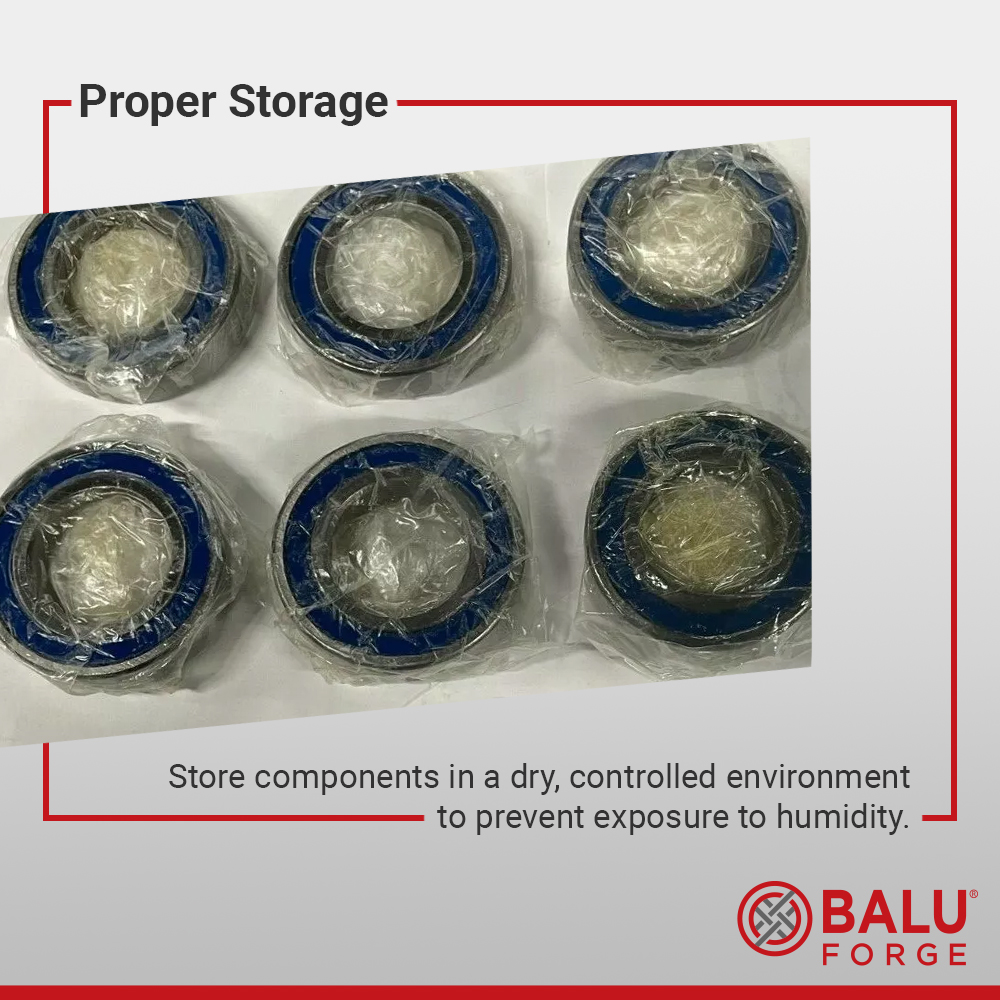
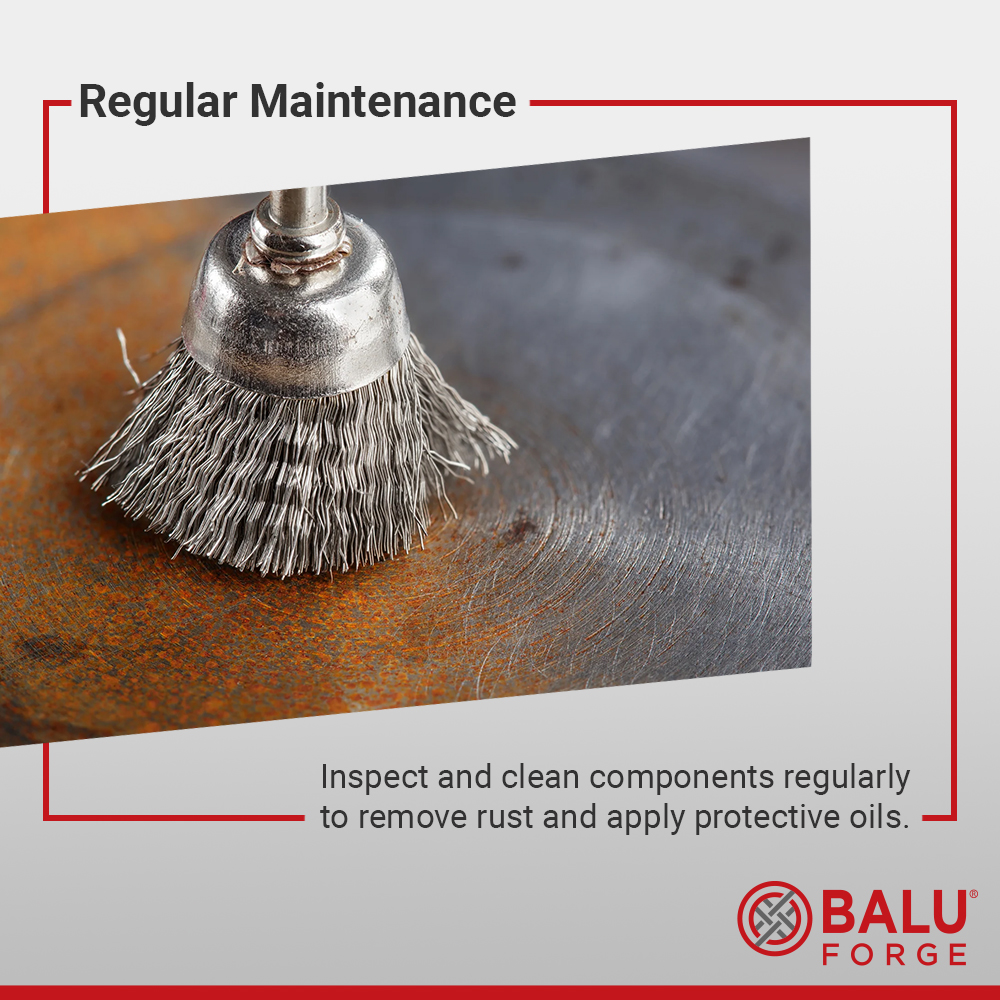
Protect your components from rust and extend their lifespan with these simple tips. At Balu Forge, we ensure quality and durability in every part we produce.
#BaluForge #RustPrevention #ComponentCare #EngineeringExcellence #Crankshaft #Manufacturing #Railways #cigüeñal

1
1
7
645

25 Oct 2024
Corrosion poses a real threat to structural safety. Regular inspections and maintenance of metal fasteners are key to preventing rust and safeguarding your building's integrity.
#Protectyoursteel #MaintenanceMatters #RustPrevention
6
209

1 Jul 2024
Say goodbye to rust and corrosion and hello to eco-friendly performance. Trick Shot does the trick every time!
#TrickShotLubricant #EcoFriendly #HighPerformance #RustPrevention #Lubrication #GreenProducts #SafeForTheEnvironment #MaintenanceMagic
penntoolco.com/trick-shot-pe…
1
2
139

18 Jun 2024
1
5
1,790


23 Apr 2024
POR15 #rustprevention #spraypaint #metalprep #por15 #rust #autorestoration #mazda #rx3 #mazdarx3 #autoparts
2
770

18 Feb 2024
🔍Unveiling Cybertruck's Rust Mystery!🔍Stainless steel's protective layer depends on oxygen & chrome, but iron-oxide rust can form under certain conditions. Factors like acid cleaners, road salt, acid rain, bird feces, and PPF can impact this.👇
#Cybertruck #StainlessSteel #RustPrevention
(( Article written in collaboration with Grok AI ))
Understanding Iron Rust Formation on Stainless Steel: The Role of Oxygen and Protective Measures
Introduction
Stainless steel is widely used in various applications due to its corrosion resistance and durability. However, under certain conditions, iron rust can still form on stainless steel surfaces, even when a protective iron-chromate layer is present. Here we will explore how oxygen helps form the protective layer on stainless steel and how iron rust can still form in low-oxygen environments. We will also discuss the factors that contribute to iron rust formation, such as the use of PPF protective plastic films, acidic cleaning agents, road salt or seawater exposure, tight areas, and natural hazards like bird feces, acid rain, and air pollution.
The Role of Oxygen in the Formation of the Protective Iron-Chromate Layer
Stainless steel contains a significant amount of chromium, which reacts with oxygen to form a thin, protective layer of chromium oxide on the steel's surface. This layer acts as a barrier, preventing further oxidation and corrosion of the underlying steel. Oxygen plays a crucial role in maintaining the integrity of this protective layer, as it continuously replenishes the chromium oxide when it is damaged or removed.
How Iron Rust Can Still Form in Low-Oxygen Environments
In locations where oxygen levels are low, the protective chromium-oxide layer may not form or may be less effective, leaving the underlying steel vulnerable to corrosion. However, iron rust can still form in these environments due to the presence of other oxidizing agents, such as water or other chemicals. These oxidizing agents can react with the iron in the stainless steel, leading to the formation of iron oxide (rust) even in low-oxygen conditions.
Factors That Contribute to Iron Rust Formation on Stainless Steel
(a) Use of PPF Protective Plastic Films: While PPF films can protect stainless steel surfaces from scratches and other physical damage, they can also trap moisture and other contaminants against the surface, creating an environment conducive to rust formation.
(b) Use of Acidic Cleaning Agents: Acidic cleaning agents, such as Barkeeper's Friend, can remove the protective chromium-oxide layer, leaving the stainless steel surface vulnerable to corrosion. It is important to use appropriate cleaning agents and follow manufacturer guidelines to maintain the integrity of the protective layer.
(c) Exposure to Road Salt or Seawater: Road salt and seawater contain high levels of chloride ions, which can cause localized corrosion on stainless steel surfaces. This corrosion can lead to the breakdown of the protective chromium-oxide layer and subsequent iron rust formation.
(d) Tight Areas and Bolt Heads: In tight areas or under bolt heads, the reduced oxygen levels and limited access for maintenance can lead to the formation of iron rust, even in the presence of a protective iron-chromate layer. Regular inspection and maintenance are necessary to prevent rust formation in these areas.
(e) Exposure to Natural Hazards: Bird feces, acid rain, and air pollution such as ozone and photochemical smog can all contribute to iron rust formation on stainless steel surfaces. These contaminants can react with the iron in the steel, leading to corrosion and rust formation.
Conclusion
The presence of oxygen is essential for the formation and maintenance of the protective iron-chromate layer on stainless steel. However, iron rust can still form in low-oxygen environments due to the presence of other oxidizing agents and various factors that contribute to corrosion. Understanding these factors and taking appropriate measures, such as using the right cleaning agents and performing regular maintenance, can help prevent iron rust formation and maintain the integrity of stainless steel surfaces.
1
2
381

27 Jan 2024
Taking proactive steps for #RustPrevention ensures your vehicle's longevity and reliability. Implementing some preventive measures to avoid #corrosion can save you unnecessary expenses and keep the #PickupTruck in optimal condition.
4wheelonline.medium.com/main…
1
20

6 Jan 2024
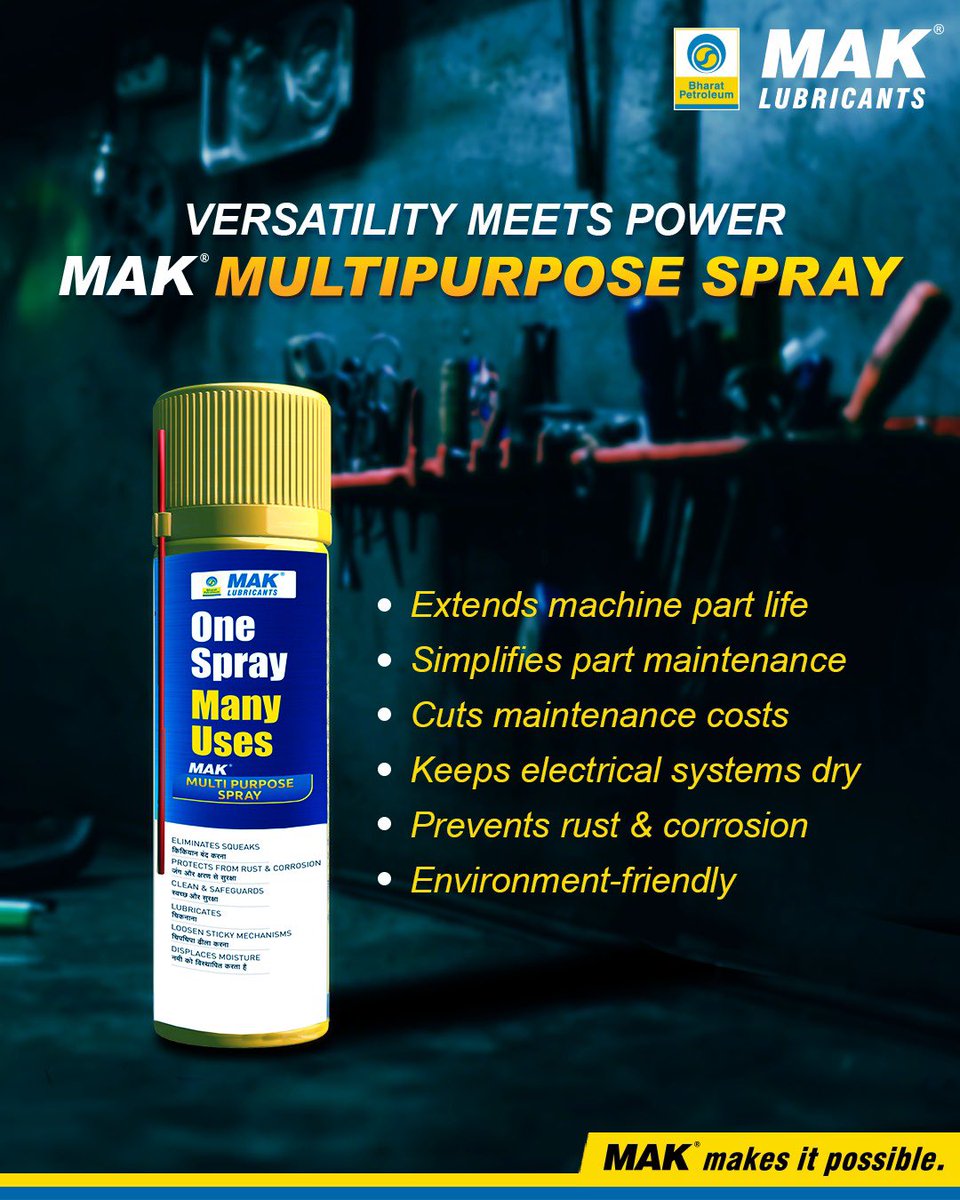
MAK MULTIPURPOSE SPRAY: A versatile spray solves your vehicle problems in seconds; from superior penetration & rust-busting power to water displacement & dust cleaning.
#carcare #bikecare #automobile #RustPrevention #multipurposespray #carspray #autospray #bikespray @BPCLimited
2
5
18
574

13 Aug 2023
Got Rust Protection For Tank 😎🤘🏼#jeeplife #jeepgirl #jeep #jeepproblems #jeeprust #rustprevention #rustproblems #rustproject #jeepher #shejeeps #jeepmusthaves #jeepmechanic #jeepgirlcheck #fluidfilm #fluidfilmundercoating #fluidfilmblack #fluidfilmusa #jeepshit
6
626
10 Aug 2023
Sometimes our lovely customers explain Lanoguard better than we can! Thanks to Shan for allowing us to use his YouTube video for this 'How To' guide. @EverythingHom13
#rustproofing #rustprevention #vehiclemaintenance #madeintheuk
youtu.be/UFqnRib1XrE
2
51

5 Jul 2023
OASIS provides variety in choosing the finish of your #WaterFountain. Greystone, stainless steel, and sandstone options let you choose which will be aesthetically pleasing for your space.
#Aesthetics #RustPrevention #WeKnowWater
1
2
39