Eight leading platforms and scores on how ready they ship out of the box.
#IBC #JavaScript #RustSDK
#NearProtocol #Autheo #TheoID #ABW34 #KYA #Hardhat #Foundry #Solana #Anchor #SubnetEVM #BNBChain #Substrate #Polkadot #Avalanche #CosmosSDK
roboticsandautomationnews.co…
33

Arbitrum Announces Rust SDK v0.10.0 - Major Boost for Rust & Stylus Developers
@Arbitrum has officially released #Stylus Rust SDK v0.10.0, a significant upgrade to its Rust tooling that makes developing, deploying, and automating smart contracts in Rust easier and more efficient. This release is part of the latest Builder’s Block newsletter from the Arbitrum Foundation and marks an important milestone for builders working with Rust and WebAssembly (WASM) on Arbitrum.
What’s New in Rust SDK v0.10.0
The highlight of this release is the introduction of stylus-tools, a new library that upgrades the Stylus Rust SDK from a command-line–only workflow into a programmatic toolset:
✅ Programmatic Deployment & Management:
With stylus-tools, developers can execute actions such as deployment, activation, and verification directly from Rust code instead of relying only on CLI commands, enabling more automated workflows.
✅ Automation & Integration:
By exposing these capabilities as a Rust library rather than a CLI tool, teams can integrate contract management into CI/CD pipelines, automated tests, and build scripts.
✅ Multi-Contract & Testing Support:
The update simplifies workflows involving multiple contracts or more complex test environments, improving development and deployment across larger projects.
Overall, this release improves the developer experience for Rust builders on Arbitrum by increasing control and flexibility when working with Rust-based smart contracts.
Stylus and Rust on Arbitrum: What It Means
The Stylus Rust SDK lets developers write smart contracts in Rust that compile to WebAssembly (WASM) and execute on Arbitrum chains alongside Solidity contracts. Rust contracts retain full EVM interoperability while benefiting from Rust’s performance and safety features.
Before this release, Rust workflows relied mainly on cargo-stylus, a CLI tool for compiling and activating contracts. With the new stylus-tools library built into the SDK, these steps can now be handled directly in Rust-based automation, enabling cleaner and more maintainable development pipelines with less manual work.
Why This Upgrade Matters
This isn’t just a version increment, it’s a tooling milestone for Arbitrum’s multi-language ecosystem:
🔹 Improved Productivity: Developers can embed contract operations directly into code and scripts, reducing repetitive manual steps and the risks that come with them.
🔹 Professional Workflows: CI/CD integration, automated testing, and scripted deployments are now more attainable for Rust projects, aligning Arbitrum development with established software engineering practices.
🔹 Language Flexibility: Rust is now a more compelling alternative to Solidity for contract authors. With strong tooling support, Rust developers can confidently build real applications on Arbitrum.
In simple terms, this update turns Rust smart contract development from experimental tooling into a more production-ready experience a shift that benefits teams building complex applications or aiming for long-lived deployments on Arbitrum.
What’s Next
Alongside the Rust SDK release, the Builder’s Block #009 update also highlights other ecosystem tooling improvements, such as future integration of Hardhat support for Stylus and broader learning resources further indicating Arbitrum’s commitment to making development more accessible and powerful.
My take
The Rust SDK v0.10.0 release with stylus-tools marks a meaningful expansion of the Arbitrum developer experience. It enables builders to automate contract deployment and management directly from Rust and strengthens Rust as a first-class language for on-chain development on @Arbitrum.
More broadly, this update signals Arbitrum’s continued focus on production-ready tooling, making it easier for teams to build complex applications using familiar, high-performance languages.
Learn more: github.com/OffchainLabs/styl…
#Arbitrum #RustSDK #Stylus #Web3Dev
34
160


8 Oct 2025
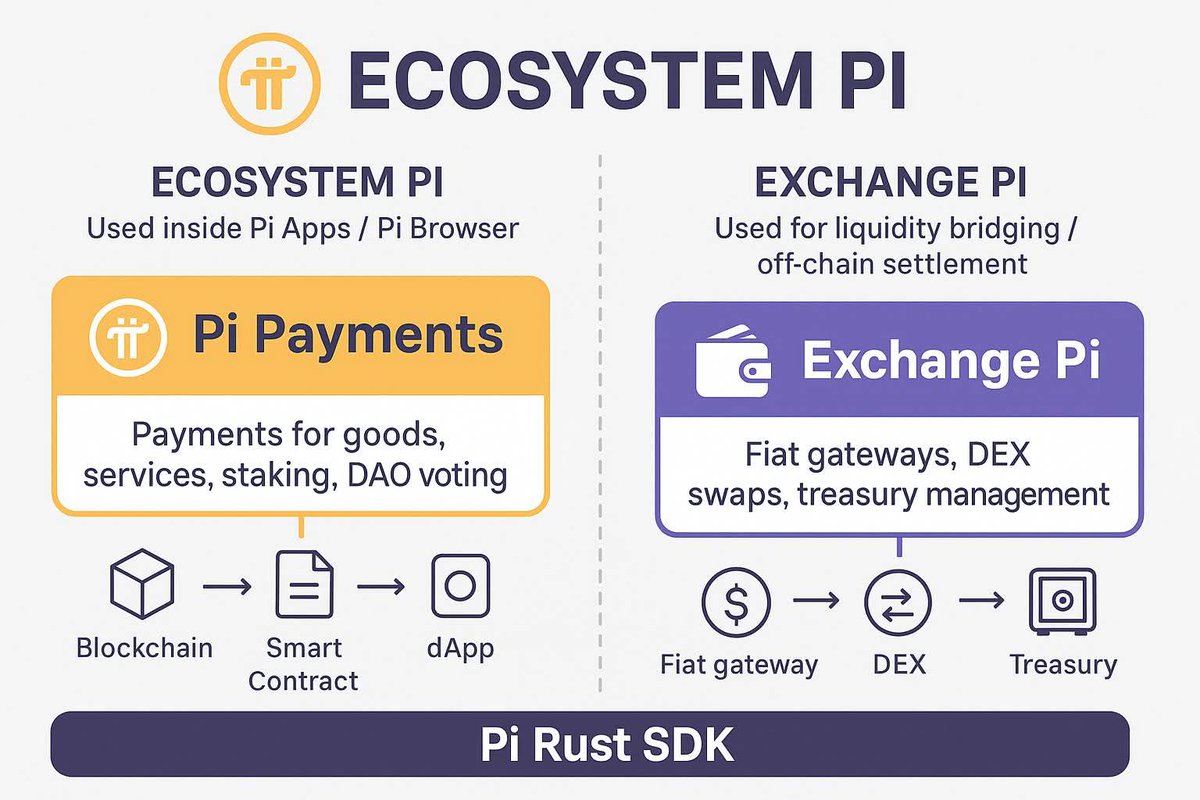
(6/6) 💎 Final Thought
The Pi Rust SDK is building the"economic engine" for a self-sustaining digital nation.
It ensures that value createdinside Pi stays and grows within the ecosystem.
This is how you build a Web3 future that lasts.
#PiNetwork #RustSDK #Web3 #DeFi
4
132
8 Oct 2025
(1/6) 🧠 The Pi Rust SDK isn't just another tool—it's the key to unlocking a REAL Web3 economy.
Let's break down its core logic and why it's a game-changer for developers,Pioneers, and the entire ecosystem. 🧵👇
#PiNetwork #Crypto #Blockchain #web3 #defi
#rustsdk
1
3
11
311

28 Aug 2025
@murphsicles seeing as how Galaxy has a long way to go I’d like to see you turn you attention to a RustSDK with BRC100 compatibility and a Rust rewrite of Wallet Toolbox. I (my AI) started the build, I think you probably have the chops to finish it.
Truth is we don’t need Galaxy even if it worked. Miners gonna mine or whatever. We need to feed them txs or they will have no reason to even run Galaxy. I want to do it through BRC100.
Help me Roy Murphy! You’re my only hope!
github.com/b1narydt/rs-sdk
github.com/b1narydt/wallet-t…
2
1
12
1,114

8 Aug 2025
GMXSOL v0.7.0 is live on Solana!
GT rewards now cover not only trades but also borrowing fees—plus powerful Rust SDK integration enables smoother automation and tooling. A big leap for DeFi usability and user incentives!
#GMXSOL #Solana #DeFi #RustSDK #CryptoRewards
1
76

12 May 2025
ʕ•ᴥ•ʔアバランチさんでも、rustSDKリリースしているみたいなのですが、このrustって開発者目線だとどうなのですか?
参入しやすいのかな
soroban…スマコン機能の競争化が前から水面下で行われてたんだよーというのが最近の界隈の印象
2
2,842

12 Apr 2025
What this means for blockchain development?
You need SDKs on the preferred languages for developers.
It is great we have @SwiftLang fully, from SCs to full apps. Flutter SDK is also available, with ReactSDK, TypeScript, JavaScript and also RustSDK (the SpaceCraftSDK) and KotlinSDK as well.
Choose your preferred languages and build.
11 Apr 2025

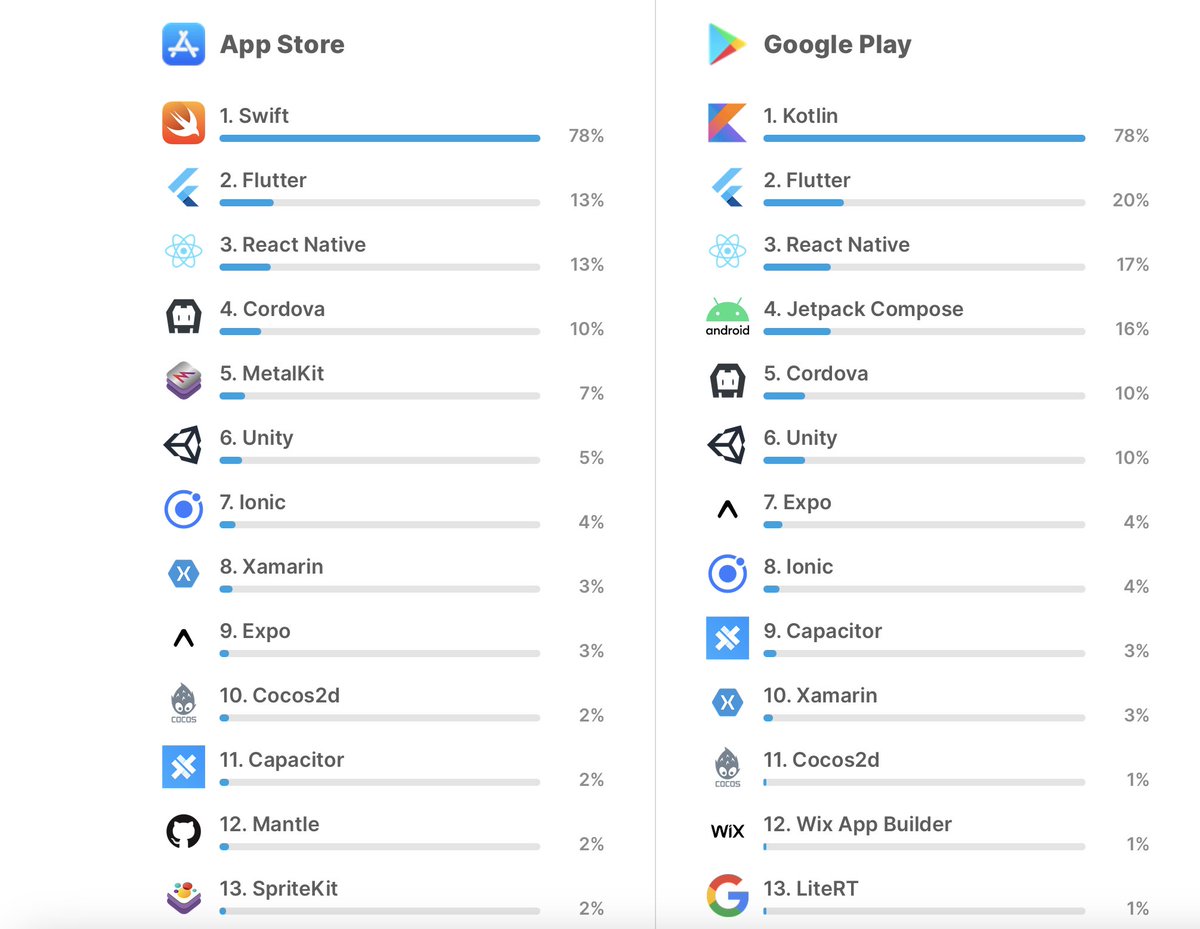
Can't Believe Flutter is is second most used SDK for building app on both platform. Google ain't going to sunset flutter that easy after all.
9
53
1,492

3 Mar 2025
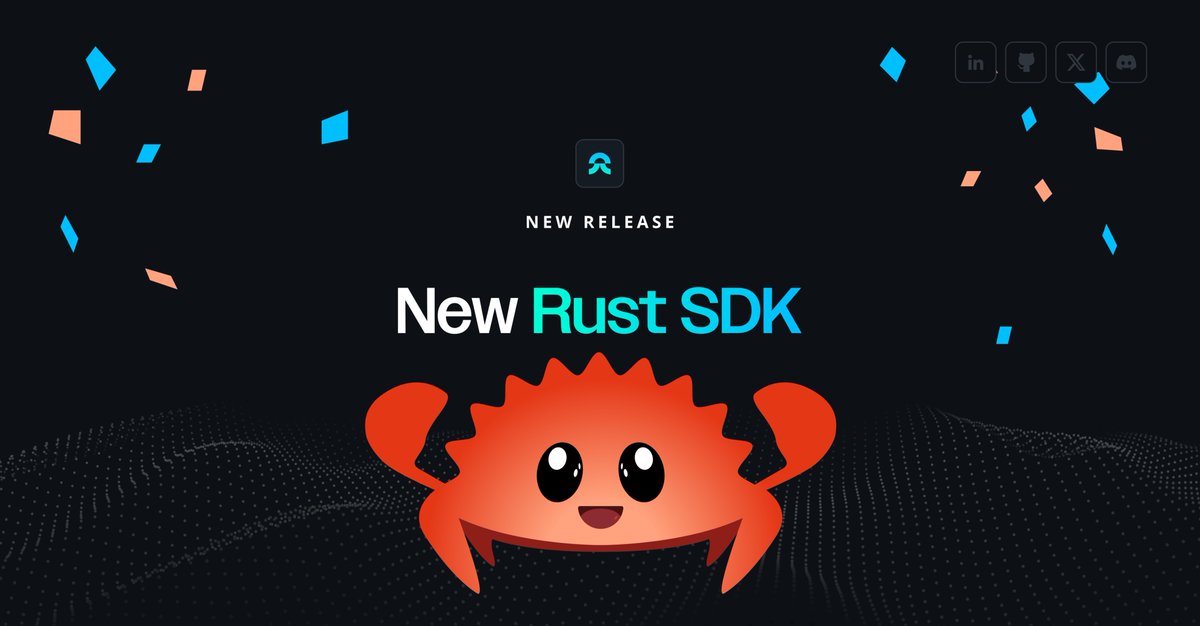
Introducing the new #Klave #RustSDK! 🦀 Build #secure, #highperformance #applications on #Klave with #RustLang. Tap into a vast #ecosystem of #crates, leverage #WebAssembly & #deploy with confidence. Check out our Klave Docs and start building! 🛠️ docs.klave.com
ALT Klave Rust SDK
2
39

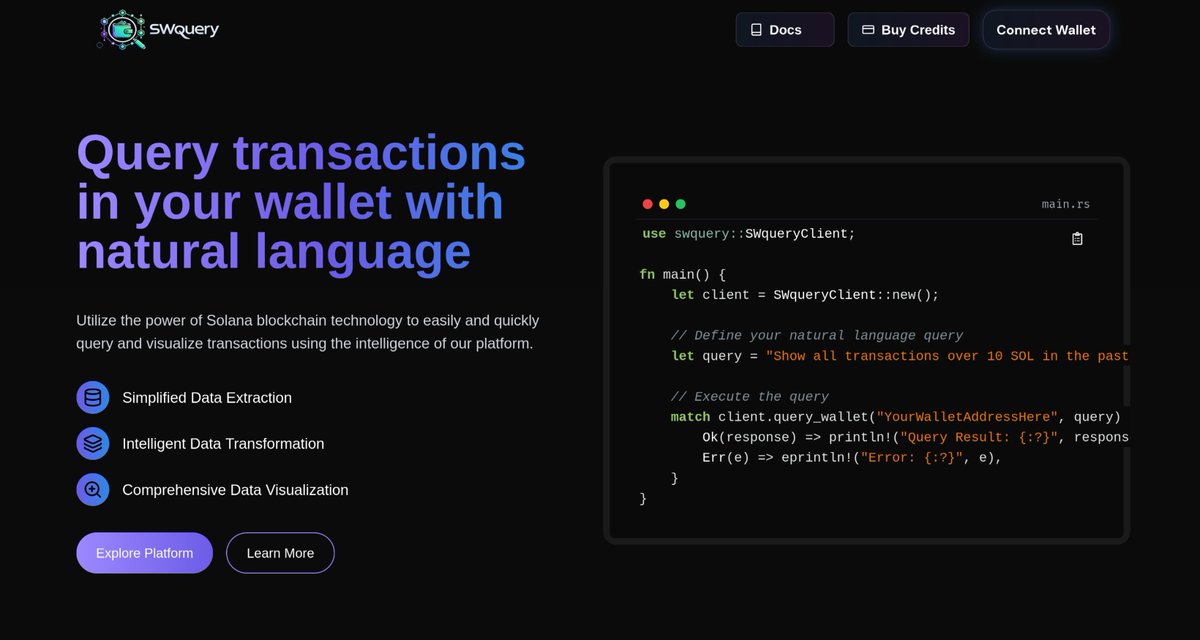
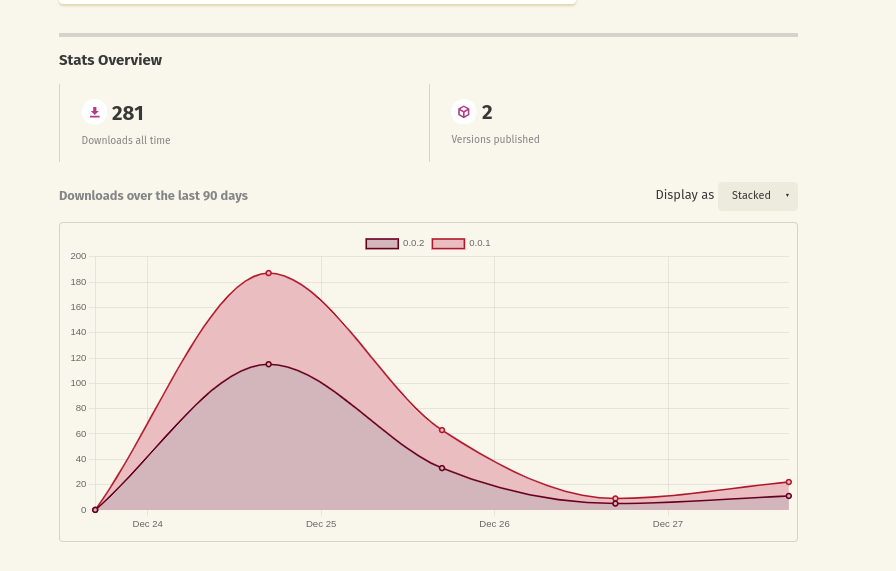
Thank you for the amazing support! 🙌✨
Download: crates.io/crates/swquery
GitHub repo: github.com/vict0rcarvalh0/sw…
WebSite:swquery-plum.vercel.app/
#Solana #Blockchain #RustSDK #Developers #AI #SWquery
@solanaturbine @solana @sendaifun
2
12
7,200